HTML SitemapExplore
logo
Find Things to DoFind The Best Restaurants

Blade Gate — Attraction in Rothenburg ob der Tauber

Name
Blade Gate
Description
Nearby attractions
St. Wolfgang
Klingentorbastei 1, 91541 Rothenburg ob der Tauber, Germany
North City Wall
Klingenschütt 6, 91541 Rothenburg ob der Tauber, Germany
Rothenburg Museum
Klosterhof 5, 91541 Rothenburg ob der Tauber, Germany
St. Jakobskirche
Kirchpl. 14, 91541 Rothenburg ob der Tauber, Germany
Penalties Tower
Klosterweth 14, 91541 Rothenburg ob der Tauber, Germany
Town Hall
Marktpl. 1, 91541 Rothenburg ob der Tauber, Germany
German Christmas Museum
Herrngasse 1, 91541 Rothenburg ob der Tauber, Germany
Castle Garden
Alte Burg, 91541 Rothenburg ob der Tauber, Germany
Stadtmauer Rothenburg
Röderschütt, 91541 Rothenburg ob der Tauber, Germany
Medieval Crime Museum
Burggasse 3-5, 91541 Rothenburg ob der Tauber, Germany
Nearby restaurants
Guckloch 38
Klingengasse 38, 91541 Rothenburg ob der Tauber, Germany
Louvre
Klingengasse 15, 91541 Rothenburg ob der Tauber, Germany
Altfraenkische Weinstube
Klosterhof 7, 91541 Rothenburg ob der Tauber, Germany
Taj Mahal Rothenburg
Klingengasse 12, 91541 Rothenburg ob der Tauber, Germany
Restaurant Gasthaus zur Schranne in Rothenburg o/T
Schrannenpl. 7, 91541 Rothenburg ob der Tauber, Germany
China Restaurant Hotel Lotus
Eckele 2, 91541 Rothenburg ob der Tauber, Germany
Am Platzl
Judengasse 37, 91541 Rothenburg ob der Tauber, Germany
Lotus China-Restaurant
Eckele 2, 91541 Rothenburg ob der Tauber, Germany
Restaurant Goldenes Lamm
Markt 2, 91541 Rothenburg ob der Tauber, Germany
Eiscafé-Pizzeria Roma
Galgengasse 25, 91541 Rothenburg ob der Tauber, Germany
Nearby hotels
Akzent Hotel SCHRANNE
Schrannenpl. 6, 91541 Rothenburg ob der Tauber, Germany
Gästehaus Edelzimmer Rothenburg
Klingengasse 8, 91541 Rothenburg ob der Tauber, Germany
Ferienwohnungen am Klingentor
Klingengasse 28B, 91541 Rothenburg ob der Tauber, Germany
Ferienwohnung Muss - Rothenburg
Klingengasse 21, 91541 Rothenburg ob der Tauber, Germany
Burg-Hotel
Klostergasse 1-3, 91541 Rothenburg ob der Tauber, Germany
Hotel Eisenhut
Herrngasse 3-5/7, 91541 Rothenburg ob der Tauber, Germany
Bed & Breakfast Gerlinger
Schlegeleinsweth 10, 91541 Rothenburg ob der Tauber, Germany
710 das ferienhaus
Judengasse 5, 91541 Rothenburg ob der Tauber, Germany
Hotel BurgGartenpalais
Herrngasse 26, 91541 Rothenburg ob der Tauber, Germany
Klosterstüble
Herrngasse 21, 91541 Rothenburg ob der Tauber, Germany
Related posts
Keywords
Blade Gate tourism.Blade Gate hotels.Blade Gate bed and breakfast. flights to Blade Gate.Blade Gate attractions.Blade Gate restaurants.Blade Gate travel.Blade Gate travel guide.Blade Gate travel blog.Blade Gate pictures.Blade Gate photos.Blade Gate travel tips.Blade Gate maps.Blade Gate things to do.
Blade Gate things to do, attractions, restaurants, events info and trip planning
Blade Gate
GermanyBavariaRothenburg ob der TauberBlade Gate

Basic Info

Blade Gate

Klingengasse 15, 91541 Rothenburg ob der Tauber, Germany
4.6(1.1K)
Open until 12:00 AM
Save
spot

Ratings & Description

Info

Cultural
Accessibility
attractions: St. Wolfgang, North City Wall, Rothenburg Museum, St. Jakobskirche, Penalties Tower, Town Hall, German Christmas Museum, Castle Garden, Stadtmauer Rothenburg, Medieval Crime Museum, restaurants: Guckloch 38, Louvre, Altfraenkische Weinstube, Taj Mahal Rothenburg, Restaurant Gasthaus zur Schranne in Rothenburg o/T, China Restaurant Hotel Lotus, Am Platzl, Lotus China-Restaurant, Restaurant Goldenes Lamm, Eiscafé-Pizzeria Roma
logoLearn more insights from Wanderboat AI.
Phone
+49 9861 404800
Website
rothenburg.de
Open hoursSee all hours
MonOpen 24 hoursOpen

Plan your stay

hotel
Pet-friendly Hotels in Rothenburg ob der Tauber
Find a cozy hotel nearby and make it a full experience.

hotel
Affordable Hotels in Rothenburg ob der Tauber
Find a cozy hotel nearby and make it a full experience.

hotel
The Coolest Hotels You Haven't Heard Of (Yet)
Find a cozy hotel nearby and make it a full experience.

hotel
Trending Stays Worth the Hype in Rothenburg ob der Tauber
Find a cozy hotel nearby and make it a full experience.

Reviews

Nearby attractions of Blade Gate

St. Wolfgang

North City Wall

Rothenburg Museum

St. Jakobskirche

Penalties Tower

Town Hall

German Christmas Museum

Castle Garden

Stadtmauer Rothenburg

Medieval Crime Museum
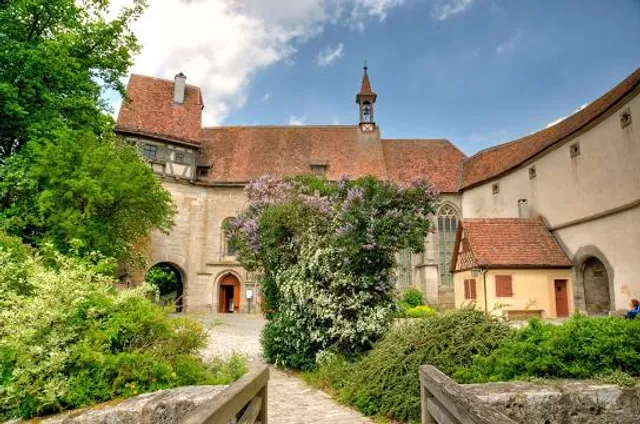
St. Wolfgang

St. Wolfgang

4.7

(45)

Closed
Click for details
North City Wall

North City Wall

4.8

(66)

Open 24 hours
Click for details
Rothenburg Museum

Rothenburg Museum

4.7

(222)

Open 24 hours
Click for details
St. Jakobskirche

St. Jakobskirche

4.2

(489)

Open 24 hours
Click for details

Nearby restaurants of Blade Gate

Guckloch 38

Louvre

Altfraenkische Weinstube

Taj Mahal Rothenburg

Restaurant Gasthaus zur Schranne in Rothenburg o/T

China Restaurant Hotel Lotus

Am Platzl

Lotus China-Restaurant

Restaurant Goldenes Lamm
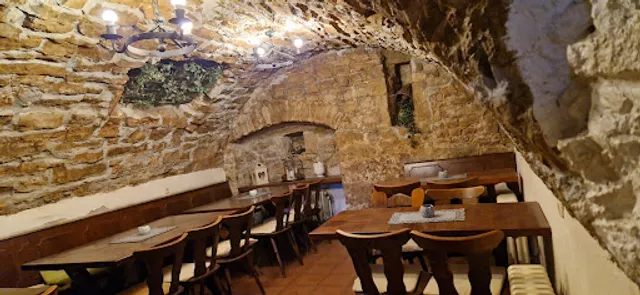
Eiscafé-Pizzeria Roma

Guckloch 38

Guckloch 38

4.6

(144)

Click for details
Louvre

Louvre

4.5

(300)

Click for details
Altfraenkische Weinstube

Altfraenkische Weinstube

4.6

(434)

$$

Click for details
Taj Mahal Rothenburg

Taj Mahal Rothenburg

4.6

(334)

$$

Click for details
Get the Appoverlay
Get the AppOne tap to find yournext favorite spots!
Wanderboat LogoWanderboat

Your everyday Al companion for getaway ideas

CompanyAbout Us
InformationAI Trip PlannerSitemap
SocialXInstagramTiktokLinkedin
LegalTerms of ServicePrivacy Policy

Get the app

© 2025 Wanderboat. All rights reserved.
logo

Reviews of Blade Gate

4.6
(1,075)
avatar
5.0
7y

Rothenburg was founded in1170. Earned the Title of ReichFreiheit 1274 in 1274. Was governed has a Republik a Free Imperial City of the Holy Roman Empire to 1803, Year of the dissolution of the Holy Roman Empire by Napoleon. It was under Siege by Tilly in the 30 years war around 1631. In the early Periode belonged to the Swabians from today's Baden-Württemberg but was succeded by The Electors of Bavaria from the Free State of Bayern.

In 950, the weir system in today’s castle garden was constructed by the Count of Comburg-Rothenburg. In 1070, the counts of Comburg-Rothenburg, who also owned the village of Gebsattel, built Rothenburg castle on the mountain top high above the River Tauber. The counts of the Comburg-Rothenburg dynasty died out in 1116. In 1142, Konrad von Hohenstaufen, who became Konrad III (1138–52), the self-Entitled Roman King, traded a part of the monastery of Neumünster in Würzburg above the village Detwang and built the Stauffer-Castle Rothenburg on this cheaper land... In 1170, the city of Rothenburg was founded at the time of the building of Staufer Castle. Walls and towers were built in the 13th century. Preserved are the “White Tower” and the Markus Tower with the Röder Arch. From 1194 to 1254, the representatives of the Staufer dynasty governed the area around Rothenburg. Around this time, the Order of St. John and other orders were founded near St. James' Church and a Dominican nunnery (1258). Three famous fairs were established in the city and in the following centuries, the city expanded. The citizens of the city and the Knights of the Hinterland build the Franziskaner (Franciscan) Monastery and the Holy Ghost Hospital (1376/78 incorporated into the city walls). The German Order began the building of St. James Church, which the citizens have used since 1336. The Heilig Blut(Holy Blood) pilgrimage attracted many pilgrims to Rothenburg, at the time one of the 20 largest cities of the Holy Roman Empire. The population was around 5,500 people within the city walls and another 14,000 in the 150 square miles (390 km2) of surrounding territory. The Staufer Castle was destroyed by an earthquake in 1356, the St. Blaise chapel is the last remnant today. In October 1631, during the 30 years war, the Catholic Count of Tilly, wanted to quarter his 40,000 troops in Protestant Lutheran Rothenburg. Rather than allow entrance, the town defended itself and intended to withstand a siege. However, Tilly's troops quickly defeated Rothenburg, losing only 300 soldiers. A popular legend called the Meistertrunk states that when General Tilly condemned the councilmen to death and was set to burn the city down, the councilmen tried to sway him with a large drink of 3 1/4 liters wine. Tilly proclaimed that if anyone could drink it all in one drink, he would spare the city. The mayor at the time, succeeded, and General Tilly kept his word. However, after the winter, they left the town poor and nearly empty, and in 1634 a Black Plague outbreak killed many more townsfolk. Without any money or power, Rothenburg stopped growing, thus preserving its 17th-century state.

Since 1803, the town has been a part of Bavaria. Following the visit of some Culture famous Persons of the era, the first tourists started visit around 1877. Laws were created to prevent major changes to the town. In 1884 Johann Friedrich (von) Hessing built up till 1903 the...

   Read more
avatar
5.0
2y

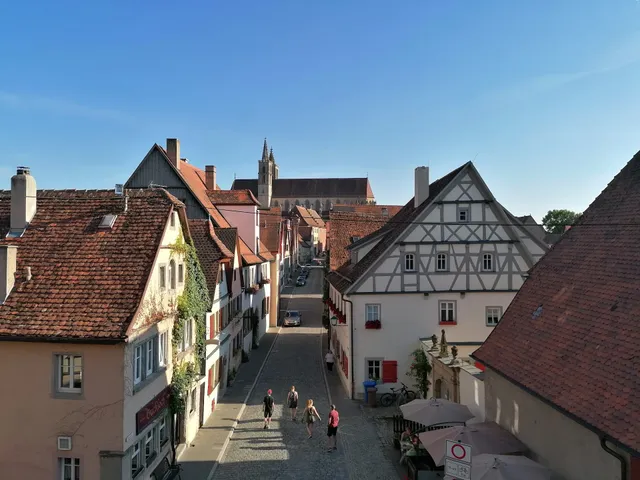
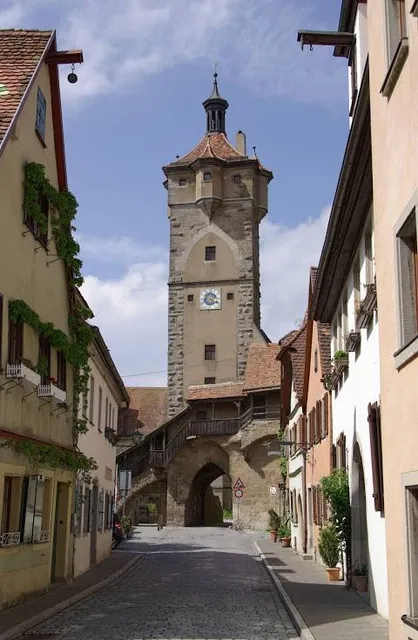
Das Klingentor, auch bekannt als “Klingenbastei”, ist eines der eindrucksvollsten Stadttore in Rothenburg ob der Tauber. Dieses imposante mittelalterliche Stadttor wurde im 14. Jahrhundert erbaut und diente einst als Verteidigungspunkt und Zugang zur Stadt. Heute ist es ein beeindruckendes Symbol der Stadtgeschichte und ein beliebtes Ziel für Touristen.

Die markante Architektur des Klingentors, mit seinen hohen Türmen und den gut erhaltenen Wehranlagen, vermittelt ein Gefühl der Zeitreise ins Mittelalter. Die Aussichtsplattform auf dem Turm bietet einen atemberaubenden Blick über die roten Dächer und engen Gassen der Altstadt sowie auf die umliegende Landschaft.

Während eines Besuchs am Klingentor können Touristen nicht nur die historische Bedeutung dieses Ortes erleben, sondern auch die Gelegenheit nutzen, um sich in die reiche Geschichte von Rothenburg ob der Tauber zu vertiefen. Die gut erhaltenen Mauern und Türme des Klingentors dienen als lebendiges Geschichtsbuch und sind ein idealer Ort, um Erinnerungsfotos zu machen und die Atmosphäre dieser charmanten Stadt zu genießen.

Zusammenfassend ist das Klingentor ein fesselndes Wahrzeichen in Rothenburg ob der Tauber, das Touristen die Möglichkeit bietet, in die Geschichte einzutauchen, spektakuläre Ausblicke zu genießen und die Schönheit dieser zauberhaften mittelalterlichen Stadt zu erleben. Ein Besuch hier wird sicherlich...

   Read more
avatar
5.0
7y

Beautiful town that needs to be experienced. We started by walking the closest section of the wall. Then ventured down into the city. There are so many local shops and restaurant/cafes to choose from. There are definitely tourist shops, but if you look you will find places that have old and used goods that are great quality as well. We only had a few hours, but could have easily spent an entire day...

   Read more
Page 1 of 7
Previous
Next

Posts

Paulo MendesPaulo Mendes
Rothenburg was founded in1170. Earned the Title of ReichFreiheit 1274 in 1274. Was governed has a Republik a Free Imperial City of the Holy Roman Empire to 1803, Year of the dissolution of the Holy Roman Empire by Napoleon. It was under Siege by Tilly in the 30 years war around 1631. In the early Periode belonged to the Swabians from today's Baden-Württemberg but was succeded by The Electors of Bavaria from the Free State of Bayern. In 950, the weir system in today’s castle garden was constructed by the Count of Comburg-Rothenburg. In 1070, the counts of Comburg-Rothenburg, who also owned the village of Gebsattel, built Rothenburg castle on the mountain top high above the River Tauber. The counts of the Comburg-Rothenburg dynasty died out in 1116. In 1142, Konrad von Hohenstaufen, who became Konrad III (1138–52), the self-Entitled Roman King, traded a part of the monastery of Neumünster in Würzburg above the village Detwang and built the Stauffer-Castle Rothenburg on this cheaper land... In 1170, the city of Rothenburg was founded at the time of the building of Staufer Castle. Walls and towers were built in the 13th century. Preserved are the “White Tower” and the Markus Tower with the Röder Arch. From 1194 to 1254, the representatives of the Staufer dynasty governed the area around Rothenburg. Around this time, the Order of St. John and other orders were founded near St. James' Church and a Dominican nunnery (1258). Three famous fairs were established in the city and in the following centuries, the city expanded. The citizens of the city and the Knights of the Hinterland build the Franziskaner (Franciscan) Monastery and the Holy Ghost Hospital (1376/78 incorporated into the city walls). The German Order began the building of St. James Church, which the citizens have used since 1336. The Heilig Blut(Holy Blood) pilgrimage attracted many pilgrims to Rothenburg, at the time one of the 20 largest cities of the Holy Roman Empire. The population was around 5,500 people within the city walls and another 14,000 in the 150 square miles (390 km2) of surrounding territory. The Staufer Castle was destroyed by an earthquake in 1356, the St. Blaise chapel is the last remnant today. In October 1631, during the 30 years war, the Catholic Count of Tilly, wanted to quarter his 40,000 troops in Protestant Lutheran Rothenburg. Rather than allow entrance, the town defended itself and intended to withstand a siege. However, Tilly's troops quickly defeated Rothenburg, losing only 300 soldiers. A popular legend called the Meistertrunk states that when General Tilly condemned the councilmen to death and was set to burn the city down, the councilmen tried to sway him with a large drink of 3 1/4 liters wine. Tilly proclaimed that if anyone could drink it all in one drink, he would spare the city. The mayor at the time, succeeded, and General Tilly kept his word. However, after the winter, they left the town poor and nearly empty, and in 1634 a Black Plague outbreak killed many more townsfolk. Without any money or power, Rothenburg stopped growing, thus preserving its 17th-century state. Since 1803, the town has been a part of Bavaria. Following the visit of some Culture famous Persons of the era, the first tourists started visit around 1877. Laws were created to prevent major changes to the town. In 1884 Johann Friedrich (von) Hessing built up till 1903 the "Hessingsche Wildbad".
Manuel van gen HassendManuel van gen Hassend
Das Klingentor, auch bekannt als “Klingenbastei”, ist eines der eindrucksvollsten Stadttore in Rothenburg ob der Tauber. Dieses imposante mittelalterliche Stadttor wurde im 14. Jahrhundert erbaut und diente einst als Verteidigungspunkt und Zugang zur Stadt. Heute ist es ein beeindruckendes Symbol der Stadtgeschichte und ein beliebtes Ziel für Touristen. Die markante Architektur des Klingentors, mit seinen hohen Türmen und den gut erhaltenen Wehranlagen, vermittelt ein Gefühl der Zeitreise ins Mittelalter. Die Aussichtsplattform auf dem Turm bietet einen atemberaubenden Blick über die roten Dächer und engen Gassen der Altstadt sowie auf die umliegende Landschaft. Während eines Besuchs am Klingentor können Touristen nicht nur die historische Bedeutung dieses Ortes erleben, sondern auch die Gelegenheit nutzen, um sich in die reiche Geschichte von Rothenburg ob der Tauber zu vertiefen. Die gut erhaltenen Mauern und Türme des Klingentors dienen als lebendiges Geschichtsbuch und sind ein idealer Ort, um Erinnerungsfotos zu machen und die Atmosphäre dieser charmanten Stadt zu genießen. Zusammenfassend ist das Klingentor ein fesselndes Wahrzeichen in Rothenburg ob der Tauber, das Touristen die Möglichkeit bietet, in die Geschichte einzutauchen, spektakuläre Ausblicke zu genießen und die Schönheit dieser zauberhaften mittelalterlichen Stadt zu erleben. Ein Besuch hier wird sicherlich unvergesslich sein.
David StoneDavid Stone
Beautiful town that needs to be experienced. We started by walking the closest section of the wall. Then ventured down into the city. There are so many local shops and restaurant/cafes to choose from. There are definitely tourist shops, but if you look you will find places that have old and used goods that are great quality as well. We only had a few hours, but could have easily spent an entire day or more there.
See more posts
See more posts
hotel
Find your stay

Pet-friendly Hotels in Rothenburg ob der Tauber

Find a cozy hotel nearby and make it a full experience.

Rothenburg was founded in1170. Earned the Title of ReichFreiheit 1274 in 1274. Was governed has a Republik a Free Imperial City of the Holy Roman Empire to 1803, Year of the dissolution of the Holy Roman Empire by Napoleon. It was under Siege by Tilly in the 30 years war around 1631. In the early Periode belonged to the Swabians from today's Baden-Württemberg but was succeded by The Electors of Bavaria from the Free State of Bayern. In 950, the weir system in today’s castle garden was constructed by the Count of Comburg-Rothenburg. In 1070, the counts of Comburg-Rothenburg, who also owned the village of Gebsattel, built Rothenburg castle on the mountain top high above the River Tauber. The counts of the Comburg-Rothenburg dynasty died out in 1116. In 1142, Konrad von Hohenstaufen, who became Konrad III (1138–52), the self-Entitled Roman King, traded a part of the monastery of Neumünster in Würzburg above the village Detwang and built the Stauffer-Castle Rothenburg on this cheaper land... In 1170, the city of Rothenburg was founded at the time of the building of Staufer Castle. Walls and towers were built in the 13th century. Preserved are the “White Tower” and the Markus Tower with the Röder Arch. From 1194 to 1254, the representatives of the Staufer dynasty governed the area around Rothenburg. Around this time, the Order of St. John and other orders were founded near St. James' Church and a Dominican nunnery (1258). Three famous fairs were established in the city and in the following centuries, the city expanded. The citizens of the city and the Knights of the Hinterland build the Franziskaner (Franciscan) Monastery and the Holy Ghost Hospital (1376/78 incorporated into the city walls). The German Order began the building of St. James Church, which the citizens have used since 1336. The Heilig Blut(Holy Blood) pilgrimage attracted many pilgrims to Rothenburg, at the time one of the 20 largest cities of the Holy Roman Empire. The population was around 5,500 people within the city walls and another 14,000 in the 150 square miles (390 km2) of surrounding territory. The Staufer Castle was destroyed by an earthquake in 1356, the St. Blaise chapel is the last remnant today. In October 1631, during the 30 years war, the Catholic Count of Tilly, wanted to quarter his 40,000 troops in Protestant Lutheran Rothenburg. Rather than allow entrance, the town defended itself and intended to withstand a siege. However, Tilly's troops quickly defeated Rothenburg, losing only 300 soldiers. A popular legend called the Meistertrunk states that when General Tilly condemned the councilmen to death and was set to burn the city down, the councilmen tried to sway him with a large drink of 3 1/4 liters wine. Tilly proclaimed that if anyone could drink it all in one drink, he would spare the city. The mayor at the time, succeeded, and General Tilly kept his word. However, after the winter, they left the town poor and nearly empty, and in 1634 a Black Plague outbreak killed many more townsfolk. Without any money or power, Rothenburg stopped growing, thus preserving its 17th-century state. Since 1803, the town has been a part of Bavaria. Following the visit of some Culture famous Persons of the era, the first tourists started visit around 1877. Laws were created to prevent major changes to the town. In 1884 Johann Friedrich (von) Hessing built up till 1903 the "Hessingsche Wildbad".
Paulo Mendes

Paulo Mendes

hotel
Find your stay

Affordable Hotels in Rothenburg ob der Tauber

Find a cozy hotel nearby and make it a full experience.

Get the Appoverlay
Get the AppOne tap to find yournext favorite spots!
Das Klingentor, auch bekannt als “Klingenbastei”, ist eines der eindrucksvollsten Stadttore in Rothenburg ob der Tauber. Dieses imposante mittelalterliche Stadttor wurde im 14. Jahrhundert erbaut und diente einst als Verteidigungspunkt und Zugang zur Stadt. Heute ist es ein beeindruckendes Symbol der Stadtgeschichte und ein beliebtes Ziel für Touristen. Die markante Architektur des Klingentors, mit seinen hohen Türmen und den gut erhaltenen Wehranlagen, vermittelt ein Gefühl der Zeitreise ins Mittelalter. Die Aussichtsplattform auf dem Turm bietet einen atemberaubenden Blick über die roten Dächer und engen Gassen der Altstadt sowie auf die umliegende Landschaft. Während eines Besuchs am Klingentor können Touristen nicht nur die historische Bedeutung dieses Ortes erleben, sondern auch die Gelegenheit nutzen, um sich in die reiche Geschichte von Rothenburg ob der Tauber zu vertiefen. Die gut erhaltenen Mauern und Türme des Klingentors dienen als lebendiges Geschichtsbuch und sind ein idealer Ort, um Erinnerungsfotos zu machen und die Atmosphäre dieser charmanten Stadt zu genießen. Zusammenfassend ist das Klingentor ein fesselndes Wahrzeichen in Rothenburg ob der Tauber, das Touristen die Möglichkeit bietet, in die Geschichte einzutauchen, spektakuläre Ausblicke zu genießen und die Schönheit dieser zauberhaften mittelalterlichen Stadt zu erleben. Ein Besuch hier wird sicherlich unvergesslich sein.
Manuel van gen Hassend

Manuel van gen Hassend

hotel
Find your stay

The Coolest Hotels You Haven't Heard Of (Yet)

Find a cozy hotel nearby and make it a full experience.

hotel
Find your stay

Trending Stays Worth the Hype in Rothenburg ob der Tauber

Find a cozy hotel nearby and make it a full experience.

Beautiful town that needs to be experienced. We started by walking the closest section of the wall. Then ventured down into the city. There are so many local shops and restaurant/cafes to choose from. There are definitely tourist shops, but if you look you will find places that have old and used goods that are great quality as well. We only had a few hours, but could have easily spent an entire day or more there.
David Stone

David Stone

See more posts
See more posts