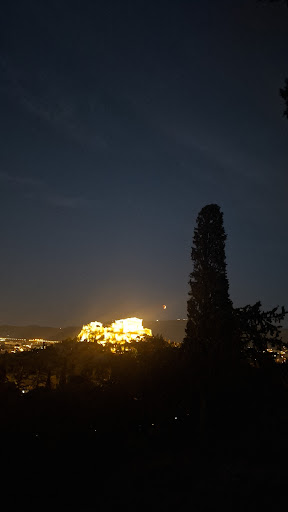
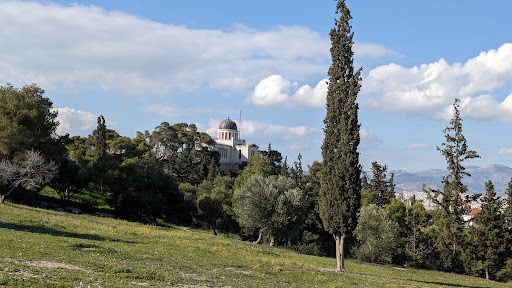
Nymphs Hill things to do, attractions, restaurants, events info and trip planning

Basic Info
Nymphs Hill
Λόφος Νυμφών, Athina 118 51, Greece
4.8(326)
Open 24 hours
Save
spot
spot
Ratings & Description
Info
Outdoor
Scenic
Family friendly
attractions: Thissio Visitor Center, Pnyx Monument, Dora Stratou Theatre, Holy Church of Agia Marina Thisiou, Philopappos Hill, Acropolis of Athens, Philopappos Monument, Ancient Agora of Athens, Odeon of Herodes Atticus, Herakleidon Museum, restaurants: Πάμε παράγκα, Therapeutirio, THISSIO VIEW - Rooftop Restaurant & Bar, Karderina, Cafe-Bar Kirios Xou, Valitsa, Aschimopapo (The Ugly Duckling), Oikonomou Tavern, Dionysos Zonar's, Τρελή Ροδιά, local businesses: Areopagus, Pnyx, Acropolis, Viewpoint Philopappos Hill, Stoa of Attalos, Nightclub ATH, DISCO - VINILIO, Holy Church of Saint Sophia, The Christmas Factory, Public toilet - WC
 Learn more insights from Wanderboat AI.
Plan your stay

Pet-friendly Hotels in Athens
Find a cozy hotel nearby and make it a full experience.

Affordable Hotels in Athens
Find a cozy hotel nearby and make it a full experience.

The Coolest Hotels You Haven't Heard Of (Yet)
Find a cozy hotel nearby and make it a full experience.

Trending Stays Worth the Hype in Athens
Find a cozy hotel nearby and make it a full experience.
Reviews
Live events

Taste hidden Athenian flavors on culinary romp
Mon, Feb 9 • 12:30 PM
105 54, Athens, Greece
View details
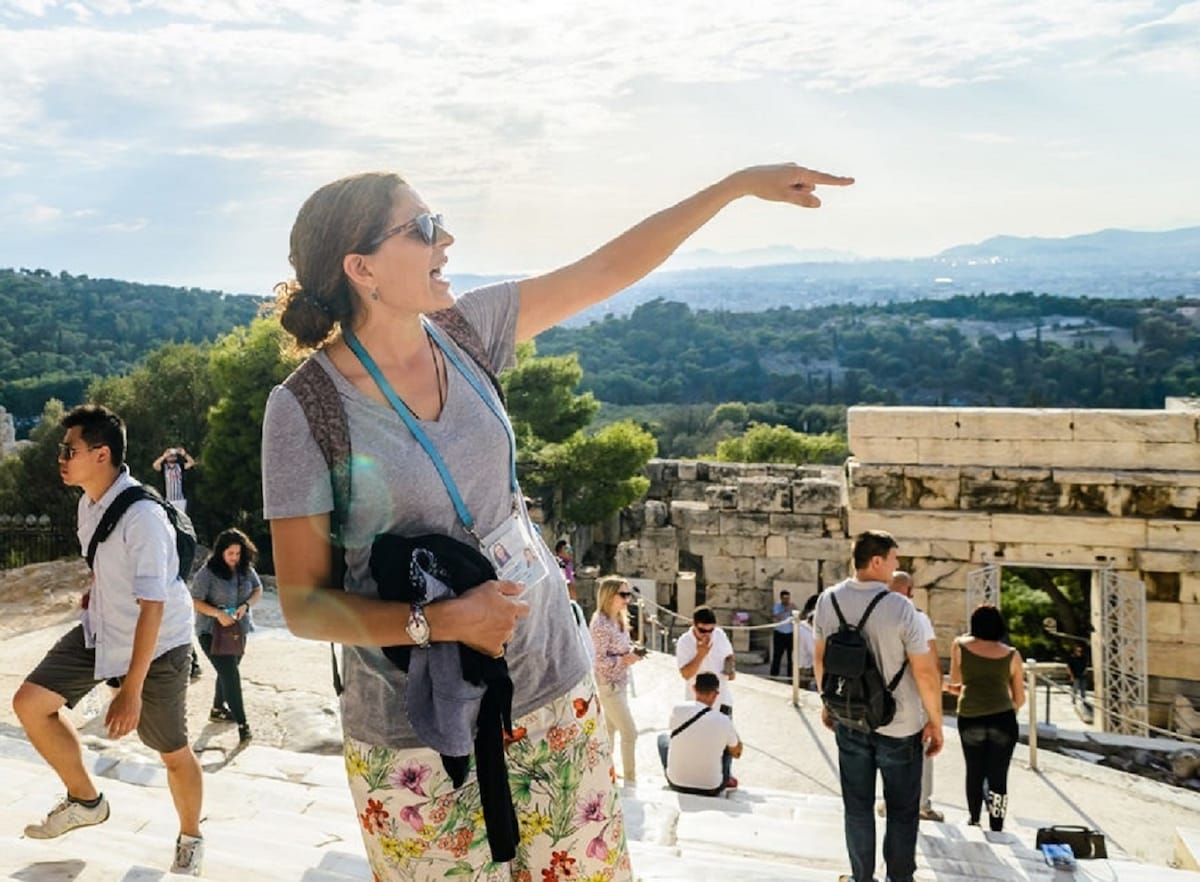
See the Acropolis with a licensed guide
Mon, Feb 9 • 8:00 AM
117 42, Athens, Greece
View details

Amazing Athens Walks & Local Hidden Gems
Sun, Feb 8 • 6:00 PM
105 55, Athens, Greece
View details
Nearby attractions of Nymphs Hill
Thissio Visitor Center
Pnyx Monument
Dora Stratou Theatre
Holy Church of Agia Marina Thisiou
Philopappos Hill
Acropolis of Athens
Philopappos Monument
Ancient Agora of Athens
Odeon of Herodes Atticus
Herakleidon Museum
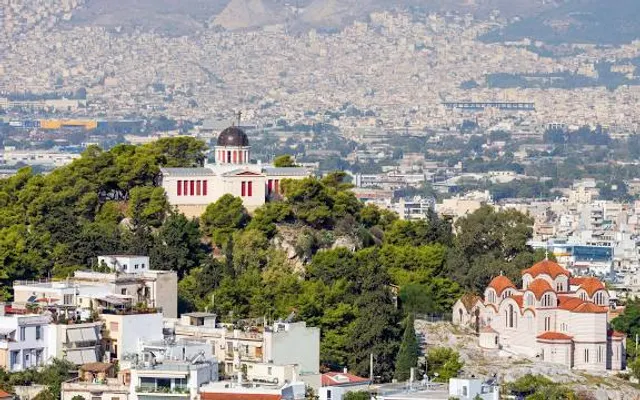
Thissio Visitor Center
4.8
(1.2K)
Open until 12:00 AM
Click for details
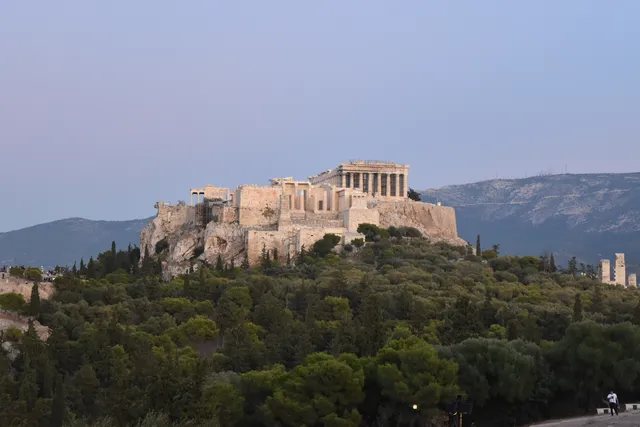
Pnyx Monument
4.7
(426)
Open until 12:00 AM
Click for details
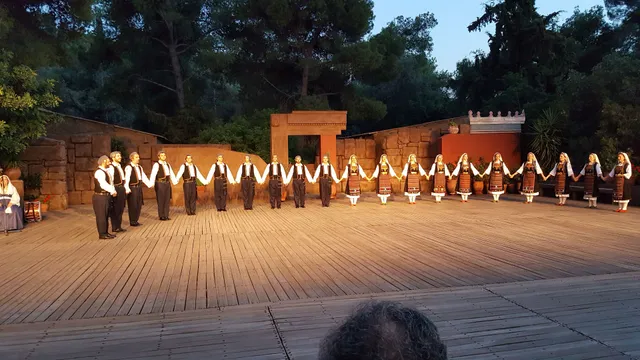
Dora Stratou Theatre
4.5
(508)
Open 24 hours
Click for details
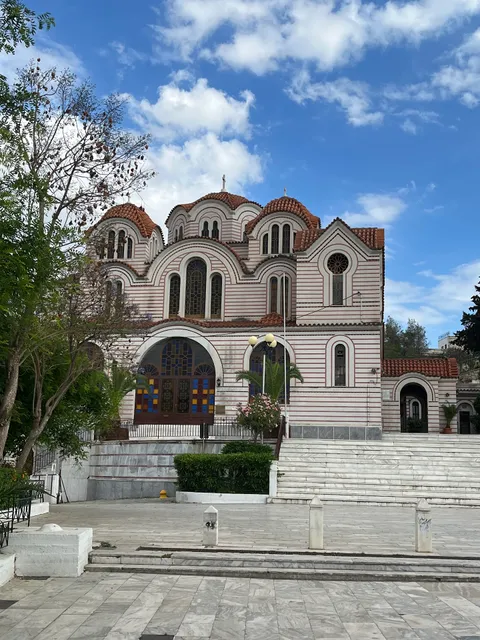
Holy Church of Agia Marina Thisiou
4.6
(410)
Closed
Click for details
Nearby restaurants of Nymphs Hill
Πάμε παράγκα
Therapeutirio
THISSIO VIEW - Rooftop Restaurant & Bar
Karderina
Cafe-Bar Kirios Xou
Valitsa
Aschimopapo (The Ugly Duckling)
Oikonomou Tavern
Dionysos Zonar's
Τρελή Ροδιά
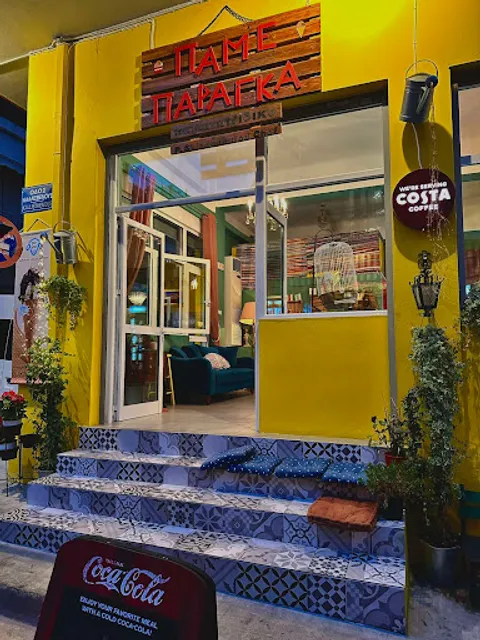
Πάμε παράγκα
4.7
(698)
Click for details
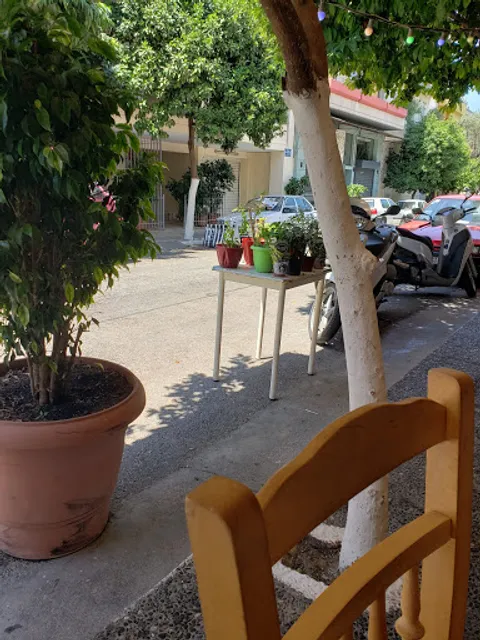
Therapeutirio
4.3
(762)
Open until 12:00 AM
Click for details
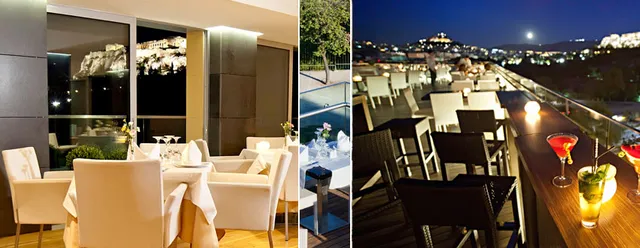
THISSIO VIEW - Rooftop Restaurant & Bar
4.0
(2.3K)
$$
Open until 1:00 AM
Click for details
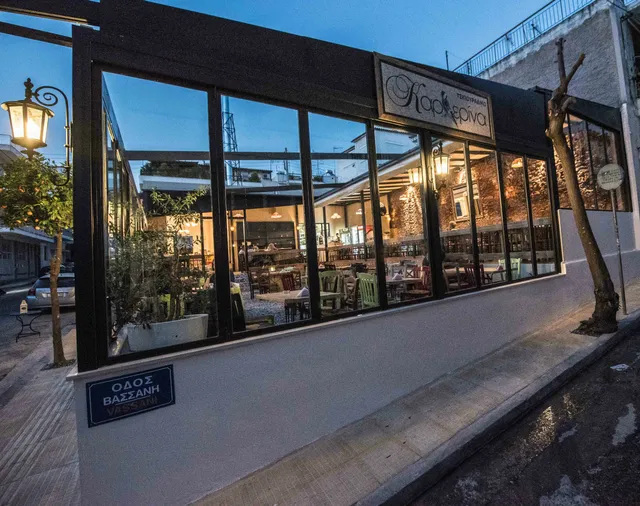
Karderina
4.6
(1.3K)
Open until 3:00 AM
Click for details
Nearby local services of Nymphs Hill
Areopagus
Pnyx
Acropolis
Viewpoint Philopappos Hill
Stoa of Attalos
Nightclub ATH
DISCO - VINILIO
Holy Church of Saint Sophia
The Christmas Factory
Public toilet - WC
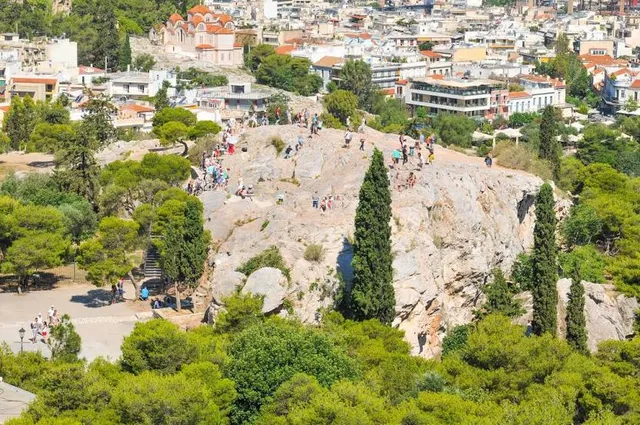
Areopagus
4.7
(273)
Click for details
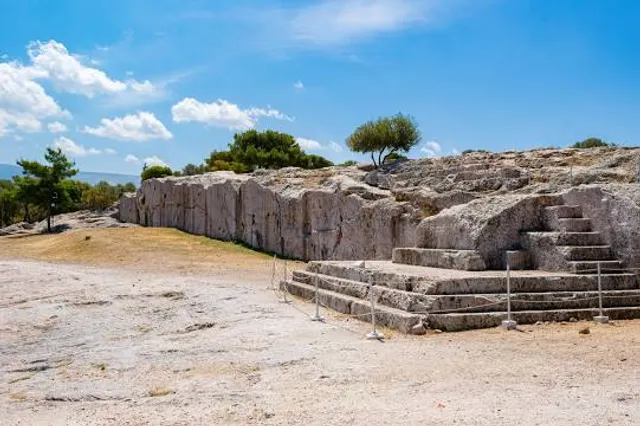
Pnyx
4.8
(157)
Click for details
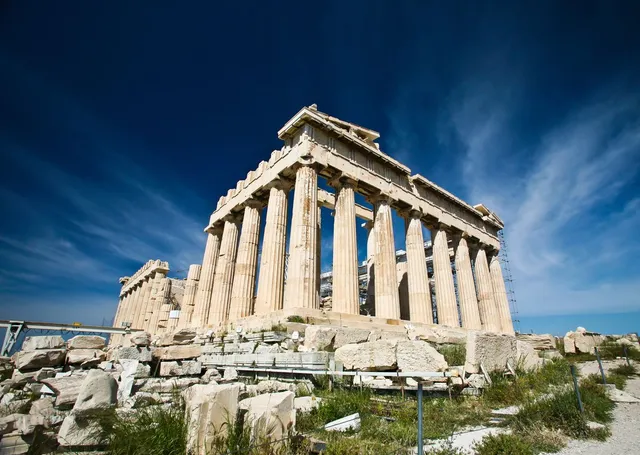
Acropolis
4.7
(2.7K)
Click for details
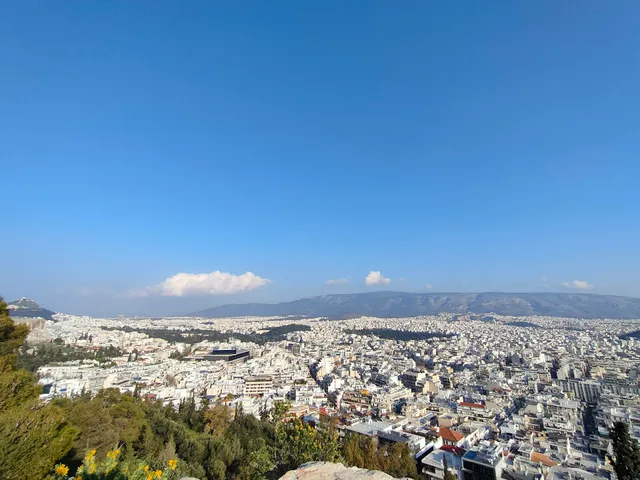
Viewpoint Philopappos Hill
4.9
(156)
Click for details