Herakleidon Museum things to do, attractions, restaurants, events info and trip planning
Basic Info
Herakleidon Museum
Iraklidon 16, Athina 118 51, Greece
4.6(568)
Open until 12:00 AM


tickets
Save
spot
spot
Ratings & Description
Info
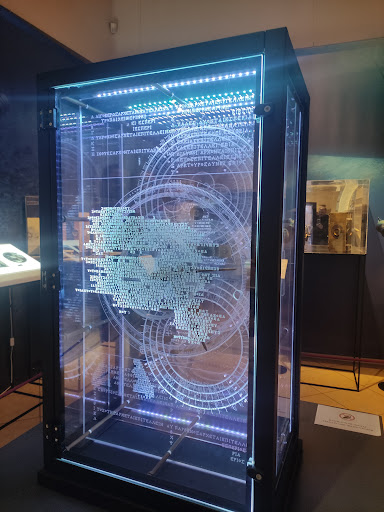
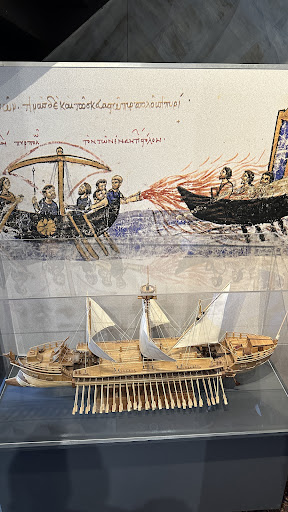
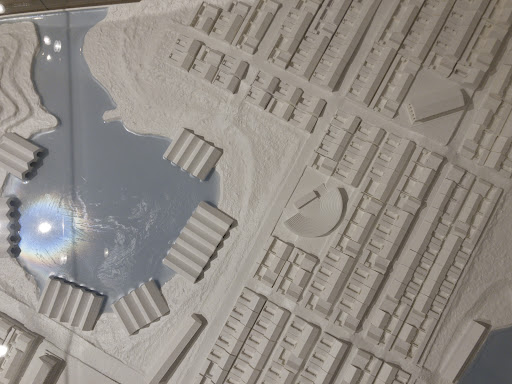
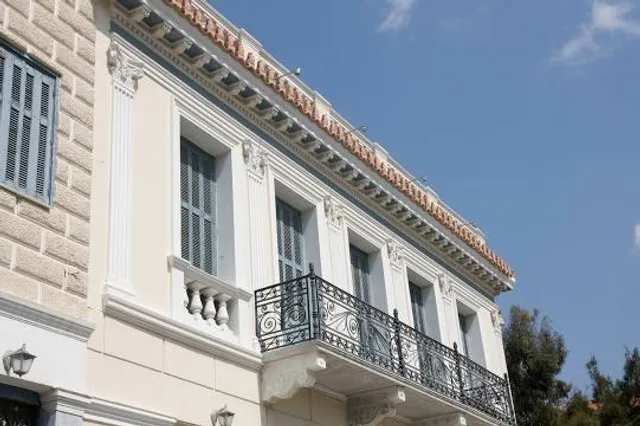
The Herakleidon Museum is a non-profit cultural organization founded in 2004 by Paul and Anna-Belinda Firos. It consists of two buildings in the historic district of Thissio, next to the Acropolis, the Ancient Agora and the Temple of Hephaestus. It is located at 16 Herakleidon street, and at 37 Ap.
Cultural
Entertainment
Family friendly
Accessibility
attractions: Ancient Agora of Athens, Temple of Hephaestus, Holy Church of Agia Marina Thisiou, Thissio Visitor Center, Kerameikos Archaeological Site, Museum of Illusions Athens, Yi Ceramics / Γη Κεραμικά, Statue of Theseus, Technopolis City of Athens, Areopagus Hill, restaurants: To kousoulo, The Underdog® Flagship Store Thissio, Αμπιμπάγιο - ABIBAYIO, i avli tis idylis, Sin Athina, Vestiario Thissio_Cafe-Bar-Restaurant, Aloustines Bar - Beers, THISSIO VIEW - Rooftop Restaurant & Bar, Athinaion Politeia, Chimichurri Athens, local businesses: Hammam Baths Athens | Spa, Massage, Wellness, EscapeRooms.Gr, Pagotomania, Stoa of Attalos, The Christmas Factory, MOMus - Museum Alex Mylona, Sento - Head to Toe Urban Spa | Japanese Head Massage, Nightclub ATH, Athens Wine Tasting, DISCO - VINILIO
 Learn more insights from Wanderboat AI.
Phone
+30 21 0346 1981
Website
herakleidon.org
Open hoursSee all hours
Wed10 AM - 6 PMOpen
Plan your stay

Pet-friendly Hotels in Athens
Find a cozy hotel nearby and make it a full experience.

Affordable Hotels in Athens
Find a cozy hotel nearby and make it a full experience.

The Coolest Hotels You Haven't Heard Of (Yet)
Find a cozy hotel nearby and make it a full experience.

Trending Stays Worth the Hype in Athens
Find a cozy hotel nearby and make it a full experience.
Reviews
Live events
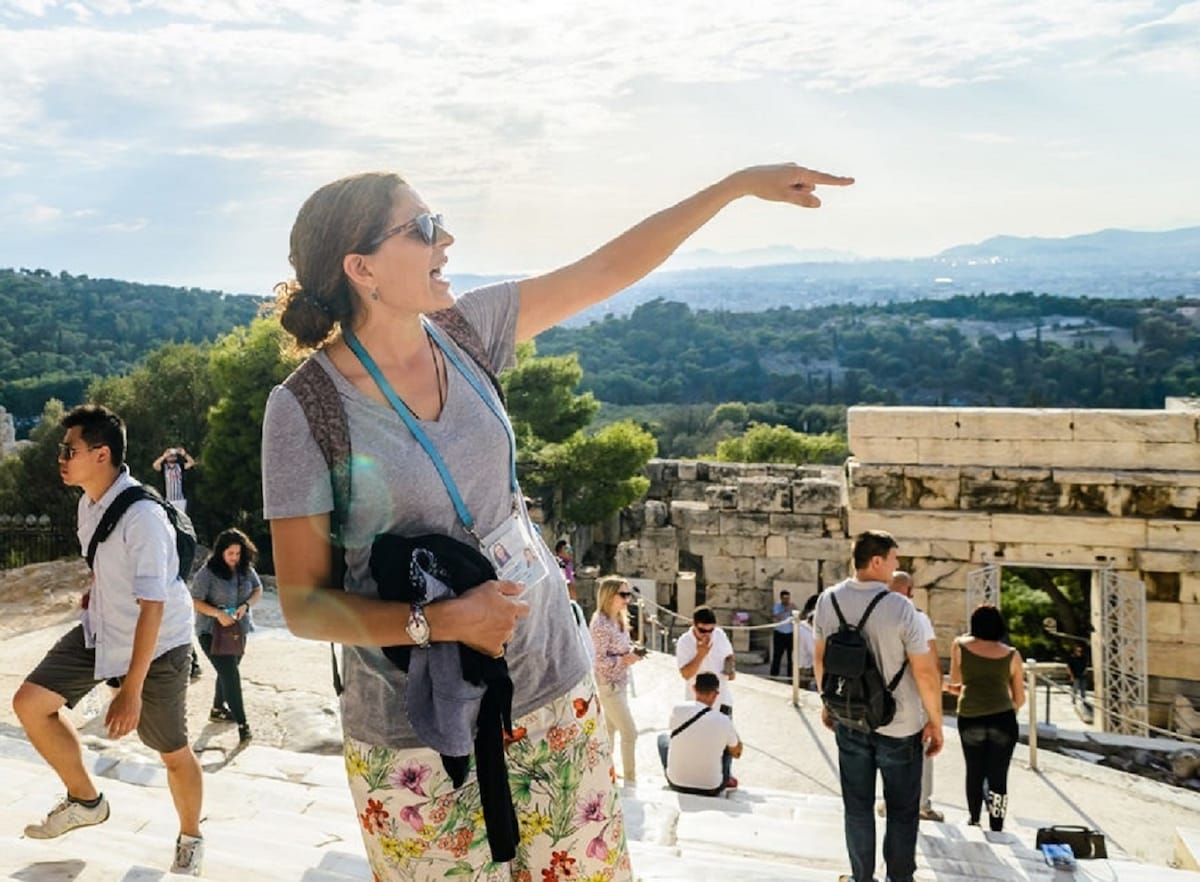
See the Acropolis with a licensed guide
Wed, Feb 25 • 12:00 PM
117 42, Athens, Greece
View details
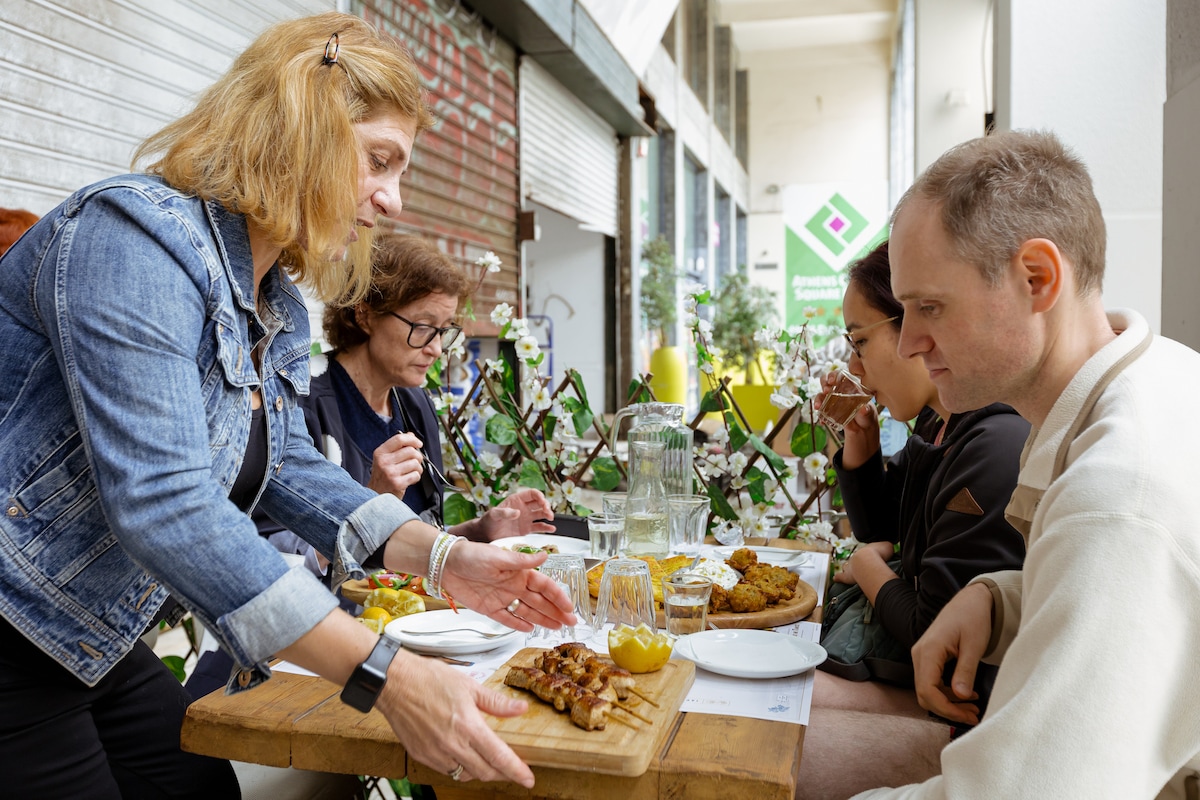
Taste hidden Athenian flavors on culinary romp
Wed, Feb 25 • 11:00 AM
105 54, Athens, Greece
View details
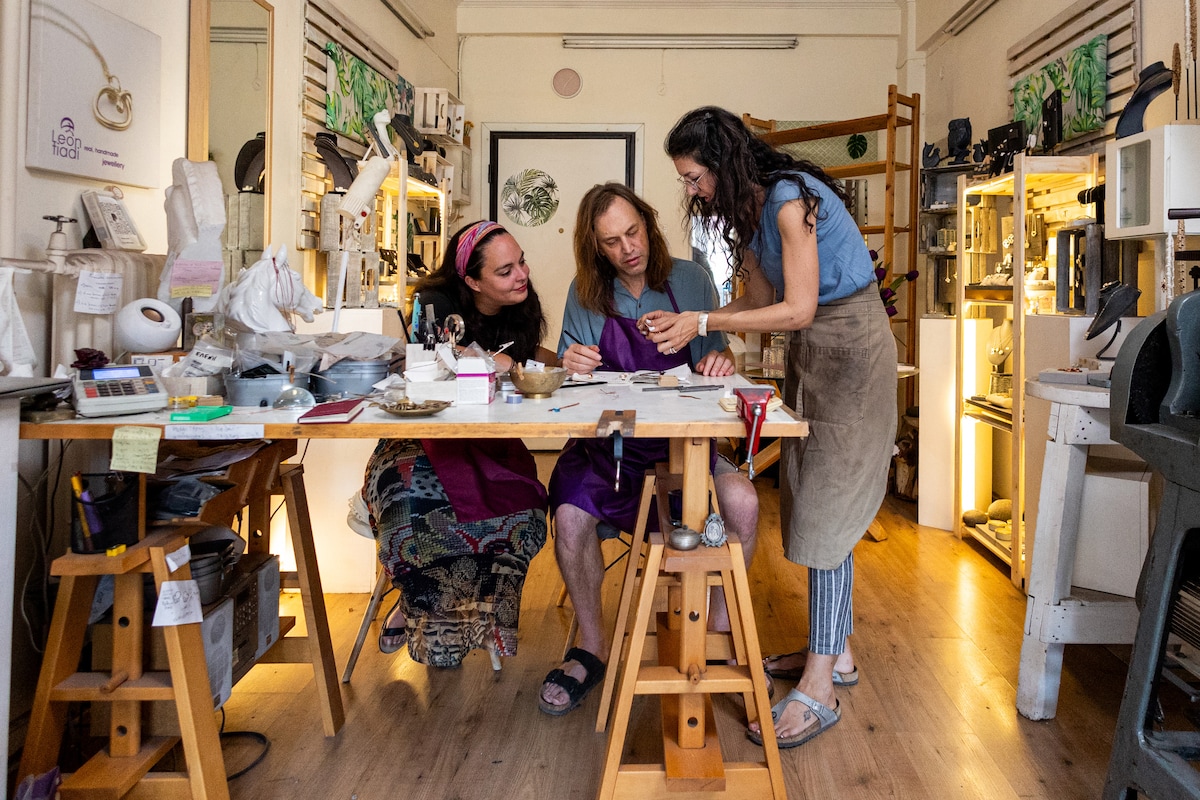
Design and fashion jewelry with a Silversmith
Wed, Feb 25 • 2:00 PM
105 63, Athens, Greece
View details
Nearby attractions of Herakleidon Museum
Ancient Agora of Athens
Temple of Hephaestus
Holy Church of Agia Marina Thisiou
Thissio Visitor Center
Kerameikos Archaeological Site
Museum of Illusions Athens
Yi Ceramics / Γη Κεραμικά
Statue of Theseus
Technopolis City of Athens
Areopagus Hill
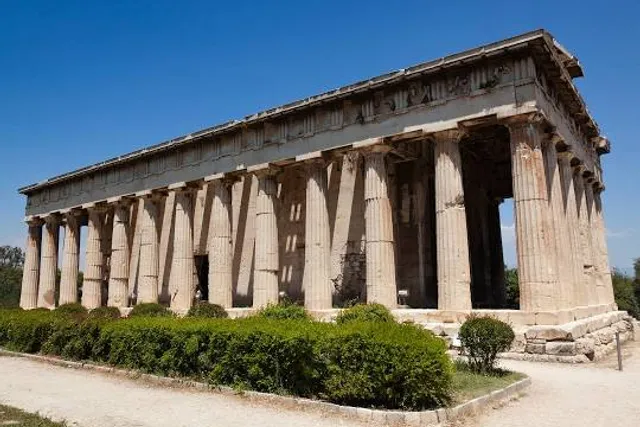
Ancient Agora of Athens
4.7
(14.5K)
Open until 4:30 PM
Click for details
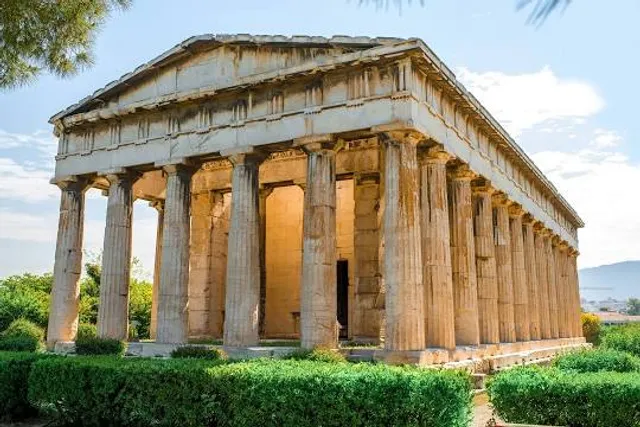
Temple of Hephaestus
4.8
(4.9K)
Open until 8:00 PM
Click for details
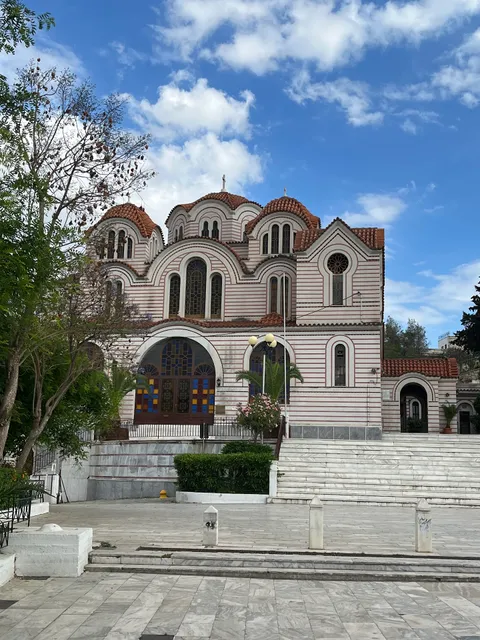
Holy Church of Agia Marina Thisiou
4.6
(398)
Closed
Click for details
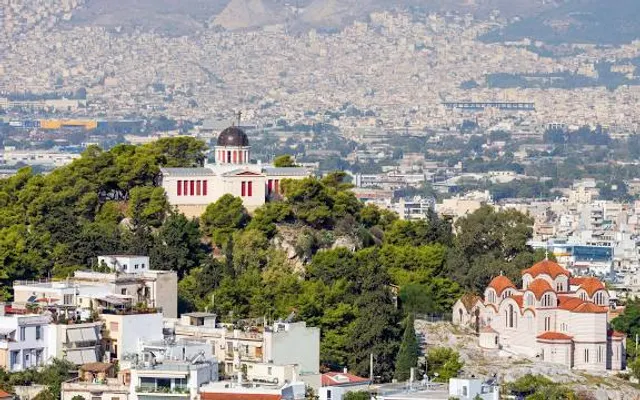
Thissio Visitor Center
4.8
(1.2K)
Open until 12:00 AM
Click for details
Nearby restaurants of Herakleidon Museum
To kousoulo
The Underdog® Flagship Store Thissio
Αμπιμπάγιο - ABIBAYIO
i avli tis idylis
Sin Athina
Vestiario Thissio_Cafe-Bar-Restaurant
Aloustines Bar - Beers
THISSIO VIEW - Rooftop Restaurant & Bar
Athinaion Politeia
Chimichurri Athens
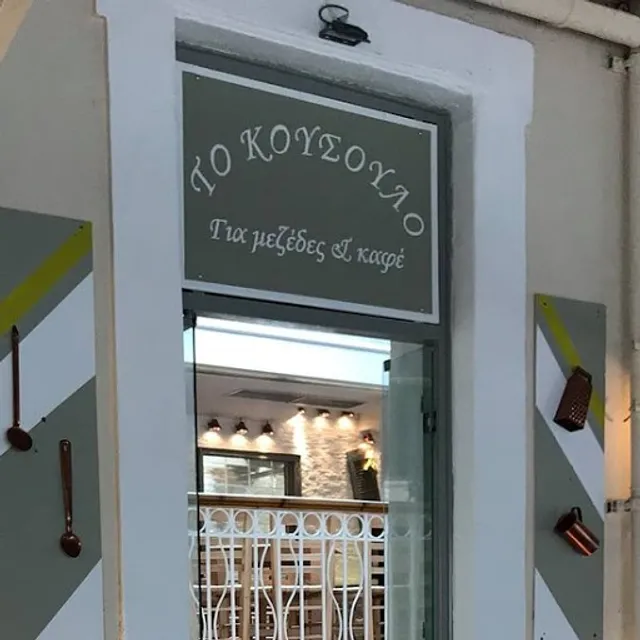
To kousoulo
4.8
(934)
Open until 1:00 AM
Click for details
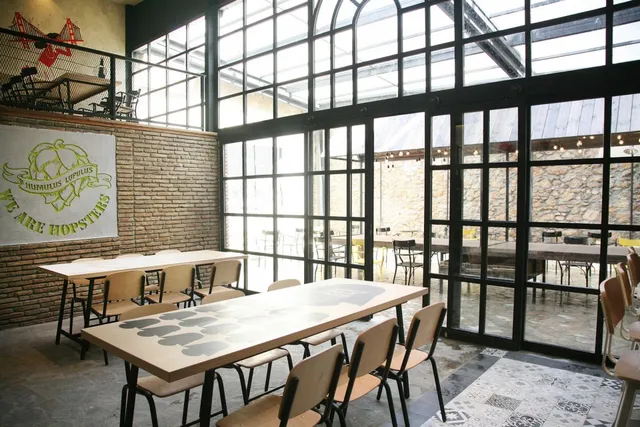
The Underdog® Flagship Store Thissio
4.2
(1.8K)
Open until 6:00 PM
Click for details
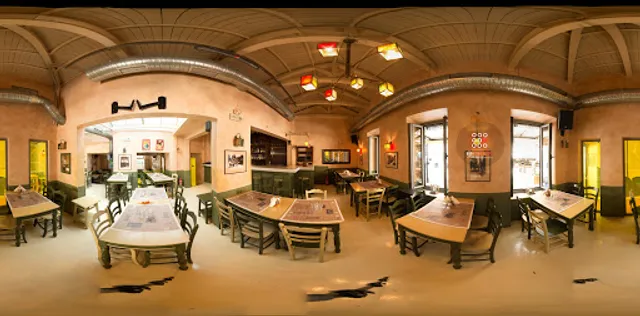
Αμπιμπάγιο - ABIBAYIO
4.6
(623)
$$
Closed
Click for details
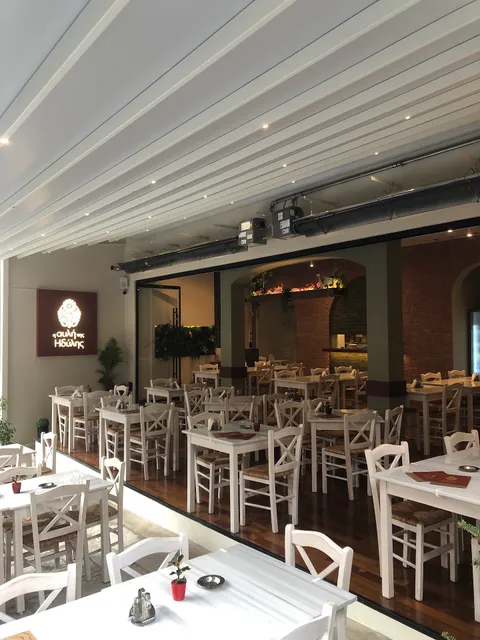
i avli tis idylis
4.9
(379)
Open until 12:00 AM
Click for details
Nearby local services of Herakleidon Museum
Hammam Baths Athens | Spa, Massage, Wellness
EscapeRooms.Gr
Pagotomania
Stoa of Attalos
The Christmas Factory
MOMus - Museum Alex Mylona
Sento - Head to Toe Urban Spa | Japanese Head Massage
Nightclub ATH
Athens Wine Tasting
DISCO - VINILIO
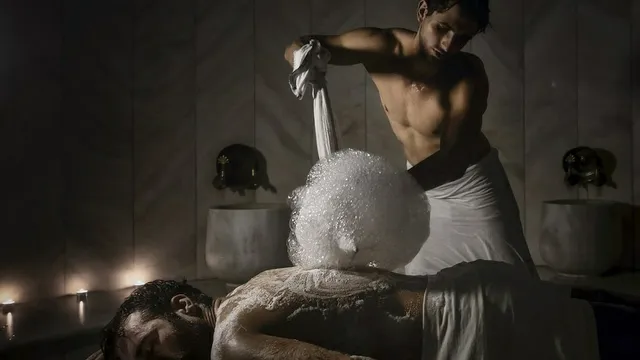
Hammam Baths Athens | Spa, Massage, Wellness
4.6
(632)
Click for details

EscapeRooms.Gr
4.9
(245)
Click for details
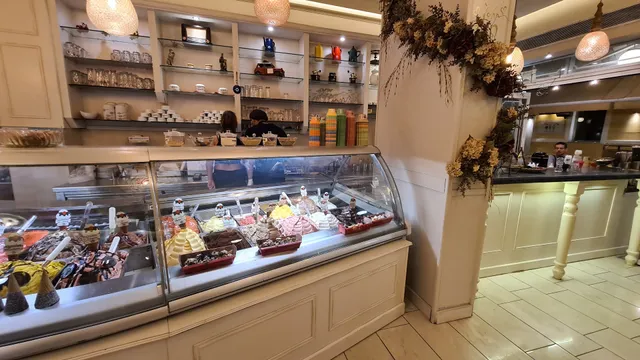
Pagotomania
4.0
(113)
Click for details
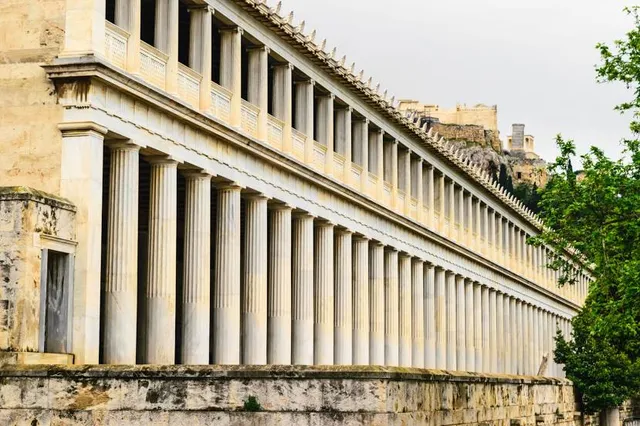
Stoa of Attalos
4.7
(1.0K)
Click for details