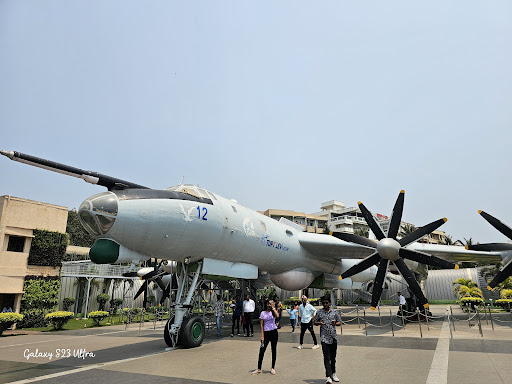
The Tu-142M, operated by the Indian Navy, was a maritime patrol aircraft that played a crucial role in safeguarding India's maritime interests. Here's a detailed breakdown of its features, capabilities, and role:
Origin and Design: The Tu-142M was derived from the Soviet-era Tu-95 strategic bomber. It was specifically modified for maritime patrol and anti-submarine warfare (ASW) operations. The aircraft had four turboprop engines and distinctive swept-back wings.
Long-Range Capability: One of the key features of the Tu-142M was its long-range capability, which allowed it to cover vast stretches of ocean. This made it well-suited for patrolling India's extensive maritime borders, including the Indian Ocean region.
Anti-Submarine Warfare (ASW): The Tu-142M was equipped with advanced sensors and equipment for detecting and tracking submarines. These included sonobuoys, magnetic anomaly detectors, and radar systems. It could effectively detect and neutralize underwater threats, making it a valuable asset for maritime security.
Maritime Reconnaissance: In addition to ASW capabilities, the Tu-142M was equipped for maritime reconnaissance missions. It could gather intelligence, monitor maritime activities, and provide situational awareness over large areas of ocean. This was crucial for protecting India's maritime interests and ensuring maritime domain awareness.
Weapon Systems: The Tu-142M was armed with anti-submarine weapons such as torpedoes and depth charges. These weapons could be deployed against submarines detected during patrols, enhancing the aircraft's ASW capabilities.
Surveillance and Communication: The aircraft was equipped with sophisticated surveillance systems, including radar and electronic warfare suites, enabling it to detect and track surface vessels and other potential threats. It also had robust communication systems for real-time coordination with naval assets and command centers.
Operational History: The Indian Navy operated the Tu-142M fleet for over three decades, using them extensively for maritime patrols, surveillance missions, and ASW operations. The aircraft played a significant role in enhancing India's maritime security posture and protecting its maritime interests.
Retirement: The Tu-142M fleet was retired from service by the Indian Navy in 2017 after decades of service. The decision to retire the aircraft was based on factors such as aging airframes, maintenance challenges, and the introduction of more modern maritime patrol aircraft.
Overall, the Tu-142M served as a reliable workhorse for the Indian Navy, providing vital capabilities for maritime patrol, reconnaissance, and anti-submarine warfare. Its retirement marked the end of an era but also paved the way for the Indian Navy to modernize its maritime patrol aircraft fleet with more...
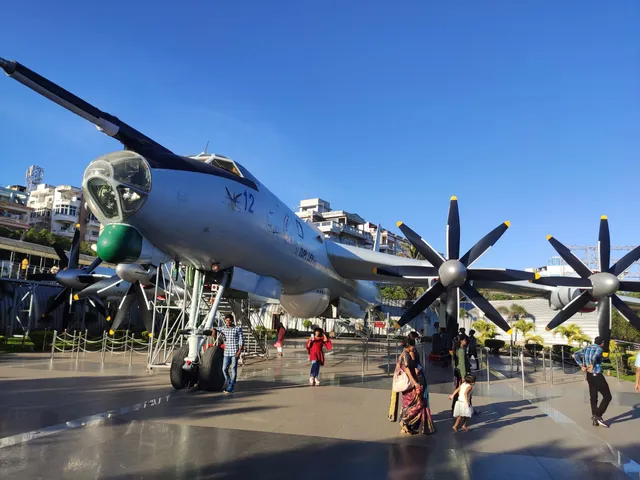
Read moreThe VMRDA Visakha Aircraft Museum in Vishakhapatnam is a fascinating destination for aviation enthusiasts and history buffs. Located near the beach on RK Beach Road, this museum showcases a Soviet-era TU-142M aircraft that served the Indian Navy for 29 years, accumulating an impressive 30,000 accident-free flying hours.
Key Features:
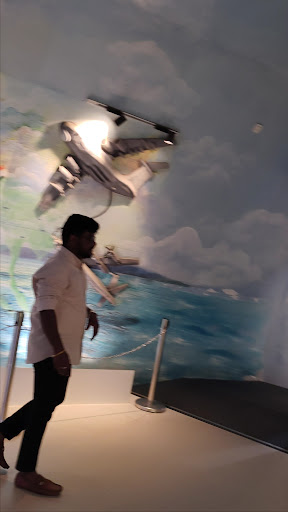
Aircraft Display: The museum's centerpiece is the TU-142M aircraft, one of the largest and fastest turboprop aircraft in the world, with a rich history of maritime reconnaissance and anti-submarine warfare operations. Interactive Simulators: Visitors can enjoy hands-on experiences with simulators, providing an immersive learning experience. Detailed Displays: The museum features exhibits on aircraft engine parts, accessories, prototypes, bomb shells, and other aviation artifacts, offering insights into the Indian Air Force's history. Audio Guides: Visitors can use audio devices to access detailed explanations about each aircraft and its role in India's defense.
History:
The TU-142M aircraft was decommissioned in 2017 after serving the Indian Navy for nearly three decades. The Andhra Pradesh government invested around ₹14 crore to develop the museum, with ₹3.5 crore spent on converting the aircraft into a museum. The museum was formally inaugurated by President Ram Nath Kovind in December 2017.
Important Facts:
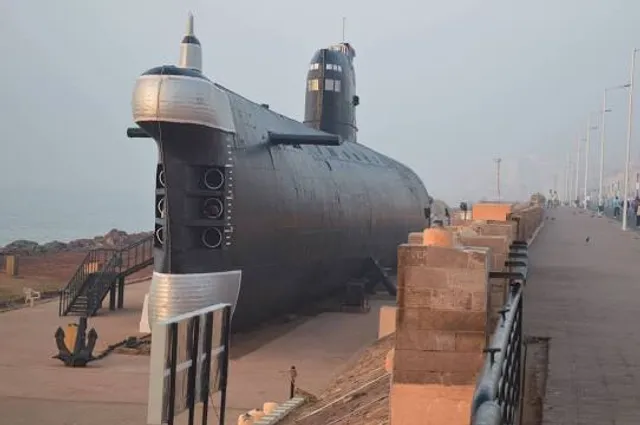
Entry Fee: The museum charges an entry fee of ₹70 per person, with no additional charges for cameras. Location: The museum is situated opposite the INS Kursura Submarine Museum on Beach Road, making it an ideal addition to a day's outing. Visitor Experience: With over 2,000 tourists visiting daily, the museum offers a unique experience for both kids and adults, providing insights into aviation history and technology.
Overall, the VMRDA Visakha Aircraft Museum is a must-visit attraction for anyone interested in aviation, history, or military technology. Its unique exhibits, interactive simulators, and detailed displays make it an engaging experience for visitors...
Read moreI recently had the opportunity to visit the TU-142 Aircraft Museum with my friends, and it was an enlightening and exciting experience. Located in Visakhapatnam, this museum showcases the iconic TU-142, a Soviet-era maritime reconnaissance aircraft that played a crucial role in the Indian Navy.
As soon as we arrived, we were amazed by the sheer size and presence of the aircraft. Standing next to the TU-142, we could really appreciate its enormous wingspan and robust design. The aircraft is displayed in a way that allows visitors to walk around and explore its various parts, offering a firsthand look at the plane's structure and intricate features.
The highlight of the visit was learning about the aircraft's advanced capabilities. The museum provided detailed explanations about its role in naval surveillance, anti-submarine warfare, and its various technological advancements. The inside of the plane was equally fascinating, with a display of the cockpit, control systems, and radar equipment. We were able to see up close how the crew operated the aircraft, and it was incredible to understand the complexity of the operations that took place during its service.
The museum staff was incredibly knowledgeable and shared insightful stories about the aircraft's history and its significance to the Indian Navy. It was both educational and awe-inspiring to learn about the plane's contributions, especially the vital role it played during its years of service.
The surrounding area is well-maintained, with several exhibits about aviation and the Indian military's achievements. It's not just a museum but also a tribute to the pilots and crew who operated such an advanced and powerful aircraft.
Overall, visiting the TU-142 Aircraft Museum with my friends was a memorable experience. It was an incredible opportunity to learn about aviation history and the technological advancements of military aircraft. Whether you’re an aviation enthusiast or just curious about military history, I highly recommend a visit to...
Read more