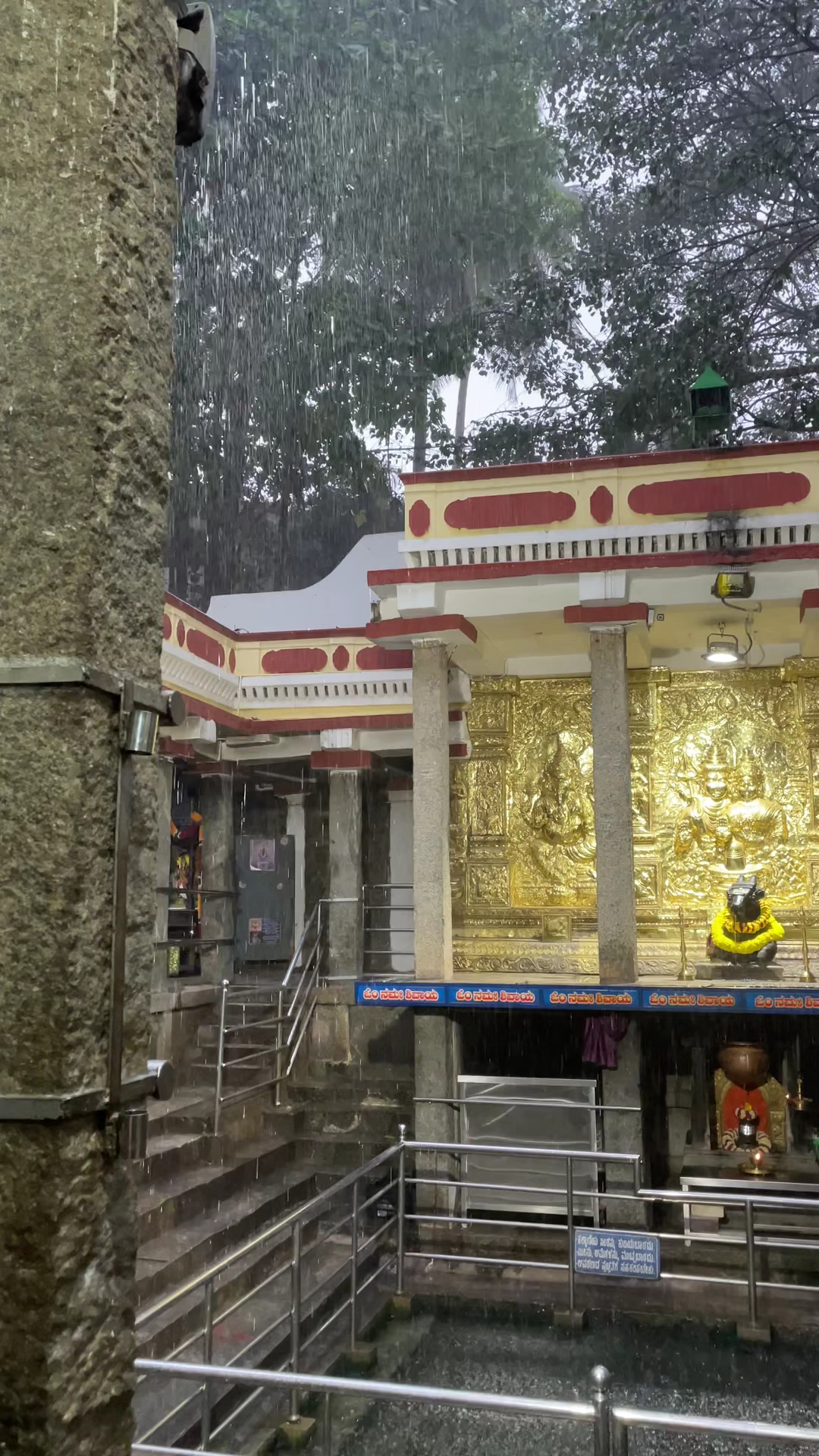
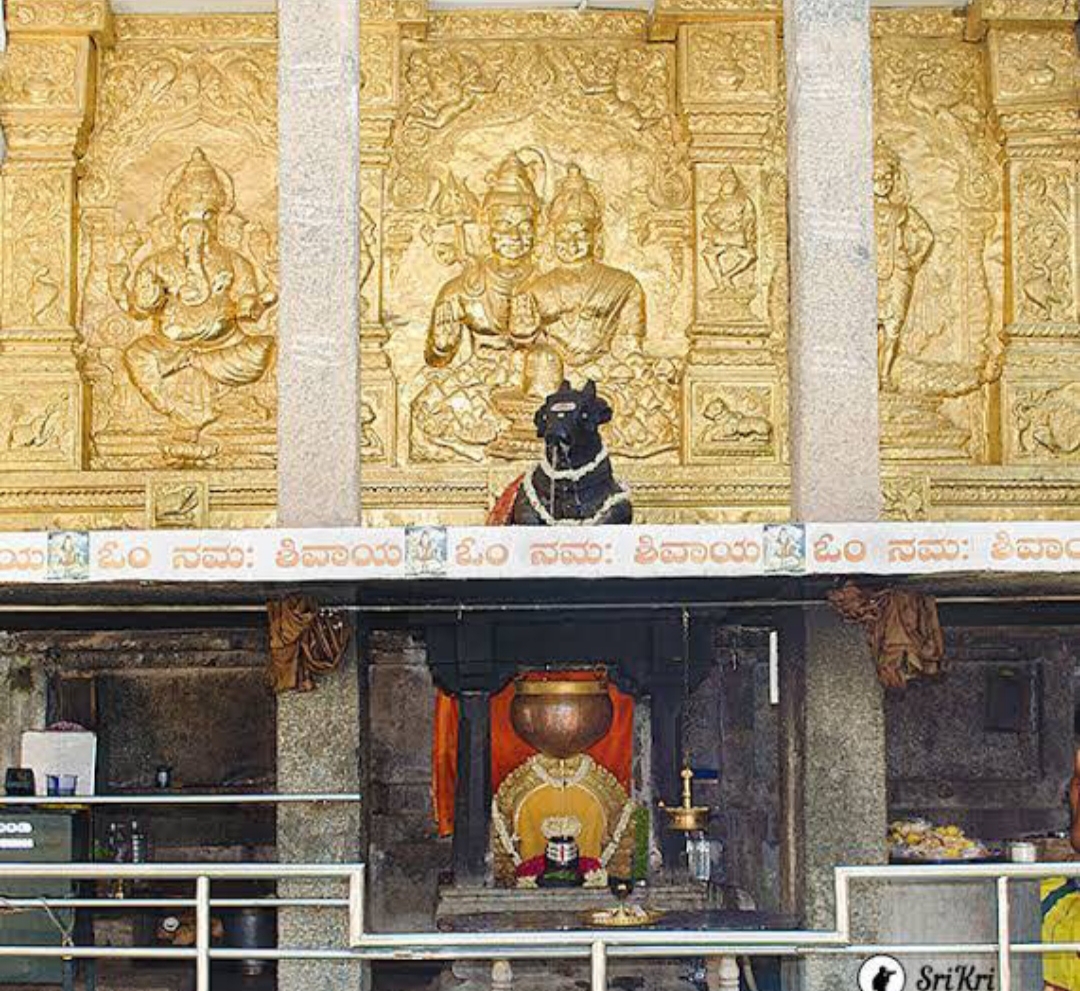
Sri Dakshinamukha Nandi Tirtha Kalyaani Kshetra things to do, attractions, restaurants, events info and trip planning
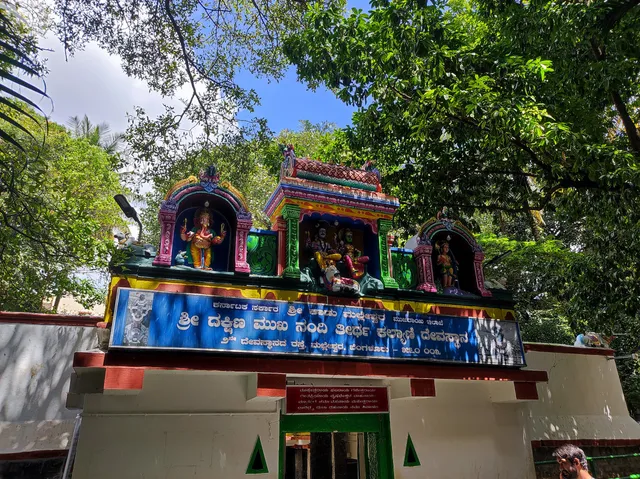
Basic Info
Sri Dakshinamukha Nandi Tirtha Kalyaani Kshetra
2H3C+QV3, 2nd Temple Street, Vyalikaval, Kodandarampura, Malleshwaram, Bengaluru, Karnataka 560003, India
4.8(2.6K)
Open until 12:00 PM
Save
spot
spot
Ratings & Description
Info
Sri Dakshinamukha Nandi Tirtha Kalyani Kshetra is a small temple located in front of the Gangamma temple and diagonally opposite to the Kadu Malleshwara temple on 2nd Temple Street, Malleswaram layout in the north-western area of Bangalore city, Karnataka, India.
Cultural
Family friendly
attractions: Om Shri Gangamma Devi Temple, Shri Kadu Malleshwara Swamy Temple, Sankey Tank, Karnataka Eco-Tourism, restaurants: Eat Raja - MALLESHWARA, Paakashala Malleshwaram, Sri Sairam Chats and Juice(Since 2002), Udupi Sri Krishnarajathadri, Sreeraj Lassi Bar, ಶ್ರೀ ರಾಜ್ ಲಸ್ಸಿ ಬಾರ್, Clean Slate Café, THE BIG BELLYZ, Veena Stores, 1947 Restaurant, Café Coffee Day, local businesses: Girias Malleshwaram Branch - Electronics and Home Appliances Store - Buy Latest Smartphones, Laptops, Smart TV, AC, World Malleswaram, K. C. Das Malleshwaram (Company Operated Outlet), SKP Cycle Mart, Sri Mahaganapathi Temple - (Malleshwara), Amrith Ice Cream, Madbody Fitness Studio, Namma MTR, Shri Vasavi Kanyaka Parameshwari Devi Temple, SKR BICYCLE BAZAAR
 Learn more insights from Wanderboat AI.
Open hoursSee all hours
Mon7:30 AM - 12 PM, 5 - 8:30 PMOpen
Plan your stay

Pet-friendly Hotels in Bengaluru
Find a cozy hotel nearby and make it a full experience.

Affordable Hotels in Bengaluru
Find a cozy hotel nearby and make it a full experience.

The Coolest Hotels You Haven't Heard Of (Yet)
Find a cozy hotel nearby and make it a full experience.

Trending Stays Worth the Hype in Bengaluru
Find a cozy hotel nearby and make it a full experience.
Reviews
Live events

Street Food Tour near a Local Market in Bangalore
Mon, Feb 23 • 7:00 PM
Bengaluru, Karnataka, 560040, India
View details
Walk in Lalbagh Botanical Garden
Mon, Feb 23 • 7:30 AM
Bengaluru, Karnataka, 00000, India
View details
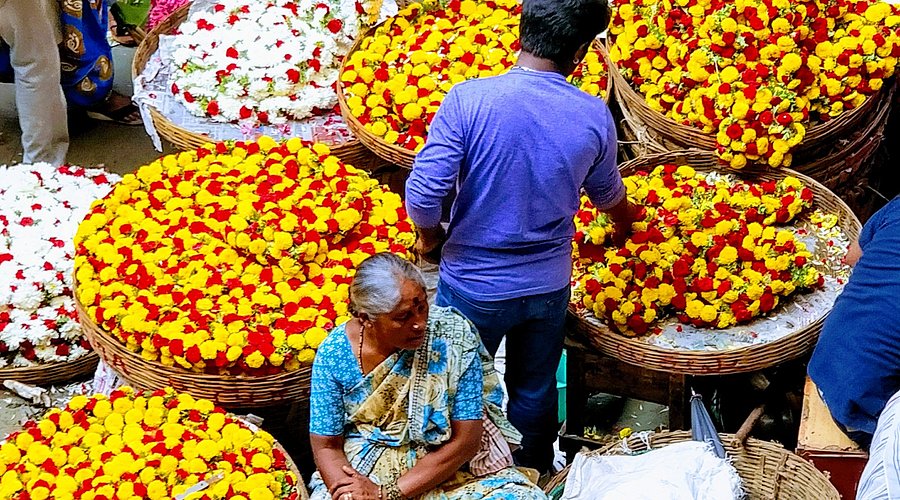
Explore Halasurus cultural sites
Mon, Feb 23 • 9:00 AM
Bengaluru, Karnataka, 560008, India
View details
Nearby attractions of Sri Dakshinamukha Nandi Tirtha Kalyaani Kshetra
Om Shri Gangamma Devi Temple
Shri Kadu Malleshwara Swamy Temple
Sankey Tank
Karnataka Eco-Tourism
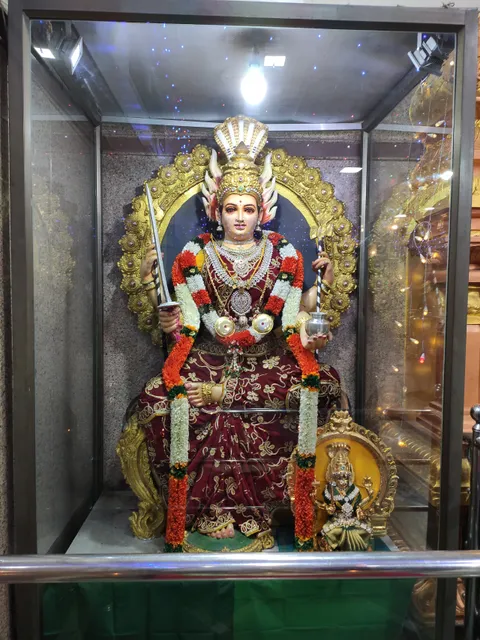
Om Shri Gangamma Devi Temple
4.8
(2K)
Open until 12:00 PM
Click for details
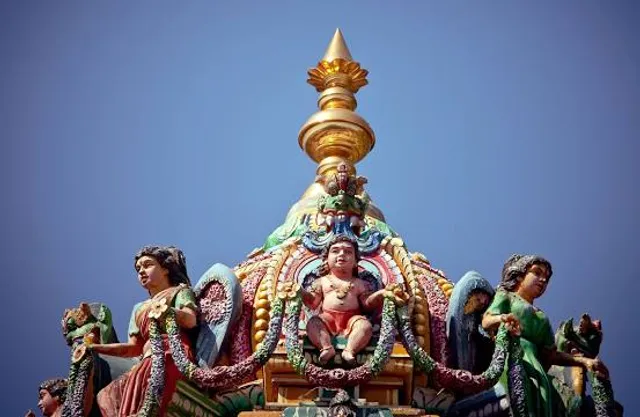
Shri Kadu Malleshwara Swamy Temple
4.8
(3.3K)
Open until 12:00 PM
Click for details
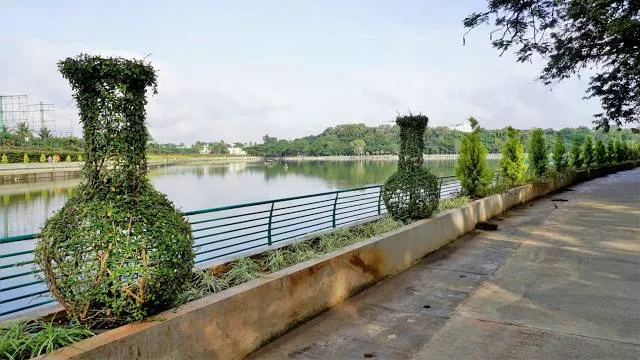
Sankey Tank
4.5
(1.9K)
Open 24 hours
Click for details
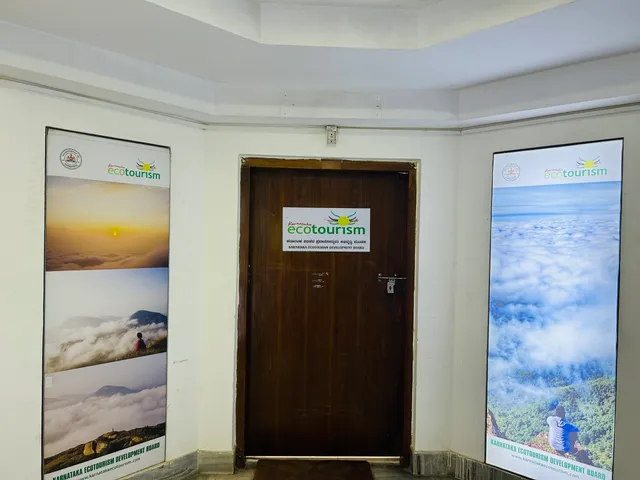
Karnataka Eco-Tourism
3.2
(29)
Open until 12:00 AM
Click for details
Nearby restaurants of Sri Dakshinamukha Nandi Tirtha Kalyaani Kshetra
Eat Raja - MALLESHWARA
Paakashala Malleshwaram
Sri Sairam Chats and Juice(Since 2002)
Udupi Sri Krishnarajathadri
Sreeraj Lassi Bar, ಶ್ರೀ ರಾಜ್ ಲಸ್ಸಿ ಬಾರ್
Clean Slate Café
THE BIG BELLYZ
Veena Stores
1947 Restaurant
Café Coffee Day
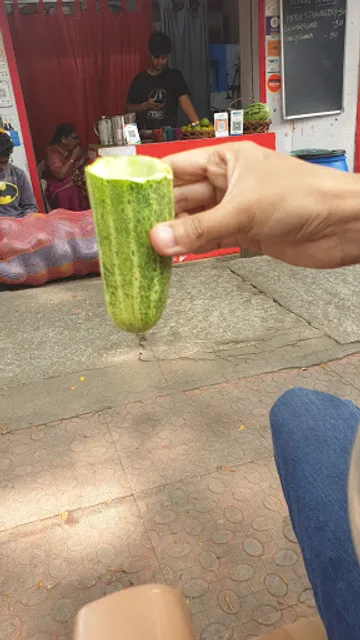
Eat Raja - MALLESHWARA
4.4
(1.1K)
Closed
Click for details
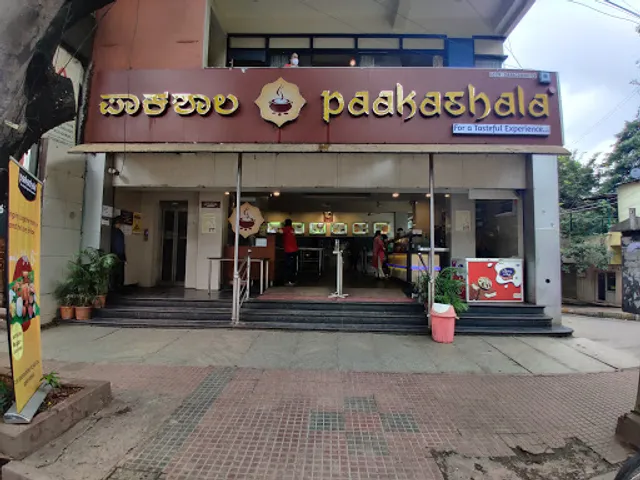
Paakashala Malleshwaram
4.1
(3.7K)
Open until 10:30 PM
Click for details
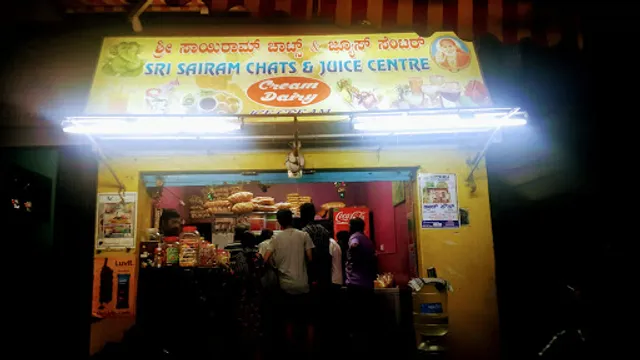
Sri Sairam Chats and Juice(Since 2002)
4.3
(1.7K)
Closed
Click for details
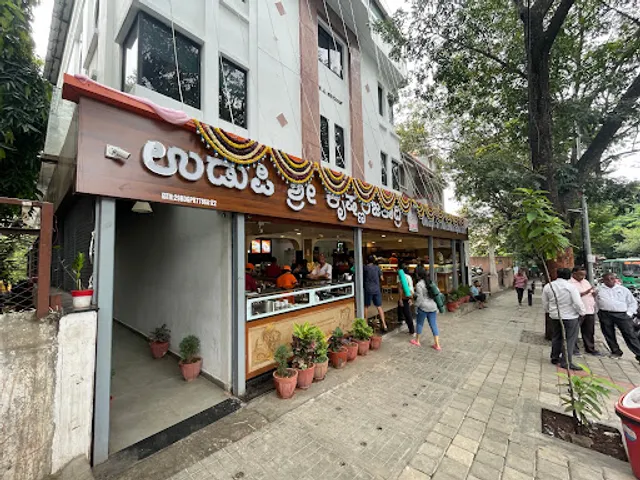
Udupi Sri Krishnarajathadri
4.1
(592)
Open until 11:00 PM
Click for details
Nearby local services of Sri Dakshinamukha Nandi Tirtha Kalyaani Kshetra
Girias Malleshwaram Branch - Electronics and Home Appliances Store - Buy Latest Smartphones, Laptops, Smart TV, AC
World Malleswaram
K. C. Das Malleshwaram (Company Operated Outlet)
SKP Cycle Mart
Sri Mahaganapathi Temple - (Malleshwara)
Amrith Ice Cream
Madbody Fitness Studio
Namma MTR
Shri Vasavi Kanyaka Parameshwari Devi Temple
SKR BICYCLE BAZAAR

Girias Malleshwaram Branch - Electronics and Home Appliances Store - Buy Latest Smartphones, Laptops, Smart TV, AC
3.9
(520)
Click for details

World Malleswaram
4.5
(433)
Click for details
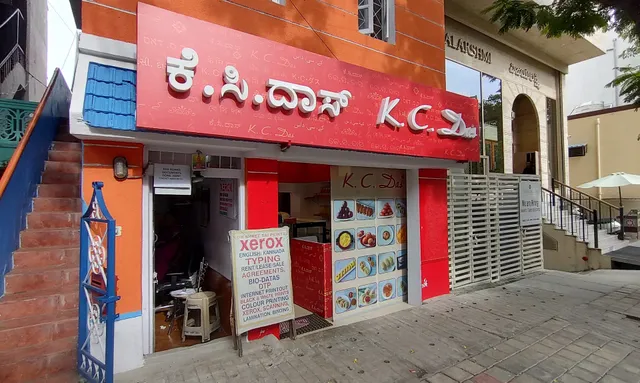
K. C. Das Malleshwaram (Company Operated Outlet)
4.0
(73)
Click for details
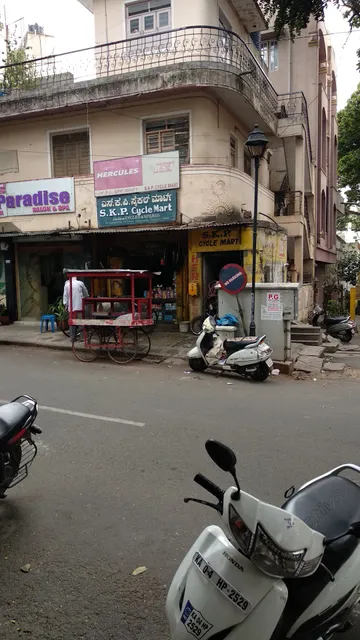
SKP Cycle Mart
4.5
(18)
Click for details