Ahmedshah Badshah's Tomb (4 Ahmed) things to do, attractions, restaurants, events info and trip planning
Basic Info
Ahmedshah Badshah's Tomb (4 Ahmed)
2499, Badshah No Hajiro, Manek Chowk, Old City, Danapidth, Khadia, Ahmedabad, Gujarat 380001, India
4.4(122)
Closed
Save
spot
spot
Ratings & Description
Info
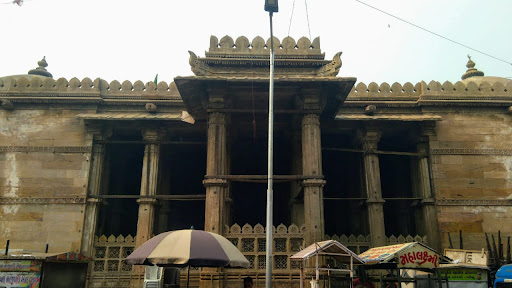
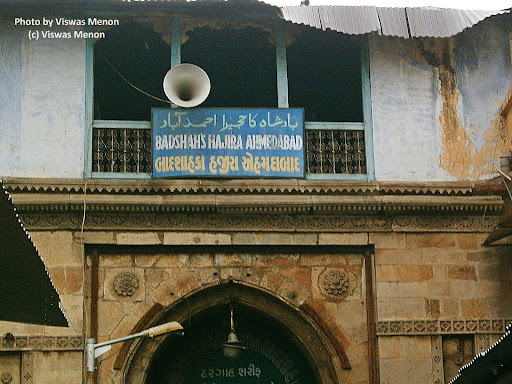
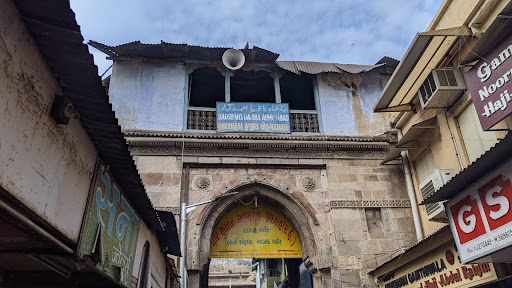
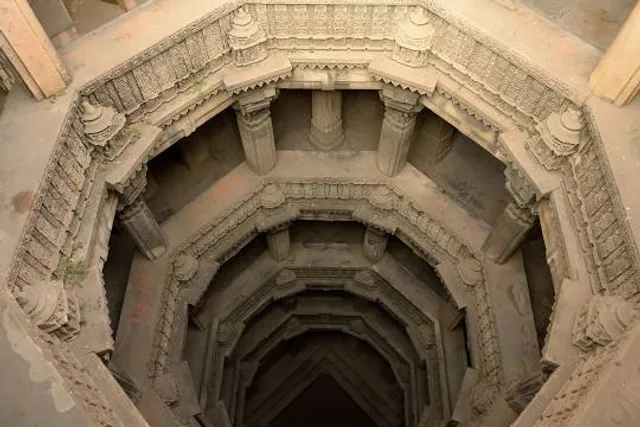
Ahmad Shah's Tomb, locally known as Badshah no Hajiro or Raja no Hajiro, is a medieval mosque and the group of tombs in Ahmedabad, India. Ahmad Shah's tomb is situated close to Jama Mosque and Manek Chowk.
Cultural
Scenic
Family friendly
Accessibility
attractions: Rani no Hajiro, Teen Darwaza, Shri Bhadrakali Mata Ji Mandir, Chamatkarik Shree Hanumanji Mandir-Visa Hanuman, Magen Abraham Synagogue, Sidi Saiyyed Mosque, Alif Ki Masjid Bhadra, SHREE KALA RAMJI MANDIR, Rani Sipri Ki Masjid, Ahmedabad Heritage Walk, restaurants: Manekchowk Food Market, Chandravilas restaurant, Balan Dosa Manek Chowk, Sanman Restaurant, Manek Pizza Sandwich, maharaja dhosa, Mahalaxmi Dosa and Bhajipav, Bahuchar Bhaji Pav Pulav And Sandwich Pizza, New Irani Restaurant, Krishna Fastfood Manekchowk, local businesses: Manek Chowk Road, RAJWADI FIRE PIZZA, Gandhi Vanmalidas oghadbhai, Shree Janta Ice Cream-The Original, Mangaldas Ni Haveli, Bansilal Pendawala, Kotak Mahindra Bank, Ahmedabad General Post Office, Mansuri Halwa House (since 1962), CENTRAL BANK OF INDIA - LAL DARWAJA, AHMEDABAD Branch
 Learn more insights from Wanderboat AI.
Phone
+91 6355 620 626
Website
asmwc.org
Open hoursSee all hours
Sun6 AM - 10:30 PMClosed
Plan your stay

Pet-friendly Hotels in Gujarat
Find a cozy hotel nearby and make it a full experience.

Affordable Hotels in Gujarat
Find a cozy hotel nearby and make it a full experience.

The Coolest Hotels You Haven't Heard Of (Yet)
Find a cozy hotel nearby and make it a full experience.

Trending Stays Worth the Hype in Gujarat
Find a cozy hotel nearby and make it a full experience.
Reviews
Live events

AIBoomi Annual Socials 26: Ahmedabad
Wed, Feb 11 • 1:00 PM
Ahmedabad, Gujarat
View details
Nearby attractions of Ahmedshah Badshah's Tomb (4 Ahmed)
Rani no Hajiro
Teen Darwaza
Shri Bhadrakali Mata Ji Mandir
Chamatkarik Shree Hanumanji Mandir-Visa Hanuman
Magen Abraham Synagogue
Sidi Saiyyed Mosque
Alif Ki Masjid Bhadra
SHREE KALA RAMJI MANDIR
Rani Sipri Ki Masjid
Ahmedabad Heritage Walk
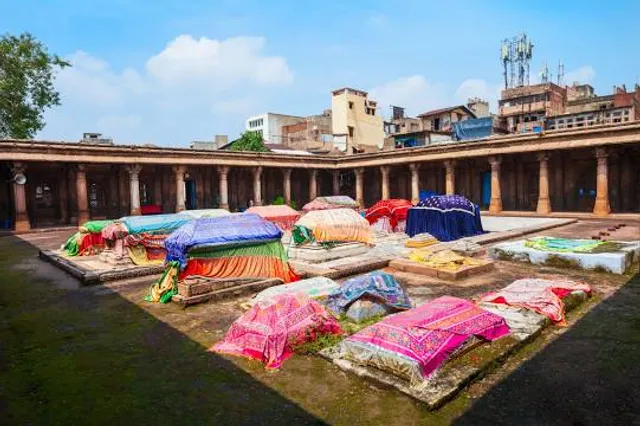
Rani no Hajiro
4.2
(1.8K)
Closed
Click for details
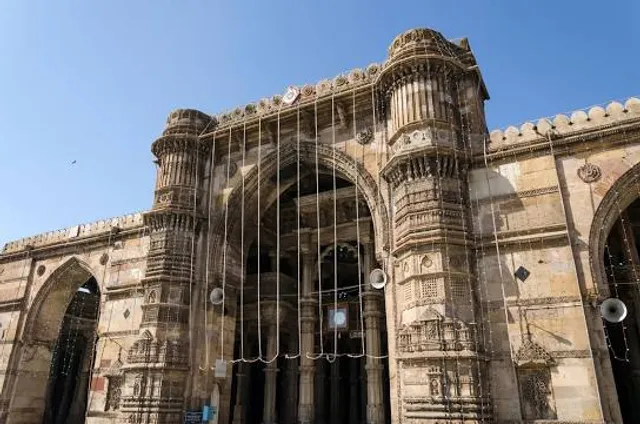
Teen Darwaza
4.3
(14.6K)
Closed
Click for details
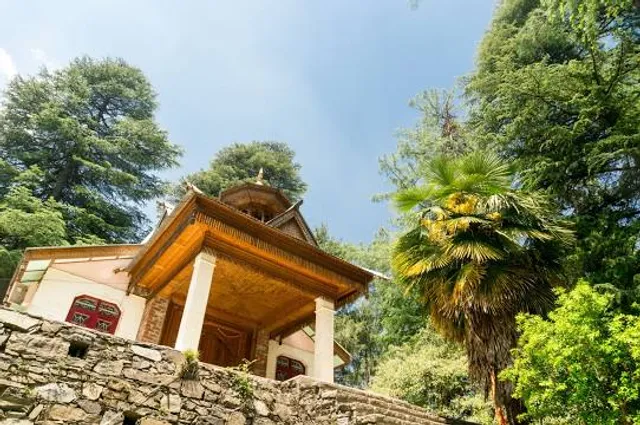
Shri Bhadrakali Mata Ji Mandir
4.7
(4K)
Closed
Click for details
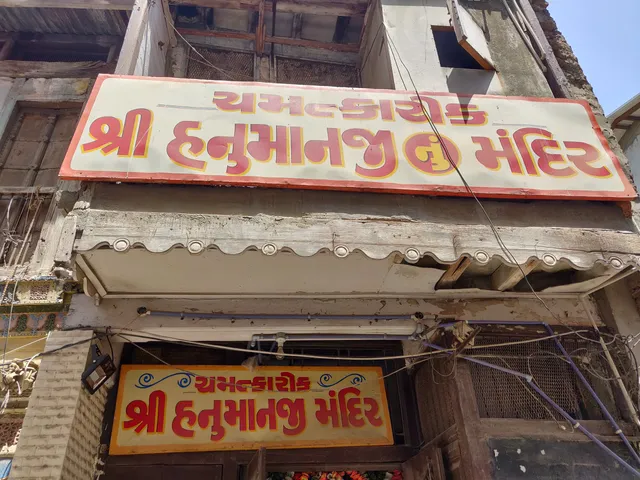
Chamatkarik Shree Hanumanji Mandir-Visa Hanuman
4.8
(1.1K)
Closed
Click for details
Nearby restaurants of Ahmedshah Badshah's Tomb (4 Ahmed)
Manekchowk Food Market
Chandravilas restaurant
Balan Dosa Manek Chowk
Sanman Restaurant
Manek Pizza Sandwich
maharaja dhosa
Mahalaxmi Dosa and Bhajipav
Bahuchar Bhaji Pav Pulav And Sandwich Pizza
New Irani Restaurant
Krishna Fastfood Manekchowk
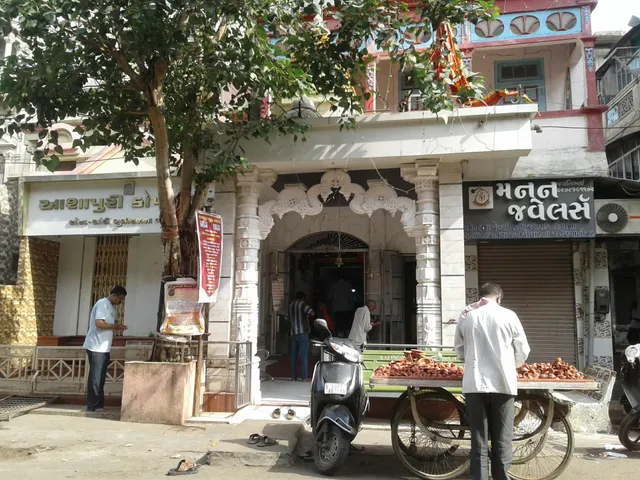
Manekchowk Food Market
4.4
(17.6K)
$$
Open until 1:30 AM
Click for details
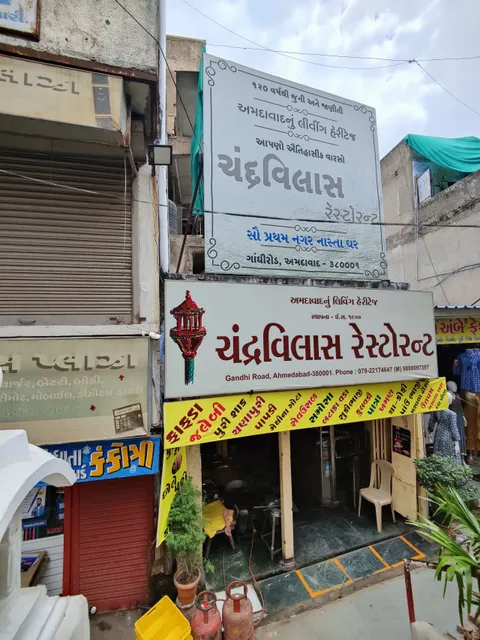
Chandravilas restaurant
4.3
(1.2K)
Closed
Click for details

Balan Dosa Manek Chowk
4.0
(146)
Open until 1:30 AM
Click for details
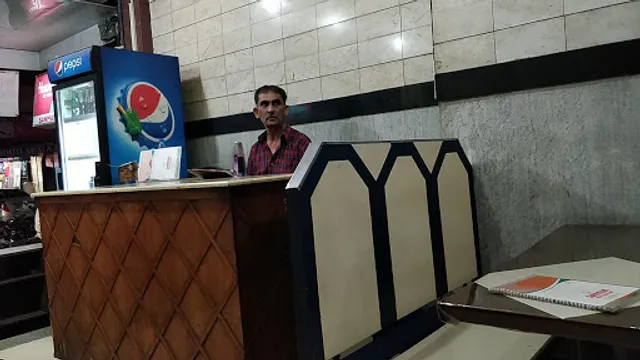
Sanman Restaurant
3.7
(109)
Closed
Click for details
Nearby local services of Ahmedshah Badshah's Tomb (4 Ahmed)
Manek Chowk Road
RAJWADI FIRE PIZZA
Gandhi Vanmalidas oghadbhai
Shree Janta Ice Cream-The Original
Mangaldas Ni Haveli
Bansilal Pendawala
Kotak Mahindra Bank
Ahmedabad General Post Office
Mansuri Halwa House (since 1962)
CENTRAL BANK OF INDIA - LAL DARWAJA, AHMEDABAD Branch
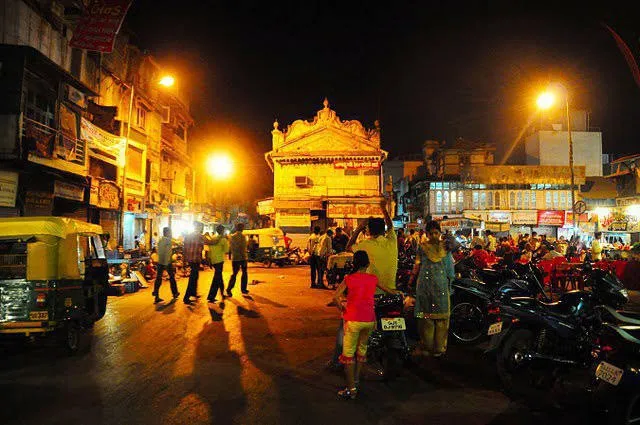
Manek Chowk Road
4.3
(143)
Click for details
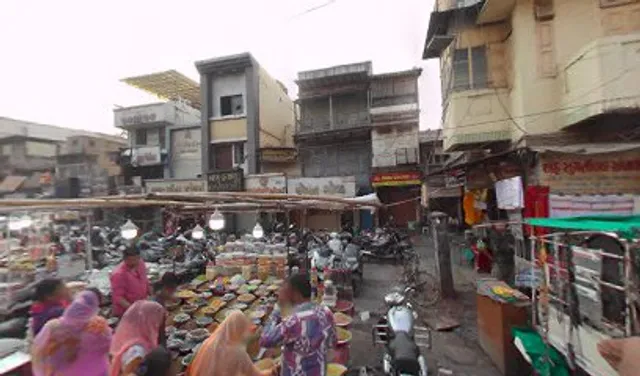
RAJWADI FIRE PIZZA
5.0
(57)
Click for details
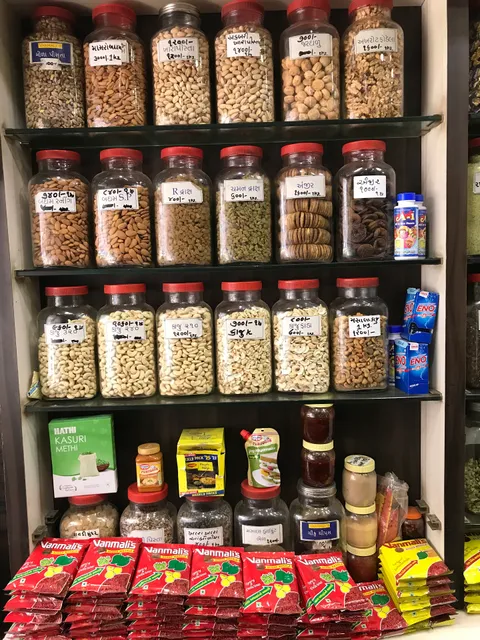
Gandhi Vanmalidas oghadbhai
4.2
(13)
Click for details
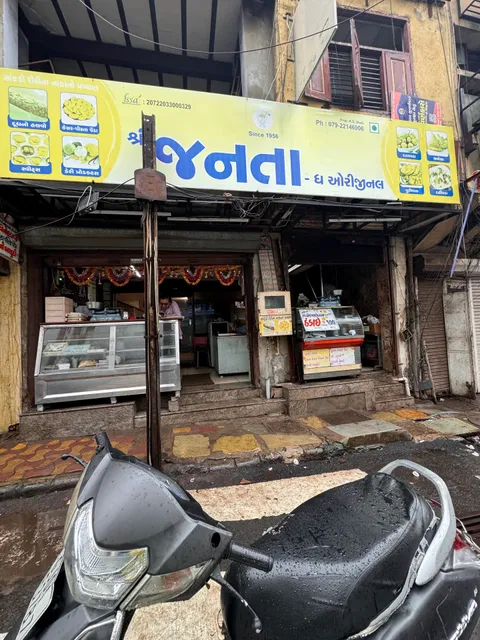
Shree Janta Ice Cream-The Original
4.4
(8)
Click for details