HTML SitemapExplore
logo
Find Things to DoFind The Best Restaurants

Rajgruha (Vishwaratna Dr.Babasaheb Ambedkar Museum) — Attraction in Mumbai

Name
Rajgruha (Vishwaratna Dr.Babasaheb Ambedkar Museum)
Description
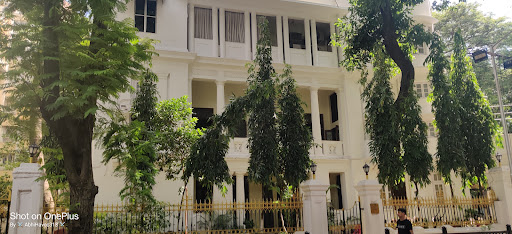
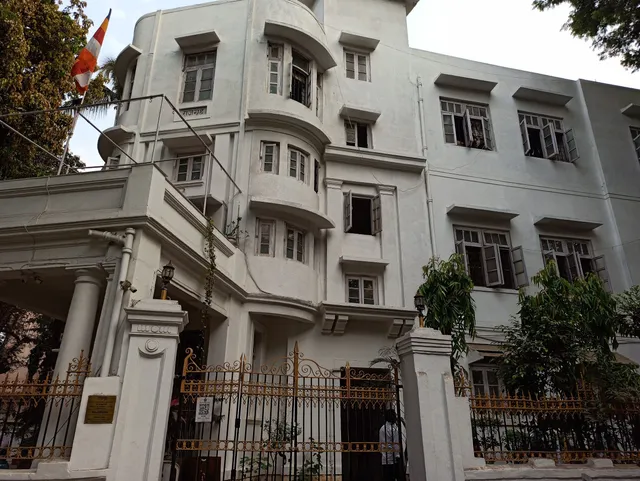
Rajgruha is a memorial and house of the leader B. R. Ambedkar at Hindu colony of Dadar in Mumbai, India. It was named Rajgriha in reference to the ancient Hindu-Buddhist kingdom. The ground floor of the three-story building hosts a heritage museum, as a memorial to the Indian leader.
Nearby attractions
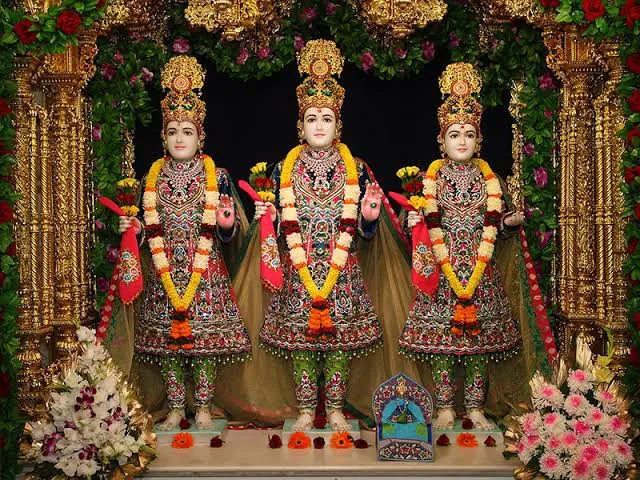
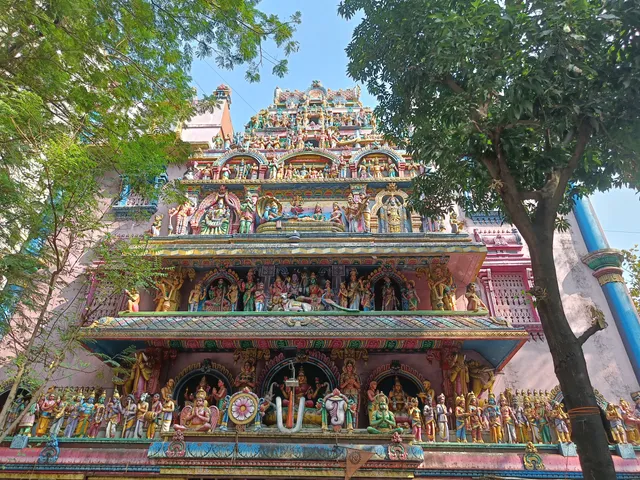
BAPS Shri Swaminarayan Mandir, Mumbai
Swaminarayan Chowk, Central Railway, opp. Dadar Railway Station, Dadar East, Dadar, Mumbai, Maharashtra 400014, India
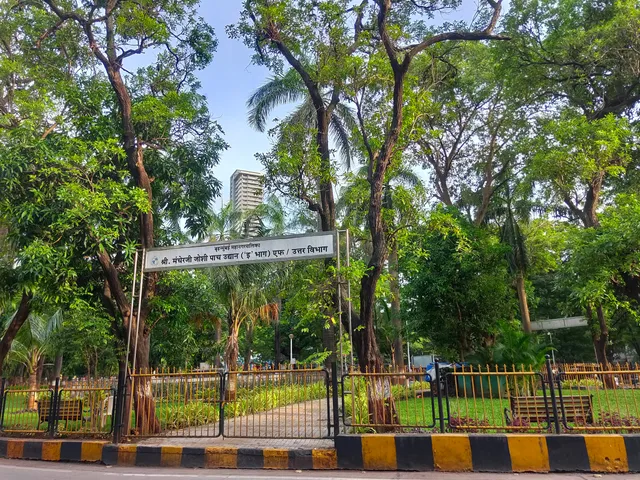
Mancherji Joshi Five Gardens
Mancherji E Joshi Chowk, Dadar East, Dadar, Mumbai, Maharashtra 400031, India
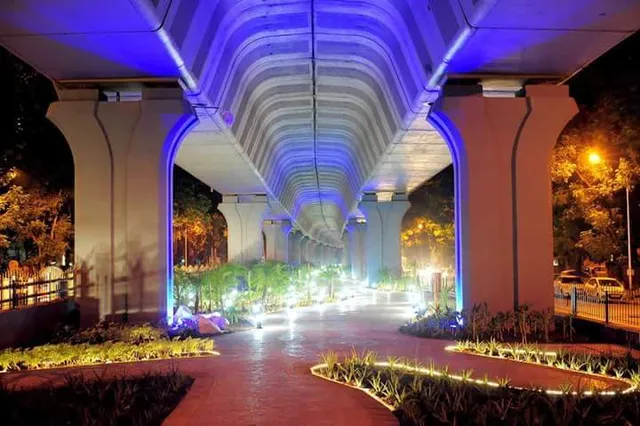
Nanalal D Mehta Garden
2VF3+X99, King's Cir Flyover, Matunga East, Mumbai, Maharashtra 400019, India
The Asthika Samaj Kochu Guruvayoor Sree Ram Mandir
2VH3+2J3, Bhandarkar Rd, Brhmanwada, Matunga East, Mumbai, Maharashtra 400019, India
Nearby restaurants
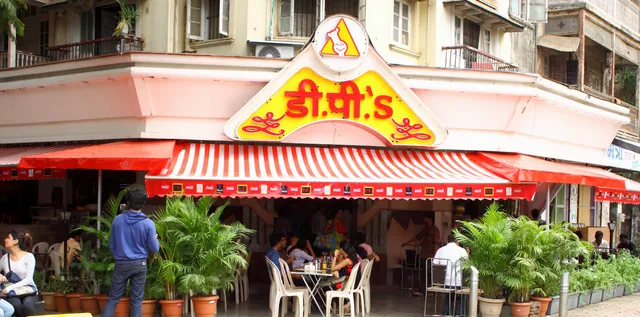
DP's Fast Food Center Matunga | BUY 1 GET 1 FREE Offers
153, Nanda Deep Building, Lakhamsi Napoo Rd, Central, opposite Ruia College, Matunga East, Mumbai, Maharashtra 400019, India
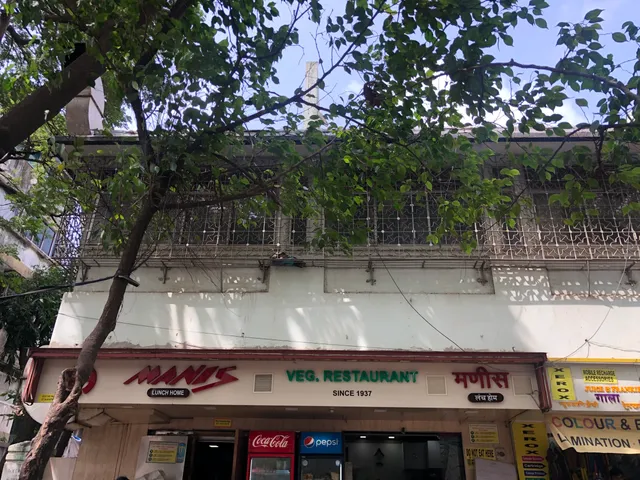
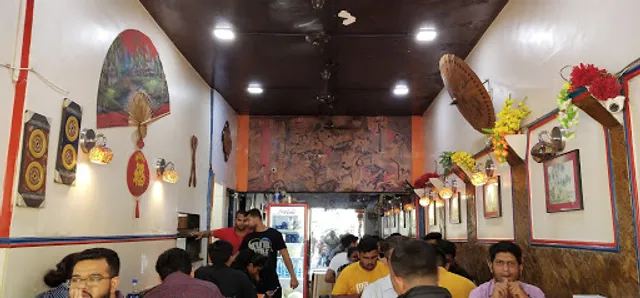
Mani's Lunch Home
Mhaskar Building, Plot. No. 153/C, Lakshami Narayan Rd, Matunga East, Mumbai, Maharashtra 400019
China Man
Dadar East, Matunga East, Mumbai, Maharashtra 400019, India
Prithvi's Cavern
53 Vasant Bhuvan, Lakamashi Napoo Road, First Lane, Hindu Colony, Dadar East, Mumbai, Maharashtra 400014, India
Sherry's Cafe Empire Fast Food
Maskar Building, 153, Lakshami Narayan Rd, opp. Ruia College, Hindu Colony, Matunga East, Mumbai, Maharashtra 400019, India
Grandmama's Cafe, Dadar East
Dharamputra Pritam Estate, 20 & 21, Dr Babasaheb Ambedkar Rd, Dadar East, Dadar, Mumbai, Maharashtra 400014, India
My Regular Place, Dadar
Dharamputra Pritam Estate, Dr Babasaheb Ambedkar Rd, Lokmanya Tilak Colony, Dadar, Mumbai, Maharashtra 400014, India
Jyoti Refreshments
2R8X+V4V, Dadar T.T Cirlce Dr Baba Saheb Ambedkar Road,, Dadar East, Mumbai, Maharashtra 400014, India
Café 792
792, Dina Manzil, 792, Dina Manzil Outhouse, Outhouse, Jame Jamshed Rd, Parsee Colony, Dadar, Mumbai, Maharashtra 400014, India
Swagat Veg Treat
Shop No 15,Empress Mahal,Near Chandu Halwai Khodadad Circle,Dr.Babasaheb Ambedkar Road, Dadar TT Cir, Mumbai, Maharashtra 400014, India
Nearby hotels
Hotel City Point
Khodadad Cir, behind Imperial Mahal, Dadar East, Dadar, Mumbai, Maharashtra 400014, India
Hotel Midtown Pritam
Dharamputra Pritam Estate, Dadar TT Cir, Dadar East, Dadar, Mumbai, Maharashtra 400014, India
Summerland Guest House
2nd Floor, Narayan Building, 23, Lakhamsi Napoo Rd, above Vidyalankar Classes, Dadar East, Dadar, Mumbai, Maharashtra 400014, India
Kohinoor Lodge - Dadar, Mumbai
Kohinoor Bhavan, Swami Gyanjivandasji Road, opposite Dadar Central Railway Station, Dadar East, Dadar, Mumbai, Maharashtra 400014, India
Hotel Avon Ruby-Dadar Hotels
Railway Station, 87, Naigaon Cross Rd, near Dadar, Dadar East, Dadar, Mumbai, Maharashtra 400014, India
B.M.T.H. Lodge
5th Floor, Gokul Niwas, 4, Ranade Rd, opposite Inox Movies, Dadar West, Dadar, Mumbai, Maharashtra 400028, India
Hotel Stayvel
Lakshmi Building, 385, N C. Kelkar Marg, Near Kabutar khana, Dadar West, Dadar, Mumbai, Maharashtra 400028, India
New Shrikrishna Boarding House Private Limited
1st Floor, Gokul Niwas, 4, Ranade Rd, opposite Nakshatra Cine Mall, Dadar West, Dadar, Mumbai, Maharashtra 400028, India
City Guest House
No. 3, Framroz Court, West Wing, Dada Saheb Phalke Marg, Dadar East, Mumbai, Maharashtra 400014, India
Hotel Rooms Dadar
Ground floor, & Lagu Bandhu Jewelers, Jawale Building, C - 2, N C. Kelkar Marg, junction of Ranade Road, near Nakshatra Mall, Near Kabutar khana, Dadar West, Dadar, Mumbai, Maharashtra 400028, India
Related posts
Keywords
Rajgruha (Vishwaratna Dr.Babasaheb Ambedkar Museum) tourism.Rajgruha (Vishwaratna Dr.Babasaheb Ambedkar Museum) hotels.Rajgruha (Vishwaratna Dr.Babasaheb Ambedkar Museum) bed and breakfast. flights to Rajgruha (Vishwaratna Dr.Babasaheb Ambedkar Museum).Rajgruha (Vishwaratna Dr.Babasaheb Ambedkar Museum) attractions.Rajgruha (Vishwaratna Dr.Babasaheb Ambedkar Museum) restaurants.Rajgruha (Vishwaratna Dr.Babasaheb Ambedkar Museum) travel.Rajgruha (Vishwaratna Dr.Babasaheb Ambedkar Museum) travel guide.Rajgruha (Vishwaratna Dr.Babasaheb Ambedkar Museum) travel blog.Rajgruha (Vishwaratna Dr.Babasaheb Ambedkar Museum) pictures.Rajgruha (Vishwaratna Dr.Babasaheb Ambedkar Museum) photos.Rajgruha (Vishwaratna Dr.Babasaheb Ambedkar Museum) travel tips.Rajgruha (Vishwaratna Dr.Babasaheb Ambedkar Museum) maps.Rajgruha (Vishwaratna Dr.Babasaheb Ambedkar Museum) things to do.
Rajgruha (Vishwaratna Dr.Babasaheb Ambedkar Museum) things to do, attractions, restaurants, events info and trip planning
Rajgruha (Vishwaratna Dr.Babasaheb Ambedkar Museum)
IndiaMaharashtraMumbaiRajgruha (Vishwaratna Dr.Babasaheb Ambedkar Museum)

Basic Info

Rajgruha (Vishwaratna Dr.Babasaheb Ambedkar Museum)

Dadar East, 129, Khareghat Rd, Hindu Colony, Mumbai, Maharashtra 400014, India
4.8(1.0K)
Closed
Save
spot

Ratings & Description

Info

Rajgruha is a memorial and house of the leader B. R. Ambedkar at Hindu colony of Dadar in Mumbai, India. It was named Rajgriha in reference to the ancient Hindu-Buddhist kingdom. The ground floor of the three-story building hosts a heritage museum, as a memorial to the Indian leader.

Cultural
Family friendly
Accessibility
attractions: BAPS Shri Swaminarayan Mandir, Mumbai, Mancherji Joshi Five Gardens, Nanalal D Mehta Garden, The Asthika Samaj Kochu Guruvayoor Sree Ram Mandir, restaurants: DP's Fast Food Center Matunga | BUY 1 GET 1 FREE Offers, Mani's Lunch Home, China Man, Prithvi's Cavern, Sherry's Cafe Empire Fast Food, Grandmama's Cafe, Dadar East, My Regular Place, Dadar, Jyoti Refreshments, Café 792, Swagat Veg Treat
logoLearn more insights from Wanderboat AI.
Phone
+91 92234 56777
Open hoursSee all hours
Sat10:30 AM - 6 PMClosed

Plan your stay

hotel
Pet-friendly Hotels in Mumbai
Find a cozy hotel nearby and make it a full experience.

hotel
Affordable Hotels in Mumbai
Find a cozy hotel nearby and make it a full experience.

hotel
The Coolest Hotels You Haven't Heard Of (Yet)
Find a cozy hotel nearby and make it a full experience.

hotel
Trending Stays Worth the Hype in Mumbai
Find a cozy hotel nearby and make it a full experience.

Reviews

Nearby attractions of Rajgruha (Vishwaratna Dr.Babasaheb Ambedkar Museum)

BAPS Shri Swaminarayan Mandir, Mumbai

Mancherji Joshi Five Gardens

Nanalal D Mehta Garden

The Asthika Samaj Kochu Guruvayoor Sree Ram Mandir

BAPS Shri Swaminarayan Mandir, Mumbai

BAPS Shri Swaminarayan Mandir, Mumbai

4.6

(3.7K)

Open until 12:00 PM
Click for details
Mancherji Joshi Five Gardens

Mancherji Joshi Five Gardens

4.4

(6.4K)

Open until 12:00 AM
Click for details
Nanalal D Mehta Garden

Nanalal D Mehta Garden

4.3

(1.1K)

Open 24 hours
Click for details
The Asthika Samaj Kochu Guruvayoor Sree Ram Mandir

The Asthika Samaj Kochu Guruvayoor Sree Ram Mandir

4.7

(1.1K)

Open 24 hours
Click for details

Things to do nearby

Dharavi Slum Tour
Dharavi Slum Tour
Sat, Dec 6 • 9:30 AM
Mumbai, Maharashtra, 400016, India
View details
Explore iconic sights Of Mumbai in Four Hours
Sat, Dec 6 • 6:00 AM
Mumbai, Maharashtra, 400001, India
View details
Bombay Express Food Tour with 15-plus tastings
Sat, Dec 6 • 4:00 PM
Mumbai, Maharashtra, 400020, India
View details

Nearby restaurants of Rajgruha (Vishwaratna Dr.Babasaheb Ambedkar Museum)

DP's Fast Food Center Matunga | BUY 1 GET 1 FREE Offers

Mani's Lunch Home

China Man

Prithvi's Cavern

Sherry's Cafe Empire Fast Food

Grandmama's Cafe, Dadar East

My Regular Place, Dadar

Jyoti Refreshments

Café 792

Swagat Veg Treat

DP's Fast Food Center Matunga | BUY 1 GET 1 FREE Offers

DP's Fast Food Center Matunga | BUY 1 GET 1 FREE Offers

4.1

(4.2K)

Click for details
Mani's Lunch Home

Mani's Lunch Home

4.4

(2.3K)

Click for details
China Man

China Man

3.9

(1.2K)

Click for details
Prithvi's Cavern

Prithvi's Cavern

4.1

(475)

$$

Click for details
Get the Appoverlay
Get the AppOne tap to find yournext favorite spots!
Wanderboat LogoWanderboat

Your everyday Al companion for getaway ideas

CompanyAbout Us
InformationAI Trip PlannerSitemap
SocialXInstagramTiktokLinkedin
LegalTerms of ServicePrivacy Policy

Get the app

© 2025 Wanderboat. All rights reserved.
logo

Reviews of Rajgruha (Vishwaratna Dr.Babasaheb Ambedkar Museum)

4.8
(1,003)
avatar
5.0
1y

A Thorough Examination of "Rajgurha" and Its Reflection of Babasaheb Ambedkar's Ideals**

"Rajgurha," a work centered around the life and philosophies of Dr. B.R. Ambedkar, is a profound literary piece that delves into the complexities of one of India’s most influential social reformers. This book captures the essence of Ambedkar's relentless struggle for equality, his intellectual prowess, and his unwavering commitment to social justice. In this review, I aim to dissect the multifaceted dimensions of "Rajgurha" and explore how it encapsulates the ideals and vision of Babasaheb Ambedkar.

A Detailed Portrait of Ambedkar

The narrative of "Rajgurha" intricately weaves through the various phases of Ambedkar's life, presenting a holistic view of his journey from a marginalized student to the principal architect of the Indian Constitution. The author meticulously documents Ambedkar's early struggles with caste discrimination, highlighting his resilience and determination to overcome societal barriers. This section of the book is particularly impactful as it sets the stage for understanding the roots of Ambedkar's fervor for social justice.

Intellectual Pursuits and Academic Excellence

One of the standout aspects of "Rajgurha" is its detailed account of Ambedkar's academic achievements. The book delves into his years at Columbia University and the London School of Economics, where he earned multiple degrees and honed his analytical and critical thinking skills. The author provides insightful commentary on how Ambedkar's education shaped his perspectives on caste, economics, and social reform. This section is enriched with anecdotes and excerpts from Ambedkar's own writings, offering readers a glimpse into his intellectual rigor and scholarly contributions.

Champion of Social Justice

"Rajgurha" shines in its portrayal of Ambedkar's relentless fight against the caste system and his efforts to uplift the Dalits. The book vividly recounts his role in the Mahad Satyagraha, where he led the movement to assert the right of the Dalits to draw water from public tanks. It also covers his historic participation in the Round Table Conferences in London, where he advocated for the rights of the untouchables. The narrative is both inspiring and poignant, underscoring the immense challenges Ambedkar faced and his unwavering resolve to achieve social equality.

Architect of the Constitution

A significant portion of "Rajgurha" is dedicated to Ambedkar's monumental role in drafting the Indian Constitution. The author provides a comprehensive analysis of his contributions, emphasizing his vision for a democratic and inclusive India. The book explores the various debates and discussions that shaped the Constitution, highlighting Ambedkar's advocacy for fundamental rights, social justice, and equality. This section is particularly enlightening as it showcases Ambedkar's legal acumen and his commitment to creating a just society.

Ambedkar's Philosophical and Theoretical Contributions

"Rajgurha" also delves into Ambedkar's philosophical and theoretical contributions to social and political thought. The author explores his critiques of Hinduism and the caste system, as well as his advocacy for Buddhism as a path to social emancipation. The book provides an in-depth analysis of Ambedkar's seminal works, such as "Annihilation of Caste" and "The Buddha and His Dhamma," offering readers a comprehensive understanding of his ideological stance. This section is particularly valuable for those interested in the philosophical underpinnings of Ambedkar's vision for social reform.

Personal Life and Legacy

In addition to his public life, "Rajgurha" provides a nuanced portrayal of Ambedkar's personal experiences and relationships. The book touches upon his family life, his marriage to Ramabai, and his health struggles. The author paints a humanizing portrait of Ambedkar, presenting him not just as a towering intellectual and leader, but also as a man with personal joys and sorrows. 👁️🇮🇳 We are because he was...

   Read more
avatar
5.0
5y

Rajgruha (alternative spelling: Rajgraha and Rajgriha) is a memorial and house of the leader B. R. Ambedkar at Hindu colony of Dadar in Mumbai, India. It was named Rajgriha (now Rajgir) in reference to the ancient Buddhist kingdom. The ground floor of the three-story building hosts a heritage museum, as a memorial to the Indian leader.

This place is a holy site for Indians, especially Ambedkarite Buddhists and Dalits. Ambedkar lived at Rajgruha for 15-20 years. Millions of people visit the site before the Chaitya Bhoomi in Shivaji Park on 6 December. Ambedkar collected more than 50,000 books during his time at Rajgruha, which made it one of the largest personal libraries in the world at the time of his death. Plans to designate the building as a national monument fell through due to legal and technical issues, but in 2013 the mansion became a heritage monument.

History

Babasaheb Ambedkar was born into abject poverty. By 1930, however, his financial situation improved as he became a well-known barrister.

Ambedkar's legal office was near Damodar Hall in Parel. Eventually Ambedkar's house at Paybadevi could no longer accommodate his growing book collection, so he decided to build a new house for himself and his family.

Ambedkar planned for his new home to have a library. In the new structure, two blocks of three rooms were built on the ground floor of the Rajgruha. In those two blocks, his family live. On the first floor of the royal house, he arranged his library and office.

In 1930, he owned two plots on each of 99th and 129th streets, and a 55 square yard area in Dadar, a Hindu colony of Mumbai. At 129th Street in the fifth lane, he decided to build a house for his family, while he constructed a rental building on the 99th plot in the third lane. He received a loan from the Central Bank of India. Mr. Aaiskar supervised construction. In January 1931, the construction of the building on plot number 129 began and was completed in 1933. Construction of another building on plot 99 started in 1932. After finishing the construction, they named the building "Char Minar". The name "Rajgruha" was related to Buddhist culture and Hindu culture, whereas the name "Char Minar" was related to Muslim culture.

In 1933, Ambedkar, along with his family, moved in. B. R. Ambedkar, his wife Ramabai, son Yashwant, Laxmibai (wife of his brother), Mukund (his nephew), etc. lived there.

On 9 May 1941, he sold the Char Minar building to pay for the purchase of books and retire outstanding loans. However, he kept the house of Rajgruha as a...

   Read more
avatar
5.0
1y

Rajgruha (alternative spelling: Rajgraha and Rajgriha) is a memorial and house of the leader B. R. Ambedkar at Hindu colony of Dadar in Mumbai, India. It was named Rajgriha (now Rajgir) in reference to the ancient Hindu-Buddhist kingdom. The ground floor of the three-story building hosts a heritage museum, as a memorial to the Indian leader.This place is a popular site for Ambedkarite Buddhists and Dalits . Ambedkar lived at Rajgruha for 15-20 years. Millions of people visit the site before the Chaitya Bhoomi in Shivaji Park on 6 December. Ambedkar collected more than 50,000 books during his time at Rajgruha, which made it one of the largest personal libraries in the world at the time of his death. Plans to designate the building as a national monument fell through due to legal and technical issues, but in 2013 the mansion became a heritage monument. Babasaheb Ambedkar was born into abject poverty. By 1930, however, his financial situation improved as he became a well-known barrister.

Ambedkar's legal office was near Damodar Hall in Parel. Eventually Ambedkar's house at Prabhadevi could no longer accommodate his growing book collection, so he decided to build a new house for himself and his family.

Ambedkar planned for his new home to have a library. In the new structure, two blocks of three rooms were built on the ground floor of the Rajgruha. In those two blocks, his family live. On the first floor of the royal house, he arranged his library and office.

In 1930, he owned two plots on each of 99th and 129th streets, and a 55 square yard area in Dadar, a Hindu colony of Mumbai. At 129th Street in the fifth lane, he decided to build a house for his family, while he constructed a rental building on the 99th plot in the third lane. He received a loan from the Central Bank of India. Mr. Aaiskar supervised construction. In January 1931, the construction of the building on plot number 129 began and was completed in 1933. Construction of another building on plot 99 started in 1932. After finishing the construction, they named the building "Char Minar". The name "Rajgruha" was related to Buddhist culture and Hindu culture, whereas the name "Char Minar" was related to Muslim culture.

In 1933, Ambedkar, along with his family, moved in. B. R. Ambedkar, his wife Ramabai, son Yashwant, Laxmibai (wife of his brother), Mukund (his nephew), etc. lived there.

On 9 May 1941, he sold the Char Minar building to pay for the purchase of books and retire outstanding loans. However, he kept the house of Rajgruha as a...

   Read more
Page 1 of 7
Previous
Next

Posts

Abhijeet sonavaleAbhijeet sonavale
A Thorough Examination of "Rajgurha" and Its Reflection of Babasaheb Ambedkar's Ideals** "Rajgurha," a work centered around the life and philosophies of Dr. B.R. Ambedkar, is a profound literary piece that delves into the complexities of one of India’s most influential social reformers. This book captures the essence of Ambedkar's relentless struggle for equality, his intellectual prowess, and his unwavering commitment to social justice. In this review, I aim to dissect the multifaceted dimensions of "Rajgurha" and explore how it encapsulates the ideals and vision of Babasaheb Ambedkar. **A Detailed Portrait of Ambedkar** The narrative of "Rajgurha" intricately weaves through the various phases of Ambedkar's life, presenting a holistic view of his journey from a marginalized student to the principal architect of the Indian Constitution. The author meticulously documents Ambedkar's early struggles with caste discrimination, highlighting his resilience and determination to overcome societal barriers. This section of the book is particularly impactful as it sets the stage for understanding the roots of Ambedkar's fervor for social justice. **Intellectual Pursuits and Academic Excellence** One of the standout aspects of "Rajgurha" is its detailed account of Ambedkar's academic achievements. The book delves into his years at Columbia University and the London School of Economics, where he earned multiple degrees and honed his analytical and critical thinking skills. The author provides insightful commentary on how Ambedkar's education shaped his perspectives on caste, economics, and social reform. This section is enriched with anecdotes and excerpts from Ambedkar's own writings, offering readers a glimpse into his intellectual rigor and scholarly contributions. **Champion of Social Justice** "Rajgurha" shines in its portrayal of Ambedkar's relentless fight against the caste system and his efforts to uplift the Dalits. The book vividly recounts his role in the Mahad Satyagraha, where he led the movement to assert the right of the Dalits to draw water from public tanks. It also covers his historic participation in the Round Table Conferences in London, where he advocated for the rights of the untouchables. The narrative is both inspiring and poignant, underscoring the immense challenges Ambedkar faced and his unwavering resolve to achieve social equality. **Architect of the Constitution** A significant portion of "Rajgurha" is dedicated to Ambedkar's monumental role in drafting the Indian Constitution. The author provides a comprehensive analysis of his contributions, emphasizing his vision for a democratic and inclusive India. The book explores the various debates and discussions that shaped the Constitution, highlighting Ambedkar's advocacy for fundamental rights, social justice, and equality. This section is particularly enlightening as it showcases Ambedkar's legal acumen and his commitment to creating a just society. **Ambedkar's Philosophical and Theoretical Contributions** "Rajgurha" also delves into Ambedkar's philosophical and theoretical contributions to social and political thought. The author explores his critiques of Hinduism and the caste system, as well as his advocacy for Buddhism as a path to social emancipation. The book provides an in-depth analysis of Ambedkar's seminal works, such as "Annihilation of Caste" and "The Buddha and His Dhamma," offering readers a comprehensive understanding of his ideological stance. This section is particularly valuable for those interested in the philosophical underpinnings of Ambedkar's vision for social reform. **Personal Life and Legacy** In addition to his public life, "Rajgurha" provides a nuanced portrayal of Ambedkar's personal experiences and relationships. The book touches upon his family life, his marriage to Ramabai, and his health struggles. The author paints a humanizing portrait of Ambedkar, presenting him not just as a towering intellectual and leader, but also as a man with personal joys and sorrows. 👁️🇮🇳 We are because he was #Baba-निळ वादळ
Praful TapasePraful Tapase
Rajgruha (alternative spelling: Rajgraha and Rajgriha) is a memorial and house of the leader B. R. Ambedkar at Hindu colony of Dadar in Mumbai, India. It was named Rajgriha (now Rajgir) in reference to the ancient Hindu-Buddhist kingdom. The ground floor of the three-story building hosts a heritage museum, as a memorial to the Indian leader.This place is a popular site for Ambedkarite Buddhists and Dalits . Ambedkar lived at Rajgruha for 15-20 years. Millions of people visit the site before the Chaitya Bhoomi in Shivaji Park on 6 December. Ambedkar collected more than 50,000 books during his time at Rajgruha, which made it one of the largest personal libraries in the world at the time of his death. Plans to designate the building as a national monument fell through due to legal and technical issues, but in 2013 the mansion became a heritage monument. Babasaheb Ambedkar was born into abject poverty. By 1930, however, his financial situation improved as he became a well-known barrister. Ambedkar's legal office was near Damodar Hall in Parel. Eventually Ambedkar's house at Prabhadevi could no longer accommodate his growing book collection, so he decided to build a new house for himself and his family. Ambedkar planned for his new home to have a library. In the new structure, two blocks of three rooms were built on the ground floor of the Rajgruha. In those two blocks, his family live. On the first floor of the royal house, he arranged his library and office. In 1930, he owned two plots on each of 99th and 129th streets, and a 55 square yard area in Dadar, a Hindu colony of Mumbai. At 129th Street in the fifth lane, he decided to build a house for his family, while he constructed a rental building on the 99th plot in the third lane. He received a loan from the Central Bank of India. Mr. Aaiskar supervised construction. In January 1931, the construction of the building on plot number 129 began and was completed in 1933. Construction of another building on plot 99 started in 1932. After finishing the construction, they named the building "Char Minar". The name "Rajgruha" was related to Buddhist culture and Hindu culture, whereas the name "Char Minar" was related to Muslim culture. In 1933, Ambedkar, along with his family, moved in. B. R. Ambedkar, his wife Ramabai, son Yashwant, Laxmibai (wife of his brother), Mukund (his nephew), etc. lived there. On 9 May 1941, he sold the Char Minar building to pay for the purchase of books and retire outstanding loans. However, he kept the house of Rajgruha as a permanent possession.
Amol DhendeAmol Dhende
Dr. Babasaheb Ambedkar s House, Everyone should see it once at least.. JAI BHIM. After he became a barrister, he began to practice law, and soon became famous as a successful lawyer. Dr. Ambedkar had huge number of books. For that reason, he decided to build a new house to keep books . When Ambedkar was planning his own building, he had prepared a plan for himself to have a library. He tried his best to have the characteristics of the best libraries he had seen abroad. In that structure, two blocks of three to three rooms were built on the ground floor of the Rajgruha. In those two blocks, he had arranged for his family's living arrangements. On the first floor of the royal house, Babasaheb had arranged his own personal library and office along with his own convenience. He had prepared his own plan and arranged it accordingly. House is situated in Hindu colony of Dadar, Mumbai. On the plot of 129th Street in the fifth lane, he decided to build a house for his family, while building a rented building on the 99th plot in the third lane. In January 1931, the construction of the building on the 129th plot was started. It was completed in 1933. Construction of another building on plot number 99 started in 1932. The name 'Rajgruha' was related to Buddhist culture. In 1933, Babasaheb Ambedkar, along with his family, had come to live in his house. B. R. Ambedkar, his wife Ramabai, Yashwant (his son), Laxmibai (wife of his brother), Mukund (his nephew), etc. lived in the Rajgruha. Ambedkar had more than 50,000 books in the Rajgruha, which at that time was the largest personal library in the world.
See more posts
See more posts
hotel
Find your stay

Pet-friendly Hotels in Mumbai

Find a cozy hotel nearby and make it a full experience.

A Thorough Examination of "Rajgurha" and Its Reflection of Babasaheb Ambedkar's Ideals** "Rajgurha," a work centered around the life and philosophies of Dr. B.R. Ambedkar, is a profound literary piece that delves into the complexities of one of India’s most influential social reformers. This book captures the essence of Ambedkar's relentless struggle for equality, his intellectual prowess, and his unwavering commitment to social justice. In this review, I aim to dissect the multifaceted dimensions of "Rajgurha" and explore how it encapsulates the ideals and vision of Babasaheb Ambedkar. **A Detailed Portrait of Ambedkar** The narrative of "Rajgurha" intricately weaves through the various phases of Ambedkar's life, presenting a holistic view of his journey from a marginalized student to the principal architect of the Indian Constitution. The author meticulously documents Ambedkar's early struggles with caste discrimination, highlighting his resilience and determination to overcome societal barriers. This section of the book is particularly impactful as it sets the stage for understanding the roots of Ambedkar's fervor for social justice. **Intellectual Pursuits and Academic Excellence** One of the standout aspects of "Rajgurha" is its detailed account of Ambedkar's academic achievements. The book delves into his years at Columbia University and the London School of Economics, where he earned multiple degrees and honed his analytical and critical thinking skills. The author provides insightful commentary on how Ambedkar's education shaped his perspectives on caste, economics, and social reform. This section is enriched with anecdotes and excerpts from Ambedkar's own writings, offering readers a glimpse into his intellectual rigor and scholarly contributions. **Champion of Social Justice** "Rajgurha" shines in its portrayal of Ambedkar's relentless fight against the caste system and his efforts to uplift the Dalits. The book vividly recounts his role in the Mahad Satyagraha, where he led the movement to assert the right of the Dalits to draw water from public tanks. It also covers his historic participation in the Round Table Conferences in London, where he advocated for the rights of the untouchables. The narrative is both inspiring and poignant, underscoring the immense challenges Ambedkar faced and his unwavering resolve to achieve social equality. **Architect of the Constitution** A significant portion of "Rajgurha" is dedicated to Ambedkar's monumental role in drafting the Indian Constitution. The author provides a comprehensive analysis of his contributions, emphasizing his vision for a democratic and inclusive India. The book explores the various debates and discussions that shaped the Constitution, highlighting Ambedkar's advocacy for fundamental rights, social justice, and equality. This section is particularly enlightening as it showcases Ambedkar's legal acumen and his commitment to creating a just society. **Ambedkar's Philosophical and Theoretical Contributions** "Rajgurha" also delves into Ambedkar's philosophical and theoretical contributions to social and political thought. The author explores his critiques of Hinduism and the caste system, as well as his advocacy for Buddhism as a path to social emancipation. The book provides an in-depth analysis of Ambedkar's seminal works, such as "Annihilation of Caste" and "The Buddha and His Dhamma," offering readers a comprehensive understanding of his ideological stance. This section is particularly valuable for those interested in the philosophical underpinnings of Ambedkar's vision for social reform. **Personal Life and Legacy** In addition to his public life, "Rajgurha" provides a nuanced portrayal of Ambedkar's personal experiences and relationships. The book touches upon his family life, his marriage to Ramabai, and his health struggles. The author paints a humanizing portrait of Ambedkar, presenting him not just as a towering intellectual and leader, but also as a man with personal joys and sorrows. 👁️🇮🇳 We are because he was #Baba-निळ वादळ
Abhijeet sonavale

Abhijeet sonavale

hotel
Find your stay

Affordable Hotels in Mumbai

Find a cozy hotel nearby and make it a full experience.

Get the Appoverlay
Get the AppOne tap to find yournext favorite spots!
Rajgruha (alternative spelling: Rajgraha and Rajgriha) is a memorial and house of the leader B. R. Ambedkar at Hindu colony of Dadar in Mumbai, India. It was named Rajgriha (now Rajgir) in reference to the ancient Hindu-Buddhist kingdom. The ground floor of the three-story building hosts a heritage museum, as a memorial to the Indian leader.This place is a popular site for Ambedkarite Buddhists and Dalits . Ambedkar lived at Rajgruha for 15-20 years. Millions of people visit the site before the Chaitya Bhoomi in Shivaji Park on 6 December. Ambedkar collected more than 50,000 books during his time at Rajgruha, which made it one of the largest personal libraries in the world at the time of his death. Plans to designate the building as a national monument fell through due to legal and technical issues, but in 2013 the mansion became a heritage monument. Babasaheb Ambedkar was born into abject poverty. By 1930, however, his financial situation improved as he became a well-known barrister. Ambedkar's legal office was near Damodar Hall in Parel. Eventually Ambedkar's house at Prabhadevi could no longer accommodate his growing book collection, so he decided to build a new house for himself and his family. Ambedkar planned for his new home to have a library. In the new structure, two blocks of three rooms were built on the ground floor of the Rajgruha. In those two blocks, his family live. On the first floor of the royal house, he arranged his library and office. In 1930, he owned two plots on each of 99th and 129th streets, and a 55 square yard area in Dadar, a Hindu colony of Mumbai. At 129th Street in the fifth lane, he decided to build a house for his family, while he constructed a rental building on the 99th plot in the third lane. He received a loan from the Central Bank of India. Mr. Aaiskar supervised construction. In January 1931, the construction of the building on plot number 129 began and was completed in 1933. Construction of another building on plot 99 started in 1932. After finishing the construction, they named the building "Char Minar". The name "Rajgruha" was related to Buddhist culture and Hindu culture, whereas the name "Char Minar" was related to Muslim culture. In 1933, Ambedkar, along with his family, moved in. B. R. Ambedkar, his wife Ramabai, son Yashwant, Laxmibai (wife of his brother), Mukund (his nephew), etc. lived there. On 9 May 1941, he sold the Char Minar building to pay for the purchase of books and retire outstanding loans. However, he kept the house of Rajgruha as a permanent possession.
Praful Tapase

Praful Tapase

hotel
Find your stay

The Coolest Hotels You Haven't Heard Of (Yet)

Find a cozy hotel nearby and make it a full experience.

hotel
Find your stay

Trending Stays Worth the Hype in Mumbai

Find a cozy hotel nearby and make it a full experience.

Dr. Babasaheb Ambedkar s House, Everyone should see it once at least.. JAI BHIM. After he became a barrister, he began to practice law, and soon became famous as a successful lawyer. Dr. Ambedkar had huge number of books. For that reason, he decided to build a new house to keep books . When Ambedkar was planning his own building, he had prepared a plan for himself to have a library. He tried his best to have the characteristics of the best libraries he had seen abroad. In that structure, two blocks of three to three rooms were built on the ground floor of the Rajgruha. In those two blocks, he had arranged for his family's living arrangements. On the first floor of the royal house, Babasaheb had arranged his own personal library and office along with his own convenience. He had prepared his own plan and arranged it accordingly. House is situated in Hindu colony of Dadar, Mumbai. On the plot of 129th Street in the fifth lane, he decided to build a house for his family, while building a rented building on the 99th plot in the third lane. In January 1931, the construction of the building on the 129th plot was started. It was completed in 1933. Construction of another building on plot number 99 started in 1932. The name 'Rajgruha' was related to Buddhist culture. In 1933, Babasaheb Ambedkar, along with his family, had come to live in his house. B. R. Ambedkar, his wife Ramabai, Yashwant (his son), Laxmibai (wife of his brother), Mukund (his nephew), etc. lived in the Rajgruha. Ambedkar had more than 50,000 books in the Rajgruha, which at that time was the largest personal library in the world.
Amol Dhende

Amol Dhende

See more posts
See more posts