HTML SitemapExplore
Find Things to DoFind The Best Restaurants

Kartavya Path — Attraction in New Delhi

Name
Kartavya Path
Description
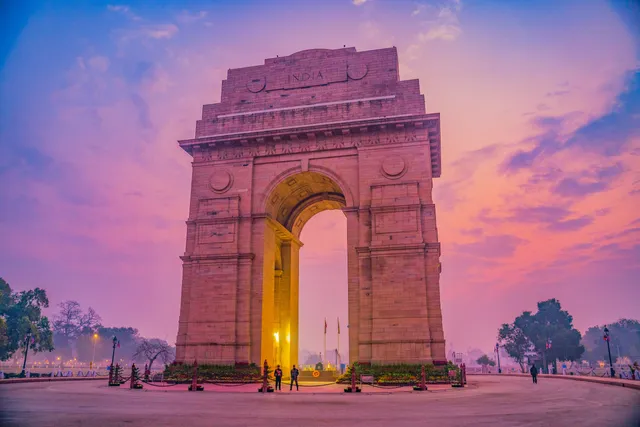
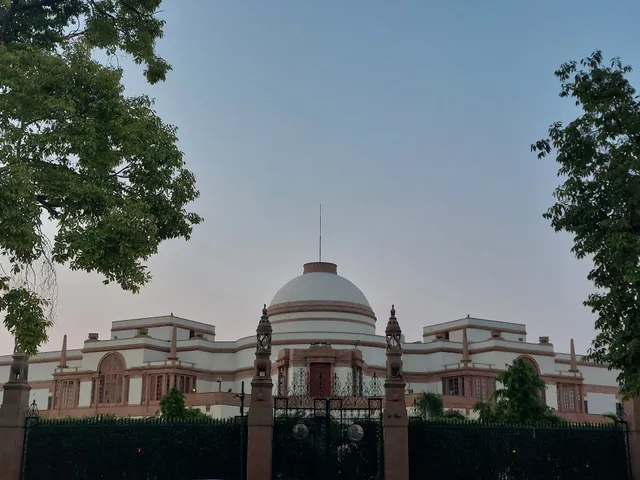
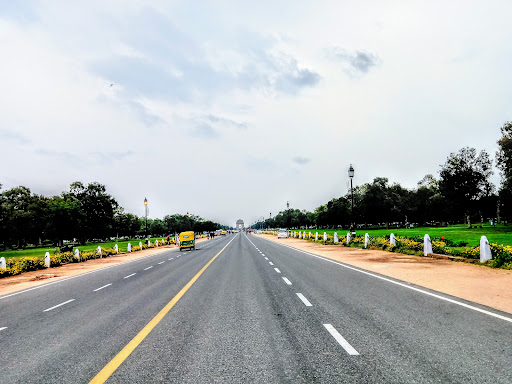
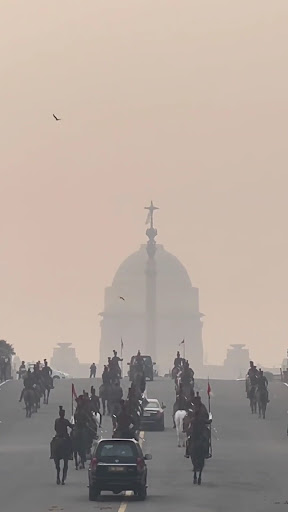
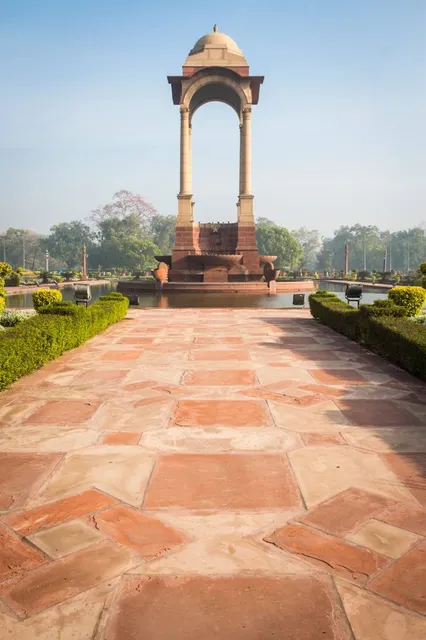
Rajpath, officially named Kartavya Path, and formerly known as Kingsway, is a ceremonial boulevard in New Delhi, India, that runs from Rashtrapati Bhavan on Raisina Hill through Vijay Chowk and India Gate, National War Memorial to National Stadium, Delhi.
Nearby attractions
India Gate
Kartavya Path, India Gate, New Delhi, Delhi 110001, India
India gate
J67G+854, Rajpath Area, India Gate, New Delhi, Delhi 110001, India
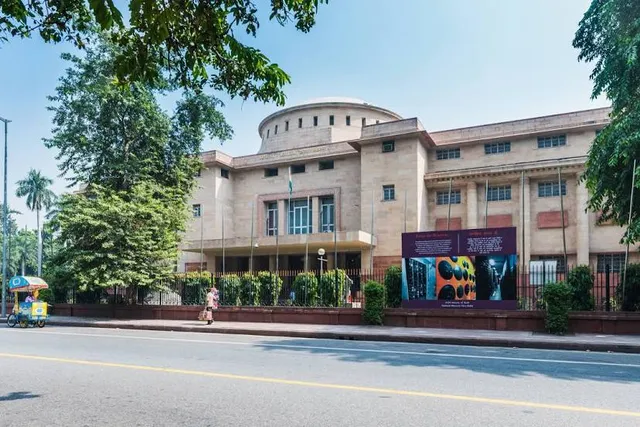
National Museum, New Delhi
Janpath Rd, Rajpath Area, Central Secretariat, New Delhi, Delhi 110011, India
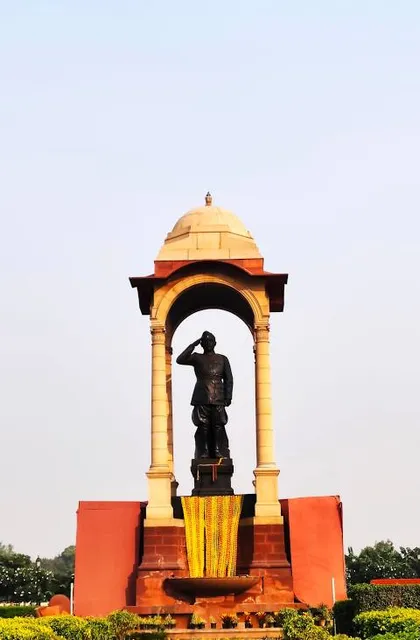
Netaji Subhash Chandra Bose Canopy Delhi
J67J+4CW, India Gate, New Delhi, Delhi 110001, India
India Gate
J67H+5RC, Kartavya Path, India Gate, New Delhi, Delhi 110001, India
National War Memorial
C - Hexagon, India Gate, New Delhi, Delhi 110001, India
India Gate
J67H+5R6, India Gate, New Delhi, Delhi 110001, India
Amar Jawan Jyoti
J67M+36V, Rajpath, India Gate, New Delhi, Delhi 110001, India
India gate centre
J67J+772, India Gate, New Delhi, Delhi 110001, India
National Gallery of Modern Art
Jaipur House, Shershah Rd, near India Gate, Delhi High Court, India Gate, New Delhi, Delhi 110003, India
Nearby restaurants
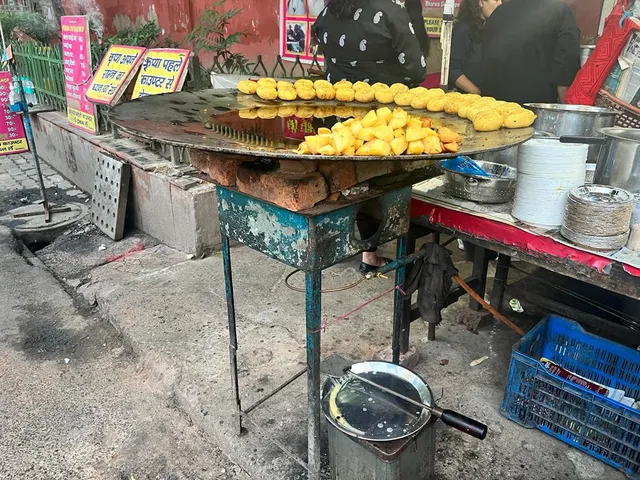
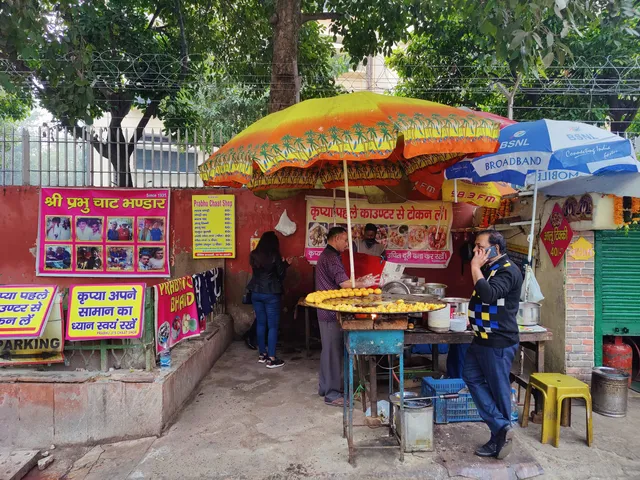
Prabhu Chaat Bhandar
Shahjahan Rd, near UPSC Bhavan, UPSC, Man Singh Road Area, New Delhi, Delhi 110069, India
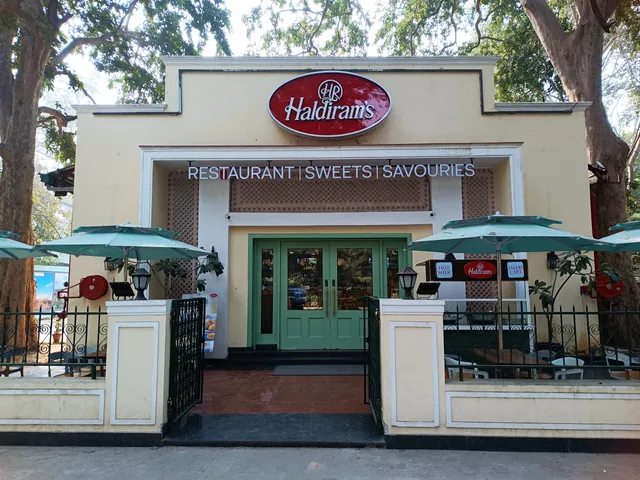
Haldiram's - Pandara Road
Bikaner House, Pandara Flats, Man Singh Road Area, New Delhi, Delhi 110003, India
UPSC Street Food Eateries
J65H+P47, UPSC Lane, UPSC, Man Singh Road Area, New Delhi, Delhi 110069, India
Veg Gulati
Market, 8, Pandara Rd, India Gate, New Delhi, Delhi 110003, India
Diggin
Bikaner House, Pandara Flats, India Gate, New Delhi, Delhi 110003, India
Havemore Restaurant Bikaner House
Bikaner House between Pandara Rd, &, Shahjahan Rd, India Gate, New Delhi, Delhi 110011, India
Maharashtra Sadan Canteen
Faridkot House Lane, Copernicus Marg, next to Baroda House, India Gate, New Delhi, Delhi 110001, India
Pindi Restaurant Delhi
16, Pandara Rd, Pandara Flats, Market, New Delhi, Delhi 110003, India
Have More
Pandara Market, 11-12, Barda Ukil Marg, Pandara Flats, India Gate, New Delhi, Delhi 110003, India
Ichiban Pandara Road
9, Pandara Rd, Pandara Flats, Market, New Delhi, Delhi 110003, India
Nearby hotels
Le Méridien New Delhi
Windsor Pl, Connaught Place, New Delhi, Delhi 110001, India
Taj Mahal, New Delhi
Taj Mahal, New Delhi Number 1, Man Singh Road Area, New Delhi, Delhi 110011, India
Related posts
Keywords
Kartavya Path tourism.Kartavya Path hotels.Kartavya Path bed and breakfast. flights to Kartavya Path.Kartavya Path attractions.Kartavya Path restaurants.Kartavya Path travel.Kartavya Path travel guide.Kartavya Path travel blog.Kartavya Path pictures.Kartavya Path photos.Kartavya Path travel tips.Kartavya Path maps.Kartavya Path things to do.
Kartavya Path things to do, attractions, restaurants, events info and trip planning
Kartavya Path
IndiaDelhiNew DelhiKartavya Path

Basic Info

Kartavya Path

Central Secretariat, New Delhi, Delhi, India
4.7(511)
Open 24 hours
Save
spot

Ratings & Description

Info

Rajpath, officially named Kartavya Path, and formerly known as Kingsway, is a ceremonial boulevard in New Delhi, India, that runs from Rashtrapati Bhavan on Raisina Hill through Vijay Chowk and India Gate, National War Memorial to National Stadium, Delhi.

Cultural
Outdoor
Scenic
Family friendly
Accessibility
attractions: India Gate, India gate, National Museum, New Delhi, Netaji Subhash Chandra Bose Canopy Delhi, India Gate, National War Memorial, India Gate, Amar Jawan Jyoti, India gate centre, National Gallery of Modern Art, restaurants: Prabhu Chaat Bhandar, Haldiram's - Pandara Road, UPSC Street Food Eateries, Veg Gulati, Diggin, Havemore Restaurant Bikaner House, Maharashtra Sadan Canteen, Pindi Restaurant Delhi, Have More, Ichiban Pandara Road
logoLearn more insights from Wanderboat AI.

Plan your stay

hotel
Pet-friendly Hotels in New Delhi
Find a cozy hotel nearby and make it a full experience.
hotel
Affordable Hotels in New Delhi
Find a cozy hotel nearby and make it a full experience.
hotel
The Coolest Hotels You Haven't Heard Of (Yet)
Find a cozy hotel nearby and make it a full experience.
hotel
Trending Stays Worth the Hype in New Delhi
Find a cozy hotel nearby and make it a full experience.

Reviews

Nearby attractions of Kartavya Path

India Gate

India gate

National Museum, New Delhi

Netaji Subhash Chandra Bose Canopy Delhi

India Gate

National War Memorial

India Gate

Amar Jawan Jyoti

India gate centre

National Gallery of Modern Art

India Gate

India Gate

4.6

(81.6K)

Open 24 hours
Click for details
India gate

India gate

4.6

(11)

Open 24 hours
Click for details
National Museum, New Delhi

National Museum, New Delhi

4.6

(8K)

Closed
Click for details
Netaji Subhash Chandra Bose Canopy Delhi

Netaji Subhash Chandra Bose Canopy Delhi

4.7

(491)

Open 24 hours
Click for details

Things to do nearby

Craft home-style cuisine in Delhi
Fri, Dec 26 • 11:00 AM
New Delhi, Delhi, 110024, India
View details
Chandni Chowk Food Tour with 15-plus tastings
Thu, Dec 25 • 10:30 AM
New Delhi, Delhi, 110006, India
View details
Enjoy the contrasting charms of Old & New Delhi
Thu, Dec 25 • 10:00 AM
New Delhi, Delhi, 110011, India
View details

Nearby restaurants of Kartavya Path

Prabhu Chaat Bhandar

Haldiram's - Pandara Road

UPSC Street Food Eateries

Veg Gulati

Diggin

Havemore Restaurant Bikaner House

Maharashtra Sadan Canteen

Pindi Restaurant Delhi

Have More

Ichiban Pandara Road

Prabhu Chaat Bhandar

Prabhu Chaat Bhandar

3.5

(1.4K)

Click for details
Haldiram's - Pandara Road

Haldiram's - Pandara Road

4.3

(918)

$

Click for details
UPSC Street Food Eateries

UPSC Street Food Eateries

3.8

(315)

$

Click for details
Veg Gulati

Veg Gulati

4.3

(3.9K)

Click for details
Get the Appoverlay
Get the AppOne tap to find yournext favorite spots!
Wanderboat LogoWanderboat

Your everyday Al companion for getaway ideas

CompanyAbout Us
InformationAI Trip PlannerSitemap
SocialXInstagramTiktokLinkedin
LegalTerms of ServicePrivacy Policy

Get the app

© 2025 Wanderboat. All rights reserved.

Posts

Mohd ShahnawazMohd Shahnawaz
Missing hanging out with friends riding electric bicycle here. This Place is major missing in this Lockdown. Let me tell you something about RAJPATH. Popular as a ceremonial boulevard in the national capital of India, New Delhi, Rajpath runs the length between the Rashtrapti Bhawan on Raisina Hills to the National Stadium. It literally means the kings way and is located in the heart of the city. It is one of the well developed regions in capital city, boasting of lush green surroundings and beautiful architectural displays. The supposedly royal road was constructed by Sir Edward Lutyens, who is believed to have been responsible for building many designs in New Delhi. It is also known that some of the notable architectural structures around New Delhi, such as India Gate and Rashtrapati Bhawan were built and designed under his architectural talent and supervision. Lutyens designed Rajpath such that one could get a panoramic view of the Viceroy’s Palace and an unhindered view of New Delhi. Rajpath is the site where the yearly proceedings on the Republic Day takes place. Rajpath is centrally placed and bordered by secretariat buildings on its north and south block sides. The iconic location is further accentuated by the presence of choicest plantation of trees on either side, which gives the lane a sleek and long look. Rajpath happens to be one of the most visited tourist destinations in New Delhi. Several tourists book economic packages for a tour around Rajpath, whereby children can enjoy themselves at the various playgrounds beside the structures. If you are a tourist visiting New Delhi, do not miss out on taking a stroll around this popular place. Republic Day Parade at Rajpath: One of the best times to visit Rajpath is during the republic day event which is held in New Delhi, each year on 26th January. It marks the day when the Indian people adopted the constitution of India, which protects them by defining their duties and rights. During this event, Rajpath undergoes a significant change and overhaul. The streets leading up to Rajpath and the iconic structures surrounding the road are decorated with impressive flowers and lights. The grounds witness the attendance of a large number of people, who flank from different parts of the country and several important dignitaries. Each year, a person of prominence is also invited by the president of India, to act as the chief guest of the event and grace the occasion with their presence. The Parade that ensues, gives a spectacular display of various arms and defence systems and different weaponry that is owned by the Indian army, rich display of ‘jhanki’ from different states and departments in India and various dance forms, which are performed by students from different schools all over the country. Also prominent is the beating retreat event that is held each year on the 29th of January, which originates from the Vijay Chowk and passes through Rajpath. Landmarks at Rajpath: 1. Secretariat Building: The central secretariat is the house of cabinet for officials who administer the functioning of the Government of India. It was built in 1910 and currently it is home to the important dignitaries who administer the official cabinet of India. It is situated at Raisina Hills on Rajpath. Architecturally, the secretarial buildings consist of two blocks of buildings, built in symmetry, known as the North Block and South Block. The buildings incorporate a typical Mughal and Rajasthani style architecture, which are prominently observed by the number of Jali structures used to build the building. It is often compared to the Bell tower of Pretoria. 2. Parliament House: Popular as ‘Sansad Bhawan’ it is home to the Lok Sabha and Rajya Sabha, which are the two main houses of the parliament. The building was designed by Sir Edward Lutyens and Sir Herbert Baker. It is believed that the Chausath Yogini Temple of the eleventh century was the inspiration behind the construction of the administrative structure.
Tejaram KaushikTejaram Kaushik
Kartavya Path, formerly known as Rajpath, is a ceremonial boulevard in New Delhi, India, that stretches from Rashtrapati Bhavan to India Gate, National War Memorial, and National Stadium. Here's what you need to know: History and Significance - Designed by Sir Edwin Lutyens and Herbert Baker as a "ceremonial axis" for the new imperial capital of India - Originally named "Kingsway" in honor of King George V, who visited Delhi during the 1911 Durbar - Renamed Rajpath after India's independence in 1947, which roughly translates to "King's Way" in Hindi - Recently renamed Kartavya Path, meaning "Path of Duty," symbolizing a shift from a symbol of power to public ownership and empowerment Features and Redevelopment - The 3-kilometer stretch features huge lawns, canals, and rows of trees - Redesigned with sustainability features like: - *Sustainable Practices:* - Solid waste management - Storm-water management - Recycling unit - Rainwater harvesting - Water conservation - Energy-efficient lighting systems - Includes planned landscapes, lawns with walkways, green spaces, refurbished canals, and improved signage and vending kiosks Landmarks and Events - Hosts the annual Republic Day parade on January 26 - Used for funeral processions of key political leaders - Features notable landmarks like: - *India Gate*: A war memorial and iconic symbol of India - *Rashtrapati Bhavan*: The official residence of the President of India - *National War Memorial*: A tribute to Indian soldiers who sacrificed their lives - *Statue of Netaji Subhas Chandra Bose*: A 28-foot tall granite statue under the Grand Canopy, replacing the statue of King George V Purpose and Impact - Designed to promote public ownership and empowerment - Aims to reduce colonial mindset and promote Indian heritage - Part of the Central Vista Redevelopment Project, which aims to revitalize the area and improve infrastructure¹ ² ³
Rakesh Maurya (Google Map Guider)Rakesh Maurya (Google Map Guider)
From Wikipedia: In 1911 the British Imperial Government and the Viceregal administration determined that the capital of the British Indian Empire should be moved from Calcutta to Delhi. Accordingly, construction in that year began on the district of New Delhi, which would serve as the purpose-built administrative capital of the Indian Empire. The British Raj duly turned to Sir Edwin Lutyens to construct the new city. Lutyens conceived of a modern imperial city centred around a "ceremonial axis", such axis being the large boulevard now called the Rajpath. Lutyens wanted a panoramic view of the city of Delhi from the viceregal palace. Consequently, the view from Raisina Hill runs unhindered across Rajpath and the India Gate, and is obstructed only by the National Stadium. Most of the buildings surrounding the Rajpath were designed by Lutyens and the second architect of the project, Sir Herbert Baker. The importance of such buildings in the government of India ensures the road's importance. Nameedit When built, the road was named King's Way, or Kingsway, in honour of the Emperor of India George V, who had visited Delhi during the Durbar of 1911, and where the Emperor formally proclaimed the decision to move the capital. The name was similar to Kingsway in London, which had been opened in 1905, and which was also a custom-built arterial road, and which had been named in honour of George V's father, Edward VII (as King of the United Kingdom). Following the Independence of India the road was given its Hindi name, 'Rajpath', in place of its English designation. This represented a mere translation more than a substantial renaming, since 'Rajpath' in Hindi is broadly analogous in meaning to 'King's Way'. In September 2022, Rajpath was redeveloped under Central Vista Redevelopment Project and renamed Kartavya Path.[2]
See more posts
See more posts
hotel
Find your stay

Pet-friendly Hotels in New Delhi

Find a cozy hotel nearby and make it a full experience.

Missing hanging out with friends riding electric bicycle here. This Place is major missing in this Lockdown. Let me tell you something about RAJPATH. Popular as a ceremonial boulevard in the national capital of India, New Delhi, Rajpath runs the length between the Rashtrapti Bhawan on Raisina Hills to the National Stadium. It literally means the kings way and is located in the heart of the city. It is one of the well developed regions in capital city, boasting of lush green surroundings and beautiful architectural displays. The supposedly royal road was constructed by Sir Edward Lutyens, who is believed to have been responsible for building many designs in New Delhi. It is also known that some of the notable architectural structures around New Delhi, such as India Gate and Rashtrapati Bhawan were built and designed under his architectural talent and supervision. Lutyens designed Rajpath such that one could get a panoramic view of the Viceroy’s Palace and an unhindered view of New Delhi. Rajpath is the site where the yearly proceedings on the Republic Day takes place. Rajpath is centrally placed and bordered by secretariat buildings on its north and south block sides. The iconic location is further accentuated by the presence of choicest plantation of trees on either side, which gives the lane a sleek and long look. Rajpath happens to be one of the most visited tourist destinations in New Delhi. Several tourists book economic packages for a tour around Rajpath, whereby children can enjoy themselves at the various playgrounds beside the structures. If you are a tourist visiting New Delhi, do not miss out on taking a stroll around this popular place. Republic Day Parade at Rajpath: One of the best times to visit Rajpath is during the republic day event which is held in New Delhi, each year on 26th January. It marks the day when the Indian people adopted the constitution of India, which protects them by defining their duties and rights. During this event, Rajpath undergoes a significant change and overhaul. The streets leading up to Rajpath and the iconic structures surrounding the road are decorated with impressive flowers and lights. The grounds witness the attendance of a large number of people, who flank from different parts of the country and several important dignitaries. Each year, a person of prominence is also invited by the president of India, to act as the chief guest of the event and grace the occasion with their presence. The Parade that ensues, gives a spectacular display of various arms and defence systems and different weaponry that is owned by the Indian army, rich display of ‘jhanki’ from different states and departments in India and various dance forms, which are performed by students from different schools all over the country. Also prominent is the beating retreat event that is held each year on the 29th of January, which originates from the Vijay Chowk and passes through Rajpath. Landmarks at Rajpath: 1. Secretariat Building: The central secretariat is the house of cabinet for officials who administer the functioning of the Government of India. It was built in 1910 and currently it is home to the important dignitaries who administer the official cabinet of India. It is situated at Raisina Hills on Rajpath. Architecturally, the secretarial buildings consist of two blocks of buildings, built in symmetry, known as the North Block and South Block. The buildings incorporate a typical Mughal and Rajasthani style architecture, which are prominently observed by the number of Jali structures used to build the building. It is often compared to the Bell tower of Pretoria. 2. Parliament House: Popular as ‘Sansad Bhawan’ it is home to the Lok Sabha and Rajya Sabha, which are the two main houses of the parliament. The building was designed by Sir Edward Lutyens and Sir Herbert Baker. It is believed that the Chausath Yogini Temple of the eleventh century was the inspiration behind the construction of the administrative structure.
Mohd Shahnawaz

Mohd Shahnawaz

hotel
Find your stay

Affordable Hotels in New Delhi

Find a cozy hotel nearby and make it a full experience.

Get the Appoverlay
Get the AppOne tap to find yournext favorite spots!
Kartavya Path, formerly known as Rajpath, is a ceremonial boulevard in New Delhi, India, that stretches from Rashtrapati Bhavan to India Gate, National War Memorial, and National Stadium. Here's what you need to know: History and Significance - Designed by Sir Edwin Lutyens and Herbert Baker as a "ceremonial axis" for the new imperial capital of India - Originally named "Kingsway" in honor of King George V, who visited Delhi during the 1911 Durbar - Renamed Rajpath after India's independence in 1947, which roughly translates to "King's Way" in Hindi - Recently renamed Kartavya Path, meaning "Path of Duty," symbolizing a shift from a symbol of power to public ownership and empowerment Features and Redevelopment - The 3-kilometer stretch features huge lawns, canals, and rows of trees - Redesigned with sustainability features like: - *Sustainable Practices:* - Solid waste management - Storm-water management - Recycling unit - Rainwater harvesting - Water conservation - Energy-efficient lighting systems - Includes planned landscapes, lawns with walkways, green spaces, refurbished canals, and improved signage and vending kiosks Landmarks and Events - Hosts the annual Republic Day parade on January 26 - Used for funeral processions of key political leaders - Features notable landmarks like: - *India Gate*: A war memorial and iconic symbol of India - *Rashtrapati Bhavan*: The official residence of the President of India - *National War Memorial*: A tribute to Indian soldiers who sacrificed their lives - *Statue of Netaji Subhas Chandra Bose*: A 28-foot tall granite statue under the Grand Canopy, replacing the statue of King George V Purpose and Impact - Designed to promote public ownership and empowerment - Aims to reduce colonial mindset and promote Indian heritage - Part of the Central Vista Redevelopment Project, which aims to revitalize the area and improve infrastructure¹ ² ³
Tejaram Kaushik

Tejaram Kaushik

hotel
Find your stay

The Coolest Hotels You Haven't Heard Of (Yet)

Find a cozy hotel nearby and make it a full experience.

hotel
Find your stay

Trending Stays Worth the Hype in New Delhi

Find a cozy hotel nearby and make it a full experience.

From Wikipedia: In 1911 the British Imperial Government and the Viceregal administration determined that the capital of the British Indian Empire should be moved from Calcutta to Delhi. Accordingly, construction in that year began on the district of New Delhi, which would serve as the purpose-built administrative capital of the Indian Empire. The British Raj duly turned to Sir Edwin Lutyens to construct the new city. Lutyens conceived of a modern imperial city centred around a "ceremonial axis", such axis being the large boulevard now called the Rajpath. Lutyens wanted a panoramic view of the city of Delhi from the viceregal palace. Consequently, the view from Raisina Hill runs unhindered across Rajpath and the India Gate, and is obstructed only by the National Stadium. Most of the buildings surrounding the Rajpath were designed by Lutyens and the second architect of the project, Sir Herbert Baker. The importance of such buildings in the government of India ensures the road's importance. Nameedit When built, the road was named King's Way, or Kingsway, in honour of the Emperor of India George V, who had visited Delhi during the Durbar of 1911, and where the Emperor formally proclaimed the decision to move the capital. The name was similar to Kingsway in London, which had been opened in 1905, and which was also a custom-built arterial road, and which had been named in honour of George V's father, Edward VII (as King of the United Kingdom). Following the Independence of India the road was given its Hindi name, 'Rajpath', in place of its English designation. This represented a mere translation more than a substantial renaming, since 'Rajpath' in Hindi is broadly analogous in meaning to 'King's Way'. In September 2022, Rajpath was redeveloped under Central Vista Redevelopment Project and renamed Kartavya Path.[2]
Rakesh Maurya (Google Map Guider)

Rakesh Maurya (Google Map Guider)

See more posts
See more posts

Reviews of Kartavya Path

4.7
(511)
avatar
5.0
5y

Missing hanging out with friends riding electric bicycle here. This Place is major missing in this Lockdown. Let me tell you something about RAJPATH. Popular as a ceremonial boulevard in the national capital of India, New Delhi, Rajpath runs the length between the Rashtrapti Bhawan on Raisina Hills to the National Stadium. It literally means the kings way and is located in the heart of the city.

It is one of the well developed regions in capital city, boasting of lush green surroundings and beautiful architectural displays. The supposedly royal road was constructed by Sir Edward Lutyens, who is believed to have been responsible for building many designs in New Delhi.

It is also known that some of the notable architectural structures around New Delhi, such as India Gate and Rashtrapati Bhawan were built and designed under his architectural talent and supervision.

Lutyens designed Rajpath such that one could get a panoramic view of the Viceroy’s Palace and an unhindered view of New Delhi. Rajpath is the site where the yearly proceedings on the Republic Day takes place. Rajpath is centrally placed and bordered by secretariat buildings on its north and south block sides.

The iconic location is further accentuated by the presence of choicest plantation of trees on either side, which gives the lane a sleek and long look. Rajpath happens to be one of the most visited tourist destinations in New Delhi.

Several tourists book economic packages for a tour around Rajpath, whereby children can enjoy themselves at the various playgrounds beside the structures. If you are a tourist visiting New Delhi, do not miss out on taking a stroll around this popular place.

Republic Day Parade at Rajpath:

One of the best times to visit Rajpath is during the republic day event which is held in New Delhi, each year on 26th January. It marks the day when the Indian people adopted the constitution of India, which protects them by defining their duties and rights.

During this event, Rajpath undergoes a significant change and overhaul. The streets leading up to Rajpath and the iconic structures surrounding the road are decorated with impressive flowers and lights.

The grounds witness the attendance of a large number of people, who flank from different parts of the country and several important dignitaries. Each year, a person of prominence is also invited by the president of India, to act as the chief guest of the event and grace the occasion with their presence.

The Parade that ensues, gives a spectacular display of various arms and defence systems and different weaponry that is owned by the Indian army, rich display of ‘jhanki’ from different states and departments in India and various dance forms, which are performed by students from different schools all over the country.

Also prominent is the beating retreat event that is held each year on the 29th of January, which originates from the Vijay Chowk and passes through Rajpath.

Landmarks at Rajpath:

Secretariat Building: The central secretariat is the house of cabinet for officials who administer the functioning of the Government of India. It was built in 1910 and currently it is home to the important dignitaries who administer the official cabinet of India.

It is situated at Raisina Hills on Rajpath. Architecturally, the secretarial buildings consist of two blocks of buildings, built in symmetry, known as the North Block and South Block. The buildings incorporate a typical Mughal and Rajasthani style architecture, which are prominently observed by the number of Jali structures used to build the building. It is often compared to the Bell tower of Pretoria.

Parliament House: Popular as ‘Sansad Bhawan’ it is home to the Lok Sabha and Rajya Sabha, which are the two main houses of the parliament. The building was designed by Sir Edward Lutyens and Sir Herbert Baker. It is believed that the Chausath Yogini Temple of the eleventh century was the inspiration behind the construction of the...

   Read more
avatar
5.0
1y

As the name says, "Kartavya Path," all the national glory and nation pride moments are being captured at this place. Republic Day Parade is being organized at this place with all the arrangements that can make people experience full of joy and happiness. Whoever witnesses this parade can proudly say, "Mera Bharat Mahan." Every Indian must visit this place once in their entire life so that they can feel proud to be born at India Soil. The energy, the vibe, and the atmosphere are so petrotic that you haven't experienced it in your entire life. Wake up at 4 O clock to witness the Republic Day parade was worth remembering. Standing in a queue for almost 2 hours with all the security check was totally worth. Seating arrangements for witnessing the parade was top class. Security around the Kartavya Path was very tight, one cannot go inside the parade area without passes. Physically, electronically, and technically, security checks at each level to make the Republic Day parade happen. One side of Kartavya Path is Rastrapati Bhawan, and the other side has India gate. The distance between both the places is approx 2 to 3 KM. Sitting arrangements were like the north and south direction. Each side has different enclosures(gates), with which we can enter. The enclosure number is written on the passes. From 1 to 9 enclosures, we have to take south direction, and the nearest metro station for the south direction is udhyog bhawan. From 10 onwards, we have to take North direction, and the nearest metro station for the north direction is central secretariat. The sitting arrangements were like, first, come and first serve. So, to avoid missing standing in a queue visit as soon as possible. The parade and air show was really mesmerizing. It's a lifetime achievement for everyone who has witnessed that. Also, beating the retreat ceremony also happens at that place. This function is done for the prize distribution, and to honor our force from prime minister to president, everyone takes the part at beating the retreat ceremony. Overall, my experience of watching the Republic Day parade was really worth remembering, and I advise you to once visit and become part of this beautiful and national event. You will never regret this decision. If you have read this review until here, then please make sure to like this review. Thankyou Jai Hind Jai...

   Read more
avatar
5.0
44w

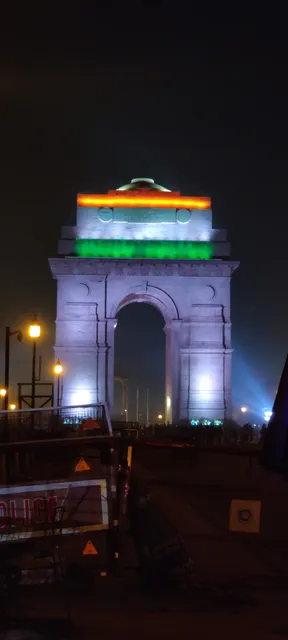
Here's my personal review of visiting Kartavya Path (formerly Rajpath) in Delhi: Walking down the magnificent Kartavya Path at sunset, I was struck by the grandeur of this ceremonial boulevard that captures the essence of India's national pride. The perfectly manicured lawns, stretching as far as the eye can see, created a stunning green carpet leading up to the majestic India Gate on one end and the impressive Rashtrapati Bhavan on the other. The recent renovations have transformed this historic avenue into an even more spectacular public space. What impressed me most was the thoughtful integration of modern amenities while preserving the area's historic character. The new red granite walkways made my evening stroll comfortable, while the additional seating areas allowed me to rest and soak in the atmosphere. The dancing fountains along the canals were mesmerizing, especially as they lit up at dusk, creating magical reflections in the water. I particularly enjoyed watching families and friends gathering on the lawns, children flying kites, and visitors from all over the world taking in the historic significance of this place. The newly installed food courts offered a welcome respite - I tried some local street food while watching the sun set behind India Gate, painting the sky in brilliant oranges and pinks. The underground walkways with their cultural exhibits added an unexpected educational dimension to my visit. Learning about India's freedom fighters and national heritage through the modern interactive displays was both informative and engaging. The improved lighting made the evening experience particularly enchanting, with the entire pathway beautifully illuminated. Pro tip: Visit during early evening hours to experience both daylight and nighttime views. The place is particularly magical during national holidays when it's decorated with tricolor lights. Carry a water bottle and wear comfortable walking shoes as there's quite a bit of ground to cover. The metro station (Central Secretariat) makes access convenient, and the new parking facilities are well-organized if you're driving. The Kartavya Path truly lives up to its name as the "Path of Duty," offering visitors a profound sense of national pride while providing a beautiful public space for...

   Read more
Page 1 of 7
Previous
Next