Palazzo Regio things to do, attractions, restaurants, events info and trip planning
Basic Info
Palazzo Regio
Piazza Palazzo, 1, 09124 Cagliari CA, Italy
4.5(412)
Open until 12:00 AM
Save
spot
spot
Ratings & Description
Info
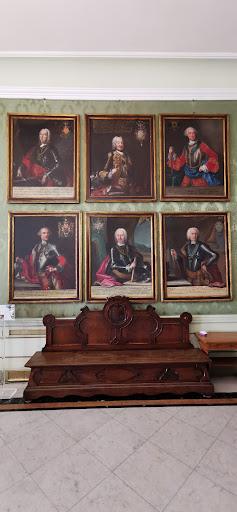
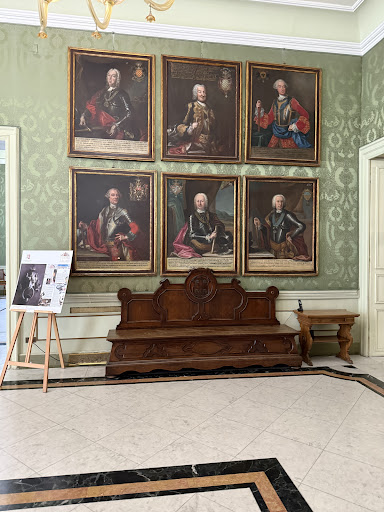
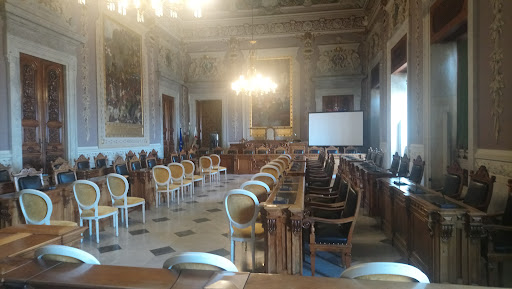
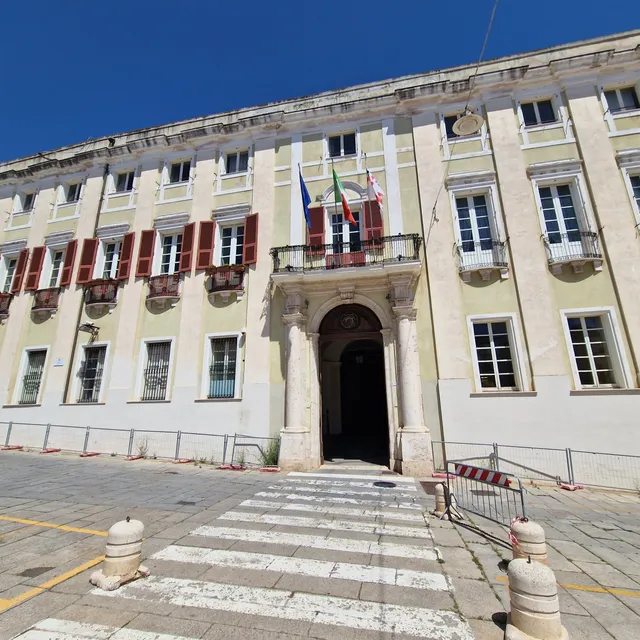
The Palazzo Regio, also known as Viceregio, is a historic building in Cagliari, the ancient residence of the representative of the king of Sardinia during the Aragonese, Spanish and Savoy domination and now the seat of the Metropolitan City of Cagliari. It is located in the historical Castello district.
Cultural
Scenic
Family friendly
Accessibility
attractions: Cathedral of Cagliari, Antico Palazzo di Città, Torre dell'Elefante, Bastione di Santa Croce, Bastion Saint Remy, Porta Cristina, Basilica of the Holy Cross of the Order of Saint Maurice, Hope Church, Chiesa di San Cesello, Centro Comunale d'Arte il Ghetto di Cagliari, restaurants: Libarium Nostrum, Pablo Caffe, Cafè Plazuela, Ristorante Pani e Casu Cagliari, L'Osteria di Castello, Amalfi Pizza & Gin Cagliari, Sa Piola, Coccodi Dolce e Salato, Bar Gelateria 4 Mori, American Bar Gemini, local businesses: Museo archeologico nazionale, Bastion de la Sainte Croix, Sardinia Magic Experience, Torre Campanaria della Cattedrale, Mercato Civico di Santa Chiara cagliari, Comus, Crai, INTENSO, La Piccola Pizzetta - Via Manno, ZARA
 Learn more insights from Wanderboat AI.
Phone
+39 070 409 2010
Open hoursSee all hours
Tue10 AM - 6:30 PMOpen
Plan your stay

Pet-friendly Hotels in Cagliari
Find a cozy hotel nearby and make it a full experience.

Affordable Hotels in Cagliari
Find a cozy hotel nearby and make it a full experience.

The Coolest Hotels You Haven't Heard Of (Yet)
Find a cozy hotel nearby and make it a full experience.

Trending Stays Worth the Hype in Cagliari
Find a cozy hotel nearby and make it a full experience.
Reviews
Live events
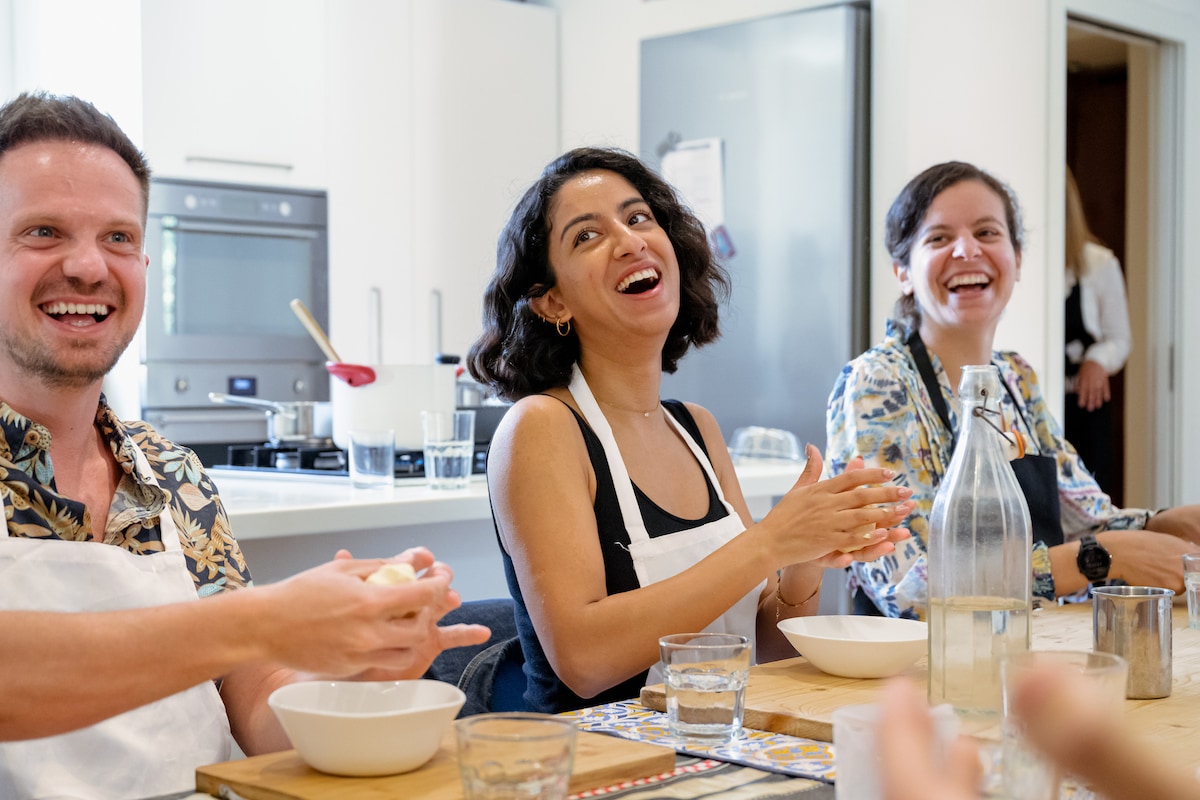
Cagliari pasta cooking class: culurgiones
Tue, Feb 24 • 11:00 AM
09129, Cagliari, Sardinia, Italy
View details
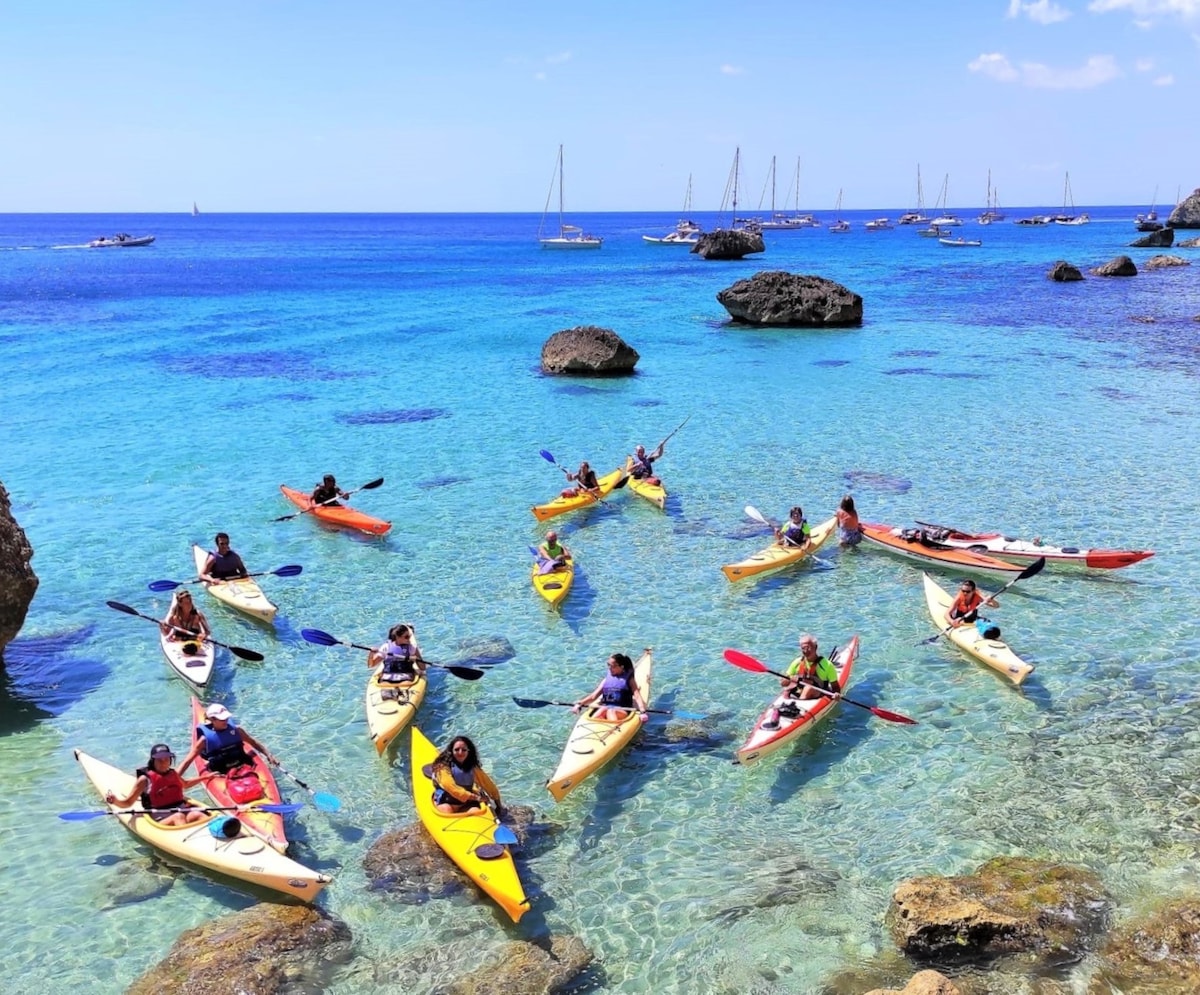
Kayak the Gulf of Cagliari
Sun, Mar 1 • 9:00 AM
09126, Cagliari, Sardinia, Italy
View details
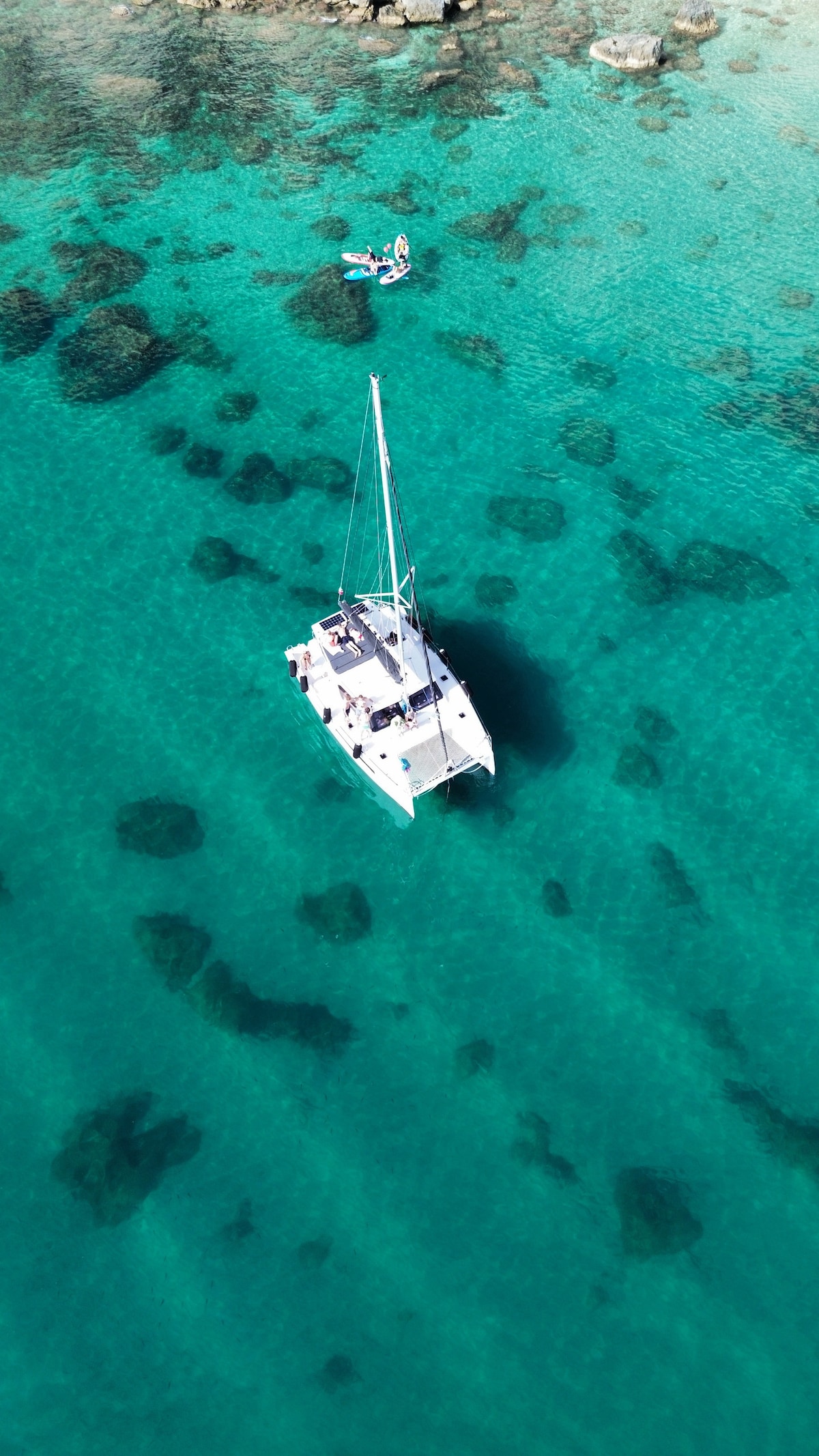
Sail to the Devils Saddle by catamaran
Tue, Feb 24 • 10:00 AM
09125, Cagliari, Sardinia, Italy
View details
Nearby attractions of Palazzo Regio
Cathedral of Cagliari
Antico Palazzo di Città
Torre dell'Elefante
Bastione di Santa Croce
Bastion Saint Remy
Porta Cristina
Basilica of the Holy Cross of the Order of Saint Maurice
Hope Church
Chiesa di San Cesello
Centro Comunale d'Arte il Ghetto di Cagliari
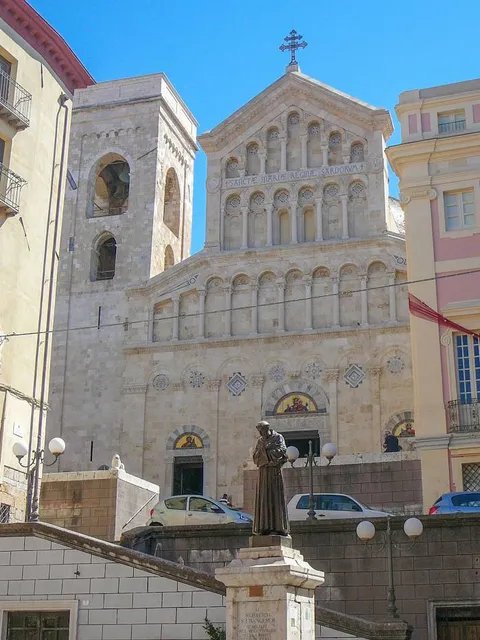
Cathedral of Cagliari
4.6
(2K)
Closed
Click for details
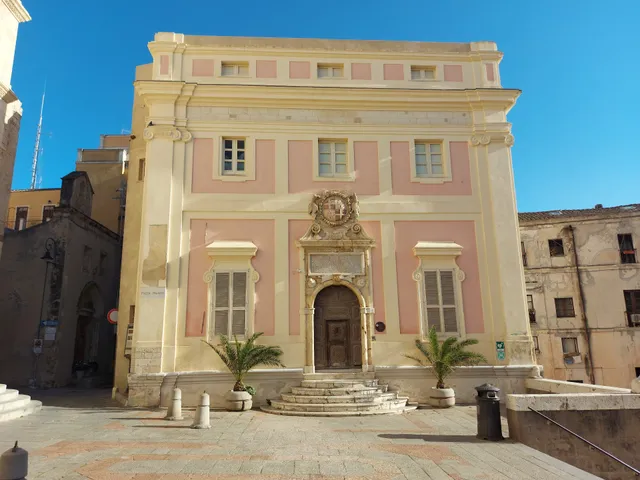
Antico Palazzo di Città
4.6
(221)
Open until 12:00 AM
Click for details
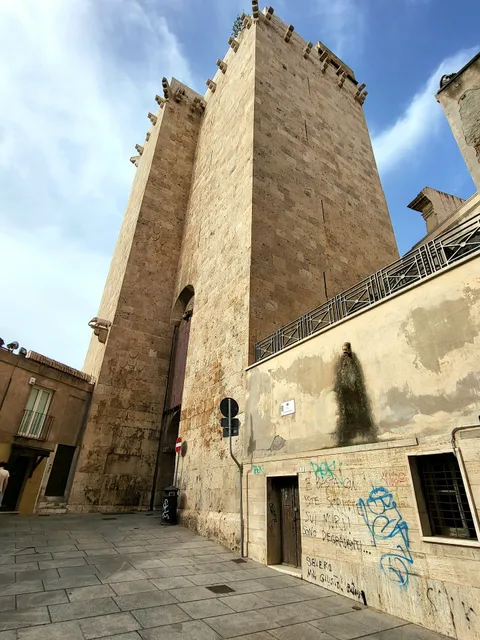
Torre dell'Elefante
4.3
(1.4K)
Open 24 hours
Click for details
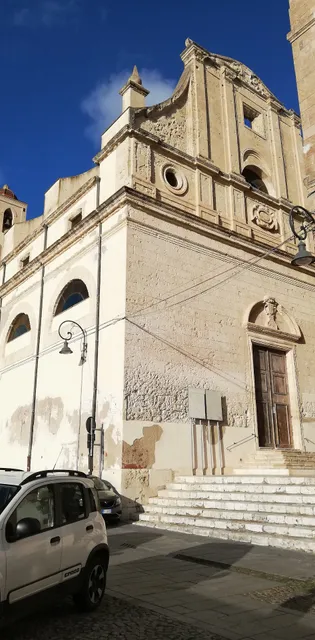
Bastione di Santa Croce
4.7
(694)
Open until 12:00 AM
Click for details
Nearby restaurants of Palazzo Regio
Libarium Nostrum
Pablo Caffe
Cafè Plazuela
Ristorante Pani e Casu Cagliari
L'Osteria di Castello
Amalfi Pizza & Gin Cagliari
Sa Piola
Coccodi Dolce e Salato
Bar Gelateria 4 Mori
American Bar Gemini
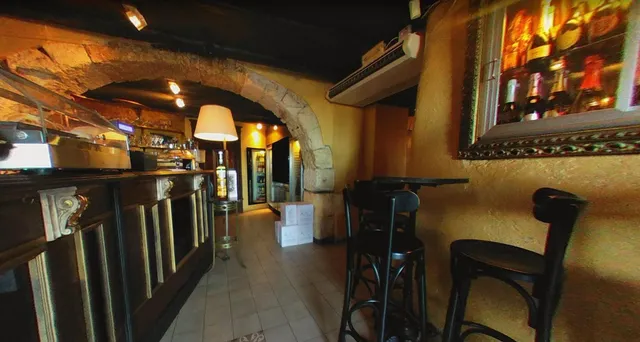
Libarium Nostrum
4.2
(1.3K)
$$
Closed
Click for details
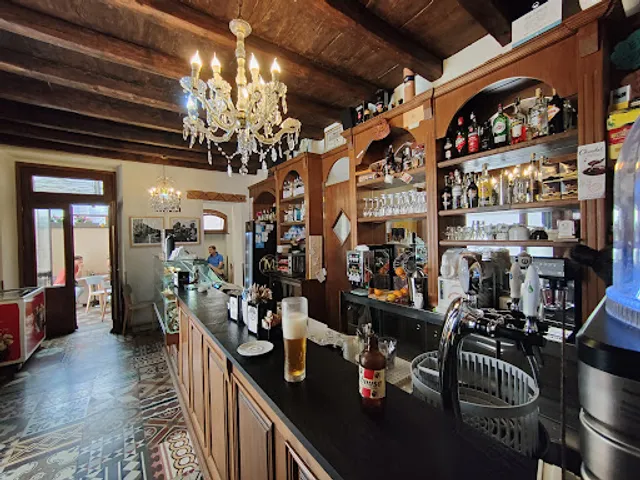
Pablo Caffe
4.6
(199)
Closed
Click for details
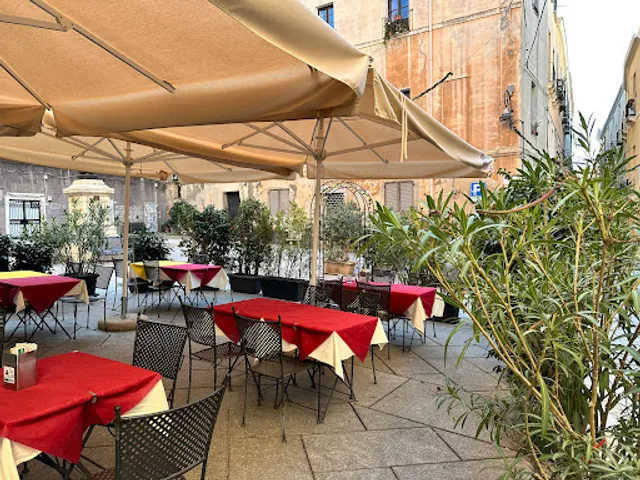
Cafè Plazuela
4.2
(282)
Open until 12:00 AM
Click for details
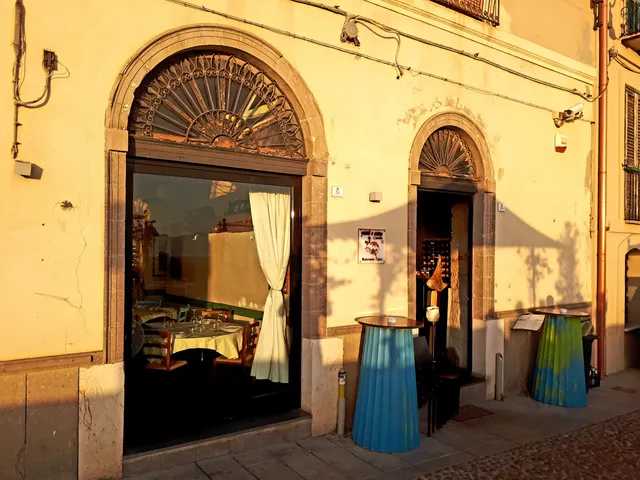
Ristorante Pani e Casu Cagliari
4.4
(757)
Open until 12:00 AM
Click for details
Nearby local services of Palazzo Regio
Museo archeologico nazionale
Bastion de la Sainte Croix
Sardinia Magic Experience
Torre Campanaria della Cattedrale
Mercato Civico di Santa Chiara cagliari
Comus
Crai
INTENSO
La Piccola Pizzetta - Via Manno
ZARA
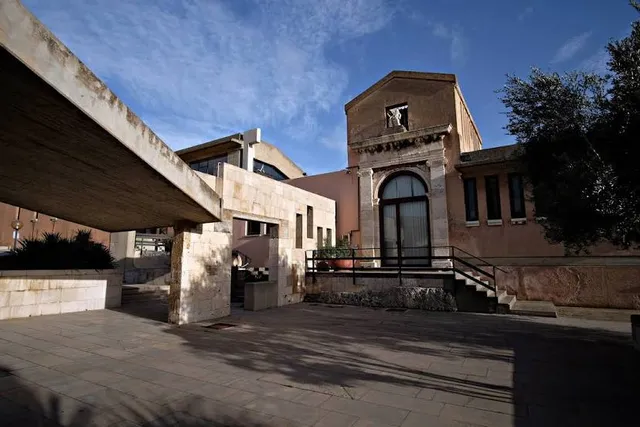
Museo archeologico nazionale
4.5
(1.7K)
Click for details
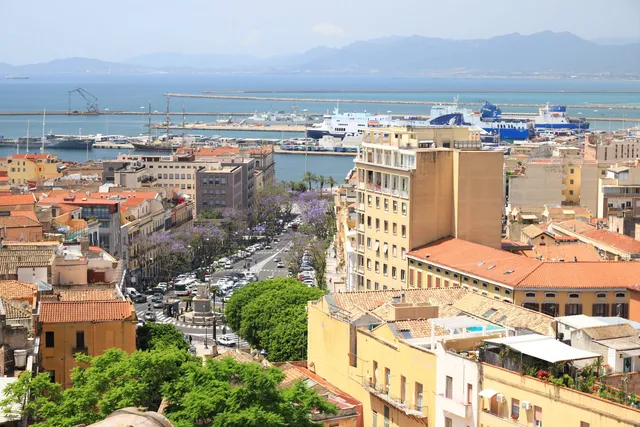
Bastion de la Sainte Croix
4.7
(576)
Click for details
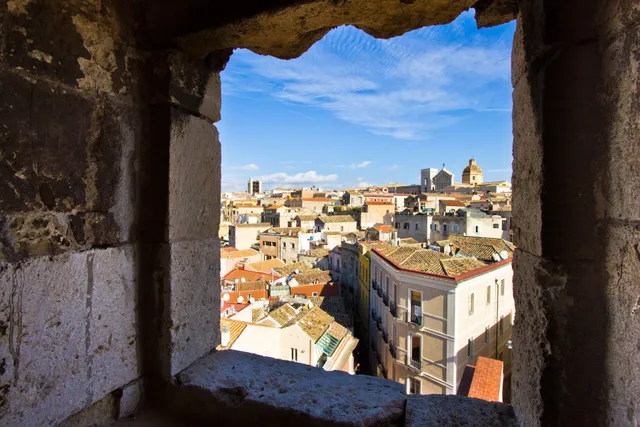
Sardinia Magic Experience
4.9
(43)
Click for details
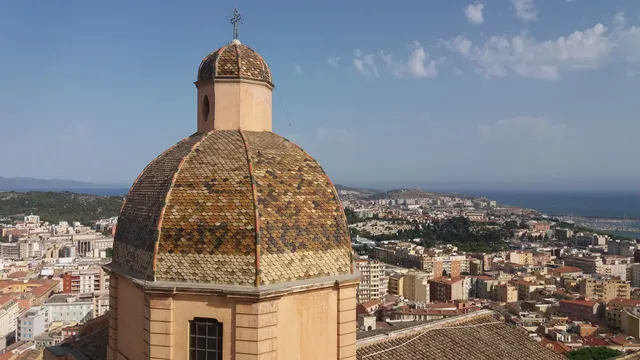
Torre Campanaria della Cattedrale
5.0
(12)
Click for details