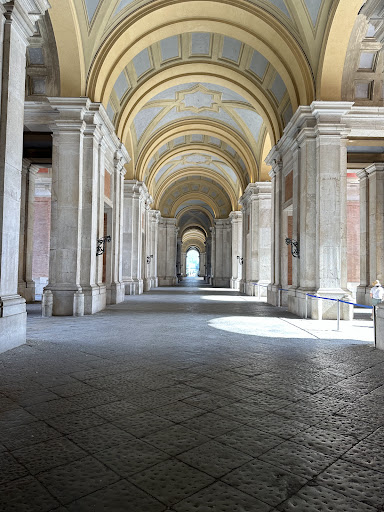
Giardini Reali - Parco Reggia di Caserta things to do, attractions, restaurants, events info and trip planning
Basic Info
Giardini Reali - Parco Reggia di Caserta
Piazza Carlo di Borbone, 81100 Caserta CE, Italy
4.7(9.8K)
Open until 6:00 PM

tickets
Save
spot
spot
Ratings & Description
Info
Outdoor
Relaxation
Family friendly
Accessibility
attractions: Royal Palace of Caserta, Teatro Comunale, Piazza Carlo di Borbone, Teatro di Corte, Basile Apartment Club, Peschiera Grande, Diocesi Di Caserta, Campetti Nike "Emanuela Gallicola", Giardini Maria Carolina, restaurants: PepeNero, Antica Hostaria Massa dal 1848, Decimo Scalo, BarbeQ - Public House, Allèr Allèr - Non è una trattoria, è a casa mij!, Tatami Japanese Restaurant Caserta, Nello Pizzeria, Luca Brancaccio, Public House - Burger Gourmet, Pizzeria GranMà, local businesses: Gioielleria Iannicelli - Rivenditore Autorizzato Rolex, Luxury Group S.p.A., Play Point Caserta, Atelier Emé Caserta, Mini Mix, R-Store Caserta | Rivenditore Autorizzato Apple e Centro Assistenza Autorizzato Apple, Gerbera Gelateria, Veccia, I Colori di Vietri Caserta, Piazza Carlo di Borbone
 Learn more insights from Wanderboat AI.
Phone
+39 0823 448084
Website
reggiadicaserta.cultura.gov.it
Open hoursSee all hours
Sun8:30 AM - 6 PMOpen
Plan your stay

Pet-friendly Hotels in Caserta
Find a cozy hotel nearby and make it a full experience.

Affordable Hotels in Caserta
Find a cozy hotel nearby and make it a full experience.

The Coolest Hotels You Haven't Heard Of (Yet)
Find a cozy hotel nearby and make it a full experience.

Trending Stays Worth the Hype in Caserta
Find a cozy hotel nearby and make it a full experience.
Reviews
Live events
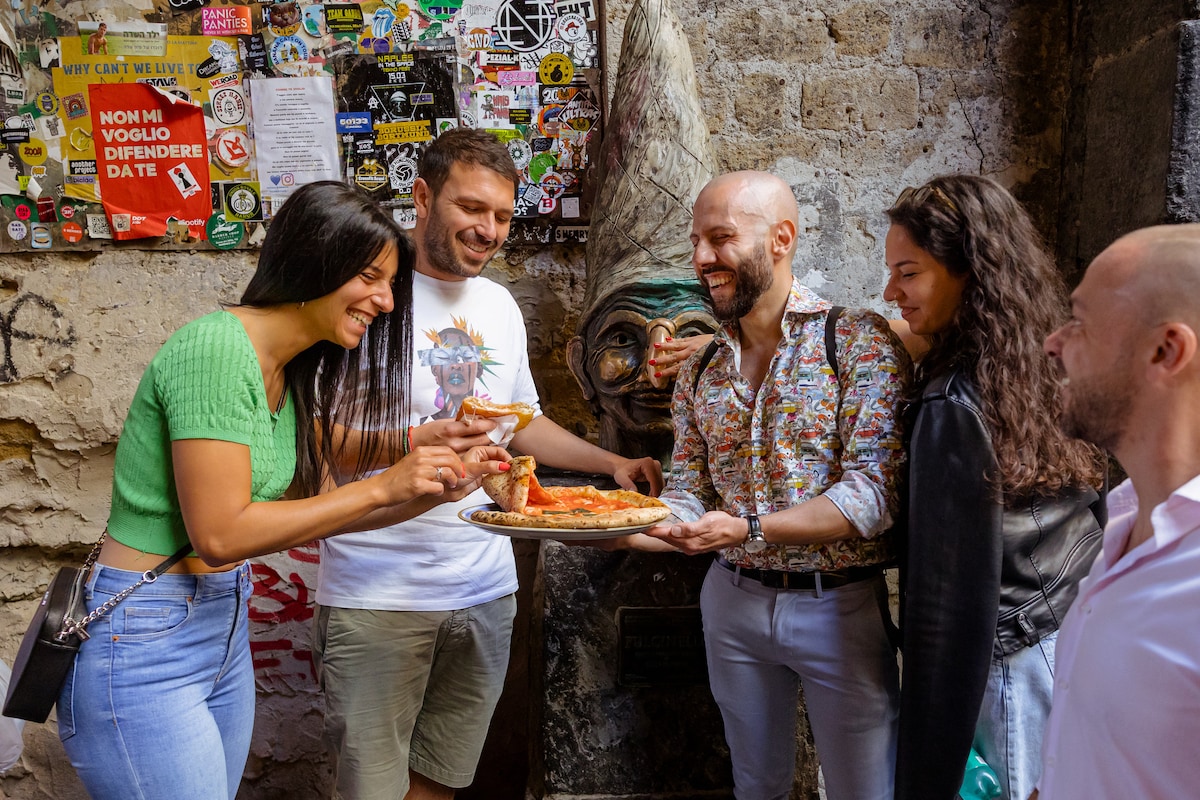
Naples Street Food Tour with a Local Expert
Sun, Feb 22 • 11:00 AM
80138, Naples, Campania, Italy
View details

Neapolitan pizza lesson with appetizer and drink
Sun, Feb 22 • 11:00 AM
80139, Naples, Campania, Italy
View details
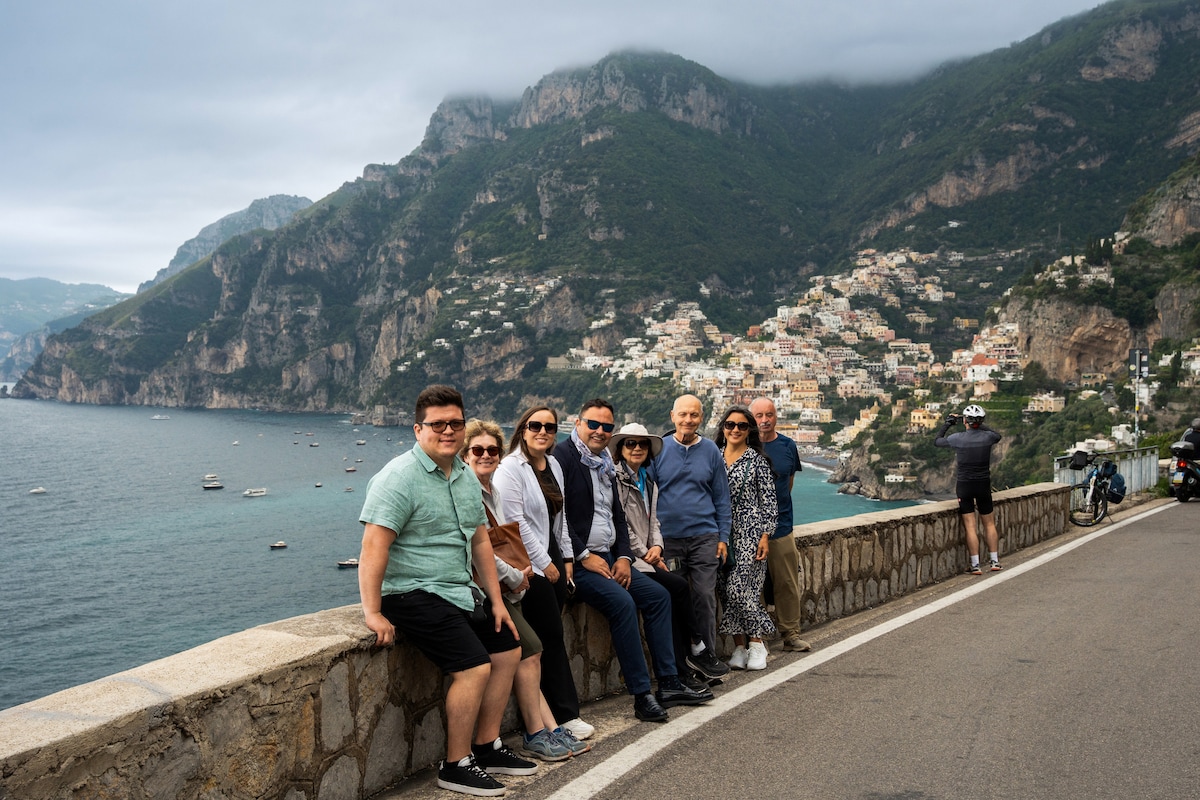
Discover the Amalfi Coast
Sun, Feb 22 • 9:00 AM
80142, Naples, Campania, Italy
View details
Nearby attractions of Giardini Reali - Parco Reggia di Caserta
Royal Palace of Caserta
Teatro Comunale
Piazza Carlo di Borbone
Teatro di Corte
Basile Apartment Club
Peschiera Grande
Diocesi Di Caserta
Campetti Nike "Emanuela Gallicola"
Giardini Maria Carolina
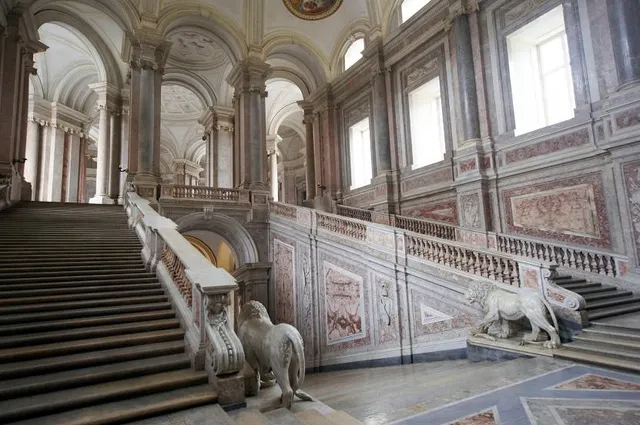
Royal Palace of Caserta
4.7
(19.7K)
Open until 7:30 PM
Click for details

Teatro Comunale
4.2
(191)
Open 24 hours
Click for details
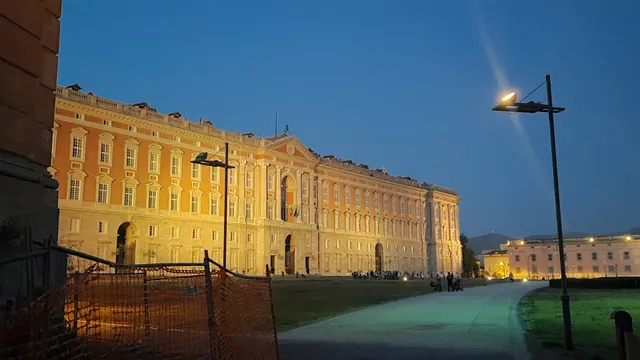
Piazza Carlo di Borbone
4.6
(265)
Open 24 hours
Click for details
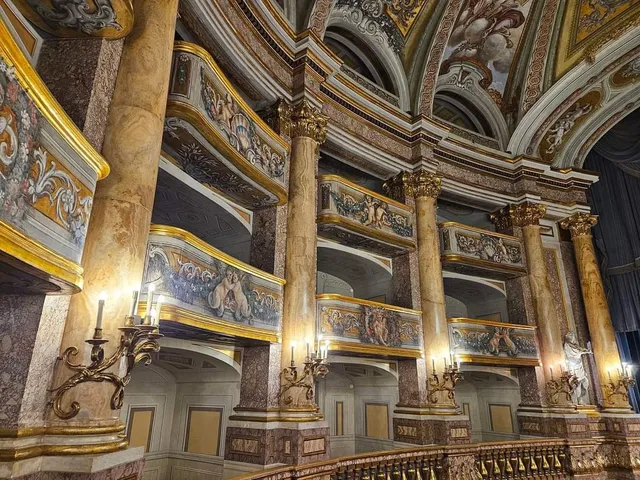
Teatro di Corte
4.6
(46)
Open 24 hours
Click for details
Nearby restaurants of Giardini Reali - Parco Reggia di Caserta
PepeNero
Antica Hostaria Massa dal 1848
Decimo Scalo
BarbeQ - Public House
Allèr Allèr - Non è una trattoria, è a casa mij!
Tatami Japanese Restaurant Caserta
Nello Pizzeria
Luca Brancaccio
Public House - Burger Gourmet
Pizzeria GranMà

PepeNero
4.3
(1.5K)
Closed
Click for details
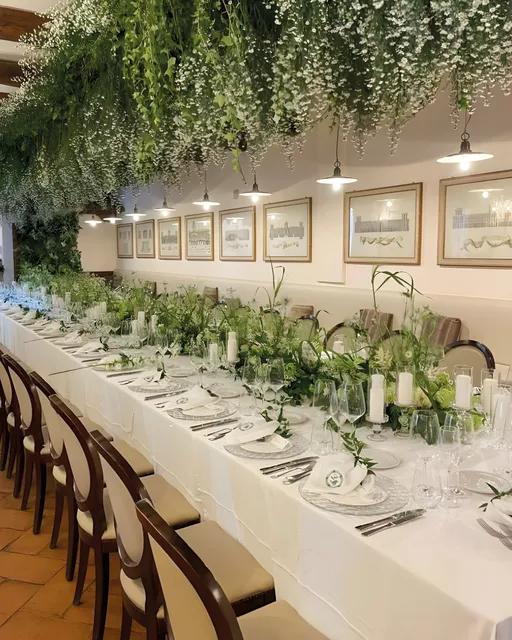
Antica Hostaria Massa dal 1848
4.4
(1.2K)
Closed
Click for details
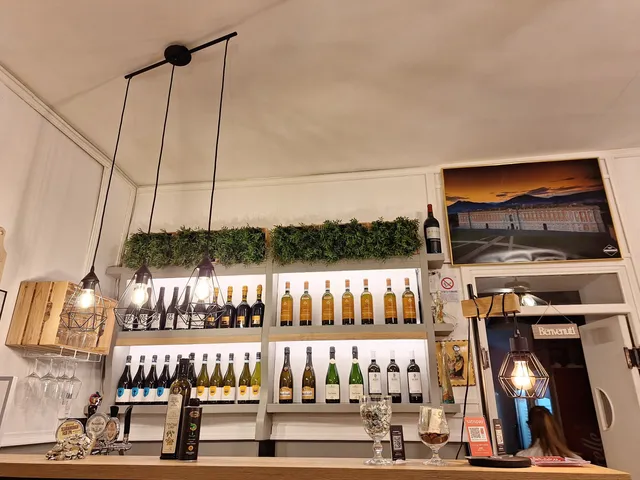
Decimo Scalo
4.5
(679)
Closed
Click for details

BarbeQ - Public House
4.1
(519)
Closed
Click for details
Nearby local services of Giardini Reali - Parco Reggia di Caserta
Gioielleria Iannicelli - Rivenditore Autorizzato Rolex
Luxury Group S.p.A.
Play Point Caserta
Atelier Emé Caserta
Mini Mix
R-Store Caserta | Rivenditore Autorizzato Apple e Centro Assistenza Autorizzato Apple
Gerbera Gelateria
Veccia
I Colori di Vietri Caserta
Piazza Carlo di Borbone
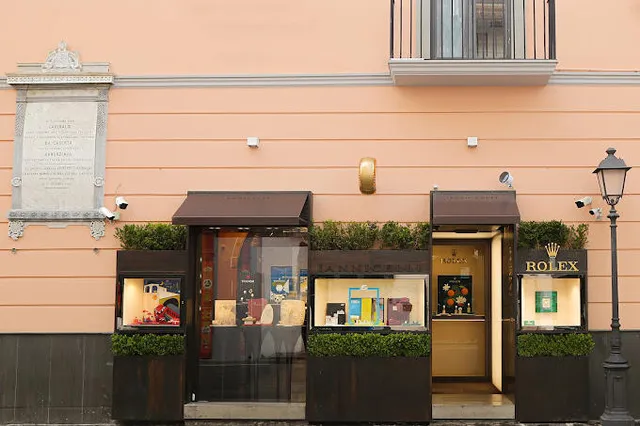
Gioielleria Iannicelli - Rivenditore Autorizzato Rolex
4.6
(106)
Click for details

Luxury Group S.p.A.
4.6
(29)
Click for details

Play Point Caserta
4.9
(174)
Click for details
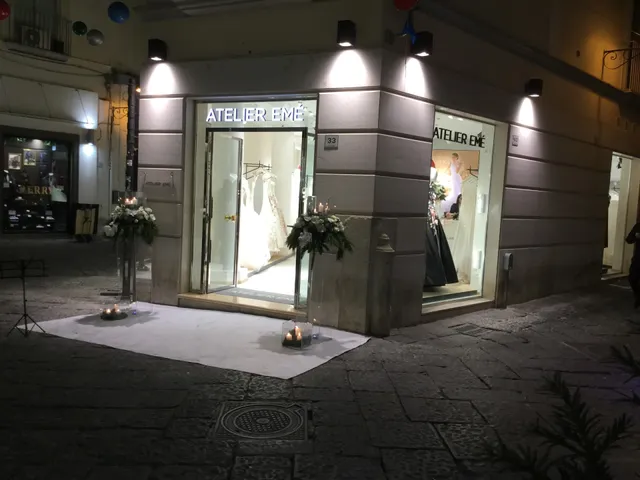
Atelier Emé Caserta
4.7
(200)
Click for details