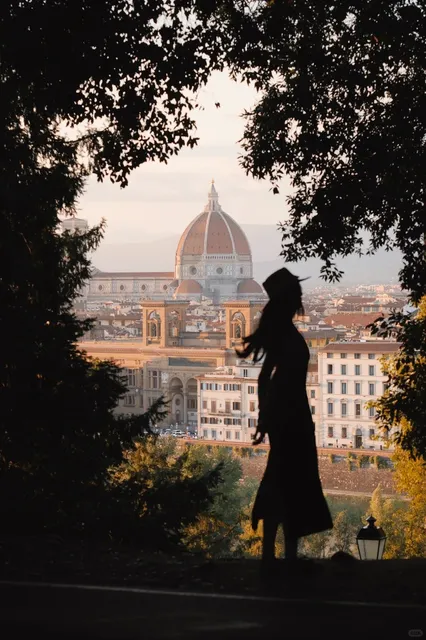
Basilica di San Miniato things to do, attractions, restaurants, events info and trip planning
Basic Info
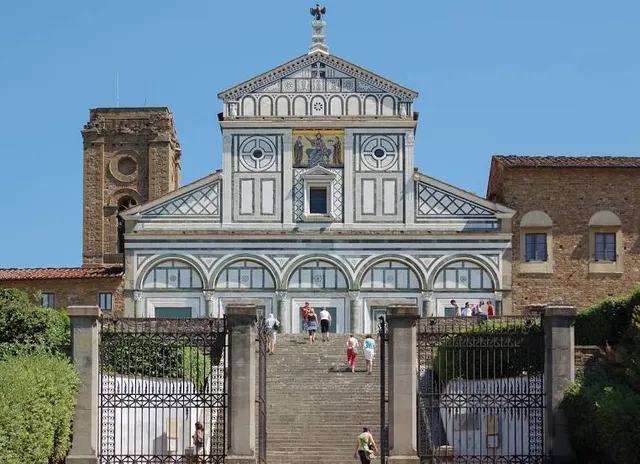
Basilica di San Miniato
Via delle Porte Sante, 34, 50125 Firenze FI, Italy
4.8(2.7K)
Closed
Save
spot
spot
Ratings & Description
Info
San Miniato al Monte is a basilica in Florence, central Italy, standing atop one of the highest points in the city. It has been described as one of the finest Romanesque structures in Tuscany and one of the most scenic churches in Italy.
Cultural
Accessibility
attractions: Piazzale Michelangelo, Giardino delle Rose, Giardino dell'Iris, EdV a Garden with a View, Porta San Niccolò, Giardino Bardini, Porta San Miniato, Torre della Zecca, Art Gallery Studio Iguarnieri Florence, Villa Bardini, restaurants: La Loggia del Piazzale Michelangelo, Terrazze Michelangelo, Flo Lounge Bar, Chalet il Boschetto, Momoyama, Beppa Fioraia, Taverna degli Assi, Vip’s Bar, Sa House Florence, I Bastioni di San Niccolò Trattoria & Pizzeria, local businesses: Vista Panoramica di Firenze, Sistema delle Rampe del Poggi, L'Angolo dell'Erta di Lupi Simone, CLET Studio, Le Bontà di Michele, Florence with Marco - Local Tour Guide, GRAPE TOURS - wine tours in Tuscany, Casa museo Rodolfo Siviero, Ponte alle Grazie, Alessandro Dari Gioielli -- Museo Del Gioiello- Atelier e Scuola
 Learn more insights from Wanderboat AI.
Phone
+39 055 234 2731
Website
sanminiatoalmonte.it
Open hoursSee all hours
Mon9:30 AM - 1 PM, 3:30 - 7 PMClosed
Plan your stay

Pet-friendly Hotels in Florence
Find a cozy hotel nearby and make it a full experience.

Affordable Hotels in Florence
Find a cozy hotel nearby and make it a full experience.

The Coolest Hotels You Haven't Heard Of (Yet)
Find a cozy hotel nearby and make it a full experience.

Trending Stays Worth the Hype in Florence
Find a cozy hotel nearby and make it a full experience.
Reviews
Live events

My Farm - Wine, Pasta & Vineyard in One Day
Mon, Feb 23 • 9:15 AM
50124, Florence, Tuscany, Italy
View details

The Jury Experience: morte per mano dell’IA. Chi paga il prezzo?
Sat, Feb 28 • 4:00 PM
Largo Piero Farulli, 1, 50014 Fiesole (FI), 50014
View details
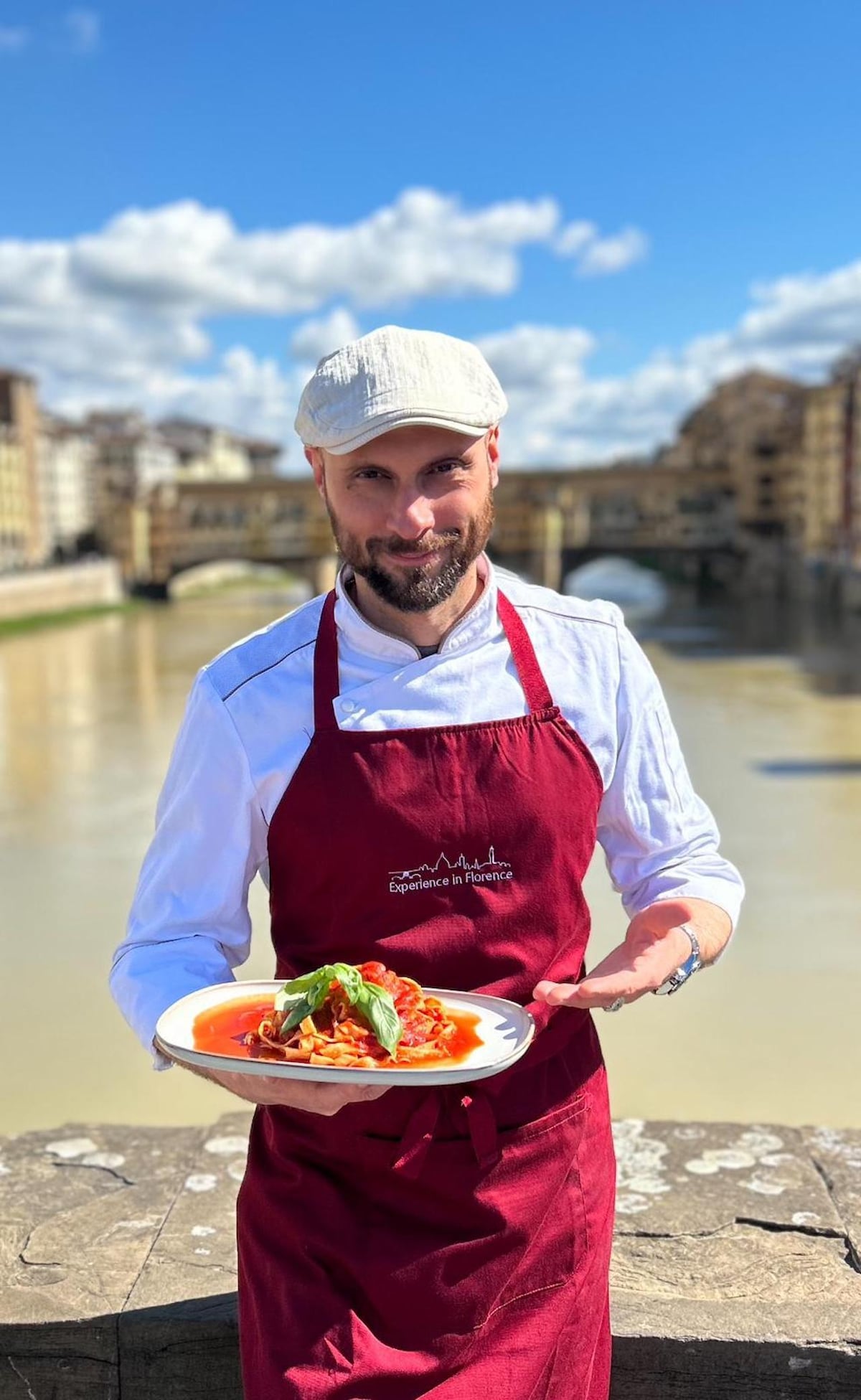
Pastamania - Pasta Class & Wine near Ponte Vecchio
Mon, Feb 23 • 10:00 AM
50125, Florence, Tuscany, Italy
View details
Nearby attractions of Basilica di San Miniato
Piazzale Michelangelo
Giardino delle Rose
Giardino dell'Iris
EdV a Garden with a View
Porta San Niccolò
Giardino Bardini
Porta San Miniato
Torre della Zecca
Art Gallery Studio Iguarnieri Florence
Villa Bardini
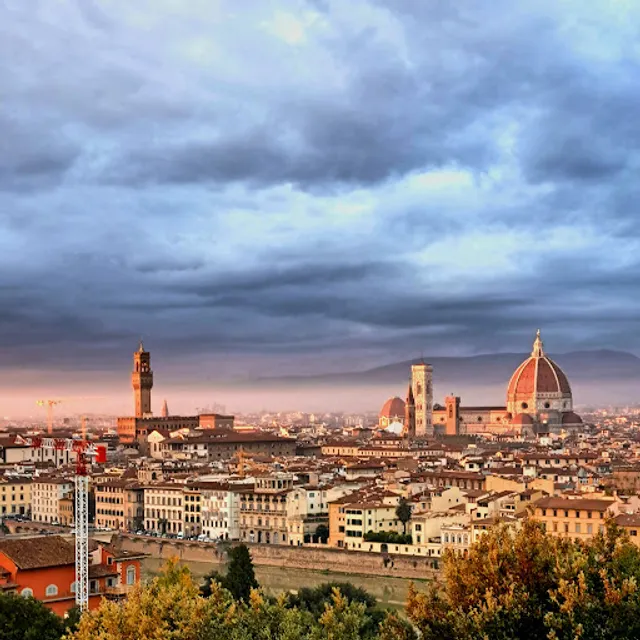
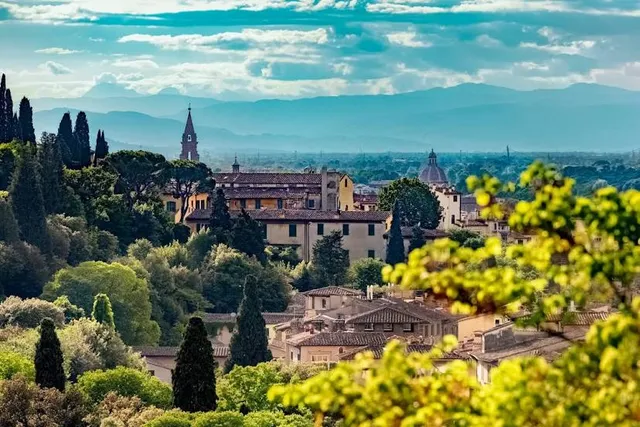
Piazzale Michelangelo
4.8
(35.3K)
Open 24 hours
Click for details
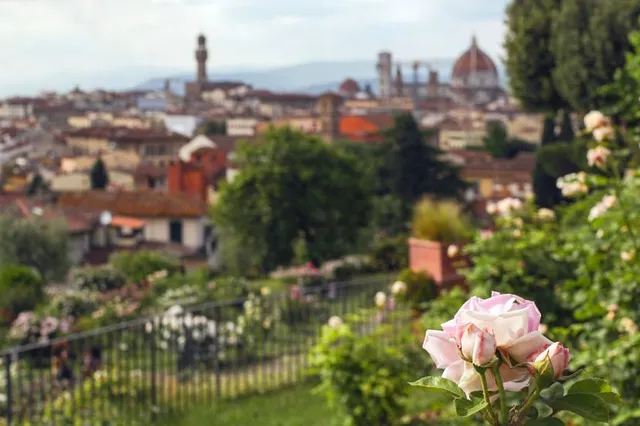
Giardino delle Rose
4.6
(2.1K)
Closed
Click for details
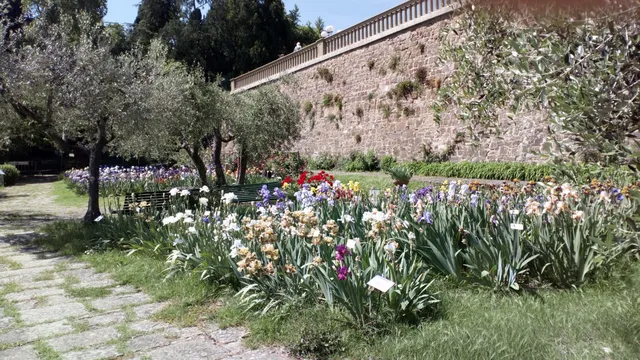
Giardino dell'Iris
4.5
(339)
Open 24 hours
Click for details
EdV a Garden with a View
4.8
(45)
Open 24 hours
Click for details
Nearby restaurants of Basilica di San Miniato
La Loggia del Piazzale Michelangelo
Terrazze Michelangelo
Flo Lounge Bar
Chalet il Boschetto
Momoyama
Beppa Fioraia
Taverna degli Assi
Vip’s Bar
Sa House Florence
I Bastioni di San Niccolò Trattoria & Pizzeria
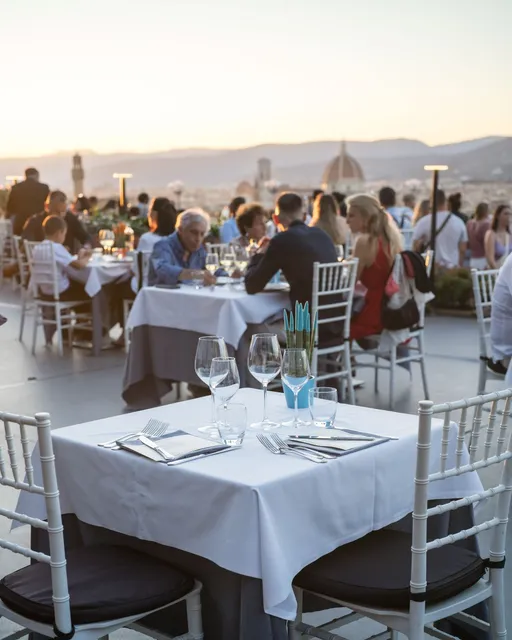
La Loggia del Piazzale Michelangelo
4.1
(1.1K)
$$$
Closed
Click for details
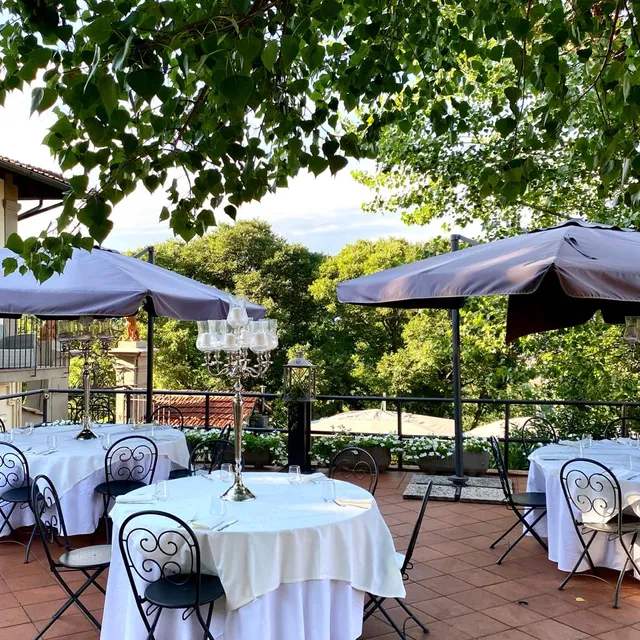
Terrazze Michelangelo
4.0
(656)
Closed
Click for details

Flo Lounge Bar
3.6
(479)
$$
Click for details
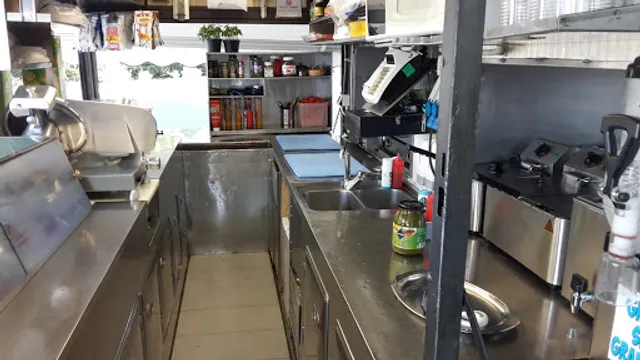
Chalet il Boschetto
4.8
(285)
Click for details
Nearby local services of Basilica di San Miniato
Vista Panoramica di Firenze
Sistema delle Rampe del Poggi
L'Angolo dell'Erta di Lupi Simone
CLET Studio
Le Bontà di Michele
Florence with Marco - Local Tour Guide
GRAPE TOURS - wine tours in Tuscany
Casa museo Rodolfo Siviero
Ponte alle Grazie
Alessandro Dari Gioielli -- Museo Del Gioiello- Atelier e Scuola
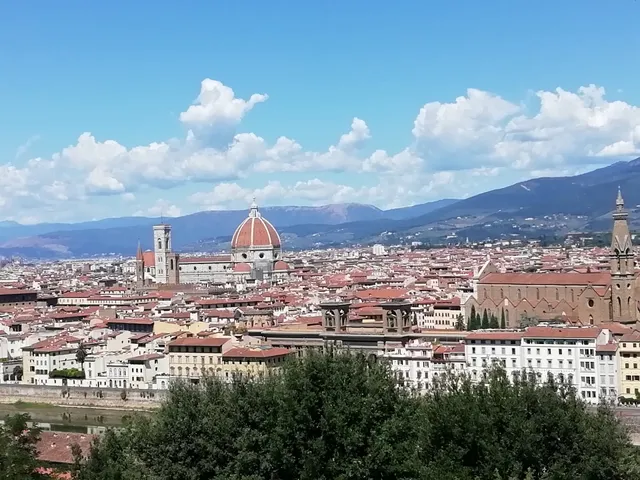
Vista Panoramica di Firenze
4.9
(1.3K)
Click for details
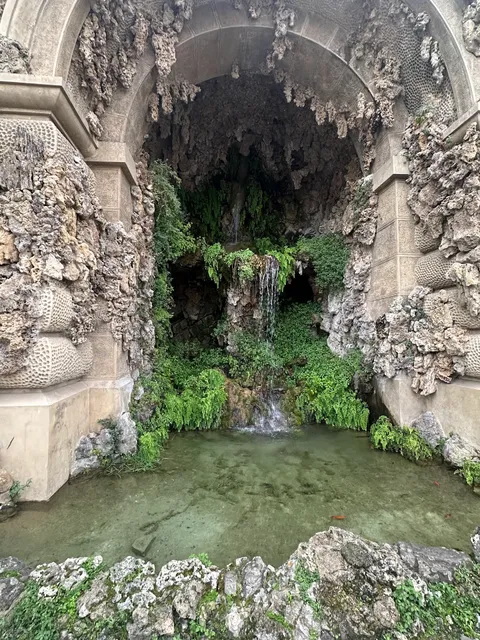
Sistema delle Rampe del Poggi
4.8
(95)
Click for details

L'Angolo dell'Erta di Lupi Simone
4.9
(51)
Click for details
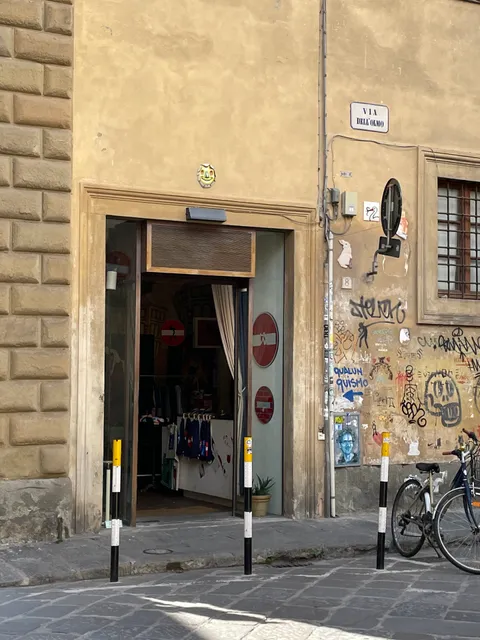
CLET Studio
4.7
(210)
Click for details