Basilica di San Lorenzo things to do, attractions, restaurants, events info and trip planning
Basic Info
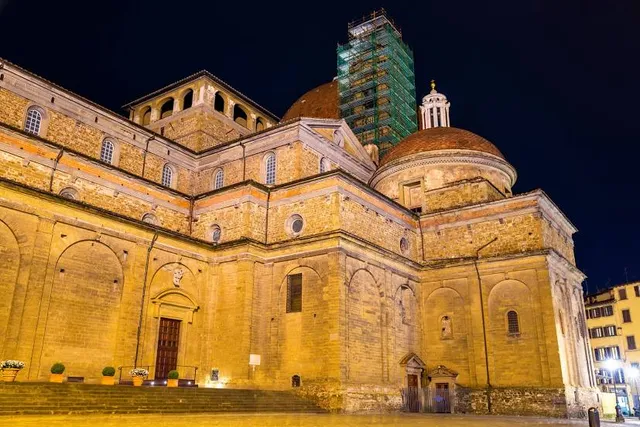
Basilica di San Lorenzo
Piazza di San Lorenzo, 9, 50123 Firenze FI, Italy
4.6(109)
Closed


tickets
Save
spot
spot
Ratings & Description
Info
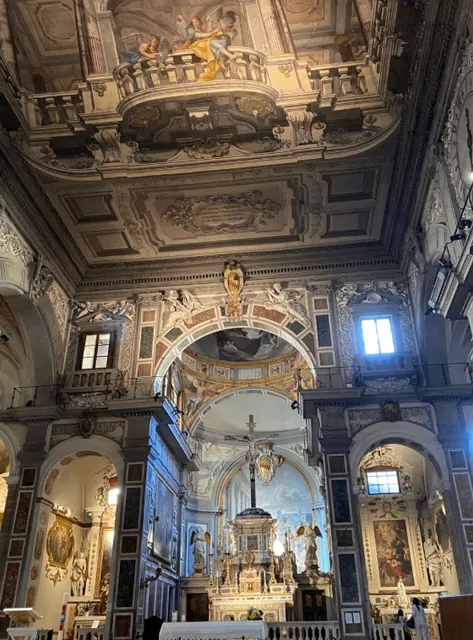
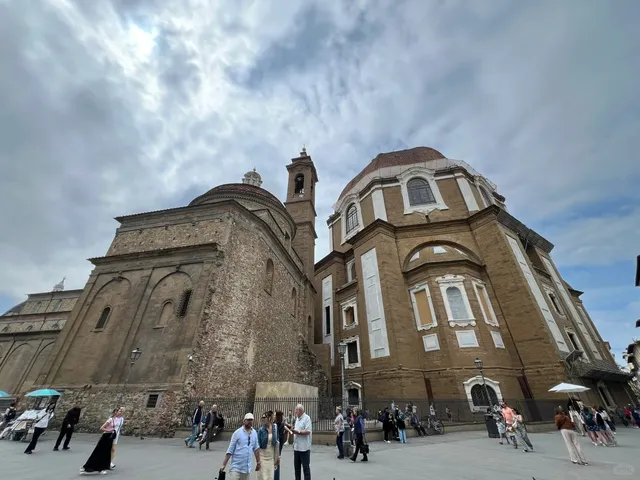
The Basilica di San Lorenzo is one of the largest churches of Florence, Italy, situated at the centre of the main market district of the city, and it is the burial place of all the principal members of the Medici family from Cosimo il Vecchio to Cosimo III.
Cultural
Accessibility
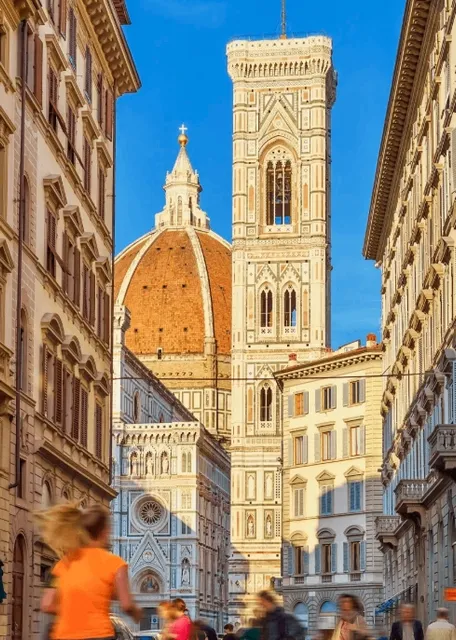
attractions: Cappelle Medicee, Piazza del Duomo, Cathedral of Santa Maria del Fiore, The Baptistery of St. John, Basilica of Santa Maria Novella, Brunelleschi's dome, Giotto's Bell Tower, Museo di Casa Martelli, Accademia Gallery, Piazza della Repubblica, restaurants: Trattoria Dall'Oste, Trattoria Zà Zà, Il Grande Nuti Trattoria, Ciro and Sons - Restaurant Pizzeria Firenze, Locanda de' Medici, Le Cappelle Medicee Restorante, Trattoria Sergio Gozzi, Ristorante Lorenzo de’ Medici, Il Nutino, Osteria Cipolla Rossa, local businesses: il Mercato Centrale Firenze, Piazza del Duomo, Piazza del Mercato Centrale, 22r, Jimmy's Leather Collection, Museo Leonardo Da Vinci, Pelletteria Fratellini - Leather Shop, Il Cantuccio di San Lorenzo, Sabani Leather, Nino and friends, Medici Chapel
 Learn more insights from Wanderboat AI.
Phone
+39 055 214042
Website
sanlorenzofirenze.it
Open hoursSee all hours
Wed10 AM - 5:30 PMClosed
Plan your stay

Pet-friendly Hotels in Florence
Find a cozy hotel nearby and make it a full experience.

Affordable Hotels in Florence
Find a cozy hotel nearby and make it a full experience.

The Coolest Hotels You Haven't Heard Of (Yet)
Find a cozy hotel nearby and make it a full experience.

Trending Stays Worth the Hype in Florence
Find a cozy hotel nearby and make it a full experience.
Reviews
Live events

My Farm - three experiences in one day
Wed, Feb 11 • 2:15 PM
50124, Florence, Tuscany, Italy
View details
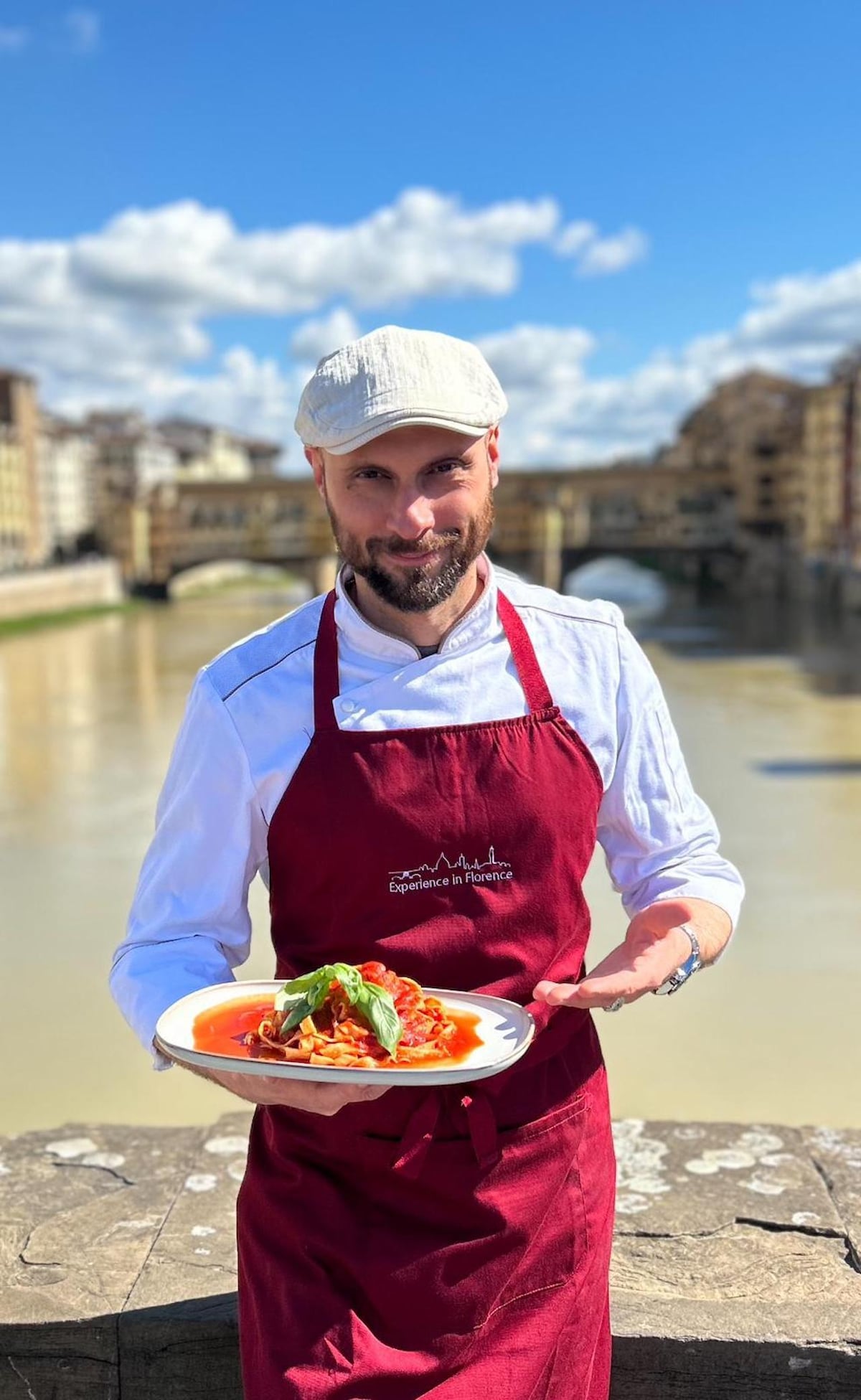
Pastamania
Wed, Feb 11 • 10:00 AM
50125, Florence, Tuscany, Italy
View details
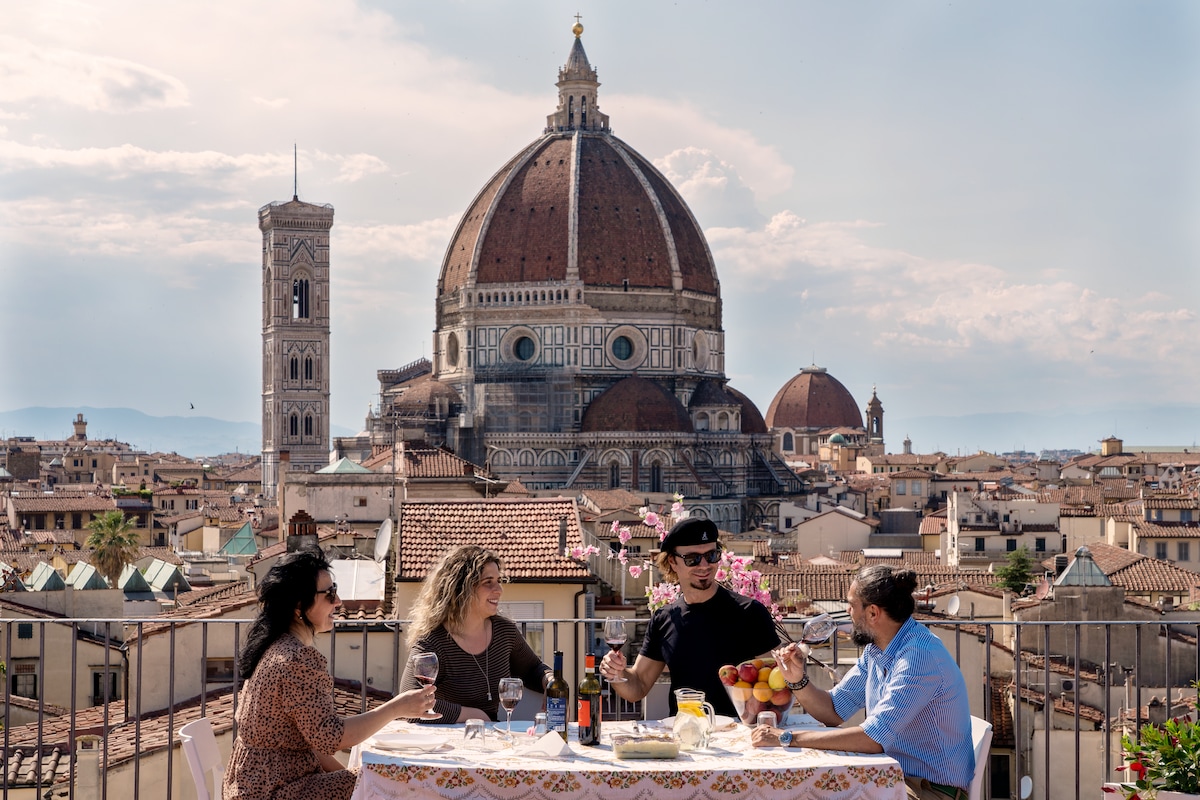
Cooking Class With 360 Florence View
Wed, Feb 11 • 10:00 AM
50122, Florence, Tuscany, Italy
View details
Nearby attractions of Basilica di San Lorenzo
Cappelle Medicee
Piazza del Duomo
Cathedral of Santa Maria del Fiore
The Baptistery of St. John
Basilica of Santa Maria Novella
Brunelleschi's dome
Giotto's Bell Tower
Museo di Casa Martelli
Accademia Gallery
Piazza della Repubblica
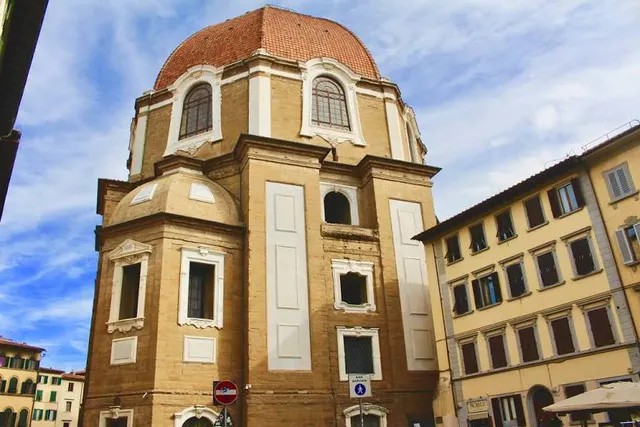
Cappelle Medicee
4.7
(3K)
Open until 12:00 AM
Click for details
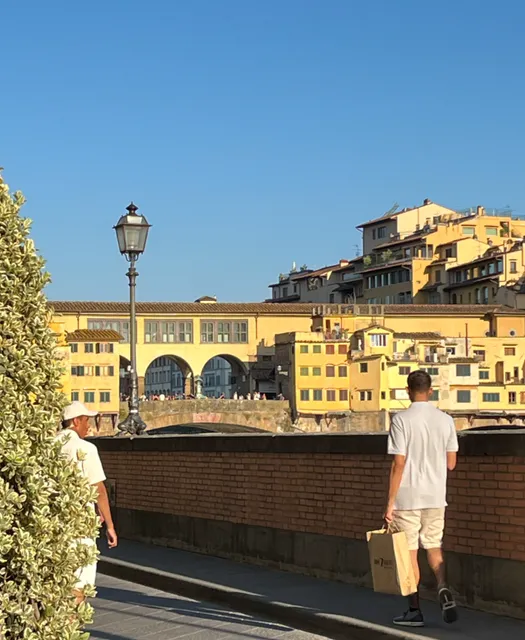
Piazza del Duomo
4.8
(44.1K)
Open until 12:00 AM
Click for details
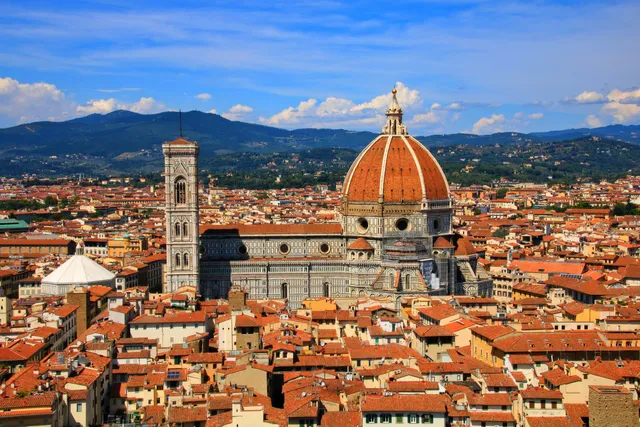
Cathedral of Santa Maria del Fiore
4.8
(34K)
Closed
Click for details
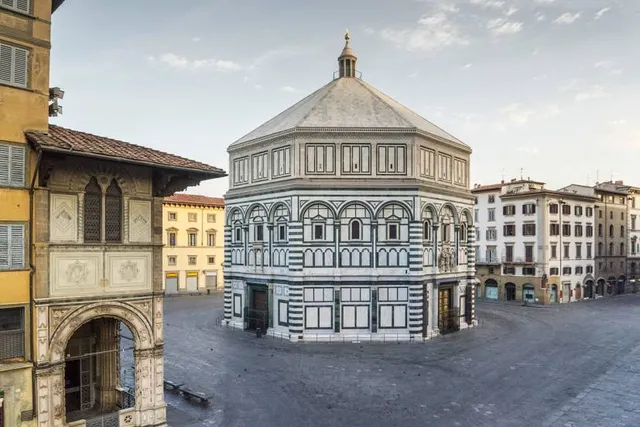
The Baptistery of St. John
4.6
(3.9K)
Closed
Click for details
Nearby restaurants of Basilica di San Lorenzo
Trattoria Dall'Oste
Trattoria Zà Zà
Il Grande Nuti Trattoria
Ciro and Sons - Restaurant Pizzeria Firenze
Locanda de' Medici
Le Cappelle Medicee Restorante
Trattoria Sergio Gozzi
Ristorante Lorenzo de’ Medici
Il Nutino
Osteria Cipolla Rossa
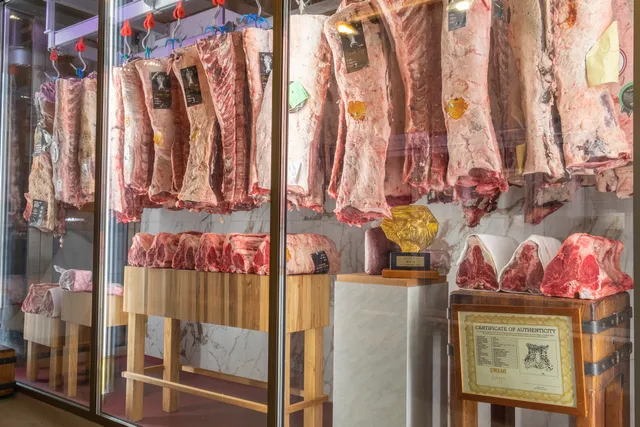
Trattoria Dall'Oste
4.7
(10.6K)
$$
Closed
Click for details
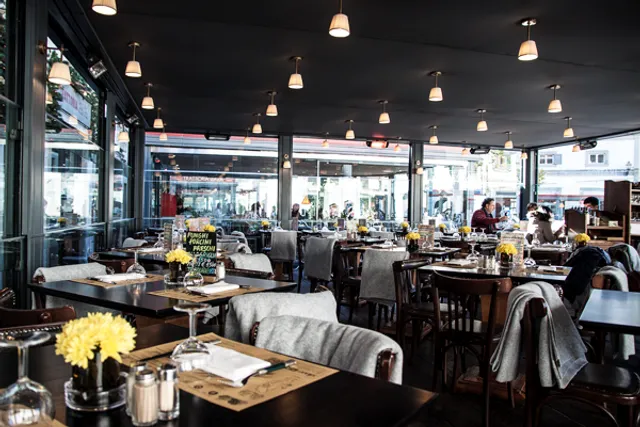
Trattoria Zà Zà
4.5
(12.1K)
Closed
Click for details
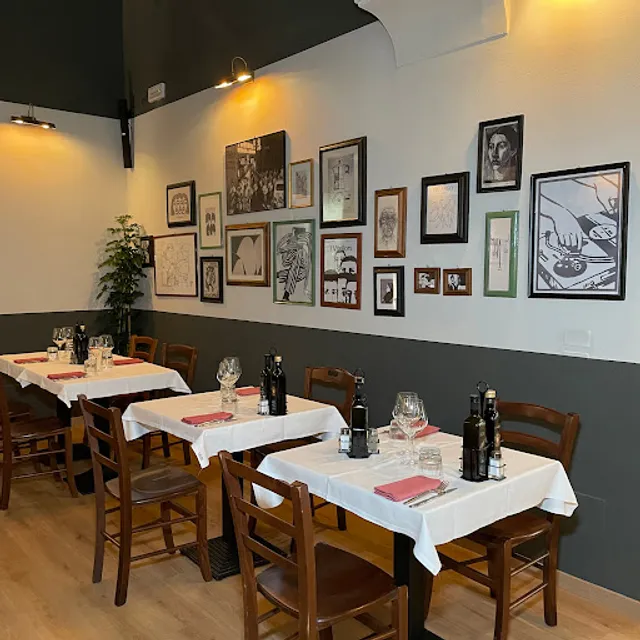
Il Grande Nuti Trattoria
4.6
(3.6K)
$$
Closed
Click for details
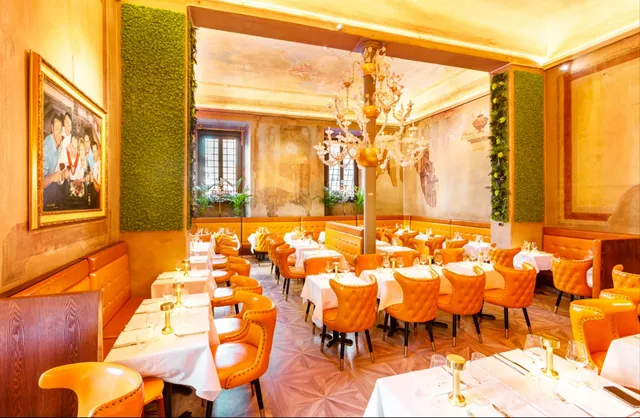
Ciro and Sons - Restaurant Pizzeria Firenze
4.7
(4K)
Closed
Click for details
Nearby local services of Basilica di San Lorenzo
il Mercato Centrale Firenze
Piazza del Duomo
Piazza del Mercato Centrale, 22r
Jimmy's Leather Collection
Museo Leonardo Da Vinci
Pelletteria Fratellini - Leather Shop
Il Cantuccio di San Lorenzo
Sabani Leather
Nino and friends
Medici Chapel
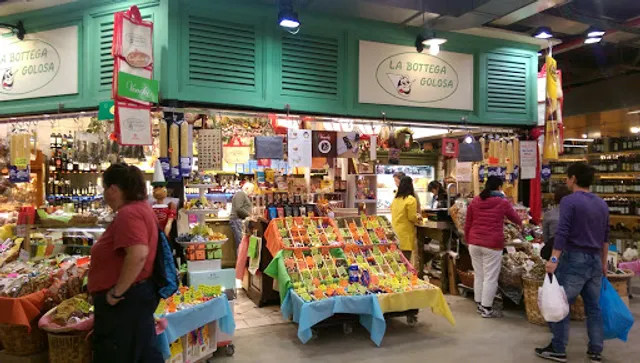
il Mercato Centrale Firenze
4.4
(19.2K)
Click for details
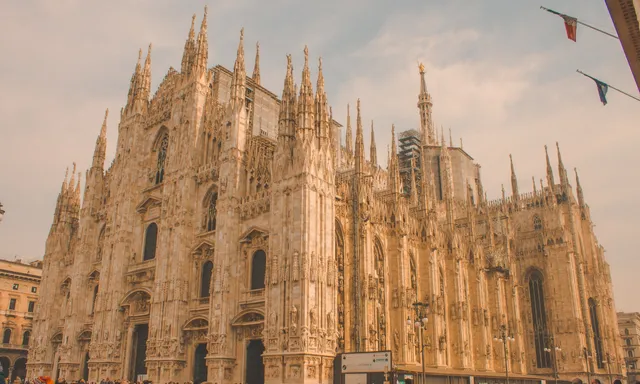
Piazza del Duomo
4.8
(41.2K)
Click for details
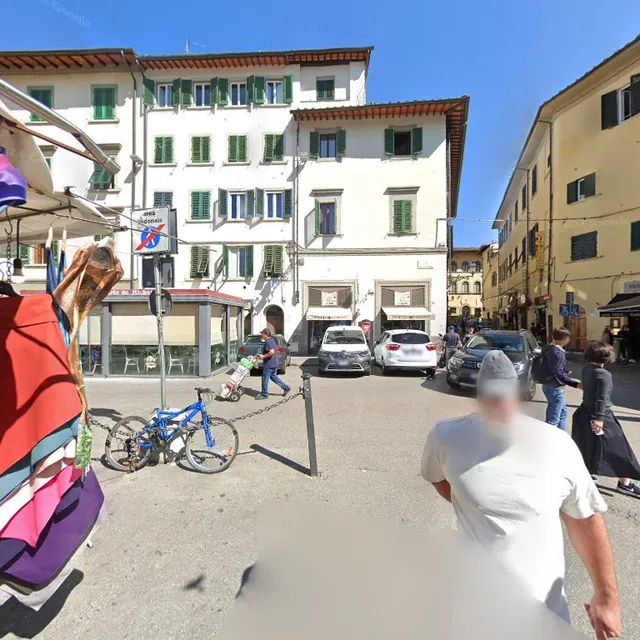
Piazza del Mercato Centrale, 22r
4.4
(2K)
Click for details
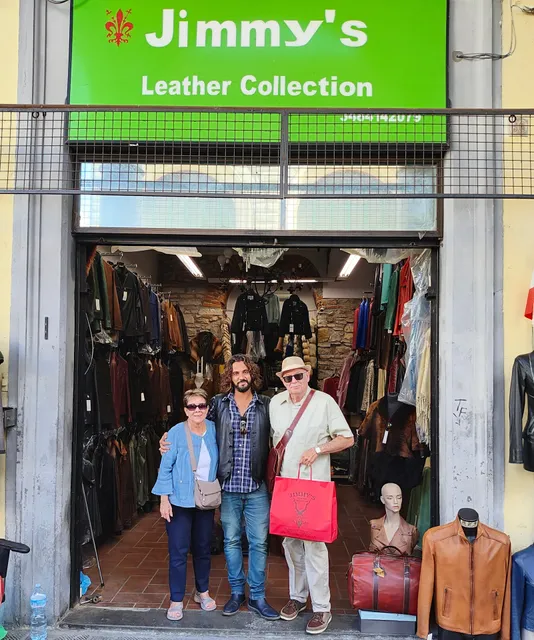
Jimmy's Leather Collection
4.7
(189)
Click for details