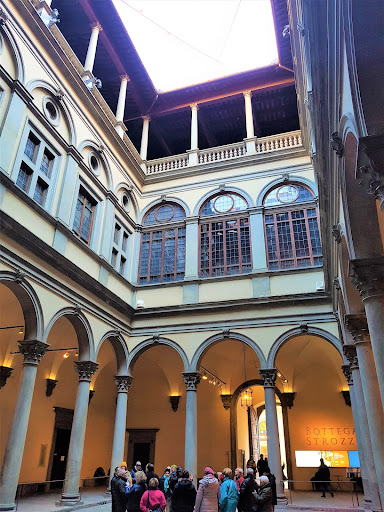
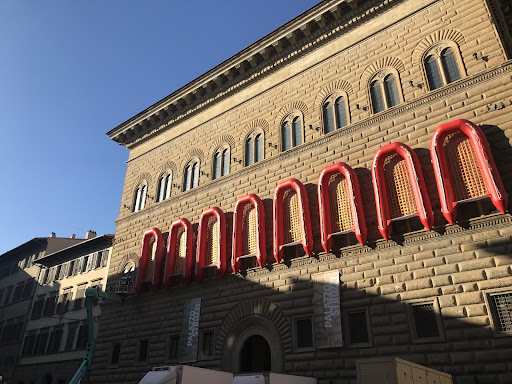
Strozzi Palace things to do, attractions, restaurants, events info and trip planning
Basic Info
Strozzi Palace
Piazza degli Strozzi, 50123 Firenze FI, Italy
4.6(4.6K)
Closed


tickets
Save
spot
spot
Ratings & Description
Info
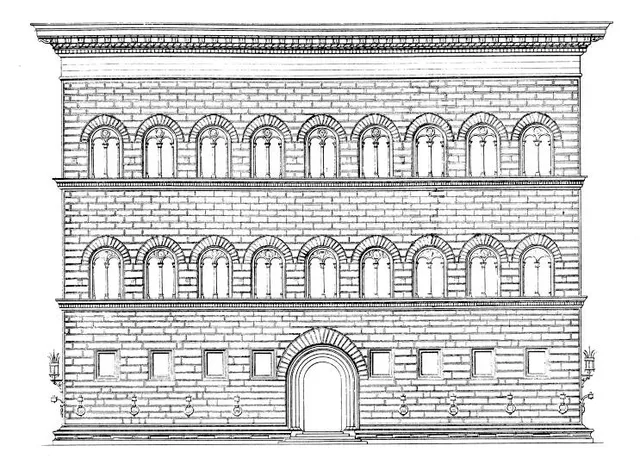
Palazzo Strozzi is a palace in Florence, Italy.
Cultural
Family friendly
attractions: Strozzi Palace, Piazza della Repubblica, Piazza del Duomo, Ponte Vecchio, Piazza della Signoria, Fontana del Porcellino, Cathedral of Santa Maria del Fiore, Piazza Santa Trinita, Basilica di Santa Trinita, Ponte Santa Trinita, restaurants: Colle Bereto, Trattoria Marione, Rooster Cafe Firenze, La Bistecca - Osteria Fiorentina - Piazza della Repubblica, Obicà Mozzarella Bar - Firenze, Caffe Concerto Paszkowski, Procacci 1885, Caffè Gilli, Cafe Odeon, Ristorante Oliviero 1962, local businesses: Giunti Odeon - Libreria e Cinema, La Bussola free walking tour, Feltrinelli Librerie, Gucci - Firenze Flagship, Apple Firenze, Via delle Belle Donne, 16R, Galleria Iginio Massari Firenze, Iglesia de la Santa Trinidad, Rinascente Firenze, Ponte Santa Trinità
 Learn more insights from Wanderboat AI.
Phone
+39 055 264 5155
Website
palazzostrozzi.org
Open hoursSee all hours
Thu10 AM - 11 PMClosed
Plan your stay

Pet-friendly Hotels in Florence
Find a cozy hotel nearby and make it a full experience.

Affordable Hotels in Florence
Find a cozy hotel nearby and make it a full experience.

The Coolest Hotels You Haven't Heard Of (Yet)
Find a cozy hotel nearby and make it a full experience.

Trending Stays Worth the Hype in Florence
Find a cozy hotel nearby and make it a full experience.
Reviews
Live events

The Jury Experience: morte per mano dell’IA. Chi paga il prezzo?
Sat, Feb 28 • 4:00 PM
Largo Piero Farulli, 1, 50014 Fiesole (FI), 50014
View details
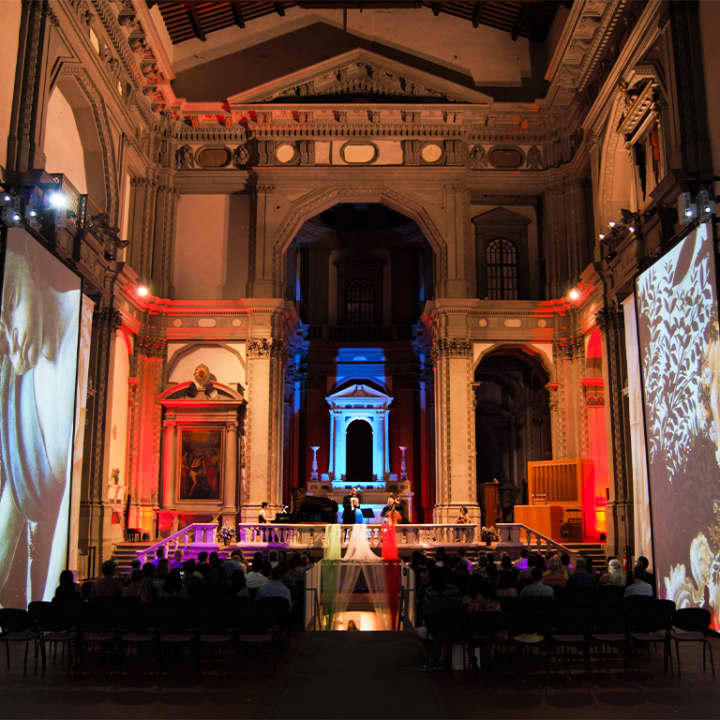
Opera in Roma: Three Tenors - Nessun Dorma Cattedrale dellImmagine
Fri, Feb 27 • 8:30 PM
Piazza di Santo Stefano, 5, Firenze, 50122
View details
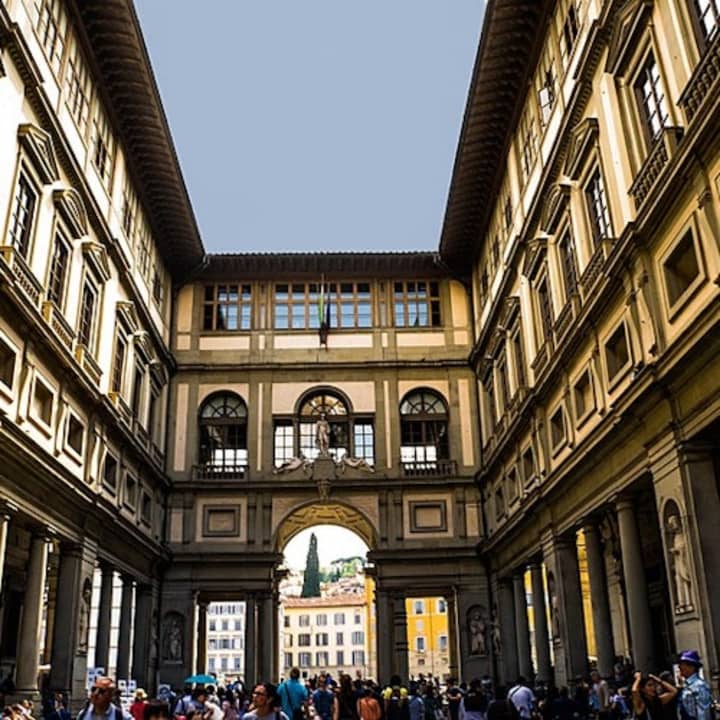
Galleria degli Uffizi: Biglietto dingresso prioritario
Thu, Feb 26 • 9:00 AM
Piazzale degli Uffizi, 6, Firenze, 50122
View details
Nearby attractions of Strozzi Palace
Strozzi Palace
Piazza della Repubblica
Piazza del Duomo
Ponte Vecchio
Piazza della Signoria
Fontana del Porcellino
Cathedral of Santa Maria del Fiore
Piazza Santa Trinita
Basilica di Santa Trinita
Ponte Santa Trinita
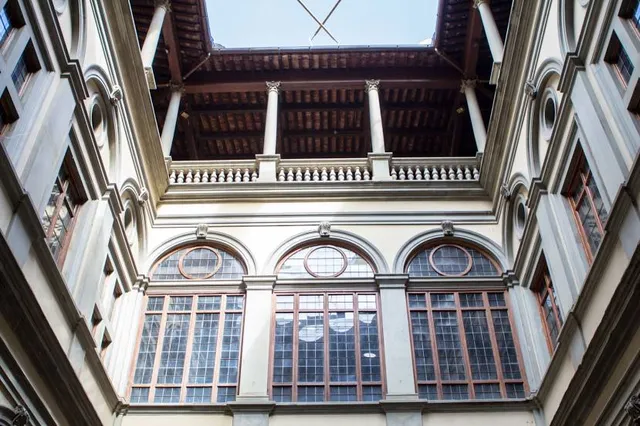
Strozzi Palace
4.6
(4.7K)
Closed
Click for details
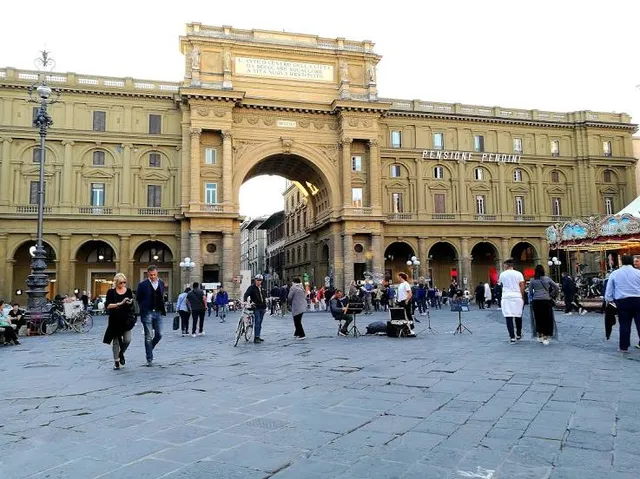
Piazza della Repubblica
4.6
(9.9K)
Open 24 hours
Click for details
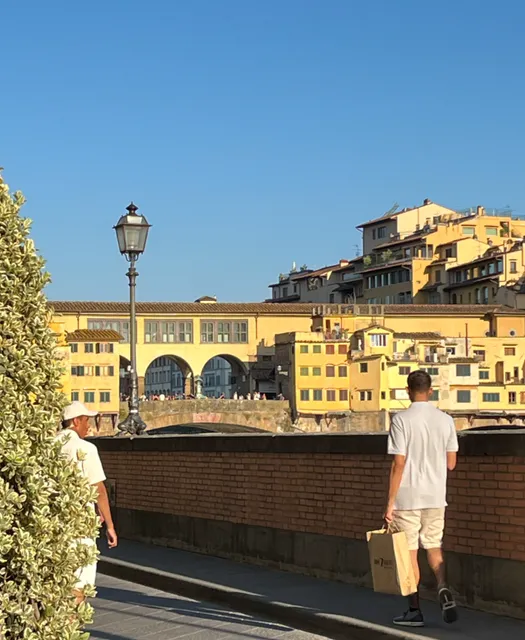
Piazza del Duomo
4.8
(43.9K)
Open until 12:00 AM
Click for details
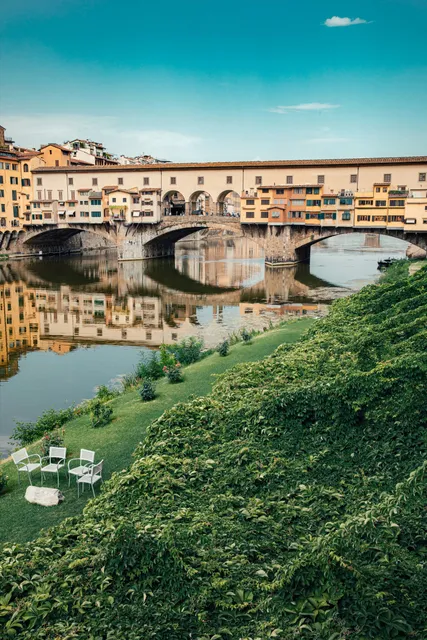
Ponte Vecchio
4.7
(49.1K)
Open 24 hours
Click for details
Nearby restaurants of Strozzi Palace
Colle Bereto
Trattoria Marione
Rooster Cafe Firenze
La Bistecca - Osteria Fiorentina - Piazza della Repubblica
Obicà Mozzarella Bar - Firenze
Caffe Concerto Paszkowski
Procacci 1885
Caffè Gilli
Cafe Odeon
Ristorante Oliviero 1962
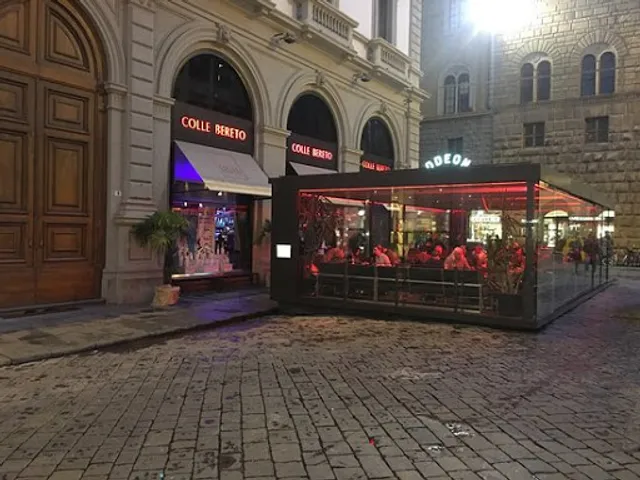
Colle Bereto
3.9
(1.2K)
Open until 4:00 AM
Click for details
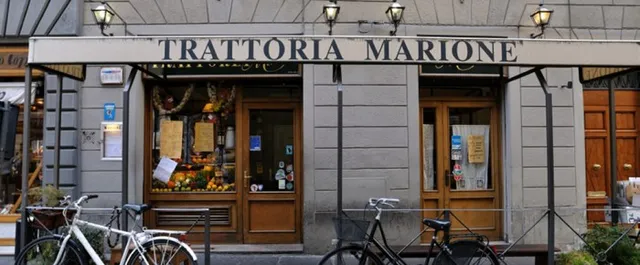
Trattoria Marione
4.4
(2.2K)
Closed
Click for details
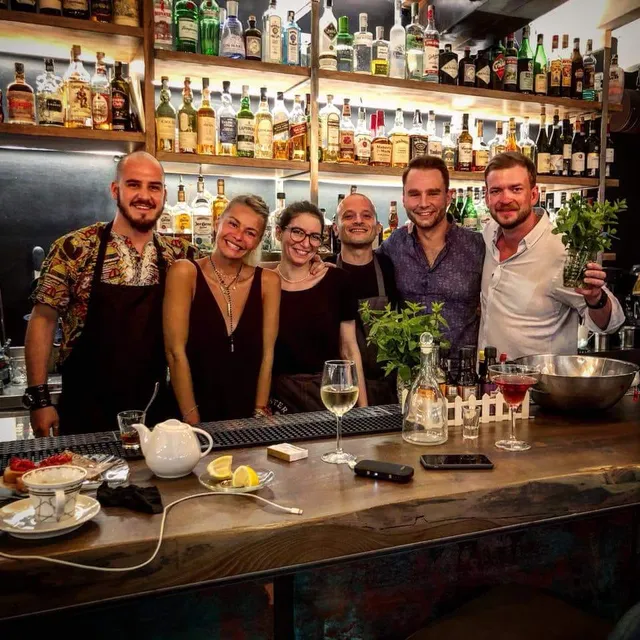
Rooster Cafe Firenze
4.8
(3.1K)
Open until 12:00 AM
Click for details
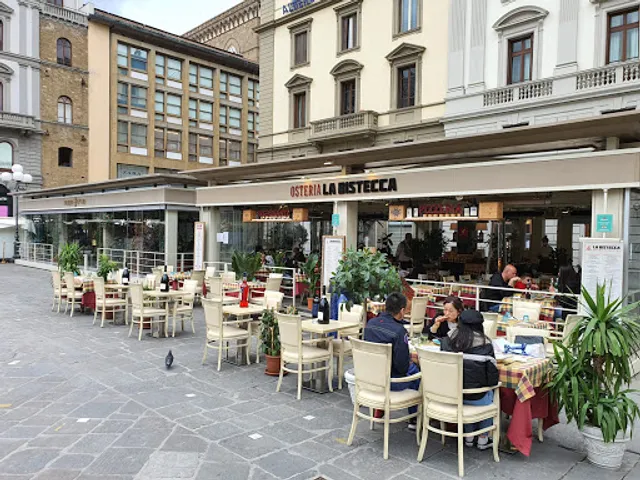
La Bistecca - Osteria Fiorentina - Piazza della Repubblica
4.7
(4.5K)
$$
Closed
Click for details
Nearby local services of Strozzi Palace
Giunti Odeon - Libreria e Cinema
La Bussola free walking tour
Feltrinelli Librerie
Gucci - Firenze Flagship
Apple Firenze
Via delle Belle Donne, 16R
Galleria Iginio Massari Firenze
Iglesia de la Santa Trinidad
Rinascente Firenze
Ponte Santa Trinità
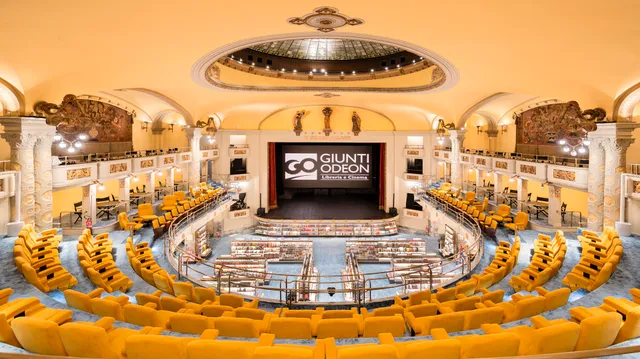
Giunti Odeon - Libreria e Cinema
4.7
(1.7K)
Click for details

La Bussola free walking tour
4.9
(886)
Click for details
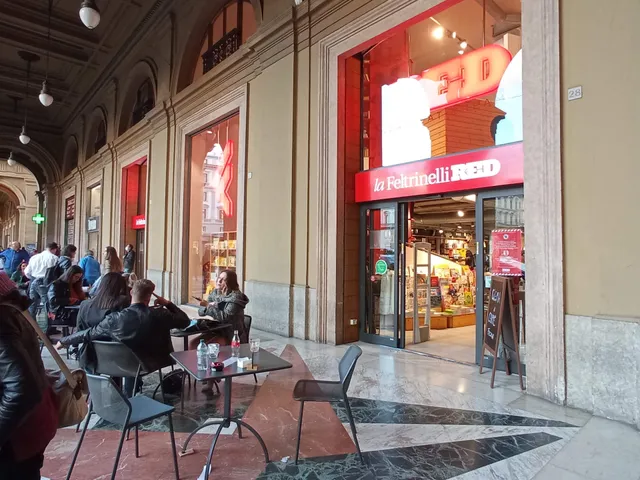
Feltrinelli Librerie
4.3
(1.9K)
Click for details
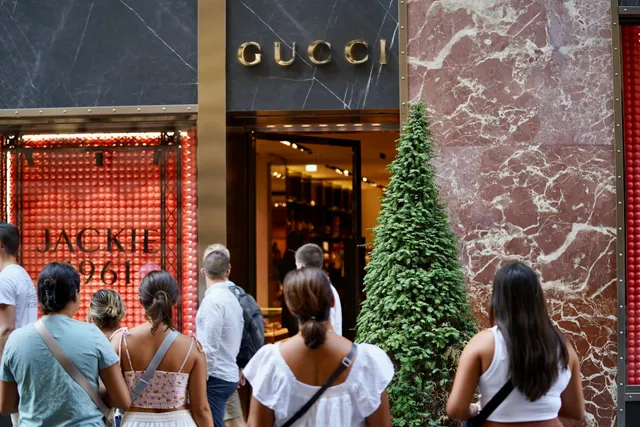
Gucci - Firenze Flagship
4.5
(438)
Click for details