Cenacolo di Sant'Apollonia things to do, attractions, restaurants, events info and trip planning
Basic Info
Cenacolo di Sant'Apollonia
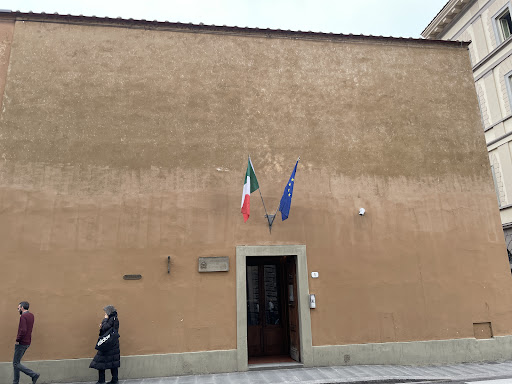
Via Ventisette Aprile, 1, 50129 Firenze FI, Italy
4.6(143)
Closed
Save
spot
spot
Ratings & Description
Info
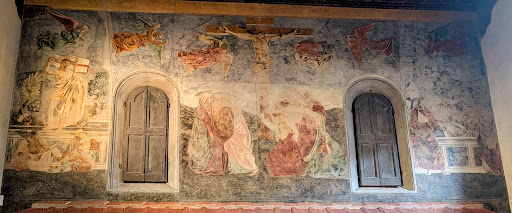
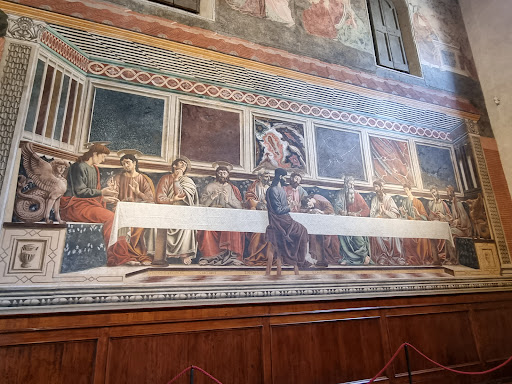
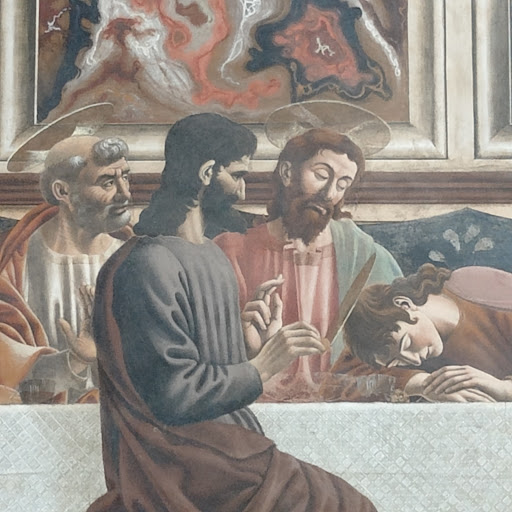
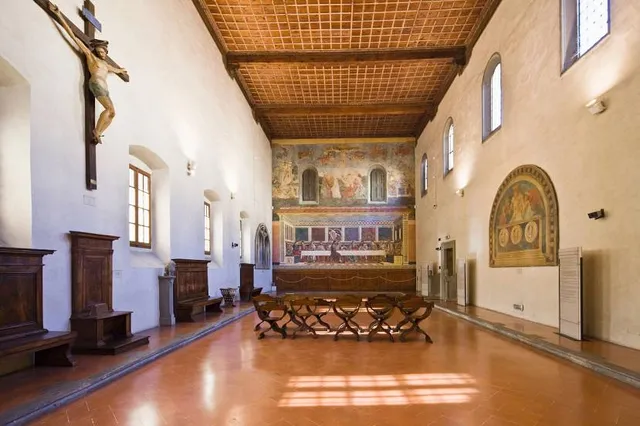
Sant'Apollonia was a former Benedictine convent, founded in 1339, just north of the center of Florence, in Italy.
Cultural
attractions: Accademia Gallery, Piazza San Marco, David of Michelangelo, Università di Firenze, Geology and Paleontology Museum, Piazza del Duomo, Cathedral of Santa Maria del Fiore, Opificio delle Pietre Dure, Piazza della Santissima Annunziata, Selfie Museum Firenze, restaurants: Ala Grande Caffè(caffè Rosanò), Nab Firenze, Kitsch 2, Fuoco Matto, Ristorante Tang Anatra Pechinese大唐朝北京烤鸭, Kung Fu Lamian - Ramen & Noodles, Trattoria Zà Zà, Il Vegano - Firenze, Trattoria Pizzeria San Gallo, SimBIOsi Organic Pizza, local businesses: il Mercato Centrale Firenze, Piazza del Mercato Centrale, 22r, Lost Space Reality Room Escape, Fox in a box, Zenio - Negozio e Laboratorio, Museo Leonardo Da Vinci, Panini Store Firenze, Leonardo da Vinci Interactive Museum, Basilica of Saint Mark Evangelist, Piazza del Duomo
 Learn more insights from Wanderboat AI.
Phone
+39 055 290656
Website
beniculturali.it
Open hoursSee all hours
Thu8:30 AM - 2 PMClosed
Plan your stay

Pet-friendly Hotels in Florence
Find a cozy hotel nearby and make it a full experience.

Affordable Hotels in Florence
Find a cozy hotel nearby and make it a full experience.

The Coolest Hotels You Haven't Heard Of (Yet)
Find a cozy hotel nearby and make it a full experience.

Trending Stays Worth the Hype in Florence
Find a cozy hotel nearby and make it a full experience.
Reviews
Live events
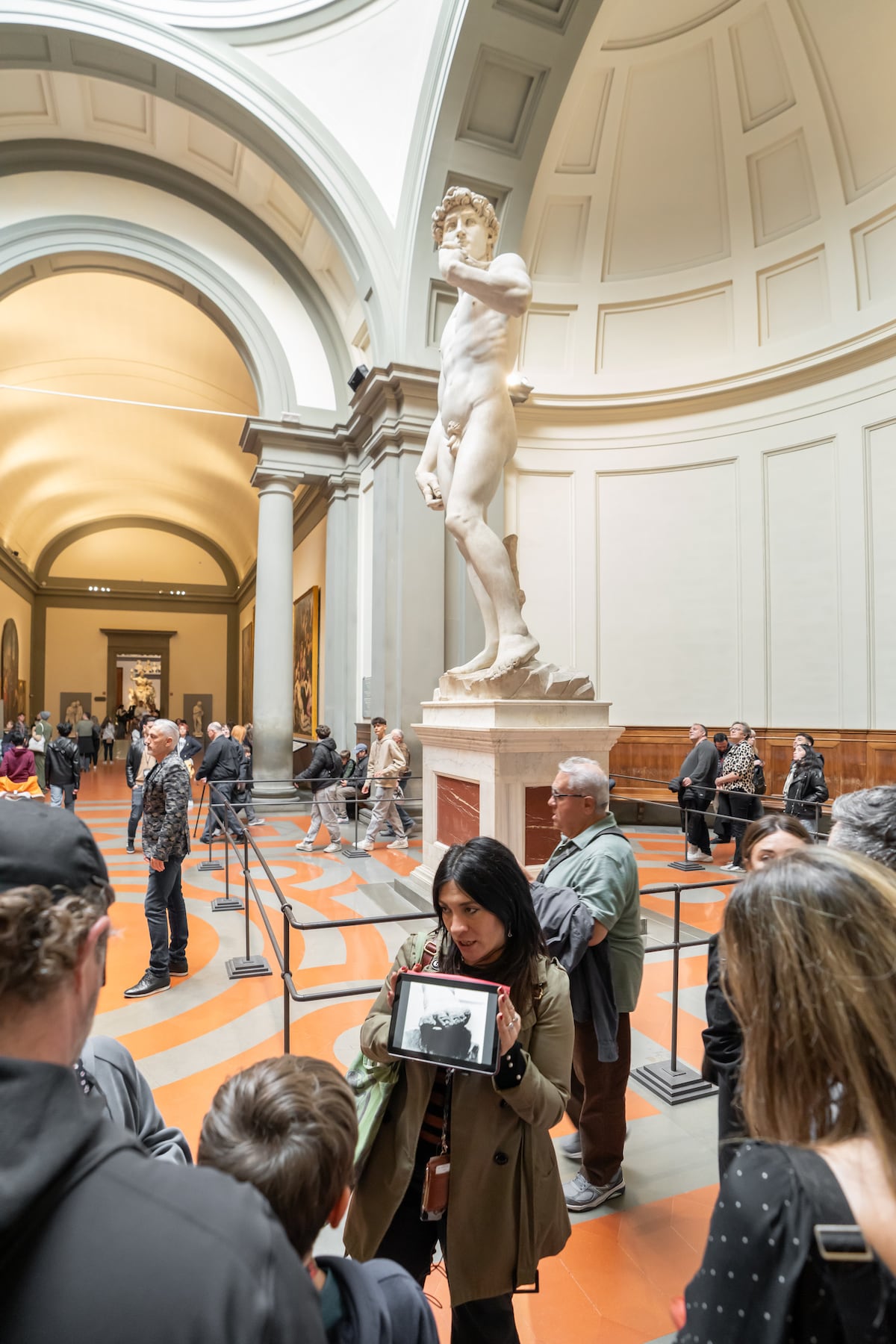
With Manuela: Skip the line, dont skip David
Fri, Feb 6 • 3:30 PM
50122, Florence, Tuscany, Italy
View details
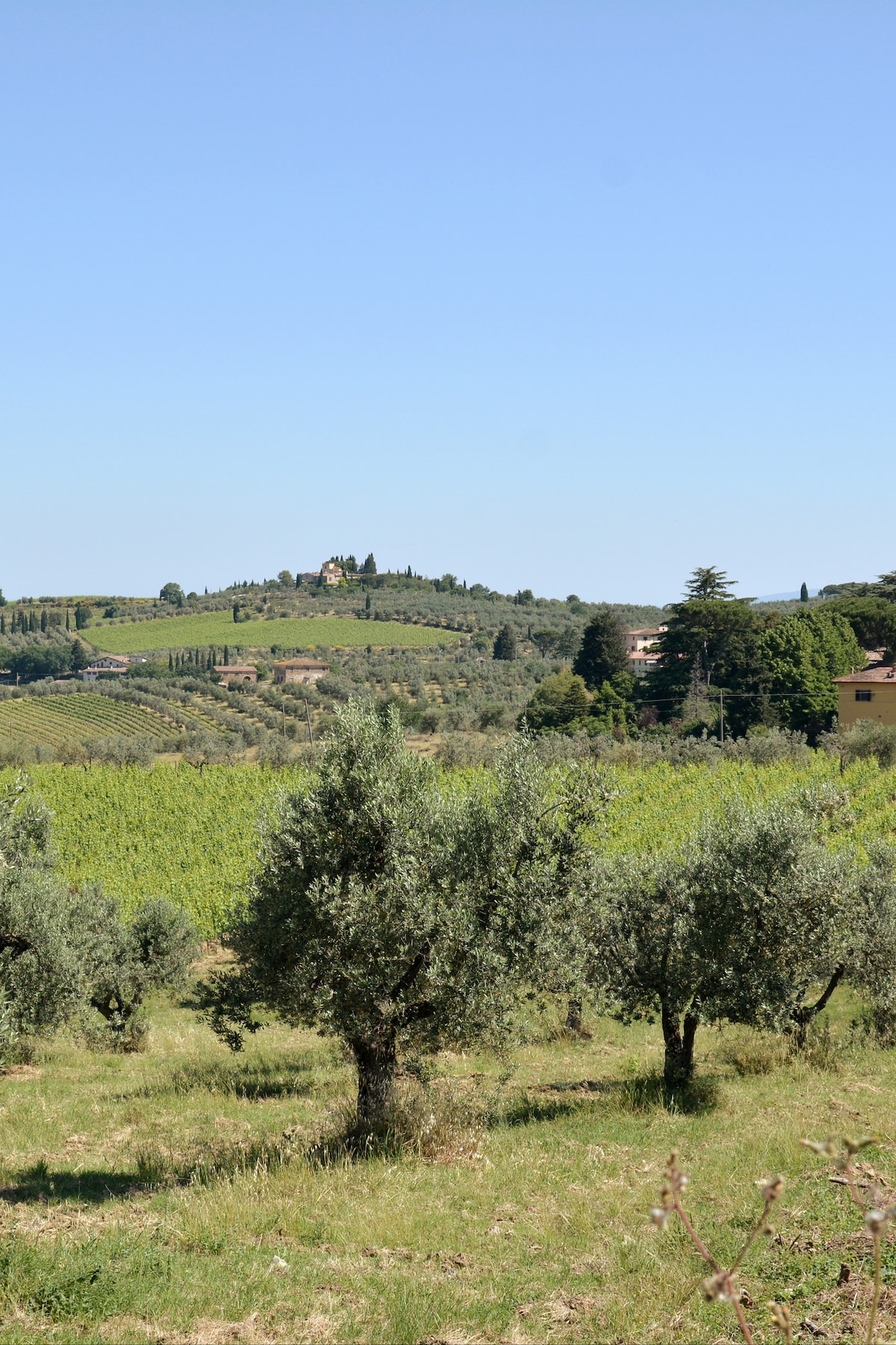
A Real Tuscan Wine Experience
Sat, Feb 7 • 10:30 AM
50026, San Casciano in Val di Pesa, Toscana, Italy
View details
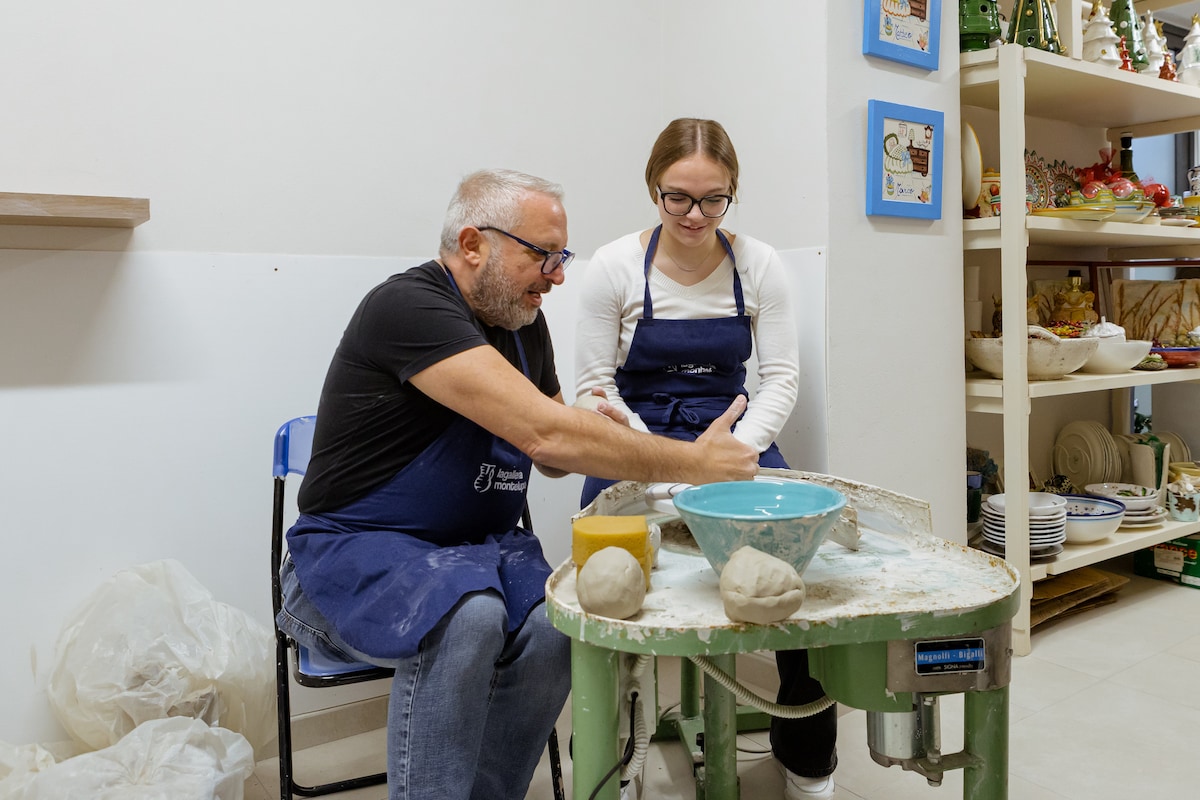
Take a factory tour & hands-on pottery masterclass
Mon, Feb 9 • 10:00 AM
50056, Montelupo Fiorentino, Tuscany, Italy
View details
Nearby attractions of Cenacolo di Sant'Apollonia
Accademia Gallery
Piazza San Marco
David of Michelangelo
Università di Firenze
Geology and Paleontology Museum
Piazza del Duomo
Cathedral of Santa Maria del Fiore
Opificio delle Pietre Dure
Piazza della Santissima Annunziata
Selfie Museum Firenze
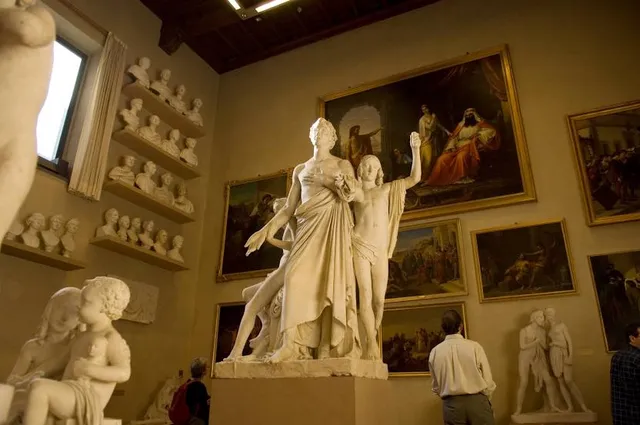
Accademia Gallery
4.6
(18.4K)
Closed
Click for details
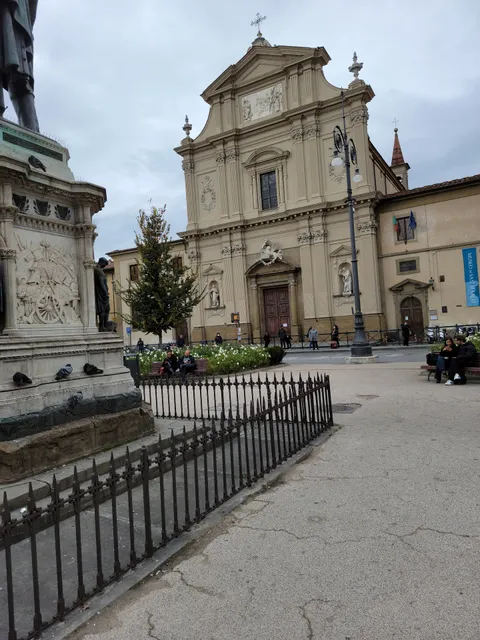
Piazza San Marco
4.4
(2.9K)
Open 24 hours
Click for details
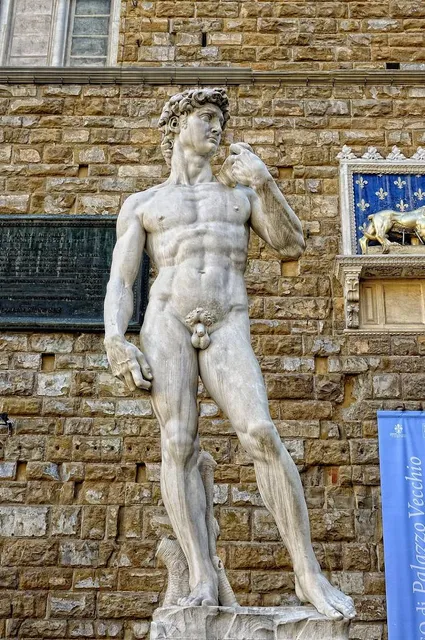
David of Michelangelo
4.8
(7.4K)
Closed
Click for details
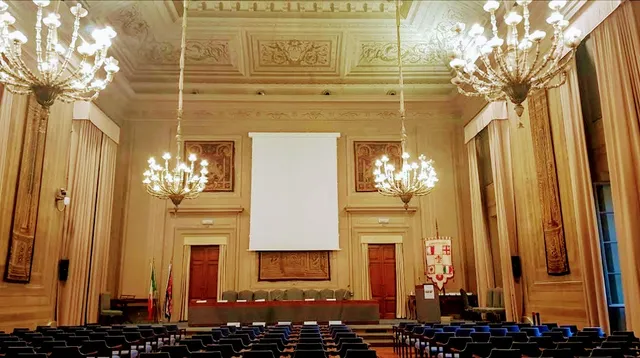
Università di Firenze
4.2
(204)
Open 24 hours
Click for details
Nearby restaurants of Cenacolo di Sant'Apollonia
Ala Grande Caffè(caffè Rosanò)
Nab Firenze
Kitsch 2
Fuoco Matto
Ristorante Tang Anatra Pechinese大唐朝北京烤鸭
Kung Fu Lamian - Ramen & Noodles
Trattoria Zà Zà
Il Vegano - Firenze
Trattoria Pizzeria San Gallo
SimBIOsi Organic Pizza
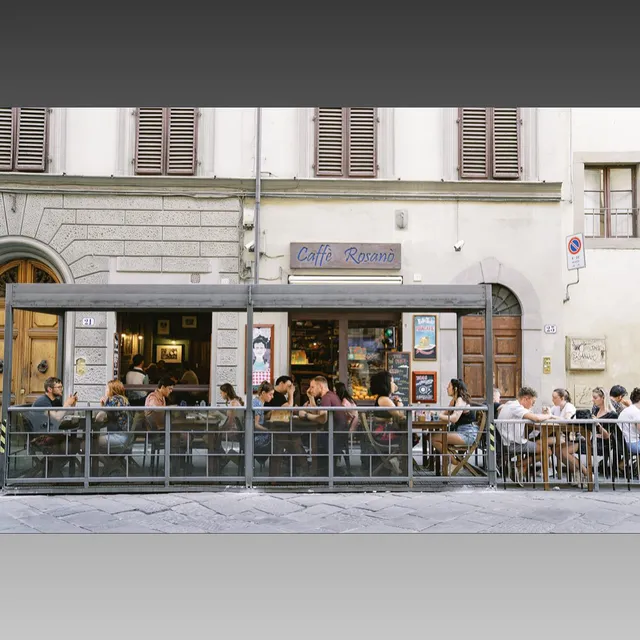
Ala Grande Caffè(caffè Rosanò)
4.9
(1.9K)
Closed
Click for details
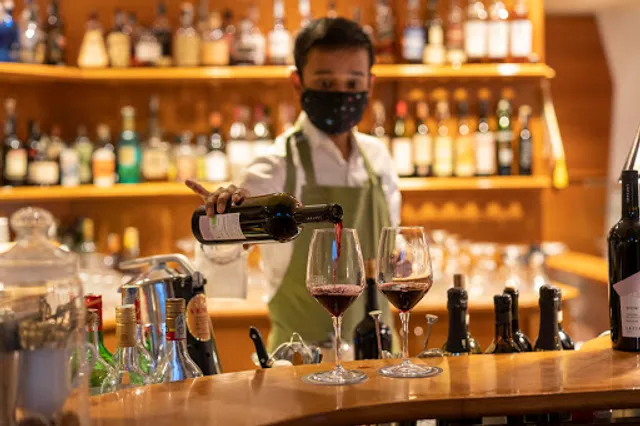
Nab Firenze
4.3
(498)
Closed
Click for details
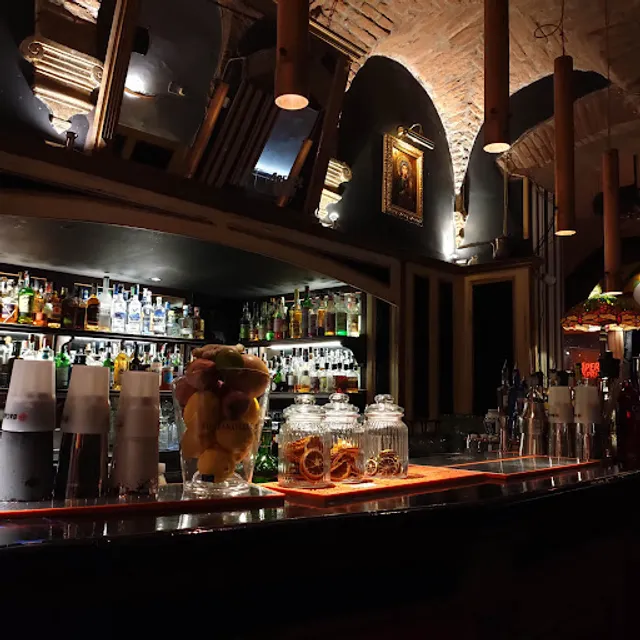
Kitsch 2
4.3
(937)
Closed
Click for details
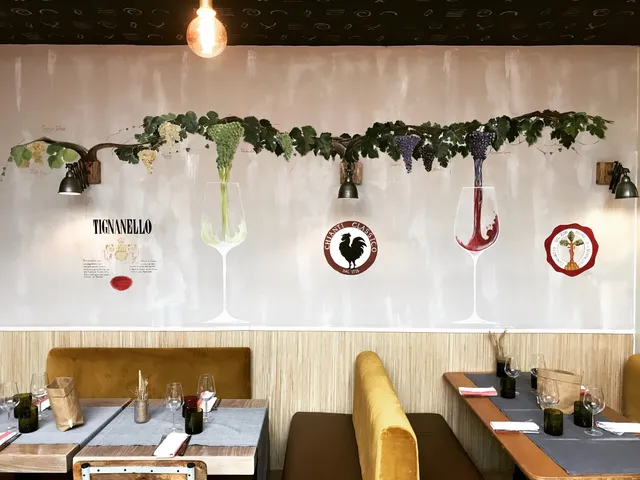
Fuoco Matto
4.5
(1.9K)
Closed
Click for details
Nearby local services of Cenacolo di Sant'Apollonia
il Mercato Centrale Firenze
Piazza del Mercato Centrale, 22r
Lost Space Reality Room Escape
Fox in a box
Zenio - Negozio e Laboratorio
Museo Leonardo Da Vinci
Panini Store Firenze
Leonardo da Vinci Interactive Museum
Basilica of Saint Mark Evangelist
Piazza del Duomo
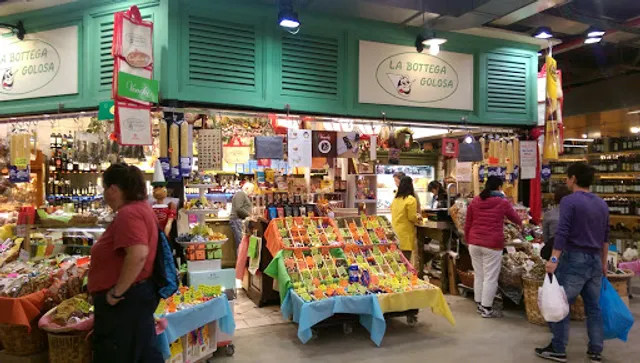
il Mercato Centrale Firenze
4.4
(19.8K)
Click for details
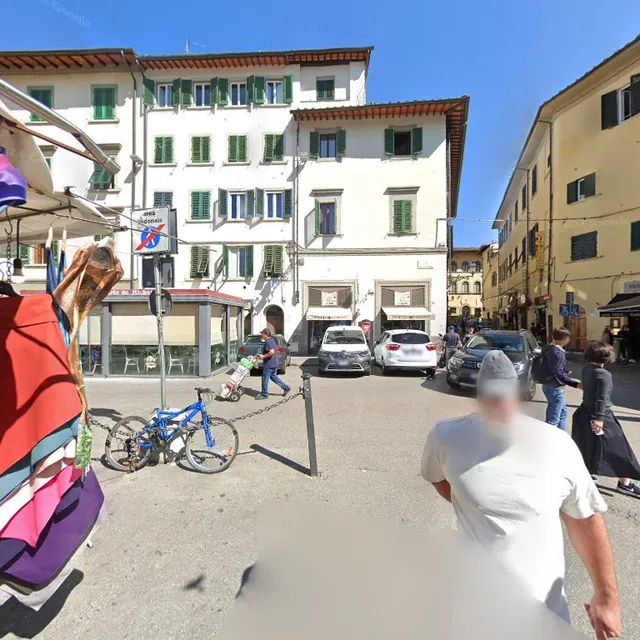
Piazza del Mercato Centrale, 22r
4.4
(2K)
Click for details
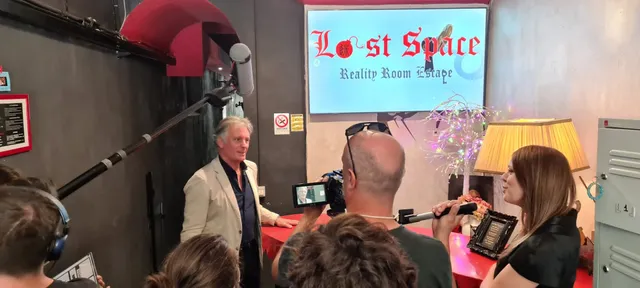
Lost Space Reality Room Escape
4.5
(164)
Click for details
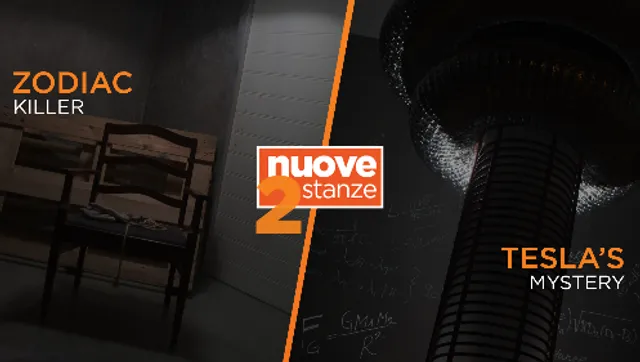
Fox in a box
4.8
(210)
Click for details