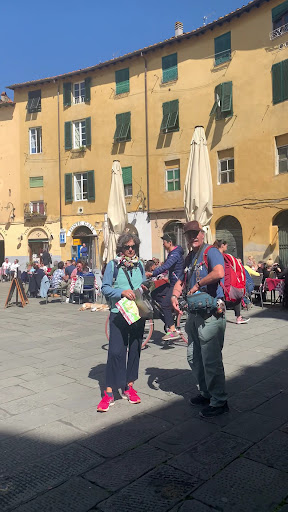
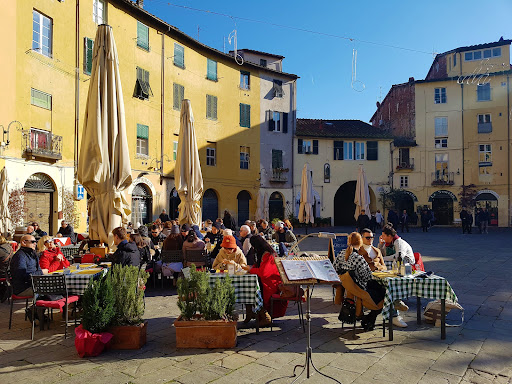
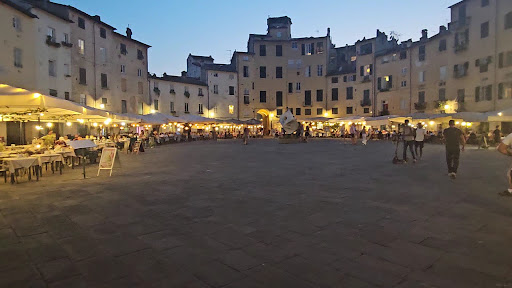
Piazza dell'Anfiteatro things to do, attractions, restaurants, events info and trip planning
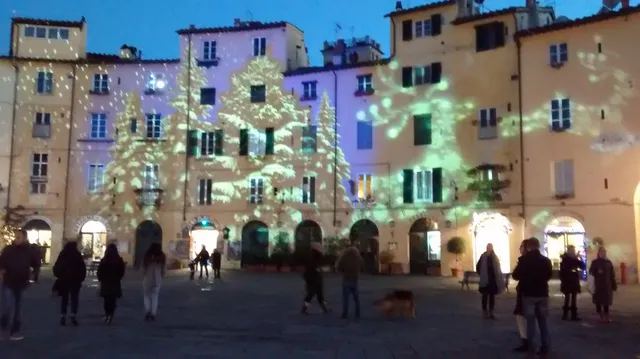
Basic Info
Piazza dell'Anfiteatro
Piazza dell'Anfiteatro, 55100 Lucca LU, Italy
4.6(757)
Open until 12:00 AM
Save
spot
spot
Ratings & Description
Info
Cultural
Outdoor
Scenic
Family friendly
attractions: Guinigi Tower, Museum of Torture, Palazzo Pfanner, Clock Tower, Real Collegio di Lucca, Chiesa di San Michele in Foro, Mercato del Carmine, Domus Romana Lucca | Museo Archeologico a Lucca, Cathedral of Lucca, Palazzo Guinigi, restaurants: Osteria Parlascio Lucca, Trattoria Da Ubaldo, Sottosotto, L'Angolo Tondo, Osteria Baralla, L'Oste di Lucca - Corte Compagni, OSTERIA DEL PODERE, Trattoria Pizzeria Da Gherardo Lucca, Ristorante Pizzeria K2, Pizzeria Sbragia, local businesses: Plaza del Anfiteatro, Basilica di San Frediano, Gelateria Veneta, Gioielleria Pedonesi, Iris Galerie Lucca, Via Fillungo, da Carissimi, Porta Santa Maria, Città del sole Lucca, Zazzi Dallamano
 Learn more insights from Wanderboat AI.
Phone
+39 0583 4422
Website
comune.lucca.it
Open hoursSee all hours
WedOpen 24 hoursOpen
Plan your stay

Pet-friendly Hotels in Lucca
Find a cozy hotel nearby and make it a full experience.

Affordable Hotels in Lucca
Find a cozy hotel nearby and make it a full experience.

The Coolest Hotels You Haven't Heard Of (Yet)
Find a cozy hotel nearby and make it a full experience.

Trending Stays Worth the Hype in Lucca
Find a cozy hotel nearby and make it a full experience.
Reviews
Live events

Candlelight: Tributo a Ludovico Einaudi
Sat, Feb 14 • 9:00 PM
Piazza del Suffragio, 6, Lucca, 55100
View details
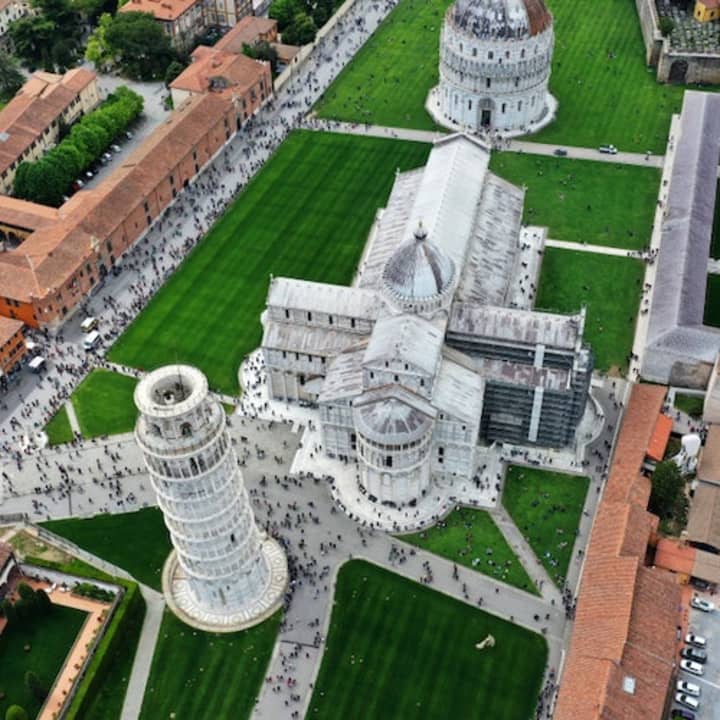
Battistero, cimitero e cattedrale: Ingresso riservato
Wed, Feb 11 • 10:00 AM
Piazza del Duomo, Pisa, 56126
View details

La sala della musica: aperitivo e concerto nella casa dellartista a Lucca
Wed, Feb 11 • 5:30 PM
1785/C Via Piana, 55100 Lucca
View details
Nearby attractions of Piazza dell'Anfiteatro
Guinigi Tower
Museum of Torture
Palazzo Pfanner
Clock Tower
Real Collegio di Lucca
Chiesa di San Michele in Foro
Mercato del Carmine
Domus Romana Lucca | Museo Archeologico a Lucca
Cathedral of Lucca
Palazzo Guinigi
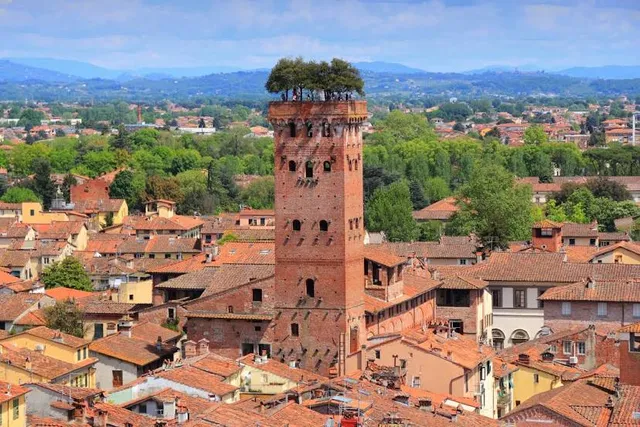
Guinigi Tower
4.6
(4.6K)
Open until 4:00 PM
Click for details
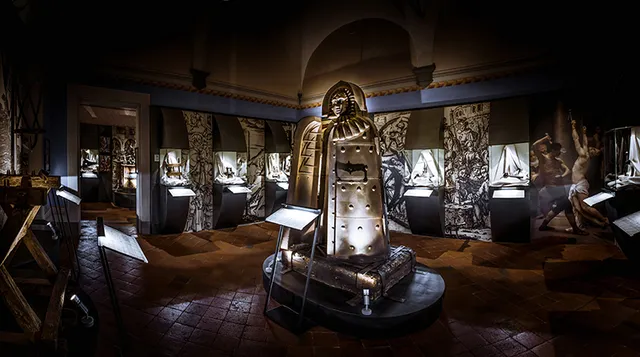
Museum of Torture
3.9
(445)
Open until 12:00 AM
Click for details
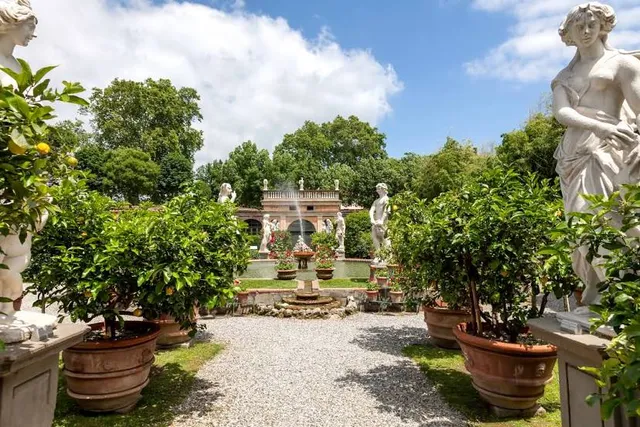
Palazzo Pfanner
4.4
(1.2K)
Open until 4:00 PM
Click for details
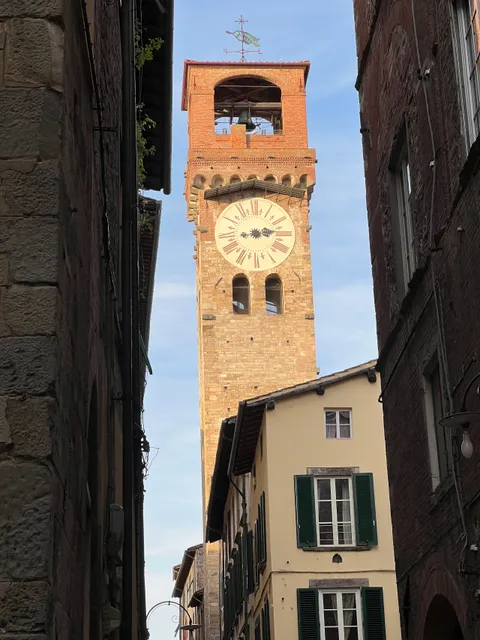
Clock Tower
4.5
(1.1K)
Open until 4:00 PM
Click for details
Nearby restaurants of Piazza dell'Anfiteatro
Osteria Parlascio Lucca
Trattoria Da Ubaldo
Sottosotto
L'Angolo Tondo
Osteria Baralla
L'Oste di Lucca - Corte Compagni
OSTERIA DEL PODERE
Trattoria Pizzeria Da Gherardo Lucca
Ristorante Pizzeria K2
Pizzeria Sbragia
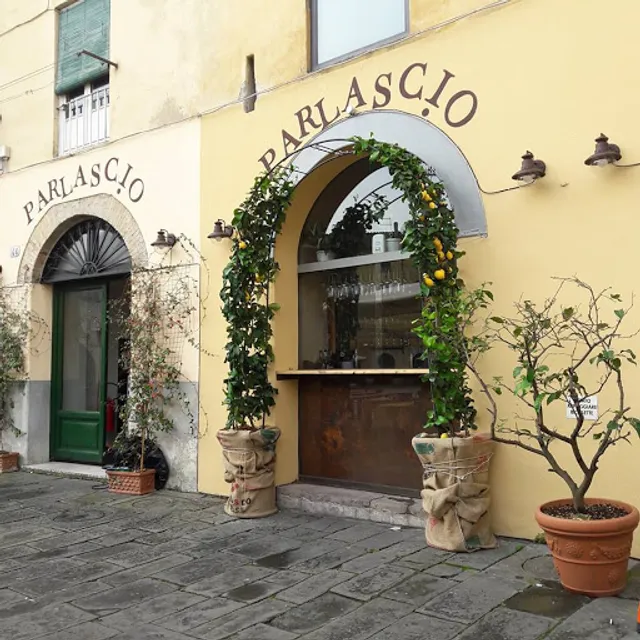
Osteria Parlascio Lucca
4.5
(973)
Click for details
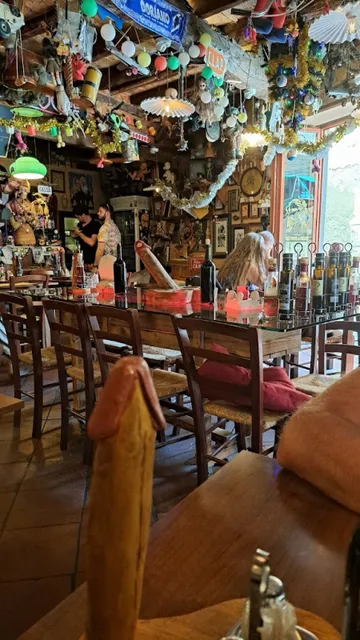
Trattoria Da Ubaldo
4.5
(1.2K)
Open until 12:00 AM
Click for details
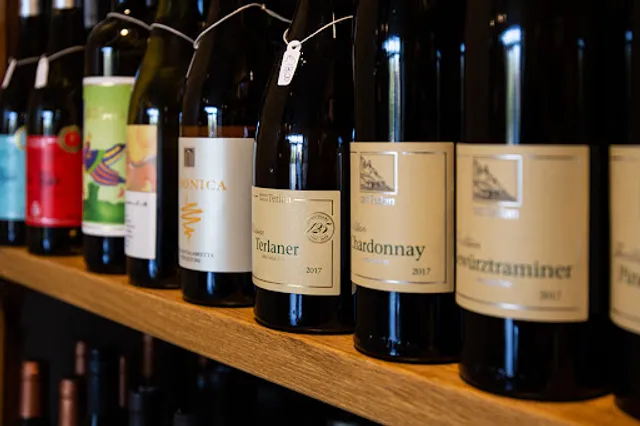
Sottosotto
4.9
(838)
Click for details
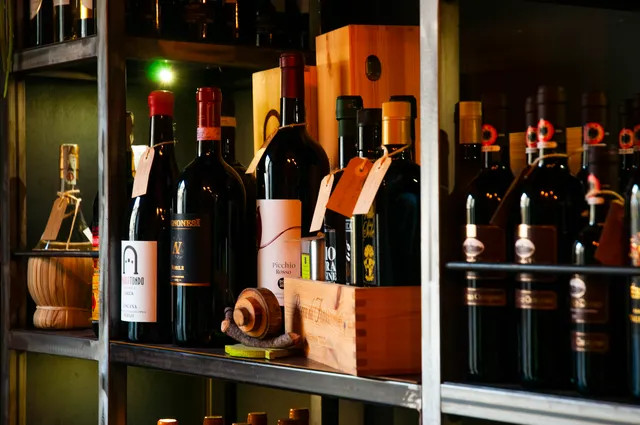
L'Angolo Tondo
4.8
(763)
$$
Open until 12:00 AM
Click for details
Nearby local services of Piazza dell'Anfiteatro
Plaza del Anfiteatro
Basilica di San Frediano
Gelateria Veneta
Gioielleria Pedonesi
Iris Galerie Lucca
Via Fillungo
da Carissimi
Porta Santa Maria
Città del sole Lucca
Zazzi Dallamano
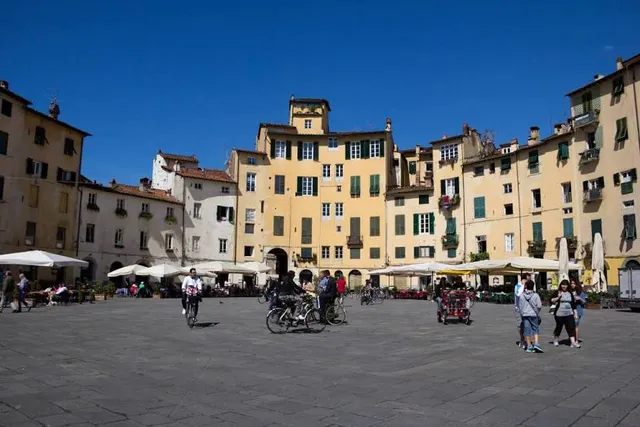
Plaza del Anfiteatro
4.6
(10.6K)
Click for details
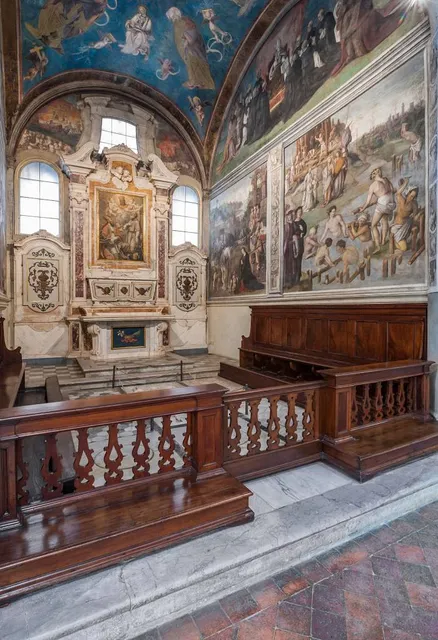
Basilica di San Frediano
4.5
(591)
Click for details
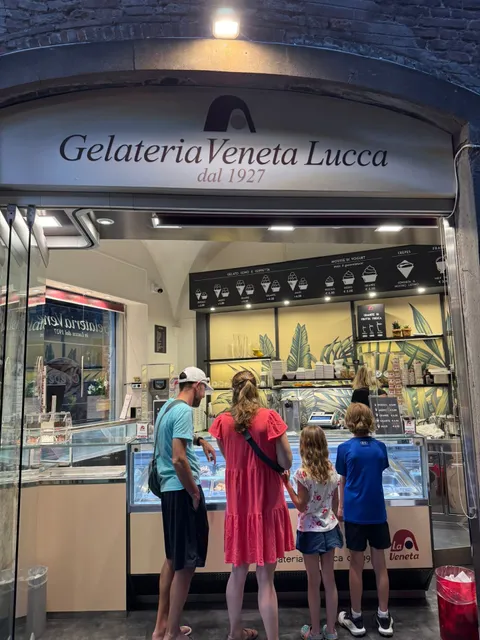
Gelateria Veneta
4.4
(126)
Click for details

Gioielleria Pedonesi
4.8
(136)
Click for details