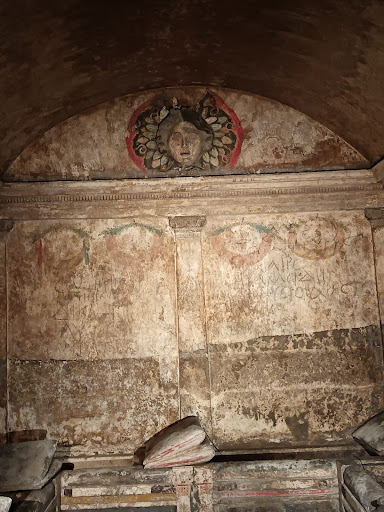
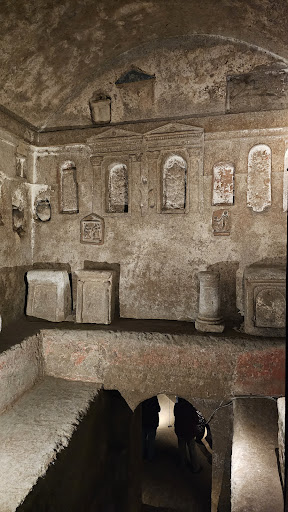
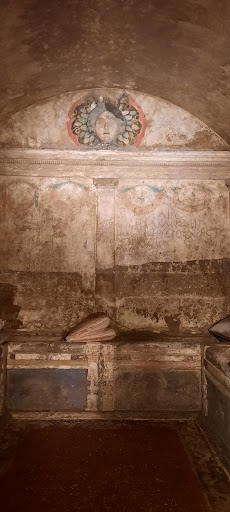
Ipogeo dei Cristallini things to do, attractions, restaurants, events info and trip planning
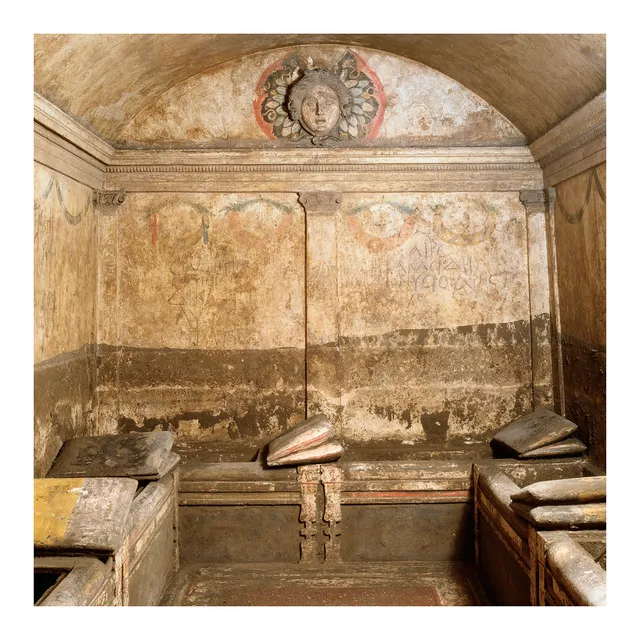
Basic Info
Ipogeo dei Cristallini
Via dei Cristallini, 133, 80137 Napoli NA, Italy
4.9(171)
Open 24 hours


tickets
Save
spot
spot
Ratings & Description
Info
Cultural
Accessibility
attractions: Palazzo dello Spagnolo, Jago Museum, Palazzo Sanfelice, Museo Archeologico Nazionale di Napoli, Catacombe di San Gaudioso, Donnaregina Contemporary Art Museum - Madre Museum, Museo delle Arti Sanitarie, MUSA - Museo Universitario delle Scienze e delle Arti, Duomo di Santa Maria Assunta, San Giovanni a Carbonara, restaurants: Isabella De Cham Pizza Fritta, Pizzeria Concettina ai Tre Santi, Ristorante pizzeria antico Borgo Ai vergini pizzeria napoli centro storico rione sanita’, Casa del Caffè, Vicus - Trattoria Napoletana, Pizzeria La Campagnola, Antica Cantina Sepe, Osteria Gentile Napoli, Il Cuoppo | Dei Vergini, Lombardi 1892, local businesses: Pasticceria Poppella, Annarè - il Gelato di Poppella, Church of Saint Mary 'delle Vergini', Blue Grotto, Jago Museum, Naples National Archaeological Museum, Cathedral of Naples, Chapel of St. Januarius, Mercato dei Vergini, Farmacia del Sole - Napoli - Centro Telemedicina e Celiachia, Expert Napoli Piazza Cavour
 Learn more insights from Wanderboat AI.
Phone
+39 344 072 5752
Website
ipogeodeicristallini.org
Plan your stay

Pet-friendly Hotels in Naples
Find a cozy hotel nearby and make it a full experience.

Affordable Hotels in Naples
Find a cozy hotel nearby and make it a full experience.

The Coolest Hotels You Haven't Heard Of (Yet)
Find a cozy hotel nearby and make it a full experience.

Trending Stays Worth the Hype in Naples
Find a cozy hotel nearby and make it a full experience.
Reviews
Live events
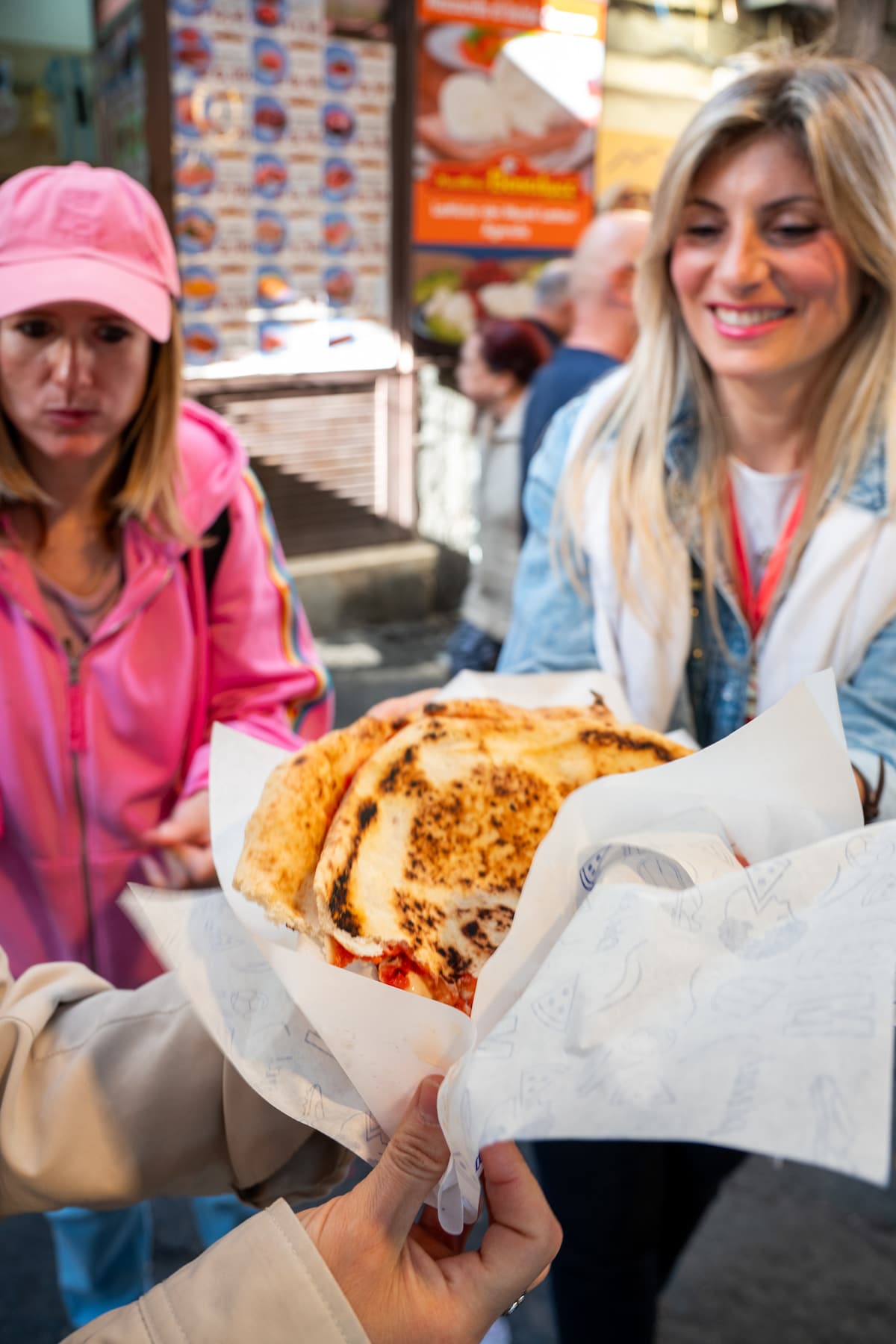
Strolling Naples as a Local - Authentic Experience
Sat, Feb 21 • 10:00 AM
80133, Naples, Campania, Italy
View details
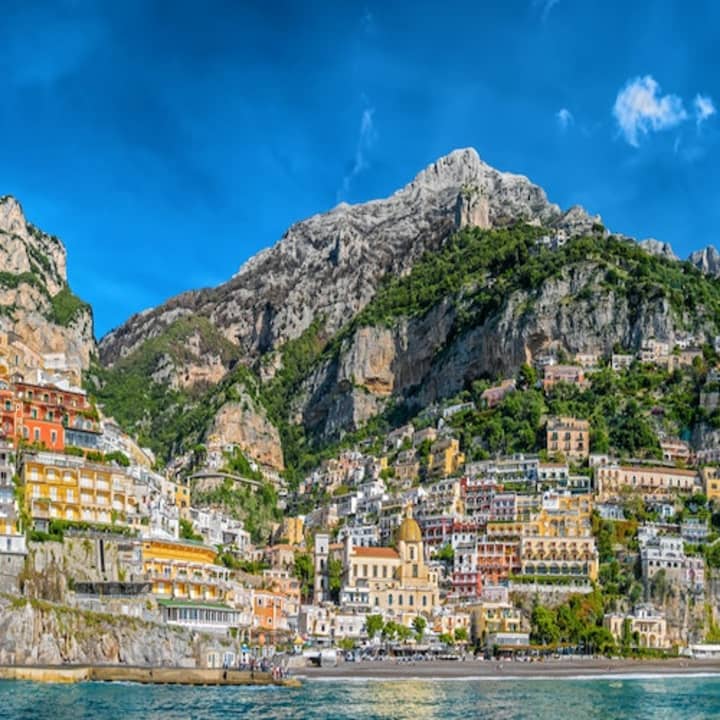
Amalfi, Positano, Sorrento e Ravello: Gita di un giorno da Pompei
Sat, Feb 21 • 8:45 AM
Via Duca d'Aosta, 133, Pompei, 80045
View details
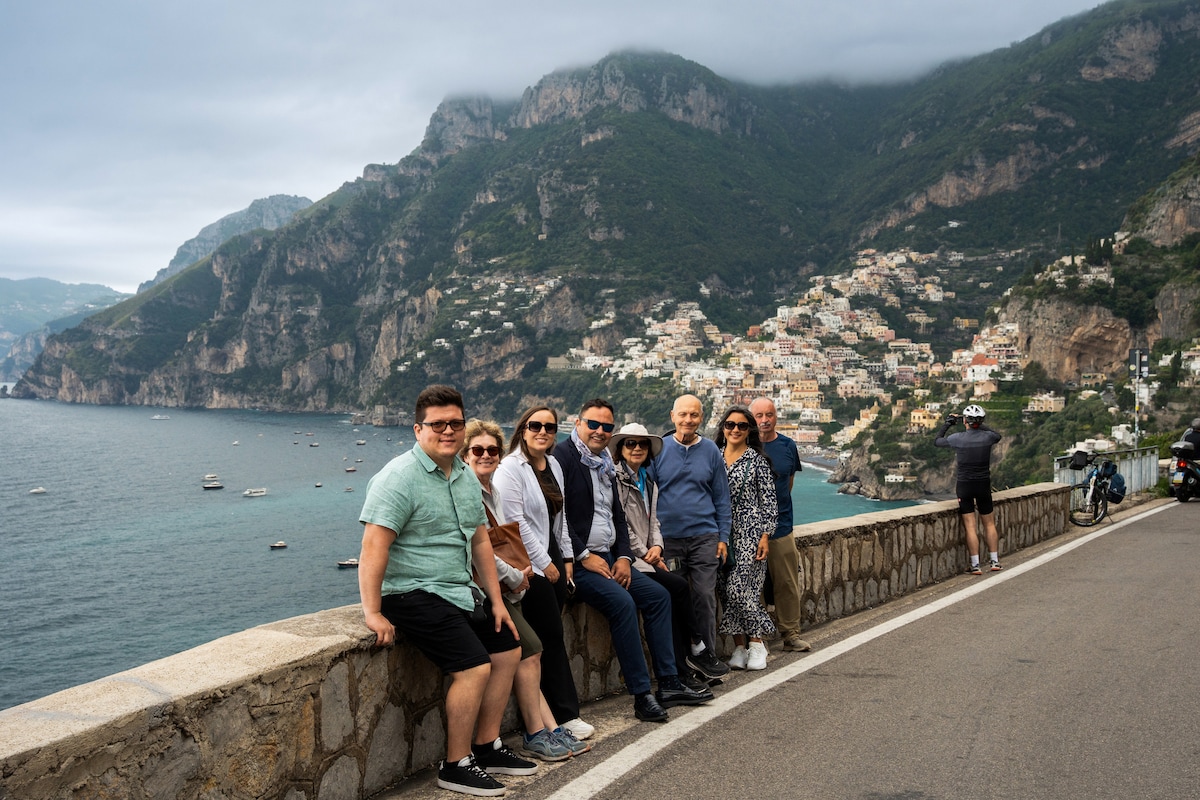
Discover the Amalfi Coast
Sat, Feb 21 • 9:00 AM
80142, Naples, Campania, Italy
View details
Nearby attractions of Ipogeo dei Cristallini
Palazzo dello Spagnolo
Jago Museum
Palazzo Sanfelice
Museo Archeologico Nazionale di Napoli
Catacombe di San Gaudioso
Donnaregina Contemporary Art Museum - Madre Museum
Museo delle Arti Sanitarie
MUSA - Museo Universitario delle Scienze e delle Arti
Duomo di Santa Maria Assunta
San Giovanni a Carbonara
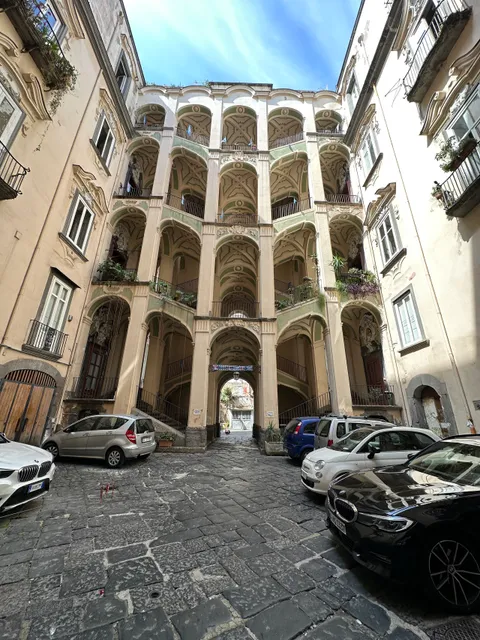
Palazzo dello Spagnolo
4.6
(970)
Open 24 hours
Click for details
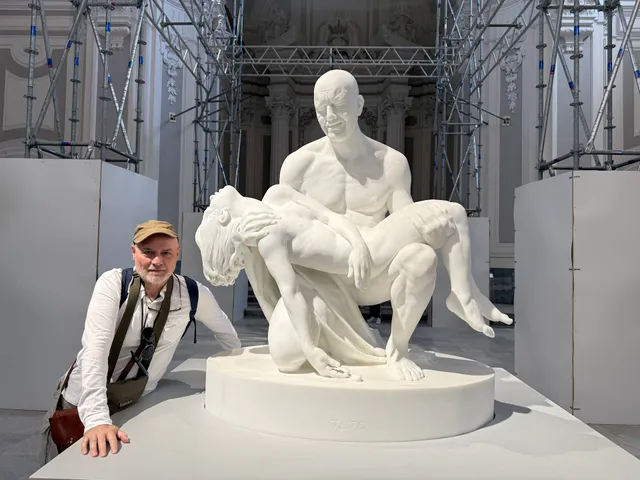
Jago Museum
4.9
(943)
Closed
Click for details
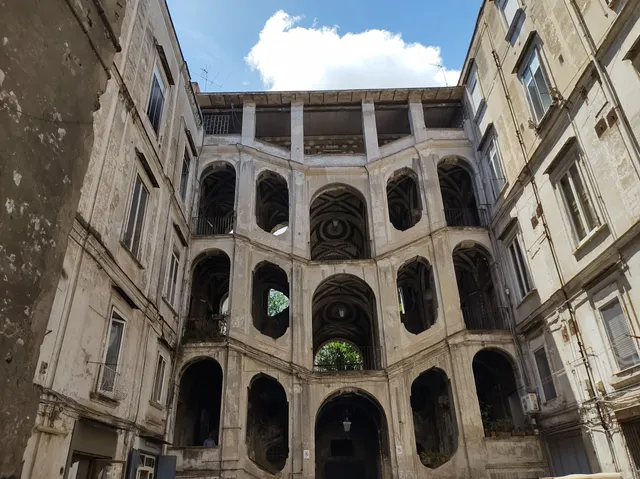
Palazzo Sanfelice
4.4
(491)
Open until 12:00 AM
Click for details

Museo Archeologico Nazionale di Napoli
4.6
(13.2K)
Closed
Click for details
Nearby restaurants of Ipogeo dei Cristallini
Isabella De Cham Pizza Fritta
Pizzeria Concettina ai Tre Santi
Ristorante pizzeria antico Borgo Ai vergini pizzeria napoli centro storico rione sanita’
Casa del Caffè
Vicus - Trattoria Napoletana
Pizzeria La Campagnola
Antica Cantina Sepe
Osteria Gentile Napoli
Il Cuoppo | Dei Vergini
Lombardi 1892
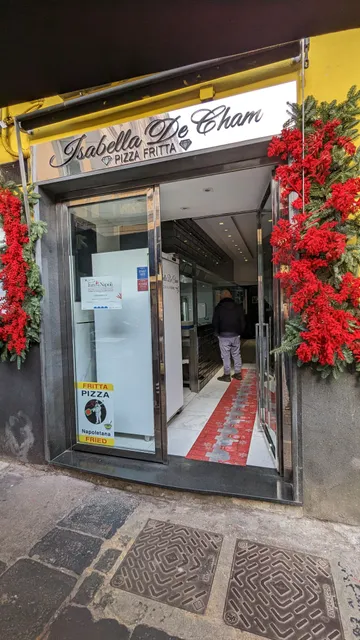
Isabella De Cham Pizza Fritta
4.4
(1.3K)
Closed
Click for details
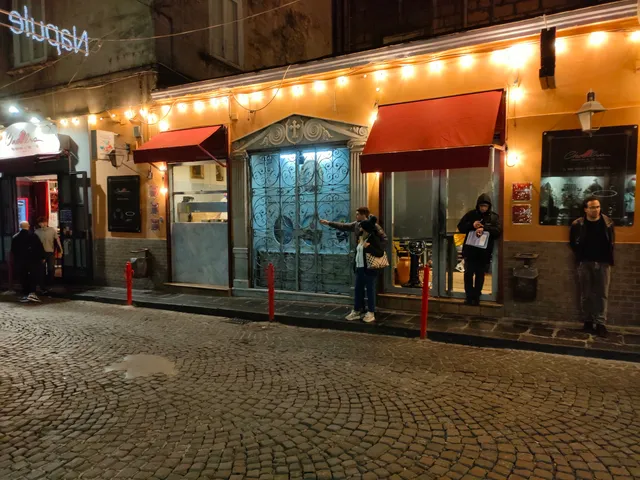
Pizzeria Concettina ai Tre Santi
3.9
(4.8K)
Closed
Click for details
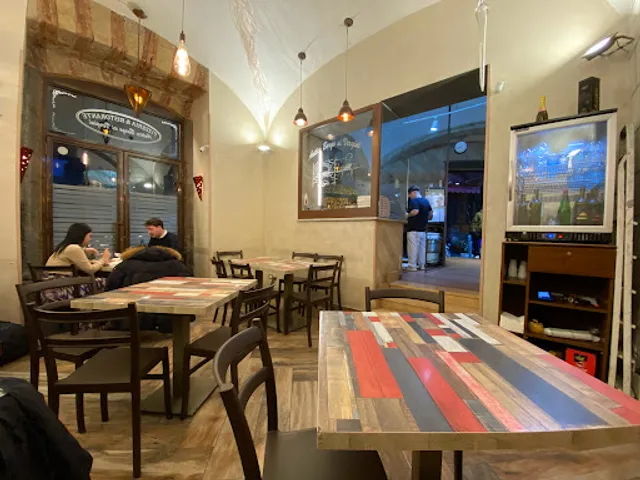
Ristorante pizzeria antico Borgo Ai vergini pizzeria napoli centro storico rione sanita’
4.6
(817)
Closed
Click for details
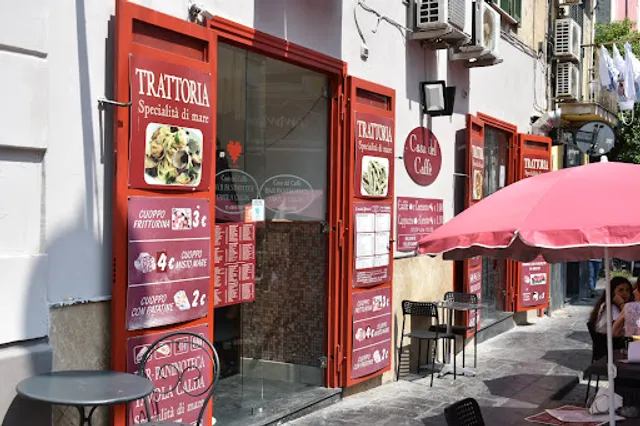
Casa del Caffè
4.2
(331)
Closed
Click for details
Nearby local services of Ipogeo dei Cristallini
Pasticceria Poppella
Annarè - il Gelato di Poppella
Church of Saint Mary 'delle Vergini'
Blue Grotto
Jago Museum
Naples National Archaeological Museum
Cathedral of Naples, Chapel of St. Januarius
Mercato dei Vergini
Farmacia del Sole - Napoli - Centro Telemedicina e Celiachia
Expert Napoli Piazza Cavour
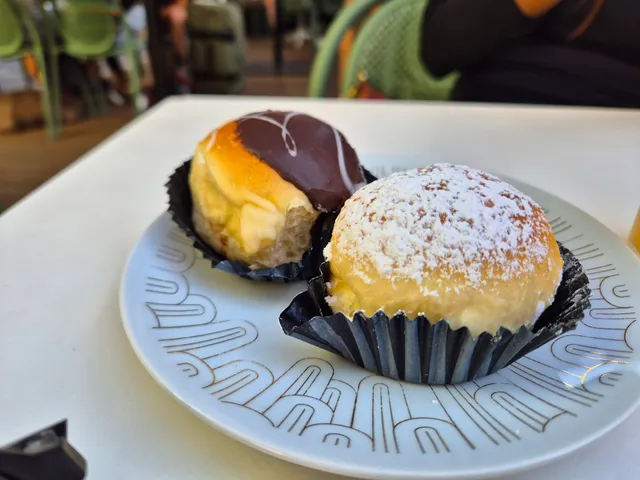
Pasticceria Poppella
4.2
(169)
Click for details

Annarè - il Gelato di Poppella
4.4
(95)
Click for details

Church of Saint Mary 'delle Vergini'
4.5
(113)
Click for details
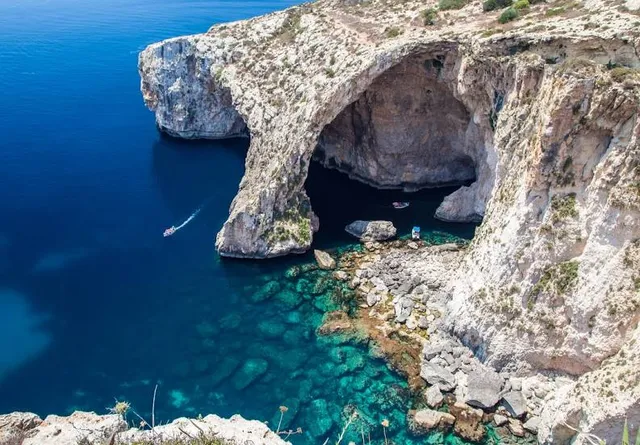
Blue Grotto
3.9
(555)
Click for details


The hit list


Plan your trip with Wanderboat
Welcome to Wanderboat AI, your AI search for local Eats and Fun, designed to help you explore your city and the world with ease.
Powered by Wanderboat AI trip planner.