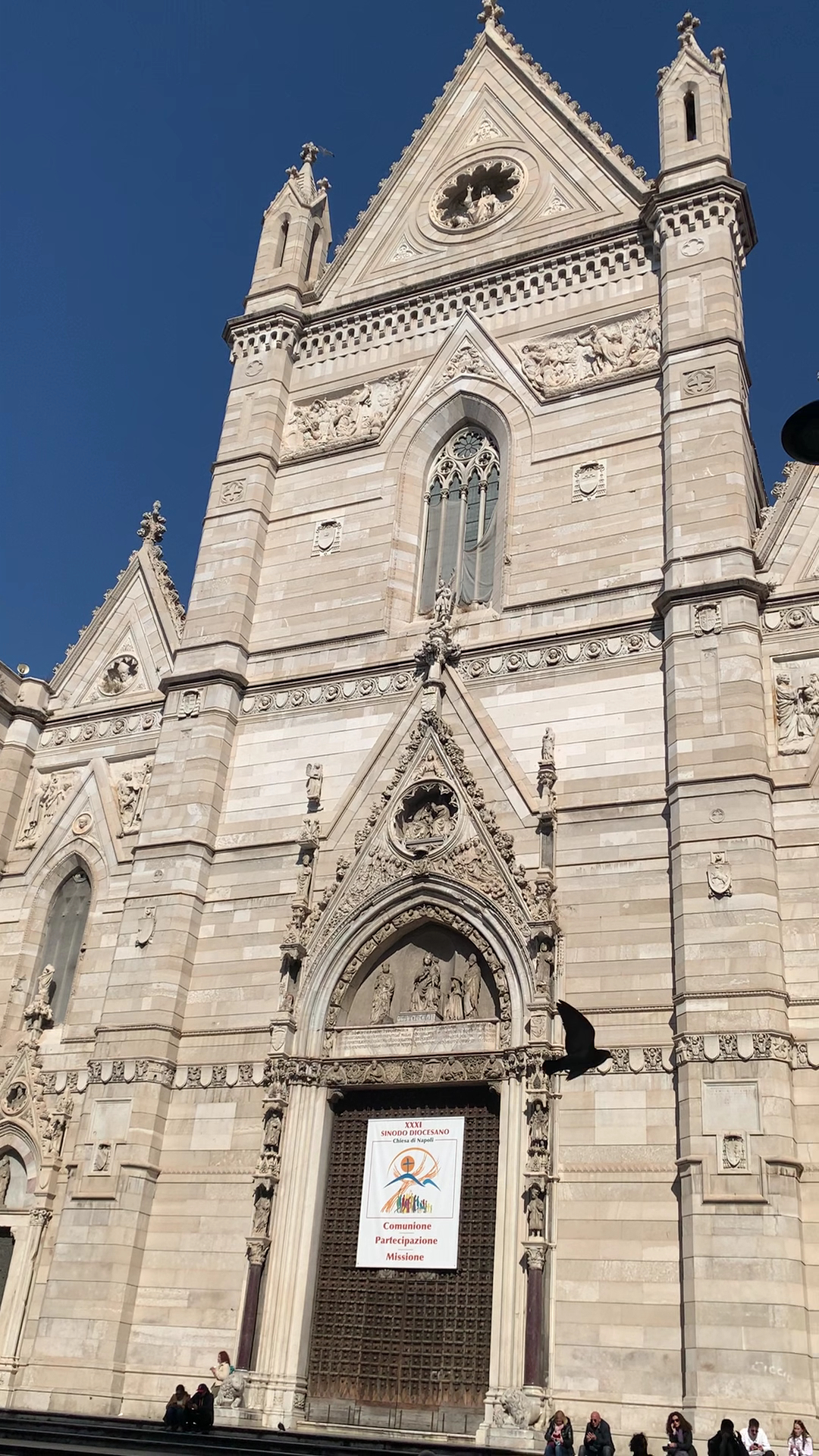
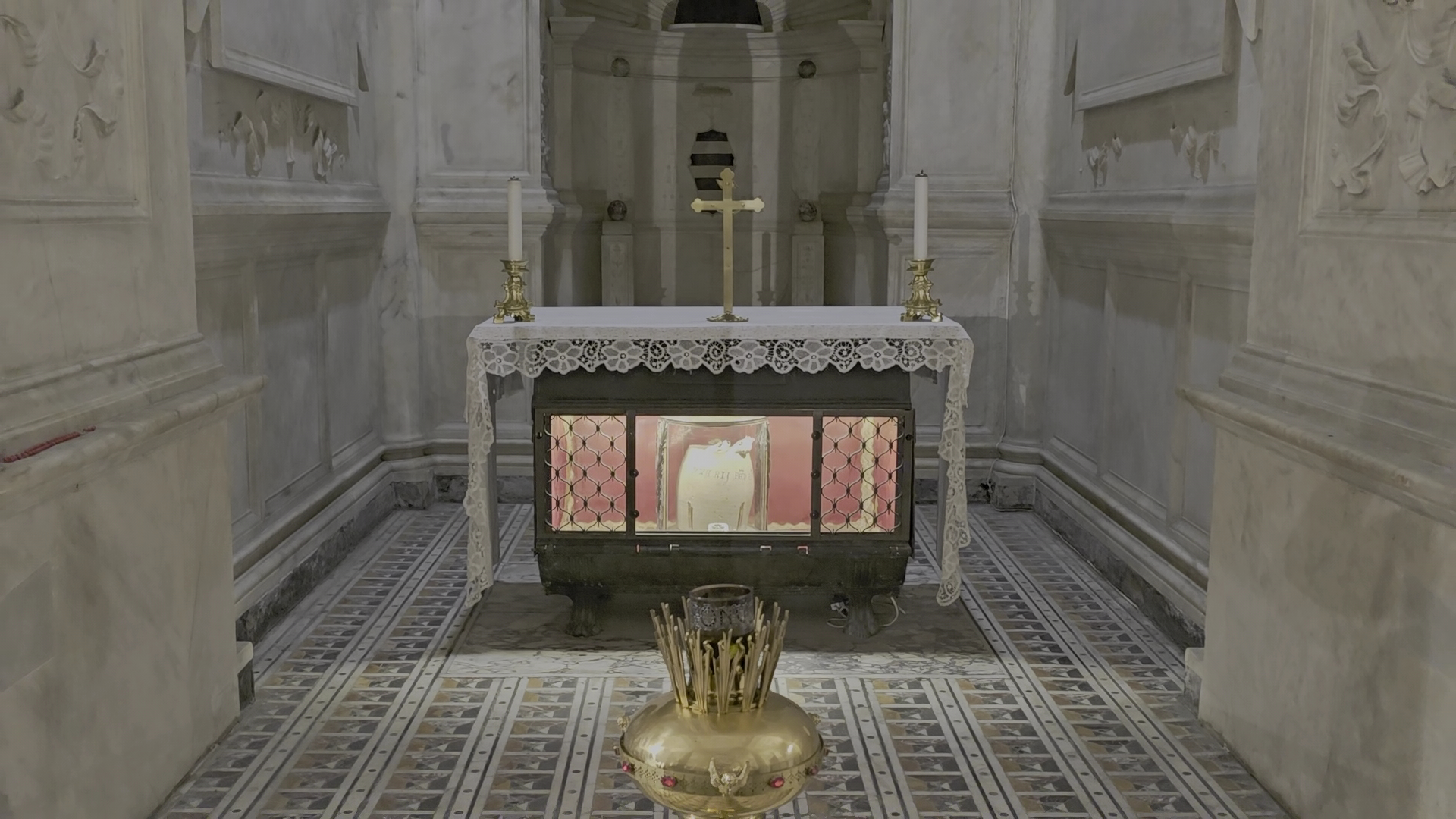
Duomo di Santa Maria Assunta things to do, attractions, restaurants, events info and trip planning
Basic Info
Duomo di Santa Maria Assunta
Via Duomo, 147, 80138 Napoli NA, Italy
4.7(9.4K)
Closed
Save
spot
spot
Ratings & Description
Info
Cultural
Scenic
Family friendly
Accessibility
attractions: Museo del Tesoro di San Gennaro - Museum of the Treasure of San Gennaro, Pio Monte della Misericordia, Underground Naples, Complesso Monumentale Donnaregina - Museo Diocesano Napoli, Obelisco di San Gennaro, Girolamini Church, Complesso Monumentale San Lorenzo Maggiore, Donnaregina Contemporary Art Museum - Madre Museum, Il Piccolo Museo del Cammeo, Chiesa di Santa Maria Donnaregina Vecchia, restaurants: Januarius, Antica Pizzeria Di Matteo, Pizza e sfizi del duomo 171, Trattoria Pizzeria Bella Napoli Centro - Chef dal 1990, Insolito pizzeria e trattoria napoletana, Caffetteria San Gennaro, Il Figlio del Presidente, Casa Balbi - Trattoria Pizzeria, Cala La Pasta, Pizzeria Dal Presidente - Sede Storica, local businesses: Cathedral of Santa Maria Assunta, Via dei Tribunali, Via S. Gregorio Armeno, Via Duomo, Farmacia Del Duomo Di Dott. Malfe' Giancarlo, Via San Gregorio Armeno, I Minopoli a San Gregorio Armeno, Naplesbay Cooking Lab, Rosso Di Vino, Sansevero Chapel Museum
 Learn more insights from Wanderboat AI.
Phone
+39 081 449097
Website
chiesadinapoli.it
Open hoursSee all hours
Sun8:30 AM - 7:30 PMClosed
Plan your stay

Pet-friendly Hotels in Naples
Find a cozy hotel nearby and make it a full experience.

Affordable Hotels in Naples
Find a cozy hotel nearby and make it a full experience.

The Coolest Hotels You Haven't Heard Of (Yet)
Find a cozy hotel nearby and make it a full experience.

Trending Stays Worth the Hype in Naples
Find a cozy hotel nearby and make it a full experience.
Reviews
Live events
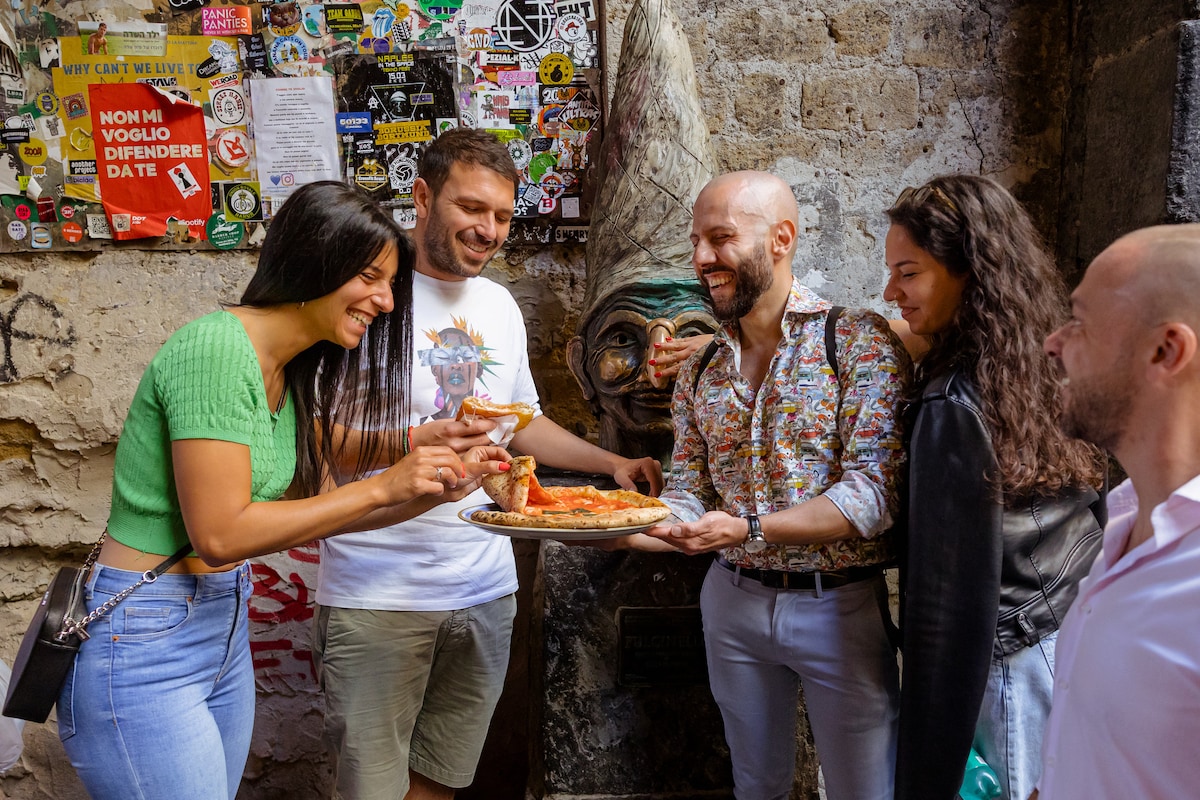
Naples Street Food Tour with a Local Expert
Sun, Feb 22 • 11:00 AM
80138, Naples, Campania, Italy
View details
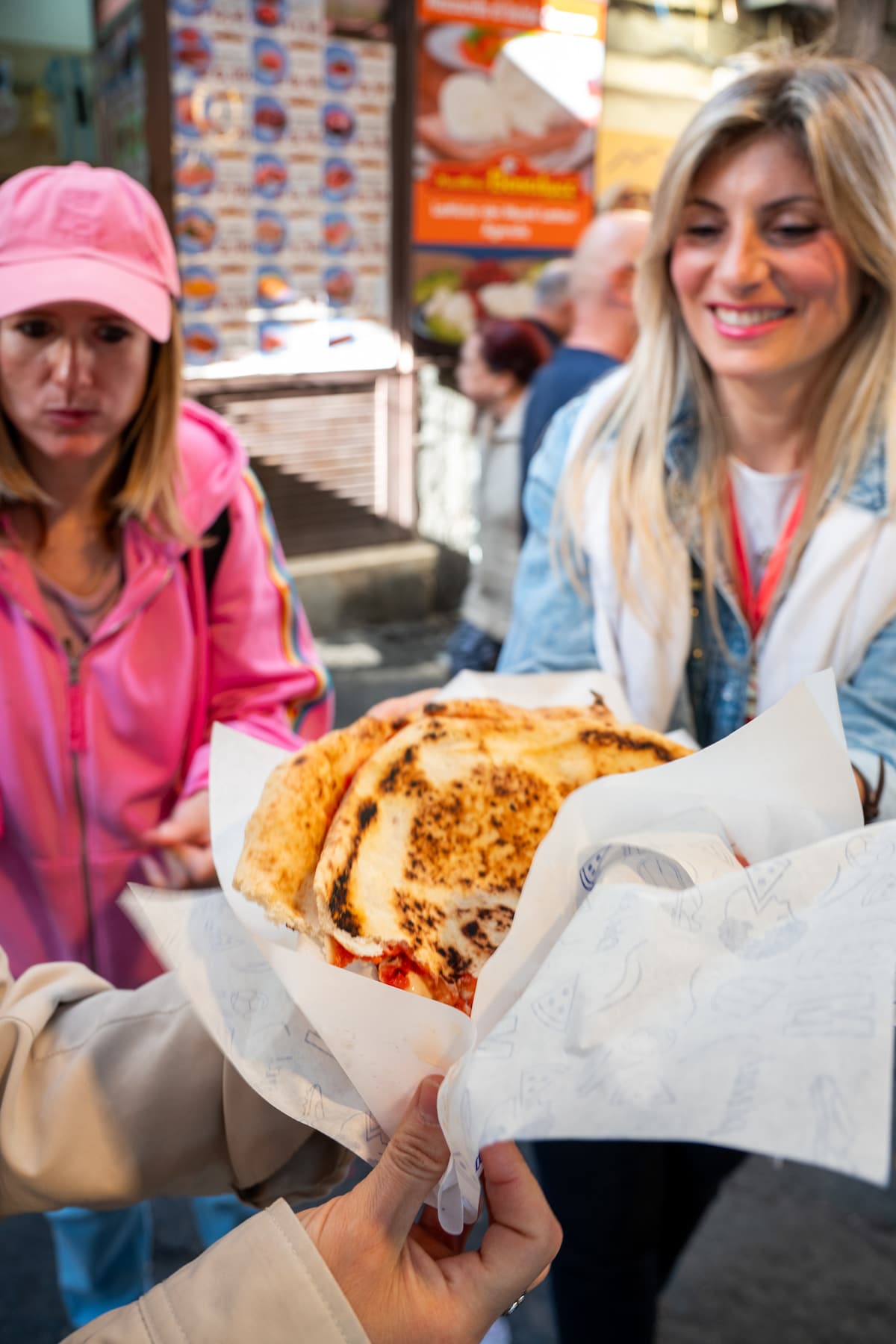
Strolling Naples as a Local - Authentic Experience
Sun, Feb 22 • 10:30 AM
80133, Naples, Campania, Italy
View details
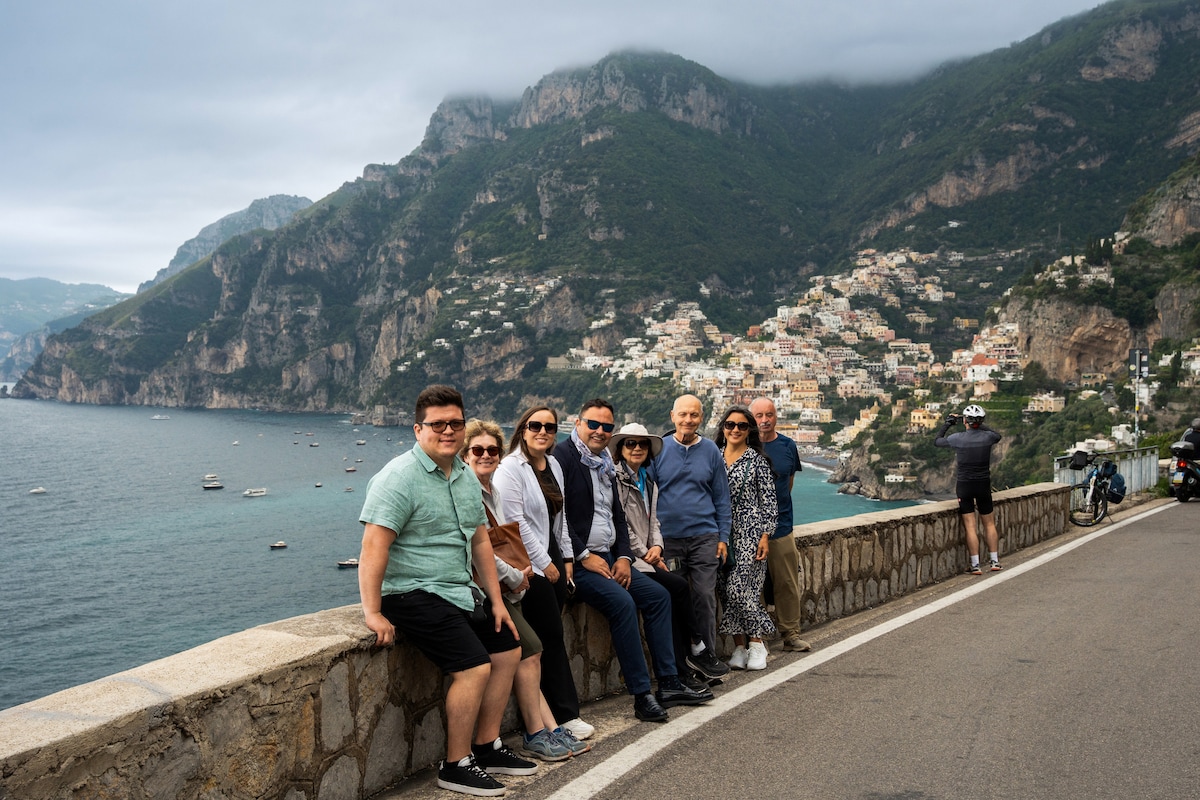
Discover the Amalfi Coast
Sun, Feb 22 • 9:00 AM
80142, Naples, Campania, Italy
View details
Nearby attractions of Duomo di Santa Maria Assunta
Museo del Tesoro di San Gennaro - Museum of the Treasure of San Gennaro
Pio Monte della Misericordia
Underground Naples
Complesso Monumentale Donnaregina - Museo Diocesano Napoli
Obelisco di San Gennaro
Girolamini Church
Complesso Monumentale San Lorenzo Maggiore
Donnaregina Contemporary Art Museum - Madre Museum
Il Piccolo Museo del Cammeo
Chiesa di Santa Maria Donnaregina Vecchia
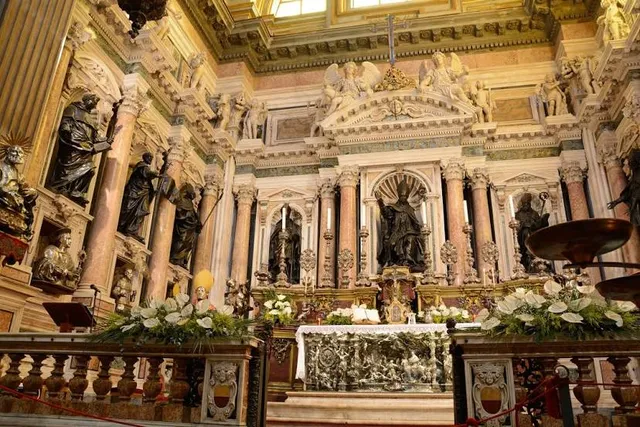
Museo del Tesoro di San Gennaro - Museum of the Treasure of San Gennaro
4.6
(1.2K)
Closed
Click for details
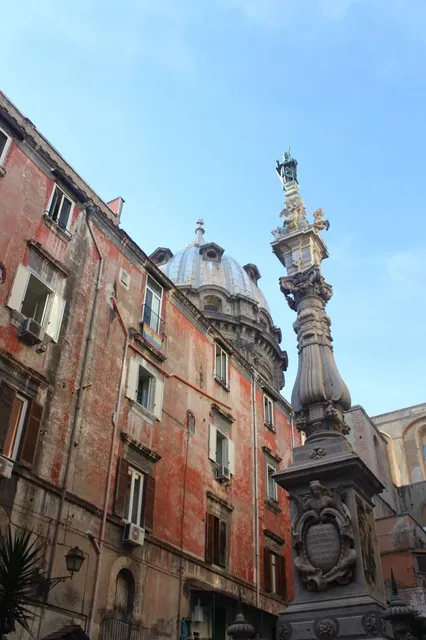
Pio Monte della Misericordia
4.6
(1.3K)
Closed
Click for details
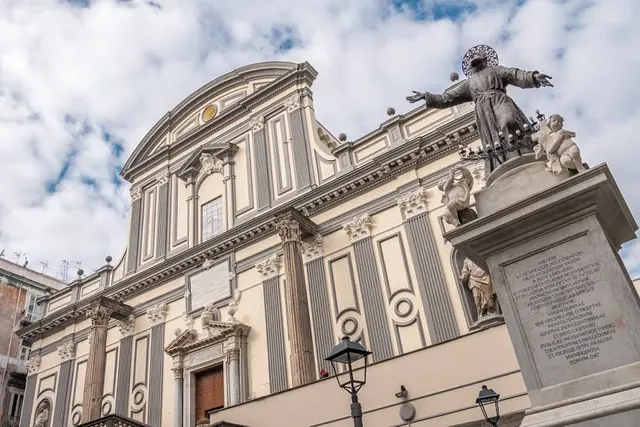
Underground Naples
4.6
(10.8K)
Closed
Click for details
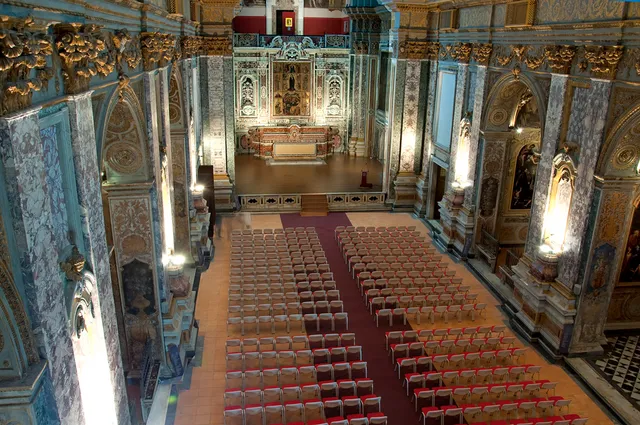
Complesso Monumentale Donnaregina - Museo Diocesano Napoli
4.7
(728)
Closed
Click for details
Nearby restaurants of Duomo di Santa Maria Assunta
Januarius
Antica Pizzeria Di Matteo
Pizza e sfizi del duomo 171
Trattoria Pizzeria Bella Napoli Centro - Chef dal 1990
Insolito pizzeria e trattoria napoletana
Caffetteria San Gennaro
Il Figlio del Presidente
Casa Balbi - Trattoria Pizzeria
Cala La Pasta
Pizzeria Dal Presidente - Sede Storica
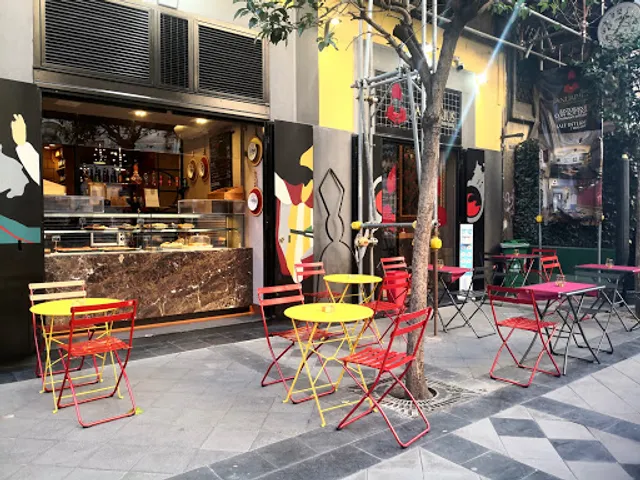
Januarius
4.6
(1.0K)
Closed
Click for details
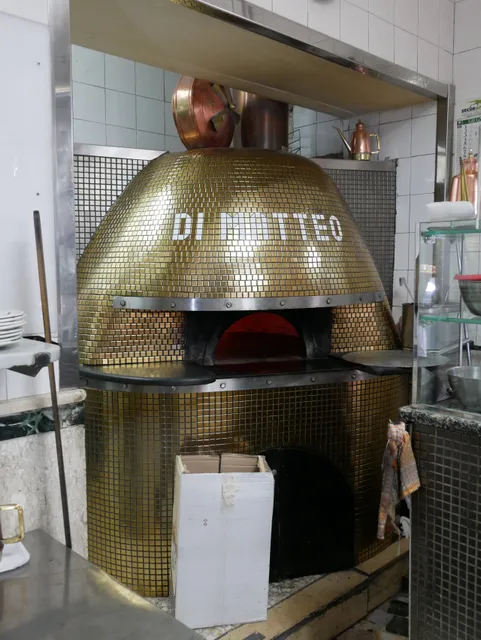
Antica Pizzeria Di Matteo
4.3
(5.6K)
Open until 12:00 AM
Click for details
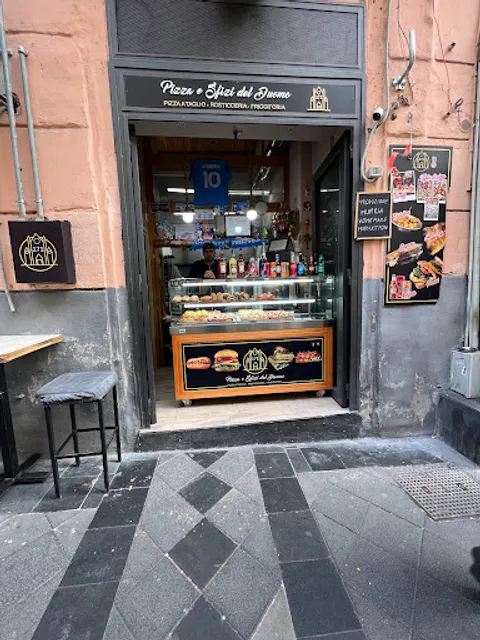
Pizza e sfizi del duomo 171
4.6
(614)
Closed
Click for details
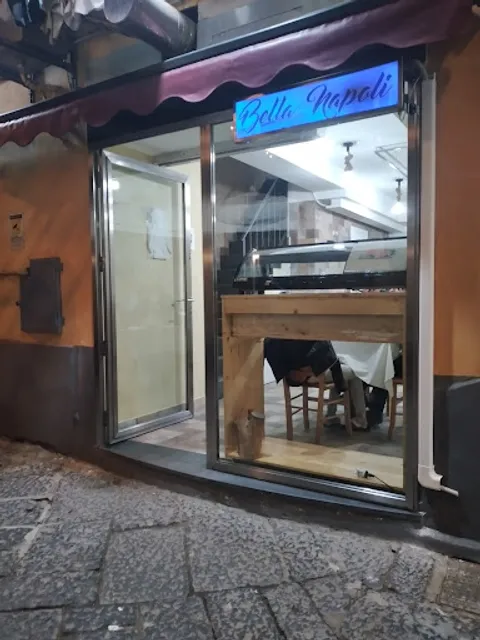
Trattoria Pizzeria Bella Napoli Centro - Chef dal 1990
4.7
(2.9K)
Closed
Click for details
Nearby local services of Duomo di Santa Maria Assunta
Cathedral of Santa Maria Assunta
Via dei Tribunali
Via S. Gregorio Armeno
Via Duomo
Farmacia Del Duomo Di Dott. Malfe' Giancarlo
Via San Gregorio Armeno
I Minopoli a San Gregorio Armeno
Naplesbay Cooking Lab
Rosso Di Vino
Sansevero Chapel Museum
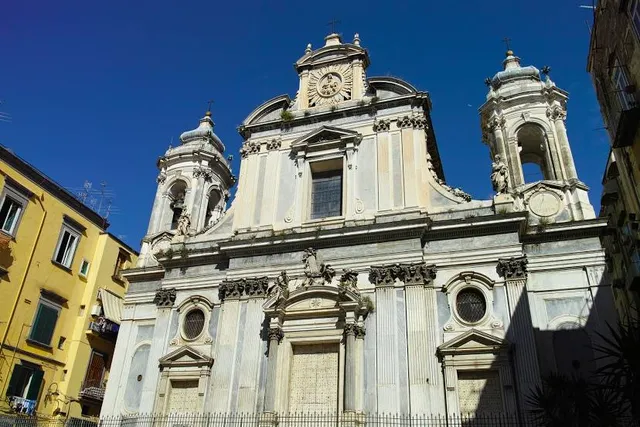
Cathedral of Santa Maria Assunta
4.7
(7K)
Click for details
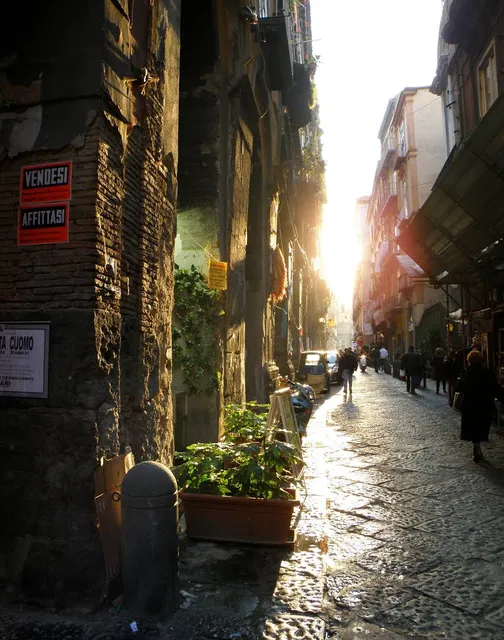
Via dei Tribunali
4.7
(526)
Click for details
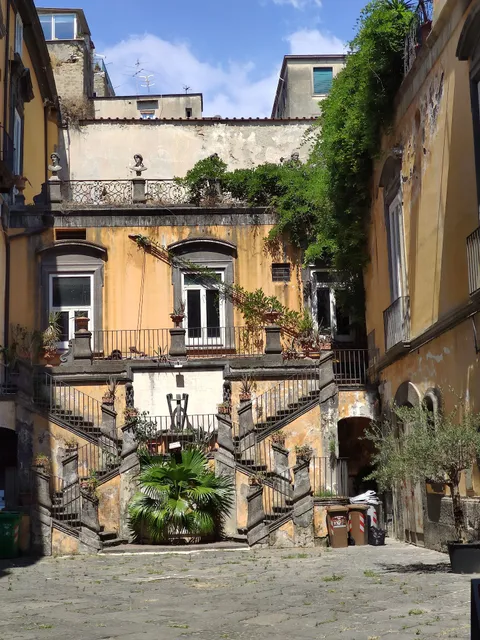
Via S. Gregorio Armeno
4.7
(1.5K)
Click for details
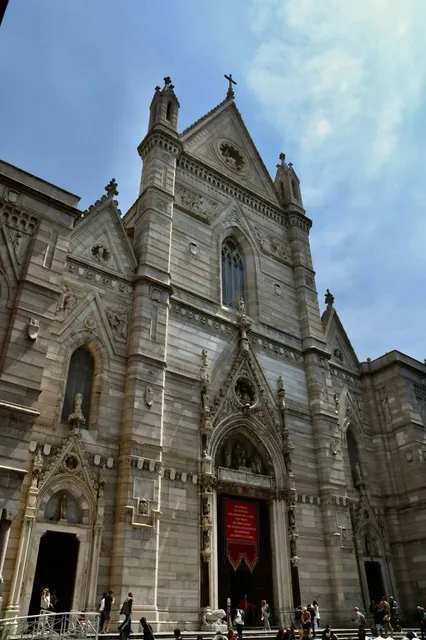
Via Duomo
4.6
(171)
Click for details


The hit list


Plan your trip with Wanderboat
Welcome to Wanderboat AI, your AI search for local Eats and Fun, designed to help you explore your city and the world with ease.
Powered by Wanderboat AI trip planner.