HTML SitemapExplore
logo
Find Things to DoFind The Best Restaurants

Cattedrale di Santa Maria Annunziata — Attraction in Otranto

Name
Cattedrale di Santa Maria Annunziata
Description
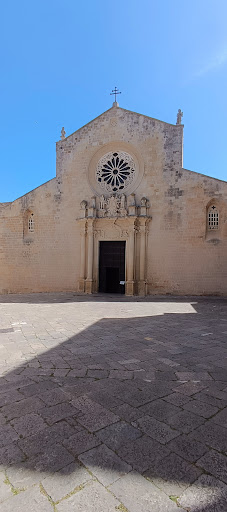
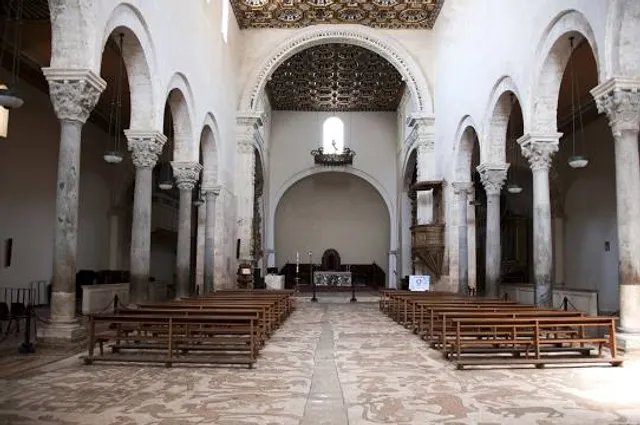
Otranto Cathedral is a Roman Catholic cathedral in the Italian city of Otranto, dedicated to the Annunciation of the Virgin Mary. It is the archiepiscopal seat of the Archdiocese of Otranto. The cathedral was consecrated in 1088.
Nearby attractions
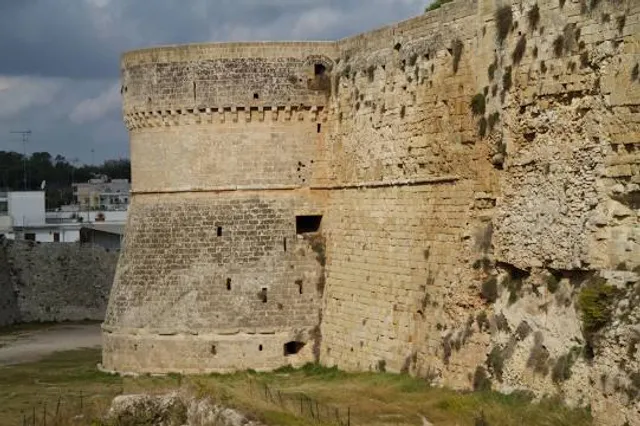
Aragonese Castle of Otranto
Piazza Castello, 73028 Otranto LE, Italy
Alphonse Tower
73028 Otranto, Province of Lecce, Italy
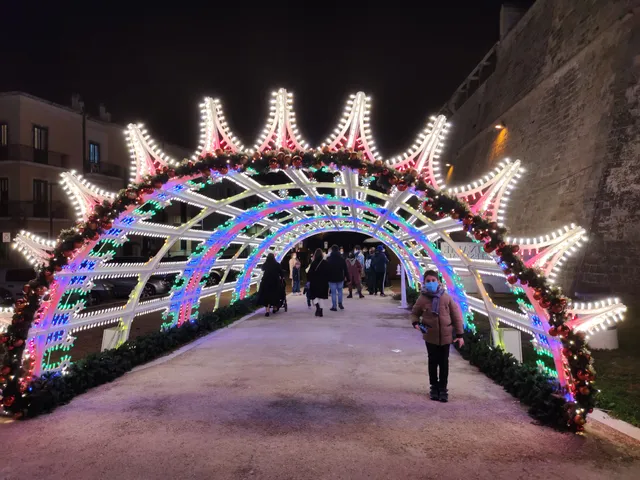
Luminarie Otranto
Via delle Torri, 1, 73028 Otranto LE, Italy
Pelasgians Bastion
73028 Otranto, Province of Lecce, Italy
Spiaggia dei Gradoni
Via Lungomare Kennedy, 73028 Otranto LE, Italy
Cappella della Madonna dell'Altomare
Via Punta, 2/3, 73028 Otranto LE, Italy
Abil Beach Otranto - Servizio di spiaggia accessibile AD USO ESCLUSIVO DELLE PERSONE CON DISABILITÀ
Via Lungomare Kennedy, 73028 Otranto LE, Italy
Spiaggia della Riviera degli Haethei
Via Riviera Haethei, 73028 Otranto LE, Italy
Nearby restaurants
SoFish
Corso Garibaldi, 39, 73028 Otranto LE, Italy
La Bella Idrusa
Lungomare degli Eroi, 1, 73028 Otranto LE, Italy
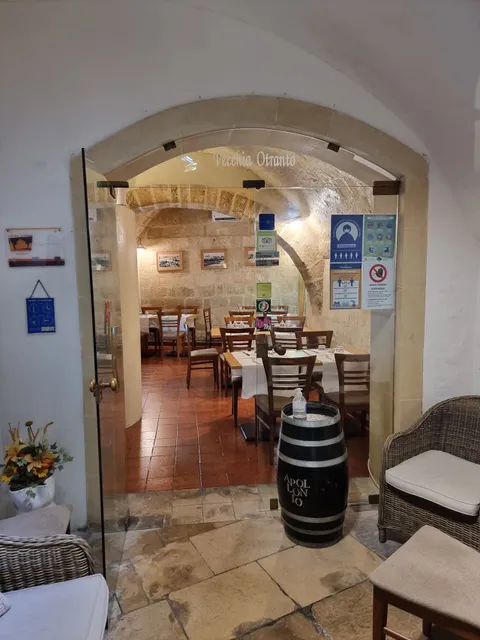
Vecchia Otranto
Corso Garibaldi, 52, 73028 Otranto LE, Italy
Peccato di Vino
Via Rondachi, 7, 73028 Otranto LE, Italy
Trattoria Pizzeria Bibbó
Largo Cavour, 1, 73028 Otranto LE, Italy
ArborVitae - Otranto
Via G. M. Laggetto, 38, 73028 Otranto LE, Italy
Summer Fish cucina tipica ristorante
Via delle Torri, 4, 73028 Otranto LE, Italy
LaltroBaffo Ristorante
Via Cenobio Basiliano, 23, 73028 Otranto LE, Italy
La Polperia Fish Bar and Restaurant
Via Antonio De Ferraris, 38, 73028 Otranto LE, Italy
Da Sergio
Corso Garibaldi, 9, 73028 Otranto LE, Italy
Related posts
Keywords
Cattedrale di Santa Maria Annunziata tourism.Cattedrale di Santa Maria Annunziata hotels.Cattedrale di Santa Maria Annunziata bed and breakfast. flights to Cattedrale di Santa Maria Annunziata.Cattedrale di Santa Maria Annunziata attractions.Cattedrale di Santa Maria Annunziata restaurants.Cattedrale di Santa Maria Annunziata travel.Cattedrale di Santa Maria Annunziata travel guide.Cattedrale di Santa Maria Annunziata travel blog.Cattedrale di Santa Maria Annunziata pictures.Cattedrale di Santa Maria Annunziata photos.Cattedrale di Santa Maria Annunziata travel tips.Cattedrale di Santa Maria Annunziata maps.Cattedrale di Santa Maria Annunziata things to do.
Cattedrale di Santa Maria Annunziata things to do, attractions, restaurants, events info and trip planning
Cattedrale di Santa Maria Annunziata
ItalyApuliaOtrantoCattedrale di Santa Maria Annunziata

Basic Info

Cattedrale di Santa Maria Annunziata

73028 Otranto, Province of Lecce, Italy
4.7(1.1K)
Closed
Save
spot

Ratings & Description

Info

Otranto Cathedral is a Roman Catholic cathedral in the Italian city of Otranto, dedicated to the Annunciation of the Virgin Mary. It is the archiepiscopal seat of the Archdiocese of Otranto. The cathedral was consecrated in 1088.

Cultural
Accessibility
attractions: Aragonese Castle of Otranto, Alphonse Tower, Luminarie Otranto, Pelasgians Bastion, Spiaggia dei Gradoni, Cappella della Madonna dell'Altomare, Abil Beach Otranto - Servizio di spiaggia accessibile AD USO ESCLUSIVO DELLE PERSONE CON DISABILITÀ, Spiaggia della Riviera degli Haethei, restaurants: SoFish, La Bella Idrusa, Vecchia Otranto, Peccato di Vino, Trattoria Pizzeria Bibbó, ArborVitae - Otranto, Summer Fish cucina tipica ristorante, LaltroBaffo Ristorante, La Polperia Fish Bar and Restaurant, Da Sergio
logoLearn more insights from Wanderboat AI.
Phone
+39 0836 802720
Website
mosaicodiotranto.com
Open hoursSee all hours
Fri8:30 AM - 12 PM, 3 - 7 PMClosed

Plan your stay

hotel
Pet-friendly Hotels in Otranto
Find a cozy hotel nearby and make it a full experience.

hotel
Affordable Hotels in Otranto
Find a cozy hotel nearby and make it a full experience.

hotel
The Coolest Hotels You Haven't Heard Of (Yet)
Find a cozy hotel nearby and make it a full experience.

hotel
Trending Stays Worth the Hype in Otranto
Find a cozy hotel nearby and make it a full experience.

Reviews

Nearby attractions of Cattedrale di Santa Maria Annunziata

Aragonese Castle of Otranto

Alphonse Tower

Luminarie Otranto

Pelasgians Bastion

Spiaggia dei Gradoni

Cappella della Madonna dell'Altomare

Abil Beach Otranto - Servizio di spiaggia accessibile AD USO ESCLUSIVO DELLE PERSONE CON DISABILITÀ

Spiaggia della Riviera degli Haethei

Aragonese Castle of Otranto

Aragonese Castle of Otranto

4.4

(2.9K)

Closed
Click for details
Alphonse Tower

Alphonse Tower

4.6

(32)

Open until 12:00 AM
Click for details
Luminarie Otranto

Luminarie Otranto

2.2

(13)

Open 24 hours
Click for details
Pelasgians Bastion

Pelasgians Bastion

4.8

(21)

Open 24 hours
Click for details

Things to do nearby

Art as therapy for the soul
Thu, Dec 4 • 9:00 AM
73035, Miggiano, Apulia, Italy
View details
Orecchiette and tiramisu in my tavern
Thu, Dec 4 • 6:00 PM
73030, Giuggianello, Apulia, Italy
View details
LE CASSETTE DALLORTO SINERGICO
Sat, Dec 6 • 12:30 AM
SP275, 73021 Calimera
View details

Nearby restaurants of Cattedrale di Santa Maria Annunziata

SoFish

La Bella Idrusa

Vecchia Otranto

Peccato di Vino

Trattoria Pizzeria Bibbó

ArborVitae - Otranto

Summer Fish cucina tipica ristorante

LaltroBaffo Ristorante

La Polperia Fish Bar and Restaurant
Da Sergio

SoFish

SoFish

4.3

(1.4K)

Click for details
La Bella Idrusa

La Bella Idrusa

4.1

(1.1K)

$$

Closed
Click for details
Vecchia Otranto

Vecchia Otranto

4.4

(609)

$$

Click for details
Peccato di Vino

Peccato di Vino

4.4

(375)

Click for details
Get the Appoverlay
Get the AppOne tap to find yournext favorite spots!
Wanderboat LogoWanderboat

Your everyday Al companion for getaway ideas

CompanyAbout Us
InformationAI Trip PlannerSitemap
SocialXInstagramTiktokLinkedin
LegalTerms of ServicePrivacy Policy

Get the app

© 2025 Wanderboat. All rights reserved.
logo

Posts

Krzysztof RemusKrzysztof Remus
A must-see in absolutely every city in Italy is the cathedral. I try not to describe or judge them because I am a secular person. However, the one in Otranto impressed me so much that I would like to recommend a visit here to absolutely everyone. What catches the eye right at the entrance is a very special mosaic along the entire length of the church. This story, made of tiny stones, shows the great Tree of Life in its central point. From its roots at the base to the crown we can see stories from the Old Testament, a vision of the world of people from hundreds of years ago and scenes straight from the Divine Comedy by Dante Alighieri. And they were the ones that impressed me the most. I come from Poland, where in the 11th century, when the cathedral was built, religion was just developing. It is not usual for us to present scenes from hell, people devoured by animals or punished for their crimes. One of the side naves of the church is dedicated to the memory of 800 victims after the siege by the Turks. The walls of this room are decorated with... skulls of murdered people. Empty eye sockets stare at you from three sides, like from some horror movie. The nightmare-like scene made an impression on everyone who decided to walk around the room. The main theme of the tour of the old town of Otranto was the siege and the heroic defense by its inhabitants. The cathedral is a kind of closing of history. I'm glad I had the opportunity to visit it. It casts a shadow and mistery over the beautiful white walls of the fortress, but it also gives the city a unique character.
Fernando PataconaFernando Patacona
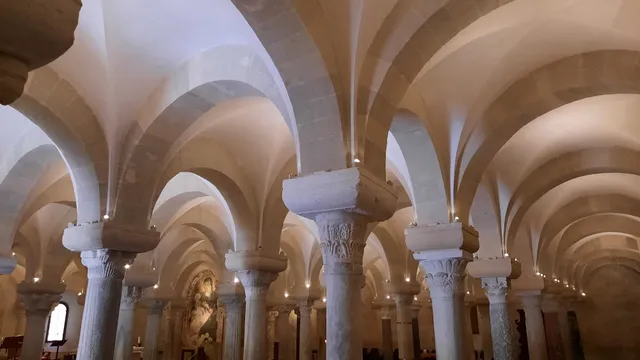
La ciudad de Otranto está ubicada en un promontorio rocoso en la parte más oriental de la península italiana, bañada por las azules aguas del mar Adriático. Una ciudad por la que han pasado numerosos pueblos a lo largo de la historia, griegos, romanos, bizantinos, normandos, franceses y españoles, lo que ha hecho de estas tierras un crisol de culturas que la han enriquecido hasta convertirla en una de las ciudades más bonitas de Italia. Otranto tiene un encanto especial, con un precioso casco histórico de calles peatonales empedradas, rodeado por las antiguas murallas medievales. La ciudad está declarada como Patrimonio Cultural de la Unesco, destacando especialmente la catedral y el castillo Aragonés. Y siempre con el mar Adriático como telón de fondo. La catedral de la Anunciación de Santa María fue construida en el año 1088 por los normandos. Su estética amalgama diversos estilos arquitectónicos que combinan tanto elementos bizantinos como románicos. La fachada principal es bastante sobria y austera, sin grandes ornamentos. Únicamente, destaca la portada principal construida en el siglo XVII en estilo barroco, con dos pares de columnas estriadas con capiteles corintios rematadas por pináculos. Sobre el dintel de la puerta se abre un gran frontón con dos ángeles tenantes que sostienen el escudo arzobispal. Por encima de esta portada se abre un gran rosetón circular de estilo gótico. La catedral tiene planta de tres naves con la nave central más alta y ancha que las laterales. Las naves están separadas entre sí por columnas de granito con capiteles corintios adornados con volutas. El techo es un precioso artesonado de madera del siglo XVII decorado con rosetones octogonales y cruces doradas y blancas. Durante el siglo XV el reino de Nápoles se encontraba bajo dominio de la Corona de Aragón. En el año 1480 se produjo uno de los hechos más luctuosos y tristes de la historia de Otranto. Un gran ejército de turcos-otomanos compuesto por miles de soldados fondearon en el puerto de Otranto bombardeando la ciudad durante varios días. Una parte de la población se refugió en la ciudadela del castillo hasta que, finalmente, tras varios días de asedio y bombardeos las tropas otomanas entraron en el castillo. La mayor parte de los hombres mayores de 15 años fueron asesinados, mientras que las mujeres y los niños fueron capturados y llevados a Constantinopla donde fueron vendidos como esclavos. A los supervivientes que se habían refugiado en la catedral les ofrecieron el perdón, siempre y cuando renunciaran a su fe cristiana y se convirtieran al Islam. Estos se negaron por lo que fueron martirizados y decapitados. La ciudad fue retomada un año después por el rey Fernando I (hijo del rey aragonés Alfonso V el Magnánimo). En el siglo XVIII el Papa Clemente XIV beatificó a estos más de 800 mártires cristianos ordenando, además, la construcción de una capilla que albergara sus osamentas. En el ábside semicircular de la nave lateral de la Epístola, a la derecha de la nave central, se ubica la capilla de los Mártires, construida a finales del siglo XVIII, donde se apilan las calaveras y los huesos de los otrantinos que se negaron a someterse a los otomanos. Sin embargo, lo más destacado de la catedral de Otranto es el pavimento que ocupa todo el templo. Un mosaico del siglo XII, denominado "el Árbol de la Vida", en el que se representan diversas escenas del Antiguo Testamento combinadas con signos del zodiaco y animales mitológicos y fantásticos. Una auténtica obra maestra del arte medieval que no te puedes perder. Bajo el ábside central se encuentra una cripta bizantina rodeada de un "bosque" de columnas de mármol con capiteles muy variados y restos de pinturas románicas en las paredes. En algunas de sus paredes aún se conservan restos de pinturas al fresco de estilo bizantino. La visita a la catedral es libre y gratuita. Se puede visitar todos los días con un horario de 7 a 12 y de 15 a 19 horas. La catedral de Santa Maria de la Annunziata es una visita imprescindible en Otranto.
stewart williamsstewart williams
Like every single cathedral, basilica and church I have visited in Italy, the Cathedral di Santa Maria in Otranto is fantastic. First consecrated in 1088. Highlights inside the Otranto Cathedral include the well preserved 12th Century (1164) mosaic floor/pavement, and the chapel of martyrs where you will find 3 large glass fronted panels showing the limbs and skull bones of 800 or so local Christians killed by invading Ottoman Turks in 1480....look very carefully at the middle panel....are those 6 bullet holes in the top of the skull of one poor individual? Or are they something else? May they all rest in peace. But please make sure you also visit the Cathedral Museum right next door. For a modest 5 euro entrance fee you can marvel at many of the cathedral's religious and artistic treasures ......including a gold thread decorated-silk 17th Century bishop's cloak, a exquisitely embroided 17th Century artisan's dress, silver altar adorations, 3D stone reliefs, and a full map/composite of the mosaic floor inside the cathedral. What a privilege. Grazie Otranto ......Stewart from New Zealand
See more posts
See more posts
hotel
Find your stay

Pet-friendly Hotels in Otranto

Find a cozy hotel nearby and make it a full experience.

A must-see in absolutely every city in Italy is the cathedral. I try not to describe or judge them because I am a secular person. However, the one in Otranto impressed me so much that I would like to recommend a visit here to absolutely everyone. What catches the eye right at the entrance is a very special mosaic along the entire length of the church. This story, made of tiny stones, shows the great Tree of Life in its central point. From its roots at the base to the crown we can see stories from the Old Testament, a vision of the world of people from hundreds of years ago and scenes straight from the Divine Comedy by Dante Alighieri. And they were the ones that impressed me the most. I come from Poland, where in the 11th century, when the cathedral was built, religion was just developing. It is not usual for us to present scenes from hell, people devoured by animals or punished for their crimes. One of the side naves of the church is dedicated to the memory of 800 victims after the siege by the Turks. The walls of this room are decorated with... skulls of murdered people. Empty eye sockets stare at you from three sides, like from some horror movie. The nightmare-like scene made an impression on everyone who decided to walk around the room. The main theme of the tour of the old town of Otranto was the siege and the heroic defense by its inhabitants. The cathedral is a kind of closing of history. I'm glad I had the opportunity to visit it. It casts a shadow and mistery over the beautiful white walls of the fortress, but it also gives the city a unique character.
Krzysztof Remus

Krzysztof Remus

hotel
Find your stay

Affordable Hotels in Otranto

Find a cozy hotel nearby and make it a full experience.

Get the Appoverlay
Get the AppOne tap to find yournext favorite spots!
La ciudad de Otranto está ubicada en un promontorio rocoso en la parte más oriental de la península italiana, bañada por las azules aguas del mar Adriático. Una ciudad por la que han pasado numerosos pueblos a lo largo de la historia, griegos, romanos, bizantinos, normandos, franceses y españoles, lo que ha hecho de estas tierras un crisol de culturas que la han enriquecido hasta convertirla en una de las ciudades más bonitas de Italia. Otranto tiene un encanto especial, con un precioso casco histórico de calles peatonales empedradas, rodeado por las antiguas murallas medievales. La ciudad está declarada como Patrimonio Cultural de la Unesco, destacando especialmente la catedral y el castillo Aragonés. Y siempre con el mar Adriático como telón de fondo. La catedral de la Anunciación de Santa María fue construida en el año 1088 por los normandos. Su estética amalgama diversos estilos arquitectónicos que combinan tanto elementos bizantinos como románicos. La fachada principal es bastante sobria y austera, sin grandes ornamentos. Únicamente, destaca la portada principal construida en el siglo XVII en estilo barroco, con dos pares de columnas estriadas con capiteles corintios rematadas por pináculos. Sobre el dintel de la puerta se abre un gran frontón con dos ángeles tenantes que sostienen el escudo arzobispal. Por encima de esta portada se abre un gran rosetón circular de estilo gótico. La catedral tiene planta de tres naves con la nave central más alta y ancha que las laterales. Las naves están separadas entre sí por columnas de granito con capiteles corintios adornados con volutas. El techo es un precioso artesonado de madera del siglo XVII decorado con rosetones octogonales y cruces doradas y blancas. Durante el siglo XV el reino de Nápoles se encontraba bajo dominio de la Corona de Aragón. En el año 1480 se produjo uno de los hechos más luctuosos y tristes de la historia de Otranto. Un gran ejército de turcos-otomanos compuesto por miles de soldados fondearon en el puerto de Otranto bombardeando la ciudad durante varios días. Una parte de la población se refugió en la ciudadela del castillo hasta que, finalmente, tras varios días de asedio y bombardeos las tropas otomanas entraron en el castillo. La mayor parte de los hombres mayores de 15 años fueron asesinados, mientras que las mujeres y los niños fueron capturados y llevados a Constantinopla donde fueron vendidos como esclavos. A los supervivientes que se habían refugiado en la catedral les ofrecieron el perdón, siempre y cuando renunciaran a su fe cristiana y se convirtieran al Islam. Estos se negaron por lo que fueron martirizados y decapitados. La ciudad fue retomada un año después por el rey Fernando I (hijo del rey aragonés Alfonso V el Magnánimo). En el siglo XVIII el Papa Clemente XIV beatificó a estos más de 800 mártires cristianos ordenando, además, la construcción de una capilla que albergara sus osamentas. En el ábside semicircular de la nave lateral de la Epístola, a la derecha de la nave central, se ubica la capilla de los Mártires, construida a finales del siglo XVIII, donde se apilan las calaveras y los huesos de los otrantinos que se negaron a someterse a los otomanos. Sin embargo, lo más destacado de la catedral de Otranto es el pavimento que ocupa todo el templo. Un mosaico del siglo XII, denominado "el Árbol de la Vida", en el que se representan diversas escenas del Antiguo Testamento combinadas con signos del zodiaco y animales mitológicos y fantásticos. Una auténtica obra maestra del arte medieval que no te puedes perder. Bajo el ábside central se encuentra una cripta bizantina rodeada de un "bosque" de columnas de mármol con capiteles muy variados y restos de pinturas románicas en las paredes. En algunas de sus paredes aún se conservan restos de pinturas al fresco de estilo bizantino. La visita a la catedral es libre y gratuita. Se puede visitar todos los días con un horario de 7 a 12 y de 15 a 19 horas. La catedral de Santa Maria de la Annunziata es una visita imprescindible en Otranto.
Fernando Patacona

Fernando Patacona

hotel
Find your stay

The Coolest Hotels You Haven't Heard Of (Yet)

Find a cozy hotel nearby and make it a full experience.

hotel
Find your stay

Trending Stays Worth the Hype in Otranto

Find a cozy hotel nearby and make it a full experience.

Like every single cathedral, basilica and church I have visited in Italy, the Cathedral di Santa Maria in Otranto is fantastic. First consecrated in 1088. Highlights inside the Otranto Cathedral include the well preserved 12th Century (1164) mosaic floor/pavement, and the chapel of martyrs where you will find 3 large glass fronted panels showing the limbs and skull bones of 800 or so local Christians killed by invading Ottoman Turks in 1480....look very carefully at the middle panel....are those 6 bullet holes in the top of the skull of one poor individual? Or are they something else? May they all rest in peace. But please make sure you also visit the Cathedral Museum right next door. For a modest 5 euro entrance fee you can marvel at many of the cathedral's religious and artistic treasures ......including a gold thread decorated-silk 17th Century bishop's cloak, a exquisitely embroided 17th Century artisan's dress, silver altar adorations, 3D stone reliefs, and a full map/composite of the mosaic floor inside the cathedral. What a privilege. Grazie Otranto ......Stewart from New Zealand
stewart williams

stewart williams

See more posts
See more posts

Reviews of Cattedrale di Santa Maria Annunziata

4.7
(1,067)
avatar
5.0
1y

A must-see in absolutely every city in Italy is the cathedral. I try not to describe or judge them because I am a secular person. However, the one in Otranto impressed me so much that I would like to recommend a visit here to absolutely everyone.

What catches the eye right at the entrance is a very special mosaic along the entire length of the church. This story, made of tiny stones, shows the great Tree of Life in its central point. From its roots at the base to the crown we can see stories from the Old Testament, a vision of the world of people from hundreds of years ago and scenes straight from the Divine Comedy by Dante Alighieri. And they were the ones that impressed me the most. I come from Poland, where in the 11th century, when the cathedral was built, religion was just developing. It is not usual for us to present scenes from hell, people devoured by animals or punished for their crimes.

One of the side naves of the church is dedicated to the memory of 800 victims after the siege by the Turks. The walls of this room are decorated with... skulls of murdered people. Empty eye sockets stare at you from three sides, like from some horror movie. The nightmare-like scene made an impression on everyone who decided to walk around the room.

The main theme of the tour of the old town of Otranto was the siege and the heroic defense by its inhabitants. The cathedral is a kind of closing of history. I'm glad I had the opportunity to visit it. It casts a shadow and mistery over the beautiful white walls of the fortress, but it also gives the city a...

   Read more
avatar
5.0
33w

La ciudad de Otranto está ubicada en un promontorio rocoso en la parte más oriental de la península italiana, bañada por las azules aguas del mar Adriático. Una ciudad por la que han pasado numerosos pueblos a lo largo de la historia, griegos, romanos, bizantinos, normandos, franceses y españoles, lo que ha hecho de estas tierras un crisol de culturas que la han enriquecido hasta convertirla en una de las ciudades más bonitas de Italia. Otranto tiene un encanto especial, con un precioso casco histórico de calles peatonales empedradas, rodeado por las antiguas murallas medievales. La ciudad está declarada como Patrimonio Cultural de la Unesco, destacando especialmente la catedral y el castillo Aragonés. Y siempre con el mar Adriático como telón de fondo. La catedral de la Anunciación de Santa María fue construida en el año 1088 por los normandos. Su estética amalgama diversos estilos arquitectónicos que combinan tanto elementos bizantinos como románicos. La fachada principal es bastante sobria y austera, sin grandes ornamentos. Únicamente, destaca la portada principal construida en el siglo XVII en estilo barroco, con dos pares de columnas estriadas con capiteles corintios rematadas por pináculos. Sobre el dintel de la puerta se abre un gran frontón con dos ángeles tenantes que sostienen el escudo arzobispal. Por encima de esta portada se abre un gran rosetón circular de estilo gótico. La catedral tiene planta de tres naves con la nave central más alta y ancha que las laterales. Las naves están separadas entre sí por columnas de granito con capiteles corintios adornados con volutas. El techo es un precioso artesonado de madera del siglo XVII decorado con rosetones octogonales y cruces doradas y blancas. Durante el siglo XV el reino de Nápoles se encontraba bajo dominio de la Corona de Aragón. En el año 1480 se produjo uno de los hechos más luctuosos y tristes de la historia de Otranto. Un gran ejército de turcos-otomanos compuesto por miles de soldados fondearon en el puerto de Otranto bombardeando la ciudad durante varios días. Una parte de la población se refugió en la ciudadela del castillo hasta que, finalmente, tras varios días de asedio y bombardeos las tropas otomanas entraron en el castillo. La mayor parte de los hombres mayores de 15 años fueron asesinados, mientras que las mujeres y los niños fueron capturados y llevados a Constantinopla donde fueron vendidos como esclavos. A los supervivientes que se habían refugiado en la catedral les ofrecieron el perdón, siempre y cuando renunciaran a su fe cristiana y se convirtieran al Islam. Estos se negaron por lo que fueron martirizados y decapitados. La ciudad fue retomada un año después por el rey Fernando I (hijo del rey aragonés Alfonso V el Magnánimo). En el siglo XVIII el Papa Clemente XIV beatificó a estos más de 800 mártires cristianos ordenando, además, la construcción de una capilla que albergara sus osamentas. En el ábside semicircular de la nave lateral de la Epístola, a la derecha de la nave central, se ubica la capilla de los Mártires, construida a finales del siglo XVIII, donde se apilan las calaveras y los huesos de los otrantinos que se negaron a someterse a los otomanos. Sin embargo, lo más destacado de la catedral de Otranto es el pavimento que ocupa todo el templo. Un mosaico del siglo XII, denominado "el Árbol de la Vida", en el que se representan diversas escenas del Antiguo Testamento combinadas con signos del zodiaco y animales mitológicos y fantásticos. Una auténtica obra maestra del arte medieval que no te puedes perder. Bajo el ábside central se encuentra una cripta bizantina rodeada de un "bosque" de columnas de mármol con capiteles muy variados y restos de pinturas románicas en las paredes. En algunas de sus paredes aún se conservan restos de pinturas al fresco de estilo bizantino. La visita a la catedral es libre y gratuita. Se puede visitar todos los días con un horario de 7 a 12 y de 15 a 19 horas. La catedral de Santa Maria de la Annunziata es una visita...

   Read more
avatar
5.0
1y

Like every single cathedral, basilica and church I have visited in Italy, the Cathedral di Santa Maria in Otranto is fantastic. First consecrated in 1088. Highlights inside the Otranto Cathedral include the well preserved 12th Century (1164) mosaic floor/pavement, and the chapel of martyrs where you will find 3 large glass fronted panels showing the limbs and skull bones of 800 or so local Christians killed by invading Ottoman Turks in 1480....look very carefully at the middle panel....are those 6 bullet holes in the top of the skull of one poor individual? Or are they something else? May they all rest in peace.

But please make sure you also visit the Cathedral Museum right next door. For a modest 5 euro entrance fee you can marvel at many of the cathedral's religious and artistic treasures ......including a gold thread decorated-silk 17th Century bishop's cloak, a exquisitely embroided 17th Century artisan's dress, silver altar adorations, 3D stone reliefs, and a full map/composite of the mosaic floor inside the cathedral. What a privilege. Grazie Otranto ......Stewart...

   Read more
Page 1 of 7
Previous
Next