Palermo Cathedral things to do, attractions, restaurants, events info and trip planning
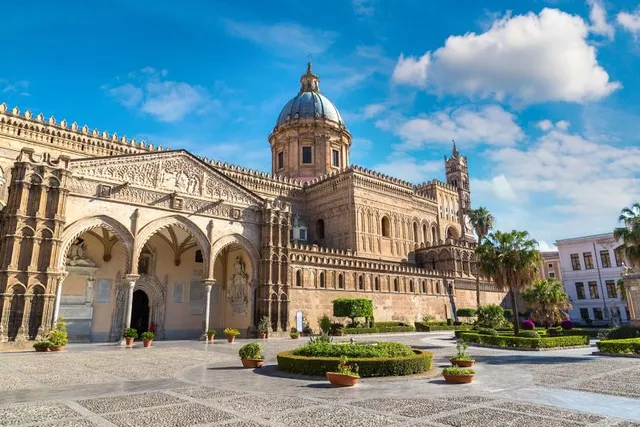
Basic Info
Palermo Cathedral
Via Vittorio Emanuele, 490, 90134 Palermo PA, Italy
4.7(17K)
Open until 5:25 PM
Save
spot
spot
Ratings & Description
Info
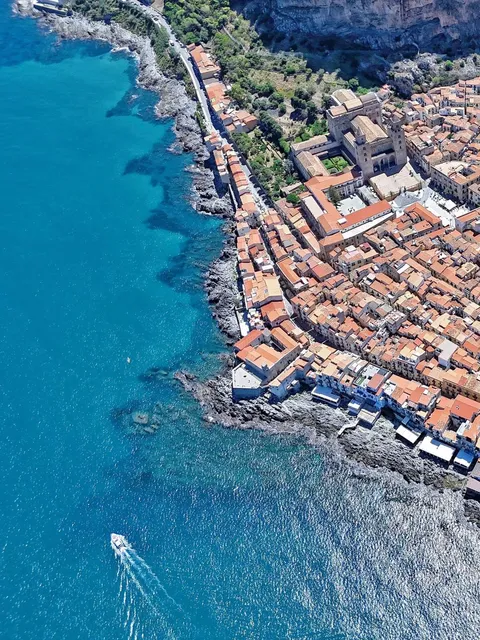
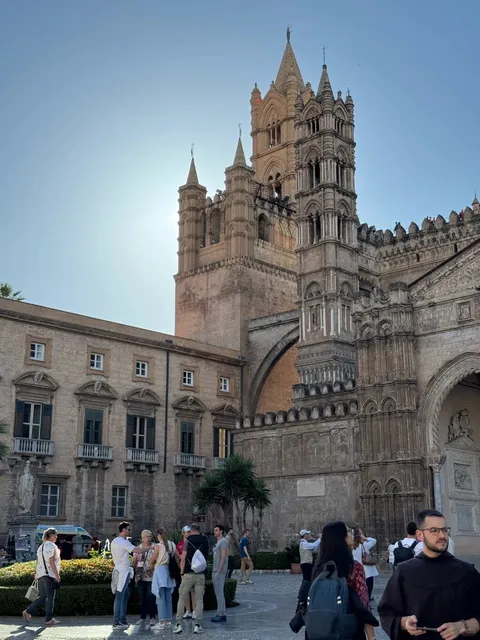
Palermo Cathedral is the cathedral church of the Roman Catholic Archdiocese of Palermo, located in Palermo, Sicily, southern Italy. It is dedicated to the Assumption of the Virgin Mary.
Cultural
Accessibility
attractions: Statua di Santa Rosalia, Museo Diocesano, Villa Bonanno, Norman Palace, Chiesa di Santa Cristina La Vetere, Quattro Canti, Church of Most Holy Saviour, Royal Palace and Palatine Chapel, Count Federico Palace - Museum, MEC Museum, restaurants: BAR MAROCCO, La Galleria, Yogurtlandia Cattedrale, Concetta - Autentico Bistrò Siciliano, MEC Restaurant, Pizzeria KATIA, À Putìa Sicula - Territorio & Taglieri, Dolce capo, Al Fresco giardino, pizza e bistrot, Cappadonia Gelati, local businesses: Opera dei pupi teatro Argento, Arcidiocesi di Palermo, Lilà, Cassaro Bottega Alimentare, Al Chioschetto della Cattedrale, Giambertone Artigiano Orafo, Antique Market, Mercado del Capo, Vino e Cacio - Salumeria, Solo Patate
 Learn more insights from Wanderboat AI.
Phone
+39 091 334373
Website
cattedrale.palermo.it
Open hoursSee all hours
Sat9:30 AM - 5:25 PMOpen
Plan your stay

Pet-friendly Hotels in Palermo
Find a cozy hotel nearby and make it a full experience.

Affordable Hotels in Palermo
Find a cozy hotel nearby and make it a full experience.

The Coolest Hotels You Haven't Heard Of (Yet)
Find a cozy hotel nearby and make it a full experience.

Trending Stays Worth the Hype in Palermo
Find a cozy hotel nearby and make it a full experience.
Reviews
Live events

BELLO BELLO BELLO • Ostello Bello Palermo
Sat, Feb 21 • 8:00 PM
3 Via Galileo Ferraris #5 90133 Palermo
View details

Stand up | Open Mic - 22 Febbraio 2026 - da Ballarak!
Sun, Feb 22 • 7:00 PM
20 Via Castrofilippo 90133 Palermo
View details
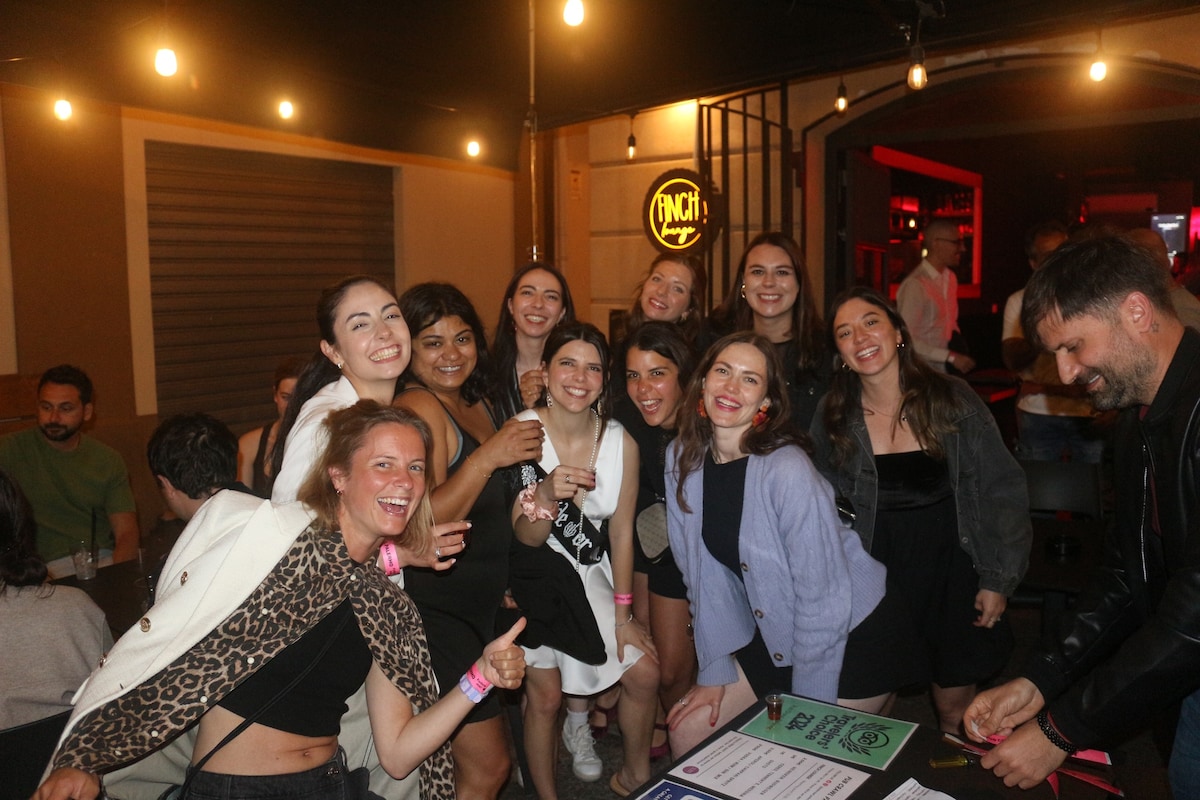
Palermo Bar Crawl
Sat, Feb 21 • 9:30 PM
90133, Palermo, Sicily, Italy
View details
Nearby attractions of Palermo Cathedral
Statua di Santa Rosalia
Museo Diocesano
Villa Bonanno
Norman Palace
Chiesa di Santa Cristina La Vetere
Quattro Canti
Church of Most Holy Saviour
Royal Palace and Palatine Chapel
Count Federico Palace - Museum
MEC Museum
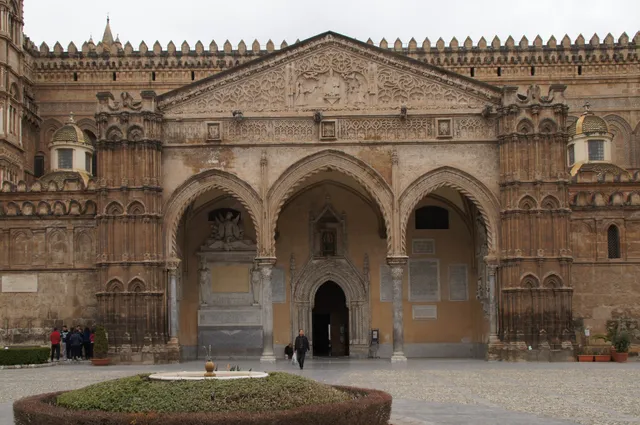
Statua di Santa Rosalia
4.7
(86)
Open 24 hours
Click for details
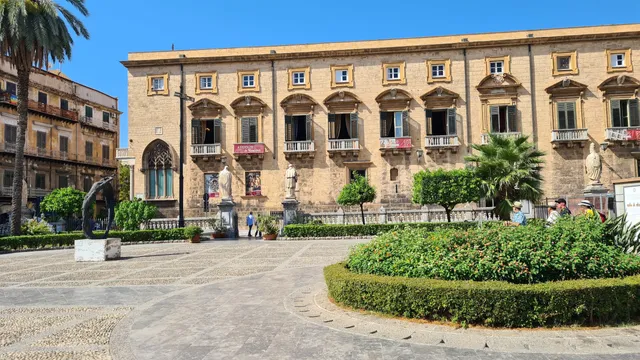
Museo Diocesano
4.3
(98)
Closed
Click for details
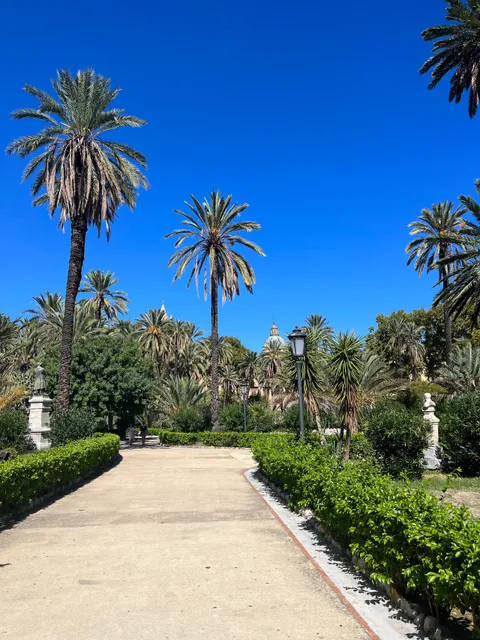
Villa Bonanno
4.5
(574)
Open 24 hours
Click for details
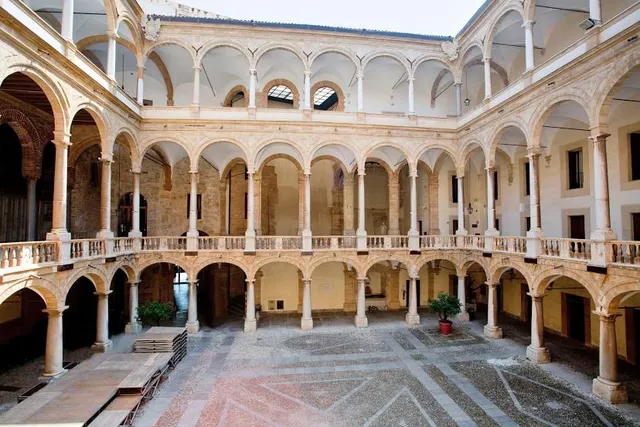
Norman Palace
4.5
(10.6K)
Open until 4:30 PM
Click for details
Nearby restaurants of Palermo Cathedral
BAR MAROCCO
La Galleria
Yogurtlandia Cattedrale
Concetta - Autentico Bistrò Siciliano
MEC Restaurant
Pizzeria KATIA
À Putìa Sicula - Territorio & Taglieri
Dolce capo
Al Fresco giardino, pizza e bistrot
Cappadonia Gelati
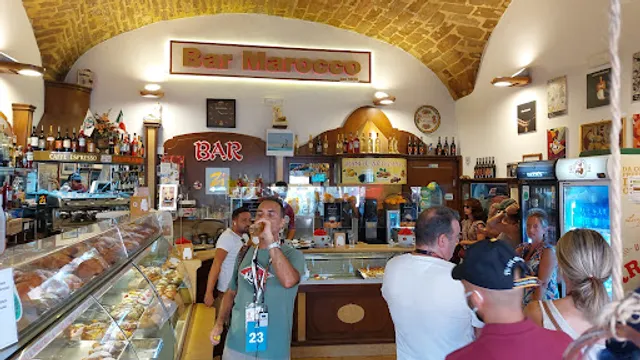
BAR MAROCCO
4.5
(889)
Open until 8:00 PM
Click for details
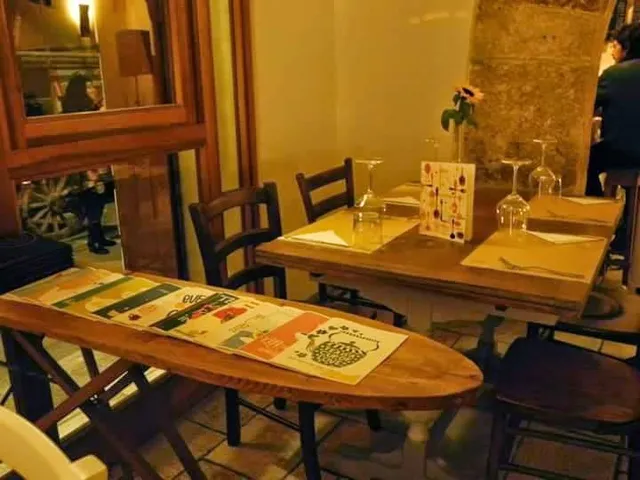
La Galleria
4.6
(1.4K)
Closed
Click for details
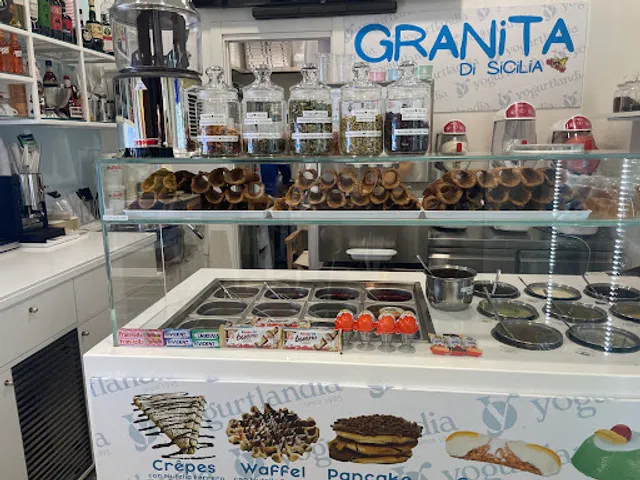
Yogurtlandia Cattedrale
4.7
(365)
Open until 2:00 AM
Click for details
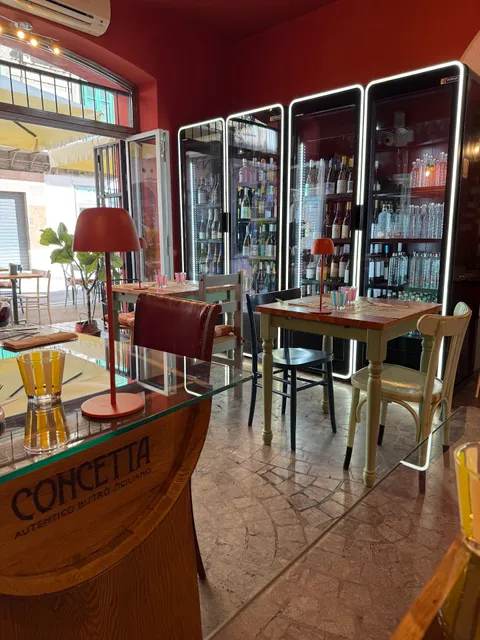
Concetta - Autentico Bistrò Siciliano
4.0
(310)
Click for details
Nearby local services of Palermo Cathedral
Opera dei pupi teatro Argento
Arcidiocesi di Palermo
Lilà
Cassaro Bottega Alimentare
Al Chioschetto della Cattedrale
Giambertone Artigiano Orafo
Antique Market
Mercado del Capo
Vino e Cacio - Salumeria
Solo Patate
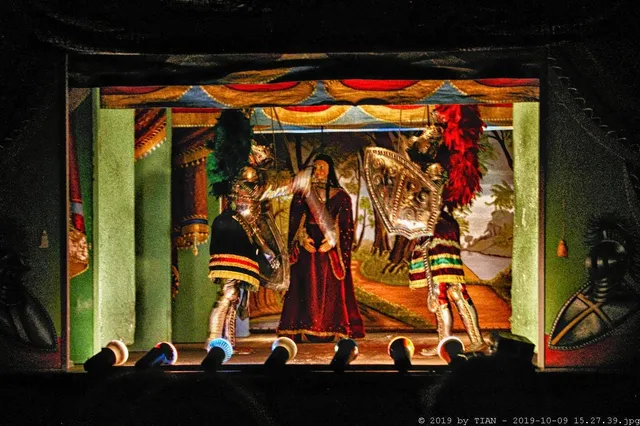
Opera dei pupi teatro Argento
4.8
(114)
Click for details
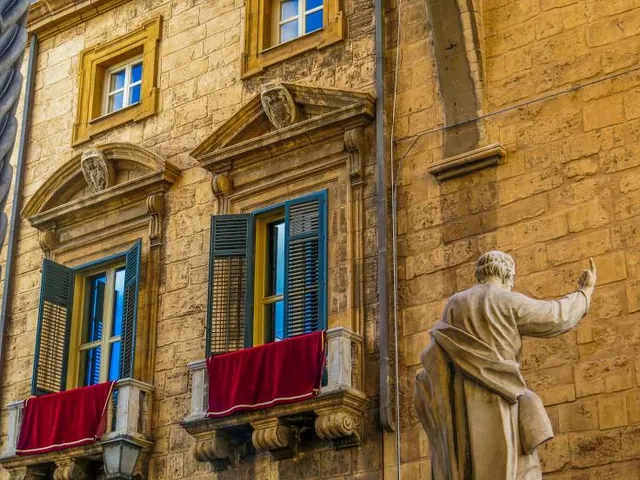
Arcidiocesi di Palermo
4.4
(78)
Click for details
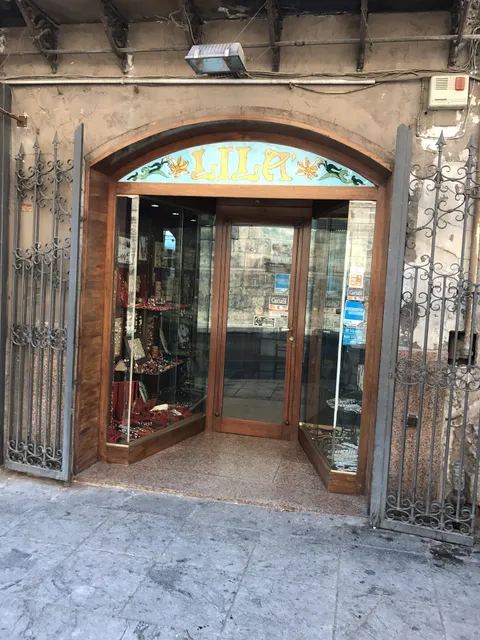
Lilà
4.5
(99)
Click for details
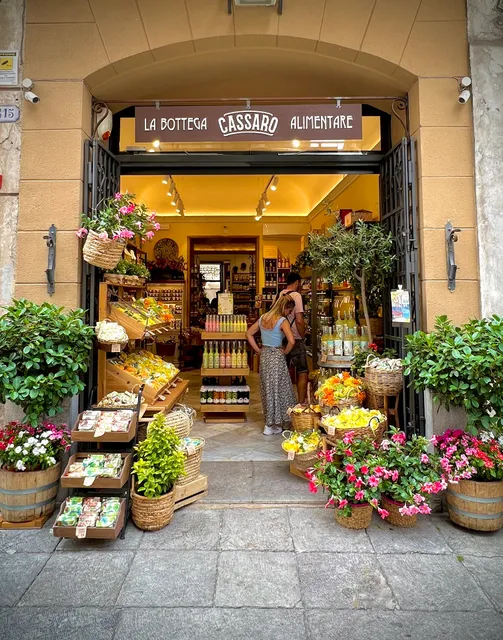
Cassaro Bottega Alimentare
4.9
(302)
Click for details