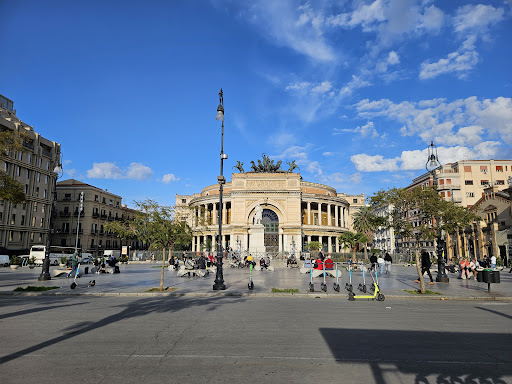
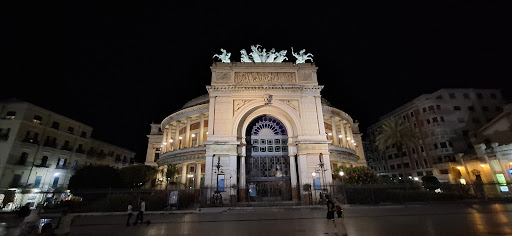
Teatro Politeama Garibaldi things to do, attractions, restaurants, events info and trip planning
Basic Info
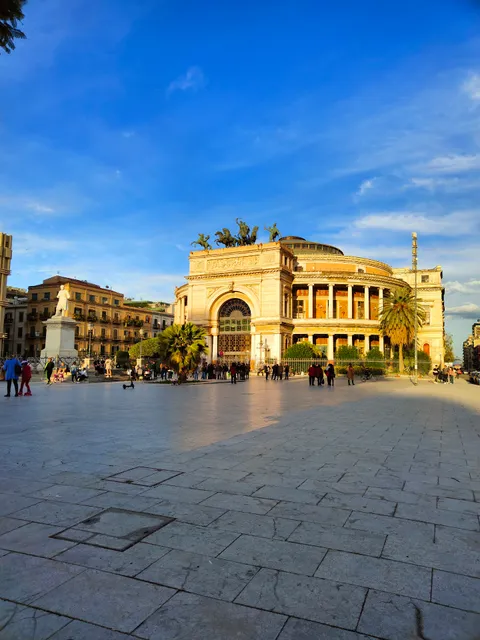
Teatro Politeama Garibaldi
Piazza Ruggero Settimo, 90139 Palermo PA, Italy
4.6(4.9K)
Open 24 hours
Save
spot
spot
Ratings & Description
Info
Cultural
Entertainment
Accessibility
attractions: Teatro Massimo, MOI - Museo delle Illusioni Palermo, Università degli Studi eCampus Palermo, Fecarotta Antichità, Tourist Information Office Palermo, Il Casino delle Muse, Chiesa di San Francesco di Paola, Regional Archeological Museum Antonio Salinas, Medusa Shop Tattoo Parlour, Figli D'Arte Cuticchios, restaurants: de Rione Palermo, Antico Caffè Spinnato, A’ Putìa - Salumeria Panini e Vini | Palermo, Spinnato Politeama, Il Culinario, La Candelaria Ristorante Peruviano, Bagliori Gelateria Artigianale, Osteria Lo Bianco sede storica, Lo Scudiero, Scjavúru, local businesses: Palestra City Center, BARBERIA POLITEAMA, Streaty street food tours of Italy, Panettoneria, Beauty & Spa Centro Benessere, City Sightseeing Palermo, Zappa Palermo, Sciampagna, Louis Vuitton Palermo, Non Solo Donna
 Learn more insights from Wanderboat AI.
Phone
+39 091 607 2532
Website
orchestrasinfonicasiciliana.it
Plan your stay

Pet-friendly Hotels in Palermo
Find a cozy hotel nearby and make it a full experience.

Affordable Hotels in Palermo
Find a cozy hotel nearby and make it a full experience.

The Coolest Hotels You Haven't Heard Of (Yet)
Find a cozy hotel nearby and make it a full experience.

Trending Stays Worth the Hype in Palermo
Find a cozy hotel nearby and make it a full experience.
Reviews
Live events

CREA - Edizione PALERMO
Sun, Mar 1 • 4:00 PM
40 Via Messina Marine 90123 Palermo
View details

Dalla polvere al futuro
Mon, Mar 2 • 5:00 PM
4 Via Paolo Gili 90138 Palermo
View details
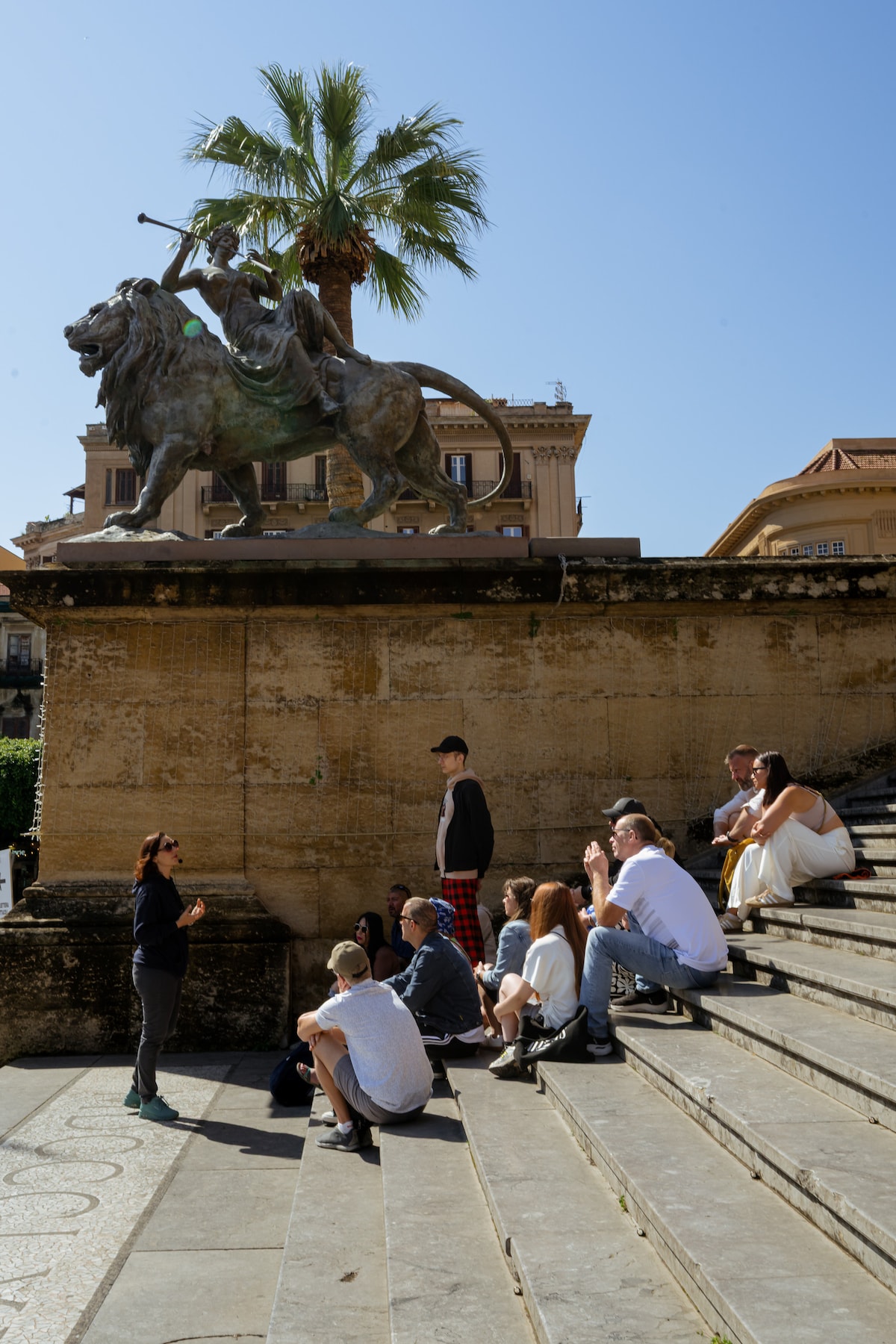
Discovering the anti-mafia rebellion - English
Sat, Feb 28 • 10:00 AM
90138, Palermo, Sicily, Italy
View details
Nearby attractions of Teatro Politeama Garibaldi
Teatro Massimo
MOI - Museo delle Illusioni Palermo
Università degli Studi eCampus Palermo
Fecarotta Antichità
Tourist Information Office Palermo
Il Casino delle Muse
Chiesa di San Francesco di Paola
Regional Archeological Museum Antonio Salinas
Medusa Shop Tattoo Parlour
Figli D'Arte Cuticchios
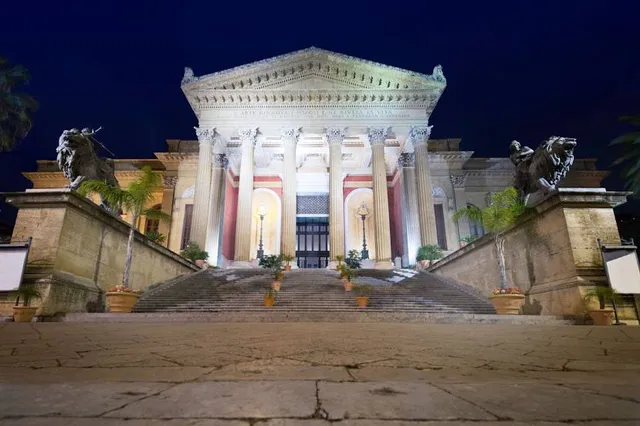
Teatro Massimo
4.7
(18.4K)
Open 24 hours
Click for details

MOI - Museo delle Illusioni Palermo
4.8
(724)
Closed
Click for details
Università degli Studi eCampus Palermo
3.2
(23)
Closed
Click for details
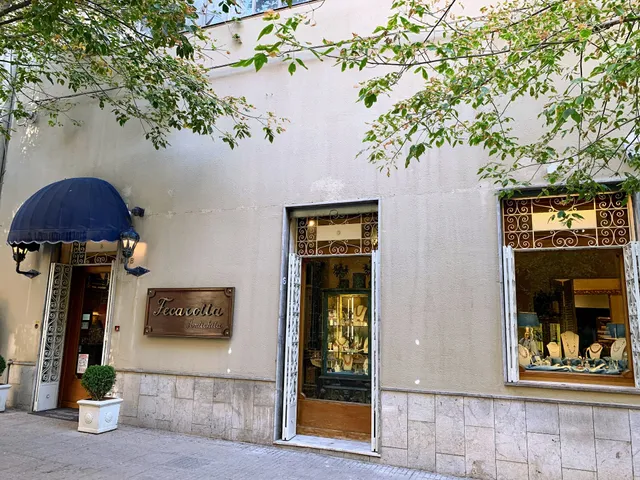
Fecarotta Antichità
4.6
(24)
Closed
Click for details
Nearby restaurants of Teatro Politeama Garibaldi
de Rione Palermo
Antico Caffè Spinnato
A’ Putìa - Salumeria Panini e Vini | Palermo
Spinnato Politeama
Il Culinario
La Candelaria Ristorante Peruviano
Bagliori Gelateria Artigianale
Osteria Lo Bianco sede storica
Lo Scudiero
Scjavúru

de Rione Palermo
4.8
(67)
Closed
Click for details
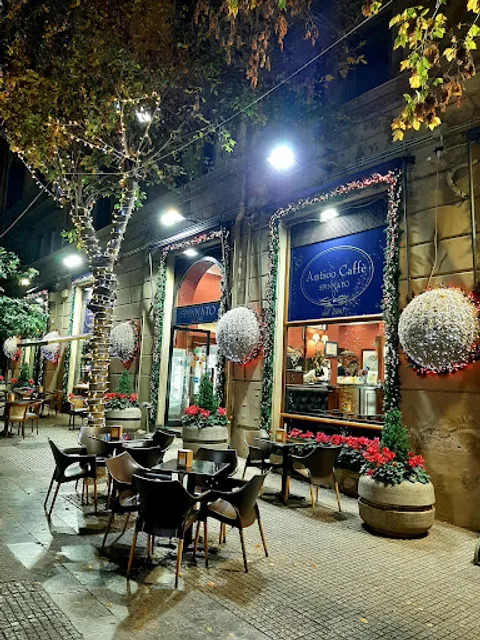
Antico Caffè Spinnato
3.8
(2K)
Closed
Click for details
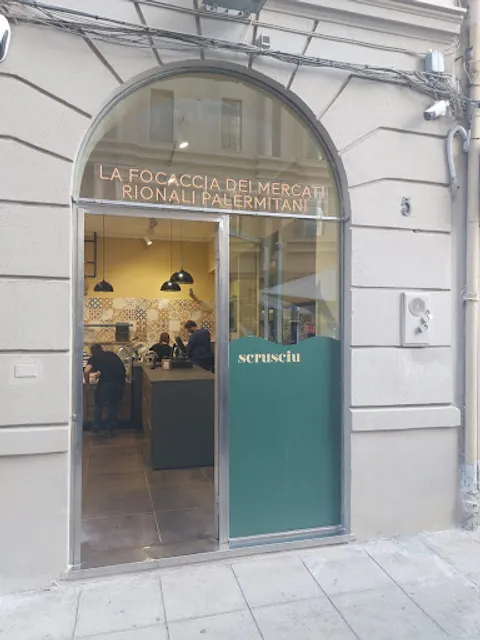
A’ Putìa - Salumeria Panini e Vini | Palermo
4.9
(284)
Open until 12:00 AM
Click for details
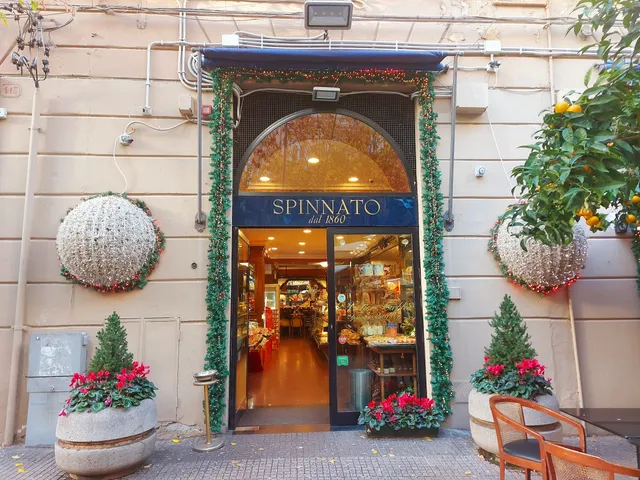
Spinnato Politeama
4.0
(1.3K)
Closed
Click for details
Nearby local services of Teatro Politeama Garibaldi
Palestra City Center
BARBERIA POLITEAMA
Streaty street food tours of Italy
Panettoneria
Beauty & Spa Centro Benessere
City Sightseeing Palermo
Zappa Palermo
Sciampagna
Louis Vuitton Palermo
Non Solo Donna
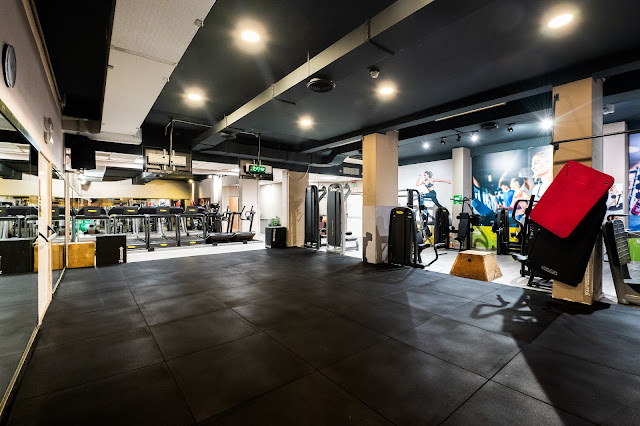
Palestra City Center
4.4
(174)
Click for details

BARBERIA POLITEAMA
4.9
(315)
Click for details
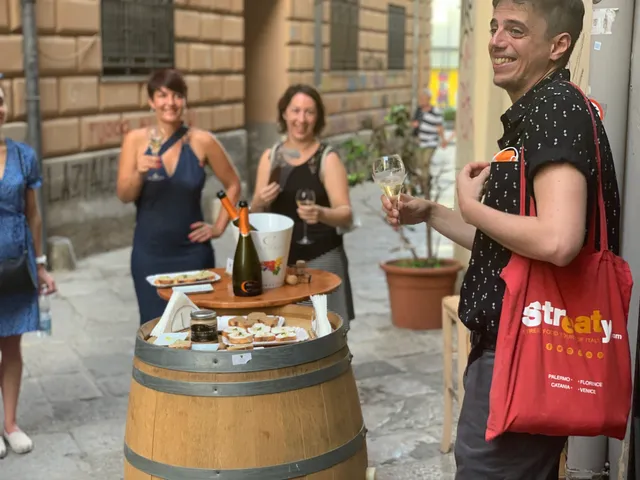
Streaty street food tours of Italy
4.9
(870)
Click for details

Panettoneria
4.1
(24)
Click for details