HTML SitemapExplore
logo
Find Things to DoFind The Best Restaurants

Teatro Massimo — Attraction in Palermo

Name
Teatro Massimo
Description
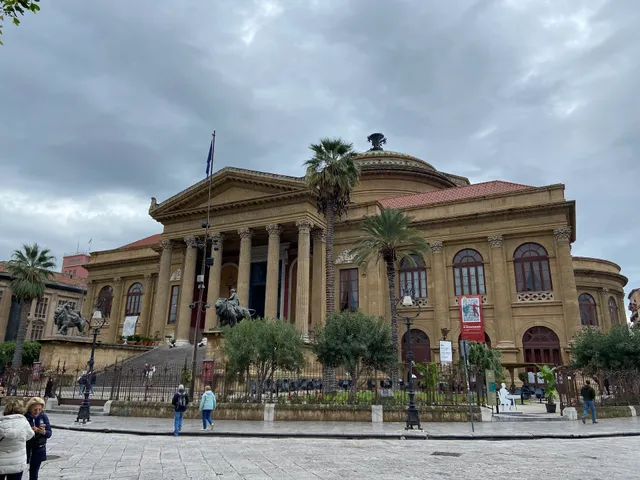
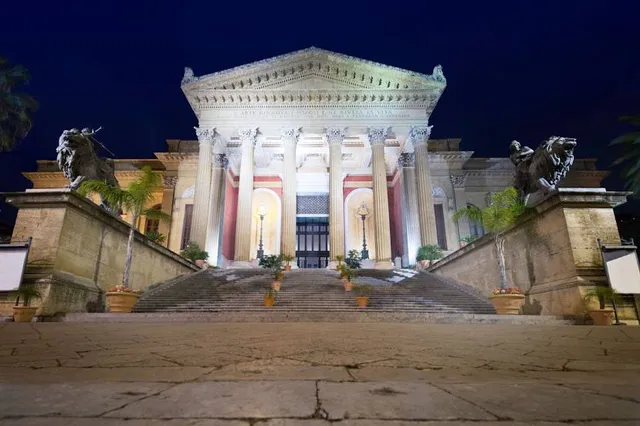
The Teatro Massimo Vittorio Emanuele is an opera house and opera company located on the Piazza Verdi in Palermo, Sicily. It was dedicated to King Victor Emanuel II. It is the biggest in Italy, and one of the largest of Europe, renowned for its perfect acoustics.
Nearby attractions
Teatro al Massimo
P.za Giuseppe Verdi, 9, 90134 Palermo PA, Italy
Regional Archeological Museum Antonio Salinas
Piazza Olivella, 1, 90133 Palermo PA, Italy
MOI - Museo delle Illusioni Palermo
V. Mariano Stabile, 190, 90141 Palermo PA, Italy
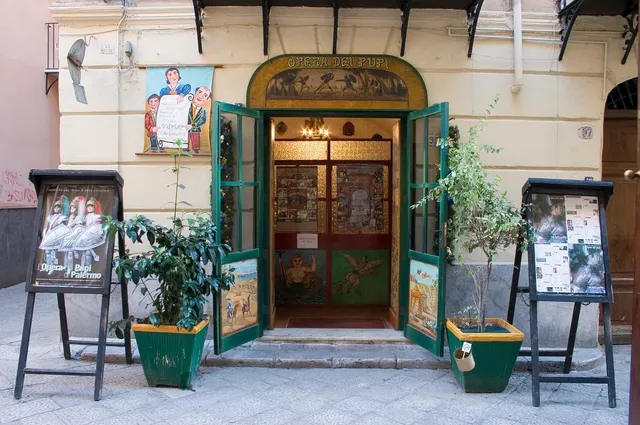
Figli D'Arte Cuticchios
Via Bara All'Olivella, 95, 90133 Palermo PA, Italy
Church of Saint Augustine
Via Francesco Raimondo, 3, 90134 Palermo PA, Italy
Teatro Politeama Garibaldi
Piazza Ruggero Settimo, 90139 Palermo PA, Italy
Church of the Immaculate Conception
V. Mura di Porta Carini, 38, 90134 Palermo PA, Italy
Quattro Canti
Piazza Villena, 90133 Palermo PA, Italy
Chiesa di San Francesco di Paola
Piazza S. Francesco di Paola, 90138 Palermo PA, Italy
Palermo Cathedral
Via Vittorio Emanuele, 490, 90134 Palermo PA, Italy
Nearby restaurants
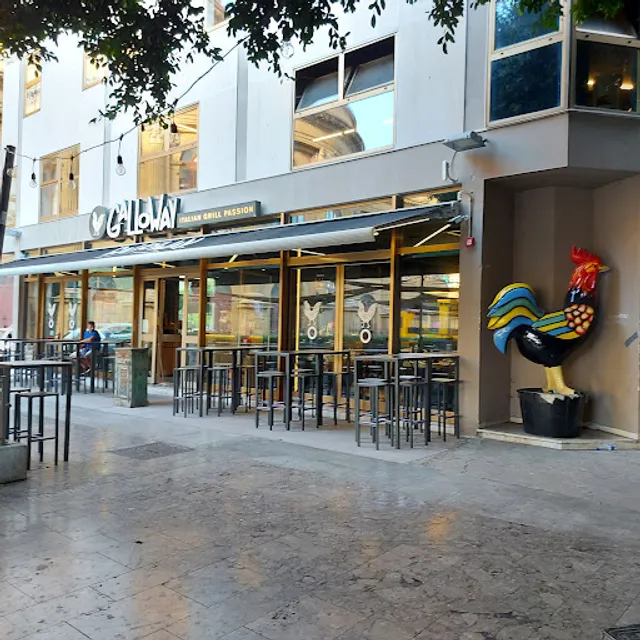
Galloway
P.za Giuseppe Verdi, 54, 90138 Palermo PA, Italy
Al 59
P.za Giuseppe Verdi, 59, 90138 Palermo PA, Italy
Trattoria Del Massimo
P.za Giuseppe Verdi, 25/26, 90138 Palermo PA, Italy
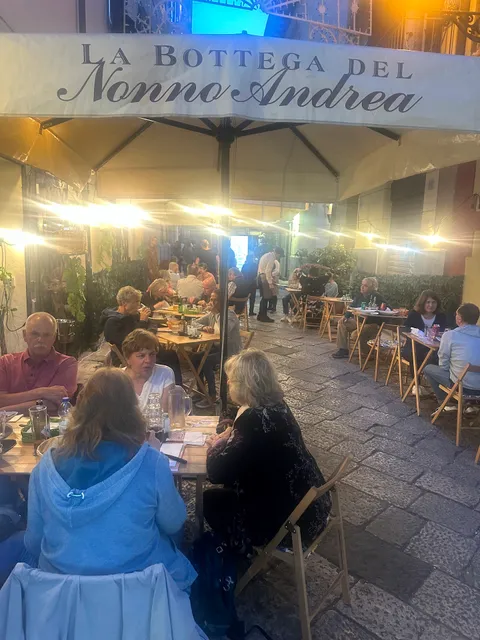
La Bottega del Nonno Andrea
Via Bara All'Olivella, 74, 90133 Palermo PA, Italy
Basile Focacceria del Massimo
Via Bara All'Olivella, 76, 90133 Palermo PA, Italy
FUD
Piazza Olivella, 4, 90133 Palermo PA, Italy
Giardini del Massimo
P.za Giuseppe Verdi, 90139 Palermo PA, Italy
Bottiglieria Massimo -Champagneria since 1968
Via Salvatore Spinuzza, 59, 90133 Palermo PA, Italy
Da Bacco
V. dell'Orologio, 29, 90133 Palermo PA, Italy
Otto Breakfast & Grill
Via Maqueda, 350, 90133 Palermo PA, Italy
Related posts
🇮🇹 Road Trip Through Sicily: Palermo's Timeless Charm🇮🇹 Palermo One-Day Walking Tour GuidePalermo || Eat! Stay! Play – Quick Guide🇮🇹 Palermo | The Dazzling Pearl of Sicily, ItalySicily | Taormina - Where Summer Never Ends ⛱️🇮🇹 Palermo One-Day Walking Guide
Keywords
Teatro Massimo tourism.Teatro Massimo hotels.Teatro Massimo bed and breakfast. flights to Teatro Massimo.Teatro Massimo attractions.Teatro Massimo restaurants.Teatro Massimo travel.Teatro Massimo travel guide.Teatro Massimo travel blog.Teatro Massimo pictures.Teatro Massimo photos.Teatro Massimo travel tips.Teatro Massimo maps.Teatro Massimo things to do.
Teatro Massimo things to do, attractions, restaurants, events info and trip planning
Teatro Massimo
ItalySicilyPalermoTeatro Massimo

Basic Info

Teatro Massimo

P.za Giuseppe Verdi, 90138 Palermo PA, Italy
4.7(18.6K)
Open 24 hours
Save
spot

Ratings & Description

Info

The Teatro Massimo Vittorio Emanuele is an opera house and opera company located on the Piazza Verdi in Palermo, Sicily. It was dedicated to King Victor Emanuel II. It is the biggest in Italy, and one of the largest of Europe, renowned for its perfect acoustics.

Cultural
Accessibility
attractions: Teatro al Massimo, Regional Archeological Museum Antonio Salinas, MOI - Museo delle Illusioni Palermo, Figli D'Arte Cuticchios, Church of Saint Augustine, Teatro Politeama Garibaldi, Church of the Immaculate Conception, Quattro Canti, Chiesa di San Francesco di Paola, Palermo Cathedral, restaurants: Galloway, Al 59, Trattoria Del Massimo, La Bottega del Nonno Andrea, Basile Focacceria del Massimo, FUD, Giardini del Massimo, Bottiglieria Massimo -Champagneria since 1968, Da Bacco, Otto Breakfast & Grill
logoLearn more insights from Wanderboat AI.
Phone
+39 091 605 3580
Website
teatromassimo.it

Plan your stay

hotel
Pet-friendly Hotels in Palermo
Find a cozy hotel nearby and make it a full experience.

hotel
Affordable Hotels in Palermo
Find a cozy hotel nearby and make it a full experience.

hotel
The Coolest Hotels You Haven't Heard Of (Yet)
Find a cozy hotel nearby and make it a full experience.

hotel
Trending Stays Worth the Hype in Palermo
Find a cozy hotel nearby and make it a full experience.

Reviews

Nearby attractions of Teatro Massimo

Teatro al Massimo

Regional Archeological Museum Antonio Salinas

MOI - Museo delle Illusioni Palermo

Figli D'Arte Cuticchios

Church of Saint Augustine

Teatro Politeama Garibaldi

Church of the Immaculate Conception

Quattro Canti

Chiesa di San Francesco di Paola

Palermo Cathedral

Teatro al Massimo

Teatro al Massimo

4.5

(230)

Open 24 hours
Click for details
Regional Archeological Museum Antonio Salinas

Regional Archeological Museum Antonio Salinas

4.5

(1.6K)

Open until 7:00 PM
Click for details
MOI - Museo delle Illusioni Palermo

MOI - Museo delle Illusioni Palermo

4.9

(612)

Open 24 hours
Click for details
Figli D'Arte Cuticchios

Figli D'Arte Cuticchios

4.7

(202)

Open 24 hours
Click for details

Things to do nearby

Lets enjoy an authentic Sicilian dinner
Thu, Dec 4 • 12:00 PM
90144, Palermo, Sicily, Italy
View details
Trekking in Palermo among nature and local food
Fri, Dec 5 • 9:15 AM
90127, Palermo, Sicily, Italy
View details
Palermo pasta & tiramisu cooking class with wine
Thu, Dec 4 • 3:00 PM
90137, Palermo, Sicily, Italy
View details

Nearby restaurants of Teatro Massimo

Galloway

Al 59

Trattoria Del Massimo

La Bottega del Nonno Andrea

Basile Focacceria del Massimo

FUD

Giardini del Massimo

Bottiglieria Massimo -Champagneria since 1968

Da Bacco

Otto Breakfast & Grill

Galloway

Galloway

4.1

(893)

Click for details
Al 59

Al 59

3.3

(756)

Click for details
Trattoria Del Massimo

Trattoria Del Massimo

4.4

(976)

$$

Click for details
La Bottega del Nonno Andrea

La Bottega del Nonno Andrea

4.1

(555)

Click for details
Get the Appoverlay
Get the AppOne tap to find yournext favorite spots!
Wanderboat LogoWanderboat

Your everyday Al companion for getaway ideas

CompanyAbout Us
InformationAI Trip PlannerSitemap
SocialXInstagramTiktokLinkedin
LegalTerms of ServicePrivacy Policy

Get the app

© 2025 Wanderboat. All rights reserved.
logo

Posts

🇮🇹 Road Trip Through Sicily: Palermo's Timeless Charm
Sigrid LivSigrid Liv
🇮🇹 Road Trip Through Sicily: Palermo's Timeless Charm
🇮🇹 Palermo One-Day Walking Tour Guide
Anna MǔllerAnna Mǔller
🇮🇹 Palermo One-Day Walking Tour Guide
Palermo || Eat! Stay! Play – Quick Guide
Sigrid LivSigrid Liv
Palermo || Eat! Stay! Play – Quick Guide
See more posts
See more posts
hotel
Find your stay

Pet-friendly Hotels in Palermo

Find a cozy hotel nearby and make it a full experience.

🇮🇹 Road Trip Through Sicily: Palermo's Timeless Charm
Sigrid Liv

Sigrid Liv

hotel
Find your stay

Affordable Hotels in Palermo

Find a cozy hotel nearby and make it a full experience.

Get the Appoverlay
Get the AppOne tap to find yournext favorite spots!
🇮🇹 Palermo One-Day Walking Tour Guide
Anna Mǔller

Anna Mǔller

hotel
Find your stay

The Coolest Hotels You Haven't Heard Of (Yet)

Find a cozy hotel nearby and make it a full experience.

hotel
Find your stay

Trending Stays Worth the Hype in Palermo

Find a cozy hotel nearby and make it a full experience.

Palermo || Eat! Stay! Play – Quick Guide
Sigrid Liv

Sigrid Liv

See more posts
See more posts

Reviews of Teatro Massimo

4.7
(18,614)
avatar
5.0
2y

An international competition for the creation of the opera house was announced by the Palermo Council in 1864 at the instigation of the mayor, Antonio Starrabba di Rudinì. For many years there had been talk of building a large new theatre in Palermo, worthy of the second biggest city in southern Italy (after Naples) and designed to promote the image of the city following the unification of Italy in 1861.

The opera house was designed, and overseen by the Italian architect Giovan Battista Filippo Basile, who was well known in Sicily for his previous cathedral restoration design in the city of Acireale, as well as garden and villa designs in the city of Palermo and Caltagirone. Following G. B. F. Basile's death in 1891, construction was then overseen by his son, Architect Ernesto Basile.

The Rutelli and Machì Company, represented by Giovanni Rutelli and Alberto Machì (both founding members of the company) was contracted for the main construction of the theatre which, under Architect Giovanni Rutelli's technical and building direction, went from the foundations all the way up to the theatre's attic structures. He was also responsible for all the external decorations of the building. Rutelli initially designed a steam tower crane machine which was then successfully able to lift large stone blocks and Greek/Roman styled columns during construction of the very large theatre.

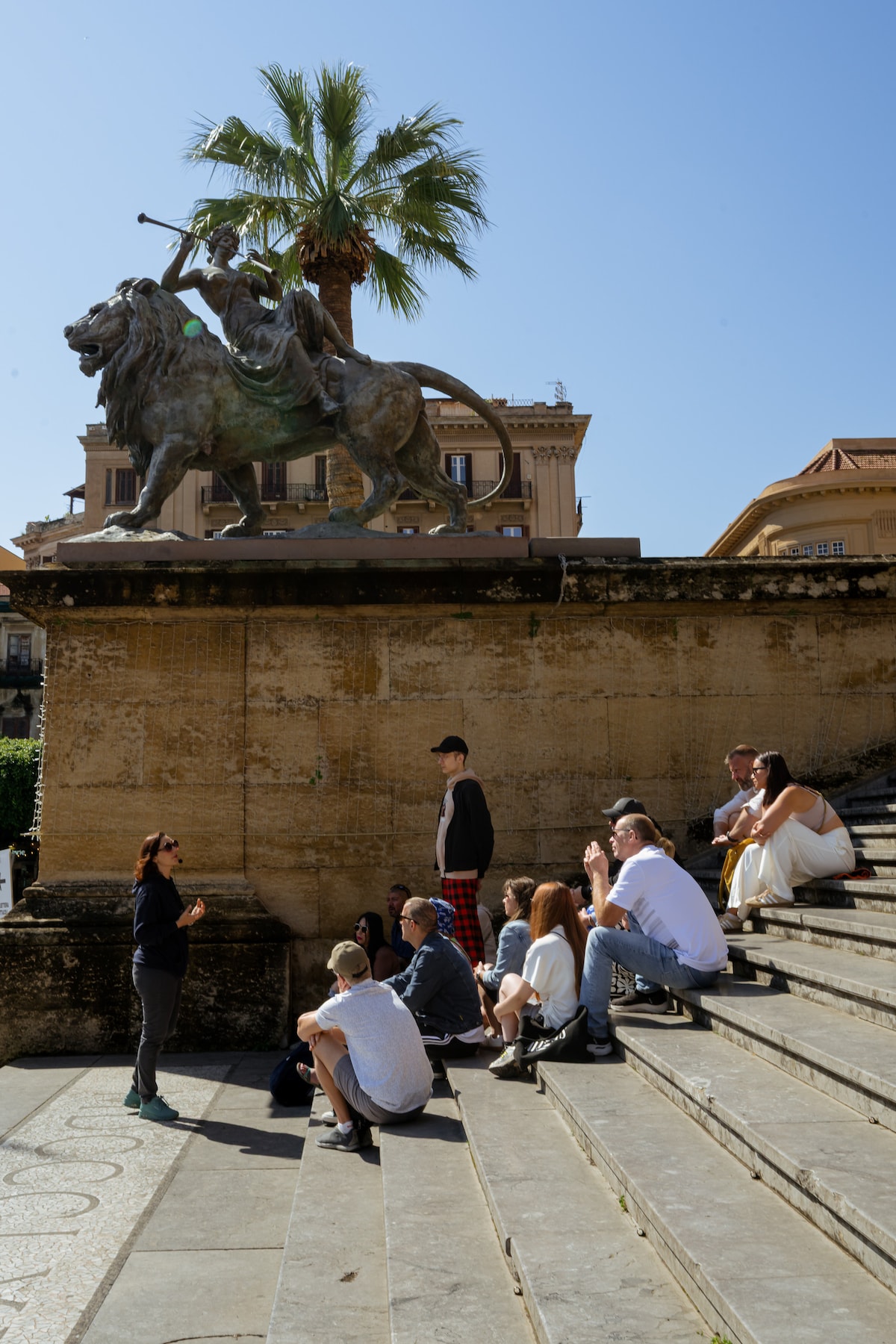
Giovanni Rutelli belongs to a very old and renowned Italian family of confirmed British Isles origin, a family which also includes architects and sculptor artists from the old Sicilian classic and baroque school as well as building contractors, all entrepreneurs going back to the first half of the 18th century in Palermo. Along with Architect D. Mario Rutelli (Giovanni's great-grandfather), they were considered to be among the most technically and artistically specialized experts in Sicily at that time, especially because of Mario Rutelli and his descendants' profound knowledge and experience in Ancient Greek/Roman architecture, as well as the Norman architectural style. This style required the use of natural thick stone, all of which was part of the structural design. The two very large bronze statues of lions sitting next to the theatre's monumental stairway entrance were created by Giovanni Rutelli's son, sculptor artist Sir Mario Rutelli and Benedetto Civiletti.

Construction started on 12 January 1874, but was stopped for eight years from 1882 until 1890. Finally, on 16 May 1897, twenty-two years after the laying of the foundation stone, the fourth largest opera house in Europe at the time — after the Royal Opera House in London, the Palais Garnier in Paris, and the K. K. Hof-Opernhaus in Vienna— was inaugurated with a performance of Verdi's Falstaff conducted by Leopoldo Mugnone.

The interior is decorated and painted by Rocco Lentini, Ettore De Maria Bergler, Michele Cortegiani and Luigi Di Giovanni.

Busts of famous composers were carved for the theatre by the Italian sculptor, Giusto Liva (born in Montebelluna, Treviso in 1847) and several...

   Read more
avatar
5.0
6y

The Teatro Massimo Vittorio Emanuele in Palermo opened its doors to the public on the evening of 16 May 1897, twenty-two years after the solemn public ceremony of the laying of the first stone. This took place on 12 January 1875, and ended a chequered series of vicissitudes with interminable squabbles lasting over ten years. The international competition for the project and realisation of the opera house had been announced by Palermo Council in 1864, and its prime mover was the mayor, Antonio Starrabba di Rudini. For a long time there had been talk of building a big new theatre in Palermo, worthy of the second biggest city in southern Italy after Naples. Palermo, in the second half of the nineteenth century, was engaged in getting itself a new identity in the light of the new national unity. Cultural life was influenced by the new Italian State and the positive consequences of the activity of enlightened entrepreneurs like the Florios, who also made generous donations to the building of the opera house and for some years were also its no less enlightened managers. Intense commercial relations led to the convergence and development in Palermo of interests with a European dimension and brought the city to be continually in touch with different cultural models than its own. This was the start of the Belle Epoque, a time of cultural and economic rebirth for Palermo which would in turn become almost mythical for the future generations and was only to be interrupted by the outbreak of World War I. The opening night happened on May 16 1897: Giuseppe Verdi's Falstaff was the inaugural opera. The conductor was Leopoldo Mugnone. A ticket in the boxes would then cost 80 liras, one in the gallery just 3. At the time of its first opening, thanks to its surface of 7,730 square metres, the Teatro Massimo was the third in Europe, after the opera houses in Paris and Wien.

From the opening in 1897 to 1935 the opera seasons were put together by private firms, often a different one each year, that would organize the performances. In 1935 the theatre was officially designated with a Decree from the Italian Ministry of Culture "Ente Teatrale Autonomo", and thus recognized as a public theatre. In 1974 the theatre was closed for reconstruction works that were supposed to be finished in a relatively short time. It remained closed for 23 years and was reopened with the concert on May 12 1997, conducted by Franco Mannino in the first part and by Claudio Abbado in the second, with the Berliner...

   Read more
avatar
5.0
15w

This is Italy's largest opera house and one of the largest in Europe, renowned for its monumental Neoclassical architecture and cultural significance. Conceived in the late 19th century, its construction began in 1875 under architect Giovanni Battista Filippo Basile and was completed by his son Ernesto Basile after Giovanni's death. The theater officially opened on May 16, 1897, with Giuseppe Verdi's opera "Falstaff." The building impresses with its majestic facade, featuring a monumental arch flanked by two towers and a quadriga sculpture representing the triumph of music. The interior boasts opulent Baroque-style decoration, including rich stucco work, marble, gilded ornaments, and impressive frescoes. The horseshoe-shaped auditorium can seat roughly 1,300 people and is celebrated for its exceptional acoustics and elegant atmosphere. Teatro Massimo symbolizes Palermo's cultural rebirth and its aspirations as a major European city following Italian unification. It has played an important role in the city's social life and cultural identity, opening its doors initially to the elite but now welcoming a broad audience. The theater also gained fame as the backdrop for the final scene of "The Godfather Part III," adding to its cinematic and tourist appeal. Despite a prolonged closure from 1974 to 1997 for renovations, Teatro Massimo today maintains its status as a premier venue for opera and classical music performances, drawing tourists and arts lovers globally. It is considered an architectural masterpiece blending Neoclassical grandeur with Sicilian Renaissance influences, making it a must-visit landmark both for its artistic offerings and its historical and architectural...

   Read more
Page 1 of 7
Previous
Next