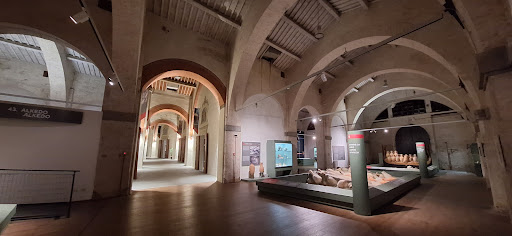
Museo delle Navi Antiche di Pisa things to do, attractions, restaurants, events info and trip planning

Basic Info
Museo delle Navi Antiche di Pisa
Lungarno Ranieri Simonelli, 16, 56126 Pisa PI, Italy
4.7(734)
Closed

tickets
Save
spot
spot
Ratings & Description
Info
The Museum of Ancient Ships is a museum in Pisa, Tuscany, Italy. The museum exhibits ancient ships and artifacts. The exhibition space is within the ancient halls of the Medici Arsenals.
Cultural
Family friendly
Accessibility
attractions: Lungarni di Pisa, Chiesa di Santa Maria della Spina, Chiesa Parrocchiale di San Paolo, Torre Guelfa, Museo degli Strumenti per il Calcolo, Palazzo Blu, Parrocchia di San Nicola, La Fabbrica di Babbo Natale, “Tuttomondo” (Keith Haring), Botanical Garden and Museum, restaurants: Nishiki Koi Sushi & Asian Kitchen, Caffe della Spina dei F.lli Bronte, Osteria San Paolo, L'angolo del caffè, Caffè I Complici, La Spiga d'oro Panetteria, Gelateria Orso Bianco, La Corte di San Leonardo, Pizzeria da Toni, Panificio Silvestri, local businesses: Iglesia de Santa Maria della Spina, Parque de la Ciudadela, Arsenali della Repubblica di Pisa, CAI 360 Pisa, Statua Galileo Galilei, Arsenali Medicei, COZY ASIAN KITCHEN & MARKET, LuS - Ludoteca Scientifica, Il Fotoamatore, Dorelan Pisa
 Learn more insights from Wanderboat AI.
Phone
+39 050 805 7880
Website
navidipisa.it
Open hoursSee all hours
Sat2 - 7:30 PMClosed
Plan your stay

Pet-friendly Hotels in Pisa
Find a cozy hotel nearby and make it a full experience.

Affordable Hotels in Pisa
Find a cozy hotel nearby and make it a full experience.

The Coolest Hotels You Haven't Heard Of (Yet)
Find a cozy hotel nearby and make it a full experience.

Trending Stays Worth the Hype in Pisa
Find a cozy hotel nearby and make it a full experience.
Reviews
Live events
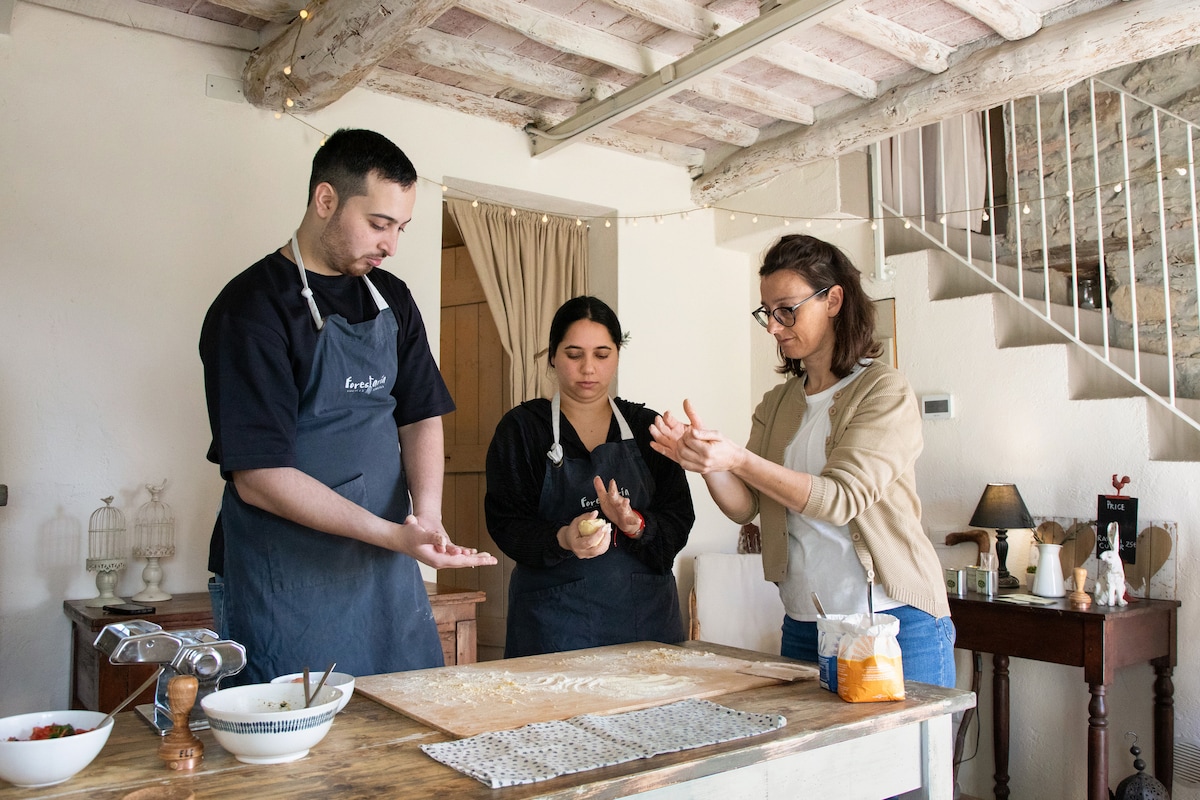
Cooking at a Tuscan farm
Mon, Feb 23 • 11:00 AM
55012, Capannori, Toscana, Italy
View details
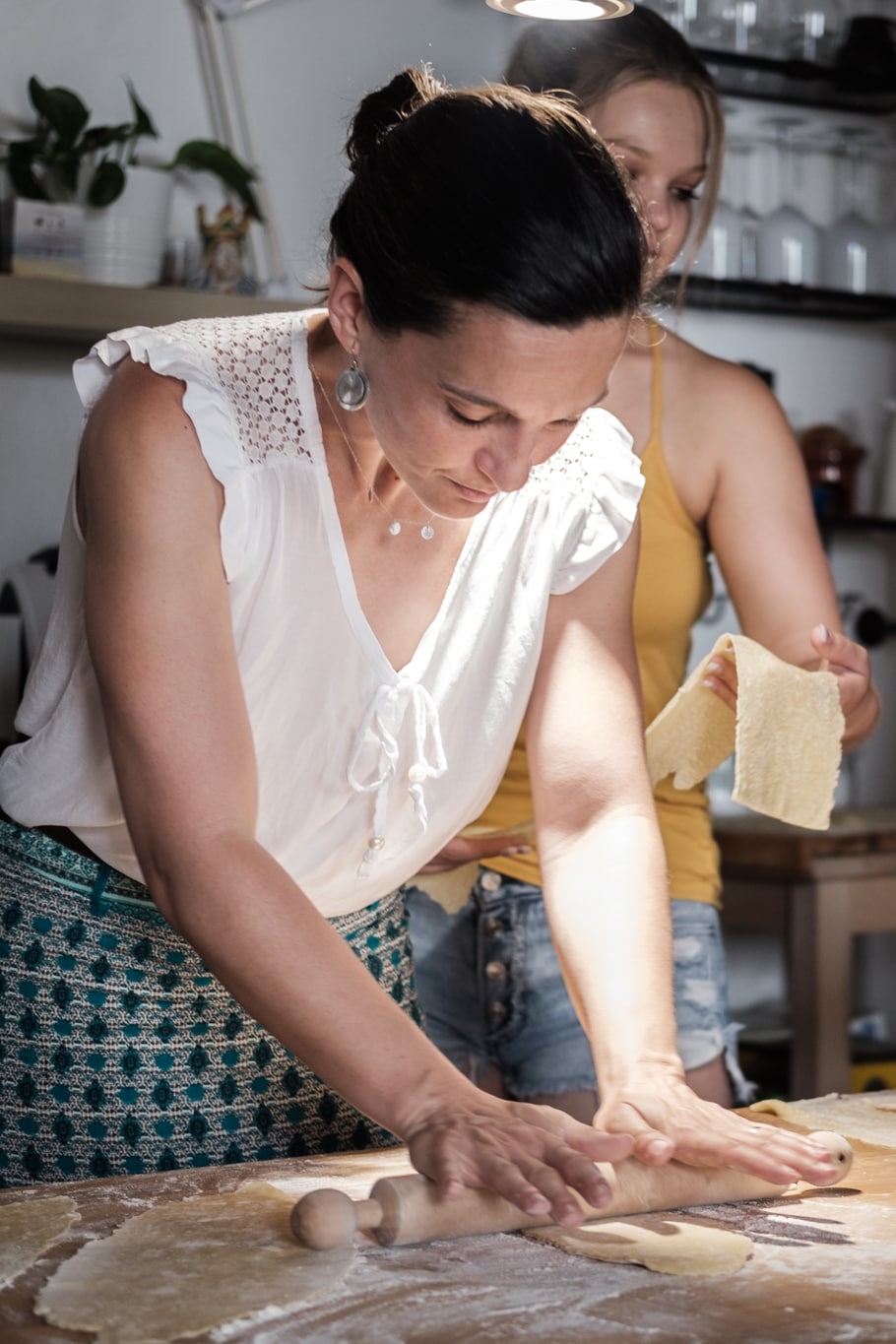
Traditional Farmhouse Cooking Experience in Lucca
Sun, Feb 22 • 10:00 AM
55013, Capannori, Tuscany, Italy
View details
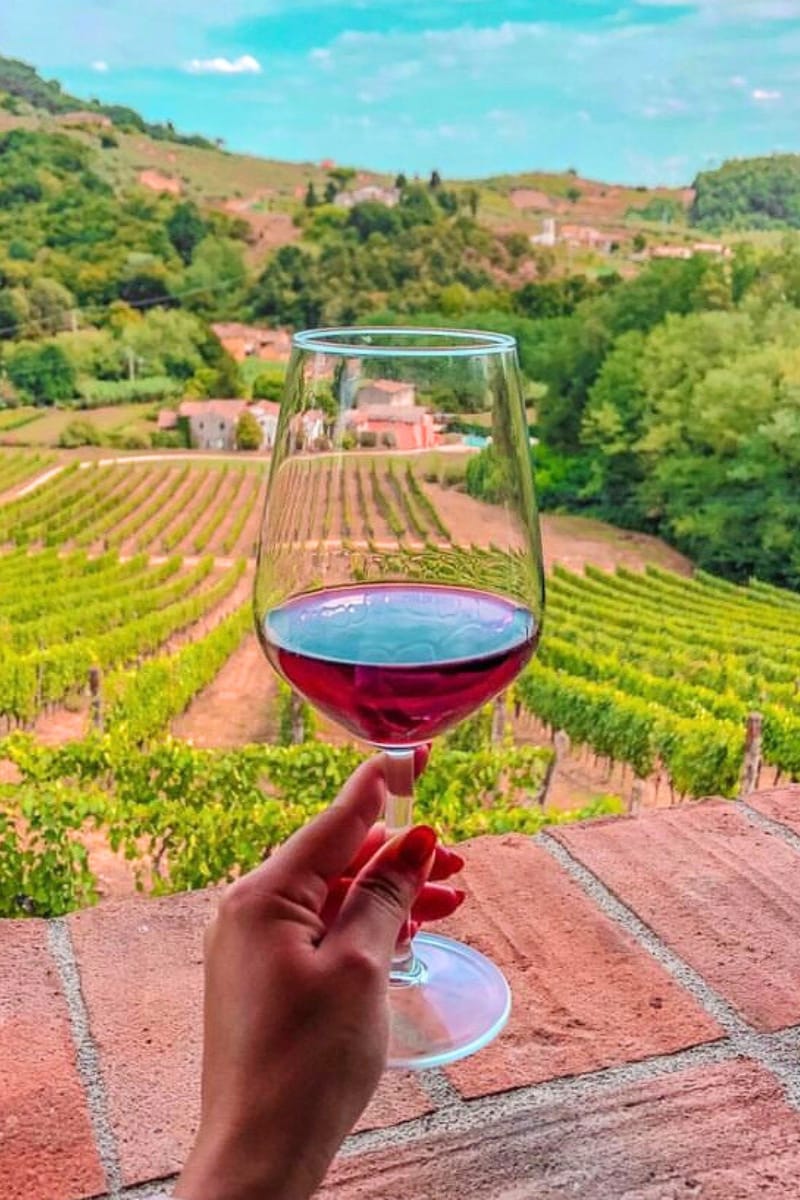
Drink wine with Italian winemakers and sommeliers
Sat, Feb 21 • 11:00 AM
55100, Lucca, Tuscany, Italy
View details
Nearby attractions of Museo delle Navi Antiche di Pisa
Lungarni di Pisa
Chiesa di Santa Maria della Spina
Chiesa Parrocchiale di San Paolo
Torre Guelfa
Museo degli Strumenti per il Calcolo
Palazzo Blu
Parrocchia di San Nicola
La Fabbrica di Babbo Natale
“Tuttomondo” (Keith Haring)
Botanical Garden and Museum

Lungarni di Pisa
4.6
(608)
Open until 12:00 AM
Click for details
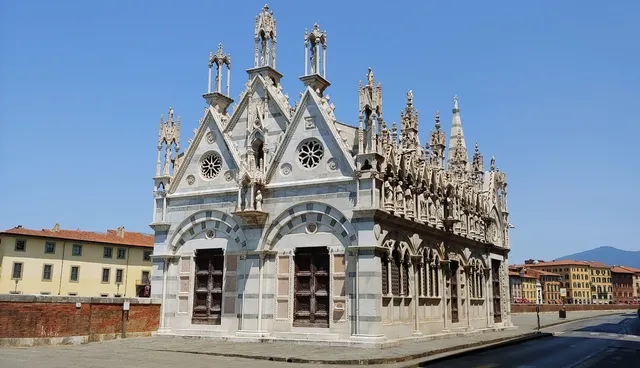
Chiesa di Santa Maria della Spina
4.6
(1.8K)
Open until 12:00 AM
Click for details
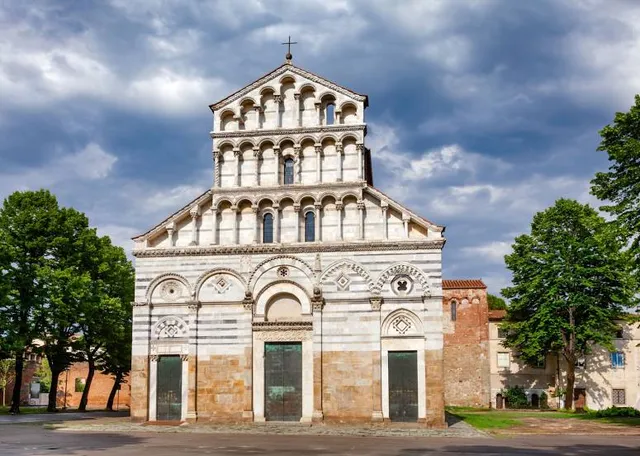
Chiesa Parrocchiale di San Paolo
4.6
(260)
Open 24 hours
Click for details
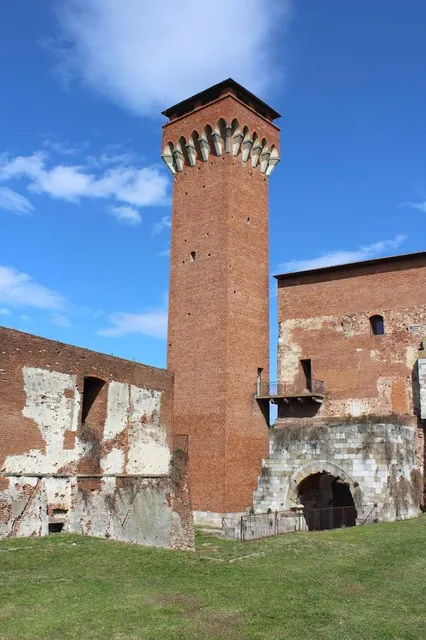
Torre Guelfa
4.4
(84)
Open 24 hours
Click for details
Nearby restaurants of Museo delle Navi Antiche di Pisa
Nishiki Koi Sushi & Asian Kitchen
Caffe della Spina dei F.lli Bronte
Osteria San Paolo
L'angolo del caffè
Caffè I Complici
La Spiga d'oro Panetteria
Gelateria Orso Bianco
La Corte di San Leonardo
Pizzeria da Toni
Panificio Silvestri
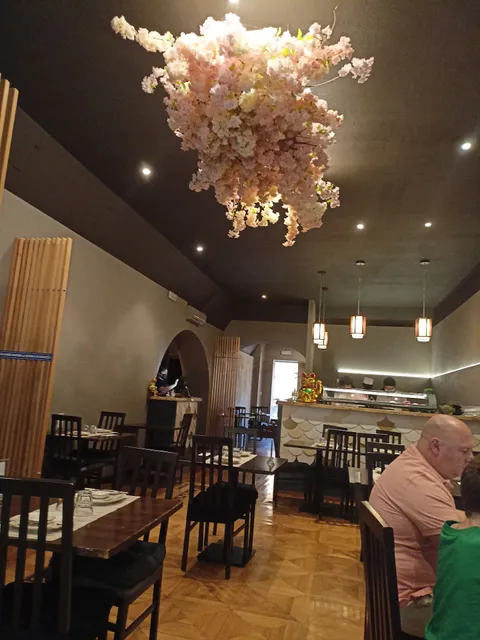
Nishiki Koi Sushi & Asian Kitchen
4.6
(465)
$$
Closed
Click for details
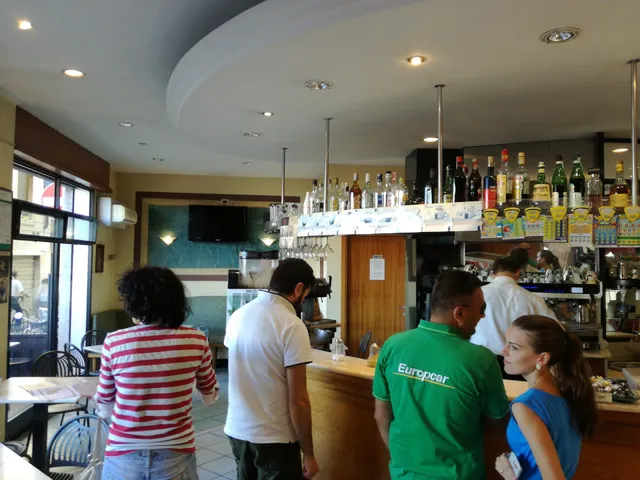
Caffe della Spina dei F.lli Bronte
4.3
(187)
Closed
Click for details
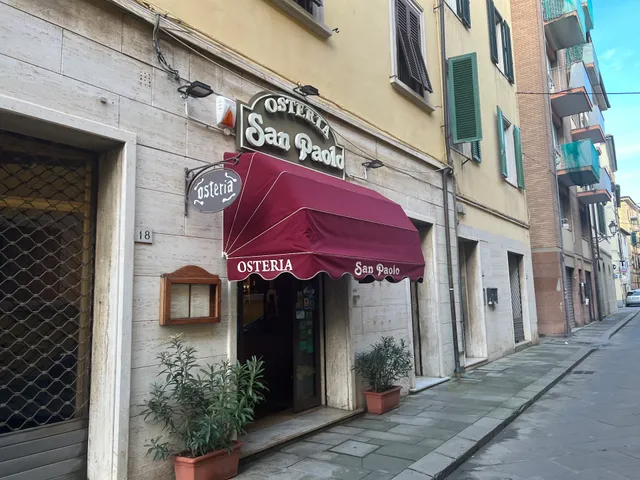
Osteria San Paolo
4.5
(346)
Closed
Click for details
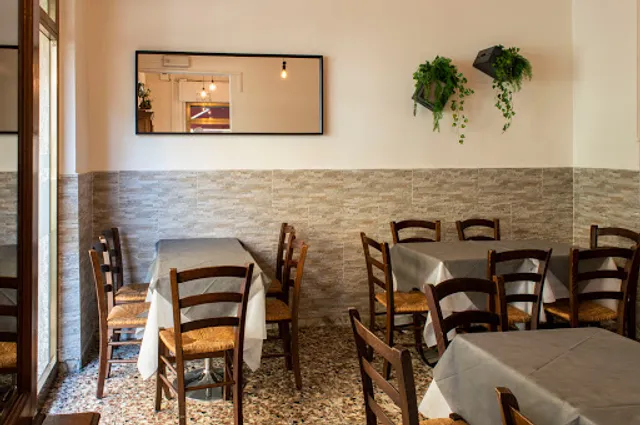
L'angolo del caffè
4.6
(291)
Closed
Click for details
Nearby local services of Museo delle Navi Antiche di Pisa
Iglesia de Santa Maria della Spina
Parque de la Ciudadela
Arsenali della Repubblica di Pisa
CAI 360 Pisa
Statua Galileo Galilei
Arsenali Medicei
COZY ASIAN KITCHEN & MARKET
LuS - Ludoteca Scientifica
Il Fotoamatore
Dorelan Pisa
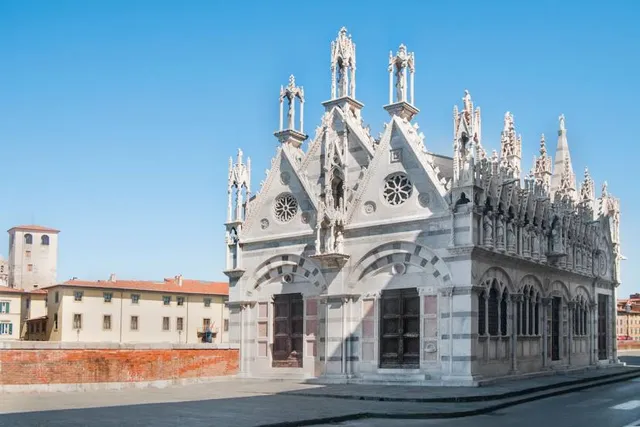
Iglesia de Santa Maria della Spina
4.5
(1.5K)
Click for details
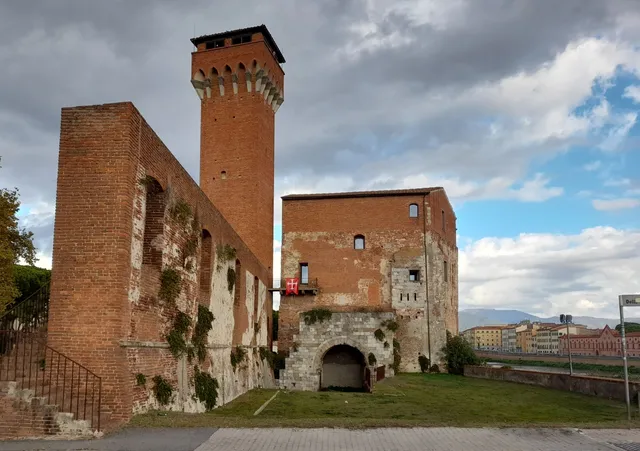
Parque de la Ciudadela
4.0
(82)
Click for details
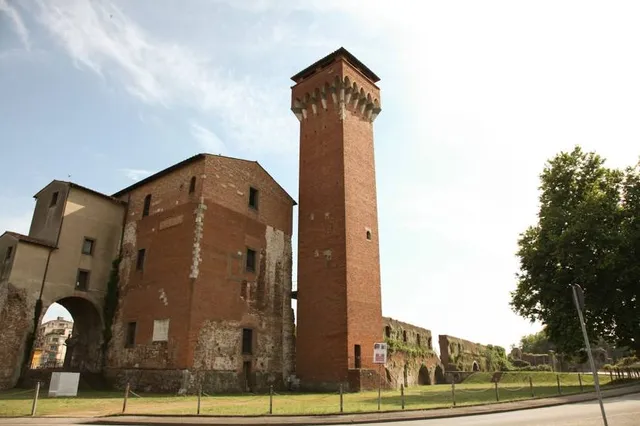
Arsenali della Repubblica di Pisa
4.4
(188)
Click for details

CAI 360 Pisa
4.9
(230)
Click for details