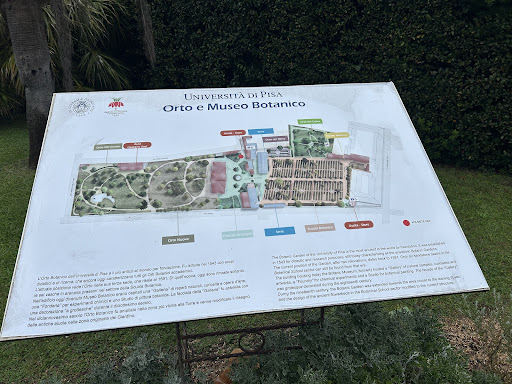
Botanical Garden and Museum things to do, attractions, restaurants, events info and trip planning
Basic Info
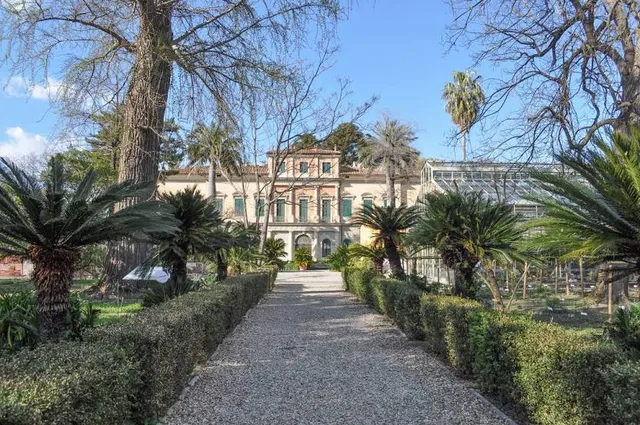
Botanical Garden and Museum
Via Luca Ghini, 13, 56126 Pisa PI, Italy
4.4(2K)
Closed

tickets
Save
spot
spot
Ratings & Description
Info
Cultural
Outdoor
Relaxation
Family friendly
Accessibility
attractions: Leaning Tower of Pisa, Piazza del Duomo, Piazza dei Cavalieri, Cattedrale di Pisa, Museo di Anatomia Umana Filippo Civinini, Orto e Museo Botanico, Chiesa di San Sisto, Museo dell'Opera del Duomo, Sinopie Museum, Battistero di San Giovanni, restaurants: L'Ostellino, Osteria I Santi, Bar & food 62, NOVECENTO Ristorante Pizzeria, Il Peperoncino, La lanterna Ristorante Pizzeria, Quarto D'ora Italiano, Olio e Parmigiano, La Torre Ristorante Pizzeria, Filter Coffee Lab, local businesses: Place des Chevaliers, Museo del Instituto de la Anatomía Humana, 113 viasantamaria srl, Carrefour Express, Pink Cherry SRL, Museo dell'Opera del Duomo, Festina Lente di Manuela D'Onofrio, Iglesia de Santa Clara, Piazza Carrara, Palais de l'Horloge - Tour della Muda ou della Fame
 Learn more insights from Wanderboat AI.
Phone
+39 050 221 1318
Website
ortomuseobot.sma.unipi.it
Open hoursSee all hours
Sun8:30 a.m. - 5 p.m.Closed
Plan your stay

Pet-friendly Hotels in Pisa
Find a cozy hotel nearby and make it a full experience.

Affordable Hotels in Pisa
Find a cozy hotel nearby and make it a full experience.

The Coolest Hotels You Haven't Heard Of (Yet)
Find a cozy hotel nearby and make it a full experience.

Trending Stays Worth the Hype in Pisa
Find a cozy hotel nearby and make it a full experience.
Reviews
Live events

Lunedi Cinema In Accademia (12 di 12)
Mon, Feb 23 • 6:30 PM
47 Via Nicola Barbantini 55100 Lucca
View details
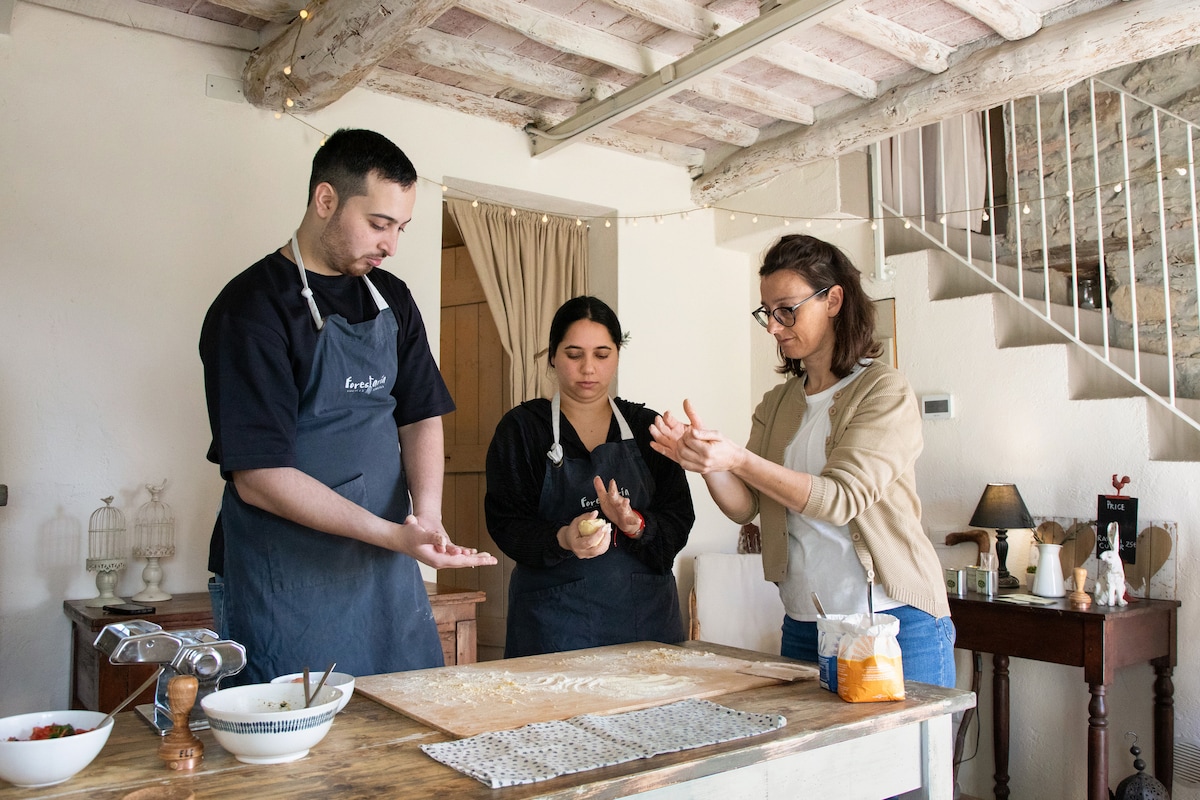
Cooking at a Tuscan farm
Mon, Feb 23 • 11:00 AM
55012, Capannori, Toscana, Italy
View details
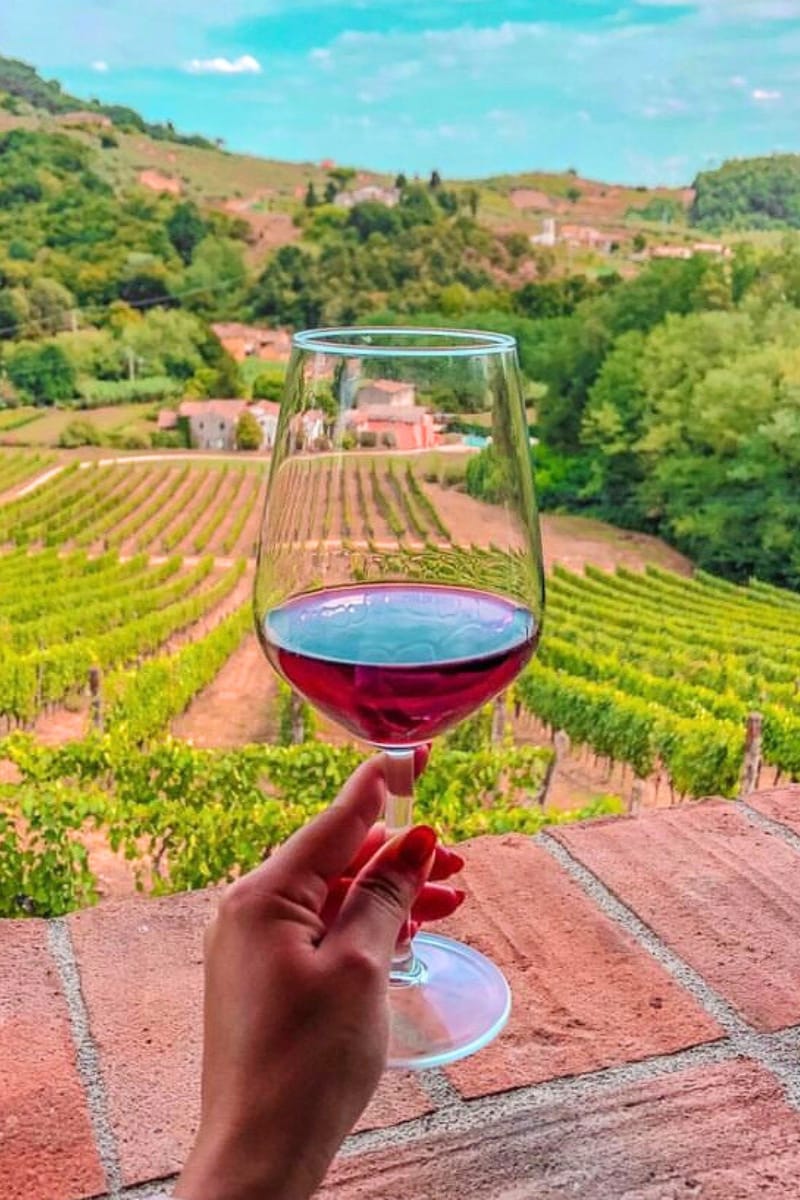
Drink wine with Italian winemakers and sommeliers
Sun, Feb 22 • 11:00 AM
55100, Lucca, Tuscany, Italy
View details
Nearby attractions of Botanical Garden and Museum
Leaning Tower of Pisa
Piazza del Duomo
Piazza dei Cavalieri
Cattedrale di Pisa
Museo di Anatomia Umana Filippo Civinini
Orto e Museo Botanico
Chiesa di San Sisto
Museo dell'Opera del Duomo
Sinopie Museum
Battistero di San Giovanni
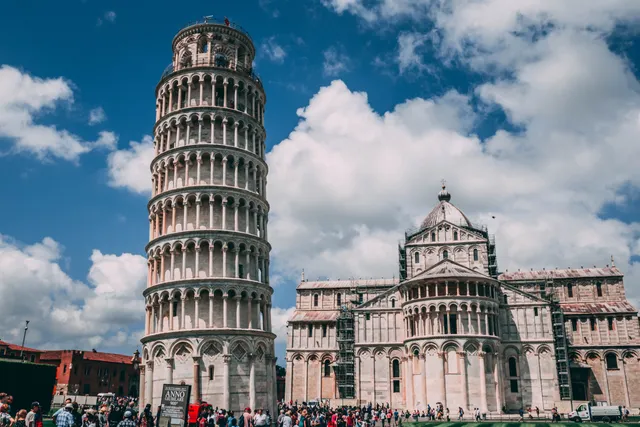
Leaning Tower of Pisa
4.7
(58.4K)
Closed
Click for details
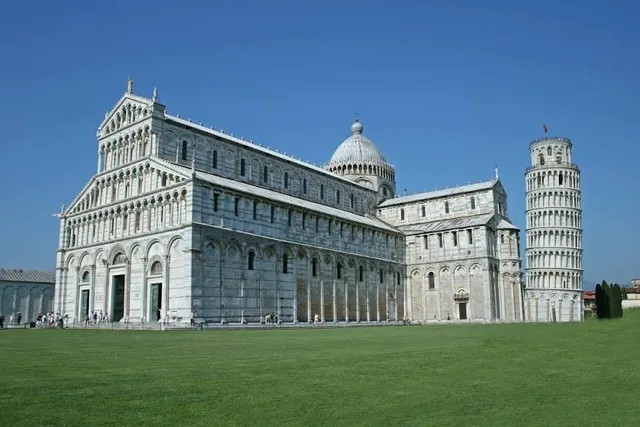
Piazza del Duomo
4.7
(43.9K)
Open until 12:00 AM
Click for details
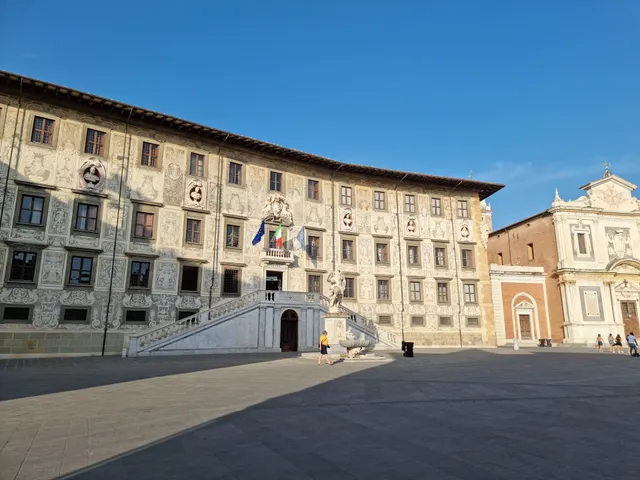
Piazza dei Cavalieri
4.6
(4.6K)
Open until 12:00 AM
Click for details
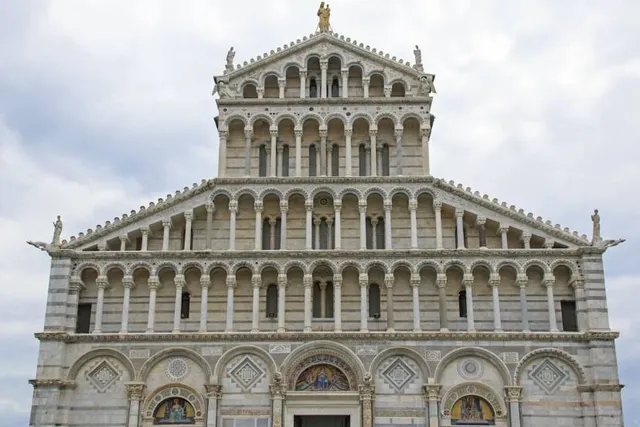
Cattedrale di Pisa
4.8
(5.3K)
Closed
Click for details
Nearby restaurants of Botanical Garden and Museum
L'Ostellino
Osteria I Santi
Bar & food 62
NOVECENTO Ristorante Pizzeria
Il Peperoncino
La lanterna Ristorante Pizzeria
Quarto D'ora Italiano
Olio e Parmigiano
La Torre Ristorante Pizzeria
Filter Coffee Lab
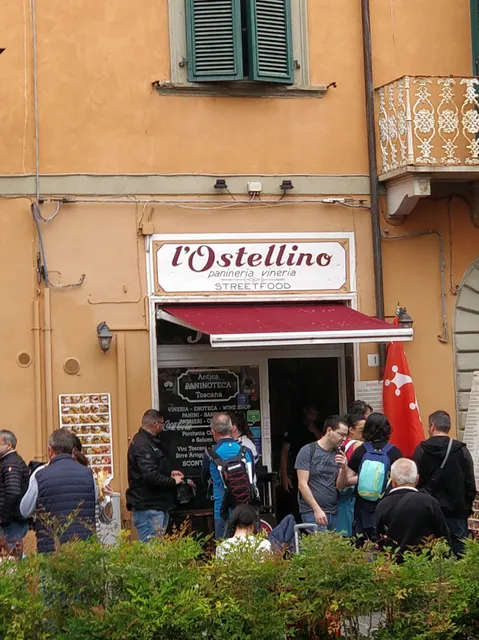
L'Ostellino
4.8
(2.1K)
Closed
Click for details
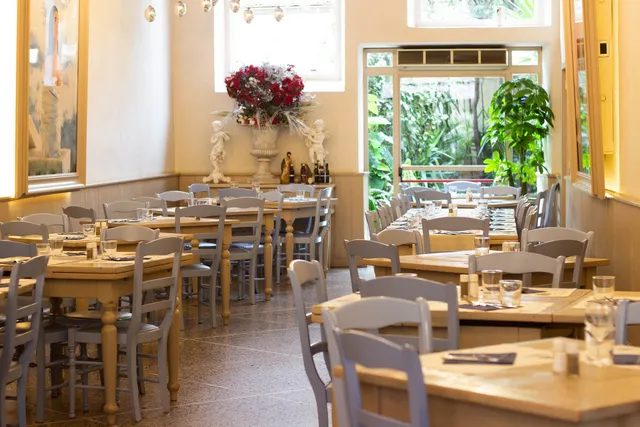
Osteria I Santi
4.4
(1.9K)
Closed
Click for details
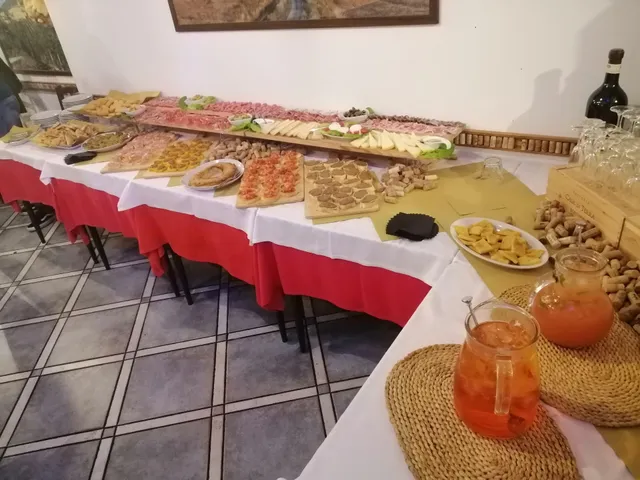
Bar & food 62
4.4
(959)
Closed
Click for details
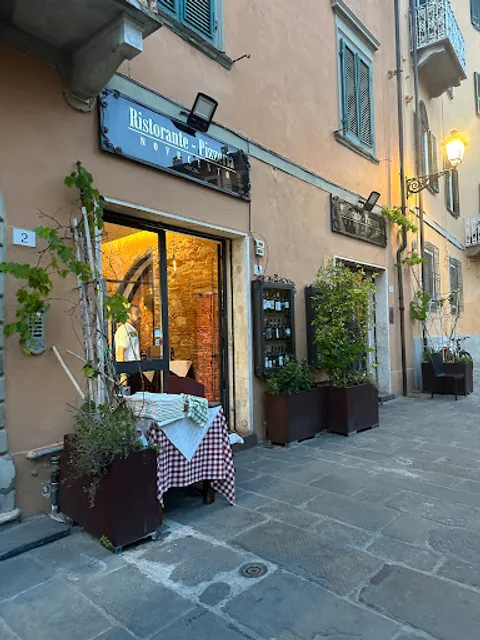
NOVECENTO Ristorante Pizzeria
4.6
(1.0K)
Closed
Click for details
Nearby local services of Botanical Garden and Museum
Place des Chevaliers
Museo del Instituto de la Anatomía Humana
113 viasantamaria srl
Carrefour Express
Pink Cherry SRL
Museo dell'Opera del Duomo
Festina Lente di Manuela D'Onofrio
Iglesia de Santa Clara
Piazza Carrara
Palais de l'Horloge - Tour della Muda ou della Fame
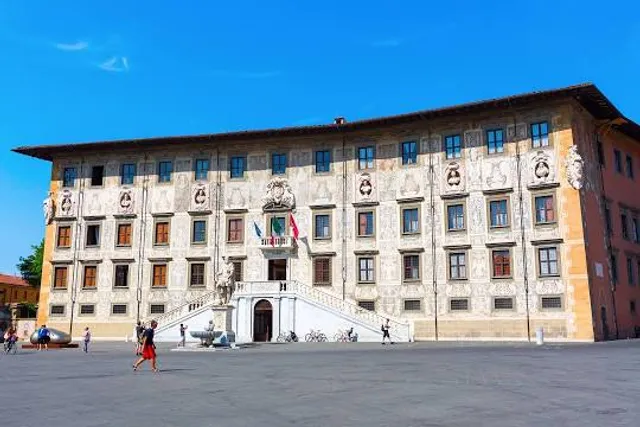
Place des Chevaliers
4.5
(4.3K)
Click for details
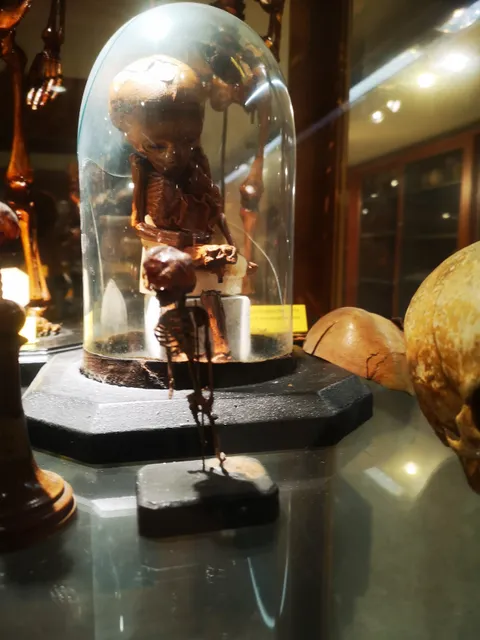
Museo del Instituto de la Anatomía Humana
4.3
(52)
Click for details
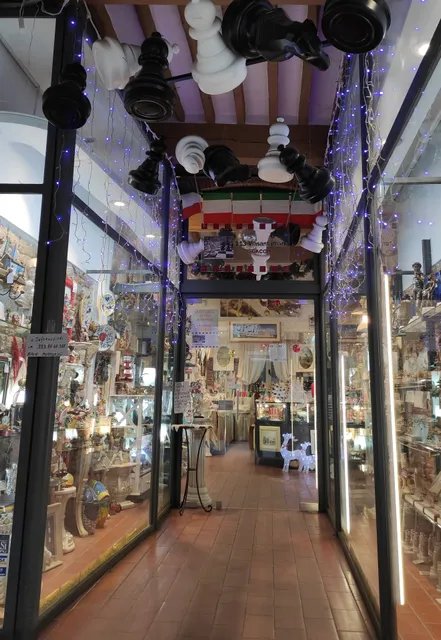
113 viasantamaria srl
4.6
(26)
Click for details
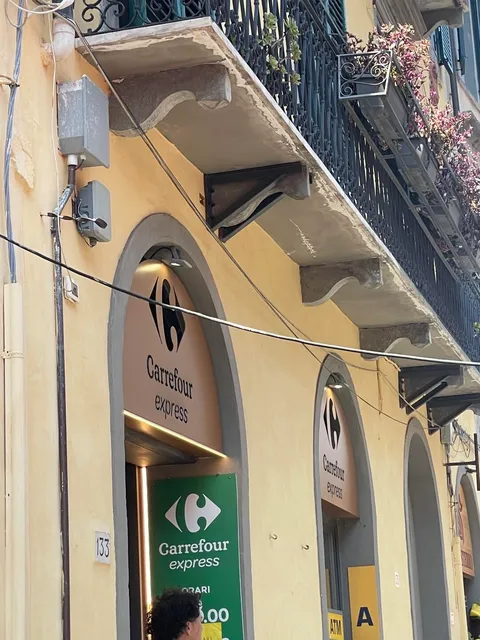
Carrefour Express
3.1
(62)
Click for details