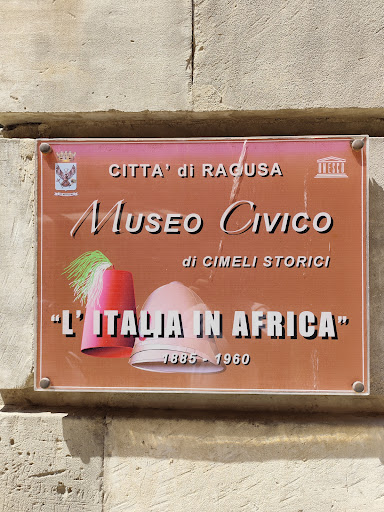
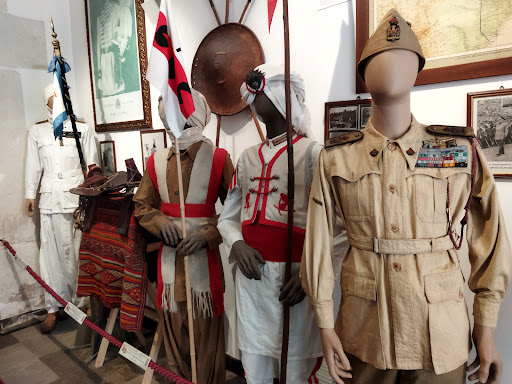
Museo civico l'Italia in Africa things to do, attractions, restaurants, events info and trip planning
Basic Info
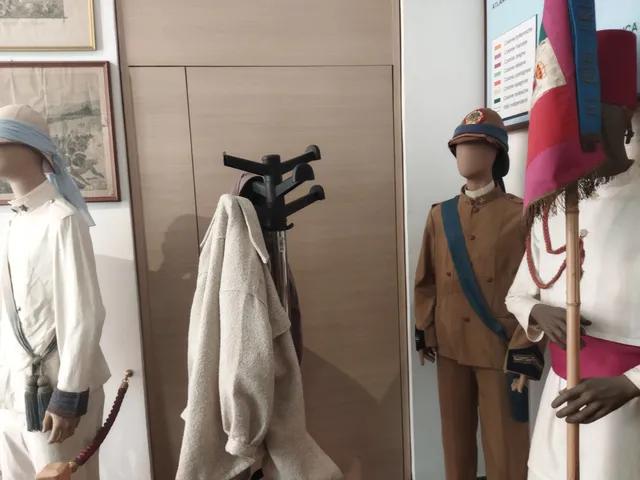
Museo civico l'Italia in Africa
Via S. Giuseppe, 1, 97100 Ragusa RG, Italy
4.2(11)
Open until 1:00 PM
Save
spot
spot
Ratings & Description
Info
Cultural
Accessibility
Family friendly
attractions: Cattedrale di San Giovanni Battista, Palazzo Zacco, Church of St Mary of the Stairs, Chiesa del Collegio di Maria Addolorata (Chiesa della Badia), Museo Archeologico Ibleo di Ragusa, Palazzo Cosentini, Palazzo della Cancelleria, Chiesa di Santa Maria dell’Itria, Chiesa delle Santissime Anime del Purgatorio, restaurants: Trattoria da Luigi, TPCO, Camiolo - pizza & ciccia, BUNCH bistrotsiciliano, Basilico ristorante trattoria, Decanter Full Proof, TabernaDeiCinqueSensi, Caffè Italia, Senape. Livingroom cafe., Mamà Trattoria, local businesses: Centro Comercial Cultural Ragusa, Diocesi di Ragusa, Udammusu34
 Learn more insights from Wanderboat AI.
Phone
+39 0932 676309
Website
comune.ragusa.it
Open hoursSee all hours
Fri9 AM - 1 PMOpen
Plan your stay

Pet-friendly Hotels in Ragusa
Find a cozy hotel nearby and make it a full experience.

Affordable Hotels in Ragusa
Find a cozy hotel nearby and make it a full experience.

The Coolest Hotels You Haven't Heard Of (Yet)
Find a cozy hotel nearby and make it a full experience.

Trending Stays Worth the Hype in Ragusa
Find a cozy hotel nearby and make it a full experience.
Reviews
Live events

Discovering Ragusa Baroque
Fri, Feb 6 • 3:00 PM
97100, Ragusa, Sicily, Italy
View details

Enjoy a farm-to-table meal made by locals
Fri, Feb 6 • 11:30 AM
96017, Noto, Sicily, Italy
View details
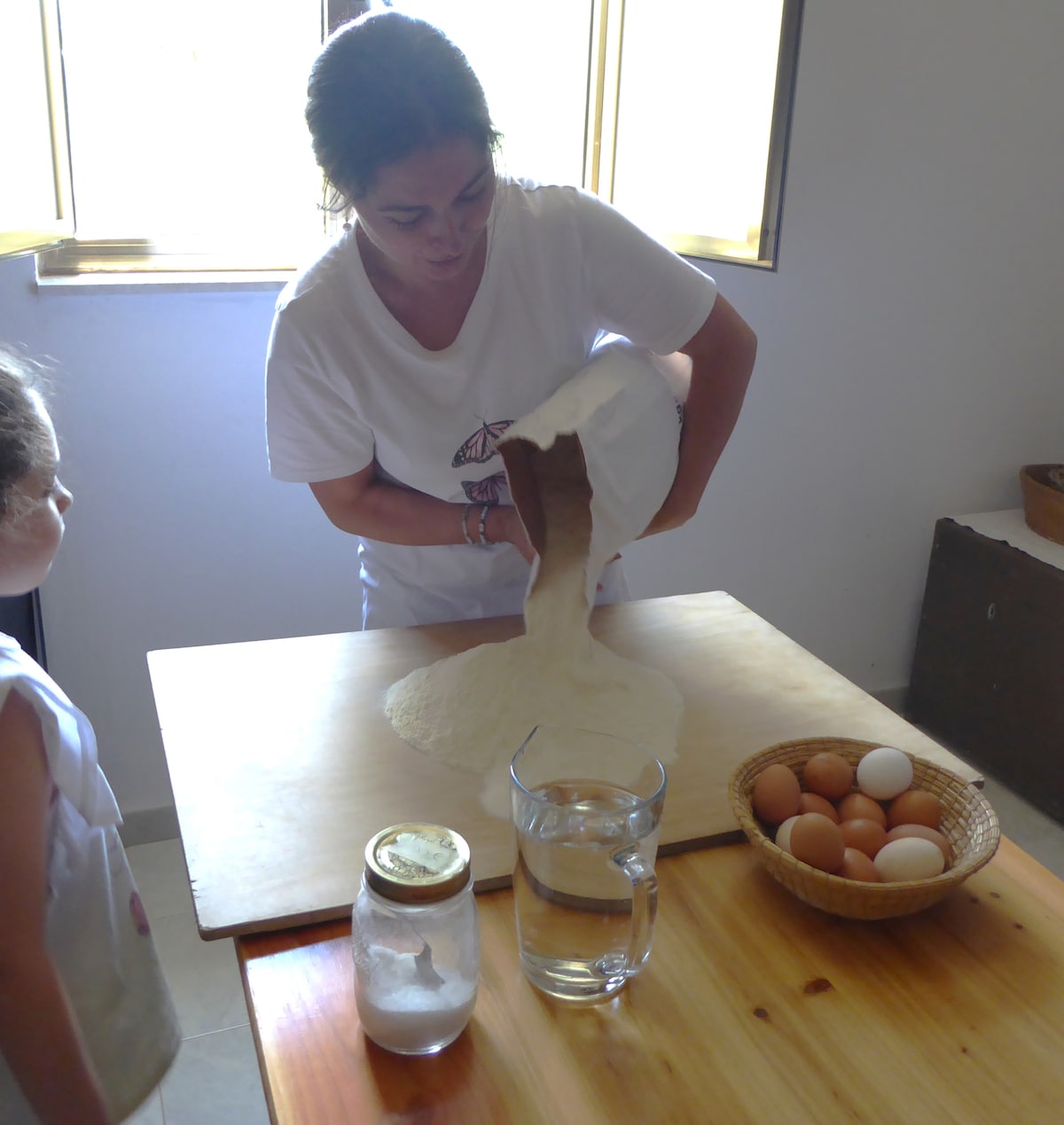
Lets make fresh Sicilian pasta and ravioli
Sun, Feb 8 • 10:00 AM
96010, Palazzolo Acreide, Sicily, Italy
View details
Nearby attractions of Museo civico l'Italia in Africa
Cattedrale di San Giovanni Battista
Palazzo Zacco
Church of St Mary of the Stairs
Chiesa del Collegio di Maria Addolorata (Chiesa della Badia)
Museo Archeologico Ibleo di Ragusa
Palazzo Cosentini
Palazzo della Cancelleria
Chiesa di Santa Maria dell’Itria
Chiesa delle Santissime Anime del Purgatorio
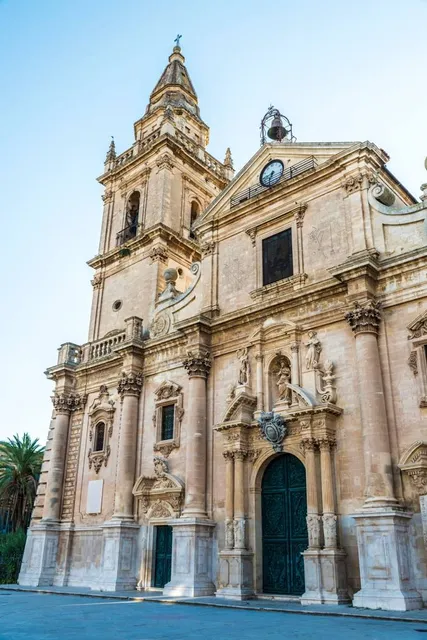
Cattedrale di San Giovanni Battista
4.6
(1.4K)
Open until 12:30 PM
Click for details
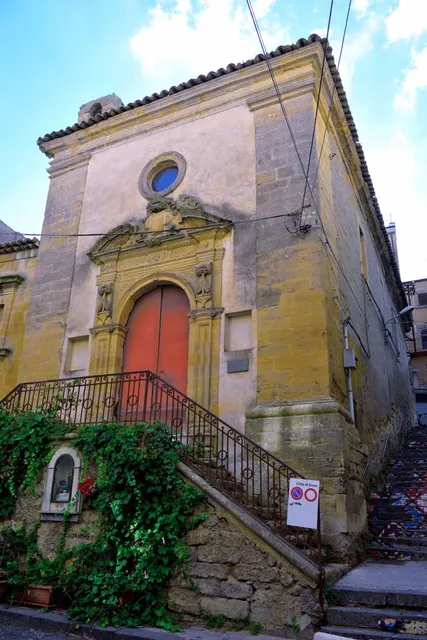
Palazzo Zacco
4.1
(111)
Open until 1:30 PM
Click for details
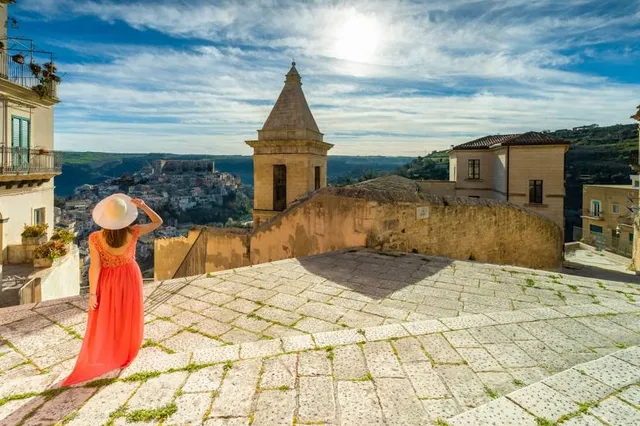
Church of St Mary of the Stairs
4.5
(504)
Open until 12:30 PM
Click for details
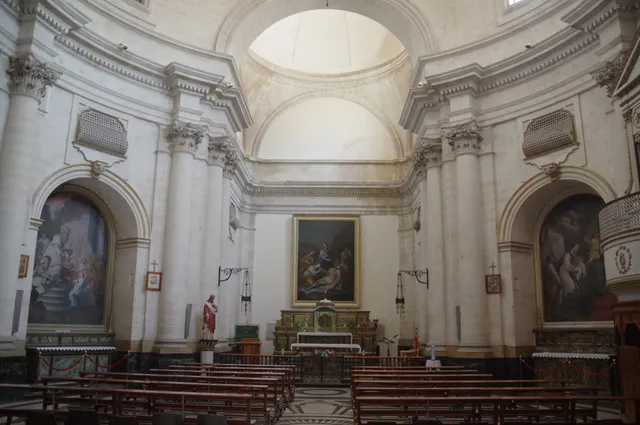
Chiesa del Collegio di Maria Addolorata (Chiesa della Badia)
3.9
(18)
Open 24 hours
Click for details
Nearby restaurants of Museo civico l'Italia in Africa
Trattoria da Luigi
TPCO
Camiolo - pizza & ciccia
BUNCH bistrotsiciliano
Basilico ristorante trattoria
Decanter Full Proof
TabernaDeiCinqueSensi
Caffè Italia
Senape. Livingroom cafe.
Mamà Trattoria
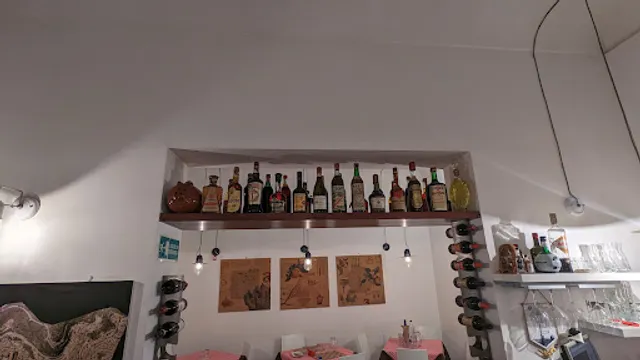
Trattoria da Luigi
4.5
(628)
Open until 12:00 AM
Click for details
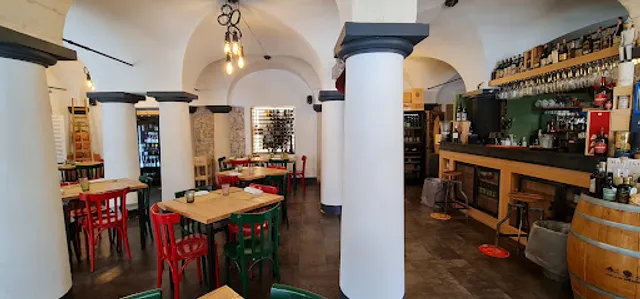
TPCO
4.4
(391)
Closed
Click for details
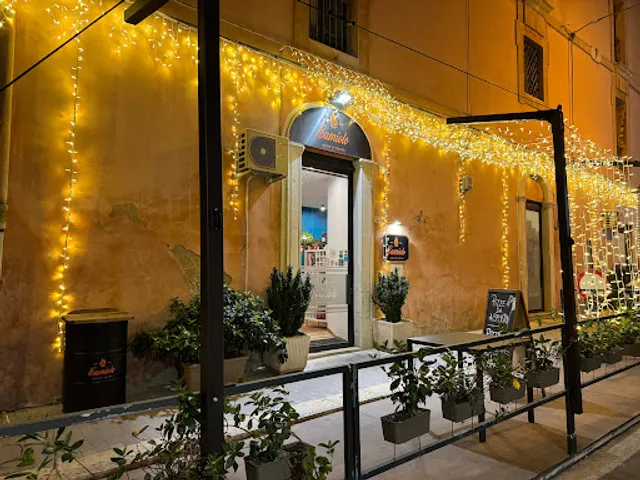
Camiolo - pizza & ciccia
4.6
(334)
Closed
Click for details
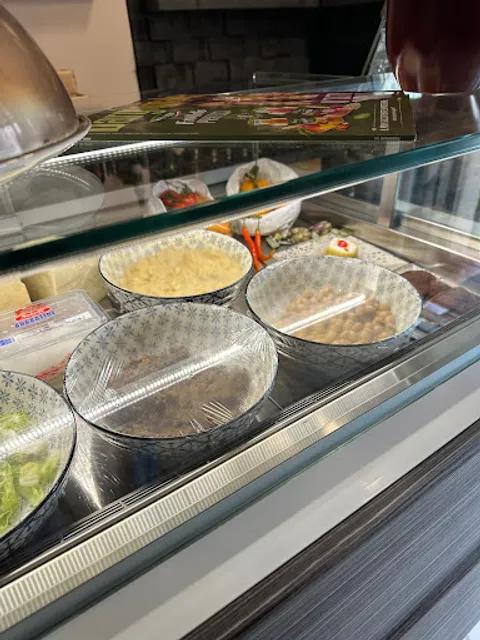
BUNCH bistrotsiciliano
4.9
(96)
Closed
Click for details
Nearby local services of Museo civico l'Italia in Africa
Centro Comercial Cultural Ragusa
Diocesi di Ragusa
Udammusu34
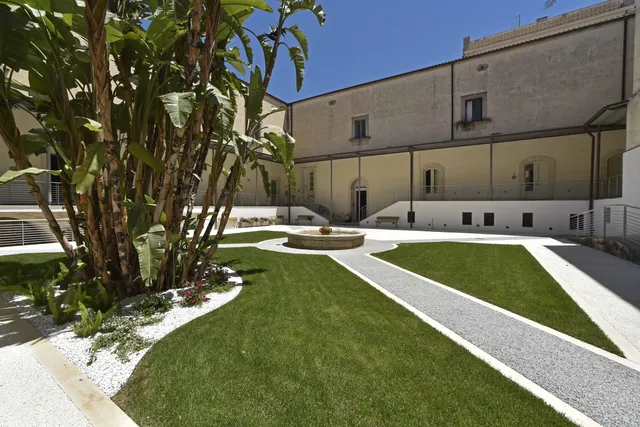
Centro Comercial Cultural Ragusa
4.6
(35)
Click for details
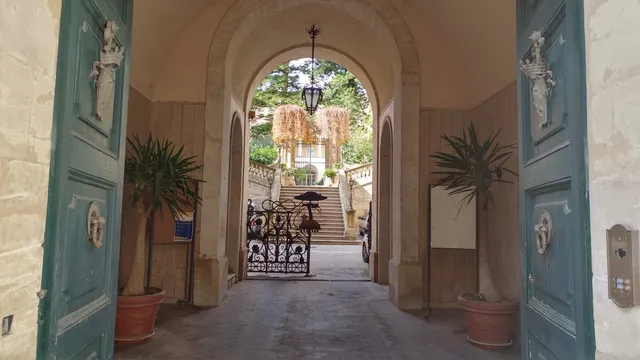
Diocesi di Ragusa
4.7
(28)
Click for details
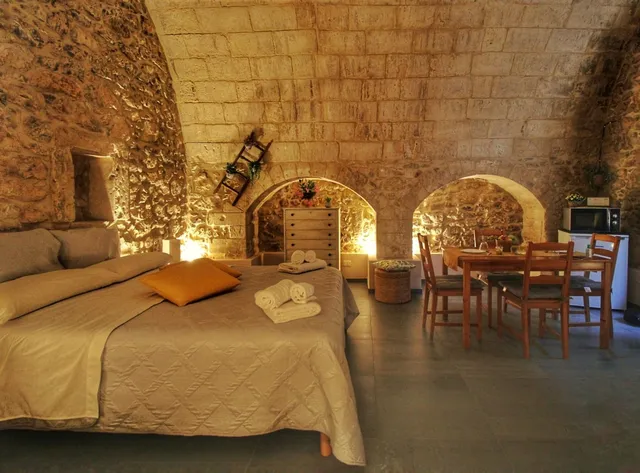
Udammusu34
4.8
(13)
Click for details