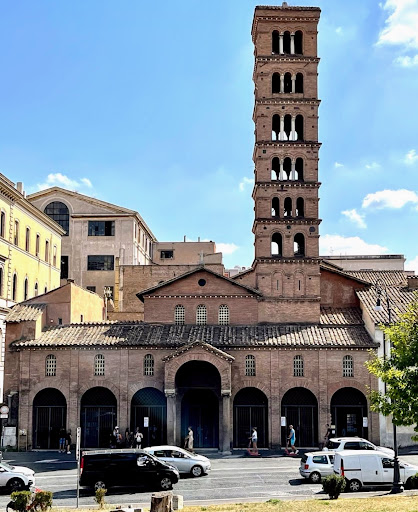
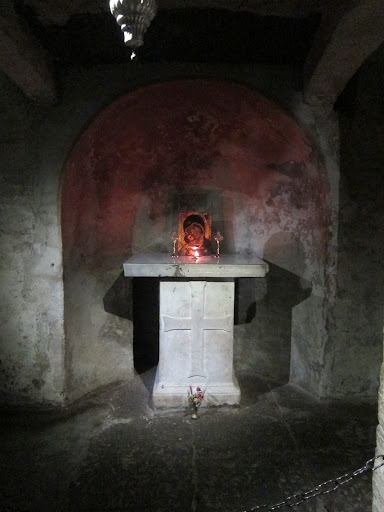
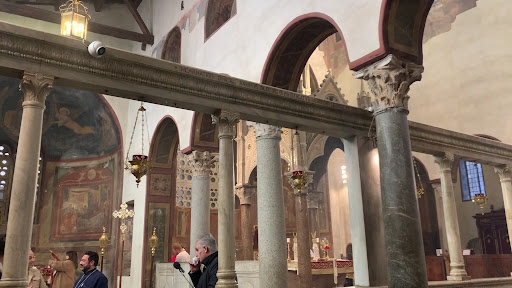
Basilica di Santa Maria in Cosmedin things to do, attractions, restaurants, events info and trip planning
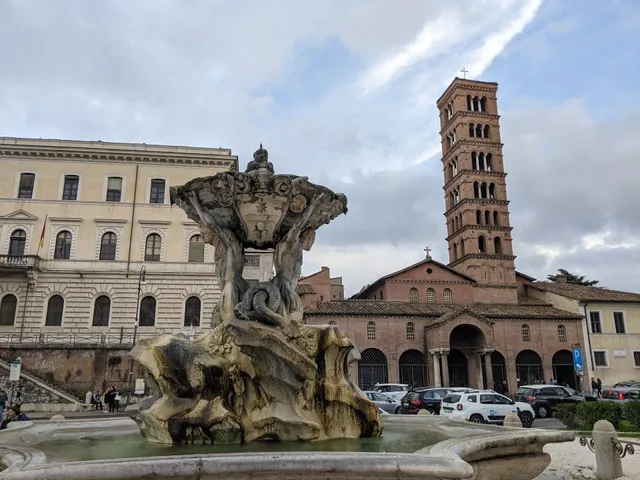
Basic Info
Basilica di Santa Maria in Cosmedin
Piazza della Bocca della Verità, 18, 00186 Roma RM, Italy
4.5(3.7K)
Closed
Save
spot
spot
Ratings & Description
Info
Cultural
Family friendly
Accessibility
attractions: Mouth of Truth, Campagna Amica Market, Forum Boarium, Temple of Hercules Victor, Fountain of the Tritons, Giardino degli Aranci, Circus Maximus, Temple of Portunus, Arch of Janus, Ponte Palatino, restaurants: 075 zerosettantacinque, Trattoria Da Enzo, 47 Circus Roof Garden, Bar Santeo, Osteria Circo, Cerchi Ice Cream, Falo Bistrot - Roma, Ristorante Alvaro Al Circo Massimo, Guenda, Bar MART, local businesses: Motorstock, Circo Massimo Farmers Market, Teatro Marcello, Exclusive Suite, Tiber Island, Basilica di Santa Cecilia in Trastevere, Ponte Fabricio, Sartoria Misano, Campidoglio, Jardim de rosas municipal
 Learn more insights from Wanderboat AI.
Phone
+39 06 678 7759
Open hoursSee all hours
Sat9:30 AM - 6 PMClosed
Plan your stay

Pet-friendly Hotels in Rome
Find a cozy hotel nearby and make it a full experience.

Affordable Hotels in Rome
Find a cozy hotel nearby and make it a full experience.

The Coolest Hotels You Haven't Heard Of (Yet)
Find a cozy hotel nearby and make it a full experience.

Trending Stays Worth the Hype in Rome
Find a cozy hotel nearby and make it a full experience.
Reviews
Live events
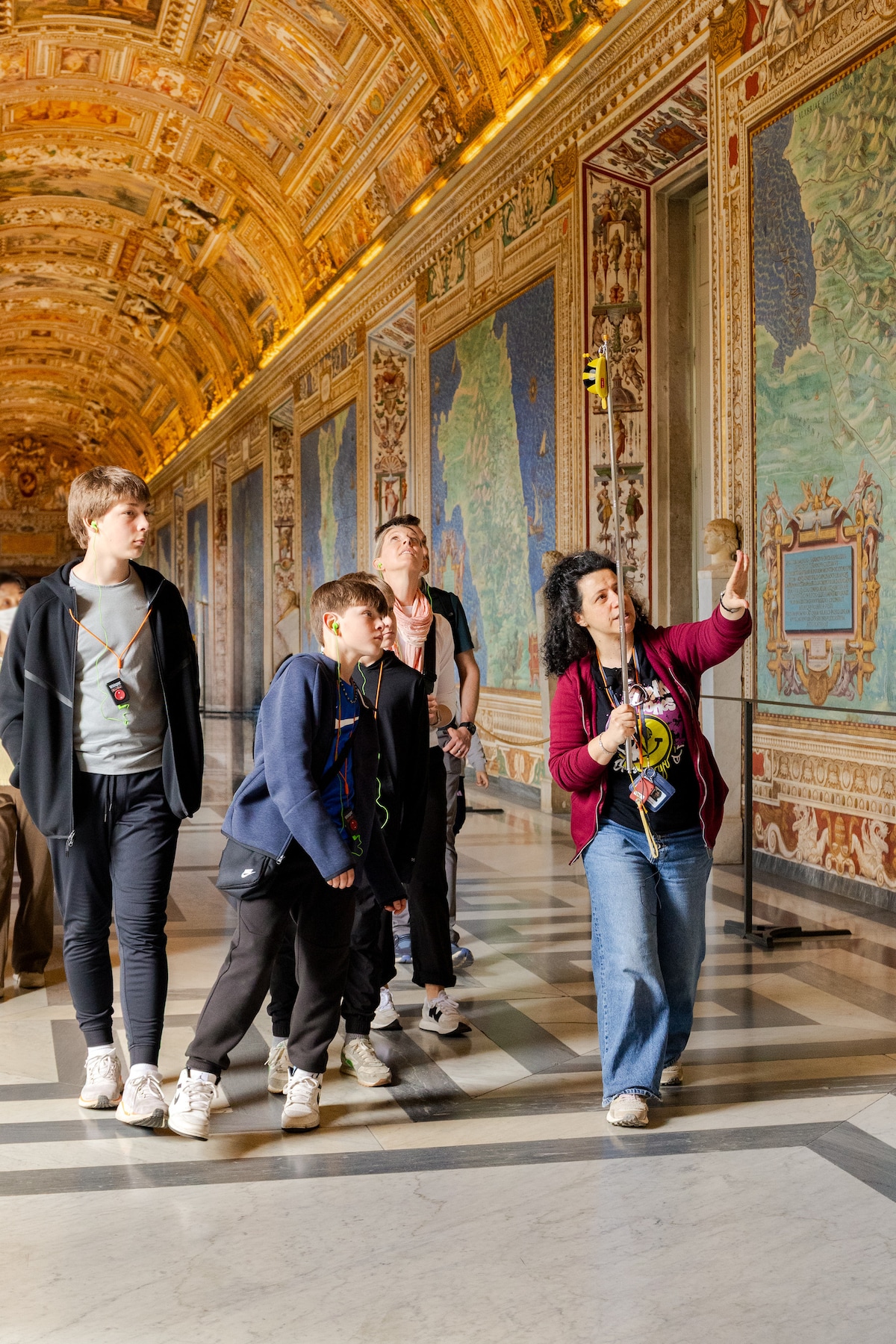
Complete Vatican Tour: Museums, Sistine & Basilica
Mon, Mar 2 • 9:15 AM
00192, Rome, Lazio, Italy
View details
LUNA: A Journey to the Moon – un’esperienza immersiva in realtà virtuale a Roma
Sat, Feb 28 • 10:00 AM
Via Trionfale, 7400, Roma, 00136
View details
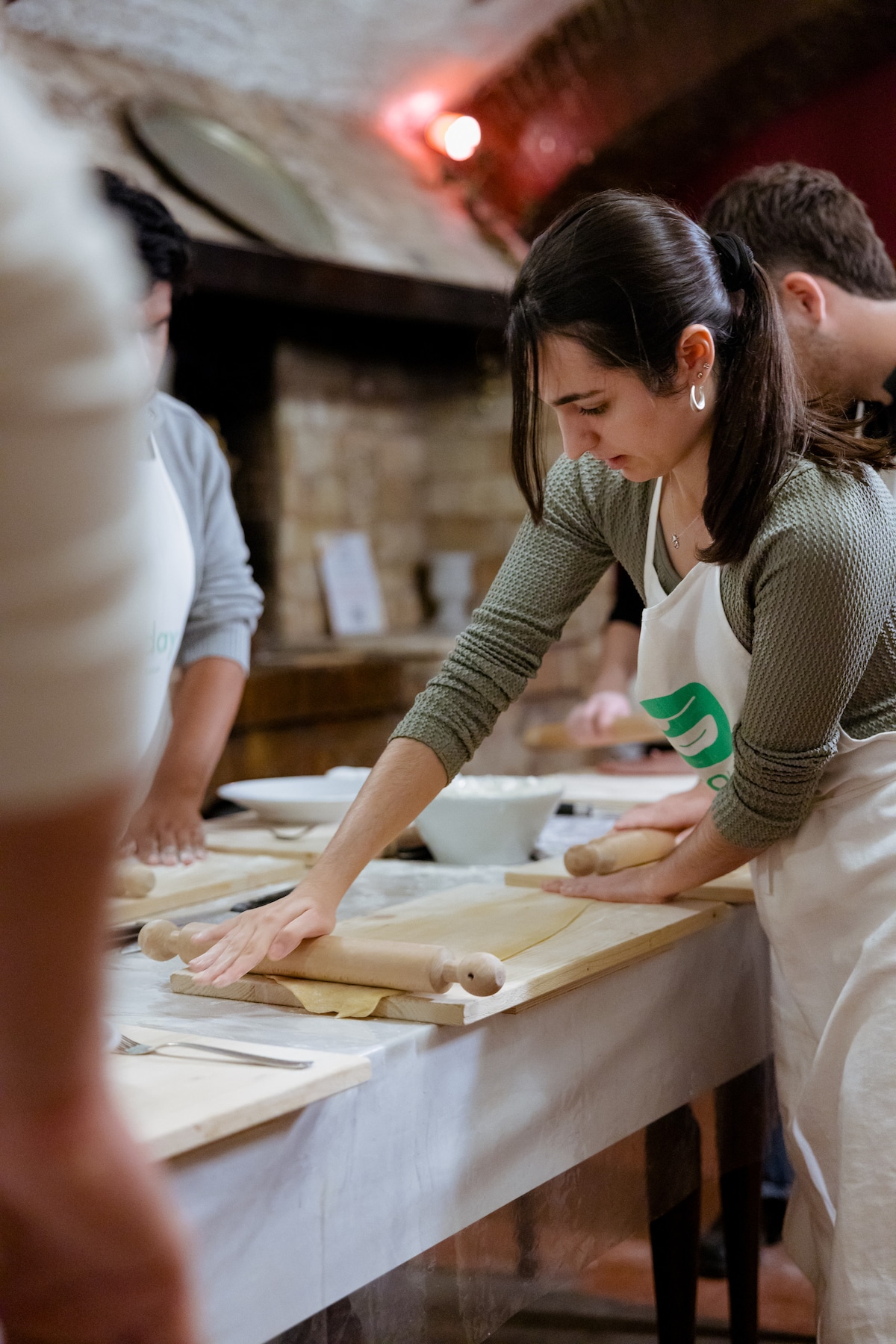
Make handmade fettuccine and tiramisu with a local
Sat, Feb 28 • 10:15 AM
00187, Rome, Lazio, Italy
View details
Nearby attractions of Basilica di Santa Maria in Cosmedin
Mouth of Truth
Campagna Amica Market
Forum Boarium
Temple of Hercules Victor
Fountain of the Tritons
Giardino degli Aranci
Circus Maximus
Temple of Portunus
Arch of Janus
Ponte Palatino
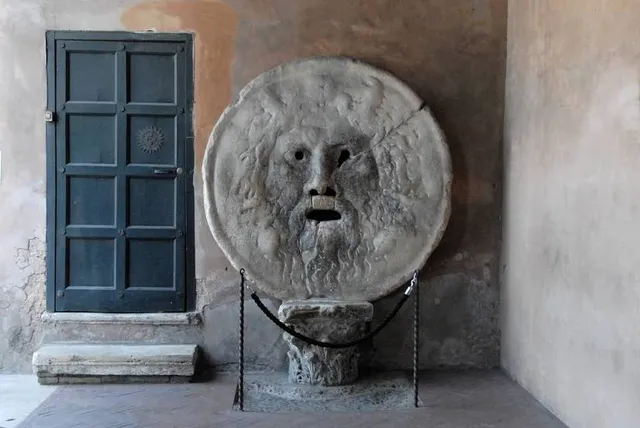
Mouth of Truth
4.3
(9K)
Closed
Click for details
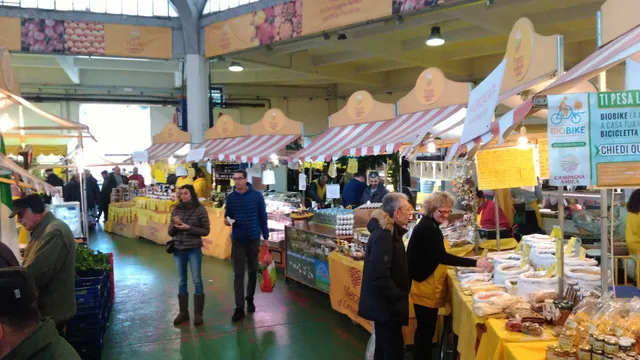
Campagna Amica Market
4.6
(1.7K)
Open until 12:00 AM
Click for details
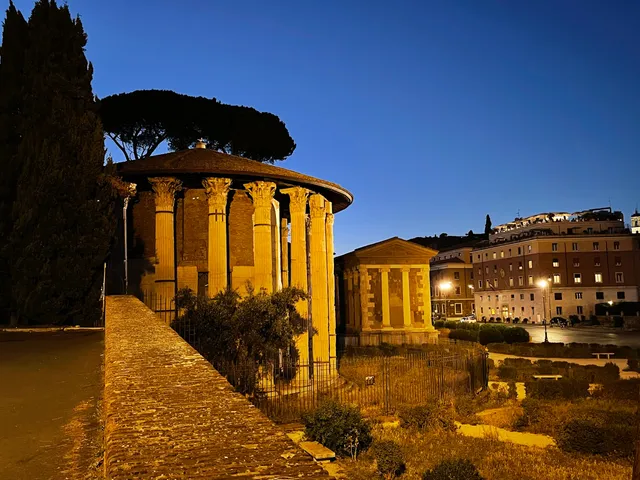
Forum Boarium
4.5
(505)
Closed
Click for details
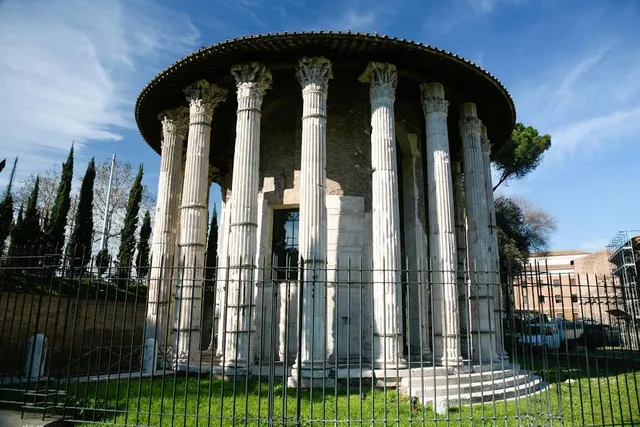
Temple of Hercules Victor
4.5
(524)
Open until 12:00 AM
Click for details
Nearby restaurants of Basilica di Santa Maria in Cosmedin
075 zerosettantacinque
Trattoria Da Enzo
47 Circus Roof Garden
Bar Santeo
Osteria Circo
Cerchi Ice Cream
Falo Bistrot - Roma
Ristorante Alvaro Al Circo Massimo
Guenda
Bar MART
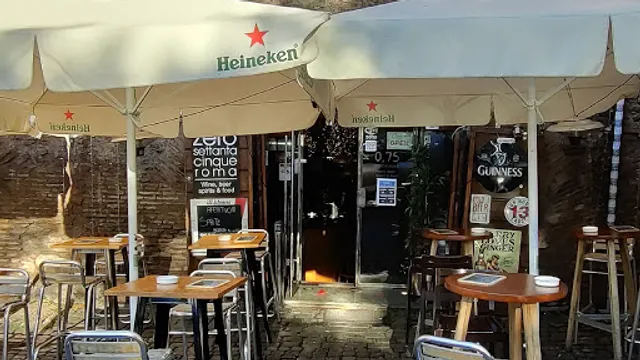
075 zerosettantacinque
4.5
(1.1K)
Closed
Click for details
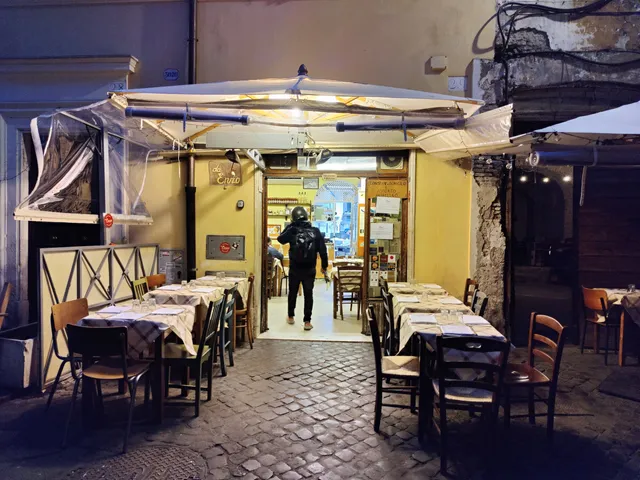
Trattoria Da Enzo
4.3
(4K)
Closed
Click for details
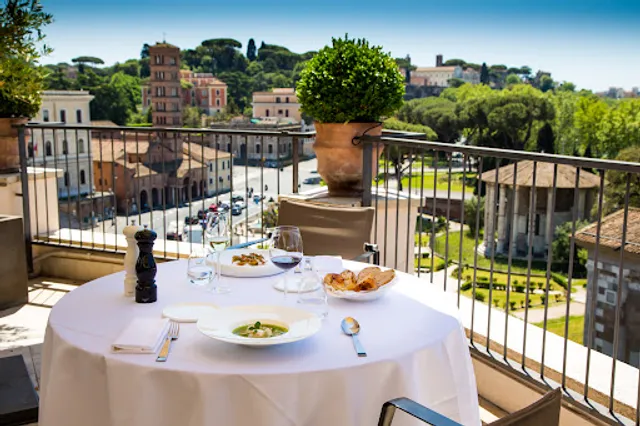
47 Circus Roof Garden
4.3
(514)
$$$
Closed
Click for details
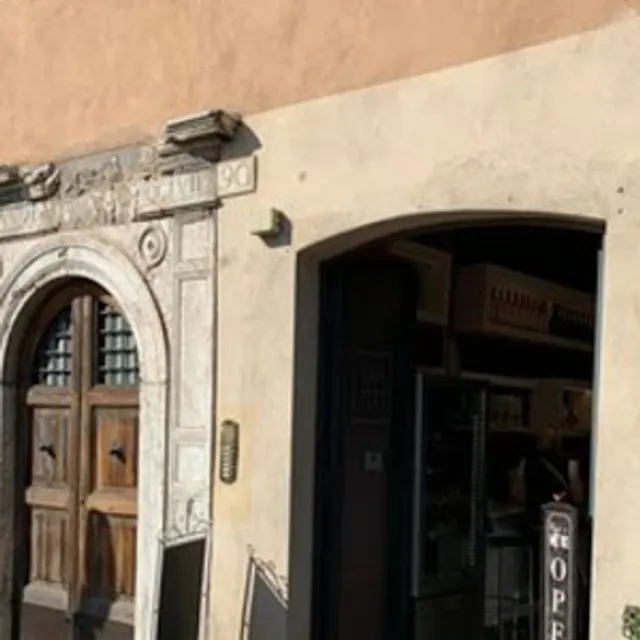
Bar Santeo
4.5
(320)
Closed
Click for details
Nearby local services of Basilica di Santa Maria in Cosmedin
Motorstock
Circo Massimo Farmers Market
Teatro Marcello
Exclusive Suite
Tiber Island
Basilica di Santa Cecilia in Trastevere
Ponte Fabricio
Sartoria Misano
Campidoglio
Jardim de rosas municipal

Motorstock
4.8
(563)
Click for details
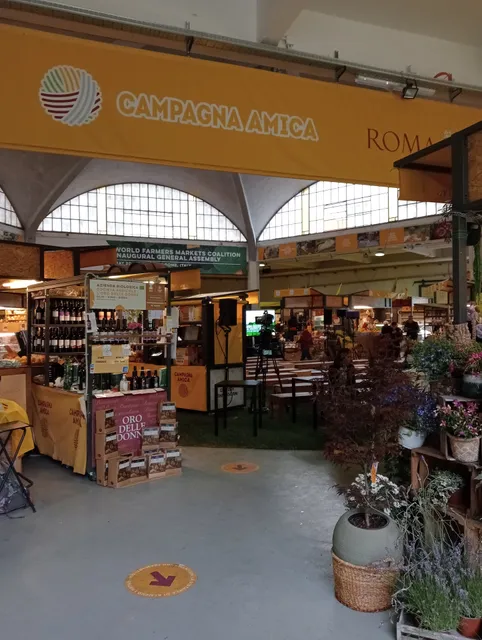
Circo Massimo Farmers Market
4.7
(84)
Click for details
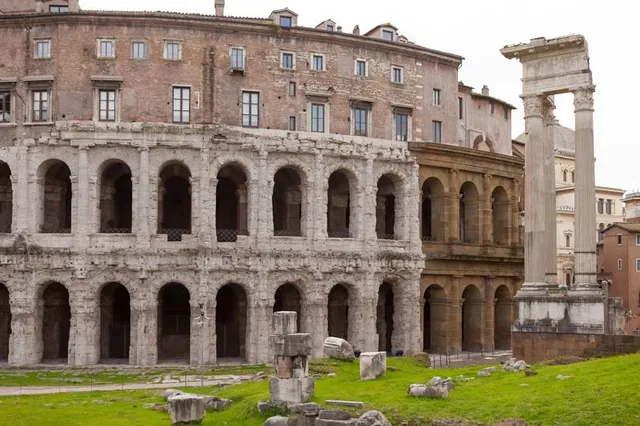
Teatro Marcello
4.6
(3.8K)
Click for details
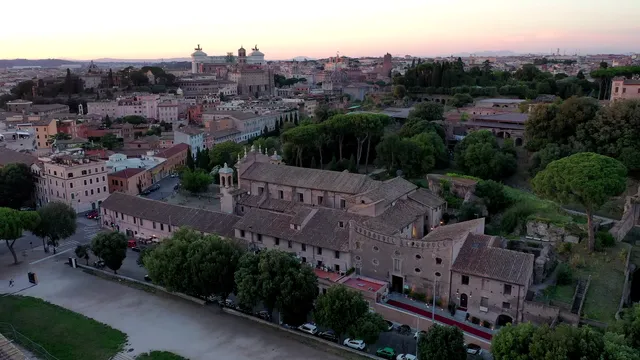
Exclusive Suite
4.7
(156)
Click for details


The hit list


Plan your trip with Wanderboat
Welcome to Wanderboat AI, your AI search for local Eats and Fun, designed to help you explore your city and the world with ease.
Powered by Wanderboat AI trip planner.