HTML SitemapExplore
logo
Find Things to DoFind The Best Restaurants

Fountain of the Tritons — Attraction in Rome

Name
Fountain of the Tritons
Description
Nearby attractions
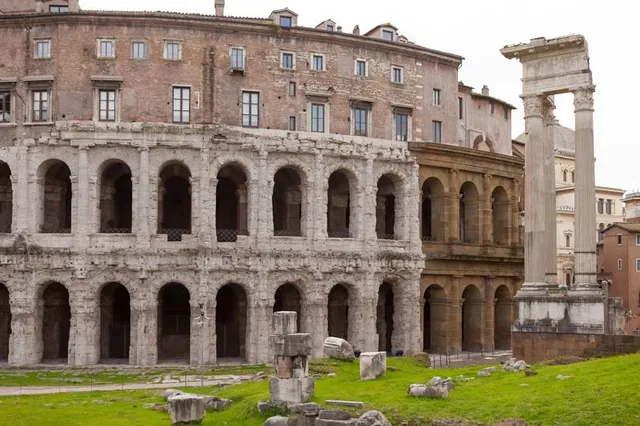
Mouth of Truth
Piazza della Bocca della Verità, 00186 Roma RM, Italy
Basilica di Santa Maria in Cosmedin
Piazza della Bocca della Verità, 18, 00186 Roma RM, Italy
Temple of Hercules Victor
Piazza della Bocca della Verità, 00186 Roma RM, Italy
Forum Boarium
Via Luigi Petroselli, 00186 Roma RM, Italy
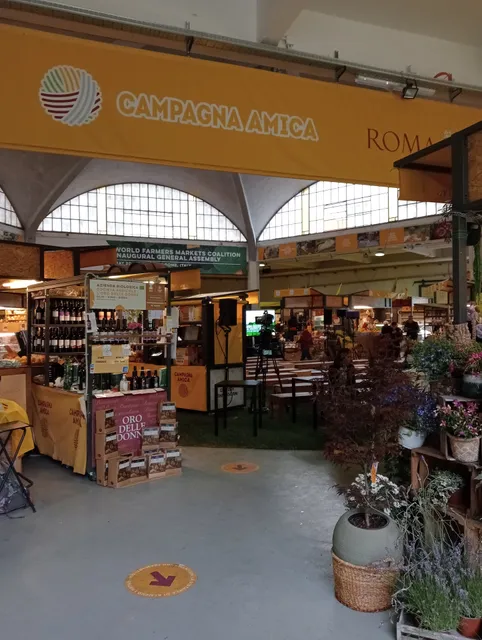
Campagna Amica Market
Via di S. Teodoro, 74, 00186 Roma RM, Italy
Temple of Portunus
Piazza della Bocca della Verità, 00186 Roma RM, Italy
Ponte Palatino
Lungotevere degli Alberteschi, 00153 Roma RM, Italy
Giardino degli Aranci
Piazza Pietro D'Illiria, 00153 Roma RM, Italy
Arch of Janus
Via del Velabro, 5, 00186 Roma RM, Italy
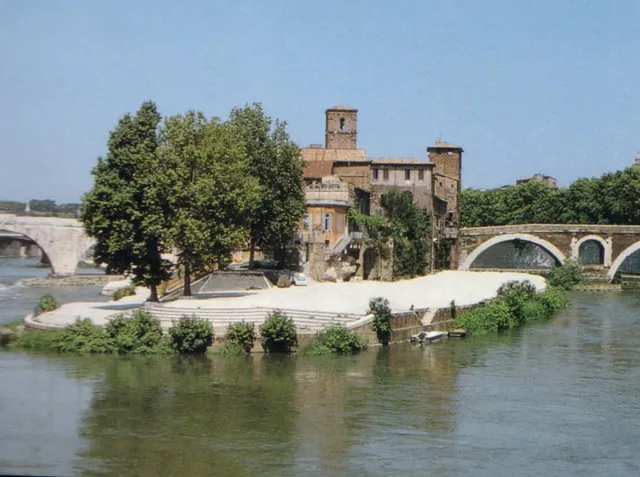
Pons Aemilius
Via di Ponte Rotto, 00186 Roma RM, Italy
Nearby restaurants
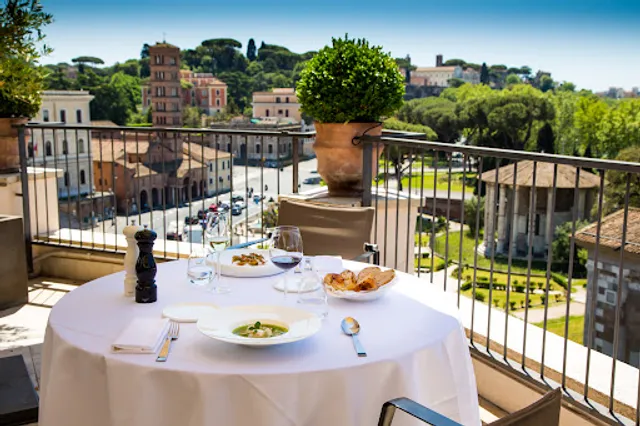
47 Circus Roof Garden
Via Luigi Petroselli, 47, 00186 Roma RM, Italy
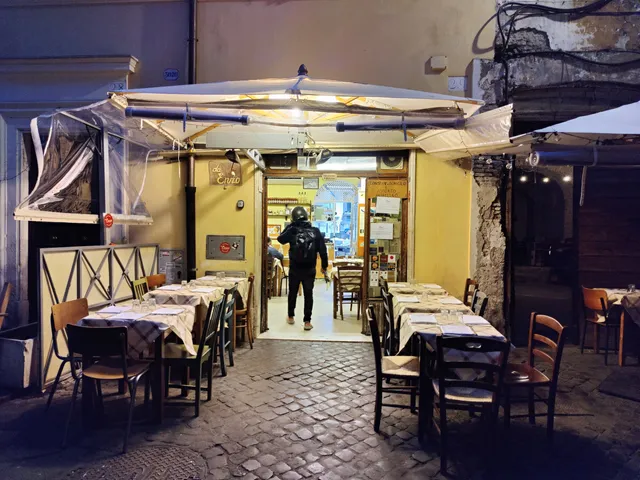
Trattoria Da Enzo al 29
Via dei Vascellari, 29, 00153 Roma RM, Italy
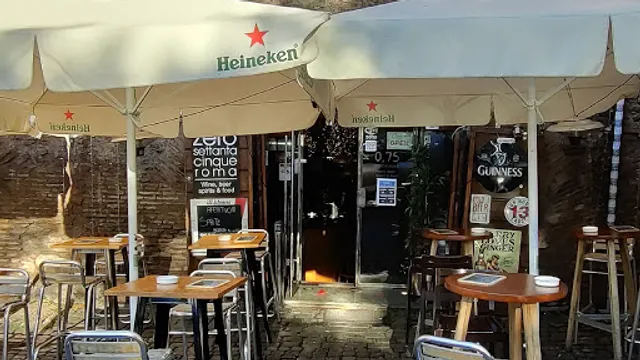
075 zerosettantacinque
Via dei Cerchi, 65, 00186 Roma RM, Italy
Rhinoceros Le Restau & RoofBar
Via dei Cerchi, 19,/23, 00186 Roma RM, Italy
Trattoria Da Teo
Piazza dei Ponziani, 7A, 00153 Roma RM, Italy
Osteria Circo
Via dei Cerchi, 77/79, 00186 Roma RM, Italy
In Roma - since 1917
Via dei Fienili, 56, 00186 Roma RM, Italy
Apicio16 Restaurant & Bar
Via del Velabro, 16, 00186 Roma RM, Italy
Ristorante Alvaro Al Circo Massimo
Via dei Cerchi, 53, 00186 Roma RM, Italy
Guenda
Via dei Cerchi, 73, 00186 Roma RM, Italy
Nearby hotels
Fortyseven Hotel
Via Luigi Petroselli, 47, 00186 Roma RM, Italy
Rhinoceros Roma
Via del Velabro, 9, 00186 Roma RM, Italy
Kolbe Hotel Rome
Via di S. Teodoro, 48, 00186 Roma RM, Italy
Palazzo Velabro
Palazzo Velabro, Via del Velabro, 16, 00186 Roma RM, Italy
Palazzo Baj in Trastevere
Lungotevere Ripa, 6, 00153 Roma RM, Italy
Borgo Ripa Urban Travel
Lungotevere Ripa, 3, 00153 Roma RM, Italy
Ripense In Trastevere
Via Ripense, 4, 00153 Roma RM, Italy
Little rHome Suites
Via Ripense, 4, 00153 Roma RM, Italy
Ripagrande a Trastevere Guest House
Lungotevere Ripa, 6, 00153 Roma RM, Italy
Casa di Santa Francesca Romana
Via dei Vascellari, 61, 00153 Roma RM, Italy
Related posts
Keywords
Fountain of the Tritons tourism.Fountain of the Tritons hotels.Fountain of the Tritons bed and breakfast. flights to Fountain of the Tritons.Fountain of the Tritons attractions.Fountain of the Tritons restaurants.Fountain of the Tritons travel.Fountain of the Tritons travel guide.Fountain of the Tritons travel blog.Fountain of the Tritons pictures.Fountain of the Tritons photos.Fountain of the Tritons travel tips.Fountain of the Tritons maps.Fountain of the Tritons things to do.
Fountain of the Tritons things to do, attractions, restaurants, events info and trip planning
Fountain of the Tritons
ItalyLazioRomeFountain of the Tritons

Basic Info

Fountain of the Tritons

Piazza della Bocca della Verità, 00186 Roma RM, Italy
4.4(177)
Open 24 hours
Save
spot

Ratings & Description

Info

Cultural
Scenic
Accessibility
attractions: Mouth of Truth, Basilica di Santa Maria in Cosmedin, Temple of Hercules Victor, Forum Boarium, Campagna Amica Market, Temple of Portunus, Ponte Palatino, Giardino degli Aranci, Arch of Janus, Pons Aemilius, restaurants: 47 Circus Roof Garden, Trattoria Da Enzo al 29, 075 zerosettantacinque, Rhinoceros Le Restau & RoofBar, Trattoria Da Teo, Osteria Circo, In Roma - since 1917, Apicio16 Restaurant & Bar, Ristorante Alvaro Al Circo Massimo, Guenda
logoLearn more insights from Wanderboat AI.
Website
sovraintendenzaroma.it

Plan your stay

hotel
Pet-friendly Hotels in Rome
Find a cozy hotel nearby and make it a full experience.

hotel
Affordable Hotels in Rome
Find a cozy hotel nearby and make it a full experience.

hotel
The Coolest Hotels You Haven't Heard Of (Yet)
Find a cozy hotel nearby and make it a full experience.

hotel
Trending Stays Worth the Hype in Rome
Find a cozy hotel nearby and make it a full experience.

Reviews

Nearby attractions of Fountain of the Tritons

Mouth of Truth

Basilica di Santa Maria in Cosmedin

Temple of Hercules Victor

Forum Boarium

Campagna Amica Market

Temple of Portunus

Ponte Palatino

Giardino degli Aranci

Arch of Janus

Pons Aemilius
Mouth of Truth

Mouth of Truth

4.3

(8.7K)

Open until 5:50 PM
Click for details
Basilica di Santa Maria in Cosmedin

Basilica di Santa Maria in Cosmedin

4.5

(3.4K)

Open until 6:00 PM
Click for details
Temple of Hercules Victor

Temple of Hercules Victor

4.5

(496)

Open until 12:00 AM
Click for details
Forum Boarium

Forum Boarium

4.4

(271)

Open 24 hours
Click for details

Things to do nearby

Catacombs: The Coolest Underground Tour in Rome
Fri, Dec 5 â€ĸ 3:00 PM
00147, Rome, Lazio, Italy
View details
Pasta-making class, wine tasting and dinner
Fri, Dec 5 â€ĸ 10:30 AM
00044, Frascati, Lazio, Italy
View details
Pasta and Pizza cooking class with wine and more
Sun, Dec 7 â€ĸ 10:30 AM
00142, Rome, Lazio, Italy
View details

Nearby restaurants of Fountain of the Tritons

47 Circus Roof Garden

Trattoria Da Enzo al 29

075 zerosettantacinque

Rhinoceros Le Restau & RoofBar

Trattoria Da Teo

Osteria Circo

In Roma - since 1917

Apicio16 Restaurant & Bar

Ristorante Alvaro Al Circo Massimo

Guenda

47 Circus Roof Garden

47 Circus Roof Garden

4.3

(524)

$$$

Click for details
Trattoria Da Enzo al 29

Trattoria Da Enzo al 29

4.3

(3.9K)

$$

Open until 3:00 PM
Click for details
075 zerosettantacinque

075 zerosettantacinque

4.5

(1.2K)

$

Click for details
Rhinoceros Le Restau & RoofBar

Rhinoceros Le Restau & RoofBar

4.0

(220)

$$$

Click for details
Get the Appoverlay
Get the AppOne tap to find yournext favorite spots!

The hit list

restaurant
Best 10 Restaurants to Visit in Rome
February 12 ¡ 5 min read
attraction
Best 10 Attractions to Visit in Rome
February 12 ¡ 5 min read
Rome

Plan your trip with Wanderboat

Welcome to Wanderboat AI, your AI search for local Eats and Fun, designed to help you explore your city and the world with ease.

Powered by Wanderboat AI trip planner.
Wanderboat LogoWanderboat

Your everyday Al companion for getaway ideas

CompanyAbout Us
InformationAI Trip PlannerSitemap
SocialXInstagramTiktokLinkedin
LegalTerms of ServicePrivacy Policy

Get the app

Š 2025 Wanderboat. All rights reserved.
logo

Posts

Camilo A. PosadaCamilo A. Posada
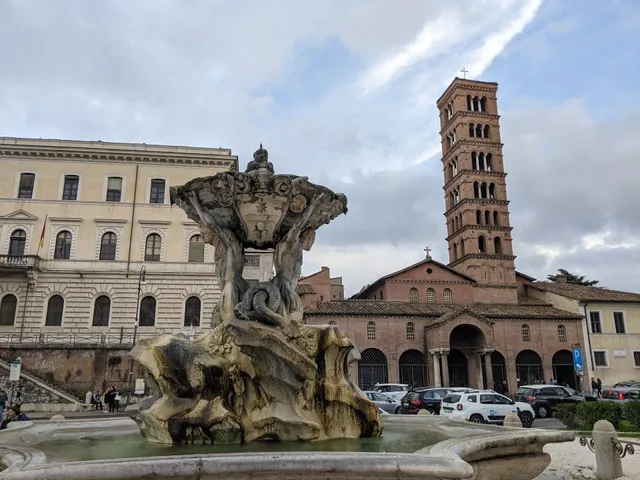
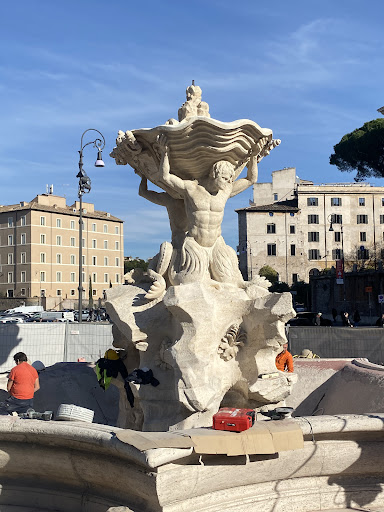
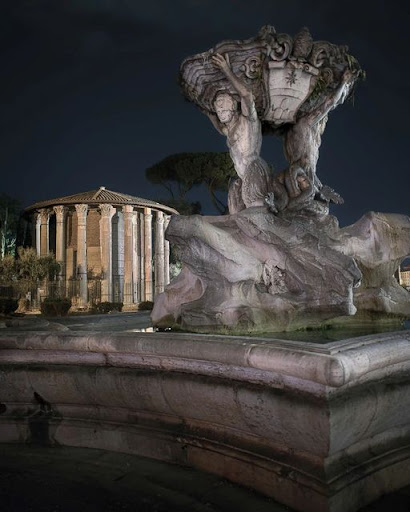
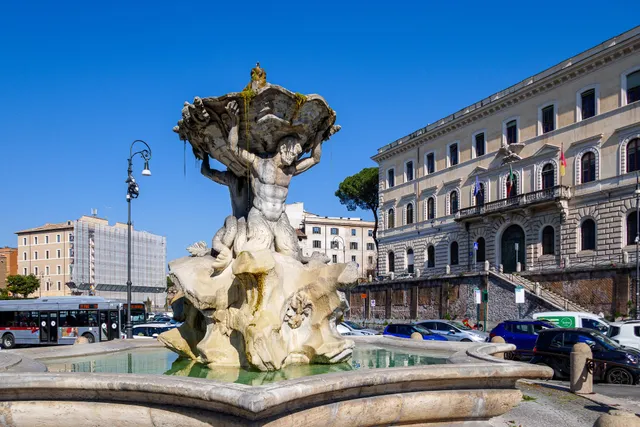
This morning, I found myself in Piazza della Bocca della Verità, and as I approached the fountain, I was momentarily confused. At first glance, I thought it was Bernini’s famous Fontana del Tritone from Piazza Barberini. The depiction of Tritons, the dynamic pose, and the overall grandeur seemed so familiar. But then, as I looked around and realized I was standing near the Temple of Hercules Victor and the Bocca della Verità, it dawned on me that I was in front of the Fontana dei Tritoni, a distinct and equally fascinating work. This fountain, created by Carlo Bizzaccheri in 1717, belongs to the Late Baroque/Early Rococo period, during the papacy of Clement XI Albani. It features two powerful Tritons kneeling back-to-back, hoisting a massive seashell from which water flows. While it shares the mythological theme and dynamism of Bernini’s Baroque style, it reflects a transition toward the more ornamental and decorative tendencies of the Rococo period. Its location in this historic piazza, surrounded by ancient landmarks, adds to its charm. Seeing it partially covered for restoration felt like a rare glimpse into the hidden work that goes into preserving such treasures. It’s moments like these, when history meets the present, that remind me why wandering through Rome always feels like discovering layers of time—sometimes confusing, but always magical.
Loo YeoLoo Yeo
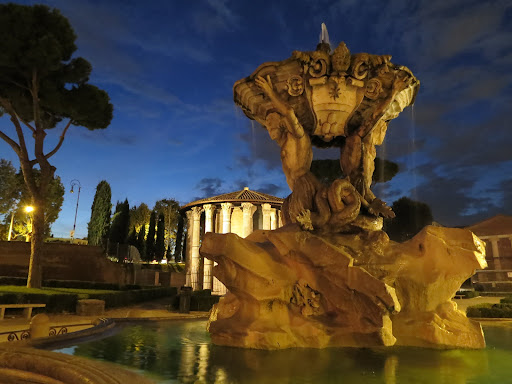
Visited September 2013 - Fontana dei Tritoni (1715). Commissioned by Pope Clement XI, whose coat of arms crowns the basin, the fountain was placed here in a puzzling setting: a low-lying, flood-prone quarter between the Circus Maximus and the River Tiber, then littered with spoil and sparsely inhabited. Why Clement chose this site remains uncertain, but its presence helped monumentalise an otherwise marginal stretch of Rome. Carlo Francesco Bizzaccheri’s design, with twin tritons straining under an oyster shell, echoes the dramatic naturalism popularised by Bernini’s Fontana dei Quattro Fiumi. Rising from a rugged base, it stages the sea-spirits in theatrical exertion, both mythic and muscular. Tonight, it is simply beautiful.
LauraLaura
Nella Roma di inizio Settecento, l’antica area del Foro Boario era ancora scarsamente popolata. Anche se era soggetta alle frequenti inondazioni del Tevere, era perÃ˛ ricchissima di testimonianze di epoca medievale e romana, come il grande Arco di Giano, e già servita da una diramazione dell’Aqua Felice, il primo acquedotto costruito in città da un pontefice. In occasione dei lavori di risistemazione della piazza antistante la chiesa di Santa Maria in Cosmedin, che ospita la famosissima Bocca della Verità, Papa Clemente XI Albani volle quindi lasciare anche in questa parte della città un proprio segno, con la realizzazione di una fontana a pochi passi dal tempio di Ercole Vincitore. L’11 agosto del 1717 venne cosÃŦ posta la prima pietra della nuova Fontana dei Tritoni. Il progetto era stato affidato all’architetto Carlo Francesco Bizzaccheri che si ispirÃ˛, sia nel soggetto rappresentato sia nello stile, alla Fontana del Tritone di Gian Lorenzo Bernini in piazza Barberini. In omaggio al committente, la vasca principale della fontana fu perÃ˛ disegnata come un ottagono con i lati concavi, in modo da ricordare la stella a otto punte che caratterizzava lo stemma della famiglia Albani da cui proveniva il pontefice. Nella vasca, sopra un grande scoglio centrale ornato da ciuffi di vegetazione, due tritoni inginocchiati, scolpiti da Francesco Moratti, sorreggono un’ampia conchiglia a forma di ostrica con funzione di catino, sul cui bordo esterno campeggiano altri due stemmi araldici della famiglia Albani e al cui centro zampilla l’acqua. Sui bordi della vasca, secondo il progetto originale, erano stati collocati quattro mascheroni, poi rimossi nell’Ottocento forse per mancanza d’acqua. Stessa sorte toccÃ˛ agli inizi del Novecento al fontanile attiguo che il pontefice aveva fatto costruire a servizio dei cittadini e delle mandrie di bestiame che transitano verso il vicino Foro romano: smontato in occasione dei lavori per la costruzione dei muraglioni del Tevere fu trasferito nel vicino lungotevere Aventino.
See more posts
See more posts
hotel
Find your stay

Pet-friendly Hotels in Rome

Find a cozy hotel nearby and make it a full experience.

This morning, I found myself in Piazza della Bocca della Verità, and as I approached the fountain, I was momentarily confused. At first glance, I thought it was Bernini’s famous Fontana del Tritone from Piazza Barberini. The depiction of Tritons, the dynamic pose, and the overall grandeur seemed so familiar. But then, as I looked around and realized I was standing near the Temple of Hercules Victor and the Bocca della Verità, it dawned on me that I was in front of the Fontana dei Tritoni, a distinct and equally fascinating work. This fountain, created by Carlo Bizzaccheri in 1717, belongs to the Late Baroque/Early Rococo period, during the papacy of Clement XI Albani. It features two powerful Tritons kneeling back-to-back, hoisting a massive seashell from which water flows. While it shares the mythological theme and dynamism of Bernini’s Baroque style, it reflects a transition toward the more ornamental and decorative tendencies of the Rococo period. Its location in this historic piazza, surrounded by ancient landmarks, adds to its charm. Seeing it partially covered for restoration felt like a rare glimpse into the hidden work that goes into preserving such treasures. It’s moments like these, when history meets the present, that remind me why wandering through Rome always feels like discovering layers of time—sometimes confusing, but always magical.
Camilo A. Posada

Camilo A. Posada

hotel
Find your stay

Affordable Hotels in Rome

Find a cozy hotel nearby and make it a full experience.

Get the Appoverlay
Get the AppOne tap to find yournext favorite spots!
Visited September 2013 - Fontana dei Tritoni (1715). Commissioned by Pope Clement XI, whose coat of arms crowns the basin, the fountain was placed here in a puzzling setting: a low-lying, flood-prone quarter between the Circus Maximus and the River Tiber, then littered with spoil and sparsely inhabited. Why Clement chose this site remains uncertain, but its presence helped monumentalise an otherwise marginal stretch of Rome. Carlo Francesco Bizzaccheri’s design, with twin tritons straining under an oyster shell, echoes the dramatic naturalism popularised by Bernini’s Fontana dei Quattro Fiumi. Rising from a rugged base, it stages the sea-spirits in theatrical exertion, both mythic and muscular. Tonight, it is simply beautiful.
Loo Yeo

Loo Yeo

hotel
Find your stay

The Coolest Hotels You Haven't Heard Of (Yet)

Find a cozy hotel nearby and make it a full experience.

hotel
Find your stay

Trending Stays Worth the Hype in Rome

Find a cozy hotel nearby and make it a full experience.

Nella Roma di inizio Settecento, l’antica area del Foro Boario era ancora scarsamente popolata. Anche se era soggetta alle frequenti inondazioni del Tevere, era perÃ˛ ricchissima di testimonianze di epoca medievale e romana, come il grande Arco di Giano, e già servita da una diramazione dell’Aqua Felice, il primo acquedotto costruito in città da un pontefice. In occasione dei lavori di risistemazione della piazza antistante la chiesa di Santa Maria in Cosmedin, che ospita la famosissima Bocca della Verità, Papa Clemente XI Albani volle quindi lasciare anche in questa parte della città un proprio segno, con la realizzazione di una fontana a pochi passi dal tempio di Ercole Vincitore. L’11 agosto del 1717 venne cosÃŦ posta la prima pietra della nuova Fontana dei Tritoni. Il progetto era stato affidato all’architetto Carlo Francesco Bizzaccheri che si ispirÃ˛, sia nel soggetto rappresentato sia nello stile, alla Fontana del Tritone di Gian Lorenzo Bernini in piazza Barberini. In omaggio al committente, la vasca principale della fontana fu perÃ˛ disegnata come un ottagono con i lati concavi, in modo da ricordare la stella a otto punte che caratterizzava lo stemma della famiglia Albani da cui proveniva il pontefice. Nella vasca, sopra un grande scoglio centrale ornato da ciuffi di vegetazione, due tritoni inginocchiati, scolpiti da Francesco Moratti, sorreggono un’ampia conchiglia a forma di ostrica con funzione di catino, sul cui bordo esterno campeggiano altri due stemmi araldici della famiglia Albani e al cui centro zampilla l’acqua. Sui bordi della vasca, secondo il progetto originale, erano stati collocati quattro mascheroni, poi rimossi nell’Ottocento forse per mancanza d’acqua. Stessa sorte toccÃ˛ agli inizi del Novecento al fontanile attiguo che il pontefice aveva fatto costruire a servizio dei cittadini e delle mandrie di bestiame che transitano verso il vicino Foro romano: smontato in occasione dei lavori per la costruzione dei muraglioni del Tevere fu trasferito nel vicino lungotevere Aventino.
Laura

Laura

See more posts
See more posts

Reviews of Fountain of the Tritons

4.4
(177)
avatar
5.0
51w

This morning, I found myself in Piazza della Bocca della Verità, and as I approached the fountain, I was momentarily confused. At first glance, I thought it was Bernini’s famous Fontana del Tritone from Piazza Barberini. The depiction of Tritons, the dynamic pose, and the overall grandeur seemed so familiar. But then, as I looked around and realized I was standing near the Temple of Hercules Victor and the Bocca della Verità, it dawned on me that I was in front of the Fontana dei Tritoni, a distinct and equally fascinating work.

This fountain, created by Carlo Bizzaccheri in 1717, belongs to the Late Baroque/Early Rococo period, during the papacy of Clement XI Albani. It features two powerful Tritons kneeling back-to-back, hoisting a massive seashell from which water flows. While it shares the mythological theme and dynamism of Bernini’s Baroque style, it reflects a transition toward the more ornamental and decorative tendencies of the Rococo period.

Its location in this historic piazza, surrounded by ancient landmarks, adds to its charm. Seeing it partially covered for restoration felt like a rare glimpse into the hidden work that goes into preserving such treasures. It’s moments like these, when history meets the present, that remind me why wandering through Rome always feels like discovering layers of time—sometimes confusing, but...

   Read more
avatar
4.0
1y

āϏ⧁āĻ¨ā§āĻĻāϰ āĻĢāĻžāωāĻ¨ā§āĻŸā§‡āύāĨ¤ āĻāϰ āĻŦāĻŋāĻĒāϰ⧀āϤ⧇āχ āϏāĻžāĻ¨ā§āϤāĻž āĻŽāĻžāϰāĻŋ⧟āĻž āϚāĻžāĻ°ā§āϚāĨ¤

āχāϤāĻžāϞāĻŋāϰ āϟāĻžāĻ°ā§āύāĻŋ āĻļāĻšāϰ⧇ āĻāĻ• āϏāĻ¨ā§āϤ (āϏ⧇āĻ¨ā§āϟ) āĻ›āĻŋāϞ⧇āύāĨ¤ āĻ˛ā§āϝāĻžāϟāĻŋāύ⧇ āĻ–ā§āϰāĻŋāĻˇā§āϟāϧāĻ°ā§āĻŽ āĻĒā§āϰāϚāĻžāϰāĻ• āĻāχ āϏāĻ¨ā§āϤāĻĻ⧇āϰ āĻŦāϞāĻž āĻšāϤ āϏ⧇āĻ¨ā§āϟāĨ¤ āϟāĻžāĻ°ā§āύāĻŋāϤ⧇ āϏ⧇āχ āϏ⧇āĻ¨ā§āϟ āϖ⧁āĻŦāχ āϜāύāĻĒā§āϰāĻŋ⧟ āĻšā§Ÿā§‡ āωāϠ⧇āĻ›āĻŋāϞ⧇āύ, āĻ•āĻžāϰāĻŖ āϤāĻŋāύāĻŋ āϝ⧀āĻļ⧁āĻ–ā§āϰāĻŋāĻˇā§āϟāϕ⧇ āĻ…āĻ¨ā§āϧ⧇āϰ āĻŽāϤ āĻŦāĻŋāĻļā§āĻŦāĻžāϏ āĻ•āϰāϤ⧇āύāĨ¤ āĻāĻĻāĻŋāϕ⧇ āϰ⧋āĻŽ āϏāĻžāĻŽā§āϰāĻžāĻœā§āϝ⧇āϰ āϏāĻŽā§āϰāĻžāϟ āĻĻā§āĻŦāĻŋāĻ¤ā§€ā§Ÿ āĻ•ā§āϞāĻĄāĻŋ⧟āĻžāϏ āĻ›āĻŋāϞ⧇āύ āĻāϕ⧇āĻŦāĻžāϰ⧇ āĻ–ā§āϰāĻŋāĻˇā§āϟāĻŦāĻŋāϰ⧋āϧ⧀āĨ¤ āϚāĻžāϰāĻĻāĻŋāϕ⧇ āϝ⧀āĻļ⧁āϰ āύāĻžāĻŽā§‡ āϜ⧟āϜ⧟āĻ•āĻžāϰ āĻļā§‹āύāĻž āϝāĻžāĻšā§āϛ⧇ āĻŦāĻŸā§‡ āĻ•āĻŋāĻ¨ā§āϤ⧁ āϤāĻŋāύāĻŋ āĻ•ā§œāĻž āĻšāĻžāϤ⧇ āϤāĻž āĻĻāĻŽāύ āĻ•āϰāϤ⧇ āĻĒā§āϰāĻ¸ā§āϤ⧁āϤāĨ¤ āϤāĻžāρāϰ āĻ•āĻžāύ⧇ āĻāχ āϝ⧀āĻļ⧁āĻŦāĻŋāĻļā§āĻŦāĻžāϏ⧀ āϏ⧇āĻ¨ā§āĻŸā§‡āϰ āĻ–āĻŦāϰ āĻĒ⧌āρāĻ›āϤ⧇ āĻĻ⧇āϰāĻŋ āĻšāϞ āύāĻžāĨ¤ āϤāĻŋāύāĻŋ āĻ¸ā§āĻĨāĻžāĻ¨ā§€ā§Ÿ āĻŦāĻŋāϚāĻžāϰāĻ•āϕ⧇ (āϝāĻžāϜāĻ•) āφāĻĻ⧇āĻļ āĻĻāĻŋāϞ⧇āύ āϏ⧇āĻ¨ā§āĻŸā§‡āϰ āĻŦāĻŋāϚāĻžāϰ āĻ•āϰ⧇ āωāĻĒāϝ⧁āĻ•ā§āϤ āĻļāĻžāĻ¸ā§āϤāĻŋ āĻĻ⧇āĻ“ā§ŸāĻžāϰ āϜāĻ¨ā§āϝāĨ¤

āϝāĻžāϜāϕ⧇āϰ āύāĻžāĻŽ āĻ›āĻŋāϞ āĻ…ā§āϝāĻžāĻ¸ā§āĻŸā§‡āϰāĻŋ⧟āĻžāϏāĨ¤ āϰ⧋āĻŽāĻžāύ āϏāĻŽā§āϰāĻžāĻŸā§‡āϰ āĻŦāĻŋāĻļ⧇āώ āĻ¸ā§āύ⧇āĻšāĻ­āĻžāϜāύ āĻāχ āĻ…āĻ­āĻŋāϜāĻžāϤ āĻŽāĻžāύ⧁āώāϟāĻŋāϰ āĻ•āĻŋāϛ⧁āϰāχ āĻ…āĻ­āĻžāĻŦ āĻ›āĻŋāϞ āύāĻžāĨ¤ āĻĒā§āϰāĻžāĻšā§€āύ āϰ⧋āĻŽ āϏāĻžāĻŽā§āϰāĻžāĻœā§āϝ⧇ āϝāĻžāϜāϕ⧇āϰ āĻ•ā§āώāĻŽāϤāĻž āϏāĻŽā§āϰāĻžāĻŸā§‡āϰāχ āĻŽāϤāĨ¤ āϏ⧁āĻ–, āĻļ⧌āĻ°ā§āϝ, āĻ•ā§āώāĻŽāϤāĻž, āĻŦ⧈āĻ­āĻŦ āϏāĻŦāχ āĻ›āĻŋāϞāĨ¤ āĻāĻ•āϟāĻŋ āĻĒāĻžāϞāĻŋāϤāĻž āĻ•āĻ¨ā§āϝāĻžāĻ“ āĻ›āĻŋāϞ āϤāĻžāρāϰāĨ¤ āϤāĻŦ⧇ āĻŽā§‡ā§Ÿā§‡āϟāĻŋ āĻ›āĻŋāϞ āĻ…āĻ¨ā§āϧ, āĻ…āύ⧇āĻ• āĻšā§‡āĻˇā§āϟāĻž āĻ•āϰ⧇āĻ“ āϤāĻžāϰ āĻšā§‹āϖ⧇ āĻĻ⧃āĻˇā§āϟāĻŋ āĻĻāĻŋāϤ⧇ āĻĒāĻžāϰ⧇āύāύāĻŋ āĻ…ā§āϝāĻžāĻ¸ā§āĻŸā§‡āϰāĻŋ⧟āĻžāϏāĨ¤ āĻœā§€āĻŦāύ⧇ āĻĻ⧁āσāĻ– āĻŦāϞāϤ⧇ āϤāĻžāρāϰ āĻāϟ⧁āϕ⧁āχāĨ¤ āϏ⧇āĻ¨ā§āϟāϕ⧇ āϝāĻ–āύ āĻŦāĻŋāϚāĻžāϰ⧇āϰ āϜāĻ¨ā§āϝ āφāĻĻāĻžāϞāϤ⧇ āϤ⧋āϞāĻž āĻšāϞ, āϝāĻžāϜāĻ• āϜāĻŋāĻœā§āĻžā§‡āϏ āĻ•āϰāϞ⧇āύ, āϝ⧀āĻļ⧁āϕ⧇ āϤ⧁āĻŽāĻŋ āĻĻ⧇āϖ⧇āϛ⧋? āϏ⧇āĻ¨ā§āϟ āĻŦāϞāϞ⧇āύ, āύāĻžāĨ¤ āϝāĻžāϜāĻ• āφāĻŦāĻžāϰ āϜāĻŋāĻœā§āĻžā§‡āϏ āĻ•āϰāϞ⧇āύ, āϤāĻžāĻšāϞ⧇ āϝ⧀āĻļ⧁āϕ⧇ āϝ⧇ āĻāϤ āĻŦāĻŋāĻļā§āĻŦāĻžāϏ āĻ•āϰ⧋, āĻĒā§āϰāĻŽāĻžāĻŖ āĻĻāĻŋāϤ⧇ āĻĒāĻžāϰāĻŦ⧇? āϏ⧇āĻ¨ā§āϟ āĻšāĻžāϏāĻŋāĻŽā§āϖ⧇ āϏāĻŽā§āĻŽāϤ āĻšāϞ⧇āύāĨ¤ āϝāĻžāϜāĻ• āĻŦāϞāϞ⧇āύ, āĻŦ⧇āĻļ āϝāĻĻāĻŋ āϤ⧁āĻŽāĻŋ āφāĻŽāĻžāϰ āĻāχ āĻ…āĻ¨ā§āϧ āĻ•āĻ¨ā§āϝāĻžāϰ āĻĻ⧃āĻˇā§āϟāĻŋ āĻĢāĻŋāϰāĻŋā§Ÿā§‡ āĻĻāĻžāĻ“ āϤāĻžāĻšāϞ⧇ āφāĻŽāĻŋ āĻŽā§‡āύ⧇ āύ⧇āĻŦ āϝ⧀āĻļ⧁ āφāϛ⧇āύāĨ¤ āϏ⧇āĻ¨ā§āϟ āĻŦāϞāϞ⧇āύ, āĻŦ⧇āĻļāĨ¤ āϤāĻžāϰāĻĒāϰ āĻŽā§‡ā§Ÿā§‡āϟāĻŋāϰ āĻšā§‹āϖ⧇āϰ āĻ“āĻĒāϰ āĻšāĻžāϤ āĻŦā§‹āϞāĻžāϤ⧇āχ āϤāĻžāϰ āϏāĻŽā§āĻĒā§‚āĻ°ā§āĻŖ āĻĻ⧃āĻˇā§āϟāĻŋāĻļāĻ•ā§āϤāĻŋ āĻĢāĻŋāϰ⧇ āĻāϞ⧋āĨ¤ āĻœā§€āĻŦāύ⧇ āĻĒā§āϰāĻĨāĻŽāĻŦāĻžāϰ āĻšā§‹āĻ– āϖ⧁āϞ⧇āχ āϏ⧇ āϏāĻžāĻŽāύ⧇ āĻĻ⧇āĻ–āϞ āϏ⧇āχ āϏ⧁āĻĻāĻ°ā§āĻļāύ āϏ⧇āĻ¨ā§āϟāϕ⧇āĨ¤ āϏ⧇āĻ¨ā§āϟāĻ“ āĻŽā§‡ā§Ÿā§‡āϟāĻŋāϕ⧇ āĻ­āĻžāϞ⧋āĻŦ⧇āϏ⧇ āĻĢ⧇āϞāϞ⧇āύāĨ¤

āĻ…ā§āϝāĻžāĻ¸ā§āĻŸā§‡āϰāĻŋ⧟āĻžāϏ āĻ•āĻ ā§‹āϰ āĻŦāĻŋāϚāĻžāϰāĻ• āĻšāϞ⧇āĻ“ āĻšā§ŸāϤ āĻ…āĻŦāĻŋāĻŦ⧇āϚāĻ• āĻ›āĻŋāϞ⧇āύ āύāĻžāĨ¤ āĻ•ā§ƒāϤāĻœā§āĻžāϤāĻžāĻ¸ā§āĻŦāϰ⧂āĻĒ āϏ⧇āĻ¨ā§āϟāϕ⧇ āϤ⧋ āĻŽā§āĻ•ā§āϤ āĻ•āϰāϞ⧇āύāχ āωāĻĒāϰāĻ¨ā§āϤ⧁ āϤāĻŋāύāĻŋ āύāĻŋāĻœā§‡ āĻāĻŦāĻ‚ āϤāĻžāρāϰ āĻĒāϰāĻŋāĻŦāĻžāϰ⧇āϰ āϚ⧁⧟āĻžāĻ˛ā§āϞāĻŋāĻļāϜāύ āϏāĻĻāĻ¸ā§āϝāϕ⧇ āύāĻŋā§Ÿā§‡ āĻ–ā§āϰāĻŋāĻˇā§āϟāϧāĻ°ā§āĻŽā§‡ āĻĻā§€āĻ•ā§āώāĻŋāϤ āĻšāϞ⧇āύ, āϝāĻžāϕ⧇ āĻŦāϞ⧇ āĻŦā§āϝāĻžāĻĒā§āϟāĻŋāĻ¸ā§āϟ āĻšāϞ⧇āύāĨ¤ āϝāĻžāϜāĻ• āĻ–ā§āϰāĻŋāĻ¸ā§āϟāϧāĻ°ā§āĻŽā§‡ āĻĻā§€āĻ•ā§āώāĻŋāϤ āĻšāĻ“ā§ŸāĻžāϰ āĻĒāϰ⧇ āĻļāĻšāϰ⧇ āϏ⧇āχ āϏ⧇āĻ¨ā§āĻŸā§‡āϰ āύāĻžāĻŽā§‡ āϜ⧟āϜ⧟āĻ•āĻžāϰ āĻĒā§œā§‡ āϗ⧇āϞāĨ¤ āϤāĻŋāύāĻŋ āĻ…āϏāĻžāĻ§ā§āϝāϏāĻžāϧāύ āĻ•āϰ⧇āϛ⧇āύāĨ¤ āϏ⧇āĻ¨ā§āϟ āĻŦāϞāϞ⧇āύ āϝ⧀āĻļ⧁ āĻ…āϏāĻžāĻ§ā§āϝāϏāĻžāϧāύ āĻ•āϰ⧇āϛ⧇āύāĨ¤

āϰ⧋āĻŽāĻžāύ āϏāĻŽā§āϰāĻžāϟ āĻĻā§āĻŦāĻŋāĻ¤ā§€ā§Ÿ āĻ•ā§āϞāĻĄāĻŋ⧟āĻžāϏ⧇āϰ āĻ•āĻžāύ⧇ āĻĒ⧌āρāĻ›āϞ āϏ⧇āĻ¨ā§āϟ āĻ“ āϏāĻŽā§āϰāĻžāĻŸā§‡āϰ āĻāĻ•āĻžāĻ¨ā§āϤ āĻ…āύ⧁āĻ—āϤ āĻ…ā§āϝāĻžāĻ¸ā§āĻŸā§‡āϰāĻŋ⧟āĻžāϏ⧇āϰ āĻŦā§āϝāĻžāĻĒā§āϟāĻŋāĻ¸ā§āϟ āĻšāĻ“ā§ŸāĻžāϰ āϏāĻ‚āĻŦāĻžāĻĻāĨ¤ āϤāĻŋāύāĻŋ āύāĻŋāώāĻŋ-āĻĻā§āϧ āĻ–ā§āϰāĻŋāĻˇā§āϟāϧāĻ°ā§āĻŽ āĻĒā§āϰāϚāĻžāϰ⧇āϰ āĻ…āĻĒāϰāĻžāϧ⧇ āϏ⧇āĻ¨ā§āϟāϕ⧇ āϏāϰāĻžāϏāϰāĻŋ āĻŦāĻ¨ā§āĻĻāĻŋ āĻ•āϰāϞ⧇āύāĨ¤ āφāϰ āϕ⧋āύ⧋ āĻŦāĻŋāϚāĻžāϰ āύ⧟, āφāĻĻ⧇āĻļ āĻĻāĻŋāϞ⧇āύ āĻšā§Ÿ āϝ⧀āĻļ⧁āϕ⧇ āĻ…āĻ¸ā§āĻŦā§€āĻ•āĻžāϰ āĻ•āϰ⧋, āĻ…āĻĨāĻŦāĻž āĻ•āĻžāϠ⧇āϰ āĻŽā§āϗ⧁āϰ āĻĻāĻŋā§Ÿā§‡ āĻĒāĻŋāϟāĻŋā§Ÿā§‡ āϧ⧜ āĻĨ⧇āϕ⧇ āĻŽā§āĻ¨ā§āĻĄ āφāϞāĻžāĻĻāĻž āĻ•āϰ⧇ āĻĻ⧇āĻ“ā§ŸāĻž āĻšāĻŦ⧇āĨ¤ āϏ⧇āĻ¨ā§āϟ āĻŦāϞāϞ⧇āύ, āϤāĻŋāύāĻŋ āϕ⧋āύ⧋āĻŽāϤ⧇āχ āϝ⧀āĻļ⧁āϕ⧇ āĻ…āĻ¸ā§āĻŦā§€āĻ•āĻžāϰ āĻ•āϰāϤ⧇ āĻĒāĻžāϰāĻŦ⧇āύ āύāĻžāĨ¤ āϤāĻžāϰ āĻšā§‡ā§Ÿā§‡ āĻŽā§ƒāĻ¤ā§āϝ⧁āĻ“ āĻļā§āĻ°ā§‡ā§ŸāĨ¤ āϰ⧋āĻŽā§‡ āϤāĻ–āύ āϏāĻŦ⧇ āĻŦāϏāĻ¨ā§āϤ āĻāϏ⧇āϛ⧇, āĻ¸ā§āĻŸā§āϰāĻŦ⧇āϰāĻŋāϰ āϛ⧋āϟ āĻ—āĻžāϛ⧇āĻ“ āĻ•āϚāĻŋ āĻ•āϚāĻŋ āϏāĻŦ⧁āϜ āĻĒāĻžāϤāĻž āϧāϰāϛ⧇āĨ¤ āφāĻ˛ā§āĻĒāϏ⧇āϰ āĻĒāĻžāĻĻāĻĻ⧇āĻļ⧇āϰ āĻŦāϰāĻĢ āĻ—āϞāϛ⧇, āĻŽāύ⧋āϰāĻŽ āĻĒāϰāĻŋāĻŦ⧇āĻļāĨ¤ āĻ•āĻŋāĻ¨ā§āϤ⧁ āĻāĻŽāύ āϏ⧁āĻ¨ā§āĻĻāϰ āϏāĻŽā§Ÿā§‡ āĻĢ⧇āĻŦā§āϰ⧁⧟āĻžāϰāĻŋāϰ āĻšā§‹āĻĻā§āĻĻ āϤāĻžāϰāĻŋāϖ⧇ (⧍ā§Ŧ⧝ āĻ–ā§āϰāĻŋāĻ¸ā§āϟāĻžāĻŦā§āĻĻ) āĻ•ā§āϞāĻĄāĻŋ⧟āĻžāϏ āĻ“āχ āϏ⧇āĻ¨ā§āϟāϕ⧇ āĻŽā§ƒāĻ¤ā§āϝ⧁āĻĻāĻŖā§āĻĄā§‡ āĻĻāĻŖā§āĻĄāĻŋāϤ āĻ•āϰāϞ⧇āύāĨ¤ āĻŽāĻžāĻĨāĻž āϕ⧇āĻŸā§‡ āĻš_āĻ¤ā§āϝāĻž āĻ•āϰāĻž āĻšāϞ āϏ⧇āĻ¨ā§āϟāϕ⧇āĨ¤

āĻŽā§ƒ_āĻ¤ā§āϝ⧁āϰ āĻ āĻŋāĻ• āφāϗ⧇ āϏ⧇āĻ¨ā§āϟ āĻāĻ•āϟāĻž āϚāĻŋāĻ āĻŋ āϞāĻŋāĻ–āϞ⧇āύ āϏ⧇āχ āϏ⧇āχ āĻ…āĻ¨ā§āϧ āĻŽā§‡ā§Ÿā§‡āϟāĻŋāϕ⧇āĨ¤ āϝāĻžāρāϕ⧇ āϤāĻŋāύāĻŋ āĻĻ⧃āĻˇā§āϟāĻŋ āĻĢāĻŋāϰāĻŋā§Ÿā§‡ āĻĻāĻŋā§Ÿā§‡āĻ›āĻŋāϞ⧇āύ, āϝ⧇ āĻšā§‹āĻ– āϖ⧁āϞ⧇āχ āĻĒā§āϰāĻĨāĻŽ āϤāĻžāϰ āĻ­āĻžāϞ⧋āĻŦāĻžāϏāĻžāϰ āĻŽāĻžāύ⧁āώ āϏ⧇āĻ¨ā§āϟāϕ⧇ āĻĻ⧇āϖ⧇āĻ›āĻŋāϞāĨ¤ āϚāĻŋāĻ āĻŋāϤ⧇ āĻ•āĻŋ āĻ›āĻŋāϞ āϤāĻž āφāϰ āϜāĻžāύāĻž āϝāĻžā§ŸāύāĻŋ, āĻļ⧁āϧ⧁ āϚāĻŋāĻ āĻŋāϰ āύāĻŋāĻšā§‡ āĻ¸ā§āĻŦāĻžāĻ•ā§āώāϰ āĻ›āĻŋāϞ, "āχāϤāĻŋ āϤ⧋āĻŽāĻžāϰ āĻ­ā§āϝāĻžāϞ⧇āĻ¨ā§āϟāĻžāχāύ"āĨ¤ āĻ•āĻžāϰāĻŖ āϏ⧇āχ āϏāĻ¨ā§āϤ⧇āϰ āύāĻžāĻŽ āĻ›āĻŋāϞ āϏ⧇āĻ¨ā§āϟ āĻ­ā§āϝāĻžāϞ⧇āĻ¨ā§āϟāĻžāχāύāĨ¤ āϏ⧇āχ āĻĨ⧇āϕ⧇ āϏ⧇āĻ¨ā§āϟ āĻ­ā§āϝāĻžāϞ⧇āĻ¨ā§āϟāĻžāχāύ āĻšā§Ÿā§‡ āϗ⧇āϞ⧇āύ āĻ­āĻžāϞ⧋āĻŦāĻžāϏāĻžāϰ āĻĒā§āϰāϤ⧀āĻ•āĨ¤ āϤāĻžāρāϰ āĻŽā§ƒāĻ¤ā§āϝ⧁āϰ āĻĻāĻŋāύ⧇ āĻĒāĻžāϞāύ āĻ•āϰāĻž āĻšāϤ⧇ āϞāĻžāĻ—āϞ⧋ āĻ­ā§āϝāĻžāϞ⧇āĻ¨ā§āϟāĻžāχāĻ¨ā§āϏ āĻĄā§‡āĨ¤

āĻāĻ–āύ āĻĒā§āϰāĻļā§āύ āĻšāϞ āϗ⧁āĻ—āϞ āĻŽā§āϝāĻžāĻĒ⧇āϰ āϰāĻŋāĻ­āĻŋāĻ‰ā§Ÿā§‡ āĻāχ āĻ—āĻ˛ā§āĻĒ āϕ⧇āύ?

āχāϤāĻžāϞāĻŋāϰ āϰ⧋āĻŽ āĻļāĻšāϰāϟāĻž āĻ­āĻžāϞ āĻ•āϰ⧇ āϘ⧁āϰ⧇ āĻĻ⧇āĻ–āϤ⧇ āϗ⧇āϞ⧇ āĻšā§ŸāϤ āĻ•ā§Ÿā§‡āĻ•āĻŦāĻ›āϰ āϞāĻžāĻ—āĻŦ⧇āĨ¤ āĻ•āĻŋāύāϟāĻŋ āĻŽāĻžāĻ¤ā§āϰ āĻ•ā§Ÿā§‡āĻ• āϏāĻĒā§āϤāĻžāĻšā§‡āϰ āĻŽāĻ§ā§āϝ⧇ āϝāĻĻāĻŋ āϰ⧋āĻŽā§‡āϰ āĻ…āϞāĻŋāĻ—āϞāĻŋ āϘ⧁āϰ⧇ āĻĢ⧇āϞāϤ⧇ āĻšā§Ÿ āϤāĻžāĻšāϞ⧇ āϏāĻžāĻ¨ā§āϤāĻž āĻŽāĻžāϰāĻŋ⧟āĻž āϚāĻžāĻ°ā§āϚ āĻŦāĻžāĻĻ āĻĻāĻŋāϞ⧇ āϚāϞāĻŦ⧇ āύāĻžāĨ¤ āϰ⧋āĻŽā§‡āϰ āφāϰ āĻĒāĻžāρāϚāϟāĻž āύāĻžāĻŽāĻ•āϰāĻž āϚāĻžāĻ°ā§āĻšā§‡āϰ āĻšā§‡ā§Ÿā§‡ āĻ…āύ⧇āĻ• āϛ⧋āϟ āĻāχ āϏāĻžāĻ¨ā§āϤāĻž āĻŽāĻžāϰāĻŋ⧟āĻžāĨ¤ āĻ…āύ⧇āĻ•āϟāĻž āĻ•āϞāĻ•āĻžāϤāĻžā§Ÿ āĻŦāĻž āĻļāĻšāϰāϤāϞ⧀āϰ āϜāĻŽāĻŋāĻĻāĻžāϰāĻŦāĻžā§œāĻŋāϤ⧇ āϝ⧇āĻŽāύ āĻ āĻžāϕ⧁āϰāĻĻāĻžāϞāĻžāύ āĻĨāĻžāϕ⧇ āϏ⧇āχāϰāĻ•āĻŽāĨ¤ āĻŦāĻŋāĻļāĻžāϞ āĻŦāĻŋāĻļāĻžāϞ āĻāĻžā§œāĻŦāĻžāϤāĻŋ, āϞāĻŽā§āĻŦāĻž āϞāĻŽā§āĻŦāĻž āĻŦāϏāĻžāϰ āĻŦ⧇āĻžā§āϚ, āĻ—āĻŽāĻ—āĻŽ āφāĻ“ā§ŸāĻžāϜ āĻ•āϰāĻž āĻ…āĻ°ā§āĻ—ā§āϝāĻžāύ, āĻĻ⧇āĻ“ā§ŸāĻžāϞāĻœā§‹ā§œāĻž āĻ…ā§Ÿā§‡āϞ āĻĒ⧇āĻ¨ā§āϟāĻŋāĻ‚, āĻ›āĻžāĻĻāĻŽā§Ÿ āĻĢā§āϰ⧇āĻ¸ā§āϕ⧋ - āύāĻžāσ āĻāχāϏāĻŦ⧇āϰ āϕ⧋āύ⧋āϟāĻžāχ āύ⧇āχāĨ¤ āϏ⧋āϜāĻžāϏ⧁āϜāĻŋ āϛ⧋āĻŸā§‹āĻ–āĻžāĻŸā§‹ āϝ⧀āĻļ⧁ āĻ“ āĻŽāĻžāϤāĻž āĻŽā§‡āϰāĻŋāϰ āĻŽā§‚āĻ°ā§āϤāĻŋāĨ¤ āĻ›āĻžāĻĻ⧇ āϏāĻžāϧāĻžāϰāĻŖ āĻ•āϰāĻŋāĻŦāĻ°ā§āĻ—āĻž, āĻŽā§‡āĻā§‡ā§Ÿ āĻĒā§āϰāĻžāĻšā§€āύāĻ¤ā§āĻŦ⧇āϰ āϛ⧋āĻĒ āϧāϰāĻž āĻŽāĻžāĻ°ā§āĻŦ⧇āϞāĨ¤ āĻāĻ•āϟ⧁ āϰāĻ‚āϚāϟāĻž, āĻāĻ•āϟ⧁ āĻ­āĻžāĻ™āĻž āĻ­āĻžāĻ™āĻžāĨ¤ āϕ⧋āĻĨāĻžāĻ“ āϝ⧇āύ āĻāĻ•āϟ⧁ āĻ…āϝāĻ¤ā§āύ⧇āϰ āĻ›āĻžāĻĒ āϚāĻžāϰāĻĻāĻŋāϕ⧇āĨ¤ āĻāϏāĻŦ āĻ›ā§‡ā§œā§‡ āĻŦāĻžāρāĻĻāĻŋāϕ⧇ āĻāĻ•āϟ⧁ āϤāĻžāĻ•āĻžāϞ⧇āχ āĻāĻ•āϟāĻž āĻŸā§‡āĻŦāĻŋāϞ⧇āϰ āĻ“āĻĒāϰ āϰāĻžāĻ–āĻž āφāϛ⧇ āϏ⧋āύāĻžāϞ⧀ āĻ•āĻžāϰ⧁āĻ•āĻžāĻ°ā§āϝ āĻ•āϰāĻž āϜāĻŽāĻ•āĻžāϞ⧋ āĻ•āĻžāρāĻšā§‡āϰ āĻŦāĻžāĻ•ā§āϏāĨ¤ āϏ⧇āχ āĻŦāĻžāĻ•ā§āϏ⧇ āφāϛ⧇ āĻāĻ•āϟāĻŋ āϖ⧁āϞāĻŋāĨ¤ āĻšā§āϝāĻžāρ, āĻ•āĻ™ā§āĻ•āĻžāϞ⧇āϰ āĻ•āϰ⧋āϟāĻŋ, āϏāĻ™ā§āϗ⧇ āĻĻ⧁'āĻāĻ•āϟāĻŋ āĻšāĻžā§œāĨ¤ āĻ•āĻžāρāĻšā§‡āϰ āĻŦāĻžāĻ•ā§āϏ⧇āϰ āĻŽāĻ§ā§āϝ⧇ āϛ⧋āϟ āϛ⧋āϟ āĻĢ⧁āϞ āĻĻāĻŋā§Ÿā§‡ āϏāĻžāϜāĻžāύ⧋ āφāϛ⧇āĨ¤

āĻ•āĻ™ā§āĻ•āĻžāϞ⧇āϰ āĻ•āϰ⧋āϟāĻŋ, āĻšāĻžā§œ āĻāχ āϏ⧇āĻ¨ā§āϟ āĻ­ā§āϝāĻžāϞ⧇āĻ¨ā§āϟāĻžāχāύ⧇āϰāĨ¤

Š...

   Read more
avatar
5.0
7y

Fontana dei Tritoni. Da Wikipedia l'enciclopedia libera.

La fontana dei Tritoni si trova a Roma, in piazza della Bocca della Verità, di fronte alla basilica di Santa Maria in Cosmedin. La realizzazione, fin dal 1610, dell'ultimo acquedotto dell'”Acqua Paola” non aveva fatto passare in secondo piano i due costruiti qualche anno prima (l'”Acqua Vergine” nel 1570 e l'“Acqua Felice” nel 1587), e la possibilità di erigere altre fontane sulle loro diramazioni che erano state costruite per una distribuzione idrica piÚ capillare sull'intera città. Un ramo secondario dell'Acqua Felice raggiungeva infatti anche la zona poco piÚ a sud dell'isola Tiberina, dove, tra monumenti di epoca romana e medievale (l'arco degli Argentari, l'arco di Giano, il tempio di Ercole Vincitore, il tempio di Portuno e la basilica di Santa Maria in Cosmedin) papa Clemente XI volle che venisse edificato anche un monumento a sua memoria. In effetti non ha chiare motivazioni la ragione per cui il pontefice volle erigere la fontana in un'area poco abitata, abbastanza impervia e soggetta alle inondazioni del Tevere. La sua realizzazione suscitÃ˛ infatti nei contemporanei diverse critiche per la scelta ritenuta poco felice della sua dislocazione. Fu ultimata nel 1715 dall'architetto Carlo Francesco Bizzaccheri in occasione dei lavori di sistemazione della piazza davanti alla basilica. L'intera struttura, in travertino, è posta su un gradino circolare (delimitato da 16 colonnine unite da un'inferriata), all'interno del quale il disegno della vasca principale rappresenta un ottagono con i lati concavi o, se si preferisce, la stella a otto punte simbolo araldico della famiglia del pontefice (gli Albani). Al centro un gruppo di rocce (un elemento che riscosse un notevole successo dopo la fontana dei Quattro Fiumi) con ciuffi di vegetazione sul quale sono inginocchiati, con le code avvinghiate tra loro, due tritoni (opera di Francesco Moratti) con le braccia alzate che sorreggono sulle spalle una grande valva di ostrica con la funzione di catino sommitale, al cui centro zampilla l'acqua dal trimonzio. Tra i due tritoni lo stemma pontificio. Originariamente quattro mascheroni gettavano acqua nella vasca principale, eliminati nel XIX secolo forse per la scarsità d'acqua che alimentava la fontana e che li avrebbe probabilmente lasciati asciutti. La fontana è infatti rimasta per molto tempo a secco, ma negli ultimi anni è stata ripristinata l'alimentazione idrica, sebbene piuttosto scarsa. Gli ultimi restauri risalgono...

   Read more
Page 1 of 7
Previous
Next