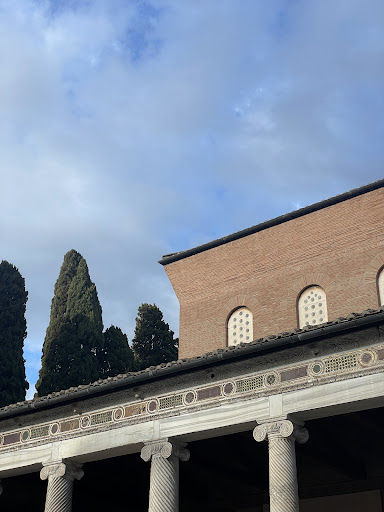
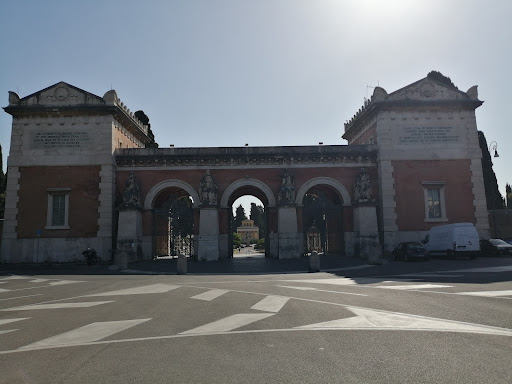
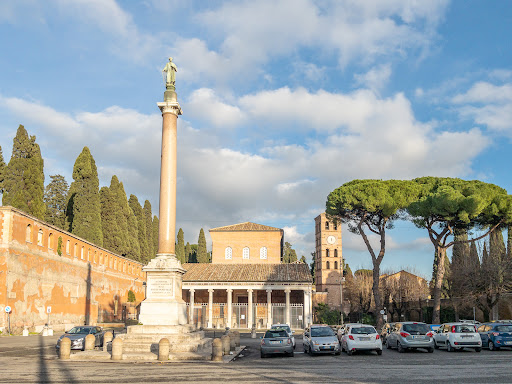
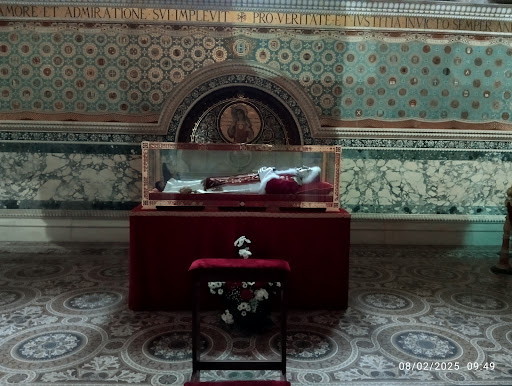
Basilica of St Lawrence Outside the Walls things to do, attractions, restaurants, events info and trip planning
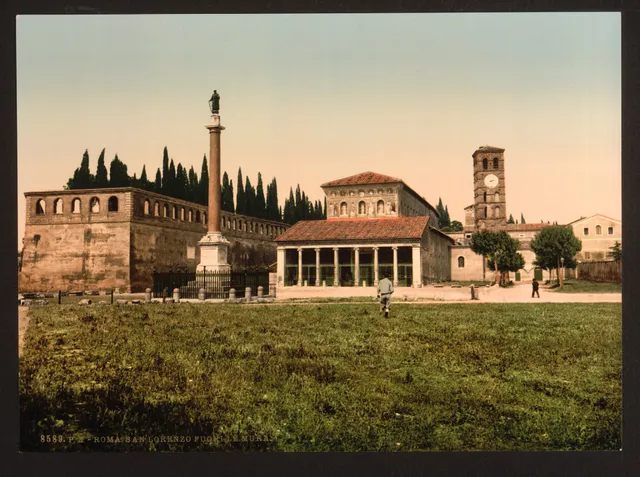
Basic Info
Basilica of St Lawrence Outside the Walls
Piazzale del Verano, 3, 00185 Roma RM, Italy
4.7(924)
Closed
Save
spot
spot
Ratings & Description
Info
Cultural
Scenic
Family friendly
Accessibility
attractions: Museum of Contemporary Art MLAC - Sapienza, Museum of Physics, Museo di Storia della Medicina, Museum of Chemistry "Primo Levi", Memorial Park July 19, 1943, Faculty Of Psychology Sapienza University of Rome, Al Muretto, restaurants: Marmo Eventi, La Pantera Rosa, Kiko Sushi Bar, Campus Cafe, Once Upon a Time on Coffee, Nena Mercato&Cucina, Il Podista, Zerozero100, Dar Maghetto, Ramen Shifu Roma San Lorenzo, local businesses: University of Rome La Sapienza - Faculty of Economics, Museum Of Classical Art Sapienza University Of Rome, Carrefour Market Supermarket, Passus, La Sapienza, Cornetteria San Lorenzo, Zoology Institute of La Sapienza University, Euronics Nova, Tibur, Mercato Italia
 Learn more insights from Wanderboat AI.
Phone
+39 06 491511
Website
basilicasanlorenzofuorilemura.it
Open hoursSee all hours
Tue7:30 AM - 12 PM, 4 - 7 PMClosed
Plan your stay

Pet-friendly Hotels in Rome
Find a cozy hotel nearby and make it a full experience.

Affordable Hotels in Rome
Find a cozy hotel nearby and make it a full experience.

The Coolest Hotels You Haven't Heard Of (Yet)
Find a cozy hotel nearby and make it a full experience.

Trending Stays Worth the Hype in Rome
Find a cozy hotel nearby and make it a full experience.
Reviews
Live events
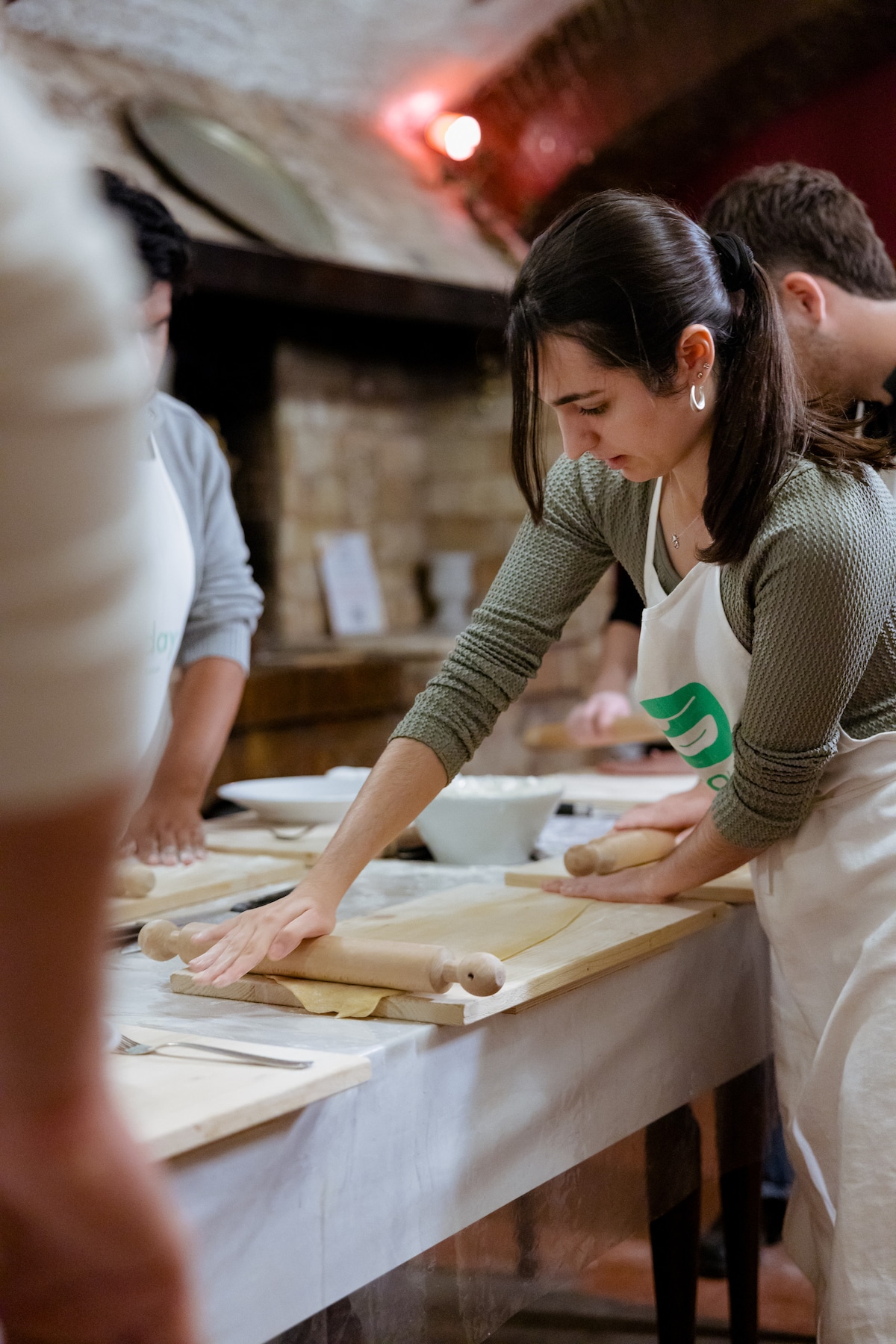
Make handmade fettuccine and tiramisu with a local
Tue, Feb 24 • 10:15 AM
00187, Rome, Lazio, Italy
View details
LUNA: A Journey to the Moon – un’esperienza immersiva in realtà virtuale a Roma
Wed, Feb 25 • 4:00 PM
Via Trionfale, 7400, Roma, 00136
View details
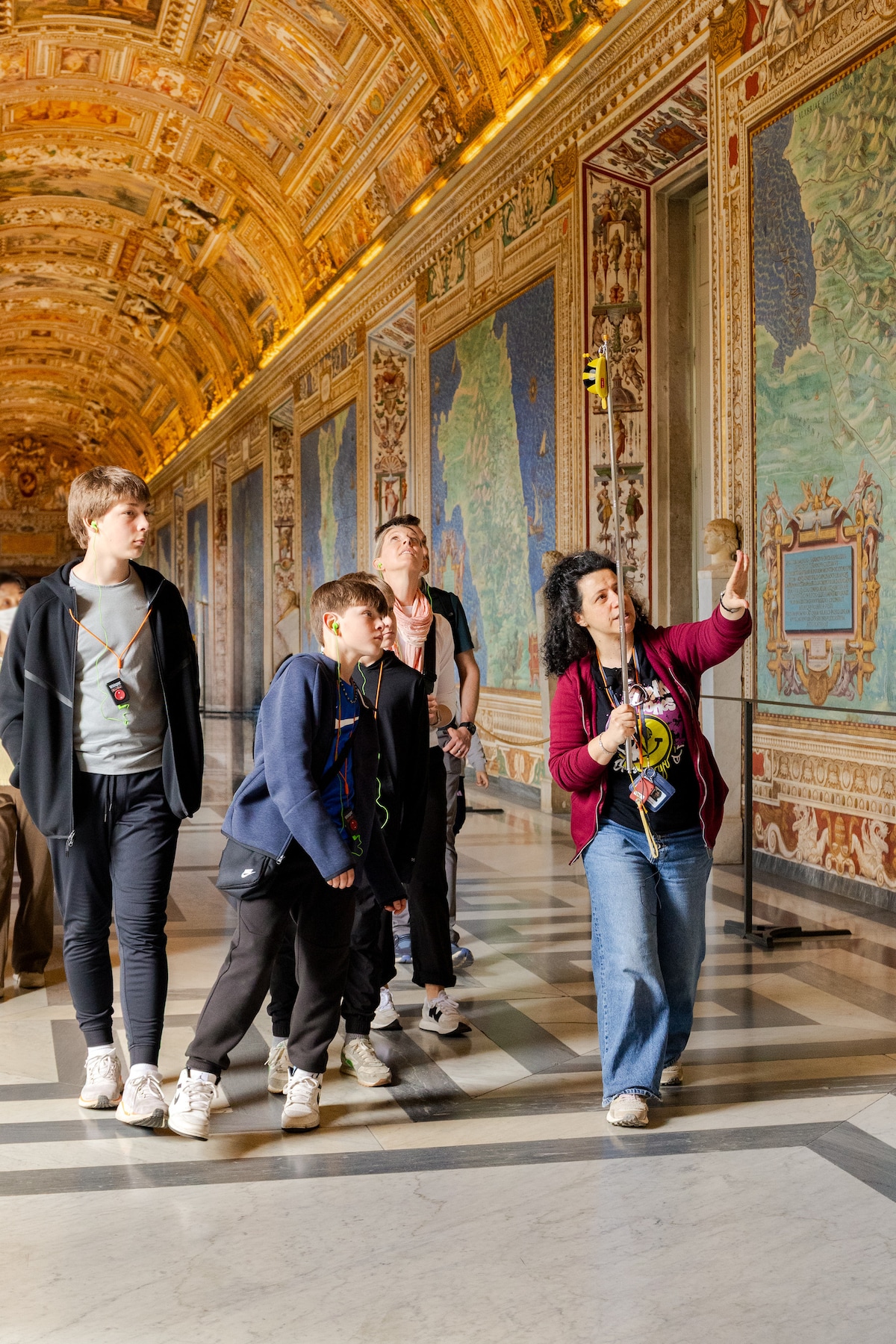
Complete Vatican Tour: Museums, Sistine & Basilica
Tue, Feb 24 • 9:30 AM
00192, Rome, Lazio, Italy
View details
Nearby attractions of Basilica of St Lawrence Outside the Walls
Museum of Contemporary Art MLAC - Sapienza
Museum of Physics
Museo di Storia della Medicina
Museum of Chemistry "Primo Levi"
Memorial Park July 19, 1943
Faculty Of Psychology Sapienza University of Rome
Al Muretto
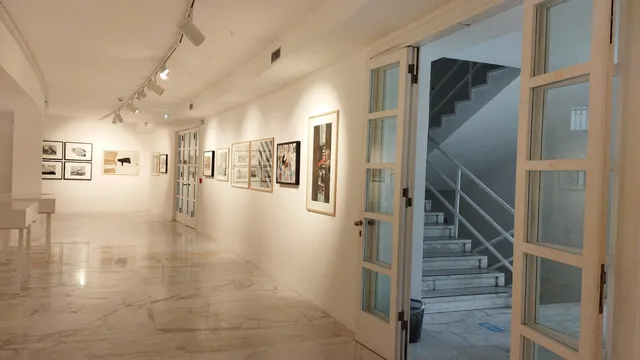
Museum of Contemporary Art MLAC - Sapienza
4.1
(45)
Closed
Click for details
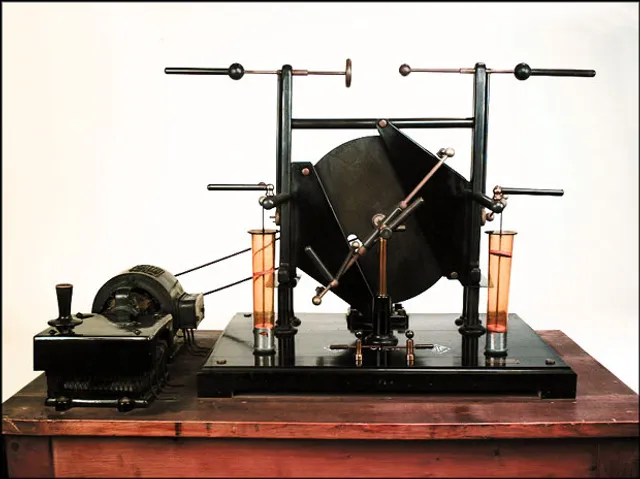
Museum of Physics
4.3
(36)
Closed
Click for details
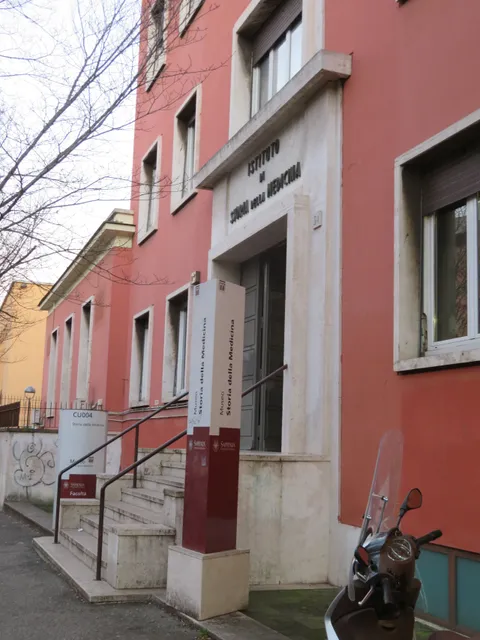
Museo di Storia della Medicina
4.4
(93)
Closed
Click for details
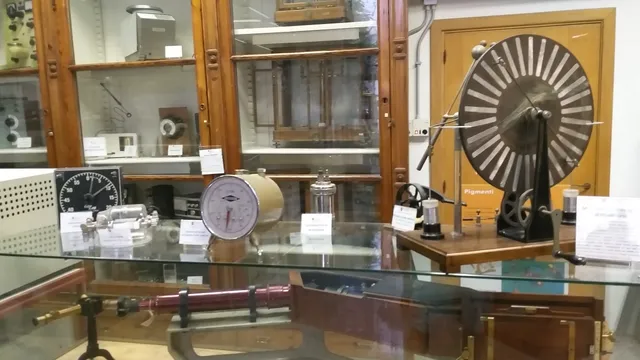
Museum of Chemistry "Primo Levi"
4.1
(24)
Open 24 hours
Click for details
Nearby restaurants of Basilica of St Lawrence Outside the Walls
Marmo Eventi
La Pantera Rosa
Kiko Sushi Bar
Campus Cafe
Once Upon a Time on Coffee
Nena Mercato&Cucina
Il Podista
Zerozero100
Dar Maghetto
Ramen Shifu Roma San Lorenzo
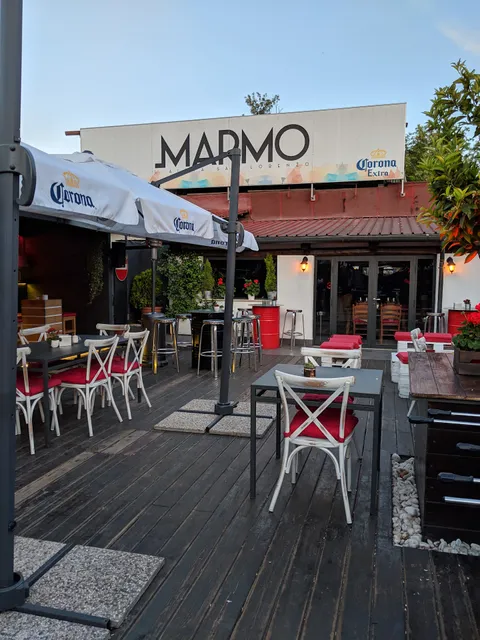
Marmo Eventi
4.1
(645)
Open until 1:00 AM
Click for details
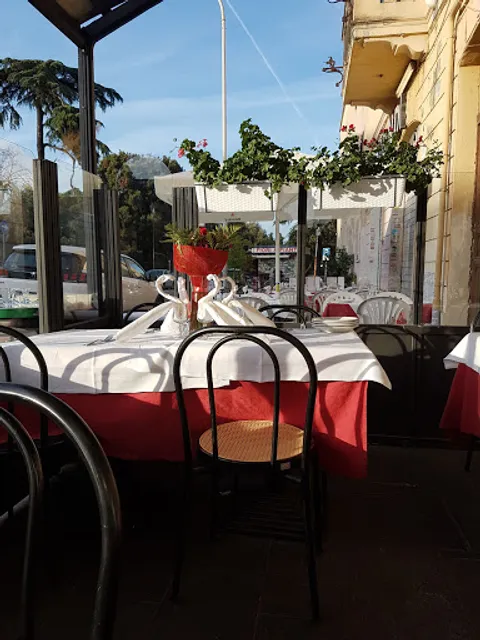
La Pantera Rosa
4.3
(974)
Closed
Click for details
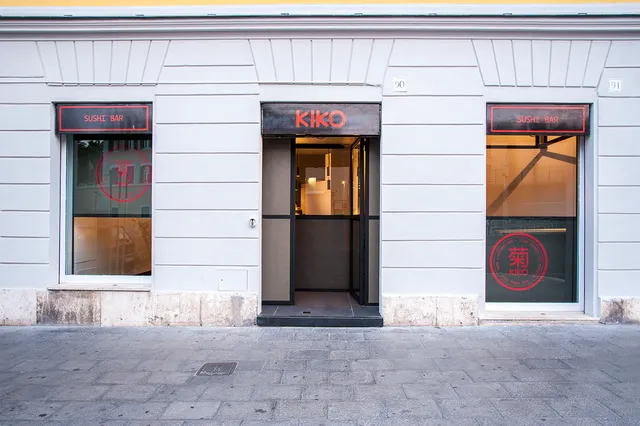
Kiko Sushi Bar
4.5
(344)
$$$
Open until 12:00 AM
Click for details
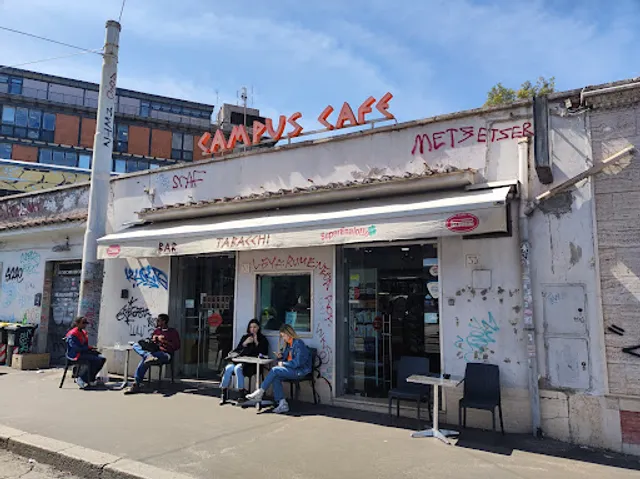
Campus Cafe
3.8
(55)
Closed
Click for details
Nearby local services of Basilica of St Lawrence Outside the Walls
University of Rome La Sapienza - Faculty of Economics
Museum Of Classical Art Sapienza University Of Rome
Carrefour Market Supermarket
Passus
La Sapienza
Cornetteria San Lorenzo
Zoology Institute of La Sapienza University
Euronics Nova
Tibur
Mercato Italia
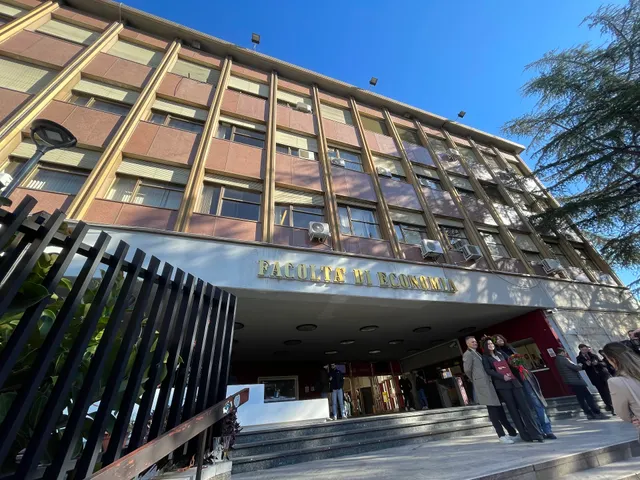
University of Rome La Sapienza - Faculty of Economics
4.3
(112)
Click for details
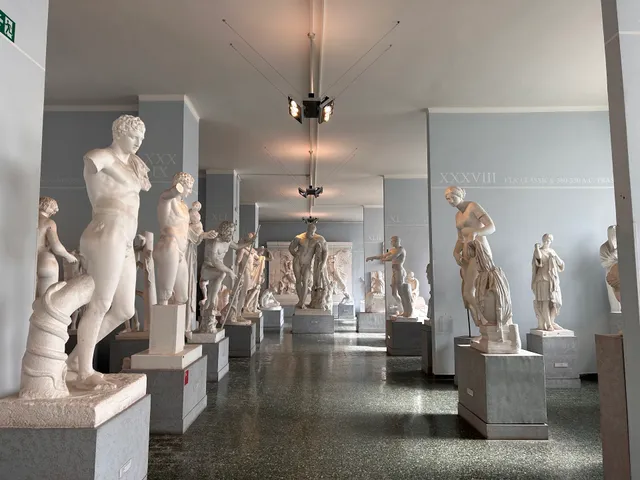
Museum Of Classical Art Sapienza University Of Rome
4.6
(64)
Click for details
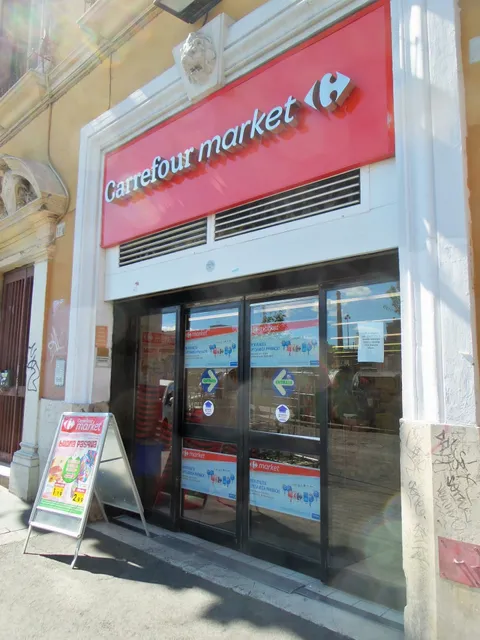
Carrefour Market Supermarket
3.8
(553)
Click for details
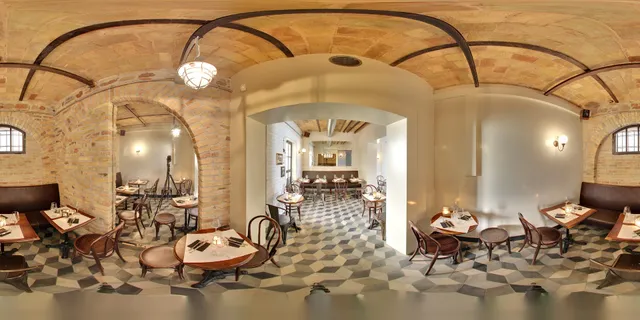
Passus
4.4
(43)
Click for details


The hit list

Plan your trip with Wanderboat
Welcome to Wanderboat AI, your AI search for local Eats and Fun, designed to help you explore your city and the world with ease.
Powered by Wanderboat AI trip planner.