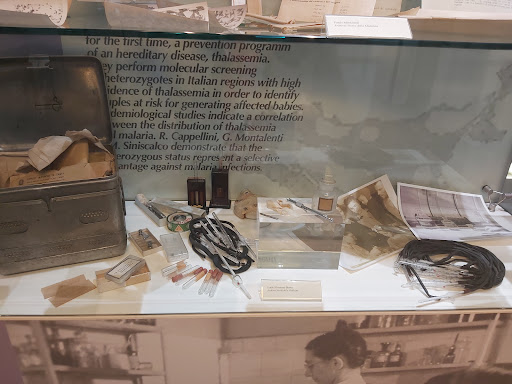
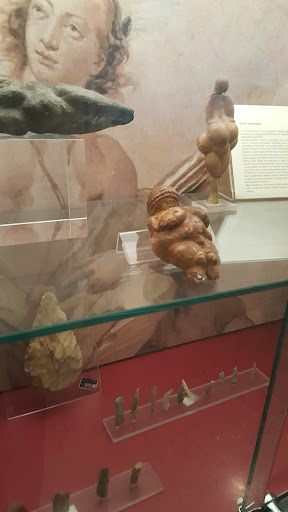
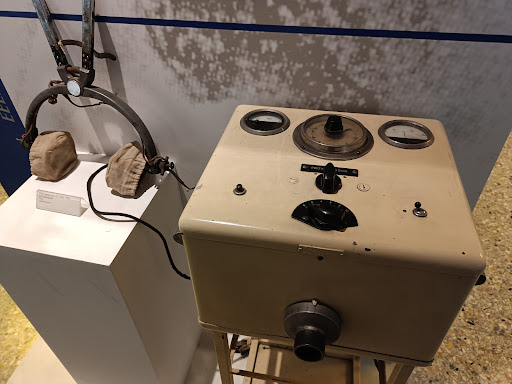
Museo di Storia della Medicina things to do, attractions, restaurants, events info and trip planning
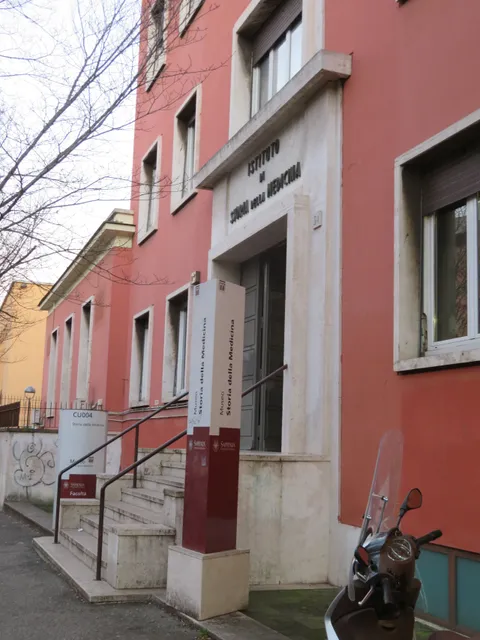
Basic Info
Museo di Storia della Medicina
Viale dell'Università, 34, 00185 Roma RM, Italy
4.4(95)
Closed
Save
spot
spot
Ratings & Description
Info
Cultural
Family friendly
Accessibility
attractions: Museum of Contemporary Art MLAC - Sapienza, Museum of Chemistry "Primo Levi", Basilica of St Lawrence Outside the Walls, Museum of Physics, Memorial Park July 19, 1943, Faculty Of Psychology Sapienza University of Rome, Al Muretto, restaurants: Chiosco Caffe, Trattoria Sapori Di Casa, The Apartment Lounge Bar Roma, Su Nuraghe Restaurant, VOI - Pizza & Drinks, Bar Igea srl, Abitudini e Follie, You must bistrot, PIZZA DAI CINQUE, Ambasciata Calabrese, local businesses: Museum Of Classical Art Sapienza University Of Rome, University of Rome La Sapienza - Faculty of Economics, University of Rome Sapienza Unitelma Studies, La Sapienza, Mercato Italia, Euronics Nova, Via Varese, 26, Lievito Madre "00", Via Vicenza, 23, Carrefour Market Supermarket
 Learn more insights from Wanderboat AI.
Phone
+39 06 4991 4766
Website
uniroma1.it
Open hoursSee all hours
Wed9 AM - 6 PMClosed
Plan your stay

Pet-friendly Hotels in Rome
Find a cozy hotel nearby and make it a full experience.

Affordable Hotels in Rome
Find a cozy hotel nearby and make it a full experience.

The Coolest Hotels You Haven't Heard Of (Yet)
Find a cozy hotel nearby and make it a full experience.

Trending Stays Worth the Hype in Rome
Find a cozy hotel nearby and make it a full experience.
Reviews
Live events
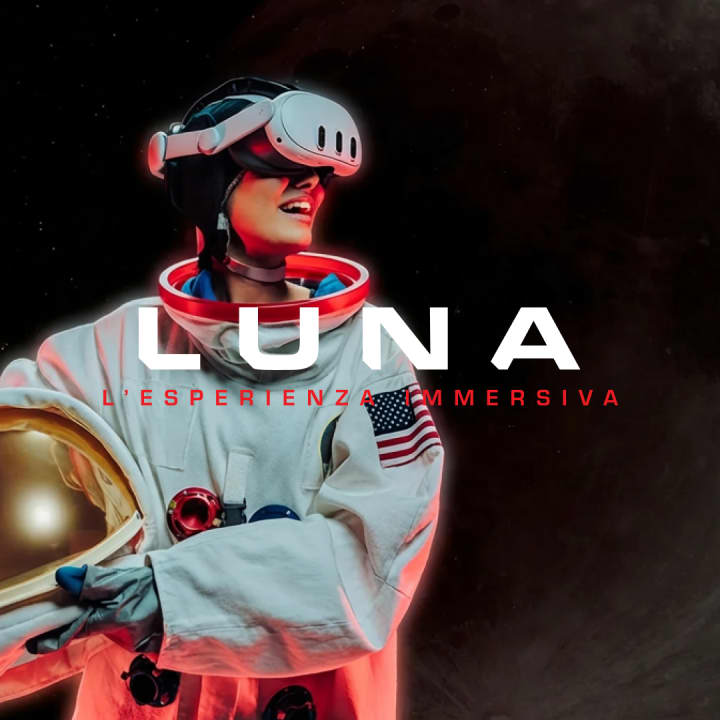
LUNA: A Journey to the Moon – un’esperienza immersiva in realtà virtuale a Roma
Wed, Feb 25 • 4:00 PM
Via Trionfale, 7400, Roma, 00136
View details
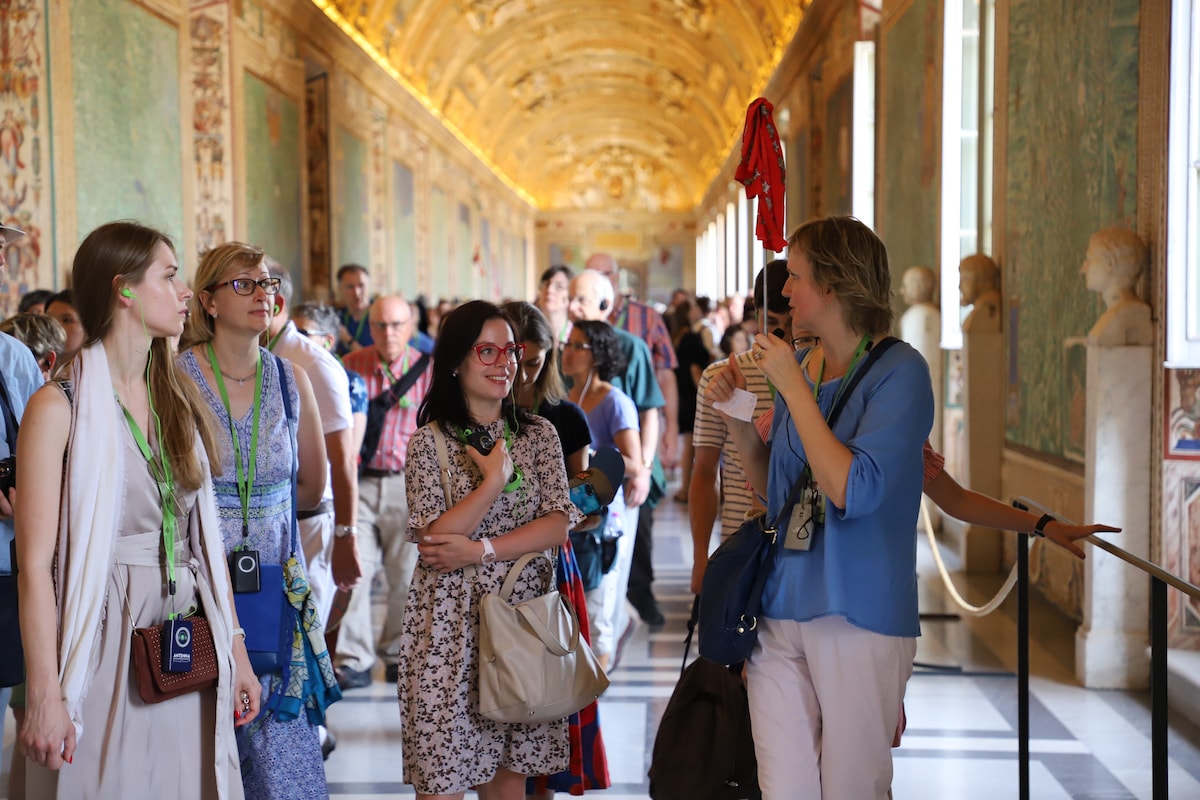
Vatican & St Peters Basilica: unlock the wonders
Wed, Feb 25 • 1:00 PM
00192, Rome, Lazio, Italy
View details

Chaos Lab Roma
Fri, Feb 27 • 4:30 PM
P.za di S. Giovanni in Laterano 74, 00185
View details
Nearby attractions of Museo di Storia della Medicina
Museum of Contemporary Art MLAC - Sapienza
Museum of Chemistry "Primo Levi"
Basilica of St Lawrence Outside the Walls
Museum of Physics
Memorial Park July 19, 1943
Faculty Of Psychology Sapienza University of Rome
Al Muretto
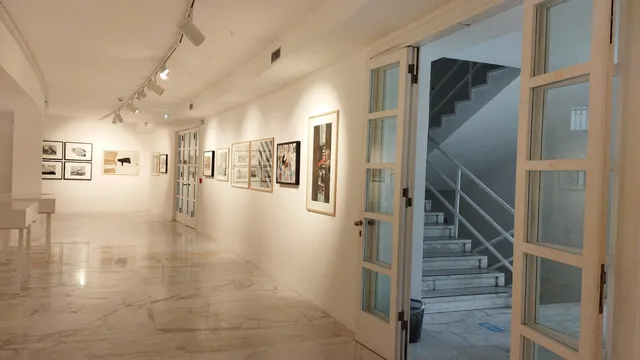
Museum of Contemporary Art MLAC - Sapienza
4.1
(47)
Closed
Click for details
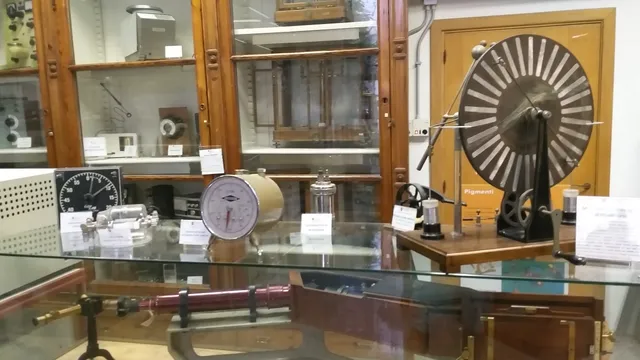
Museum of Chemistry "Primo Levi"
4.1
(24)
Open 24 hours
Click for details
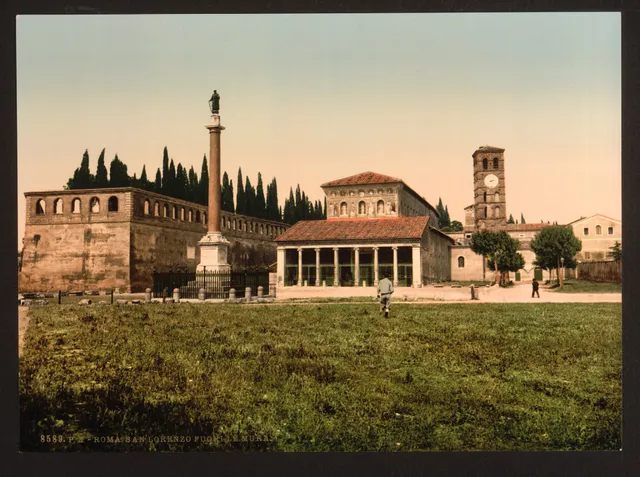
Basilica of St Lawrence Outside the Walls
4.7
(928)
Closed
Click for details
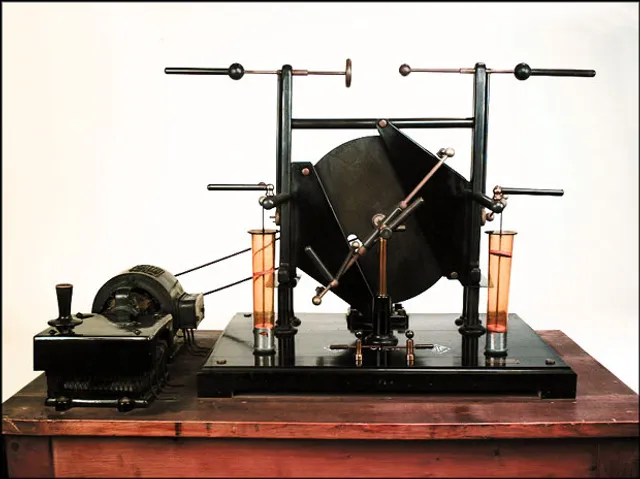
Museum of Physics
4.3
(35)
Closed
Click for details
Nearby restaurants of Museo di Storia della Medicina
Chiosco Caffe
Trattoria Sapori Di Casa
The Apartment Lounge Bar Roma
Su Nuraghe Restaurant
VOI - Pizza & Drinks
Bar Igea srl
Abitudini e Follie
You must bistrot
PIZZA DAI CINQUE
Ambasciata Calabrese
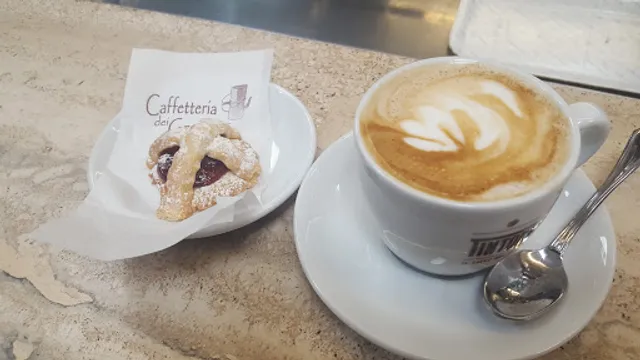
Chiosco Caffe
3.3
(49)
Closed
Click for details
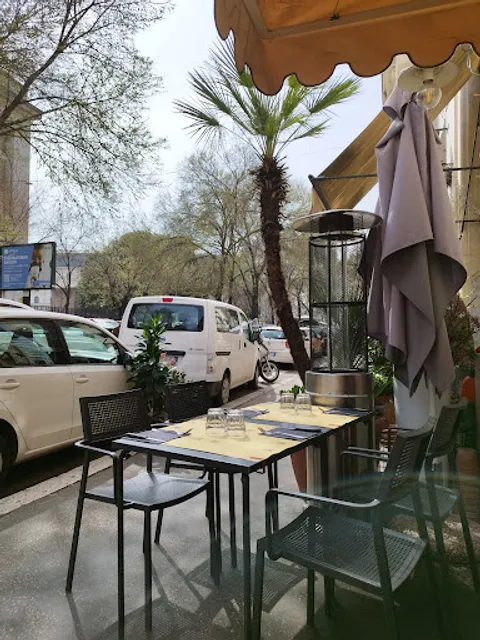
Trattoria Sapori Di Casa
4.5
(1.2K)
Closed
Click for details
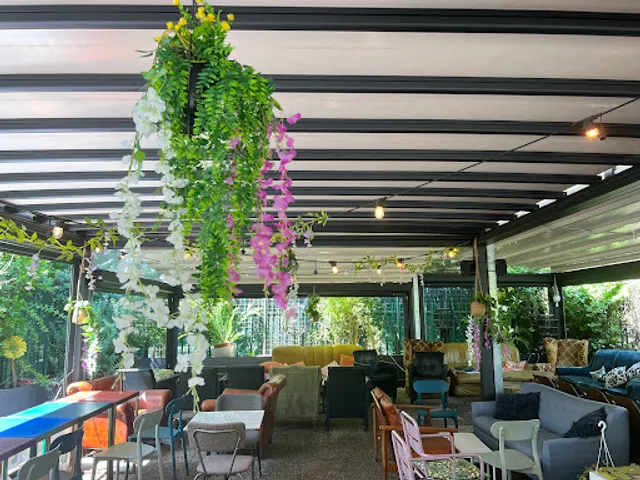
The Apartment Lounge Bar Roma
4.6
(2K)
Closed
Click for details
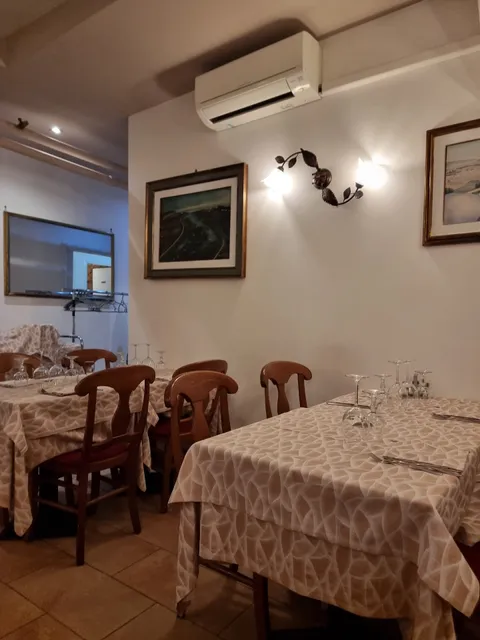
Su Nuraghe Restaurant
4.5
(301)
Closed
Click for details
Nearby local services of Museo di Storia della Medicina
Museum Of Classical Art Sapienza University Of Rome
University of Rome La Sapienza - Faculty of Economics
University of Rome Sapienza Unitelma Studies
La Sapienza
Mercato Italia
Euronics Nova
Via Varese, 26
Lievito Madre "00"
Via Vicenza, 23
Carrefour Market Supermarket
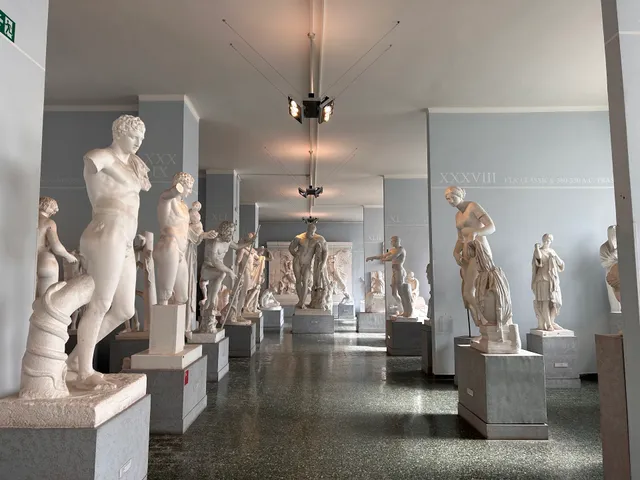
Museum Of Classical Art Sapienza University Of Rome
4.6
(66)
Click for details
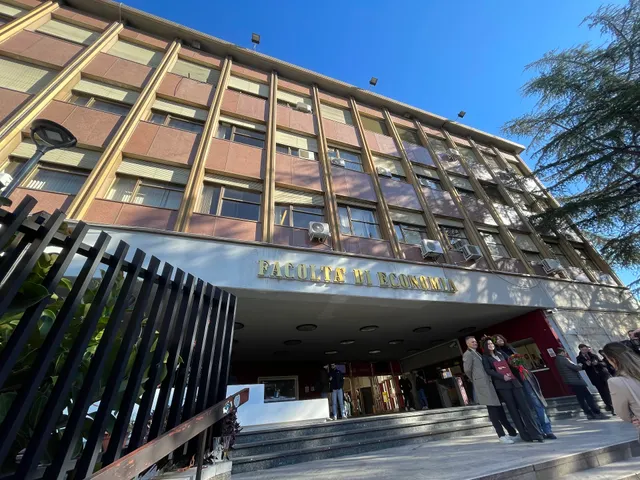
University of Rome La Sapienza - Faculty of Economics
4.3
(116)
Click for details
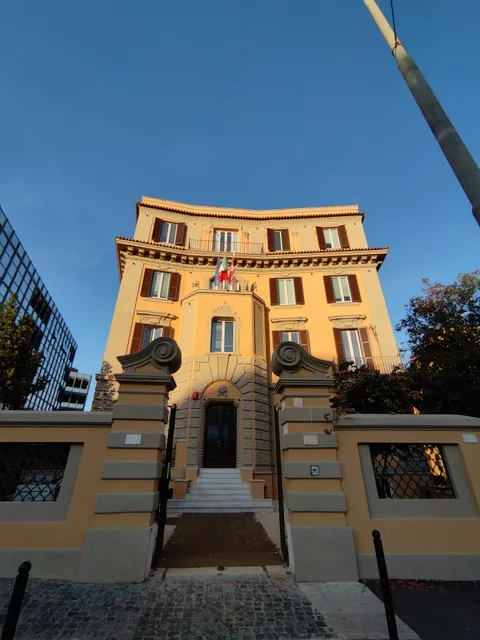
University of Rome Sapienza Unitelma Studies
3.7
(67)
Click for details
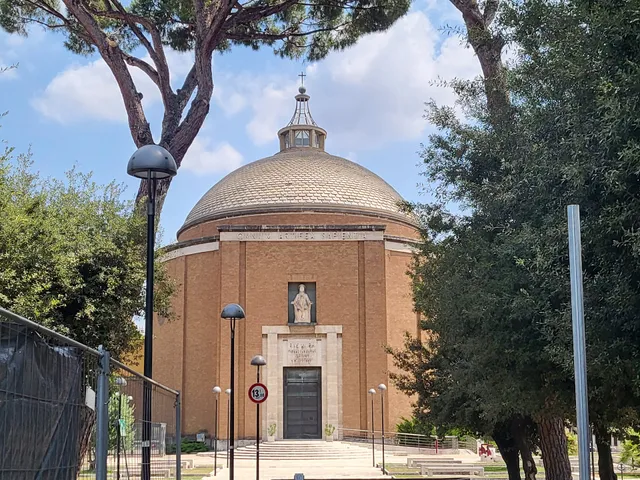
La Sapienza
4.5
(15)
Click for details


The hit list

Plan your trip with Wanderboat
Welcome to Wanderboat AI, your AI search for local Eats and Fun, designed to help you explore your city and the world with ease.
Powered by Wanderboat AI trip planner.