HTML SitemapExplore
logo
Find Things to DoFind The Best Restaurants

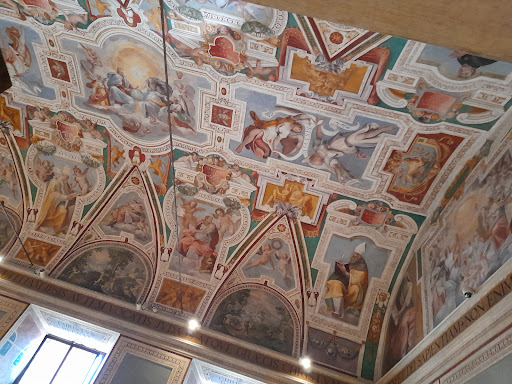
Pontificio Santuario della Scala Santa — Attraction in Rome

Name
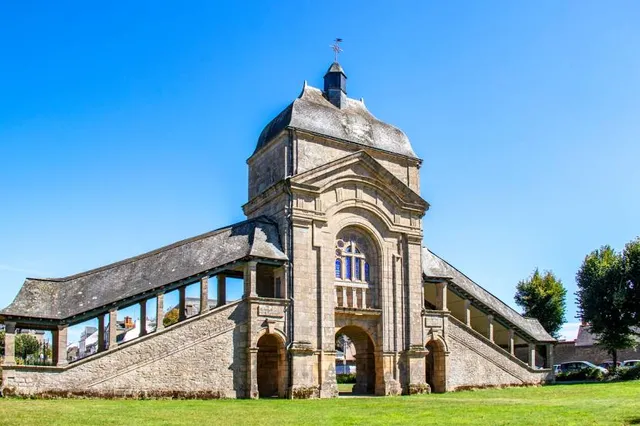
Pontificio Santuario della Scala Santa
Description
Nearby attractions
Basilica di San Giovanni in Laterano
P.za. San Giovanni In Laterano, 00184 Roma RM, Italy
Lateranense Palace
P.za di S. Giovanni in Laterano, 00184 Roma RM, Italy
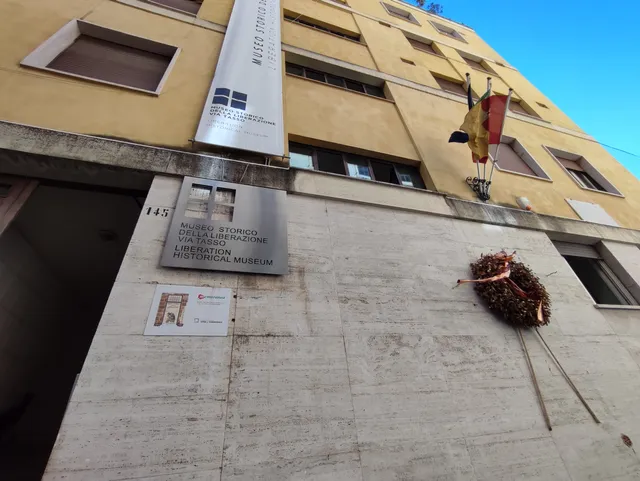
Museo Storico della Liberazione
Via Torquato Tasso, 145, 00185 Roma RM, Italy
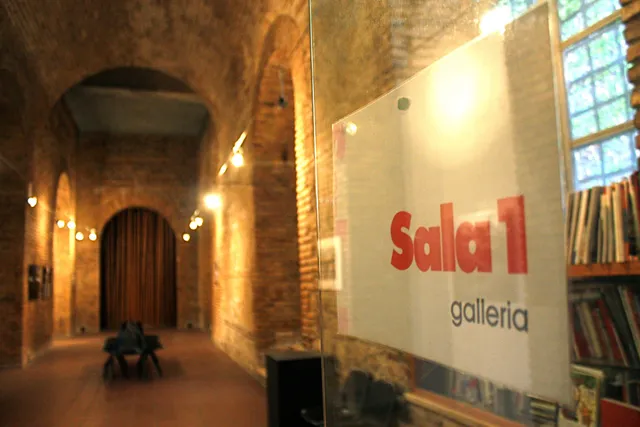
Sala 1- Centro internazionale d'arte contemporanea
P.za di S. Giovanni in Laterano, 10, 00185 Roma RM, Italy
Casino Massimo Lancellotti (in Villa Giustiniani Massimo)
Via Matteo Boiardo, 16, 00185 Roma RM, Italy
Rome Via Sannio Flea Market
Via Sannio, 00183 Roma RM, Italy
Giardini Viale Carlo Felice
Viale Carlo Felice, 49, 00185 Roma RM, Italy
Basilica of the Holy Cross in Jerusalem
Piazza di S. Croce in Gerusalemme, 10, 00185 Roma RM, Italy
Basilica of San Clemente
Piazza di S. Clemente, 00184 Roma RM, Italy
Napoleon Hotel
P.za Vittorio Emanuele II, 1, 00185 Roma RM, Italy
Nearby restaurants
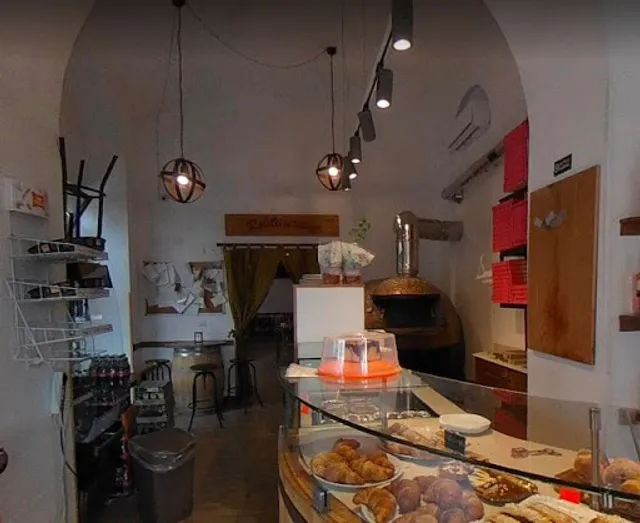
Sangio' - L'Antico Forno
Via Matteo Boiardo, 2, 00185 Roma RM, Italy
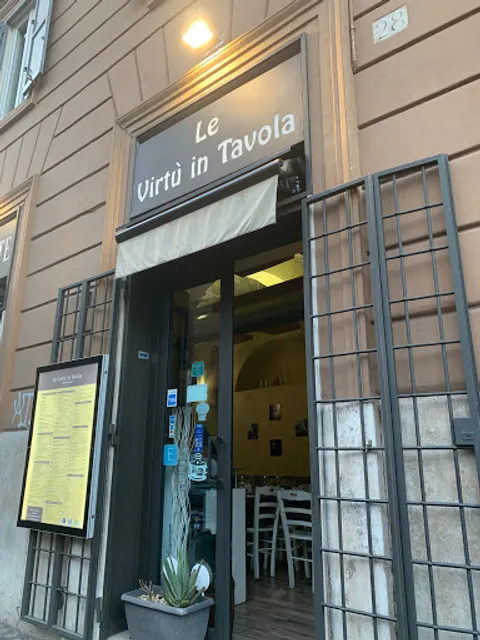
Le virtù in tavola
Via Domenico Fontana, 28, 00185 Roma RM, Italy
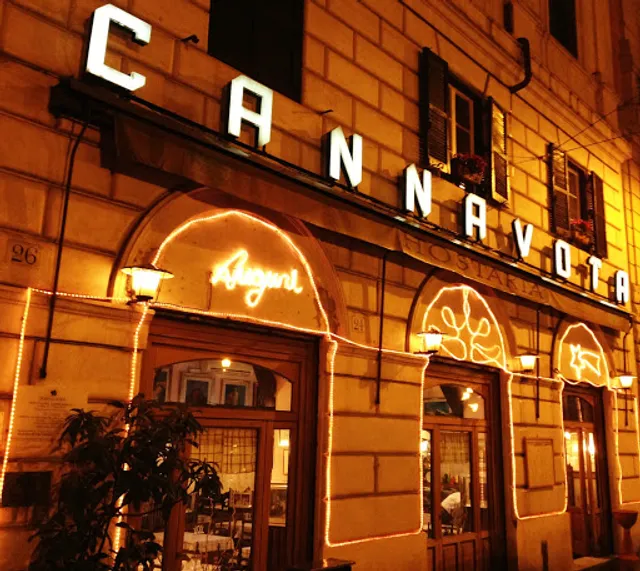
Hosteria Cannavota
P.za di S. Giovanni in Laterano, 20, 00184 Roma RM, Italy
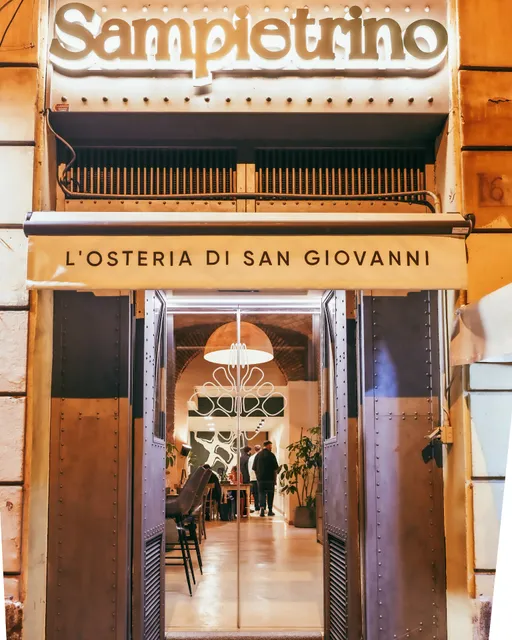
Sampietrino - L'Osteria di San Giovanni
Via Domenico Fontana, 16, 00185 Roma RM, Italy
Spaccio Pasta
Via Emanuele Filiberto, 182/186, 00185 Roma RM, Italy
Ristorante Feelsgood
Via Emanuele Filiberto, 162, 00185 Roma RM, Italy
Merulana Cafè
Via Merulana, 138, 00185 Roma RM, Italy
I Buoni Amici Roma
Via Aleardo Aleardi, 4/6/8, 00185 Roma RM, Italy
Marco G Osteria
Via Statilia, 12, 00185 Roma RM, Italy
Annapoorna India Ristorante Indiano a Roma
Via Emanuele Filiberto, 136, 00185 Roma RM, Italy
Related posts
Keywords
Pontificio Santuario della Scala Santa tourism.Pontificio Santuario della Scala Santa hotels.Pontificio Santuario della Scala Santa bed and breakfast. flights to Pontificio Santuario della Scala Santa.Pontificio Santuario della Scala Santa attractions.Pontificio Santuario della Scala Santa restaurants.Pontificio Santuario della Scala Santa travel.Pontificio Santuario della Scala Santa travel guide.Pontificio Santuario della Scala Santa travel blog.Pontificio Santuario della Scala Santa pictures.Pontificio Santuario della Scala Santa photos.Pontificio Santuario della Scala Santa travel tips.Pontificio Santuario della Scala Santa maps.Pontificio Santuario della Scala Santa things to do.
Pontificio Santuario della Scala Santa things to do, attractions, restaurants, events info and trip planning
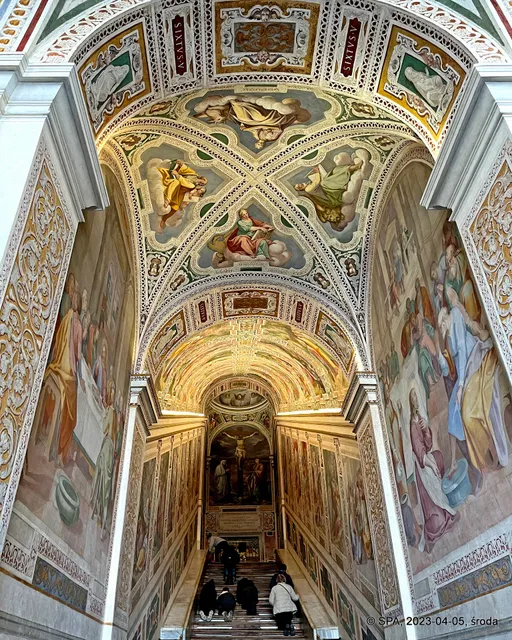
Pontificio Santuario della Scala Santa
ItalyLazioRomePontificio Santuario della Scala Santa

Basic Info

Pontificio Santuario della Scala Santa

P.za di S. Giovanni in Laterano, 14, 00185 Roma RM, Italy
4.7(2K)
Open 24 hours
Save
spot

Ratings & Description

Info

Cultural
Accessibility
Family friendly
attractions: Basilica di San Giovanni in Laterano, Lateranense Palace, Museo Storico della Liberazione, Sala 1- Centro internazionale d'arte contemporanea, Casino Massimo Lancellotti (in Villa Giustiniani Massimo), Rome Via Sannio Flea Market, Giardini Viale Carlo Felice, Basilica of the Holy Cross in Jerusalem, Basilica of San Clemente, Napoleon Hotel, restaurants: Sangio' - L'Antico Forno, Le virtù in tavola, Hosteria Cannavota, Sampietrino - L'Osteria di San Giovanni, Spaccio Pasta, Ristorante Feelsgood, Merulana Cafè, I Buoni Amici Roma, Marco G Osteria, Annapoorna India Ristorante Indiano a Roma
logoLearn more insights from Wanderboat AI.
Phone
+39 329 751 1111
Website
scala-santa.com

Plan your stay

hotel
Pet-friendly Hotels in Rome
Find a cozy hotel nearby and make it a full experience.

hotel
Affordable Hotels in Rome
Find a cozy hotel nearby and make it a full experience.

hotel
The Coolest Hotels You Haven't Heard Of (Yet)
Find a cozy hotel nearby and make it a full experience.

hotel
Trending Stays Worth the Hype in Rome
Find a cozy hotel nearby and make it a full experience.

Reviews

Nearby attractions of Pontificio Santuario della Scala Santa

Basilica di San Giovanni in Laterano

Lateranense Palace

Museo Storico della Liberazione

Sala 1- Centro internazionale d'arte contemporanea

Casino Massimo Lancellotti (in Villa Giustiniani Massimo)

Rome Via Sannio Flea Market

Giardini Viale Carlo Felice

Basilica of the Holy Cross in Jerusalem

Basilica of San Clemente
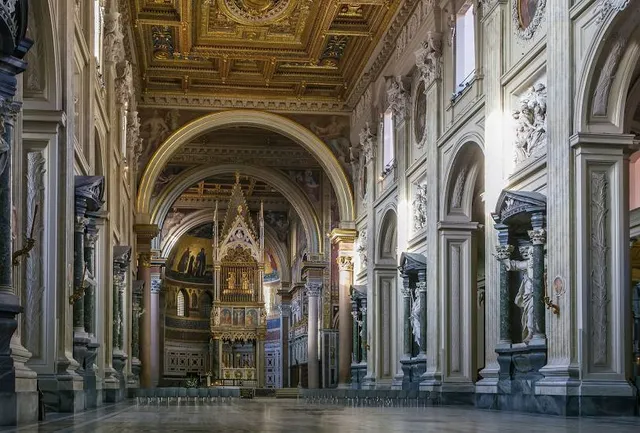
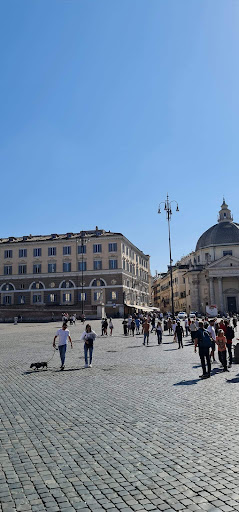
Napoleon Hotel

Basilica di San Giovanni in Laterano

Basilica di San Giovanni in Laterano

4.8

(11.9K)

Open until 6:30 PM
Click for details
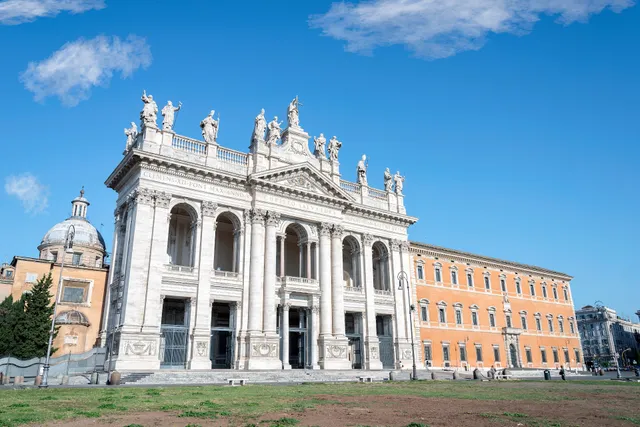
Lateranense Palace

Lateranense Palace

4.7

(567)

Open until 5:00 PM
Click for details
Museo Storico della Liberazione

Museo Storico della Liberazione

4.7

(188)

Open 24 hours
Click for details
Sala 1- Centro internazionale d'arte contemporanea

Sala 1- Centro internazionale d'arte contemporanea

4.4

(28)

Closed
Click for details

Things to do nearby

Catacombs: The Coolest Underground Tour in Rome
Fri, Dec 5 • 10:00 AM
00147, Rome, Lazio, Italy
View details
Pasta and Pizza cooking class with wine and more
Sun, Dec 7 • 10:30 AM
00142, Rome, Lazio, Italy
View details
Visit a 16th-century boutique winery
Sat, Dec 6 • 10:00 AM
00044, Frascati, Lazio, Italy
View details

Nearby restaurants of Pontificio Santuario della Scala Santa

Sangio' - L'Antico Forno

Le virtù in tavola

Hosteria Cannavota

Sampietrino - L'Osteria di San Giovanni

Spaccio Pasta

Ristorante Feelsgood

Merulana Cafè

I Buoni Amici Roma

Marco G Osteria

Annapoorna India Ristorante Indiano a Roma

Sangio' - L'Antico Forno

Sangio' - L'Antico Forno

4.3

(625)

$

Click for details
Le virtù in tavola

Le virtù in tavola

4.5

(651)

Click for details
Hosteria Cannavota

Hosteria Cannavota

4.3

(406)

Click for details
Sampietrino - L'Osteria di San Giovanni

Sampietrino - L'Osteria di San Giovanni

4.5

(400)

Click for details
Get the Appoverlay
Get the AppOne tap to find yournext favorite spots!

The hit list

restaurant
Best 10 Restaurants to Visit in Rome
February 12 · 5 min read
attraction
Best 10 Attractions to Visit in Rome
February 12 · 5 min read
Rome

Plan your trip with Wanderboat

Welcome to Wanderboat AI, your AI search for local Eats and Fun, designed to help you explore your city and the world with ease.

Powered by Wanderboat AI trip planner.
Wanderboat LogoWanderboat

Your everyday Al companion for getaway ideas

CompanyAbout Us
InformationAI Trip PlannerSitemap
SocialXInstagramTiktokLinkedin
LegalTerms of ServicePrivacy Policy

Get the app

© 2025 Wanderboat. All rights reserved.
logo

Reviews of Pontificio Santuario della Scala Santa

4.7
(2,037)
avatar
5.0
16w

Saint place for the Christians. Very nice, massive pice of history. Located near the Basilica of Saint John Lateran, the Sanctuary houses the Sancta Sanctorum, the old chapel of the Popes where you can worship the image of the Holy Saviour and the Holy Stairs.According to an ancient Christian tradition, in 326, the Holy Stairs were was transported from Jerusalem to Rome by the praetorium of Pilate at the behest of Empress Saint Helena, mother of Constantine.According to the same tradition, the 28 steps of the Holy Stairs are precisely the same ones that Jesus climbed several times on the day of his death sentence in the palace of Pontius Pilate. Hence the name of Scala Pilati or Scala Sancta.Initially, the stairs were in the Patriarchium, the complex of the Lateran Palaces, and the ancient seat of the Popes. It was Pope Sixtus V Peretti who, in 1589, had them moved to the current building and had four flights of stairs built by the architect Domenico Fontana, with the Scala Santa in the center. Every Friday of Lent, it is customary to go up the steps of the Holy Stairs on your knees praying as an act of devotion to relive the passion of Christ and ensure plenary indulgence from sins. At the top of the last step, protected by a massive railing, is the ancient private oratory of the Popes, at least until the Renaissance: the Chapel of San Lorenzo in Palatio, called the Sancta Sanctorum for the many relics of saints that it keeps.

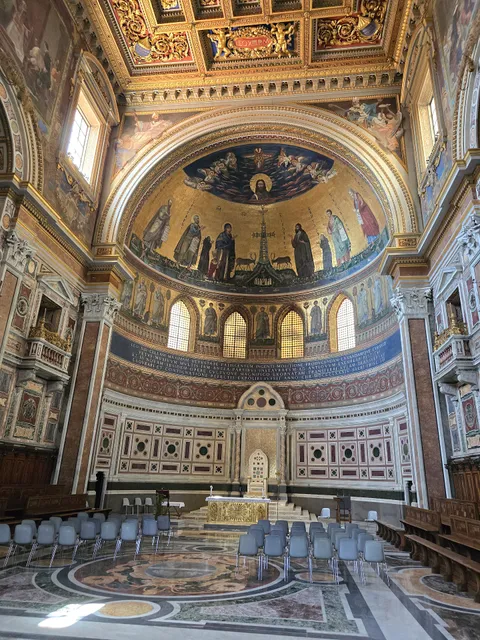
This beautiful chapel was enriched and embellished over time by various popes. Pope Nicholas III was responsible for the current arrangement with the precious frescoes painted by the 13th-century Roman school, the completion of the mosaic above the altar, and the beautiful floor in Cosmatesque style.

On the wall behind the altar is the Holy Saviour Acheropìta “Acheropita” (not painted by human hands), depicted while sitting on the throne with his right-hand blessing and the scroll of the Gospel in his left. The millenary icon is among the most loved and revered symbols in the world.Under the papal altar, is the ark that houses the treasure and the relics of the...

   Read more
avatar
5.0
2y

This largely unnoticed building at the right side of the Basilica of St John Lateran holds one of the most important relics in all of Christianity - The Holy Stairs.

Christian tradition holds that Jesus Christ climbed them before his crucifixion. They led to the praetorium of Pontius Pilate in Jerusalem. A few days before Easter, the stairs were uncovered for the first time in 300 years. In 2019, the bare marble stairs were available for the pilgrims to climb, uniting their sufferings with the sufferings of Christ.What breaks your heart is to see the many who'd do all it takes to do something for God. This is where you'd see people on their knees climbing up a flight of stairs what traditon would have us believe are steps from Pilate the governor's house. They forget that it is God who did everything by sending His Son to die on the cross to take the place of every believer who puts his or her trust on Jesus Christ. It is God who did everything that's needed, not man trying to please God. That's the gospel of Jesus Christ. Would you believe Him today for the salvation of your soul?This is well off the main tourist route and may be it should stay that way. It is more a place of pilgrimage than a tourist attraction. Nevertheless it was a fascinating place to spend some time and it its own way rather beautiful.

In a building designed by Domenico Fontana in 1589 are two surviving parts of the old Lateran Palace belonging to Helena the mother of the Emperor Constantine.

The first is the Scala Santa the holy staircase. The 28 steps are said to have come from the home of Pontius Pilate's house and therefor used by Christ during his trial. The steps are considered so holy that no foot can touch them so the faithful climb the steps on their knees.

The second is the Chapel is St Lawrence or Sancta Sanctorum (Holy of Holies) which contains numerous relics. The most important being an image of Jesus - the Acheiropoetion, said to be the...

   Read more
avatar
5.0
16w

When I was a child afraid of heights, adults around me told me to never look down. They all said that staring down at my progress going up the stairs would frighten me and paralyze me with fear and I’d stop walking. So I forced my eyes to dart upwards, focusing on the steps I had yet to conquer rather than below. However, when I entered the Scala Santa, I wanted to look down. My knobby unprotected knees embraced the worn-out wooden floor and I traced my fingers over the circular glass pane separating me from the original marble stairs, where Christ once walked. I thought to myself, “Am I even worthy to walk these same steps? I am just a human girl with little blemishes and imperfections,” I looked up to the remaining stairs I had to climb. “How can I possibly go up these stairs when I am full of cracks that can never be stitched up?” I felt sweat run off my neck and I swerved my eyes down to the ancient stairstep I was currently kneeling on. It was then that I wanted to see my own hands touch the stair where fellow pilgrims had wept, prayed, and believed many years before. Where Christ made his journey. Where He came to suffer and...

   Read more
Page 1 of 7
Previous
Next

Posts

Misiu martinoMisiu martino
Saint place for the Christians. Very nice, massive pice of history. Located near the Basilica of Saint John Lateran, the Sanctuary houses the Sancta Sanctorum, the old chapel of the Popes where you can worship the image of the Holy Saviour and the Holy Stairs.According to an ancient Christian tradition, in 326, the Holy Stairs were was transported from Jerusalem to Rome by the praetorium of Pilate at the behest of Empress Saint Helena, mother of Constantine.According to the same tradition, the 28 steps of the Holy Stairs are precisely the same ones that Jesus climbed several times on the day of his death sentence in the palace of Pontius Pilate. Hence the name of Scala Pilati or Scala Sancta.Initially, the stairs were in the Patriarchium, the complex of the Lateran Palaces, and the ancient seat of the Popes. It was Pope Sixtus V Peretti who, in 1589, had them moved to the current building and had four flights of stairs built by the architect Domenico Fontana, with the Scala Santa in the center. Every Friday of Lent, it is customary to go up the steps of the Holy Stairs on your knees praying as an act of devotion to relive the passion of Christ and ensure plenary indulgence from sins. At the top of the last step, protected by a massive railing, is the ancient private oratory of the Popes, at least until the Renaissance: the Chapel of San Lorenzo in Palatio, called the Sancta Sanctorum for the many relics of saints that it keeps. This beautiful chapel was enriched and embellished over time by various popes. Pope Nicholas III was responsible for the current arrangement with the precious frescoes painted by the 13th-century Roman school, the completion of the mosaic above the altar, and the beautiful floor in Cosmatesque style. On the wall behind the altar is the Holy Saviour Acheropìta “Acheropita” (not painted by human hands), depicted while sitting on the throne with his right-hand blessing and the scroll of the Gospel in his left. The millenary icon is among the most loved and revered symbols in the world.Under the papal altar, is the ark that houses the treasure and the relics of the Sancta Sanctorum.
Jahid HasanJahid Hasan
This largely unnoticed building at the right side of the Basilica of St John Lateran holds one of the most important relics in all of Christianity - The Holy Stairs. Christian tradition holds that Jesus Christ climbed them before his crucifixion. They led to the praetorium of Pontius Pilate in Jerusalem. A few days before Easter, the stairs were uncovered for the first time in 300 years. In 2019, the bare marble stairs were available for the pilgrims to climb, uniting their sufferings with the sufferings of Christ.What breaks your heart is to see the many who'd do all it takes to do something for God. This is where you'd see people on their knees climbing up a flight of stairs what traditon would have us believe are steps from Pilate the governor's house. They forget that it is God who did everything by sending His Son to die on the cross to take the place of every believer who puts his or her trust on Jesus Christ. It is God who did everything that's needed, not man trying to please God. That's the gospel of Jesus Christ. Would you believe Him today for the salvation of your soul?This is well off the main tourist route and may be it should stay that way. It is more a place of pilgrimage than a tourist attraction. Nevertheless it was a fascinating place to spend some time and it its own way rather beautiful. In a building designed by Domenico Fontana in 1589 are two surviving parts of the old Lateran Palace belonging to Helena the mother of the Emperor Constantine. The first is the Scala Santa the holy staircase. The 28 steps are said to have come from the home of Pontius Pilate's house and therefor used by Christ during his trial. The steps are considered so holy that no foot can touch them so the faithful climb the steps on their knees. The second is the Chapel is St Lawrence or Sancta Sanctorum (Holy of Holies) which contains numerous relics. The most important being an image of Jesus - the Acheiropoetion, said to be the work of St Luke.
Luis GarciaLuis Garcia
La Escalera santa es una escalera de mármol ubicada en frente de la Basílica de San Juan de Letrán en Roma y que está compuesta por 28 peldaños. La historia es intrigante, son 28 peldaños de mármol de Tiro que estuvieron en el cuartel general de Poncio Pilato cuando este era gobernador de Judea. Son los peldaños por los que Jesús debió subir y bajar por ellos, el día que Pilato lo condenó a muerte, se pueden apreciar, por un cristal protector, unas manchas oscuras, al parecer de sangre, que podrían ser de las heridas de Jesús.La tradición marca que hay que subirlas de rodillas, rezando un salmo en cada peldaño. En lo alto de la escalera se halla la Capilla Palatina de los Papas que, en la Edad Media, hacía las funciones que hoy en día cumple la famosa “Capilla Sixtina”. En la noche del 20 de Septiembre de 1870, cuando las tropas italianas se disponían a entrar en Roma y poner fin al poder temporal de los Pontífices, el Papa Pío IX se hizo conducir a la Santa Escalera, la cual subió de rodillas como era de rigor y costumbre, y una vez arriba, bendijo a sus partidarios. Después se confinó en el interior del Vaticano, de donde no volvió a salir jamás. La Escalera Santa fue traída de Jerusalén a Roma hacia el año 326 por Santa Helena, Madre de Constantino el Grande. Fueron conocidas durante la Edad Media como la Scala Pilati, la Escala de Pilato. Por medio de antiguos planos se puede concluir que llevaban a un corredor del Palacio de Letrán, cerca de la Capilla de San Silvestre, estaban cubiertas por un techo especial, y tenían a su lado otras escaleras para el uso diario. Cuando en 1589 Sixto V destruyo el antiguo palacio papal y construyo uno nuevo, mando que la Escala Santa fuese transferida al sitio donde se encuentra en la actualidad, previo al ingreso a una capilla conocida como el Sancta Sanctorum (Santo de los Santos). Esta última es una antigua capilla papal, dedicada a San Lorenzo, y la única parte que se conserva del antiguo Palacio Laterano.Recibe su nombre por la cantidad de reliquias que allí se conservan. El Sancta Sanctorum contiene la imagen de Cristo “akeropita”, que quiere decir “no pintado por mano humana”, el cual en ciertas ocasiones solía ser sacado en procesión. En su lugar actual, la Scala Sancta está flanqueada por cuatro escaleras, dos a cada lado, para el uso común, puesto que los escalones de mármol solo pueden ser ascendidos de rodillas, se trata de una devoción muy popular entre los peregrinos y los fieles romanos, especialmente los viernes y a lo largo de la Cuaresma. No son pocos los Papas que han realizado este ejercicio de piedad.Pio IX, quien en 1853 confió a los Padres Pasionistas el cuidado del santuario, ascendió los escalones el 19 de setiembre de 1870, durante la espera del ingreso de los piamonteses a Roma. Pio VII, el 2 de septiembre de 1817, había otorgado a aquellos que subiesen los escalones de la manera prescrita una indulgencia de nueve años por cada escalón. El Papa San Pio X, el 26 de febrero de 1908, concedió una indulgencia plenaria que puede ser ganada cada vez que se asciende devotamente la escala, acudiendo asimismo a los sacramentos de la confesión y la comunión. Imitaciones de la Scala Sancta han sido construidas en diversos lugares, como en Lourdes, y en algunos conventos de religiosas, algunas de las cuales por concesión especial pueden ser ocasión para lograr indulgencias.
See more posts
See more posts
hotel
Find your stay

Pet-friendly Hotels in Rome

Find a cozy hotel nearby and make it a full experience.

Saint place for the Christians. Very nice, massive pice of history. Located near the Basilica of Saint John Lateran, the Sanctuary houses the Sancta Sanctorum, the old chapel of the Popes where you can worship the image of the Holy Saviour and the Holy Stairs.According to an ancient Christian tradition, in 326, the Holy Stairs were was transported from Jerusalem to Rome by the praetorium of Pilate at the behest of Empress Saint Helena, mother of Constantine.According to the same tradition, the 28 steps of the Holy Stairs are precisely the same ones that Jesus climbed several times on the day of his death sentence in the palace of Pontius Pilate. Hence the name of Scala Pilati or Scala Sancta.Initially, the stairs were in the Patriarchium, the complex of the Lateran Palaces, and the ancient seat of the Popes. It was Pope Sixtus V Peretti who, in 1589, had them moved to the current building and had four flights of stairs built by the architect Domenico Fontana, with the Scala Santa in the center. Every Friday of Lent, it is customary to go up the steps of the Holy Stairs on your knees praying as an act of devotion to relive the passion of Christ and ensure plenary indulgence from sins. At the top of the last step, protected by a massive railing, is the ancient private oratory of the Popes, at least until the Renaissance: the Chapel of San Lorenzo in Palatio, called the Sancta Sanctorum for the many relics of saints that it keeps. This beautiful chapel was enriched and embellished over time by various popes. Pope Nicholas III was responsible for the current arrangement with the precious frescoes painted by the 13th-century Roman school, the completion of the mosaic above the altar, and the beautiful floor in Cosmatesque style. On the wall behind the altar is the Holy Saviour Acheropìta “Acheropita” (not painted by human hands), depicted while sitting on the throne with his right-hand blessing and the scroll of the Gospel in his left. The millenary icon is among the most loved and revered symbols in the world.Under the papal altar, is the ark that houses the treasure and the relics of the Sancta Sanctorum.
Misiu martino

Misiu martino

hotel
Find your stay

Affordable Hotels in Rome

Find a cozy hotel nearby and make it a full experience.

Get the Appoverlay
Get the AppOne tap to find yournext favorite spots!
This largely unnoticed building at the right side of the Basilica of St John Lateran holds one of the most important relics in all of Christianity - The Holy Stairs. Christian tradition holds that Jesus Christ climbed them before his crucifixion. They led to the praetorium of Pontius Pilate in Jerusalem. A few days before Easter, the stairs were uncovered for the first time in 300 years. In 2019, the bare marble stairs were available for the pilgrims to climb, uniting their sufferings with the sufferings of Christ.What breaks your heart is to see the many who'd do all it takes to do something for God. This is where you'd see people on their knees climbing up a flight of stairs what traditon would have us believe are steps from Pilate the governor's house. They forget that it is God who did everything by sending His Son to die on the cross to take the place of every believer who puts his or her trust on Jesus Christ. It is God who did everything that's needed, not man trying to please God. That's the gospel of Jesus Christ. Would you believe Him today for the salvation of your soul?This is well off the main tourist route and may be it should stay that way. It is more a place of pilgrimage than a tourist attraction. Nevertheless it was a fascinating place to spend some time and it its own way rather beautiful. In a building designed by Domenico Fontana in 1589 are two surviving parts of the old Lateran Palace belonging to Helena the mother of the Emperor Constantine. The first is the Scala Santa the holy staircase. The 28 steps are said to have come from the home of Pontius Pilate's house and therefor used by Christ during his trial. The steps are considered so holy that no foot can touch them so the faithful climb the steps on their knees. The second is the Chapel is St Lawrence or Sancta Sanctorum (Holy of Holies) which contains numerous relics. The most important being an image of Jesus - the Acheiropoetion, said to be the work of St Luke.
Jahid Hasan

Jahid Hasan

hotel
Find your stay

The Coolest Hotels You Haven't Heard Of (Yet)

Find a cozy hotel nearby and make it a full experience.

hotel
Find your stay

Trending Stays Worth the Hype in Rome

Find a cozy hotel nearby and make it a full experience.

La Escalera santa es una escalera de mármol ubicada en frente de la Basílica de San Juan de Letrán en Roma y que está compuesta por 28 peldaños. La historia es intrigante, son 28 peldaños de mármol de Tiro que estuvieron en el cuartel general de Poncio Pilato cuando este era gobernador de Judea. Son los peldaños por los que Jesús debió subir y bajar por ellos, el día que Pilato lo condenó a muerte, se pueden apreciar, por un cristal protector, unas manchas oscuras, al parecer de sangre, que podrían ser de las heridas de Jesús.La tradición marca que hay que subirlas de rodillas, rezando un salmo en cada peldaño. En lo alto de la escalera se halla la Capilla Palatina de los Papas que, en la Edad Media, hacía las funciones que hoy en día cumple la famosa “Capilla Sixtina”. En la noche del 20 de Septiembre de 1870, cuando las tropas italianas se disponían a entrar en Roma y poner fin al poder temporal de los Pontífices, el Papa Pío IX se hizo conducir a la Santa Escalera, la cual subió de rodillas como era de rigor y costumbre, y una vez arriba, bendijo a sus partidarios. Después se confinó en el interior del Vaticano, de donde no volvió a salir jamás. La Escalera Santa fue traída de Jerusalén a Roma hacia el año 326 por Santa Helena, Madre de Constantino el Grande. Fueron conocidas durante la Edad Media como la Scala Pilati, la Escala de Pilato. Por medio de antiguos planos se puede concluir que llevaban a un corredor del Palacio de Letrán, cerca de la Capilla de San Silvestre, estaban cubiertas por un techo especial, y tenían a su lado otras escaleras para el uso diario. Cuando en 1589 Sixto V destruyo el antiguo palacio papal y construyo uno nuevo, mando que la Escala Santa fuese transferida al sitio donde se encuentra en la actualidad, previo al ingreso a una capilla conocida como el Sancta Sanctorum (Santo de los Santos). Esta última es una antigua capilla papal, dedicada a San Lorenzo, y la única parte que se conserva del antiguo Palacio Laterano.Recibe su nombre por la cantidad de reliquias que allí se conservan. El Sancta Sanctorum contiene la imagen de Cristo “akeropita”, que quiere decir “no pintado por mano humana”, el cual en ciertas ocasiones solía ser sacado en procesión. En su lugar actual, la Scala Sancta está flanqueada por cuatro escaleras, dos a cada lado, para el uso común, puesto que los escalones de mármol solo pueden ser ascendidos de rodillas, se trata de una devoción muy popular entre los peregrinos y los fieles romanos, especialmente los viernes y a lo largo de la Cuaresma. No son pocos los Papas que han realizado este ejercicio de piedad.Pio IX, quien en 1853 confió a los Padres Pasionistas el cuidado del santuario, ascendió los escalones el 19 de setiembre de 1870, durante la espera del ingreso de los piamonteses a Roma. Pio VII, el 2 de septiembre de 1817, había otorgado a aquellos que subiesen los escalones de la manera prescrita una indulgencia de nueve años por cada escalón. El Papa San Pio X, el 26 de febrero de 1908, concedió una indulgencia plenaria que puede ser ganada cada vez que se asciende devotamente la escala, acudiendo asimismo a los sacramentos de la confesión y la comunión. Imitaciones de la Scala Sancta han sido construidas en diversos lugares, como en Lourdes, y en algunos conventos de religiosas, algunas de las cuales por concesión especial pueden ser ocasión para lograr indulgencias.
Luis Garcia

Luis Garcia

See more posts
See more posts