Pyramid of Caius Cestius things to do, attractions, restaurants, events info and trip planning
Basic Info
Pyramid of Caius Cestius
Via Raffaele Persichetti, 00153 Roma RM, Italy
4.3(2.9K)
Closed
Save
spot
spot
Ratings & Description
Info
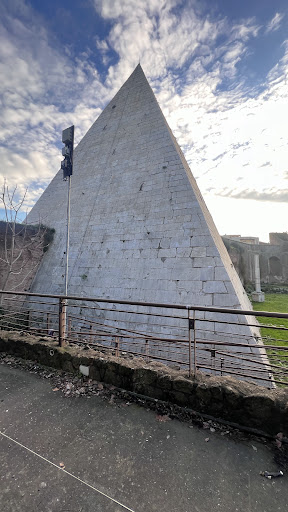
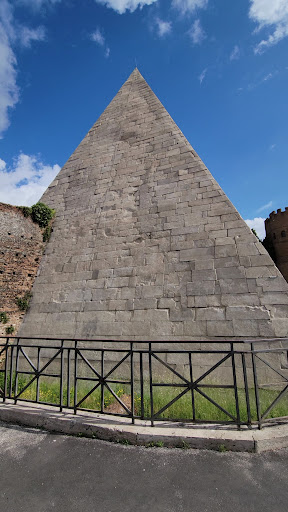
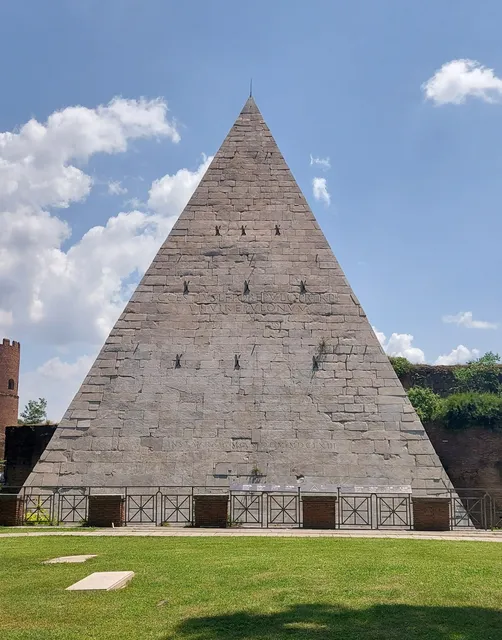
The pyramid of Cestius is a Roman Era pyramid in Rome, Italy, near the Porta San Paolo and the Protestant Cemetery. It was built as a tomb for Gaius Cestius, a member of the Epulones religious corporation.
Cultural
Accessibility
attractions: St Paul's Gate, Non-Catholic Cemetery, Polo Museale Atac, Museo della via Ostiense, CWGC Rome War Cemetery, Mattatoio, Città dell'Altra Economia, Alibi Club Roma, Keyhole of the Order of Malta, Giardino degli Aranci, restaurants: 100% BIO, Ristorante La Villetta dal 1940, Sushisen, "DOC" EnoBistrot - Cucina & Vineria, Taverna Cestia Roma, La Valle del Sacco, Osteria Fratelli Mori, Cafè du Parc, Il Nido Gusto E Miscele, NOODLE STUDIO, local businesses: Testaccio market, Bucolica The Donuts Shop, Greenwich, Angels and Dragons, Aventine Hill, ARF! Festival, Opificio Romaeuropa, Mercatino Car Boot Market Roma prossime date 9 e 30 marzo, Deal Done Aventino, Porta Portese
 Learn more insights from Wanderboat AI.
Website
turismoroma.it
Open hoursSee all hours
Tue9 AM - 4:30 PMClosed
Plan your stay

Pet-friendly Hotels in Rome
Find a cozy hotel nearby and make it a full experience.

Affordable Hotels in Rome
Find a cozy hotel nearby and make it a full experience.

The Coolest Hotels You Haven't Heard Of (Yet)
Find a cozy hotel nearby and make it a full experience.

Trending Stays Worth the Hype in Rome
Find a cozy hotel nearby and make it a full experience.
Reviews
Live events

LUNA: A Journey to the Moon – un’esperienza immersiva in realtà virtuale a Roma
Wed, Feb 25 • 4:00 PM
Via Trionfale, 7400, Roma, 00136
View details
Vatican & St Peters Basilica: unlock the wonders
Wed, Feb 25 • 1:00 PM
00192, Rome, Lazio, Italy
View details
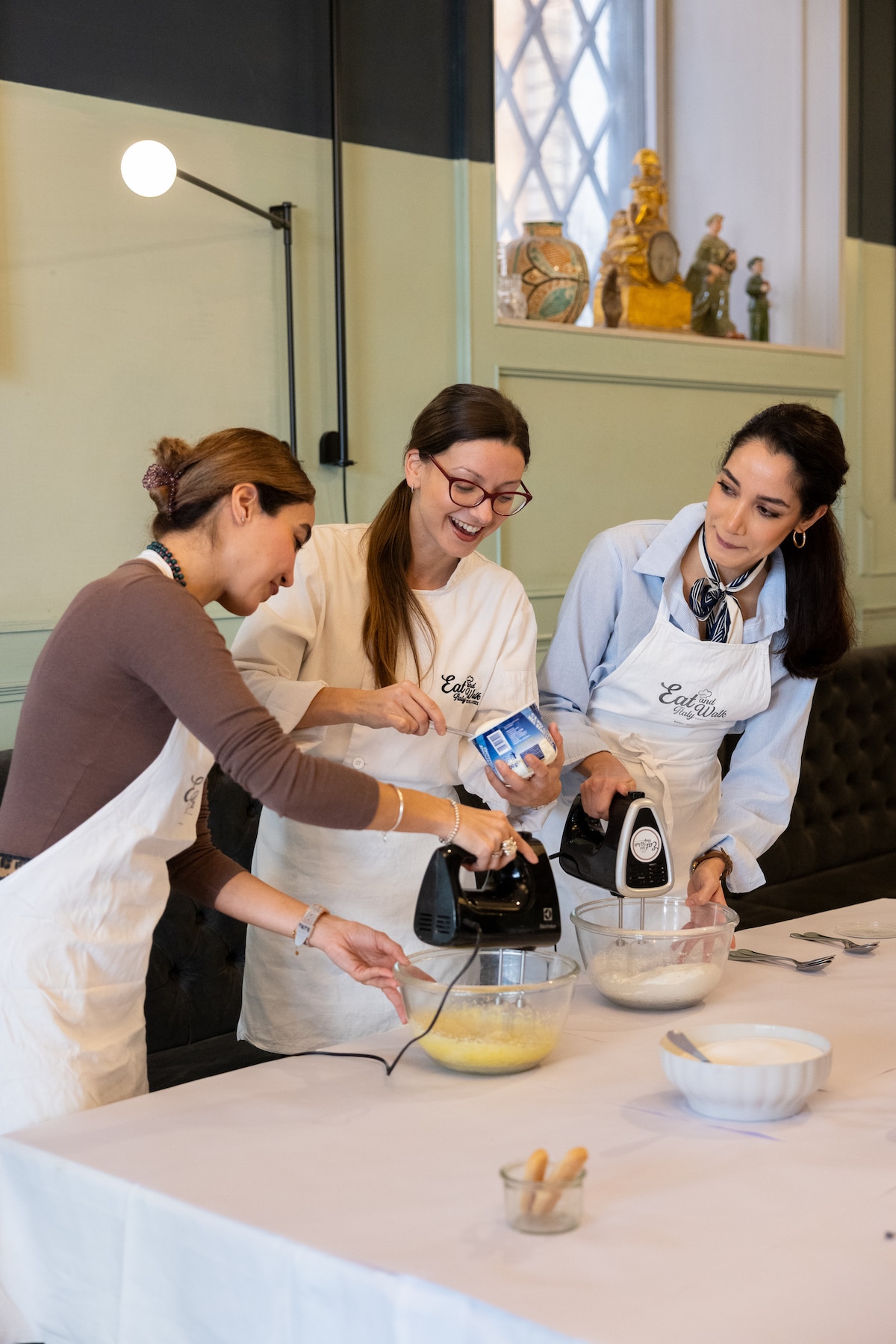
Make Pasta & Tiramisù with Wine and Limoncello
Tue, Feb 24 • 7:30 PM
00186, Rome, Lazio, Italy
View details
Nearby attractions of Pyramid of Caius Cestius
St Paul's Gate
Non-Catholic Cemetery
Polo Museale Atac
Museo della via Ostiense
CWGC Rome War Cemetery
Mattatoio
Città dell'Altra Economia
Alibi Club Roma
Keyhole of the Order of Malta
Giardino degli Aranci
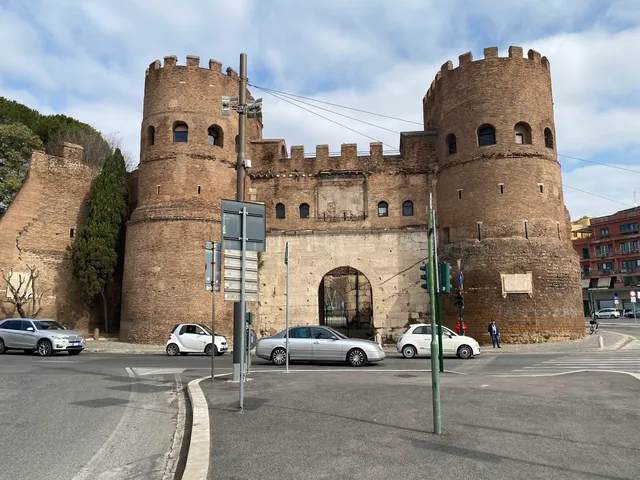
St Paul's Gate
4.5
(526)
Open until 12:00 AM
Click for details
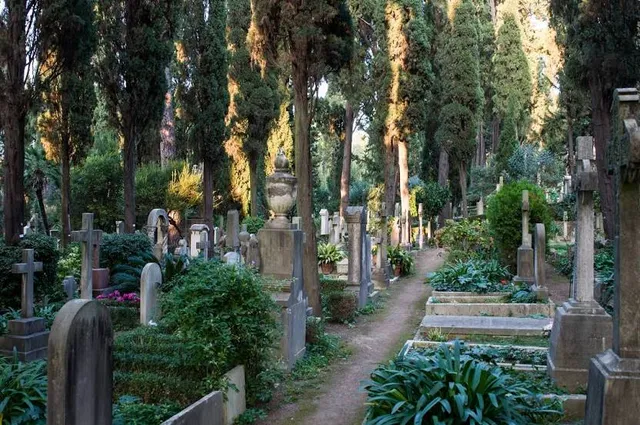
Non-Catholic Cemetery
4.6
(1.1K)
Closed
Click for details
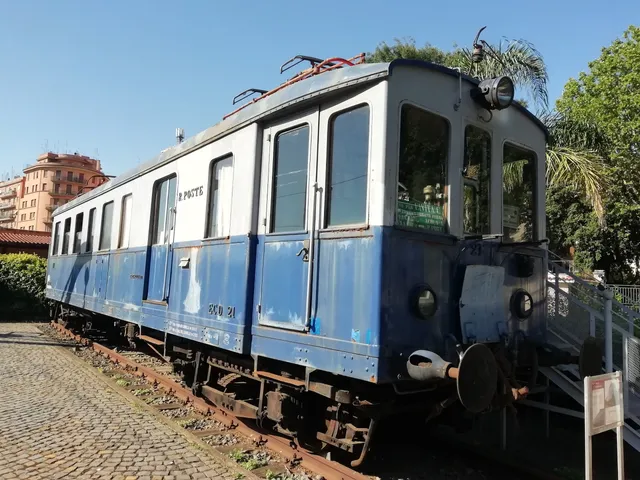
Polo Museale Atac
4.2
(101)
Open until 12:00 AM
Click for details
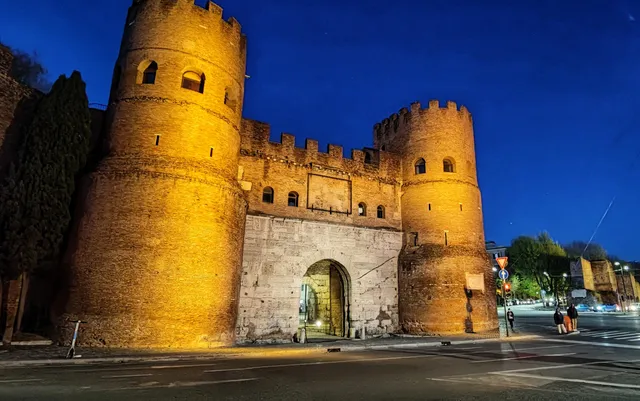
Museo della via Ostiense
3.4
(15)
Closed
Click for details
Nearby restaurants of Pyramid of Caius Cestius
100% BIO
Ristorante La Villetta dal 1940
Sushisen
"DOC" EnoBistrot - Cucina & Vineria
Taverna Cestia Roma
La Valle del Sacco
Osteria Fratelli Mori
Cafè du Parc
Il Nido Gusto E Miscele
NOODLE STUDIO
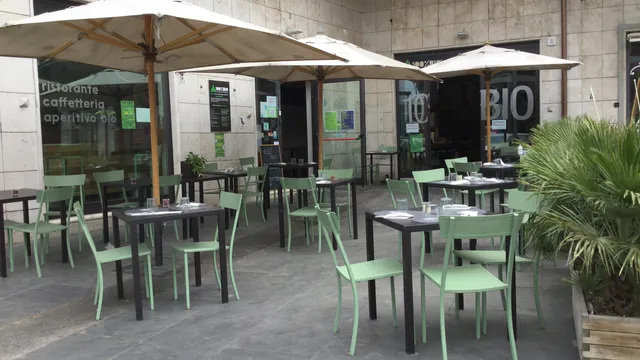
100% BIO
4.4
(862)
Closed
Click for details
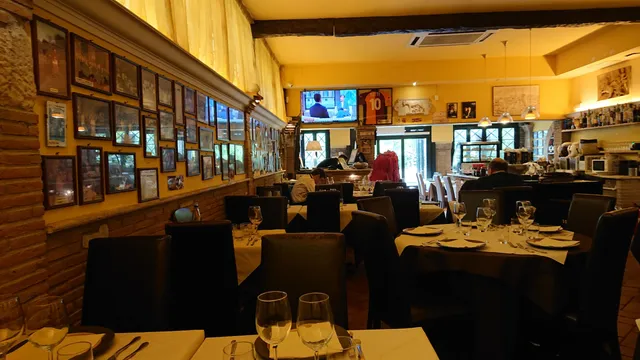
Ristorante La Villetta dal 1940
4.4
(2.4K)
Open until 12:00 AM
Click for details
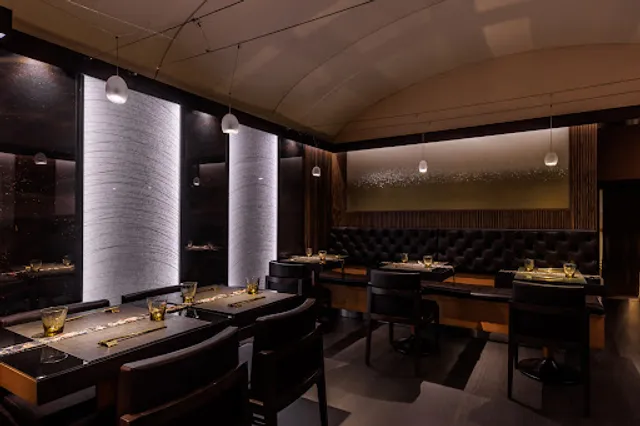
Sushisen
4.6
(1.2K)
$$$
Open until 12:00 AM
Click for details
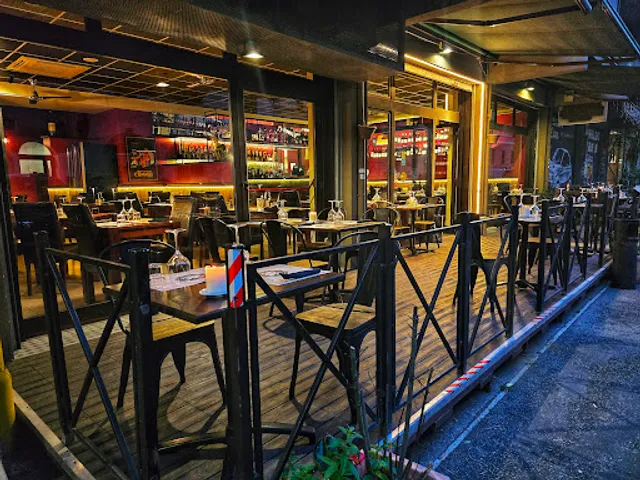
"DOC" EnoBistrot - Cucina & Vineria
4.9
(776)
Open until 12:00 AM
Click for details
Nearby local services of Pyramid of Caius Cestius
Testaccio market
Bucolica The Donuts Shop
Greenwich
Angels and Dragons
Aventine Hill
ARF! Festival
Opificio Romaeuropa
Mercatino Car Boot Market Roma prossime date 9 e 30 marzo
Deal Done Aventino
Porta Portese
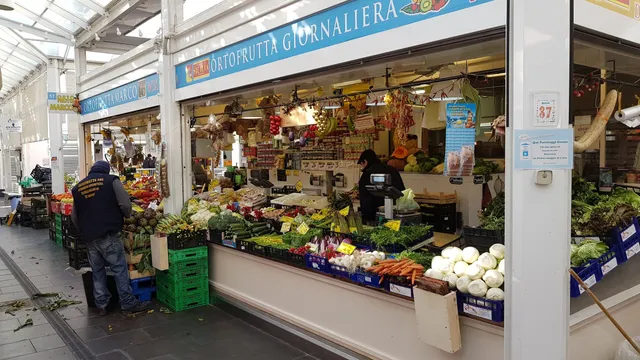
Testaccio market
4.4
(3.5K)
Click for details
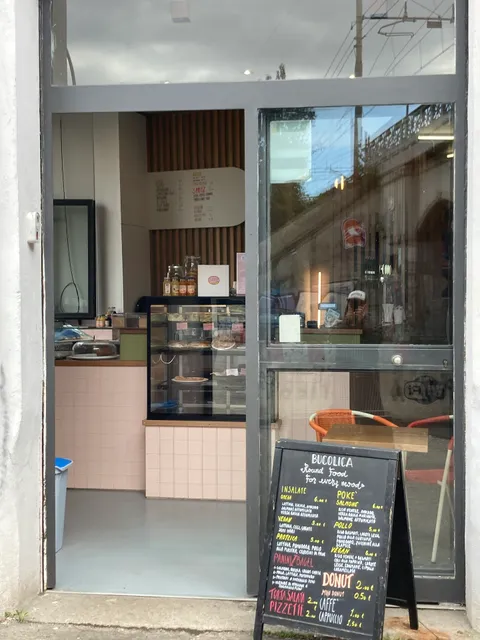
Bucolica The Donuts Shop
4.4
(37)
Click for details
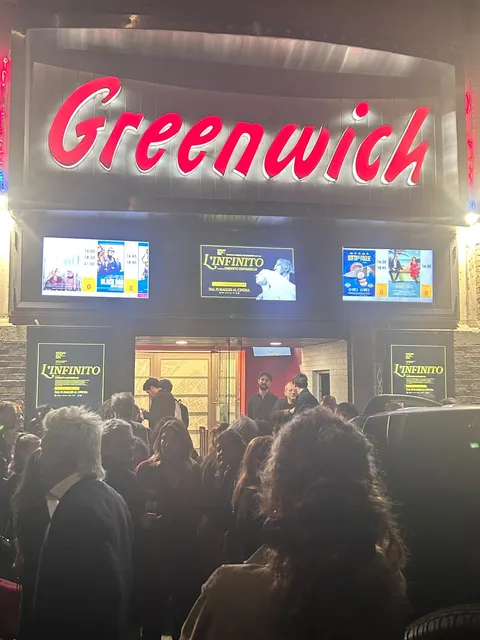
Greenwich
4.4
(669)
Click for details
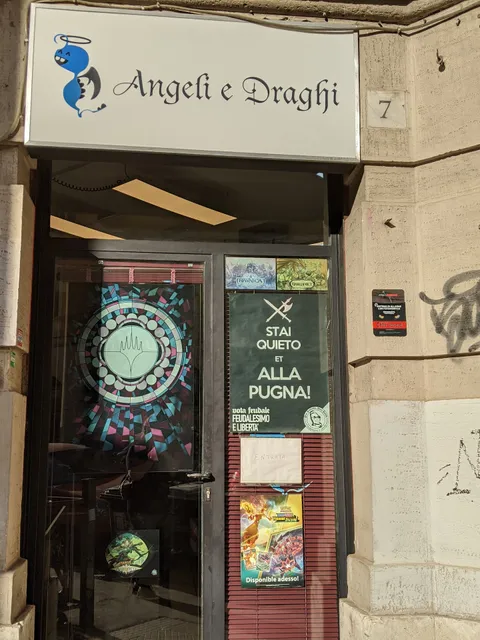
Angels and Dragons
4.4
(175)
Click for details


The hit list

Plan your trip with Wanderboat
Welcome to Wanderboat AI, your AI search for local Eats and Fun, designed to help you explore your city and the world with ease.
Powered by Wanderboat AI trip planner.