Amida Temple things to do, attractions, restaurants, events info and trip planning
Basic Info
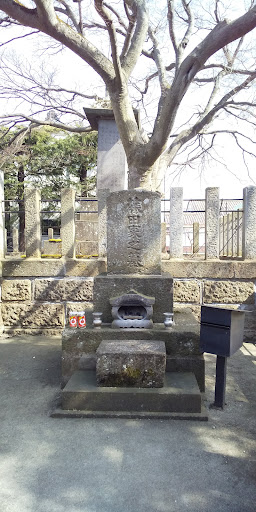
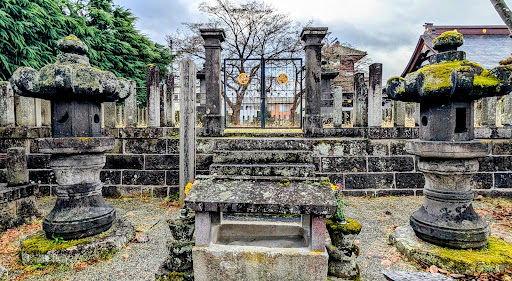
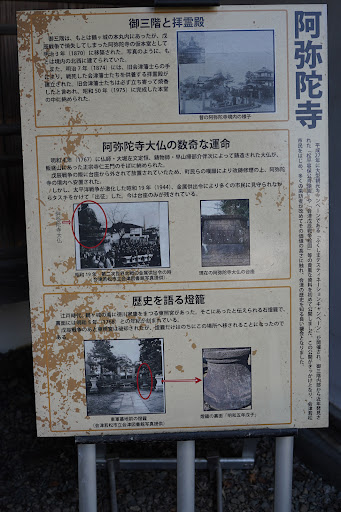
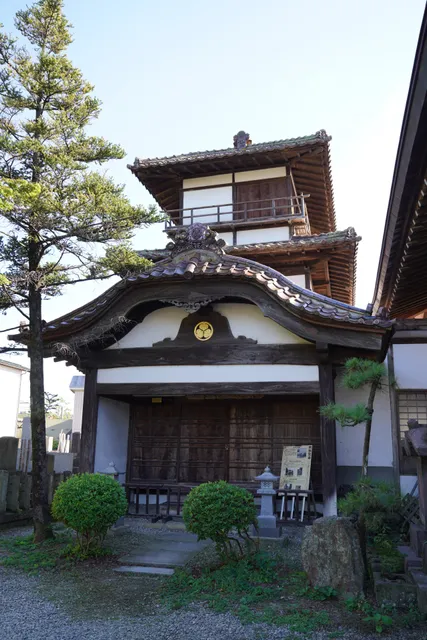
Amida Temple
4-20 Nanokamachi, Aizuwakamatsu, Fukushima 965-0044, Japan
3.9(112)
Open 24 hours
Save
spot
spot
Ratings & Description
Info
Cultural
Scenic
Family friendly
Accessibility
attractions: Aizu Shinsengumi Museum, Chomeiji Temple, 会津型染織「TSUMUGI」, Shôwa Nostalgia Museum, Hideyo Noguchi Seishunkan, スペース・アルテマイスター, Fukunishi Honten, 會津町方傳承館, Kotokuji Temple, restaurants: Shibukawa donya(Local cuisine and Aizu beef), Taroan Nanokamachi Kabo, Aizu Burger Lucky Smile, 大蓮食堂, Bariki Hongan, そば処 さくら, Kiaji, 農家の自家製ピザ&カフェ あぽり, Restaurant Papacaldo, Bistro Bar Uno
 Learn more insights from Wanderboat AI.
Website
nanukamachi.com
Plan your stay

Pet-friendly Hotels in Aizuwakamatsu
Find a cozy hotel nearby and make it a full experience.

Affordable Hotels in Aizuwakamatsu
Find a cozy hotel nearby and make it a full experience.

The Coolest Hotels You Haven't Heard Of (Yet)
Find a cozy hotel nearby and make it a full experience.

Trending Stays Worth the Hype in Aizuwakamatsu
Find a cozy hotel nearby and make it a full experience.
Reviews
Nearby attractions of Amida Temple
Aizu Shinsengumi Museum
Chomeiji Temple
会津型染織「TSUMUGI」
Shôwa Nostalgia Museum
Hideyo Noguchi Seishunkan
スペース・アルテマイスター
Fukunishi Honten
會津町方傳承館
Kotokuji Temple
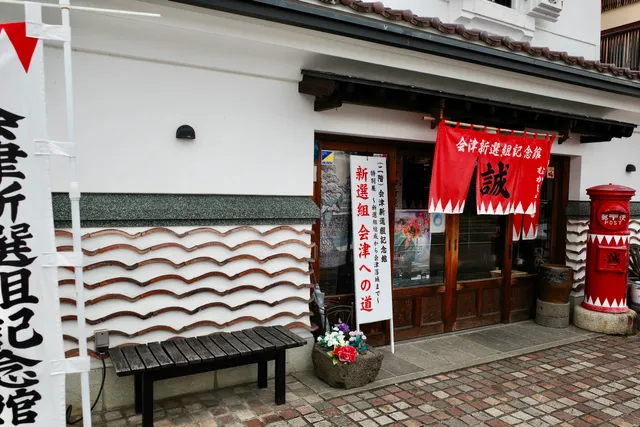
Aizu Shinsengumi Museum
3.7
(177)
Open 24 hours
Click for details
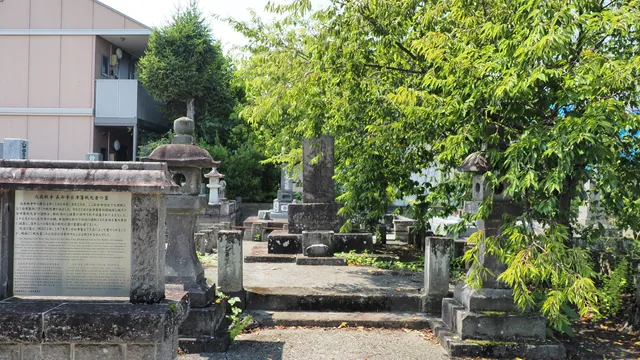
Chomeiji Temple
4.1
(25)
Open 24 hours
Click for details
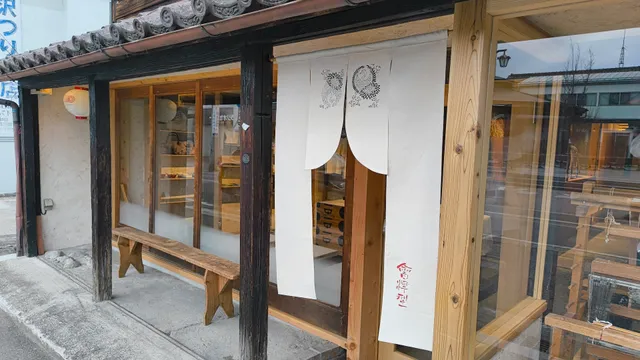
会津型染織「TSUMUGI」
5.0
(27)
Open 24 hours
Click for details
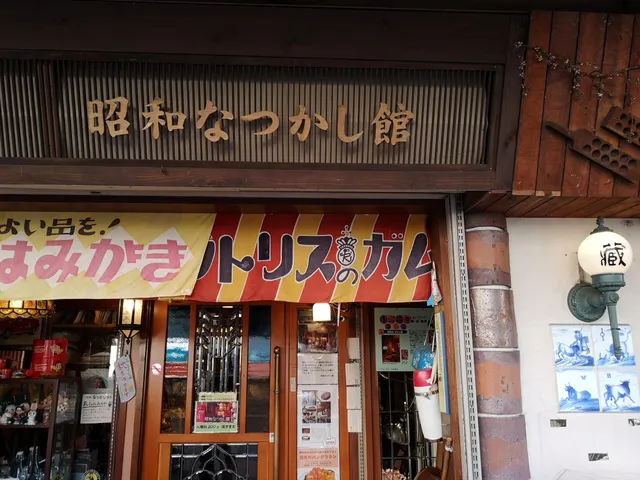
Shôwa Nostalgia Museum
3.9
(276)
Open 24 hours
Click for details
Nearby restaurants of Amida Temple
Shibukawa donya(Local cuisine and Aizu beef)
Taroan Nanokamachi Kabo
Aizu Burger Lucky Smile
大蓮食堂
Bariki Hongan
そば処 さくら
Kiaji
農家の自家製ピザ&カフェ あぽり
Restaurant Papacaldo
Bistro Bar Uno
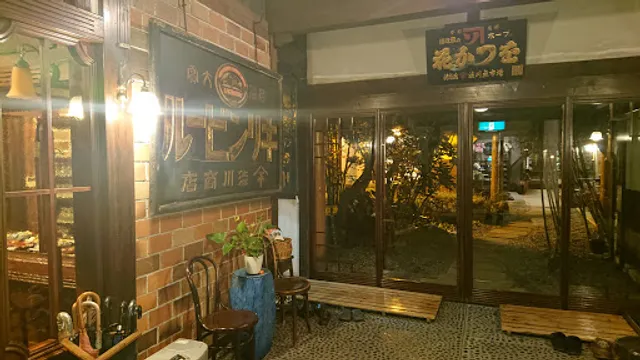
Shibukawa donya(Local cuisine and Aizu beef)
4.1
(201)
$
Click for details
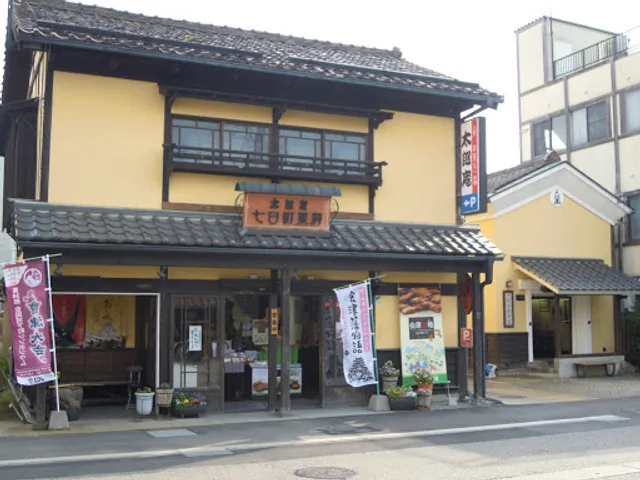
Taroan Nanokamachi Kabo
4.2
(75)
Click for details
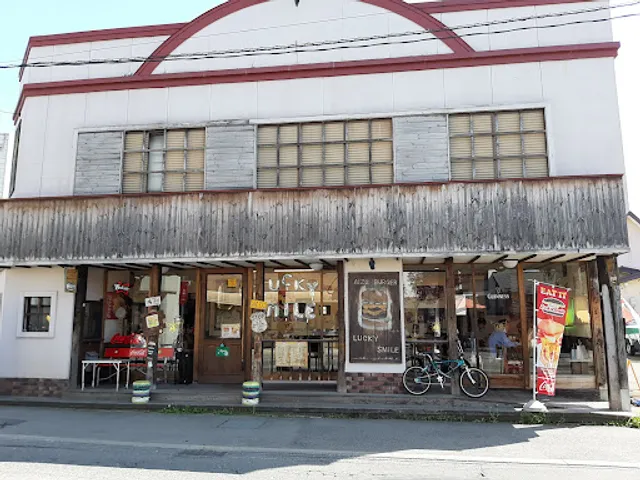
Aizu Burger Lucky Smile
4.4
(185)
Click for details
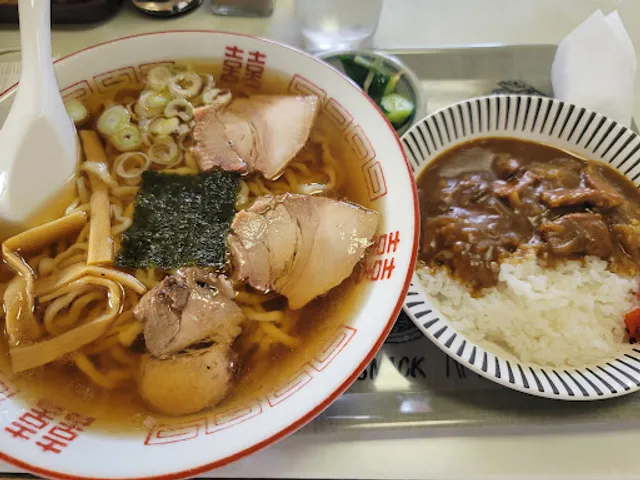
大蓮食堂
4.1
(54)
Click for details