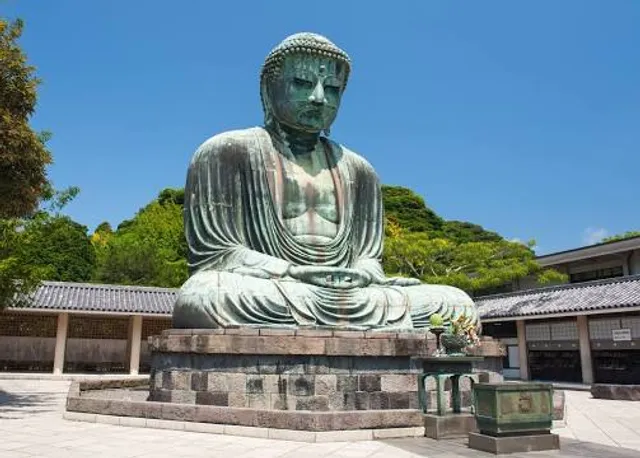
The Great Buddha of Kamakura (Daibutsu), housed at Kotoku-in Temple, is one of Japan’s most famous and awe-inspiring monuments, attracting visitors from around the world. Standing at over 13 meters tall and weighing approximately 93 tons, this monumental bronze statue of Amitabha Buddha is a masterpiece of Japanese craftsmanship and a significant cultural symbol.
Constructed in 1252 during the Kamakura period, the statue represents a moment in history when Japan was experiencing both cultural flourishing and political turbulence. The Kamakura era, marked by the establishment of the Kamakura shogunate, saw the rise of Zen Buddhism and a growing interest in Buddhist art and architecture. The Great Buddha is a stunning expression of this period's religious and artistic ambitions. Initially housed in a large wooden hall, the statue was exposed to the elements after the hall was destroyed by a tsunami in the 15th century, giving it the unique open-air setting that enhances its majestic presence today.
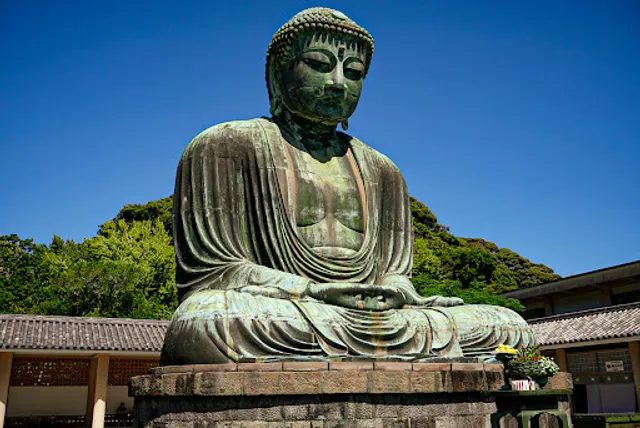
The sheer scale of the Kamakura Buddha is awe-inspiring. Standing alone in its tranquil garden setting, it exudes a calm, meditative energy that draws visitors into a state of contemplation. The statue’s facial expression is serene and composed, with a slight smile and closed eyes that convey peace and wisdom. The intricate details of the Buddha’s robes, hair, and posture further demonstrate the skill and dedication of its creators. The folds in the Buddha’s robes are rendered with remarkable precision, while the aura of its facial features communicates a sense of timeless spirituality.
One of the most intriguing aspects of the statue is that it is hollow, and visitors can enter the Buddha through a small door at the back. Inside, they can observe the internal structure of the statue, made of bronze plates and supported by an internal framework. This access provides an opportunity to appreciate the engineering behind the monumental work, and it serves as a fascinating glimpse into the construction methods of the time.
The grounds surrounding the Buddha are equally tranquil, offering visitors a peaceful environment in which to reflect. Kotoku-in Temple itself is nestled in the coastal town of Kamakura, surrounded by lush greenery and wooded hills. The natural beauty of the area complements the statue, adding to its sense of serenity and reinforcing the connection between nature, spirituality, and Japanese Buddhism. As you walk toward the Buddha, the path is lined with trees and small stone lanterns, creating a contemplative atmosphere that draws you closer to the monumental figure.
Historically, the Great Buddha of Kamakura is a symbol of resilience. Over the centuries, the statue has withstood numerous natural disasters, including earthquakes and typhoons, yet it remains a powerful reminder of the enduring nature of Buddhist teachings. It has become not only a religious icon but also a cultural treasure, representing Japan’s ability to overcome adversity and maintain its spiritual identity.
In conclusion, a visit to the Kamakura Buddha is an unforgettable experience that offers both spiritual reflection and a deep connection to Japan’s cultural history. Whether you are drawn to its artistic magnificence, its historical significance, or simply the peace it evokes, the Great Buddha of Kamakura remains a powerful and enduring symbol of...
Read moreTucked away in the lush, temple-studded hills of Kamakura, Kōtoku-in is more than just a destination—it's a moment of stillness in motion, a glimpse into centuries of spiritual craftsmanship and quiet resilience. While Kamakura itself is known for its historical charm and natural beauty, Kōtoku-in, home to the legendary Great Buddha (Daibutsu), stands as its crown jewel—a timeless guardian looking out to sea, cast in bronze and etched with history.
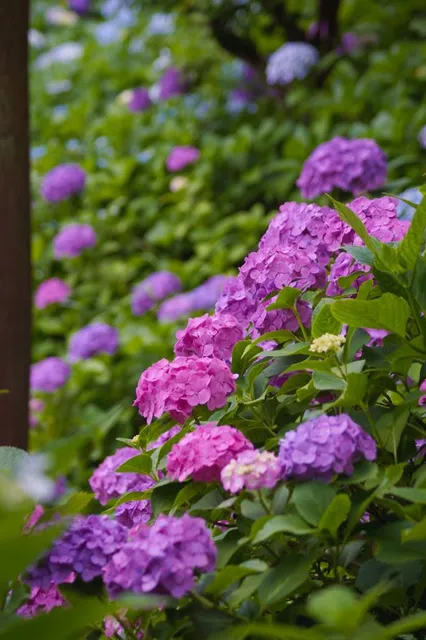
Arrival & First Impressions Wandering through Kamakura’s winding lanes, past hydrangea-lined paths and sleepy sweet shops, the approach to Kōtoku-in feels like walking toward something sacred yet grounded. As you pass through the modest entrance and into the temple grounds, the Great Buddha slowly reveals itself—not with fanfare, but with gravity.
He stands at approximately 13.35 meters tall, cast in serene bronze with half-closed eyes and a calm that cuts through centuries of typhoons, earthquakes, and war. This statue, dating back to 1252, has seen the world change in ways none of us could imagine. And yet, he remains—dignified, weathered, peaceful.
The Experience What makes Kōtoku-in special is not just its visual grandeur, but the space it creates—both physically and emotionally. The statue sits outdoors, no longer housed in a hall (the original structure was destroyed by a tsunami in the 15th century), and somehow this makes the experience even more moving. The Daibutsu under open skies feels appropriately cosmic—more connected to the elements, more meditative.
For a small fee, you can actually enter the interior of the statue, which reveals a fascinating honeycomb of ancient metalwork and casting techniques. It's a tight space, yes, but oddly moving—you're quite literally stepping inside a piece of living history.
Surroundings & Atmosphere Despite its popularity, the temple maintains a gentle, contemplative tone. You'll find visitors sitting quietly on stone benches, sketching, journaling, or simply staring upward in reverence. The ambient sounds of wind in the trees, distant temple bells, and the rustling of school groups and curious travelers form a soft chorus of life that contrasts beautifully with the Buddha’s stillness.
The nearby hills and forested paths encourage further exploration—many visitors combine a visit to Kōtoku-in with a gentle hike toward the Hase-dera Temple, or continue to explore the coast just a short walk away.
Final Thoughts Kōtoku-in isn’t just a place to check off a list; it’s a place to feel small in the best possible way. It invites reflection, humility, and presence. The Daibutsu doesn’t ask anything from you, but somehow gives something profound back—a reminder that stillness can hold strength, that time doesn’t erase meaning, and that beauty often lies not in the new, but in the deeply enduring.
If you're in Kamakura, go slowly. Let the Great Buddha greet you on his own time. And if you’re lucky, the afternoon light will hit just right, and you’ll understand why people have been coming here for over 750 years—not just to see,...
Read moreTranquil, Majestic, and Steeped in History
Kōtoku-in, home of the iconic Great Buddha (Daibutsu) of Kamakura, is an unforgettable cultural landmark that truly lives up to its reputation. I visited on a crisp winter afternoon and could not have asked for a better experience—clear skies, cool air, and barely any waiting time. If you’re planning a trip to Kamakura, this should be high on your list.
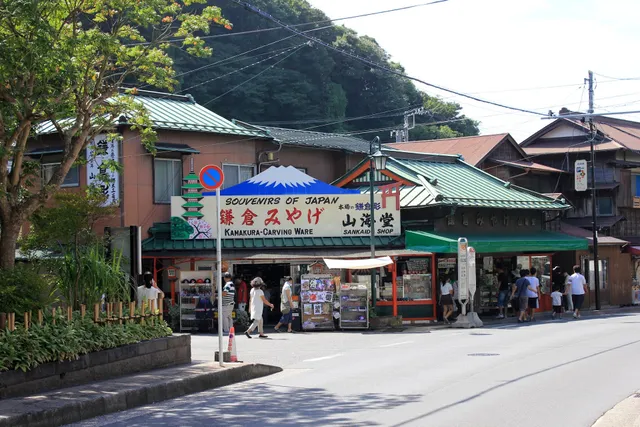
The temple is a short walk from Hase Station, and the surrounding neighbourhood is charming with traditional shops, cafés, and small shrines tucked along the way. Once you step through the entrance gates, a sense of peace settles in immediately. The Great Buddha sits serenely in the open air, its calm expression and sheer scale inspiring quiet reflection and awe.
The winter season, in particular, adds something special. The air is fresh and cool, perfect for leisurely exploration without the heat and humidity of summer. Visiting in the afternoon meant fewer tourists, and I was able to take my time appreciating the statue without jostling for space or rushing photos. The golden hue of the late-afternoon sun falling across the Buddha’s bronze surface gives it a warm glow that’s almost spiritual in itself.
The Daibutsu stands at over 13 metres tall and has been sitting here since the 13th century, having survived earthquakes, typhoons, and even a tsunami. It’s one of those monuments that carry a quiet dignity—weathered but enduring. You can even enter the hollow interior of the statue for a small fee. Though it’s a tight space and a quick experience, it’s fascinating to see the inner structure and realise the craftsmanship that went into creating such an enduring figure.
There are signs and plaques in both Japanese and English, so it’s easy to understand the historical context. I appreciated how well-kept the grounds were, with ample seating and thoughtful landscaping that complements the quietude of the site. It’s not a sprawling complex, but the simplicity is what makes it feel authentic and reverent.
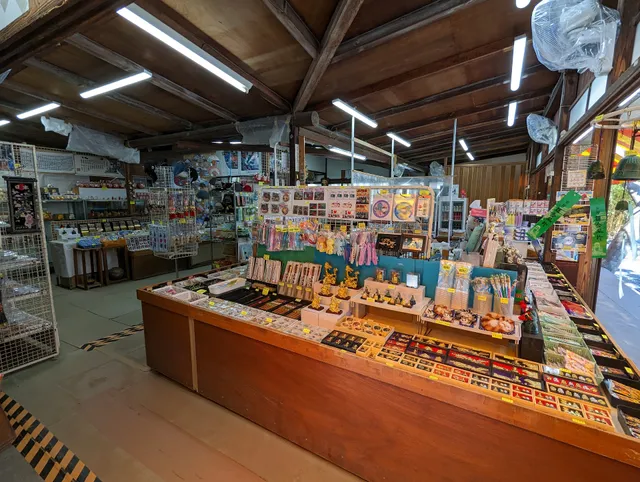
Admission is very affordable (just a few hundred yen), and there’s a small gift shop near the entrance where you can pick up tasteful souvenirs like calligraphy, postcards, and incense. Staff were courteous and helpful, and despite being a major tourist attraction, the experience felt deeply personal.
I cannot recommend visiting in the winter afternoon enough. It’s neither too cold nor too crowded, and you get to enjoy the temple at your own pace, with the sun setting just behind the hills—an incredibly picturesque scene.
Kōtoku-in is more than a photo opportunity; it’s a moment of serenity, history, and cultural appreciation rolled into one. Whether you’re a history buff, a photographer, or a casual visitor, this site will stay with you long after you’ve left.
A peaceful icon of Japan’s spiritual heritage. Absolutely...
Read more