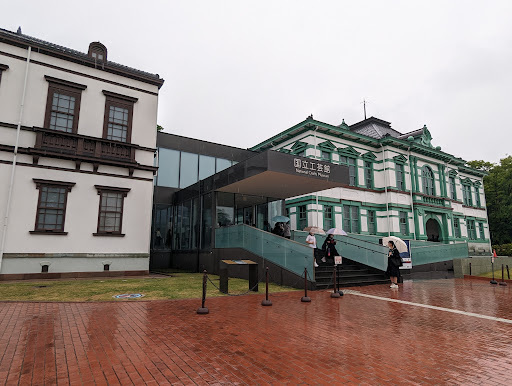
National Crafts Museum things to do, attractions, restaurants, events info and trip planning
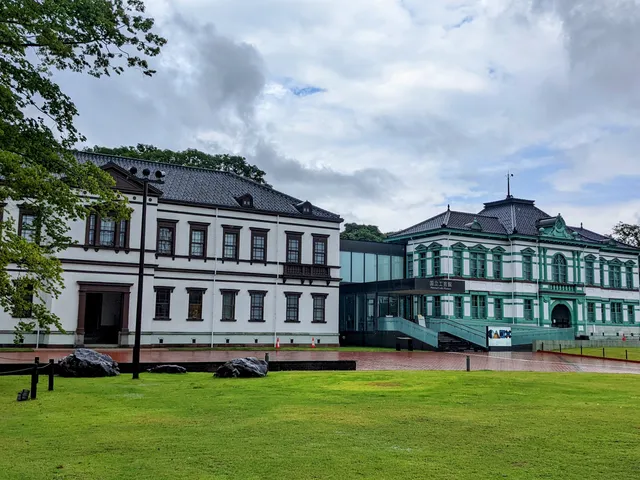
Basic Info
National Crafts Museum
3-2 Dewamachi, Kanazawa, Ishikawa 920-0963, Japan
4.1(447)
Open until 5:30 PM


tickets
Save
spot
spot
Ratings & Description
Info
The National Handicrafts and Handlooms Museum commonly known as National Crafts Museum in New Delhi is one of the largest crafts museums in India. It is run by the Ministry of Textiles, Government of India. The museum is situated on the corner of the Pragati Maidan, facing the Purana Quila complex.
Cultural
Family friendly
Accessibility
attractions: Ishikawa Prefectural Museum of Art, Ishikawa Prefectural History Museum, D.T. Suzuki Museum, Kenroku-en, 金澤神社, 21st Century Museum of Contemporary Art, Kanazawa, Kanazawa Nakamura Memorial Museum, Kaga Honda Museum, Ishiura Shrine, Hondanomori Park, restaurants: Sekitei Kaiseki restaurant, Onigiri Mitsuya, KAIFAN the Parlor, Cafe Restaurant Fusion 21, kakurezato coffee, うどんそば処しみず(清水食堂), The Cafe Oasis, Hazama, Ajiwai Magoshichi, Hatakenoko, local businesses: モトキ整体院, Ishikawa Prefectural Museum of Art - Hirosaka Annex, Museum Shop, Kanazawa Medical Center, Colour activity house, スイミング・プール, VASARA Kimono Rental Kanazawa Kenrokuen Store, Kanazawa AZ, 清香室町, Karasaki Pine Tree
 Learn more insights from Wanderboat AI.
Phone
+81 50-5541-8600
Website
momat.go.jp
Open hoursSee all hours
Sat9:30 AM - 5:30 PMOpen
Plan your stay

Pet-friendly Hotels in Kanazawa
Find a cozy hotel nearby and make it a full experience.

Affordable Hotels in Kanazawa
Find a cozy hotel nearby and make it a full experience.

The Coolest Hotels You Haven't Heard Of (Yet)
Find a cozy hotel nearby and make it a full experience.

Trending Stays Worth the Hype in Kanazawa
Find a cozy hotel nearby and make it a full experience.
Reviews
Live events
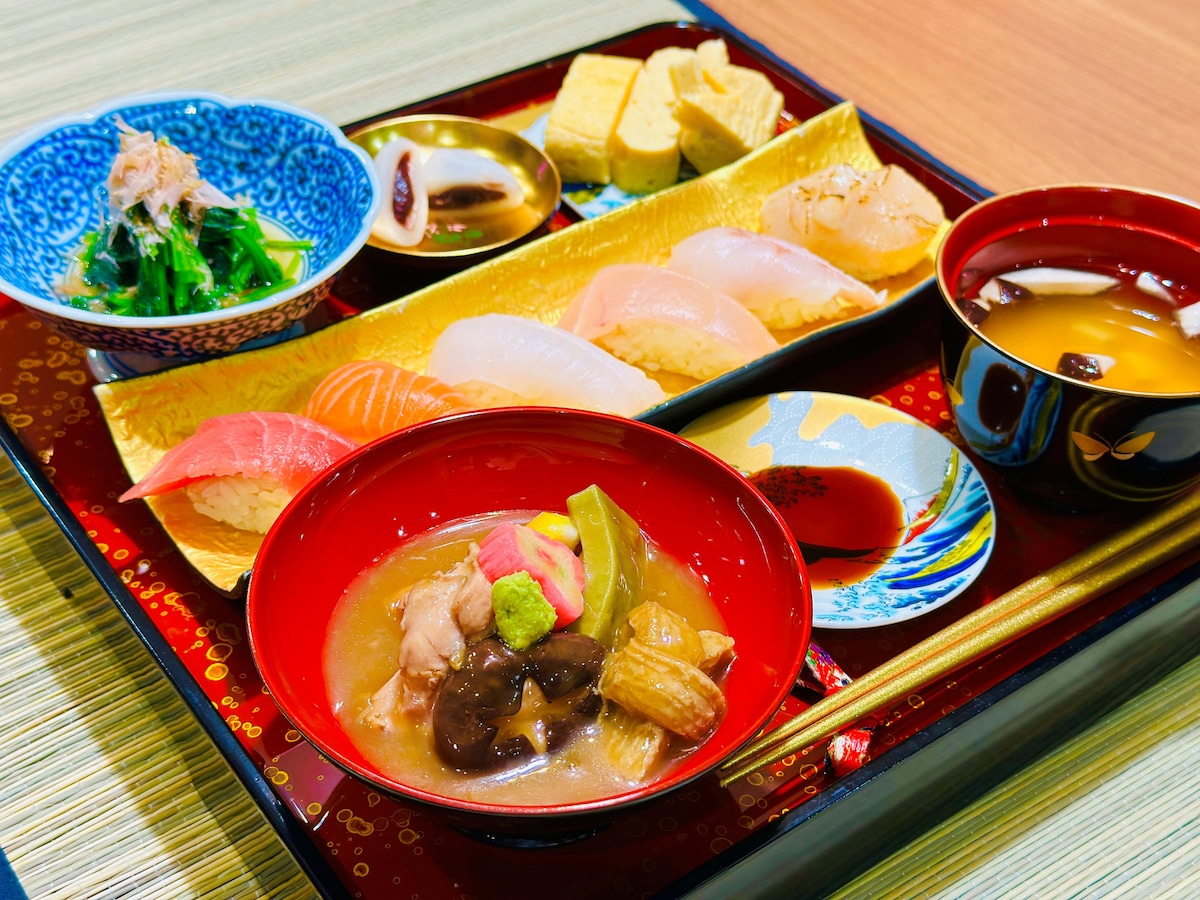
Sushi & Kanazawa Cooking Class Ai Translation
Sun, Feb 22 • 6:00 PM
920-0852, Ishikawa, Kanazawa, Japan
View details
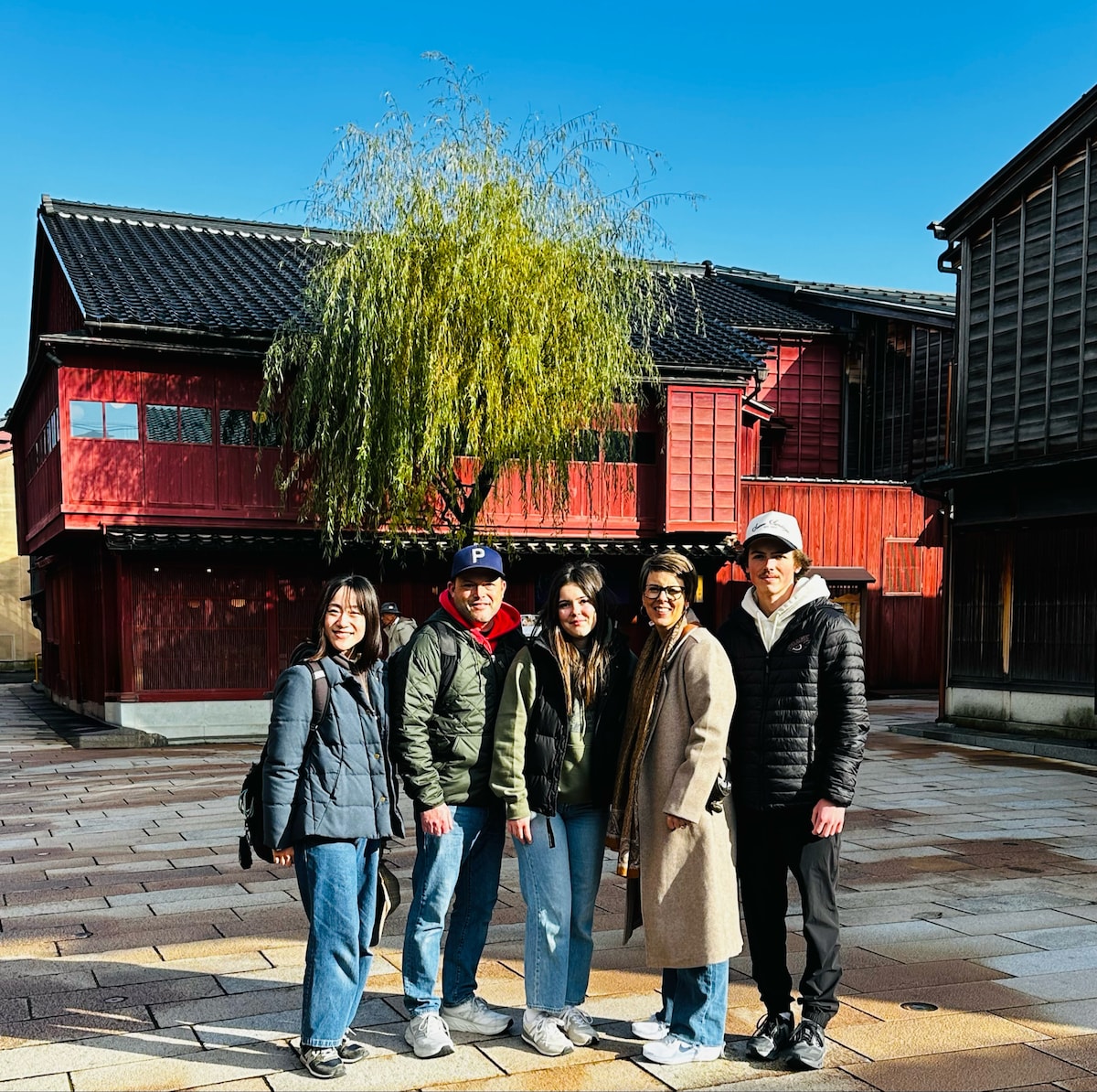
Explore Kanazawa Half Day Private Tour with Local
Sat, Feb 21 • 8:00 AM
920-0858, Ishikawa, Kanazawa, Japan
View details
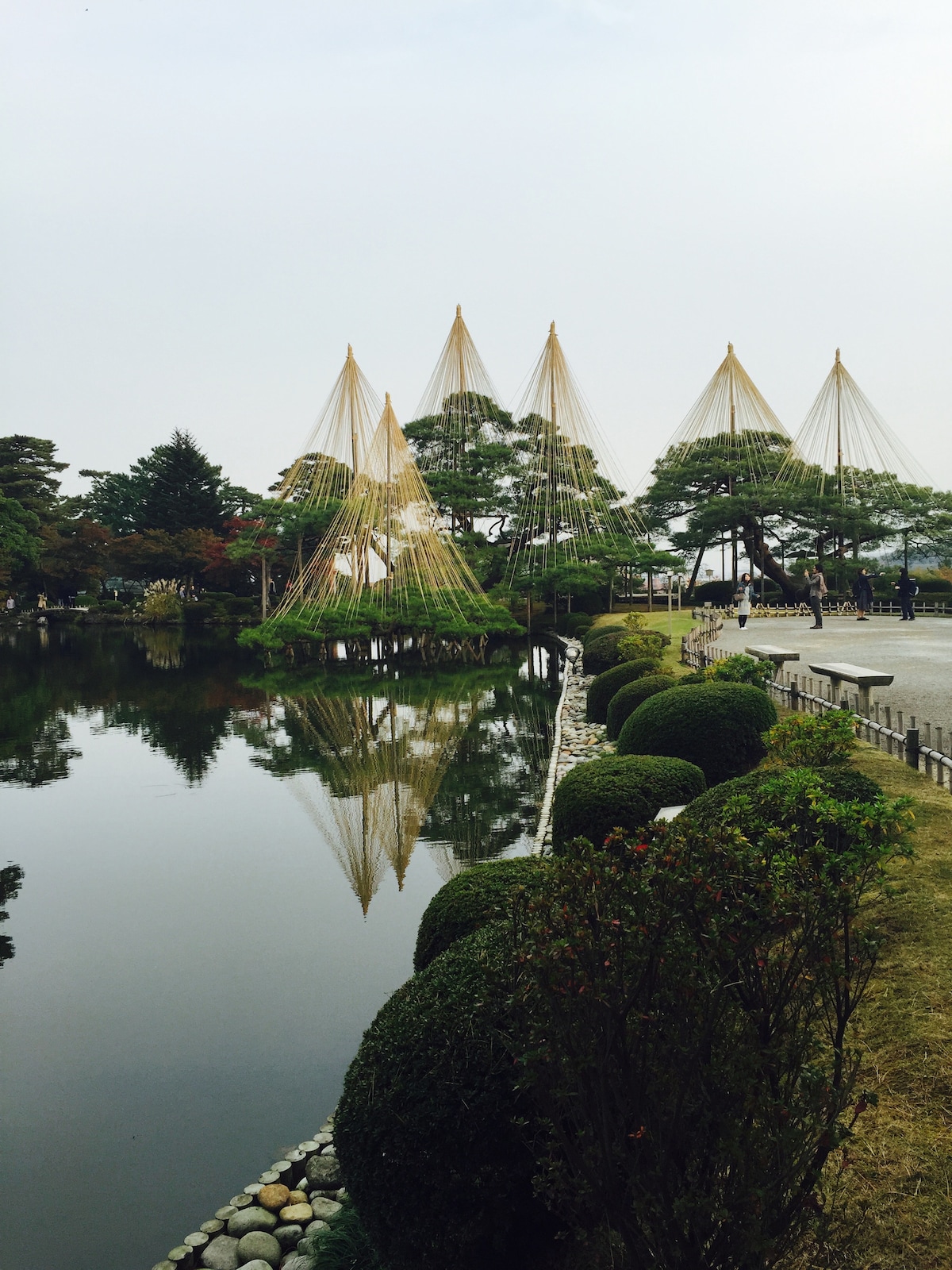
Kanazawa Highlights: History and Culture
Sat, Feb 21 • 9:00 AM
920-8583, Ishikawa, Kanazawa, Japan
View details
Nearby attractions of National Crafts Museum
Ishikawa Prefectural Museum of Art
Ishikawa Prefectural History Museum
D.T. Suzuki Museum
Kenroku-en
金澤神社
21st Century Museum of Contemporary Art, Kanazawa
Kanazawa Nakamura Memorial Museum
Kaga Honda Museum
Ishiura Shrine
Hondanomori Park
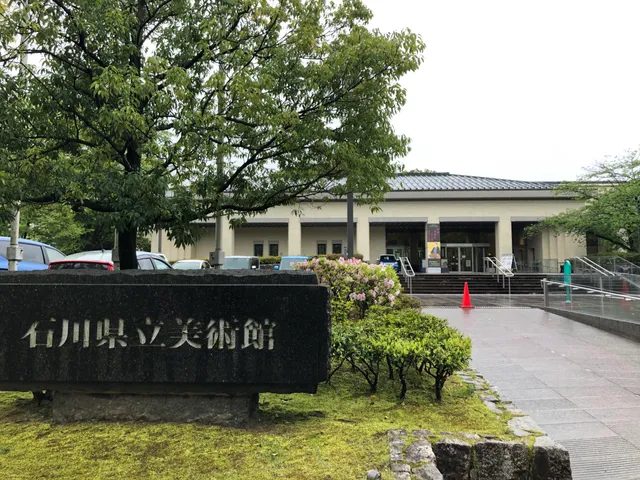
Ishikawa Prefectural Museum of Art
4.1
(931)
Open until 6:00 PM
Click for details
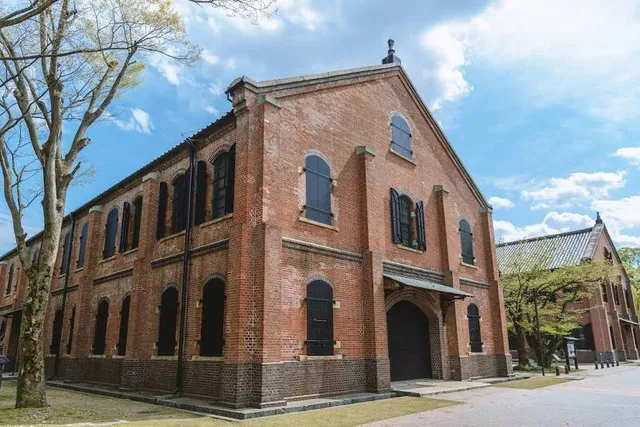
Ishikawa Prefectural History Museum
4.2
(631)
Open until 5:00 PM
Click for details
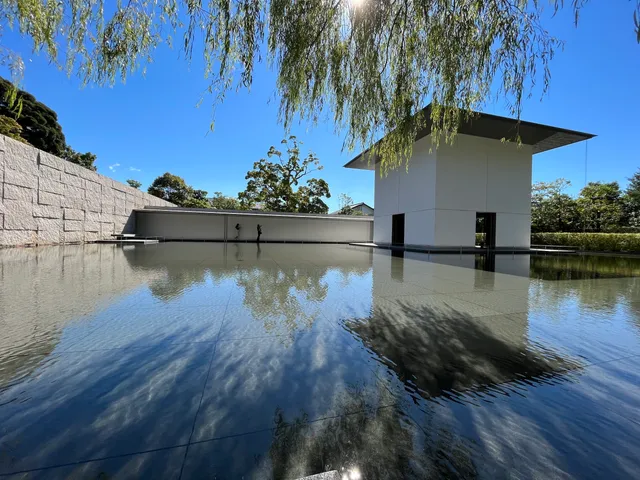
D.T. Suzuki Museum
4.5
(1.1K)
Open until 5:00 PM
Click for details
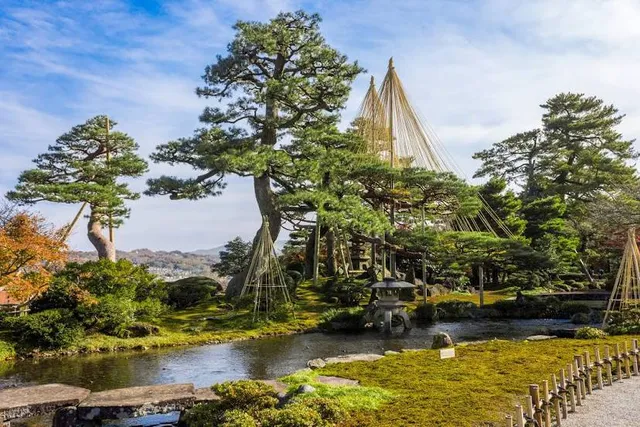
Kenroku-en
4.4
(13K)
Open until 5:00 PM
Click for details
Nearby restaurants of National Crafts Museum
Sekitei Kaiseki restaurant
Onigiri Mitsuya
KAIFAN the Parlor
Cafe Restaurant Fusion 21
kakurezato coffee
うどんそば処しみず(清水食堂)
The Cafe Oasis
Hazama
Ajiwai Magoshichi
Hatakenoko
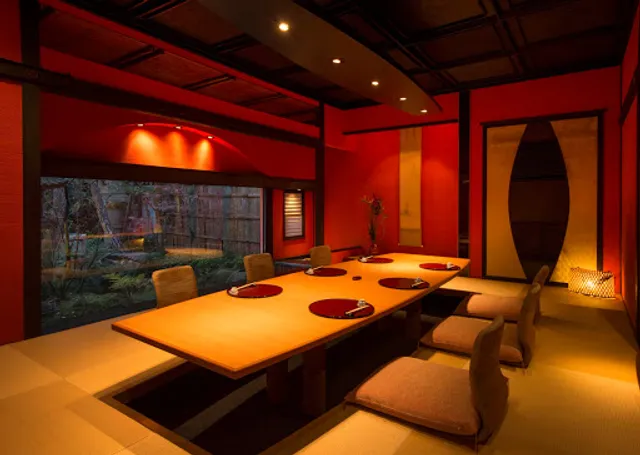
Sekitei Kaiseki restaurant
4.4
(177)
Closed
Click for details
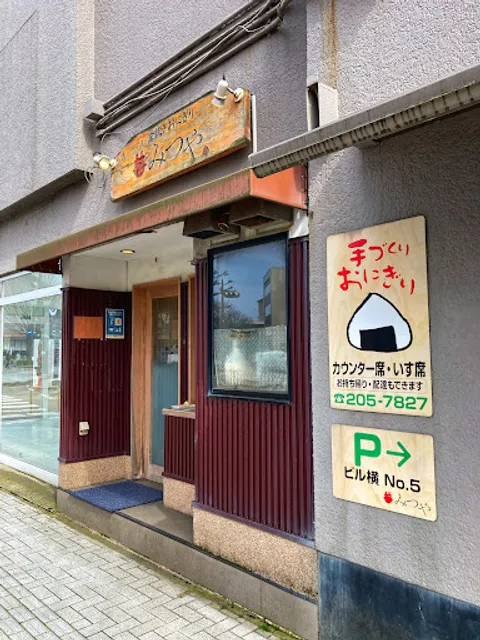
Onigiri Mitsuya
4.4
(116)
Closed
Click for details
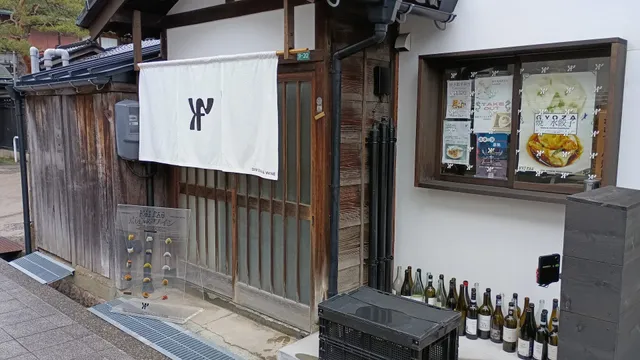
KAIFAN the Parlor
4.5
(61)
Closed
Click for details
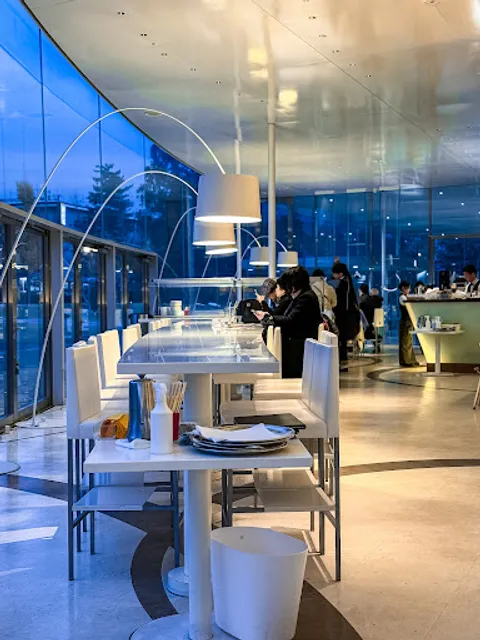
Cafe Restaurant Fusion 21
3.7
(128)
Open until 8:00 PM
Click for details
Nearby local services of National Crafts Museum
モトキ整体院
Ishikawa Prefectural Museum of Art - Hirosaka Annex
Museum Shop
Kanazawa Medical Center
Colour activity house
スイミング・プール
VASARA Kimono Rental Kanazawa Kenrokuen Store
Kanazawa AZ
清香室町
Karasaki Pine Tree

モトキ整体院
5.0
(199)
Click for details
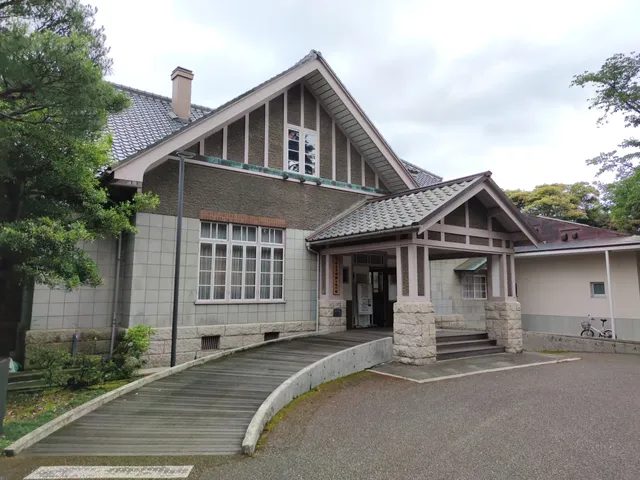
Ishikawa Prefectural Museum of Art - Hirosaka Annex
4.1
(21)
Click for details
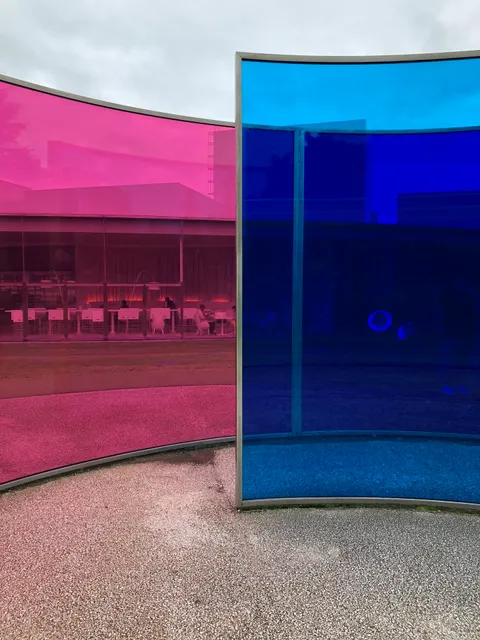
Museum Shop
3.9
(66)
Click for details
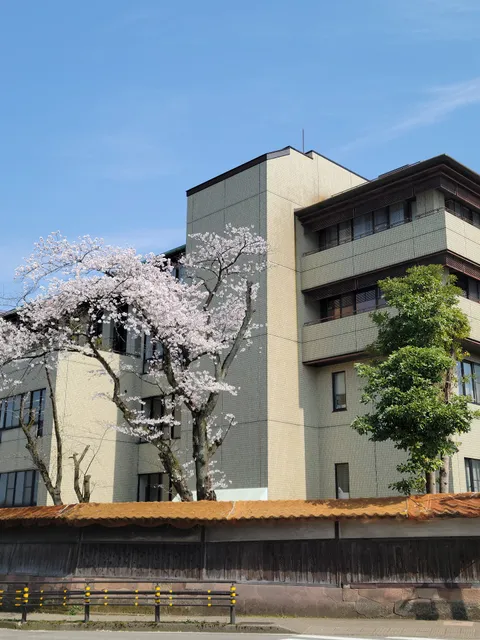
Kanazawa Medical Center
3.0
(77)
Click for details