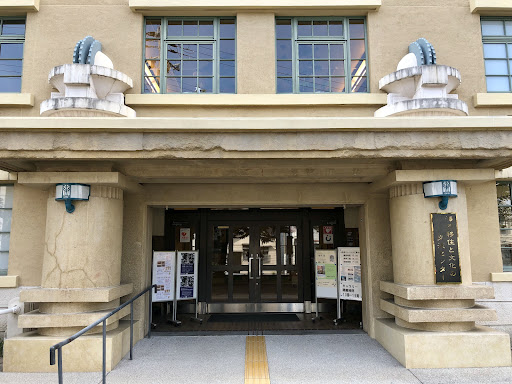
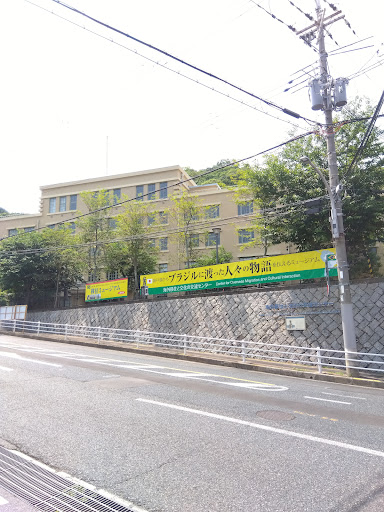
Kōbe Center for Overseas Migration and Cultural Interaction things to do, attractions, restaurants, events info and trip planning
Basic Info
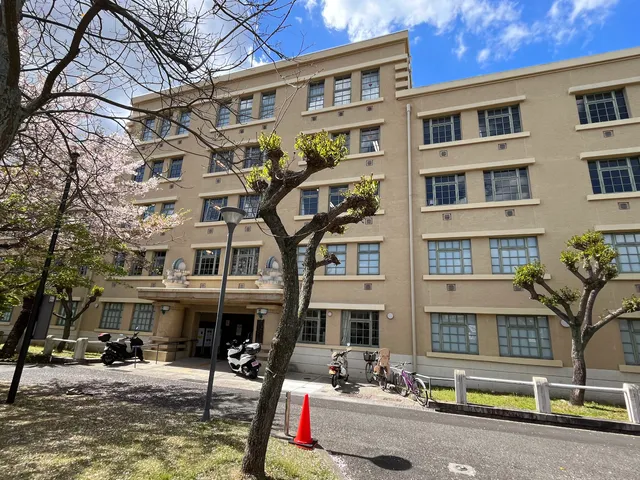
Kōbe Center for Overseas Migration and Cultural Interaction
Japan, 〒650-0003 Hyogo, Kobe, Chuo Ward, Yamamotodori, 3 Chome−19−8 3F
4.4(14)
Closed
Save
spot
spot
Ratings & Description
Info
Cultural
Accessibility
attractions: C.A.P./KOBE STUDIO Y3/sumico, Kobe Muslim Mosque, Ikuta Jinja, Suwayama Park, Jewish Community of Kansai, Sorakuen Garden, JCC Kansai Kobe Synagogue, Kitano Ijinkan-Gai, Suwa Shrine, アートスペースかおる, restaurants: Tōtenkaku, Azzurri, L'avenue, Kafareru Kobekitano Honten, Igrek, Ça Marche, Bread, Espresso & Ijinkan, Chezrose, Ash Restaurant, Cafe Terrasse de Paris, local businesses: The Kobe Club, 神戸ムスリムモスク, BIG APPLE, Venus Bridge, Kobe Halal Food, Halal kitano store, itoaware -いとあはれ- 神戸店, Gregory Collet Patisserie, Irie no Hotori, Kobe Grocers
 Learn more insights from Wanderboat AI.
Phone
+81 78-272-2362
Website
kobe-center.jp
Open hoursSee all hours
TueClosed
Plan your stay

Pet-friendly Hotels in Kobe
Find a cozy hotel nearby and make it a full experience.

Affordable Hotels in Kobe
Find a cozy hotel nearby and make it a full experience.

The Coolest Hotels You Haven't Heard Of (Yet)
Find a cozy hotel nearby and make it a full experience.

Trending Stays Worth the Hype in Kobe
Find a cozy hotel nearby and make it a full experience.
Reviews
Live events
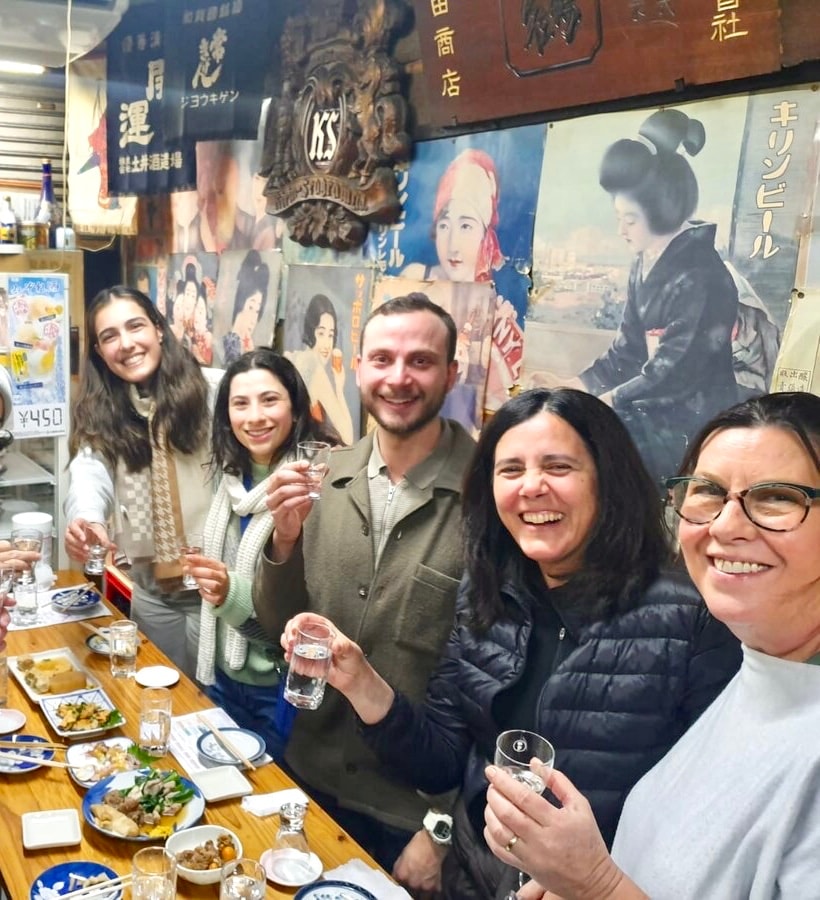
Off The Beaten Path Osaka Local Bar Crawl
Tue, Feb 10 • 6:00 PM
530-0034, Osaka, Osaka, Japan
View details
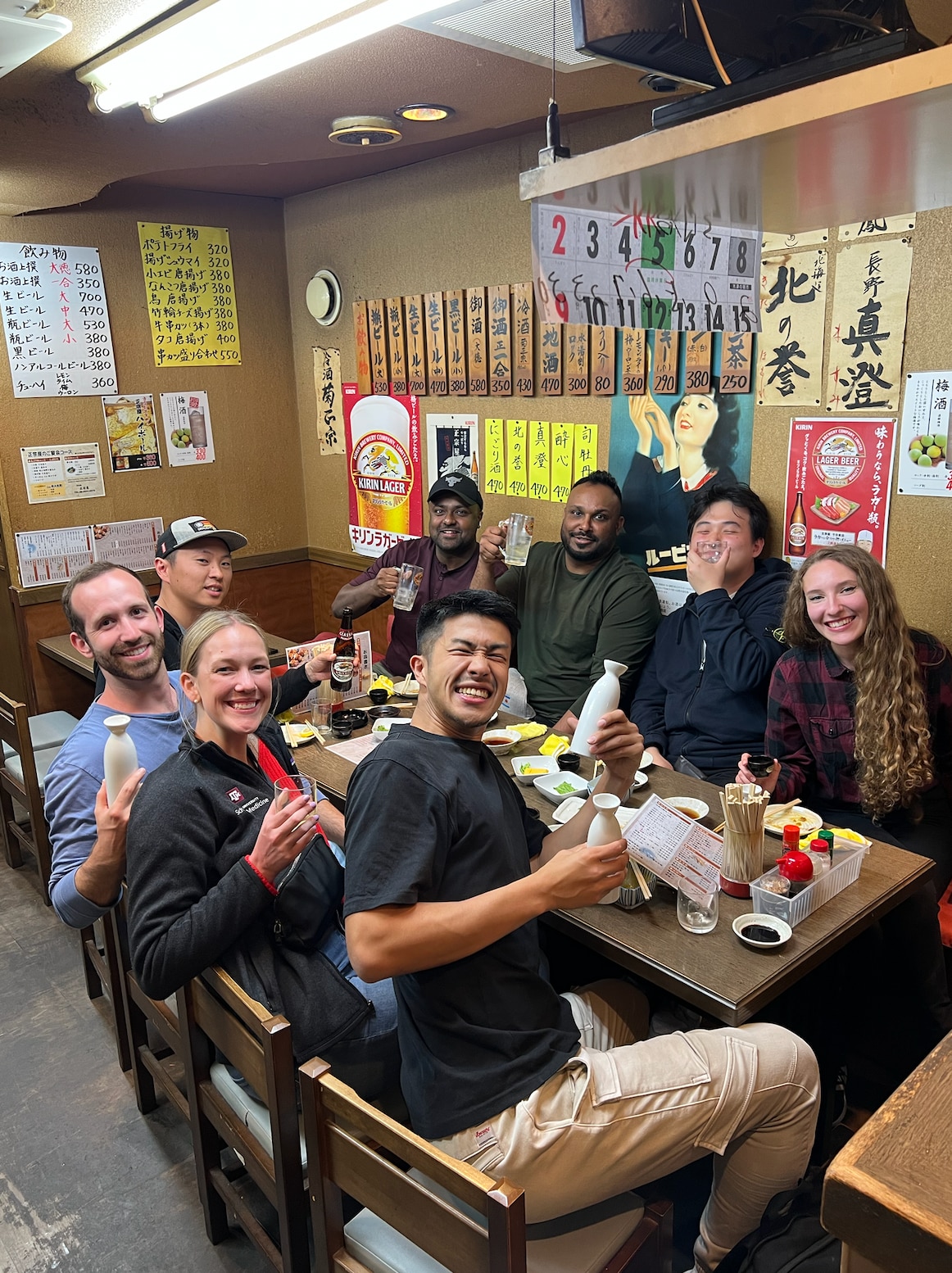
Osaka: Izakaya Bars Guided Walking Tour
Tue, Feb 10 • 6:00 PM
542-0071, Osaka, Osaka, Japan
View details
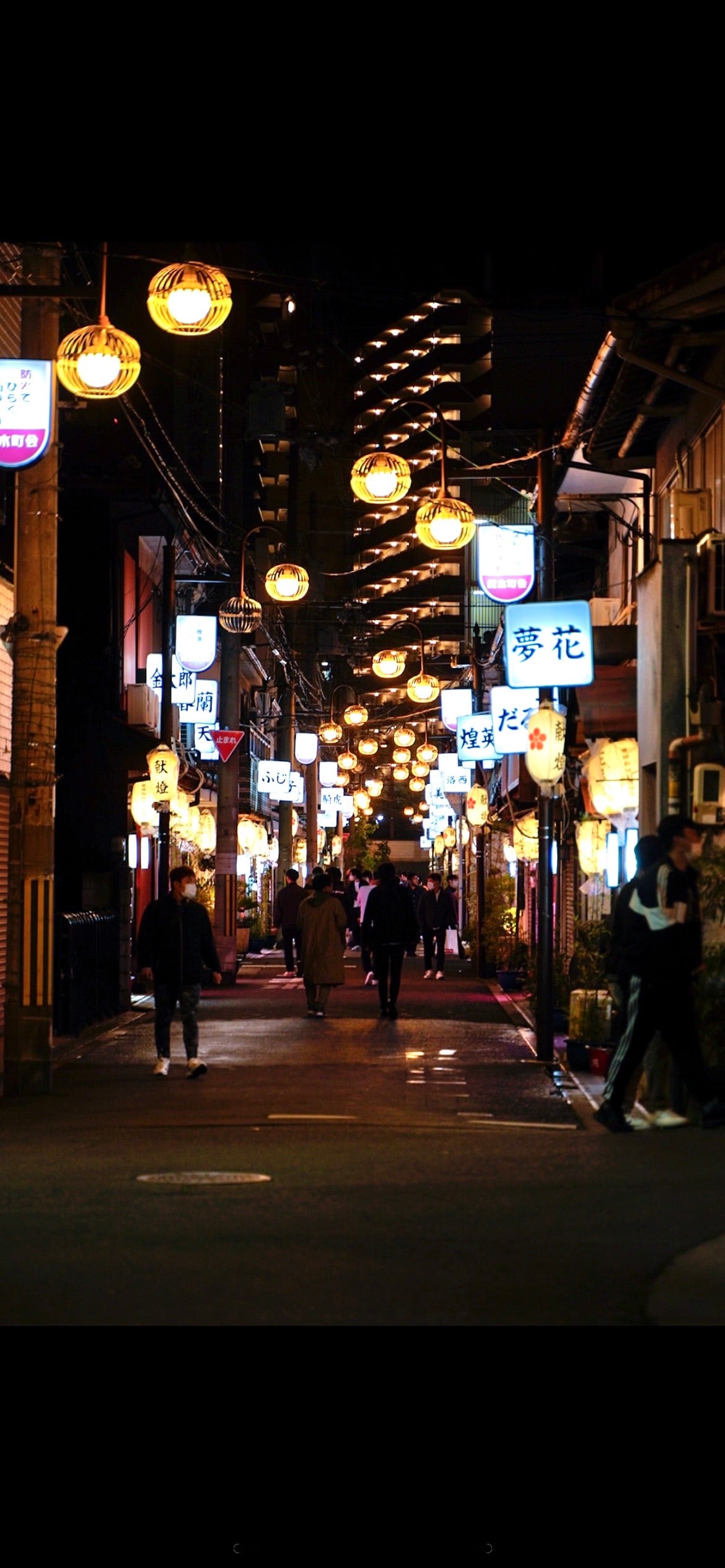
Hidden Osaka Red Light Tour & Culinary Adventure
Tue, Feb 10 • 6:00 PM
557-0001, Osaka, Osaka, Japan
View details
Nearby attractions of Kōbe Center for Overseas Migration and Cultural Interaction
C.A.P./KOBE STUDIO Y3/sumico
Kobe Muslim Mosque
Ikuta Jinja
Suwayama Park
Jewish Community of Kansai
Sorakuen Garden
JCC Kansai Kobe Synagogue
Kitano Ijinkan-Gai
Suwa Shrine
アートスペースかおる
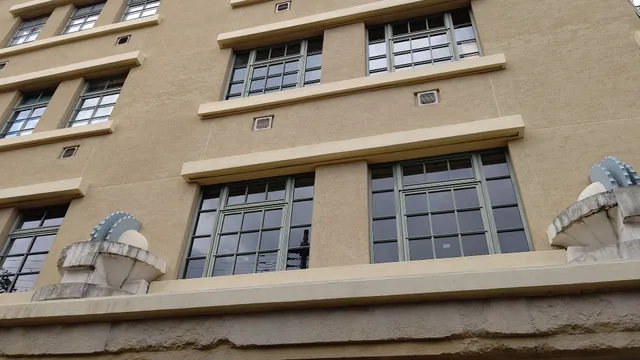
C.A.P./KOBE STUDIO Y3/sumico
4.5
(14)
Open until 12:00 AM
Click for details
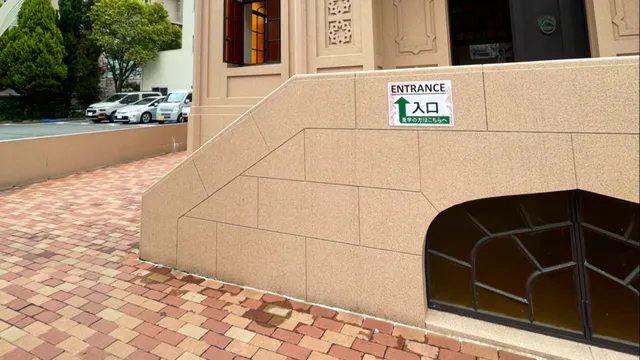
Kobe Muslim Mosque
4.7
(808)
Closed
Click for details
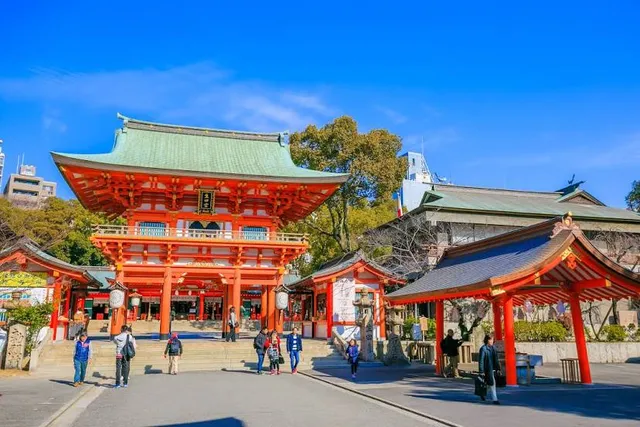
Ikuta Jinja
4.3
(4.9K)
Closed
Click for details
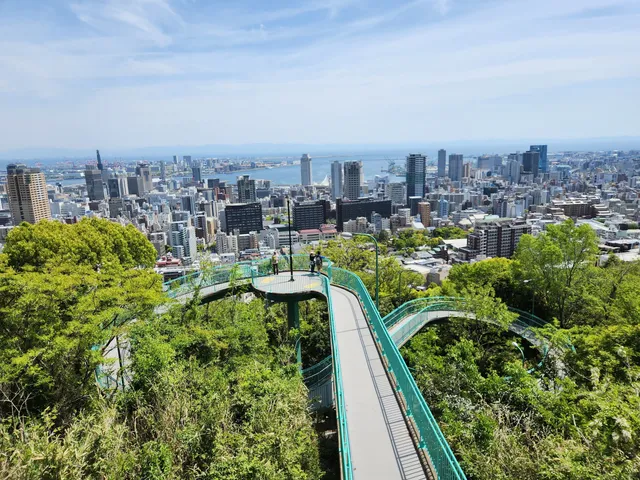
Suwayama Park
4.1
(232)
Open until 12:00 AM
Click for details
Nearby restaurants of Kōbe Center for Overseas Migration and Cultural Interaction
Tōtenkaku
Azzurri
L'avenue
Kafareru Kobekitano Honten
Igrek
Ça Marche
Bread, Espresso & Ijinkan
Chezrose
Ash Restaurant
Cafe Terrasse de Paris
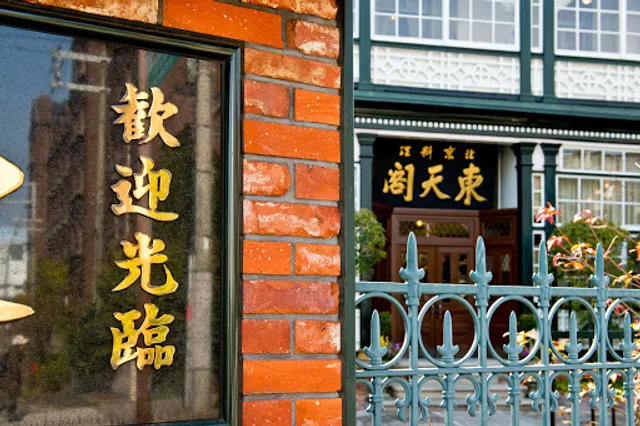
Tōtenkaku
4.2
(242)
Closed
Click for details
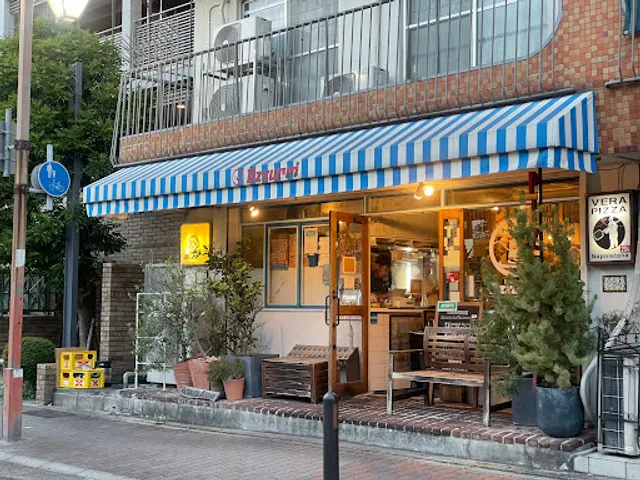
Azzurri
4.0
(424)
Closed
Click for details
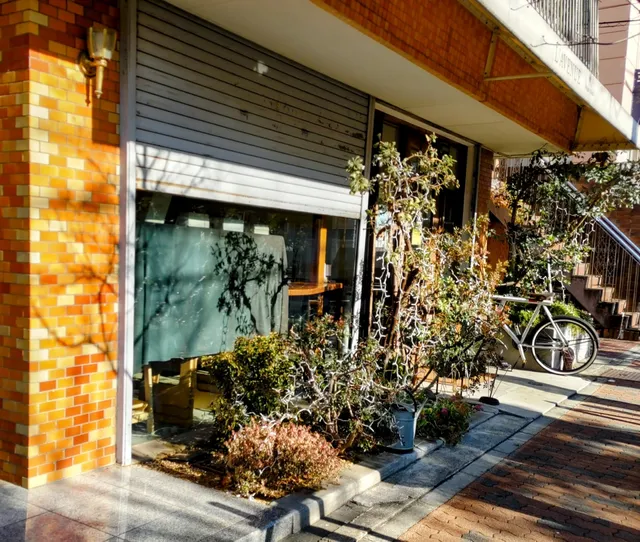
L'avenue
4.3
(288)
$$
Closed
Click for details
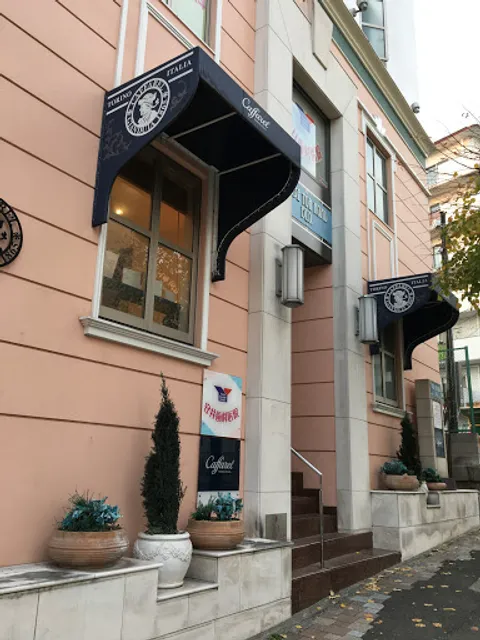
Kafareru Kobekitano Honten
4.4
(201)
$$$
Open until 12:00 AM
Click for details
Nearby local services of Kōbe Center for Overseas Migration and Cultural Interaction
The Kobe Club
神戸ムスリムモスク
BIG APPLE
Venus Bridge
Kobe Halal Food
Halal kitano store
itoaware -いとあはれ- 神戸店
Gregory Collet Patisserie
Irie no Hotori
Kobe Grocers
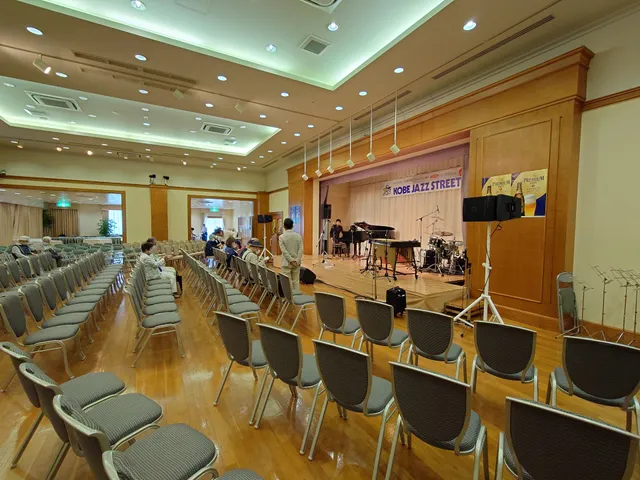
The Kobe Club
4.4
(52)
Click for details
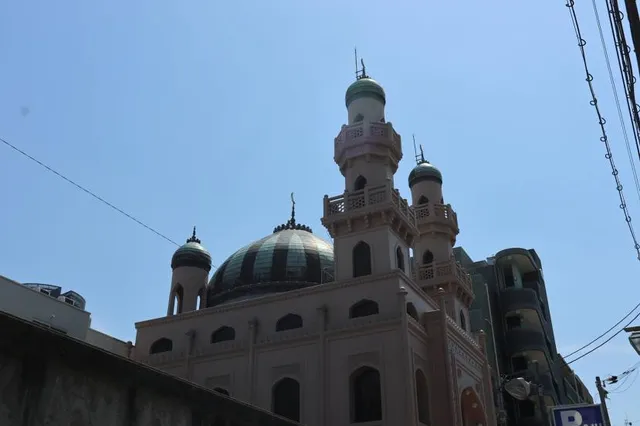
神戸ムスリムモスク
4.7
(626)
Click for details
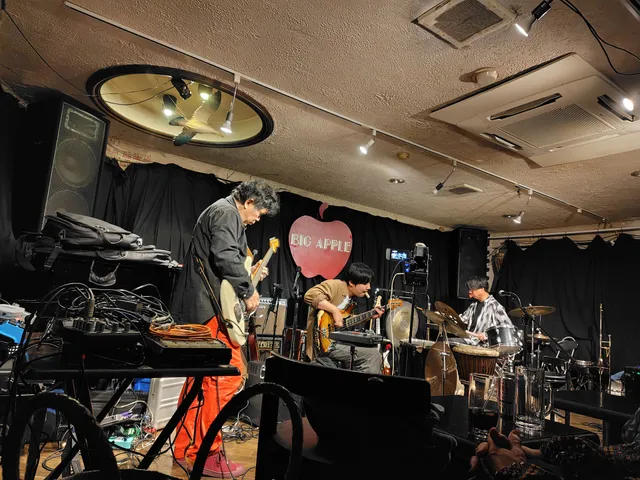
BIG APPLE
4.5
(20)
Click for details
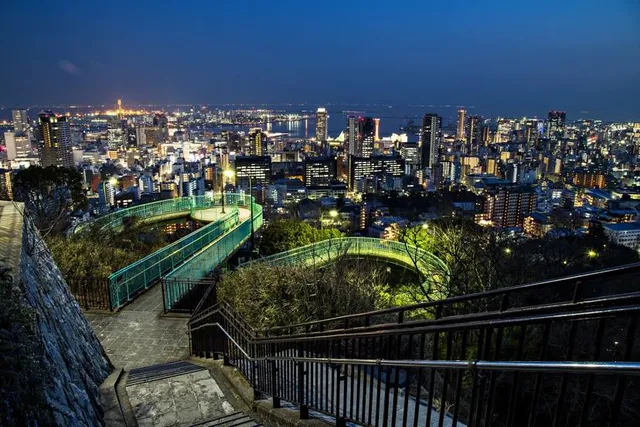
Venus Bridge
4.5
(178)
Click for details