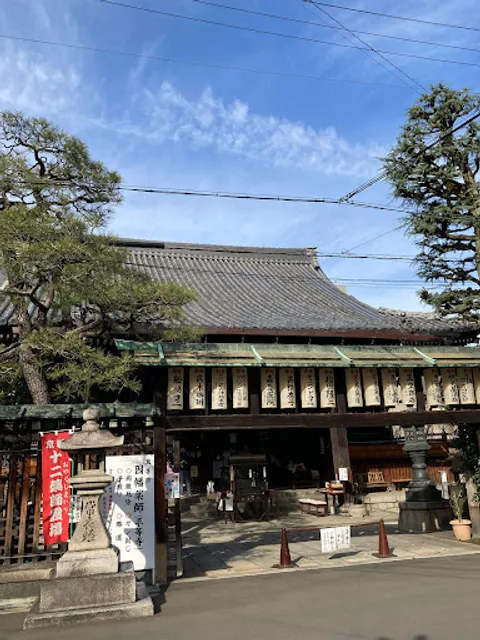
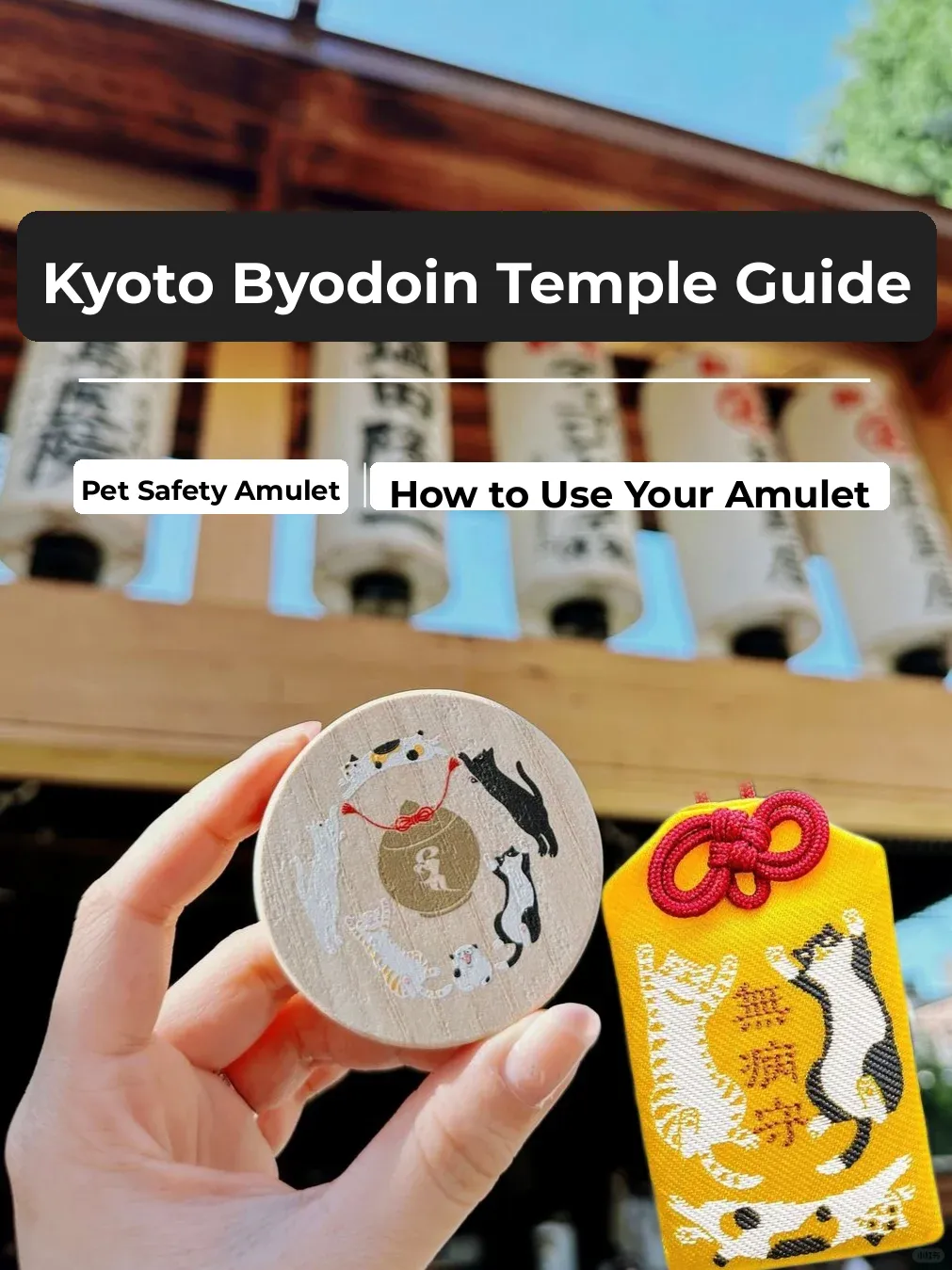
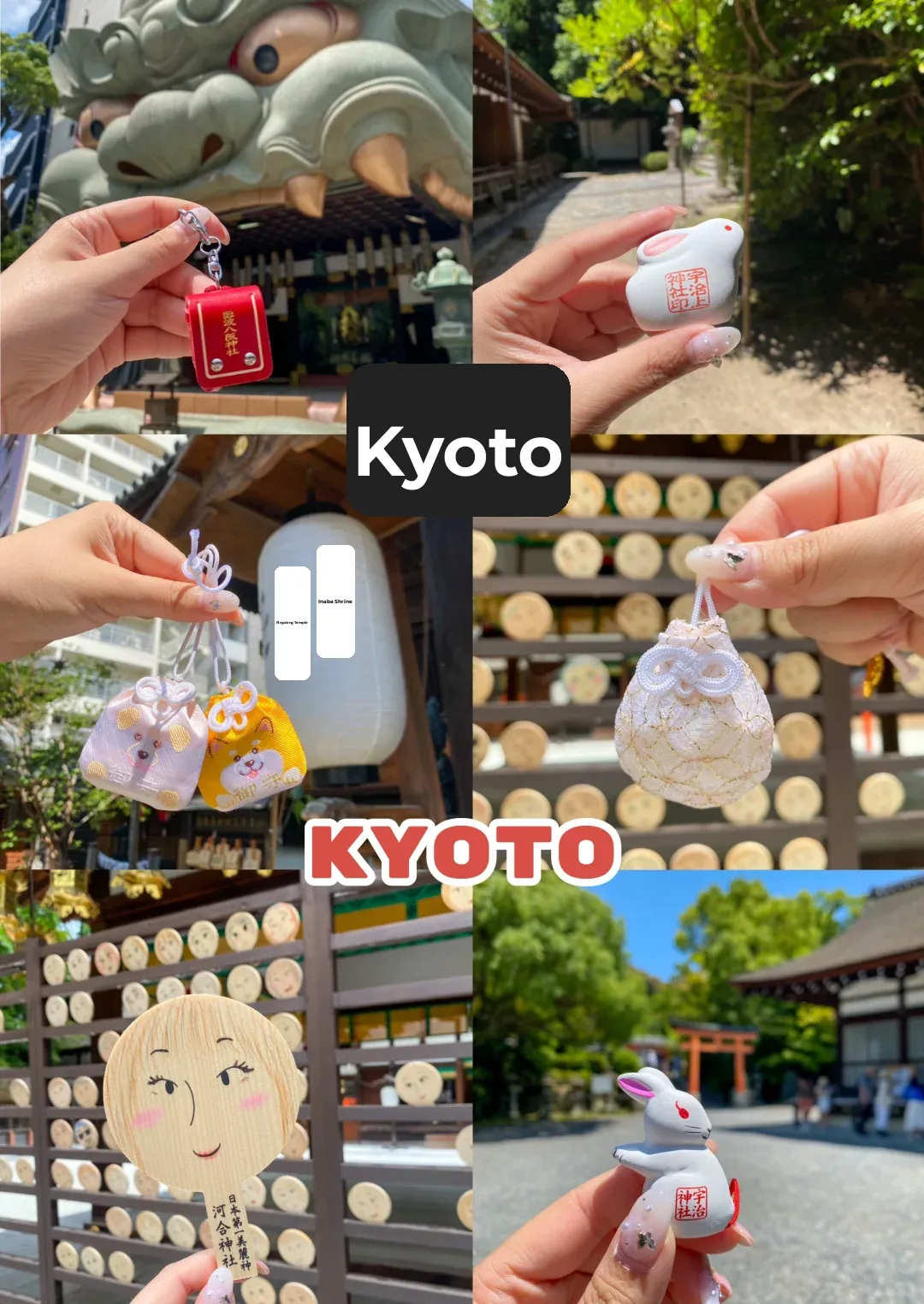
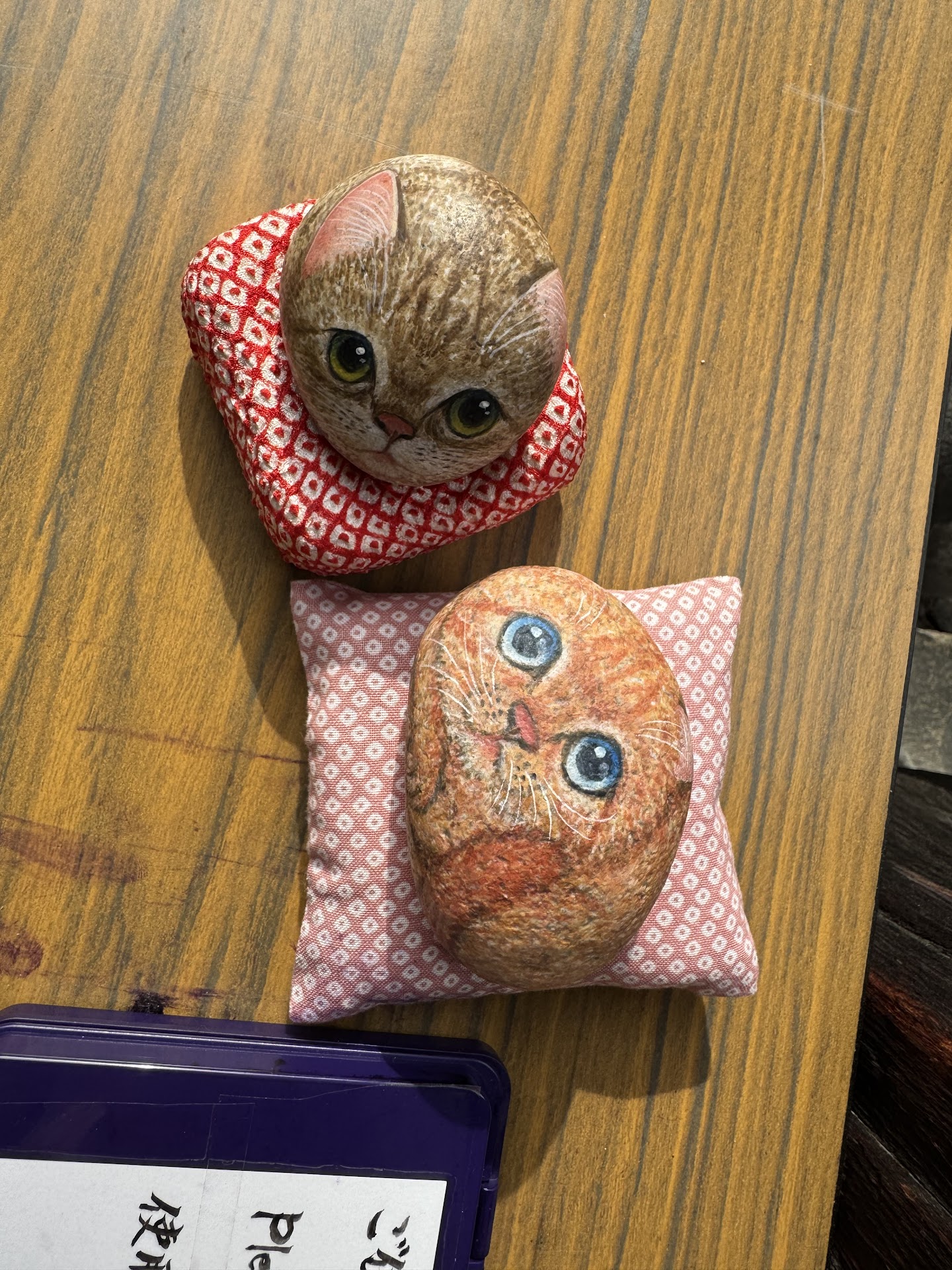
Inabado Byodo-ji (因幡堂平等寺) is a historic Buddhist temple located in Kyoto, Japan. It is dedicated to Yakushi Nyorai, the Buddha of Medicine and Healing, and has been a site of worship for centuries. Commonly referred to as Inabado, the temple is part of the Tendai sect of Buddhism and is renowned for its role as a place of prayer for health and recovery from illness.
The temple’s origins date back to the early Heian period (794–1185). According to legend, the temple was founded when a wooden statue of Yakushi Nyorai miraculously appeared in a local well, symbolizing the Buddha’s compassion for those suffering from physical and spiritual ailments. This sacred statue remains enshrined in the temple’s main hall and is a focal point for worshippers seeking healing.
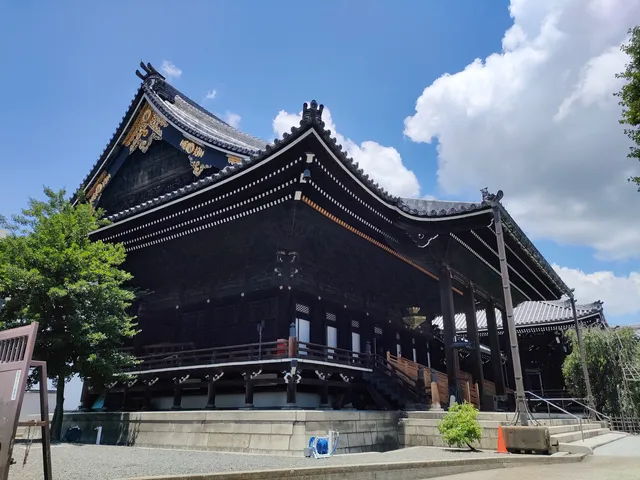
Inabado’s architecture reflects traditional Buddhist temple design, with a serene courtyard and intricately carved wooden structures. The main hall (Hondo) houses the Yakushi Nyorai statue, surrounded by offerings and votive tablets from devotees expressing gratitude or seeking blessings. Seasonal decorations and events, such as special prayers and ceremonies, add to the temple’s spiritual vibrancy.
Despite its relatively small size, Inabado Byodo-ji is an important cultural and religious site, attracting locals and visitors alike. Its central location in Kyoto makes it a peaceful retreat amid the city’s bustling streets. For those exploring Kyoto’s spiritual heritage, Inabado offers a tranquil space to experience traditional Buddhist practices and the healing...
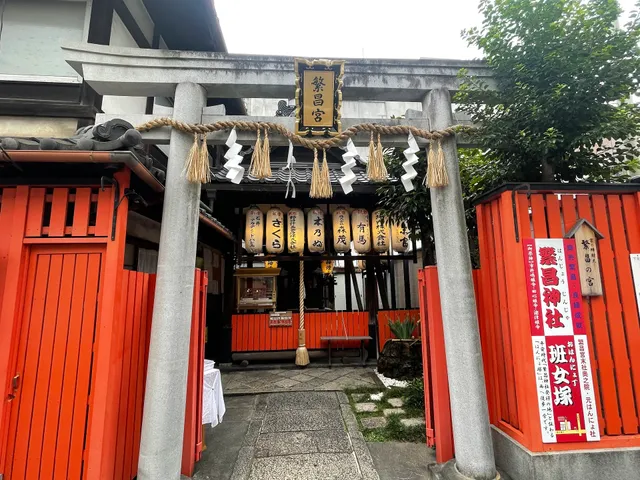
Read moreA shrine to pray, the story that was written on the board:
“Byodoji Inabayakushi Temple”
The legend of this temple is that Yukihira Tachibana, an officer dispatched to Inaba (present-day Tottori prefecture), took up an image of Yakushi Nyorai (Bhaisajyaguru) from the sea in accordance with his dream on his way home after his dispatching period in 997. When Yukihira went back to Kyoto, the image of Yakushi Nyorai, which had been enshrined at Inaba flew after him to Kyoto, so that Yukihira enshrined the image of Yakushi Nyorai at his home in 1003. This miracle legend became widely known and ordinary people, as well as line of emperors, worshipped the image, and the emperor Takakura named the place "Byodoji temple" in 1171. The detailed origin of the temple is described in the record "Inabado engi" stored in Tokyo National Museum.
The main hall building had fire several times and the temple area gradually decreased. However a standing sculpture of Yakushi Nyarai (important cultural asset), which has been handed over still now, is enshrined in the present main hall reconstructed in 1868.
The Yakushi Nyorai is counted as one of Japan Top Three Nyorai image, together with Syaka Nyorai at Saga Syaka-do temple and Amida Nyorai at Shinano Zenkoji...
Read more駒札: 平等寺(因幡薬師) 長徳三年(997)、因幡(現在の鳥取県)国司・橘行平が、任を終えて帰京の途中、夢のお告げに従って因幡賀留津(がるつ)の海中から引き揚げて、安置しておいた薬師如来像が、行平のあとを追って京都に飛来したといわれ、長保(ちょうほう)5年(1003)、行平は自宅を改造してこれを祀ったと伝えられている。この霊験談はひろく親しまれ、歴代天皇をはじめ一般庶民の深い信仰を受け、承安元年(1171)には高倉天皇により「平等寺」と命名された。なお、この寺の起こりは、「因幡堂縁起」(東京国立博物館蔵)に詳しく書かれている。 堂舎は度々火災に遭い、寺域も次第に小さくなったが、明治初年(1868)に再建された現本堂には、度重なる火災にもかかわらず伝えられてきた本尊薬師如来立像が安置されている。この薬師如来立像は藤原時代の一木造りの優品で 、重要文化財に指定されている。嵯峨釈迦堂の釈迦如来、信濃善光寺の阿弥陀如来とともに日本三如来の一つに数えられ、ことのほか信仰されている。 京都市
平等寺(因幡薬師)の南の門から不明門通が始まります。 不明門と書いて「あけず」と読む、京都ではよく知られた難読地名です。「あけずのもん」と読むこともありますが、あまり一般的ではありません。ほんの1.3kmほどの短い通です。
不明門通 不明門通(あけずどおり、あけずのもんどおり)は車屋町通を南へ延長した線上にあり、北は松原通上ルの平等寺門前から、南は京都駅北の塩小路通まで。途中東本願寺の東側では、烏丸通拡幅により敷設された京都市電烏丸線が門の直前の東本願寺の私道を避けて東に回り込んだことから、不明門通と烏丸通が一体となっている。 通り名の由来は、北端にある因幡薬師堂(平等寺)の門が常に閉ざされていたことから。「あけずのもんどおり」と呼ばれることは稀であり、通常は「あけずどおり」と呼ばれている。 六条通と七条通の間では、東本願寺が近いことから、旅館や各地の門徒の宿泊所であった詰所、仏具店が多い。七条通以南では京都駅に近いことから旅館が多い。 (出典:ウキペディア) Komagata: Byodo -ji (Inaba pharmacist) In 997, Inaba (now Tottori Prefecture) Kuniji Tachibana, Kuniji Tachibana, pulled out from the sea of Inaba -rug (Garutsu) in accordance with his dreams in the middle of returning to Tokyo. It is said that the statue of Yakushi Nyorai flew to Kyoto after the Gyodai, and it was reported that in 1003, Choho (1003) was remodeled and worshiped. This spiritual story was overwhelmed and received the deep religion of the general public, including successive emperor, and was named "Hyodo -ji" by Emperor Takakura in the first year of the year (1171). The occurrence of this temple is described in detail in the "Innabado Foundation" (Tokyo National Museum). The temple was often caused by a fire, and the temple area gradually became smaller, but the main hall, which was rebuilt in the first year of the Meiji era (1868), was enshrined in the main statue of pharmaceuticals, which has been passed on despite repeated fires. There is. This Yakushi Nyorai statue is a one -tree -style superior from the Fujiwara era. , It is designated as an important cultural property. Along with Saga Shakado's Shaka Nyorai and Amida Nyorai of Shinano Zenko -ji Temple, they are counted as one of Japan's Sanni Nyorai and are worshiped. Kyoto City
An unknown gate starts from the southern gate of Homoji Temple (Inaba Pharmacist). It is a well -known obedient place name in Kyoto, written as an unknown gate and reads as "Akizu". Sometimes I read "Akizuno Monon", but it's not very common. It is a short passage of about 1.3km.
Unknown gate The unknown gate is on a line that extends the south of Kaneyamachi -dori, from the north of Matsubara -dori to Shrine Koji -dori in the north in the north in the north. On the east side of Higashi Honganji Temple, the Kyoto Public Karasuma Line, which was laid by the widening of Karasuma -dori, turned to the east, avoiding the private road of Higashi Honganji just before the gate, so the unknown gate and Karasuma -dori are integrated. 。 The name of the street name was that the gate of Inaba Yakushido (Hyodo -ji) at the northern end was always closed. It is rarely called "Aikazu no Modai", and is usually called "Akizudori". Between Rokujo -dori and Shichigo -dori, there are many sides and Buddhist shops that were the accommodations of inns and gates in various places because Higashi Honganji is near. There are many inns because it is close to Kyoto Station south of Shichigo...
Read more