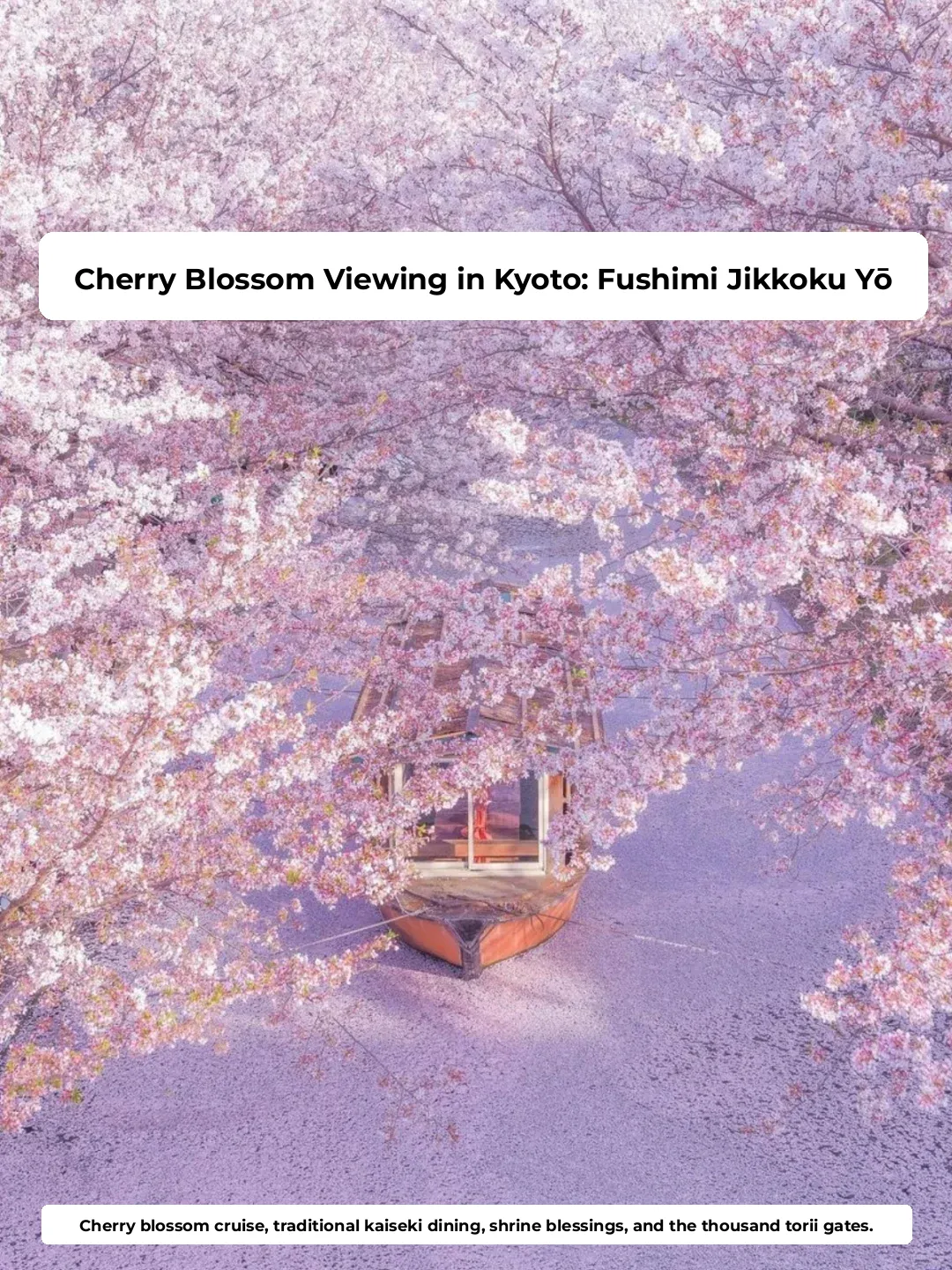
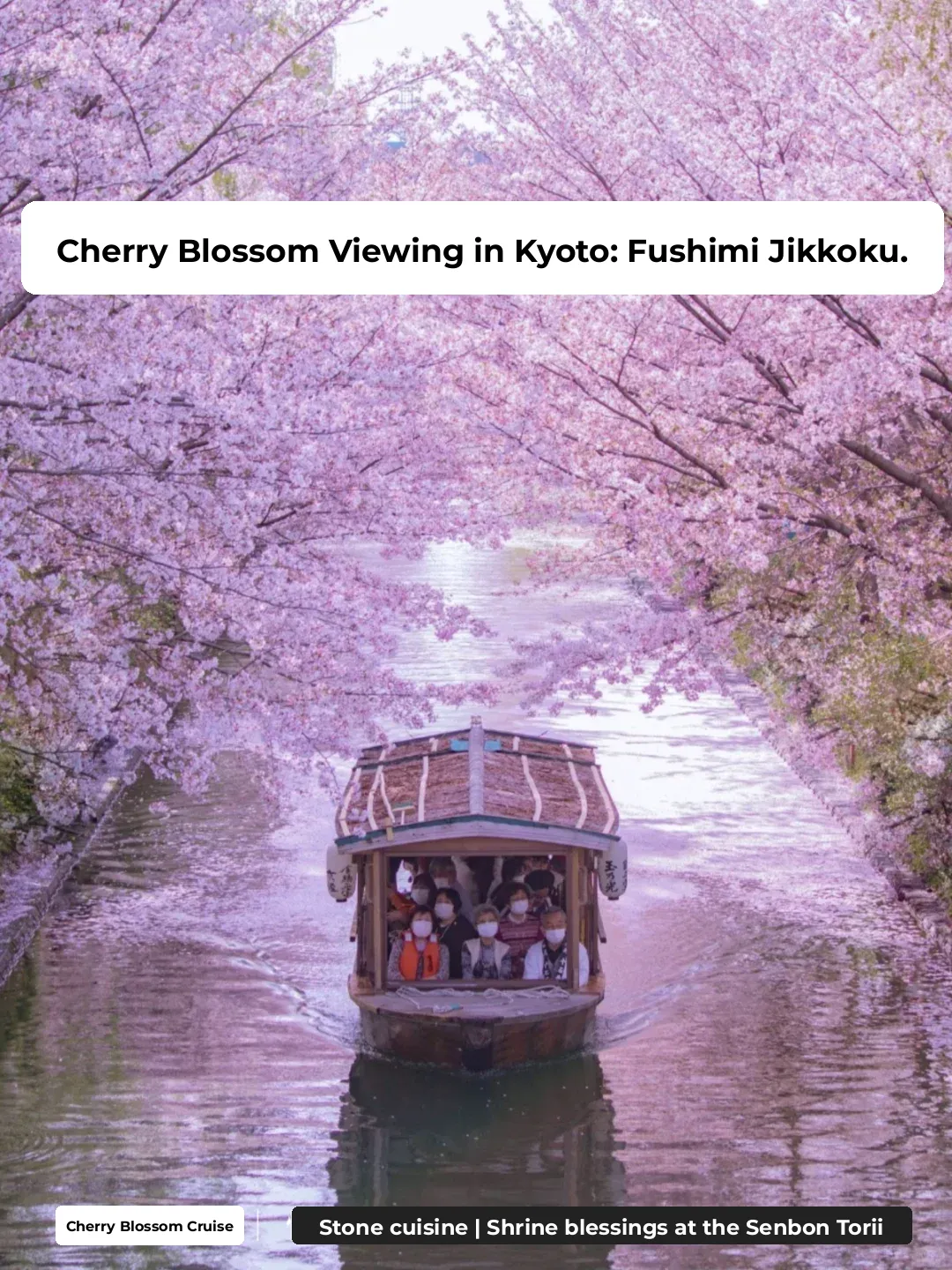
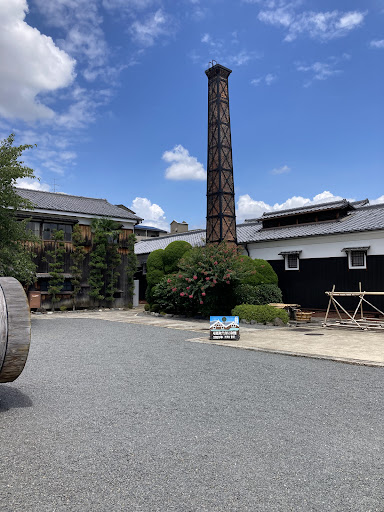
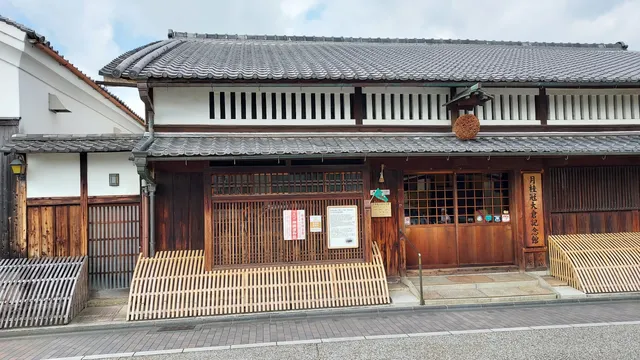
Gekkeikan Okura Sake Museum things to do, attractions, restaurants, events info and trip planning
Basic Info
Gekkeikan Okura Sake Museum
247 Minamihamacho, Fushimi Ward, Kyoto, 612-8660, Japan
4.2(2K)
Open until 4:30 PM

tickets
Save
spot
spot
Ratings & Description
Info
Cultural
Family friendly
attractions: Fushimi Jikkoku-bune Boats, Teradaya Inn, 十石舟乗り場, Choken-ji Temple, Ryoma Street Shopping District, 落語場 京都伏見・笑亭, Fushimi Port Park, Fushimi Park, Gymnasium, Fushimi Port Park, Daikō-ji Temple, restaurants: Tsuki no kurabito, Bengaraya, Torisei, Yosuko, Kissho-An, Yamorido, Inoue, Tsujimasa, Sancho Fushimi, おこぶ 北淸, local businesses: AEON STYLE FUSHIMI MOMOYAMA, Shiunsen, Fushimi Otesuji Shopping Street, 伏水酒蔵堂 Fushimi Sakagura Do, Myōfukuji, Oishi Tengudo, Ginjo Shubo Aburacho, DAISO, Edion - Otesuji, Yodogawa Bridge
 Learn more insights from Wanderboat AI.
Phone
+81 75-623-2056
Website
gekkeikan.co.jp
Open hoursSee all hours
Wed9:30 AM - 4:30 PMOpen
Plan your stay

Pet-friendly Hotels in Kyoto
Find a cozy hotel nearby and make it a full experience.

Affordable Hotels in Kyoto
Find a cozy hotel nearby and make it a full experience.

The Coolest Hotels You Haven't Heard Of (Yet)
Find a cozy hotel nearby and make it a full experience.

Trending Stays Worth the Hype in Kyoto
Find a cozy hotel nearby and make it a full experience.
Reviews
Live events
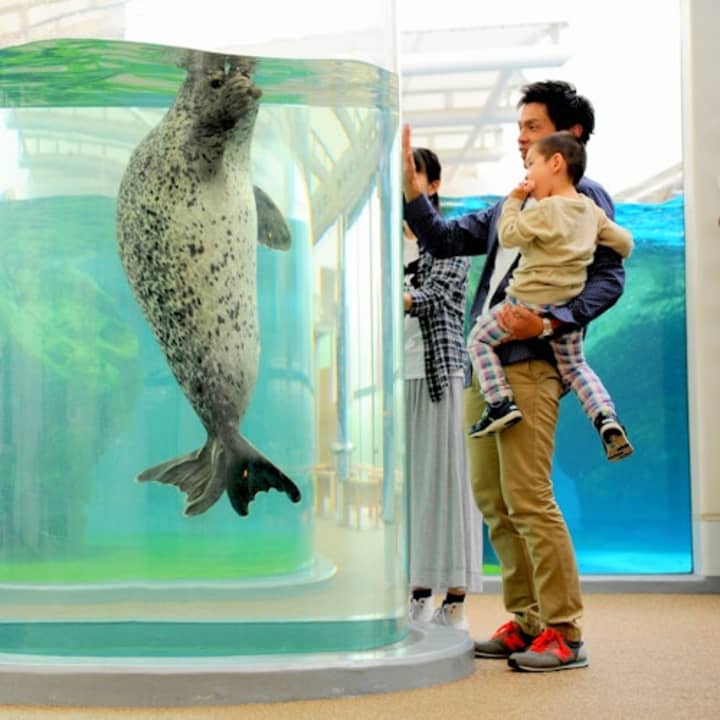
京都水族館: 入場券
Wed, Feb 18 • 10:00 AM
京都市下京区観喜寺町35−1 内 梅小路公園, 600-8835
View details
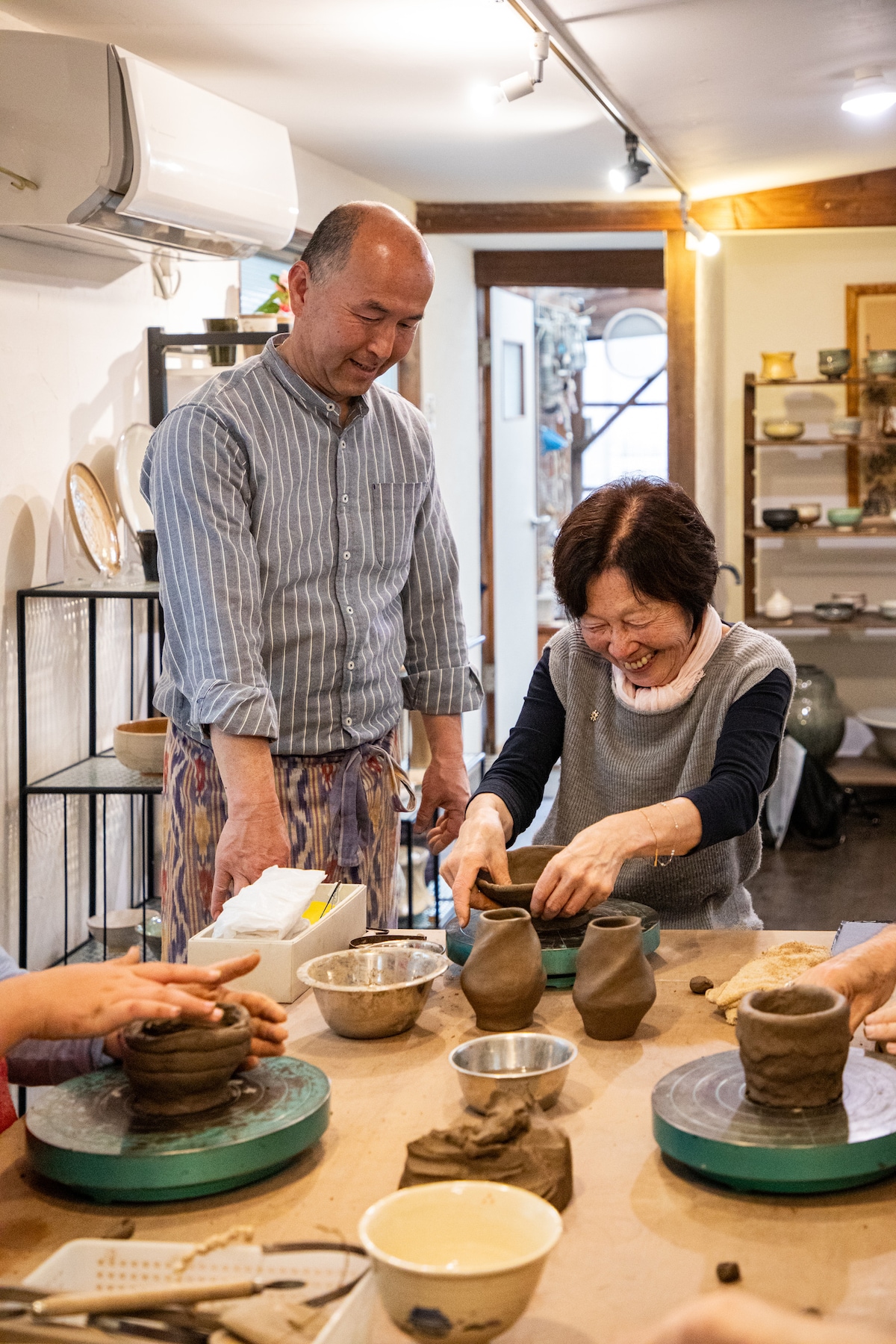
Akahada-yaki Pottery with local rare clay in Nara
Wed, Feb 18 • 11:00 AM
630-8241, Nara, Nara, Japan
View details
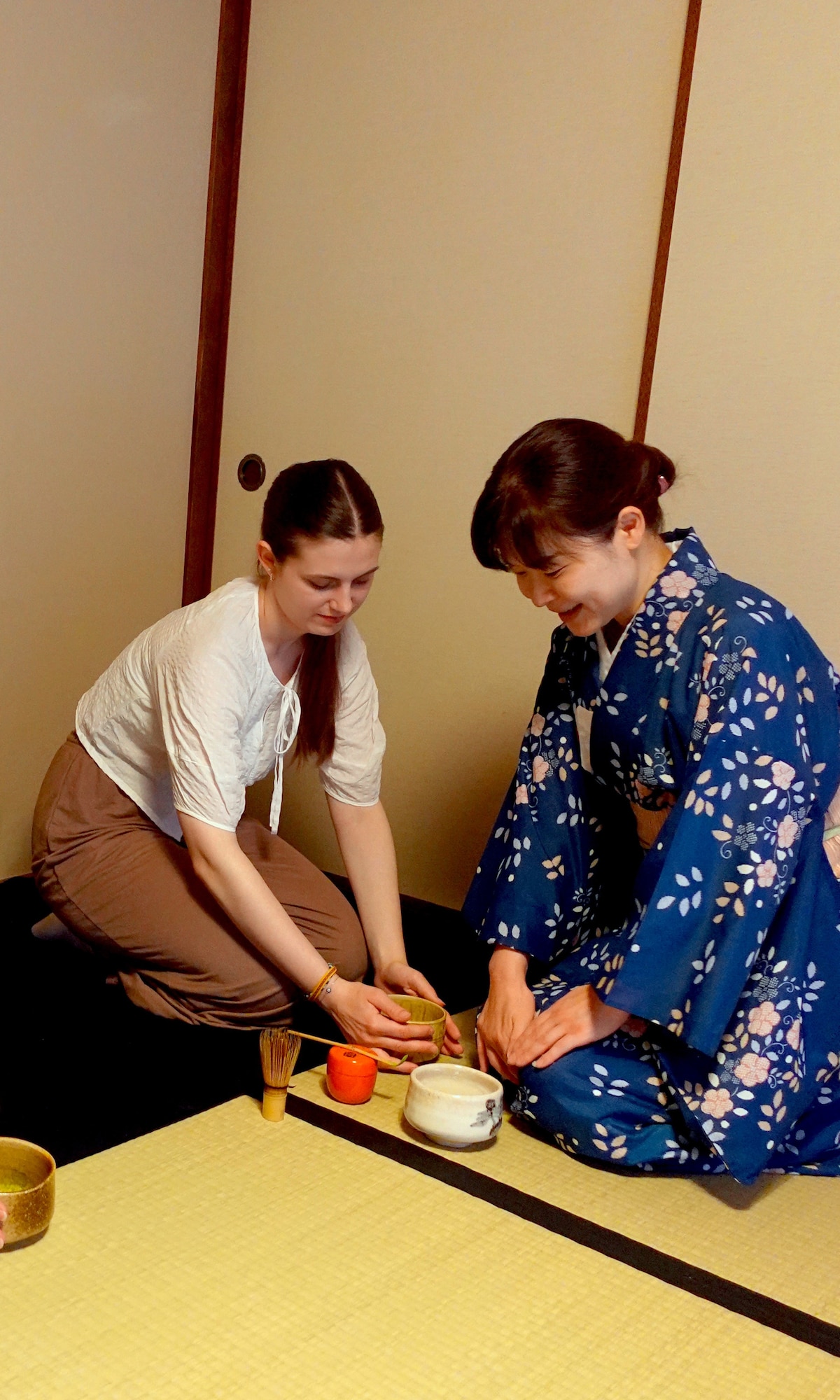
Learn tea ceremony in traditional Kyoto townhouse
Wed, Feb 18 • 1:00 PM
600-8397, Kyoto, Kyoto, Japan
View details
Nearby attractions of Gekkeikan Okura Sake Museum
Fushimi Jikkoku-bune Boats
Teradaya Inn
十石舟乗り場
Choken-ji Temple
Ryoma Street Shopping District
落語場 京都伏見・笑亭
Fushimi Port Park
Fushimi Park
Gymnasium, Fushimi Port Park
Daikō-ji Temple
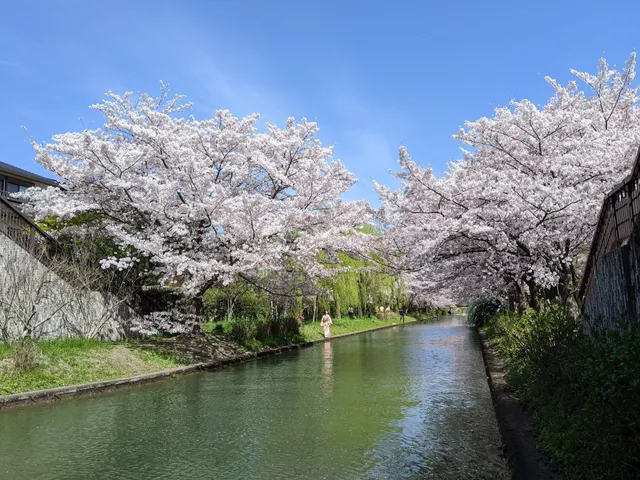
Fushimi Jikkoku-bune Boats
4.3
(620)
Open until 4:20 PM
Click for details
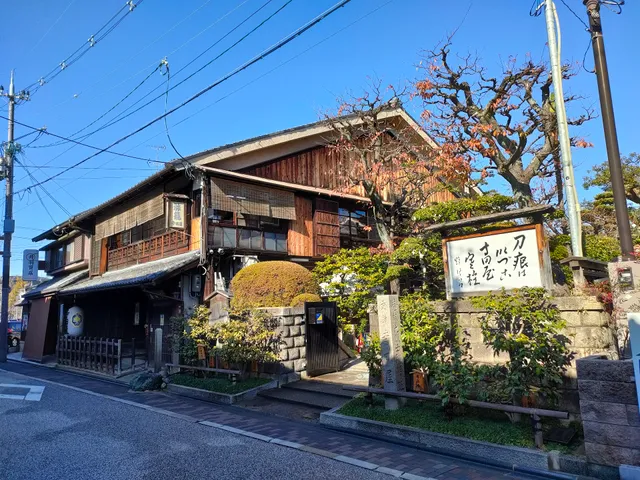
Teradaya Inn
3.9
(1.0K)
Open 24 hours
Click for details
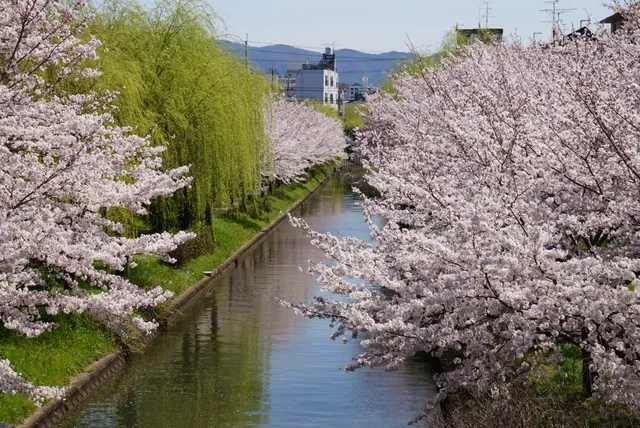
十石舟乗り場
4.1
(66)
Open 24 hours
Click for details

Choken-ji Temple
3.6
(150)
Open until 4:00 PM
Click for details
Nearby restaurants of Gekkeikan Okura Sake Museum
Tsuki no kurabito
Bengaraya
Torisei
Yosuko
Kissho-An
Yamorido
Inoue
Tsujimasa
Sancho Fushimi
おこぶ 北淸
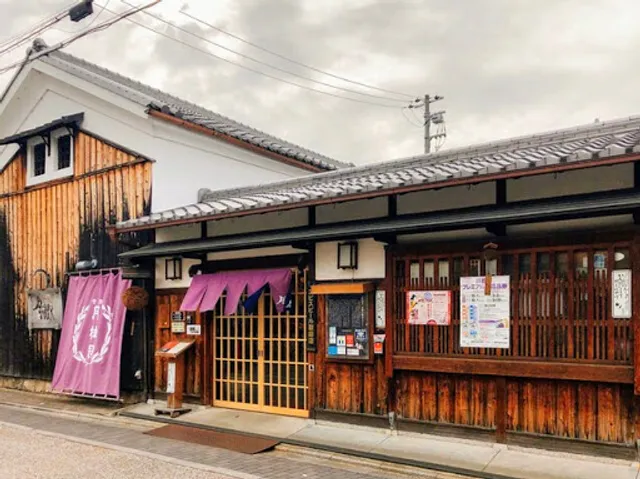
Tsuki no kurabito
4.1
(782)
Open until 3:00 PM
Click for details
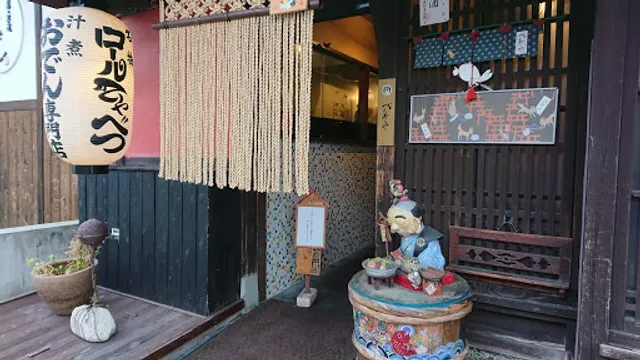
Bengaraya
4.4
(295)
Closed
Click for details
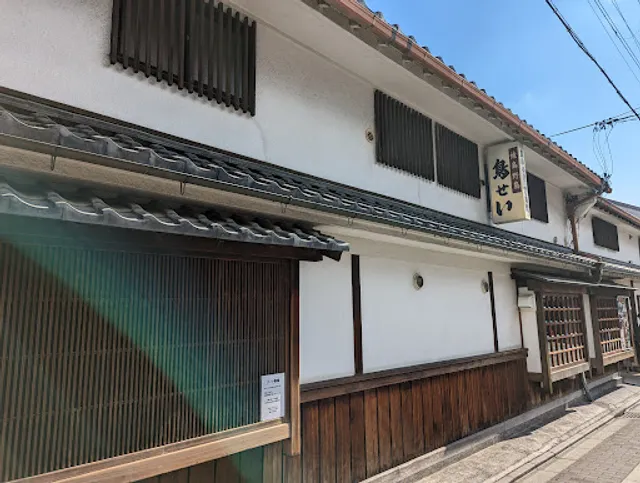
Torisei
4.2
(1.5K)
$$
Open until 10:00 PM
Click for details
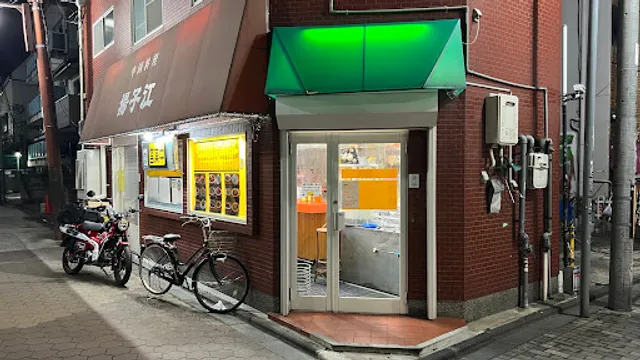
Yosuko
4.2
(214)
Open until 12:00 AM
Click for details
Nearby local services of Gekkeikan Okura Sake Museum
AEON STYLE FUSHIMI MOMOYAMA
Shiunsen
Fushimi Otesuji Shopping Street
伏水酒蔵堂 Fushimi Sakagura Do
Myōfukuji
Oishi Tengudo
Ginjo Shubo Aburacho
DAISO
Edion - Otesuji
Yodogawa Bridge
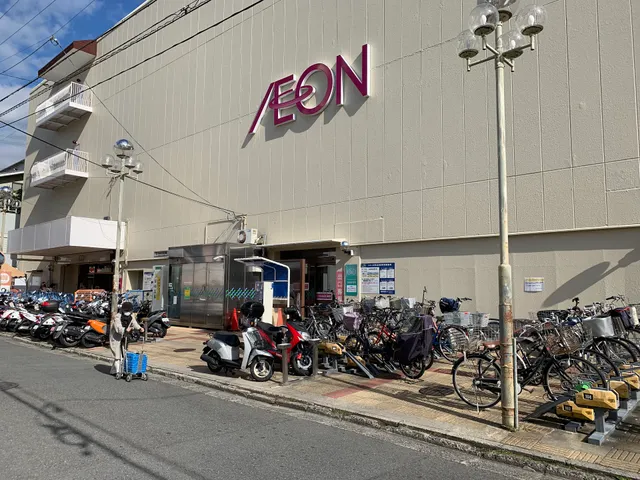
AEON STYLE FUSHIMI MOMOYAMA
3.4
(443)
Click for details
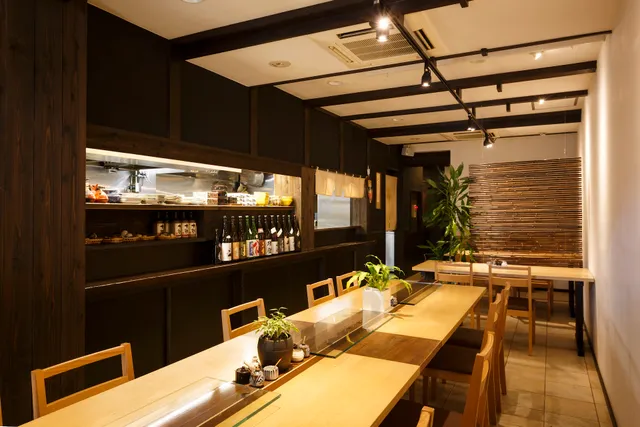
Shiunsen
3.9
(73)
Click for details
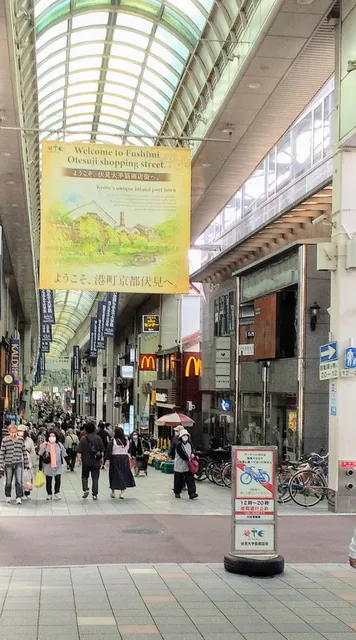
Fushimi Otesuji Shopping Street
3.9
(731)
Click for details
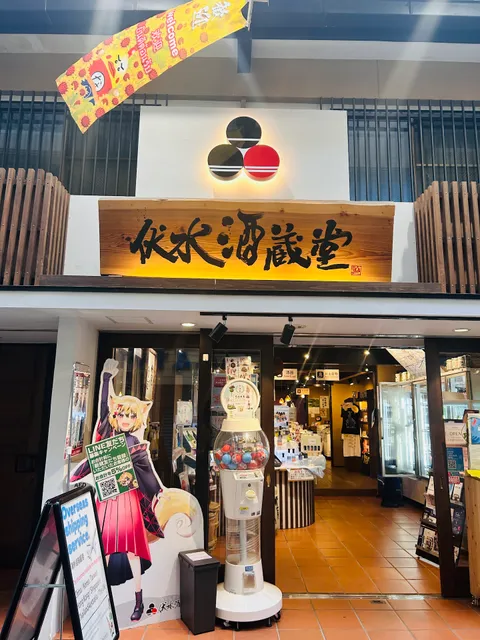
伏水酒蔵堂 Fushimi Sakagura Do
4.4
(49)
Click for details