HTML SitemapExplore
logo
Find Things to DoFind The Best Restaurants

Gokōnomiya Shrine — Attraction in Kyoto

Name
Gokōnomiya Shrine
Description
Nearby attractions
Genkū-ji Temple
745 Setomonocho, Fushimi Ward, Kyoto, 612-8052, Japan
Gekkeikan Okura Sake Museum
247 Minamihamacho, Fushimi Ward, Kyoto, 612-8660, Japan
Shigetsu Castle Ruins
Japan, 〒612-8034 Kyoto, Fushimi Ward, 桃山町泰長老126−27
Kinsatsugu Shrine
8 Takajocho, Fushimi Ward, Kyoto, 612-8062, Japan
Fushimi Park
7 Toryocho, Fushimi Ward, Kyoto, 612-8107, Japan
Daikokuji Temple
4 Takajocho, Fushimi Ward, Kyoto, 612-8062, Japan
Teradaya Inn
263 Minamihamacho, Fushimi Ward, Kyoto, 612-8045, Japan
Fushimi Jikkoku-bune Boats
Japan, 〒612-8043 Kyoto, Fushimi Ward, 南兵町247
Daikō-ji Temple
1-1 Hokicho, Fushimi Ward, Kyoto, 612-8055, Japan
勝念寺 かましきさん
521 Ishiyacho, Fushimi Ward, Kyoto, 612-8319, Japan
Nearby restaurants
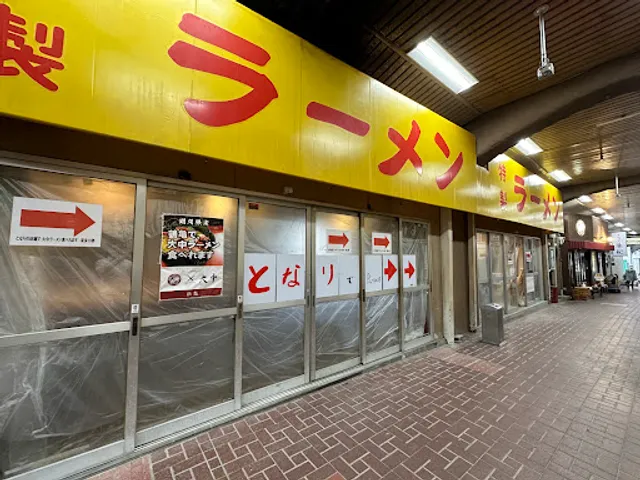
Daikoku Ramen - Main Shop
118 Kyomachi Daikokucho, Fushimi Ward, Kyoto, 612-8087, Japan
Ramen Daichu
215 Kannonjicho, Fushimi Ward, Kyoto, 612-8101, Japan
Minmin - Momoyama
Japan, 〒612-8083 Kyoto, Fushimi Ward, Kyomachi, 4 Chome−157-1 ミンミン
Menba Tadokoro Shoten Kyoto Fushimi store
152-1 Kyomachi, Fushimi Ward, Kyoto, 612-8083, Japan
Cafe Kuretake
4 Chome-170 Kyomachi, Fushimi Ward, Kyoto, 612-8083, Japan
Umaimonya Sakura
1-355 Ginzacho, Fushimi Ward, Kyoto, 612-8089, Japan
Tantotowakura - Fushimi Momoyama
Japan, 〒612-8083 Kyoto, Fushimi Ward, Kyomachi, 4 Chome−170-1 くれたけビル 1F
オマール海老とワイン酒場 アルヴェーレ
Japan, 〒612-8083 Kyoto, Fushimi Ward, Kyomachi, 4 Chome−153-3 ファーストビル 1F
Yataiizakaya Osaka Manmaru Fushimimomoyamaten
Japan, 〒612-8081 Kyoto, Fushimi Ward, Shinmachi, 510-2 奥田ビル 1F
Kodawariya Fushimi-Momyama
Japan, 〒612-8083 Kyoto, Fushimi Ward, Kyomachi, 4 Chome−170-1 くれたけビル 1F
Nearby hotels
桃山温泉 月見館/ Momoyama Onsen Tsukimikan
160-4 Momoyamacho Taichoro, Fushimi Ward, Kyoto, 612-8034, Japan
Bell GH
173-2 Konyamachi, Fushimi Ward, Kyoto, 612-8064, Japan
京町家 higurashi <一棟貸し>
357 Higomachi, Fushimi Ward, Kyoto, 612-8352, Japan
町宿枩邑
8 Chome-82 Kyomachikita, Fushimi Ward, Kyoto, 612-8086, Japan
Related posts
Keywords
Gokōnomiya Shrine tourism.Gokōnomiya Shrine hotels.Gokōnomiya Shrine bed and breakfast. flights to Gokōnomiya Shrine.Gokōnomiya Shrine attractions.Gokōnomiya Shrine restaurants.Gokōnomiya Shrine travel.Gokōnomiya Shrine travel guide.Gokōnomiya Shrine travel blog.Gokōnomiya Shrine pictures.Gokōnomiya Shrine photos.Gokōnomiya Shrine travel tips.Gokōnomiya Shrine maps.Gokōnomiya Shrine things to do.
Gokōnomiya Shrine things to do, attractions, restaurants, events info and trip planning
Gokōnomiya Shrine
JapanKyoto PrefectureKyotoGokōnomiya Shrine

Basic Info

Gokōnomiya Shrine

174 Gokogumonzencho, Fushimi Ward, Kyoto, 612-8039, Japan
4.2(1.0K)
Open 24 hours
Save
spot

Ratings & Description

Info

Cultural
Scenic
Relaxation
Family friendly
Accessibility
attractions: Genkū-ji Temple, Gekkeikan Okura Sake Museum, Shigetsu Castle Ruins, Kinsatsugu Shrine, Fushimi Park, Daikokuji Temple, Teradaya Inn, Fushimi Jikkoku-bune Boats, Daikō-ji Temple, 勝念寺 かましきさん, restaurants: Daikoku Ramen - Main Shop, Ramen Daichu, Minmin - Momoyama, Menba Tadokoro Shoten Kyoto Fushimi store, Cafe Kuretake, Umaimonya Sakura, Tantotowakura - Fushimi Momoyama, オマール海老とワイン酒場 アルヴェーレ, Yataiizakaya Osaka Manmaru Fushimimomoyamaten, Kodawariya Fushimi-Momyama
logoLearn more insights from Wanderboat AI.
Phone
+81 75-611-0559
Website
gokounomiya.kyoto.jp

Plan your stay

hotel
Pet-friendly Hotels in Kyoto
Find a cozy hotel nearby and make it a full experience.

hotel
Affordable Hotels in Kyoto
Find a cozy hotel nearby and make it a full experience.

hotel
The Coolest Hotels You Haven't Heard Of (Yet)
Find a cozy hotel nearby and make it a full experience.

hotel
Trending Stays Worth the Hype in Kyoto
Find a cozy hotel nearby and make it a full experience.

Reviews

Nearby attractions of Gokōnomiya Shrine

Genkū-ji Temple

Gekkeikan Okura Sake Museum

Shigetsu Castle Ruins

Kinsatsugu Shrine

Fushimi Park

Daikokuji Temple

Teradaya Inn

Fushimi Jikkoku-bune Boats

Daikō-ji Temple

勝念寺 かましきさん
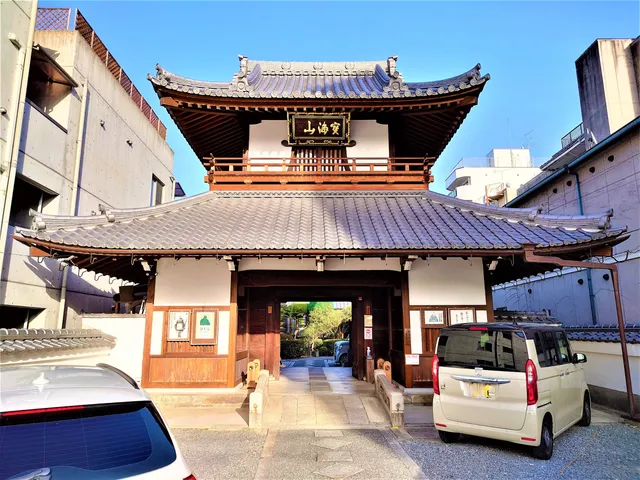
Genkū-ji Temple

Genkū-ji Temple

3.8

(28)

Open 24 hours
Click for details
Gekkeikan Okura Sake Museum

Gekkeikan Okura Sake Museum

4.2

(2K)

Closed
Click for details
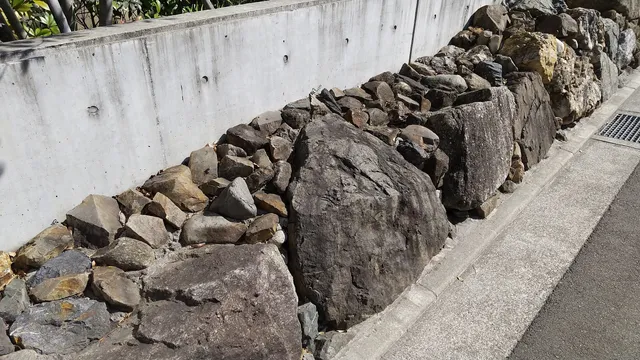
Shigetsu Castle Ruins

Shigetsu Castle Ruins

3.4

(33)

Open 24 hours
Click for details
Kinsatsugu Shrine

Kinsatsugu Shrine

4.3

(92)

Open 24 hours
Click for details

Things to do nearby

京都:ガイド付き観光バスツアー(日本語)
Mon, Dec 8 • 10:00 AM
京都市中京区笹屋町435 京都御池第一生命ビルディング 6階, 604-8187
View details
Sekka Cotton Furoshiki Class
Mon, Dec 8 • 9:00 AM
京都市中京区油小路通御池式阿弥町135−5, 604-8261
View details
Learn tea ceremony in traditional Kyoto townhouse
Tue, Dec 9 • 10:00 AM
600-8397, Kyoto, Kyoto, Japan
View details

Nearby restaurants of Gokōnomiya Shrine

Daikoku Ramen - Main Shop

Ramen Daichu

Minmin - Momoyama

Menba Tadokoro Shoten Kyoto Fushimi store

Cafe Kuretake

Umaimonya Sakura

Tantotowakura - Fushimi Momoyama

オマール海老とワイン酒場 アルヴェーレ

Yataiizakaya Osaka Manmaru Fushimimomoyamaten
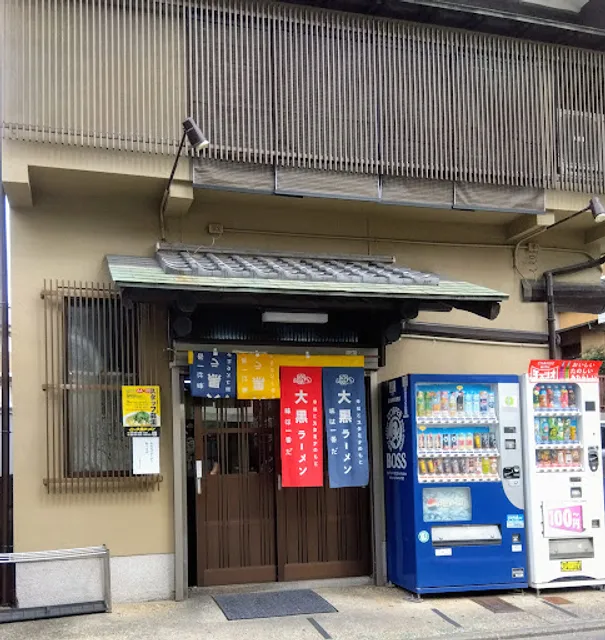
Kodawariya Fushimi-Momyama

Daikoku Ramen - Main Shop

Daikoku Ramen - Main Shop

4.2

(935)

Click for details
Ramen Daichu

Ramen Daichu

4.0

(802)

Click for details
Minmin - Momoyama

Minmin - Momoyama

3.9

(198)

Click for details
Menba Tadokoro Shoten Kyoto Fushimi store

Menba Tadokoro Shoten Kyoto Fushimi store

3.8

(232)

$

Click for details
Get the Appoverlay
Get the AppOne tap to find yournext favorite spots!
Wanderboat LogoWanderboat

Your everyday Al companion for getaway ideas

CompanyAbout Us
InformationAI Trip PlannerSitemap
SocialXInstagramTiktokLinkedin
LegalTerms of ServicePrivacy Policy

Get the app

© 2025 Wanderboat. All rights reserved.
logo

Reviews of Gokōnomiya Shrine

4.2
(1,013)
avatar
3.0
1y

Gokonomiya Shrine: A Historical Site Linked to Tokugawa Ieyasu Gokonomiya Shrine, located in Fushimi Ward, Kyoto, is a historic shrine known for its beautiful gardens and the sacred spring called "Gokosui." This shrine has a deep connection with Tokugawa Ieyasu, and even his children have stories associated with its sacred waters.

Origin of the Shrine’s Name The name "Gokonomiya" comes from the sacred spring called "Gokosui," which is located within the shrine grounds. The water is said to be pure and fragrant, with the power to heal illnesses. During the Heian period, Emperor Seiwa is said to have recovered from his illness after drinking this water, and in gratitude, he named the shrine "Gokonomiya," which means "Shrine of Fragrant Water."

History The history of Gokonomiya Shrine dates back over 1,300 years. Originally called "Ogura Myojin," it was renamed "Gokonomiya" following the miracle experienced by Emperor Seiwa. During the Sengoku period, Toyotomi Hideyoshi visited the shrine, and in the Edo period, Tokugawa Ieyasu also paid his respects here. Ieyasu held this shrine in great reverence, particularly valuing the sacred Gokosui spring.

The Sacred Gokosui Spring The highlight of Gokonomiya Shrine is the sacred spring, Gokosui, which was once selected as one of Japan's 100 famous waters. The water is believed to have the power to purify and heal both body and soul, attracting many visitors to the shrine.

It is said that Tokugawa Ieyasu’s ninth, tenth, and eleventh sons—Yoshinao, Yorinobu, and Yorifusa—used this sacred water for their first baths as newborns. This made Gokonomiya Shrine a special place for Ieyasu and his family, becoming a significant part of their faith.

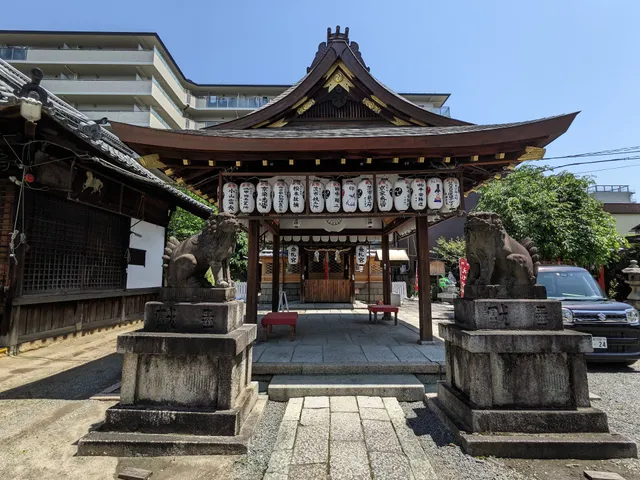
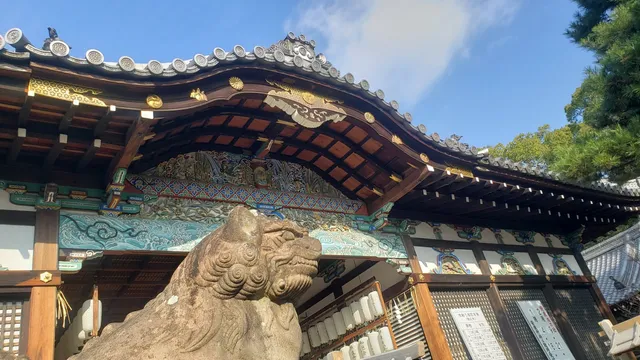
Highlights of the Shrine Grounds The shrine grounds showcase the architectural beauty of the Edo period. Key highlights include:

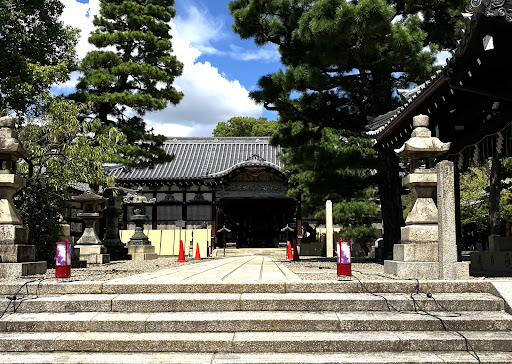
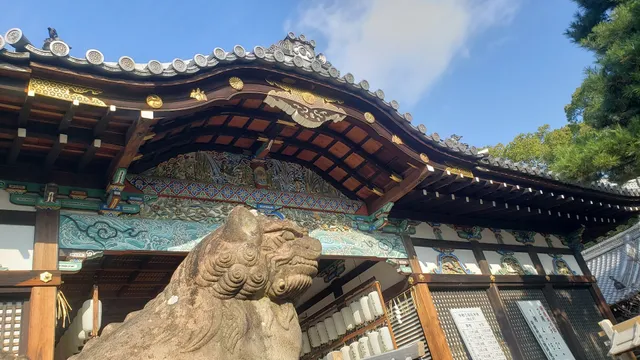
Main Hall and Worship Hall: These buildings are adorned with elaborate carvings and decorations, serving as the spiritual center of the shrine. Torii Gates and Stone Lanterns: The entrance is marked by torii gates and stone lanterns lining the pathway, welcoming visitors into the sacred space. Seasonal Flowers: The shrine is home to various flowers such as cherry blossoms, plum blossoms, and autumn foliage. During cherry blossom season, the grounds are covered in pink, attracting many visitors who come to enjoy the...

   Read more
avatar
5.0
8y

その当時 京の都は乱れていた。 所司代・町奉行だけで 京の治安や混乱を防ぐことはできないとみた江戸幕府(その後幕末政府軍)は 京都守護職に会津藩(福島県)をあたらせた。 会津藩といえば明治新政府軍の特に薩摩・土佐藩から仇敵(adagataki)に位置づけられ のちの戊辰戦争(BOSHINN-SENNSOU)へと 発展していくのであるが。 その会津藩は 同藩士に加え所司代・町奉行を動員したが 京の治安は効果をみるに至らず ついには新選組を配下に加え 治安にあたった。 新選組は もともと幕府の募集で1863年(文久3年)2月23日に中山道(NAKASENDOU)を経て上洛した二百数十名からなる浪士団で 彼等を当時 浪士組と称した。 その後 京都壬生浪士組に改め のちに会津藩の一員として 功あって武家伝奏(bukedennsou)から新選組の名を授かることになる。

ところで戊辰戦争の発端ともなった 京は鳥羽・伏見の戦いは やがて淀川水系に沿ってくだるが この当時 明治新政府軍の薩摩藩・長州藩は ここ御香宮神社を駐屯地にした。 この時代 幕末政府軍と明治新政府軍との戦(ikusa)は ますます各地へエスカレートしていく。 両政府軍を比較してみるに ハード面では 互が所有する武器の新旧に差はあれど 致命的な優劣性をもたらしていた とは云えず むしろ古い軍事常識のソフトに縛られ 発展の進度を鈍らせていた幕末政府軍側が やがて欧米の軍事戦略ソフトを学んだ明治新政府軍の前に 瓦解(gakai)していくのである。 このあと明治新政府軍は東進・北進し 会津若松の少年白虎隊物語にまで 話は派生するのであるが。

以上 はしょった流れだが 京における明治新政府軍の本拠地 即ち 御香宮神社に立ちて 国取り合戦の名残りを探し求めてみるのも 良いかもしれない。

日本名水百選の一つに数えられる伏見御香水は有名だが 取水口は一口しかない為 20Lクラスポリタンクが連なる際は 順番待ちに辛抱が必要である。 お水代金は無料であるが 汲み時間に制限があって午前七時〜午後七時となっている。 駐車場は 最初の20分間が無料で最大800円としている。

交通量の多いR24や 賑やかな大手筋商店街の 喧騒に囲まれるようにあって 御香宮神社だけは 境内に立つと静けさに包まれている。 その空気は あの頃と変わりないのだろう。 ここが 往時...

   Read more
avatar
5.0
1y

Very lively atmosphere. There were many stands with games, street food, etc. We came in pretty late (around 16:00) so the temple was almost closing. This temple enshrines Jinguu Kougou, the empress, who is widely worshipped as Kami for safe delivery of a baby. You will see there a statue of a woman and her baby to which locals...

   Read more
Page 1 of 7
Previous
Next

Posts

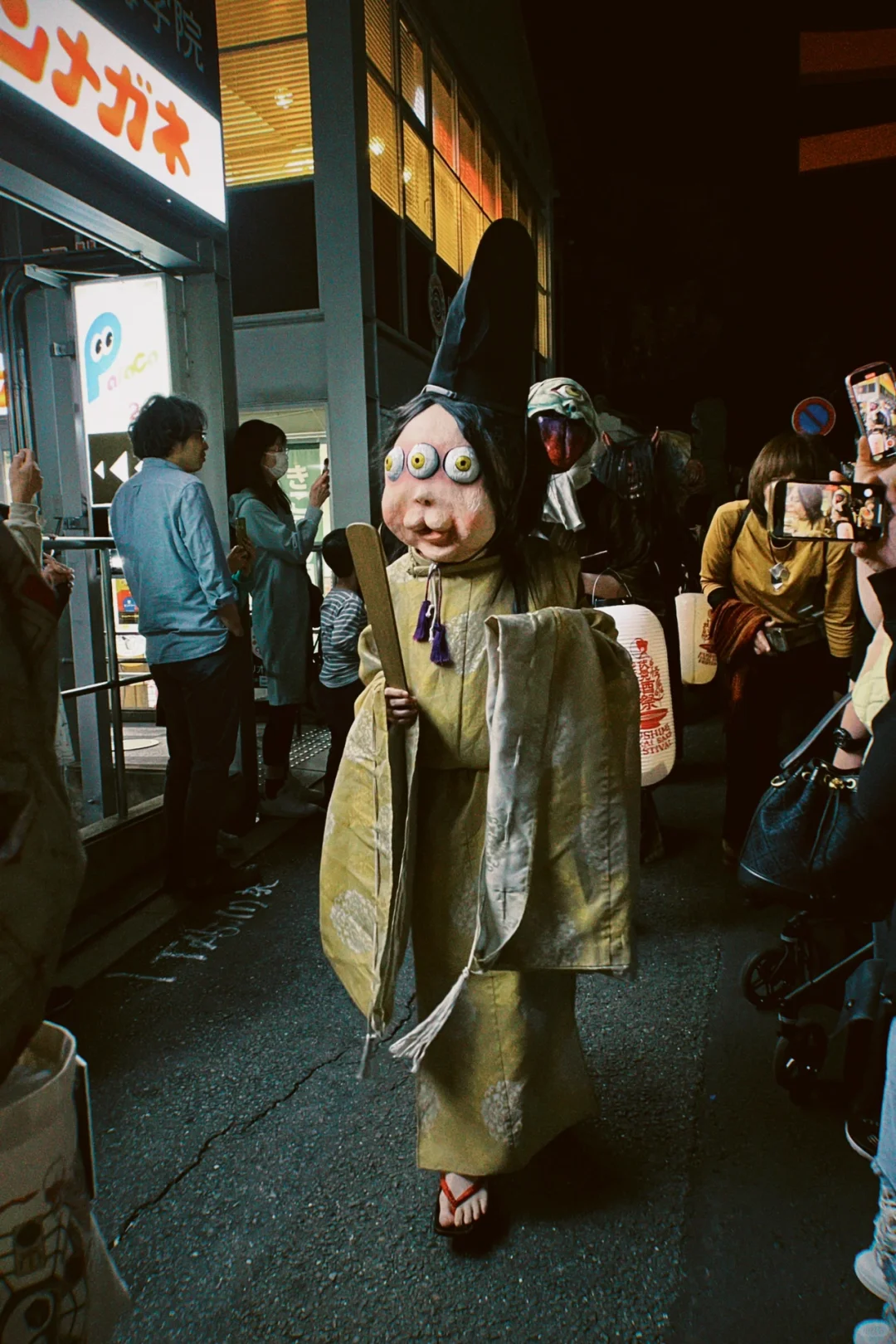
🇯🇵 Kyoto's Night of a Hundred Demons | Miss it tomorrow and you'll have to wait another six months 👺
mindful_heartmindful_heart
🇯🇵 Kyoto's Night of a Hundred Demons | Miss it tomorrow and you'll have to wait another six months 👺
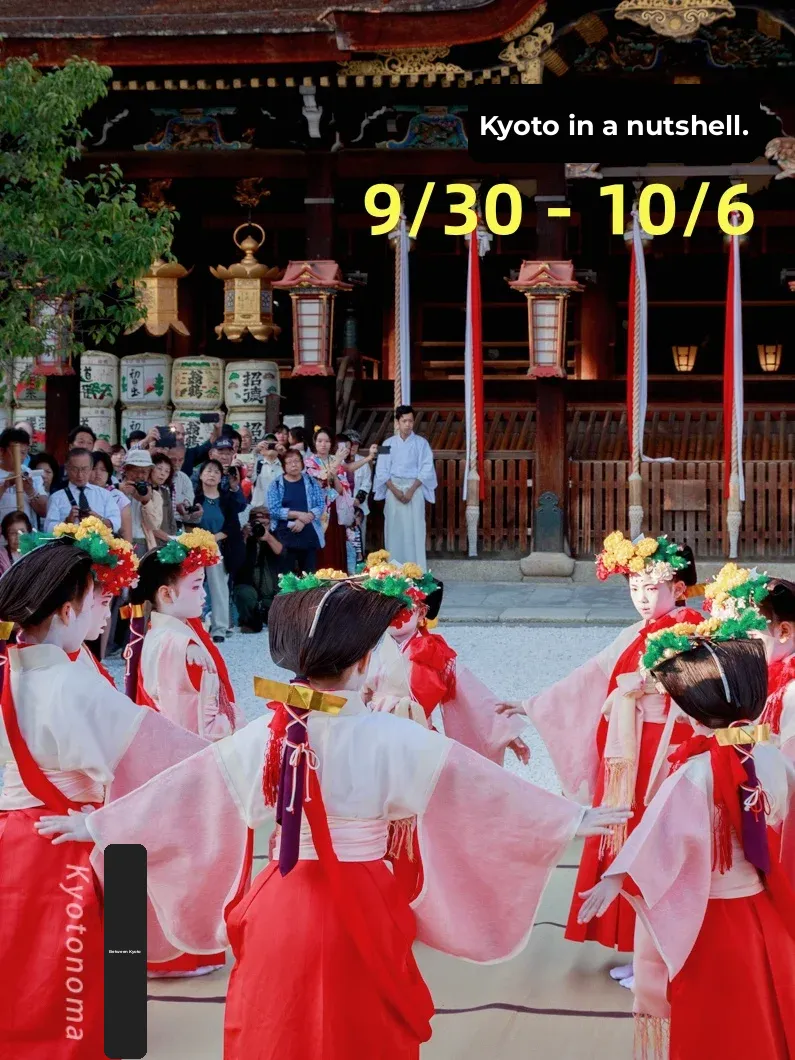
🎐What to See in Kyoto This Week (9/30 - 10/6)
spicy_food_spicy_food_
🎐What to See in Kyoto This Week (9/30 - 10/6)
むなかた屋むなかた屋
Gokonomiya Shrine: A Historical Site Linked to Tokugawa Ieyasu Gokonomiya Shrine, located in Fushimi Ward, Kyoto, is a historic shrine known for its beautiful gardens and the sacred spring called "Gokosui." This shrine has a deep connection with Tokugawa Ieyasu, and even his children have stories associated with its sacred waters. 1. Origin of the Shrine’s Name The name "Gokonomiya" comes from the sacred spring called "Gokosui," which is located within the shrine grounds. The water is said to be pure and fragrant, with the power to heal illnesses. During the Heian period, Emperor Seiwa is said to have recovered from his illness after drinking this water, and in gratitude, he named the shrine "Gokonomiya," which means "Shrine of Fragrant Water." 2. History The history of Gokonomiya Shrine dates back over 1,300 years. Originally called "Ogura Myojin," it was renamed "Gokonomiya" following the miracle experienced by Emperor Seiwa. During the Sengoku period, Toyotomi Hideyoshi visited the shrine, and in the Edo period, Tokugawa Ieyasu also paid his respects here. Ieyasu held this shrine in great reverence, particularly valuing the sacred Gokosui spring. 3. The Sacred Gokosui Spring The highlight of Gokonomiya Shrine is the sacred spring, Gokosui, which was once selected as one of Japan's 100 famous waters. The water is believed to have the power to purify and heal both body and soul, attracting many visitors to the shrine. It is said that Tokugawa Ieyasu’s ninth, tenth, and eleventh sons—Yoshinao, Yorinobu, and Yorifusa—used this sacred water for their first baths as newborns. This made Gokonomiya Shrine a special place for Ieyasu and his family, becoming a significant part of their faith. 4. Highlights of the Shrine Grounds The shrine grounds showcase the architectural beauty of the Edo period. Key highlights include: Main Hall and Worship Hall: These buildings are adorned with elaborate carvings and decorations, serving as the spiritual center of the shrine. Torii Gates and Stone Lanterns: The entrance is marked by torii gates and stone lanterns lining the pathway, welcoming visitors into the sacred space. Seasonal Flowers: The shrine is home to various flowers such as cherry blossoms, plum blossoms, and autumn foliage. During cherry blossom season, the grounds are covered in pink, attracting many visitors who come to enjoy the beautiful scenery.
See more posts
See more posts
hotel
Find your stay

Pet-friendly Hotels in Kyoto

Find a cozy hotel nearby and make it a full experience.

🇯🇵 Kyoto's Night of a Hundred Demons | Miss it tomorrow and you'll have to wait another six months 👺
mindful_heart

mindful_heart

hotel
Find your stay

Affordable Hotels in Kyoto

Find a cozy hotel nearby and make it a full experience.

Get the Appoverlay
Get the AppOne tap to find yournext favorite spots!
🎐What to See in Kyoto This Week (9/30 - 10/6)
spicy_food_

spicy_food_

hotel
Find your stay

The Coolest Hotels You Haven't Heard Of (Yet)

Find a cozy hotel nearby and make it a full experience.

hotel
Find your stay

Trending Stays Worth the Hype in Kyoto

Find a cozy hotel nearby and make it a full experience.

Gokonomiya Shrine: A Historical Site Linked to Tokugawa Ieyasu Gokonomiya Shrine, located in Fushimi Ward, Kyoto, is a historic shrine known for its beautiful gardens and the sacred spring called "Gokosui." This shrine has a deep connection with Tokugawa Ieyasu, and even his children have stories associated with its sacred waters. 1. Origin of the Shrine’s Name The name "Gokonomiya" comes from the sacred spring called "Gokosui," which is located within the shrine grounds. The water is said to be pure and fragrant, with the power to heal illnesses. During the Heian period, Emperor Seiwa is said to have recovered from his illness after drinking this water, and in gratitude, he named the shrine "Gokonomiya," which means "Shrine of Fragrant Water." 2. History The history of Gokonomiya Shrine dates back over 1,300 years. Originally called "Ogura Myojin," it was renamed "Gokonomiya" following the miracle experienced by Emperor Seiwa. During the Sengoku period, Toyotomi Hideyoshi visited the shrine, and in the Edo period, Tokugawa Ieyasu also paid his respects here. Ieyasu held this shrine in great reverence, particularly valuing the sacred Gokosui spring. 3. The Sacred Gokosui Spring The highlight of Gokonomiya Shrine is the sacred spring, Gokosui, which was once selected as one of Japan's 100 famous waters. The water is believed to have the power to purify and heal both body and soul, attracting many visitors to the shrine. It is said that Tokugawa Ieyasu’s ninth, tenth, and eleventh sons—Yoshinao, Yorinobu, and Yorifusa—used this sacred water for their first baths as newborns. This made Gokonomiya Shrine a special place for Ieyasu and his family, becoming a significant part of their faith. 4. Highlights of the Shrine Grounds The shrine grounds showcase the architectural beauty of the Edo period. Key highlights include: Main Hall and Worship Hall: These buildings are adorned with elaborate carvings and decorations, serving as the spiritual center of the shrine. Torii Gates and Stone Lanterns: The entrance is marked by torii gates and stone lanterns lining the pathway, welcoming visitors into the sacred space. Seasonal Flowers: The shrine is home to various flowers such as cherry blossoms, plum blossoms, and autumn foliage. During cherry blossom season, the grounds are covered in pink, attracting many visitors who come to enjoy the beautiful scenery.
むなかた屋

むなかた屋

See more posts
See more posts