Nikkō Tōshōgū things to do, attractions, restaurants, events info and trip planning
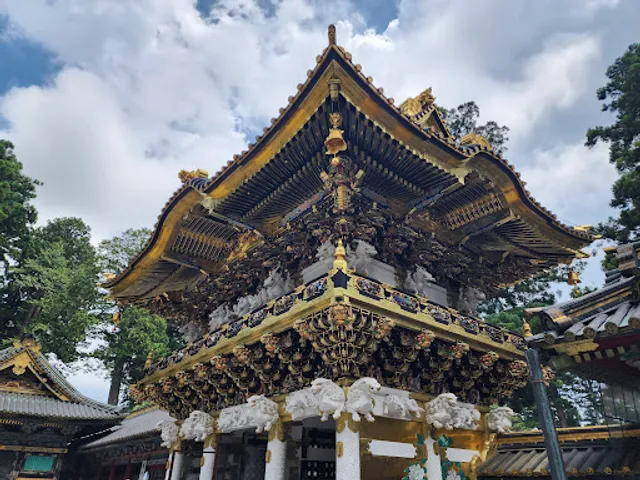
Basic Info
Nikkō Tōshōgū
2301 Sannai, Nikko, Tochigi 321-1431, Japan
4.5(12.1K)
Closed


tickets
Save
spot
spot
Ratings & Description
Info
Cultural
Scenic
Family friendly
Accessibility
attractions: Yōmeimon Gate, Nikko Futarasan-jinja Haiden, Nemuri-neko (Sleeping cat carving), Rin’nōji Yakushi-do, Gojū-no-tō (five-storied pagoda), Shinkyūsha (Sanzaru, three monkeys), Sanjinko, Nikkō Tōshogū Art Museum, Rin’nōji Taiyū-in (Mausoleum of Iemitsu), Wish-Granting Tree, restaurants: Ueshima Coffee Nikko-toshogu-ten, Sannai shokudo - Kissa Suiran, Meiji-no-Yakata, Cafe Restaurant Fujimoto, Nikko Maruhide Shokudo, Nishi-sando chaya, Nikko Castella Honpo Bandai Nikko Store, Kariman Kourindō, Cafe Azumaya, SANNAISARYO TAIKOBO, local businesses: Nikko Toshogu, Toshogu Grand Shrine, Gohonsha, Nikko Futarasan jinja, Yakushi-do (Roaring Dragon) Main Temple Hall, Okumiya Haiden (Worship hall), Portable Shrine Building (Shinyosha), Okusha Hōtō Pagoda (Mausoleum of Tokugawa Ieyasu), Okumiya Pagoda (Shōgunal Tomb), Shotokutaishi Shrine
 Learn more insights from Wanderboat AI.
Phone
+81 288-54-0560
Website
toshogu.jp
Open hoursSee all hours
Wed9 AM - 4 PMClosed
Plan your stay

Pet-friendly Hotels in Nikko
Find a cozy hotel nearby and make it a full experience.

Affordable Hotels in Nikko
Find a cozy hotel nearby and make it a full experience.

The Coolest Hotels You Haven't Heard Of (Yet)
Find a cozy hotel nearby and make it a full experience.

Trending Stays Worth the Hype in Nikko
Find a cozy hotel nearby and make it a full experience.
Reviews
Nearby attractions of Nikkō Tōshōgū
Yōmeimon Gate
Nikko Futarasan-jinja Haiden
Nemuri-neko (Sleeping cat carving)
Rin’nōji Yakushi-do
Gojū-no-tō (five-storied pagoda)
Shinkyūsha (Sanzaru, three monkeys)
Sanjinko
Nikkō Tōshogū Art Museum
Rin’nōji Taiyū-in (Mausoleum of Iemitsu)
Wish-Granting Tree
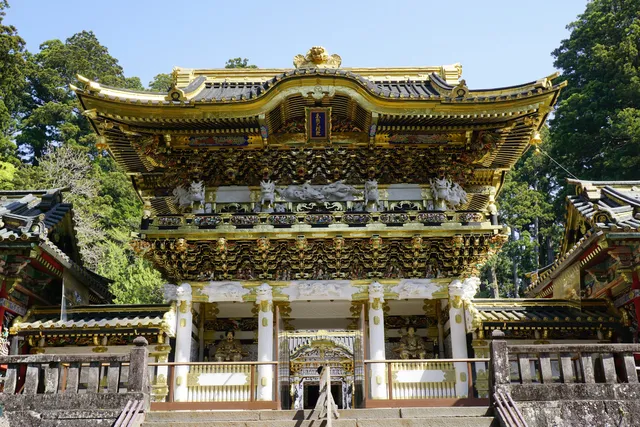
Yōmeimon Gate
4.7
(375)
Closed
Click for details
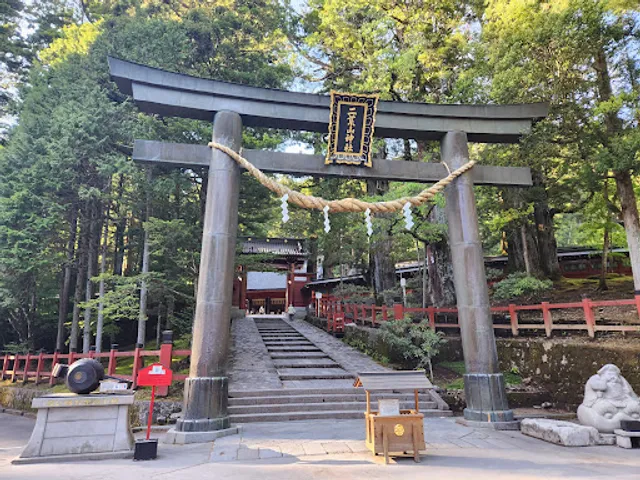
Nikko Futarasan-jinja Haiden
4.4
(2.1K)
Closed
Click for details
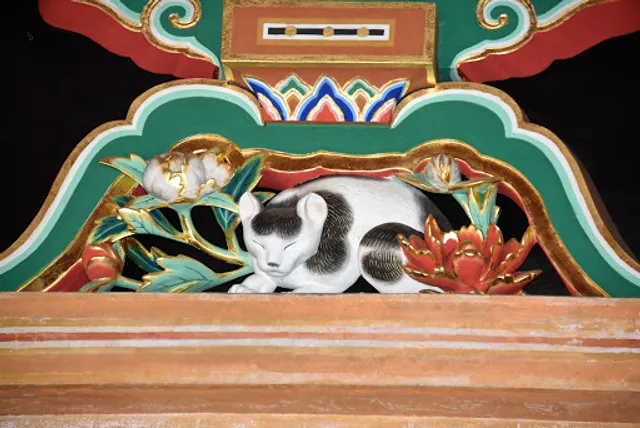
Nemuri-neko (Sleeping cat carving)
4.4
(218)
Closed
Click for details

Rin’nōji Yakushi-do
4.2
(168)
Closed
Click for details
Nearby restaurants of Nikkō Tōshōgū
Ueshima Coffee Nikko-toshogu-ten
Sannai shokudo - Kissa Suiran
Meiji-no-Yakata
Cafe Restaurant Fujimoto
Nikko Maruhide Shokudo
Nishi-sando chaya
Nikko Castella Honpo Bandai Nikko Store
Kariman Kourindō
Cafe Azumaya
SANNAISARYO TAIKOBO
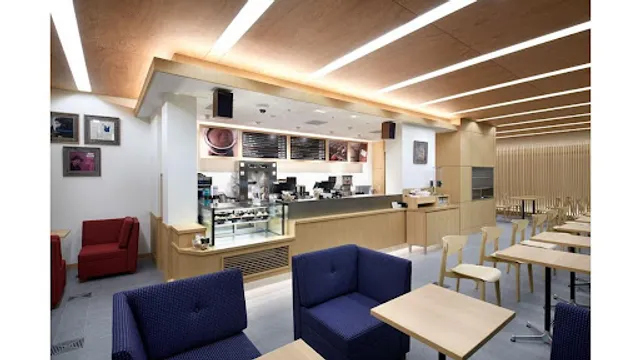
Ueshima Coffee Nikko-toshogu-ten
4.0
(184)
Click for details
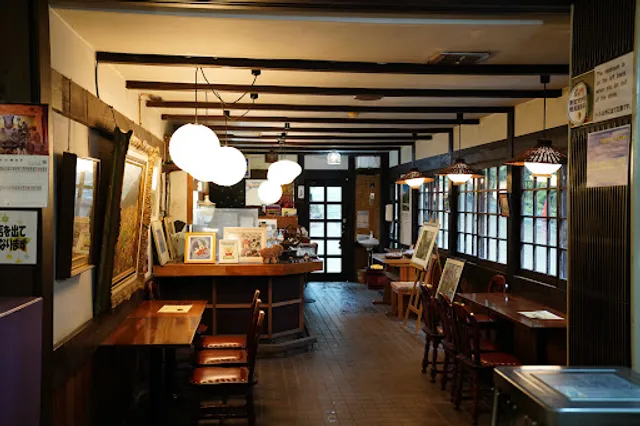
Sannai shokudo - Kissa Suiran
4.3
(85)
Click for details
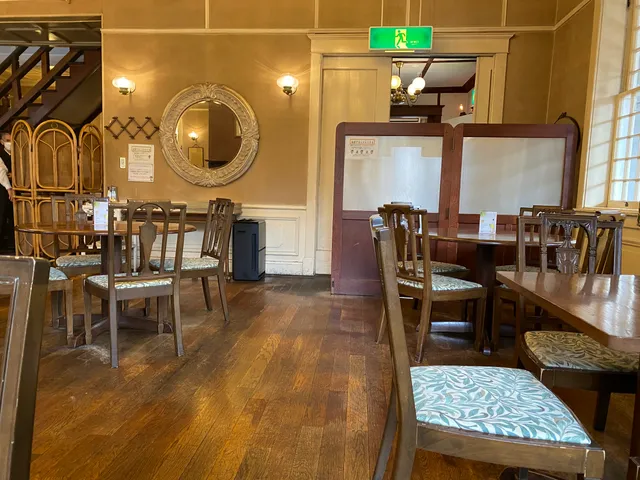
Meiji-no-Yakata
4.1
(1.0K)
$$$
Closed
Click for details
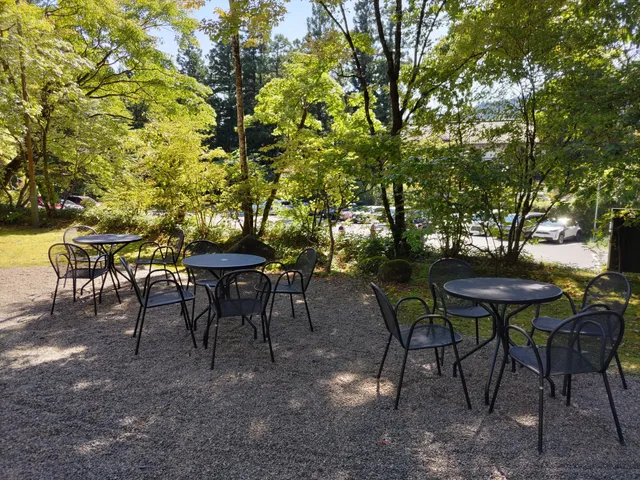
Cafe Restaurant Fujimoto
4.4
(121)
Closed
Click for details
Nearby local services of Nikkō Tōshōgū
Nikko Toshogu
Toshogu Grand Shrine
Gohonsha
Nikko Futarasan jinja
Yakushi-do (Roaring Dragon) Main Temple Hall
Okumiya Haiden (Worship hall)
Portable Shrine Building (Shinyosha)
Okusha Hōtō Pagoda (Mausoleum of Tokugawa Ieyasu)
Okumiya Pagoda (Shōgunal Tomb)
Shotokutaishi Shrine
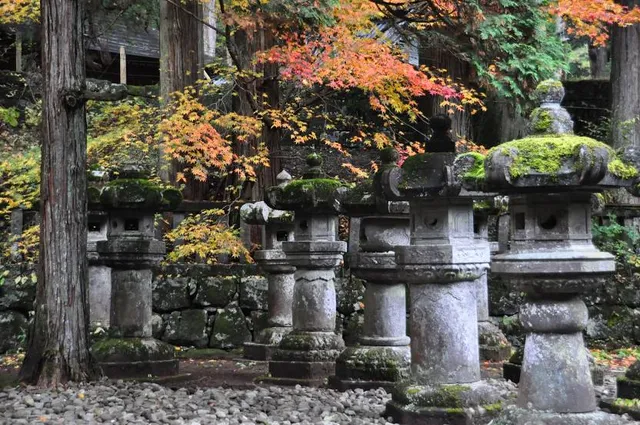
Nikko Toshogu
4.5
(9.5K)
Click for details
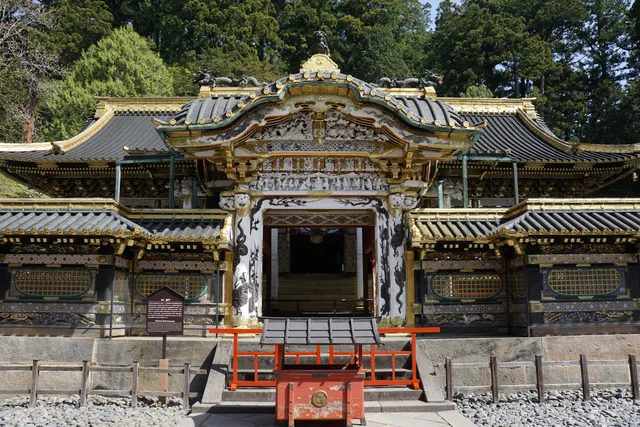
Toshogu Grand Shrine
4.4
(97)
Click for details
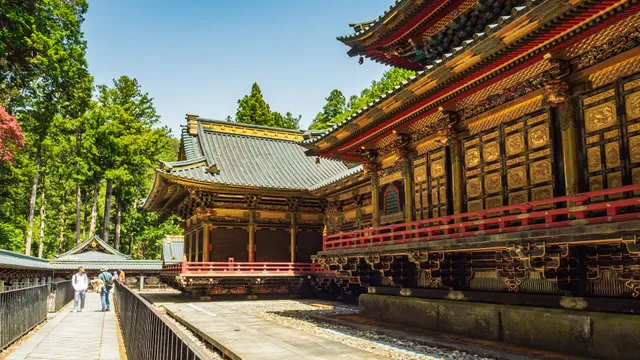
Gohonsha
4.4
(117)
Click for details
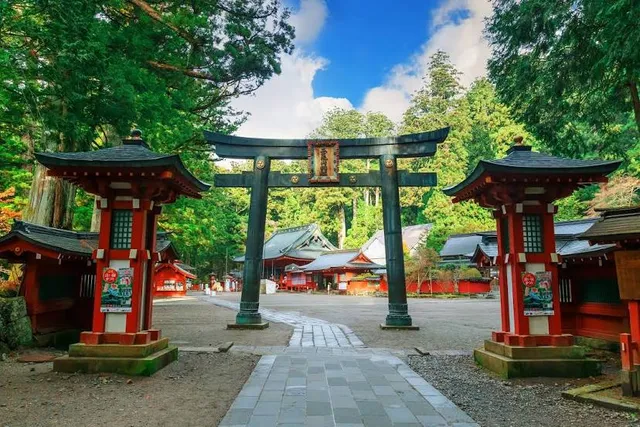
Nikko Futarasan jinja
4.3
(1.9K)
Click for details