Hokoku Shrine things to do, attractions, restaurants, events info and trip planning
Basic Info
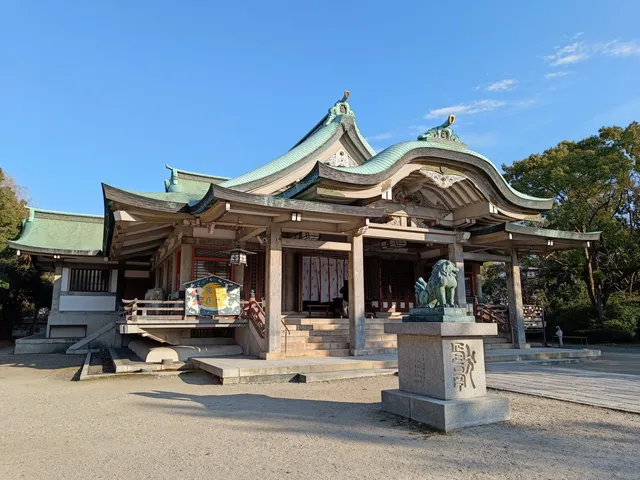
Hokoku Shrine
2-1 Osakajo, Chuo Ward, Osaka, 540-0002, Japan
4.2(1.2K)
Closed
Save
spot
spot
Ratings & Description
Info
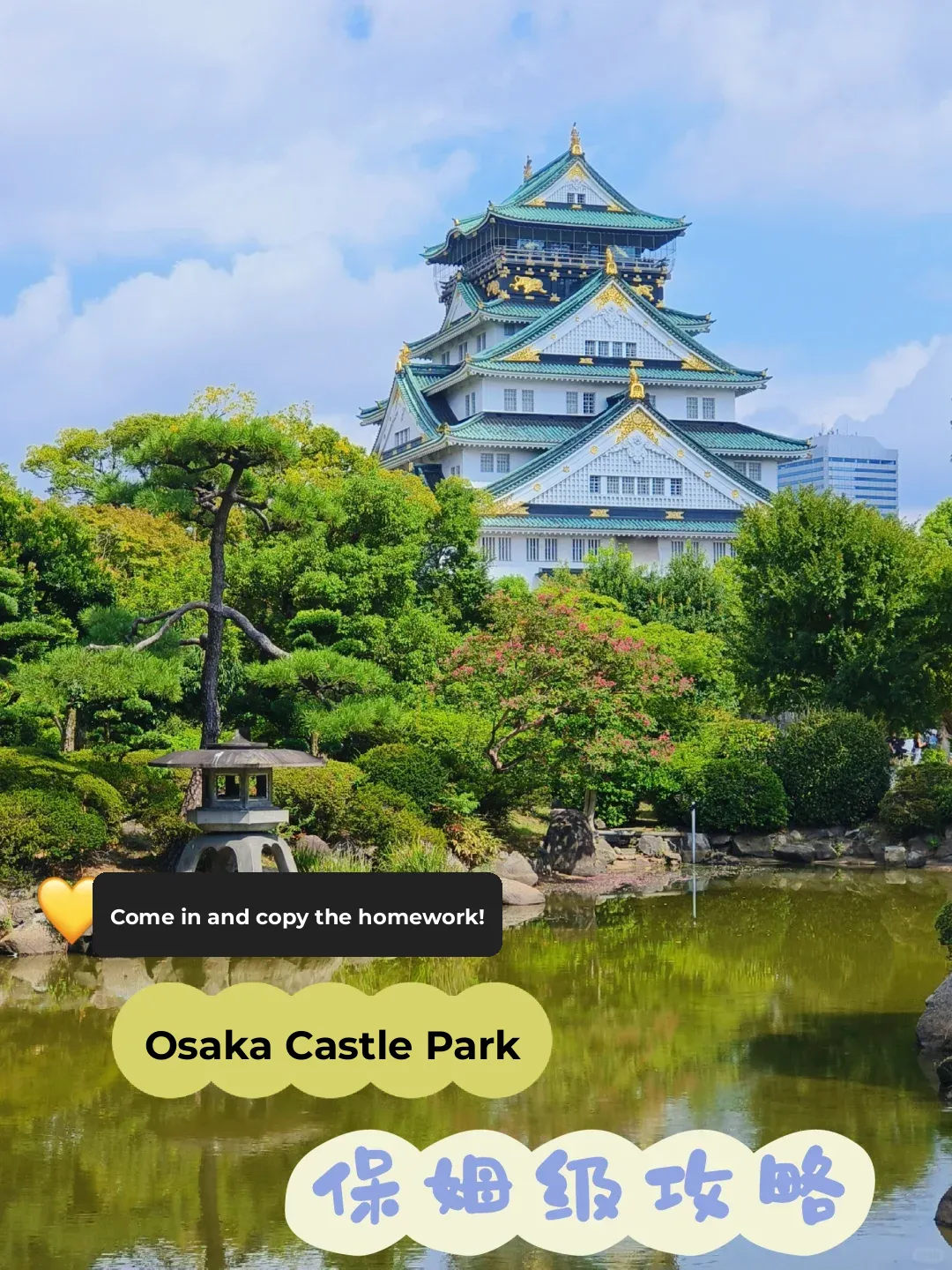
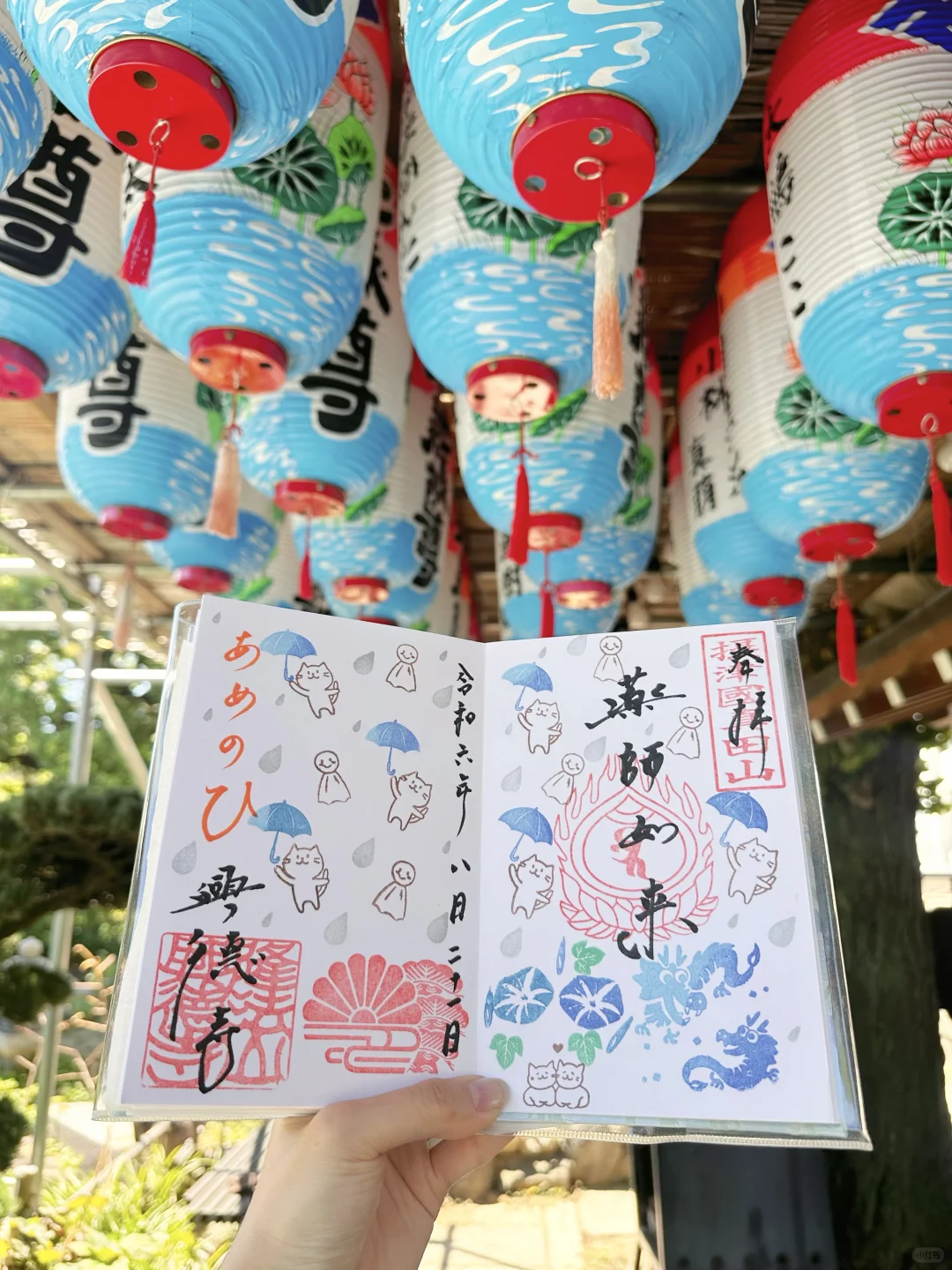
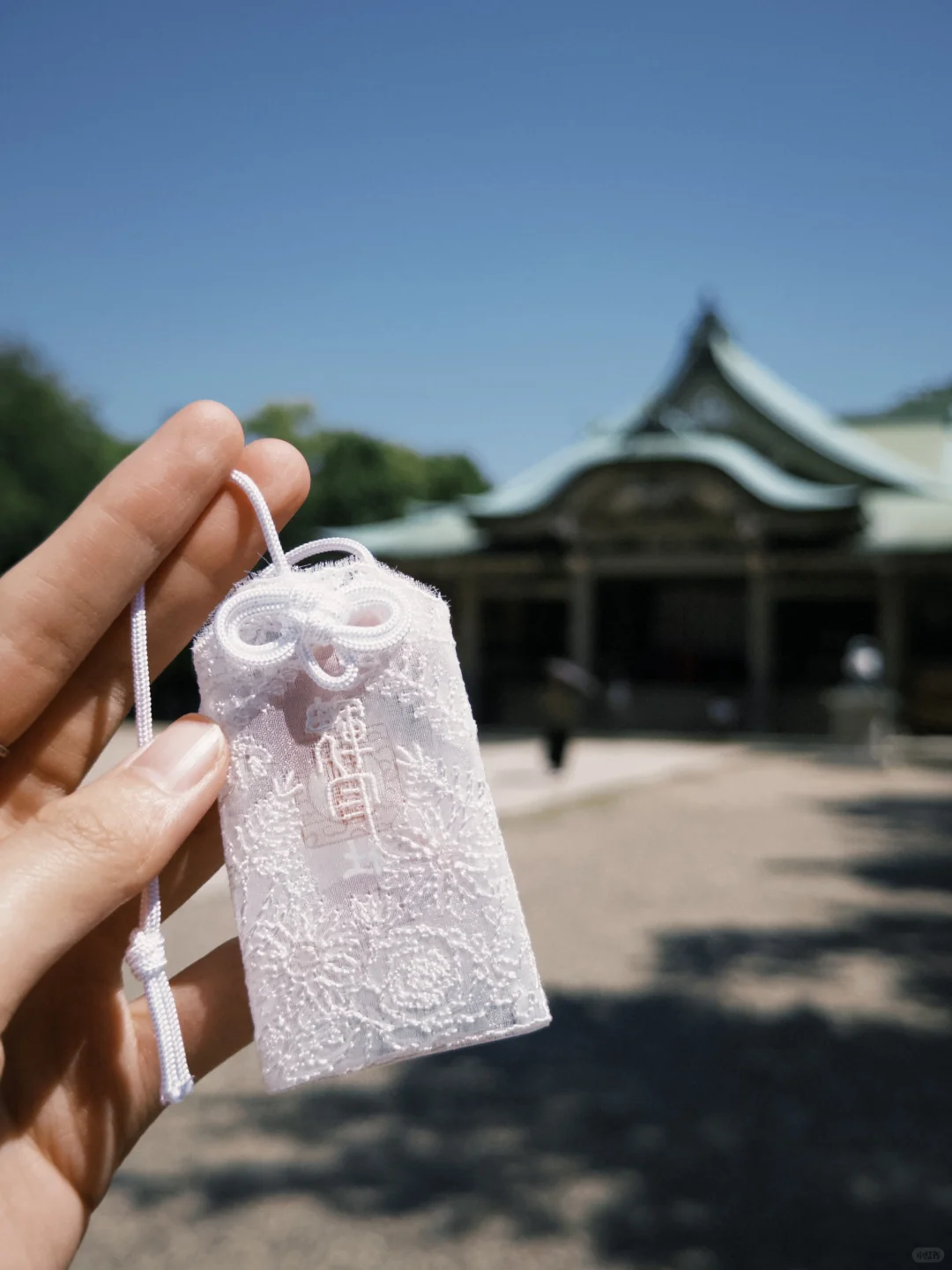
Hōkoku Shrine is a Shinto shrine located in Osaka, Japan. It is one of several Toyokuni shrines built in honor of Toyotomi Hideyoshi. It is part of the Osaka Castle Park.
Cultural
Accessibility
attractions: Osaka Castle Park, Osaka Castle, Toyotomi Hideyoshi Statue, Kaiyodo Figure Museum Miraiza Osaka-Jo, Osaka Castle Main Tower (Osaka Castle Museum), Huge Stones at Sakuramon-masugata Square, Osaka Castle’s Plum Grove, Sakuramon Gate, Ichiban-yagura Turret, Shusekitei, restaurants: The Konamon Bar Rikyu, BLUE BIRDS ROOF TOP TERRACE, crossfield with TERRACE LOUNGE, Tully’s Coffee - Osaka Castle Tenshukaku, Japanese cuisine JURAKUAN ( KKR Hotel Osaka ), Starbucks Coffee - Osaka Castle Park Morinomiya, Restaurant RASPBERRY with MOON BAR, R Baker Osaka-jo, Shokudo Cafe potto x Tanita Cafe — Morinomiya Q's Mall, Asushoku, local businesses: Osaka Castle Park, Sanctuary, Osaka City Municipal Shudokan, SHINOBIYA Osaka Castle, カイヨウドウフィギュアミュージアムミライザオオサカジョウ, Osaka Castle Honjin, Fourth Division Command Office, Morinomiya Q’s MALL BASE, Osaka Castle Park Fountain, ミュージアムショップ
 Learn more insights from Wanderboat AI.
Phone
+81 6-6941-0229
Website
osaka-hokokujinja.org
Open hoursSee all hours
Mon9 AM - 4:50 PMClosed
Plan your stay

Pet-friendly Hotels in Osaka
Find a cozy hotel nearby and make it a full experience.

Affordable Hotels in Osaka
Find a cozy hotel nearby and make it a full experience.

The Coolest Hotels You Haven't Heard Of (Yet)
Find a cozy hotel nearby and make it a full experience.

Trending Stays Worth the Hype in Osaka
Find a cozy hotel nearby and make it a full experience.
Reviews
Live events

Welcome Osaka Pub Crawlfree Shot & Fun Chat 2-4 Stores 大阪はしご酒 国際交流
Fri, Feb 27 • 7:00 PM
心斎橋筋2丁目6−14 中央区 大阪市, 大阪府 542-0085
View details
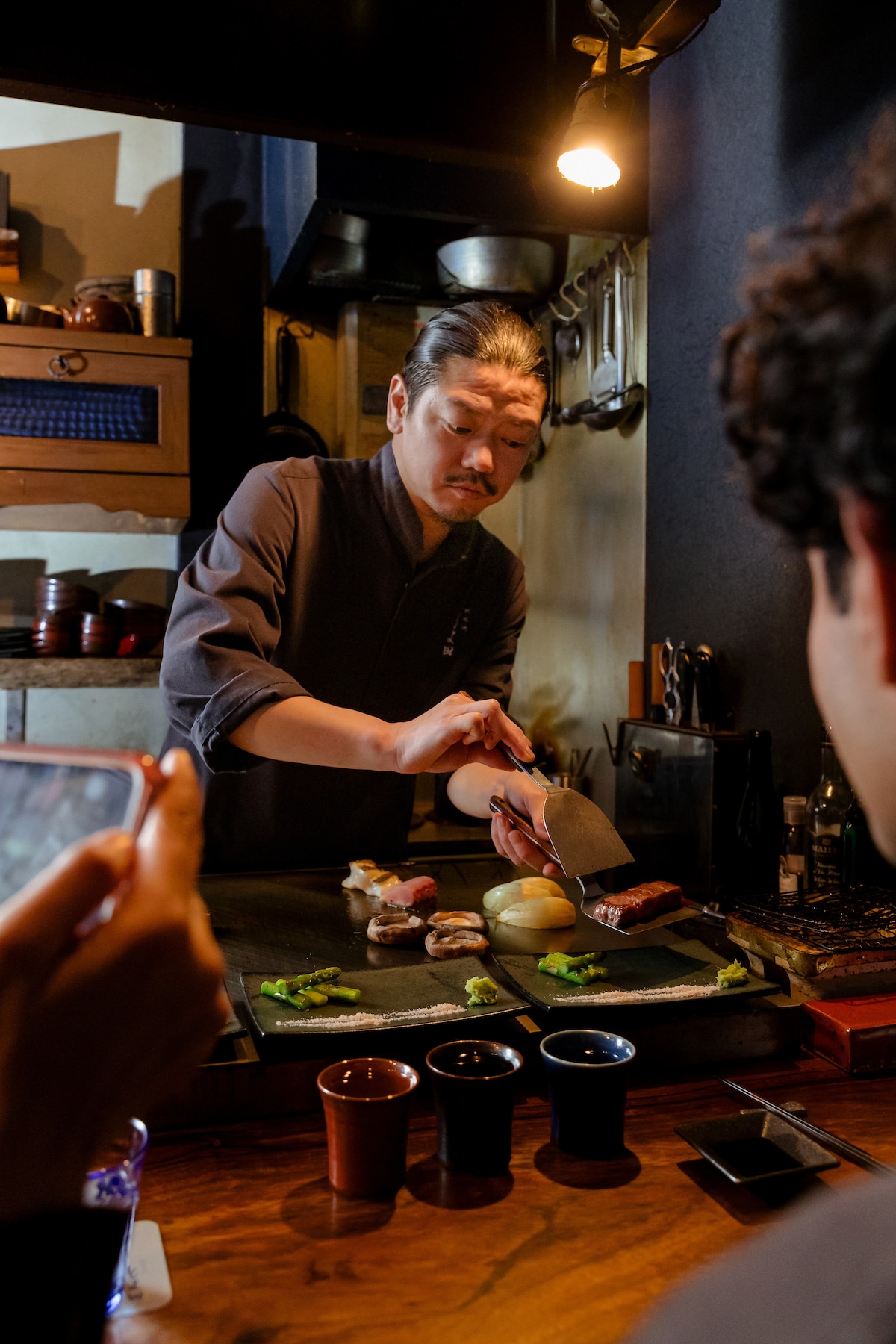
Compare wagyu, sashimi, and sake
Mon, Feb 23 • 11:30 AM
530-0002, Osaka, Osaka, Japan
View details
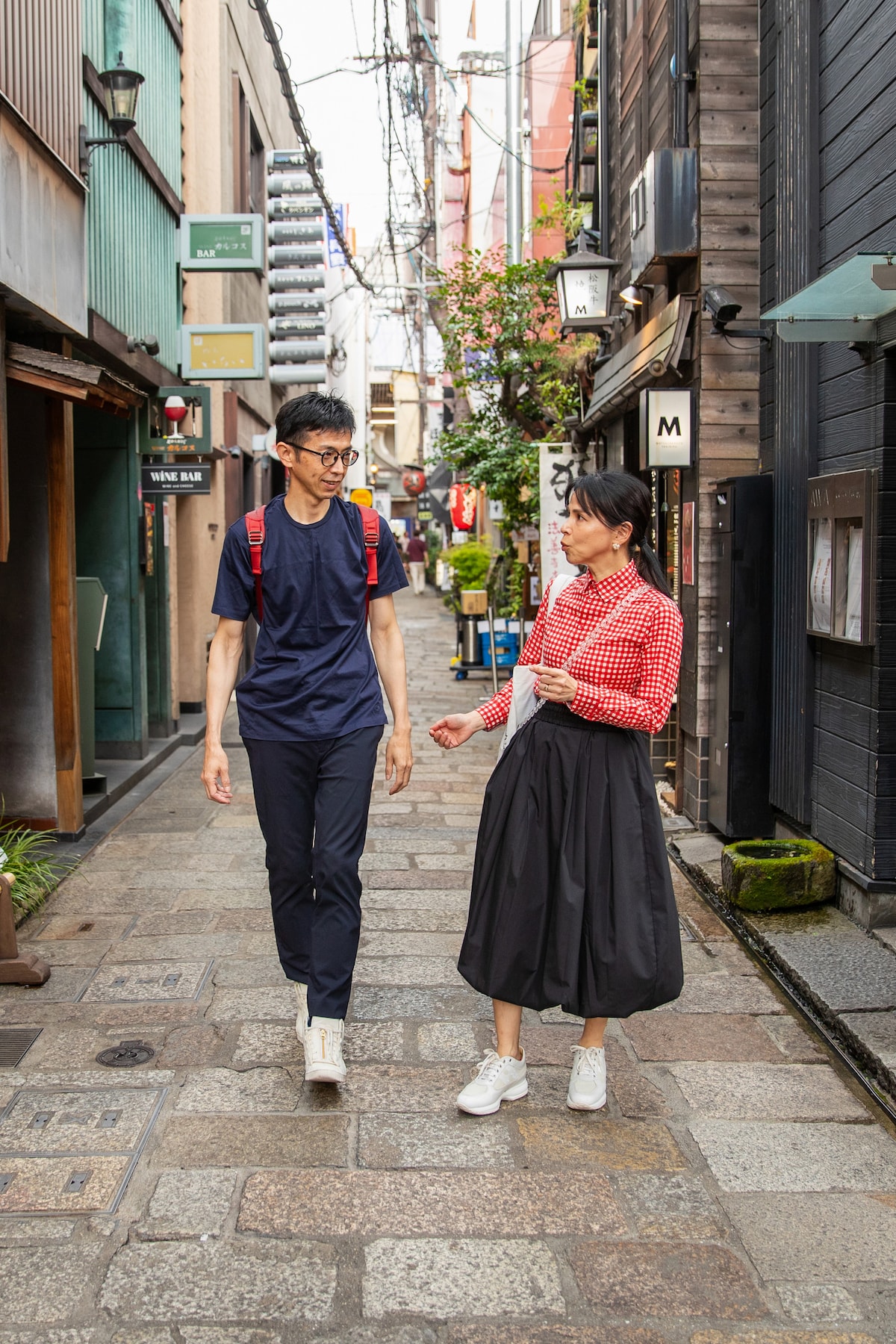
Eat your way through Osaka - food tour in Namba
Fri, Feb 27 • 4:00 PM
542-0085, Osaka, Osaka, Japan
View details
Nearby attractions of Hokoku Shrine
Osaka Castle Park
Osaka Castle
Toyotomi Hideyoshi Statue
Kaiyodo Figure Museum Miraiza Osaka-Jo
Osaka Castle Main Tower (Osaka Castle Museum)
Huge Stones at Sakuramon-masugata Square
Osaka Castle’s Plum Grove
Sakuramon Gate
Ichiban-yagura Turret
Shusekitei
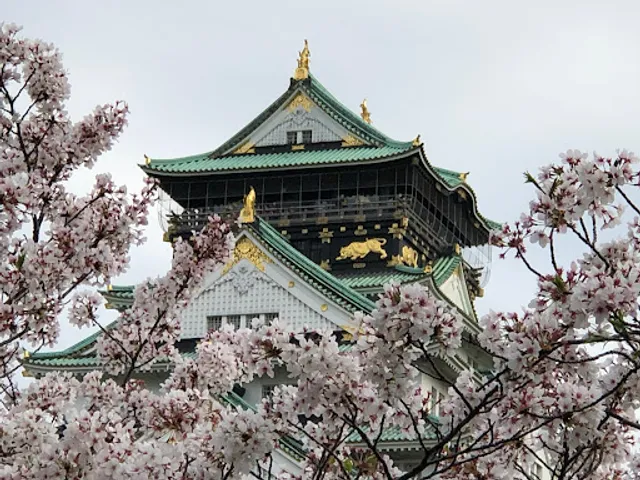
Osaka Castle Park
4.4
(16.7K)
Open until 12:00 AM
Click for details
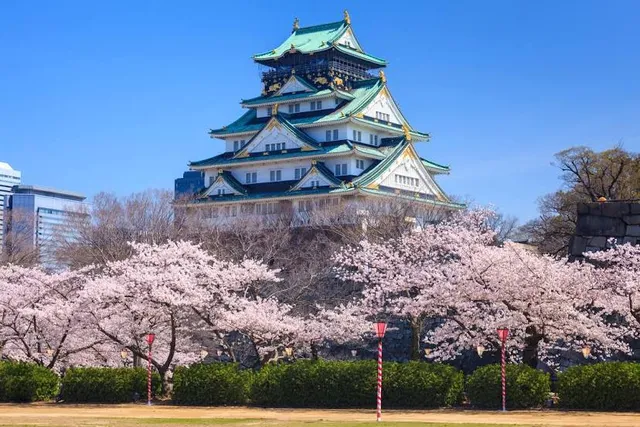
Osaka Castle
4.4
(29.3K)
Closed
Click for details
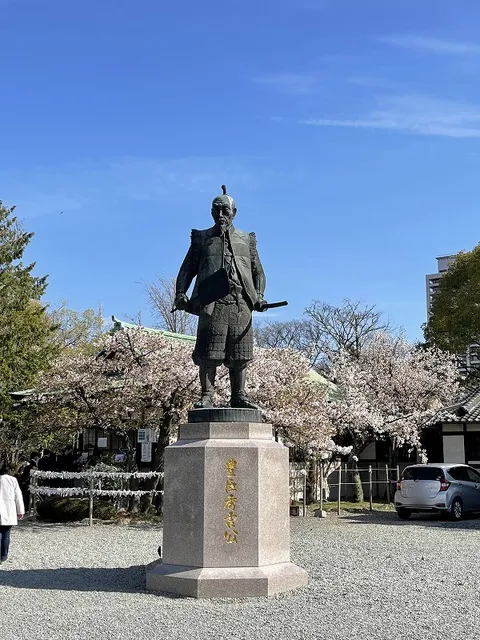
Toyotomi Hideyoshi Statue
4.3
(95)
Open until 12:00 AM
Click for details
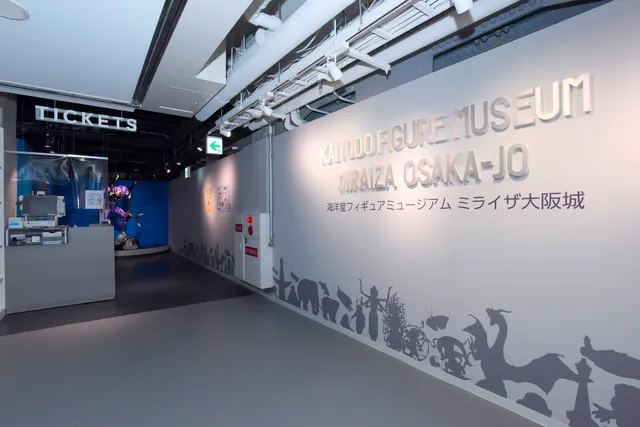
Kaiyodo Figure Museum Miraiza Osaka-Jo
4.4
(137)
Closed
Click for details
Nearby restaurants of Hokoku Shrine
The Konamon Bar Rikyu
BLUE BIRDS ROOF TOP TERRACE
crossfield with TERRACE LOUNGE
Tully’s Coffee - Osaka Castle Tenshukaku
Japanese cuisine JURAKUAN ( KKR Hotel Osaka )
Starbucks Coffee - Osaka Castle Park Morinomiya
Restaurant RASPBERRY with MOON BAR
R Baker Osaka-jo
Shokudo Cafe potto x Tanita Cafe — Morinomiya Q's Mall
Asushoku
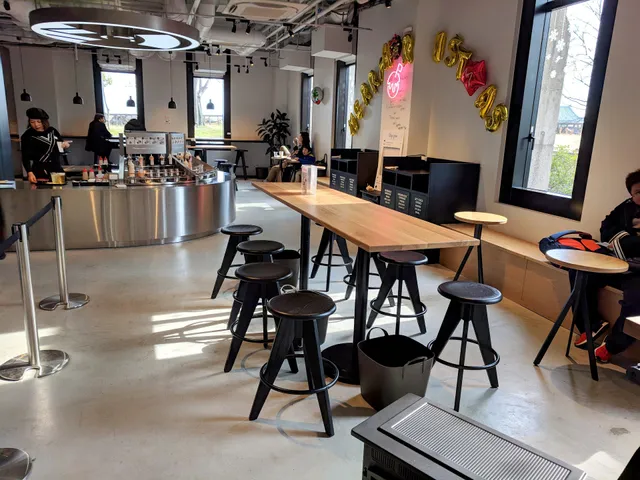
The Konamon Bar Rikyu
3.3
(144)
Closed
Click for details
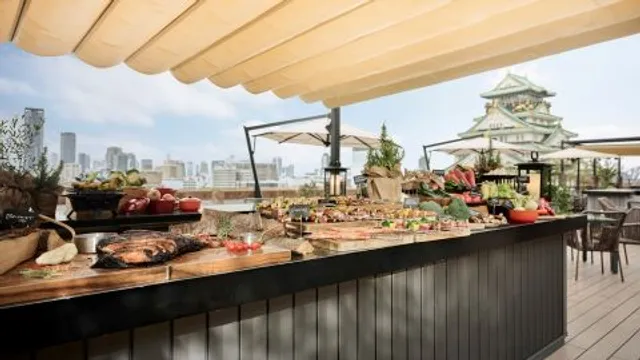
BLUE BIRDS ROOF TOP TERRACE
3.2
(263)
$$
Closed
Click for details
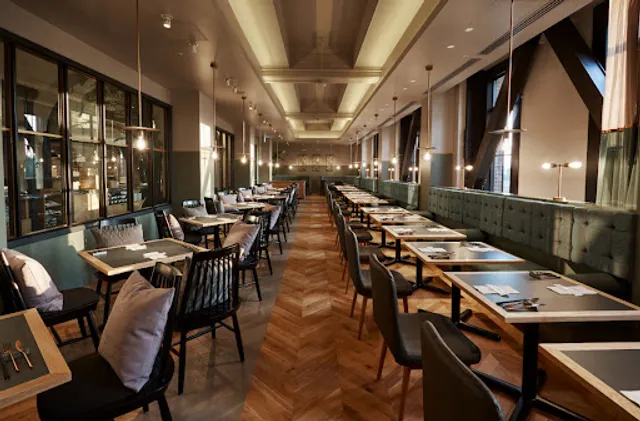
crossfield with TERRACE LOUNGE
4.1
(205)
$$
Closed
Click for details
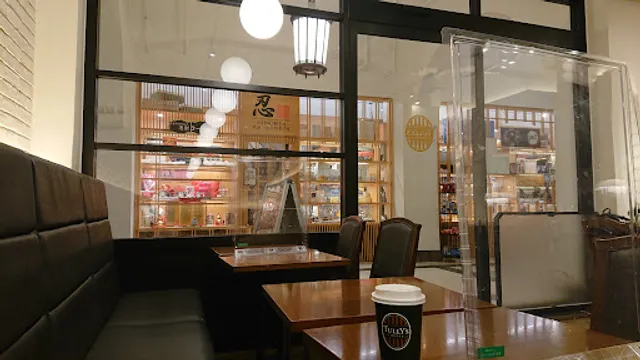
Tully’s Coffee - Osaka Castle Tenshukaku
3.8
(75)
Closed
Click for details
Nearby local services of Hokoku Shrine
Osaka Castle Park
Sanctuary
Osaka City Municipal Shudokan
SHINOBIYA Osaka Castle
カイヨウドウフィギュアミュージアムミライザオオサカジョウ
Osaka Castle Honjin
Fourth Division Command Office
Morinomiya Q’s MALL BASE
Osaka Castle Park Fountain
ミュージアムショップ
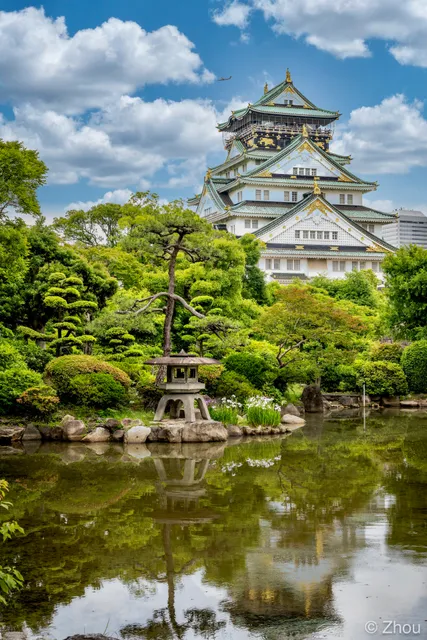
Osaka Castle Park
4.3
(13.1K)
Click for details
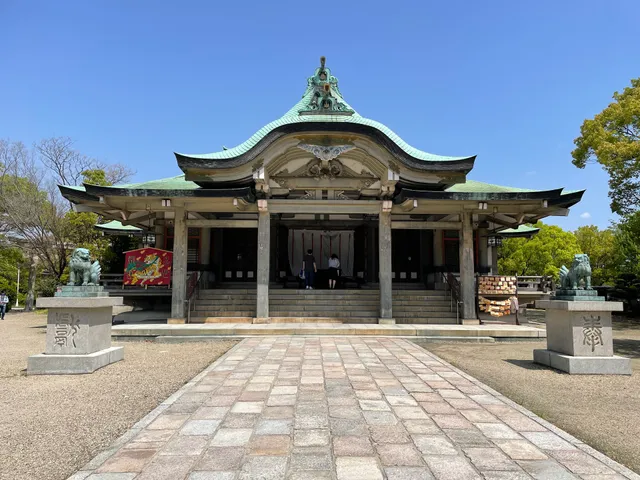
Sanctuary
4.3
(21)
Click for details
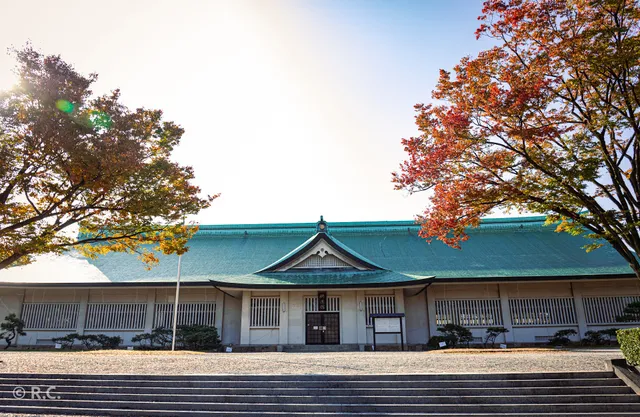
Osaka City Municipal Shudokan
4.0
(63)
Click for details
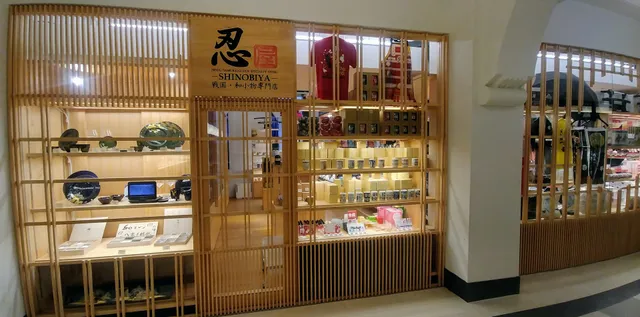
SHINOBIYA Osaka Castle
4.1
(50)
Click for details