HTML SitemapExplore
logo
Find Things to DoFind The Best Restaurants

Toyotomi Hideyoshi Statue — Attraction in Osaka

Name
Toyotomi Hideyoshi Statue
Description
Nearby attractions
Osaka Castle Park
1-1 Osakajo, Chuo Ward, Osaka, 540-0002, Japan
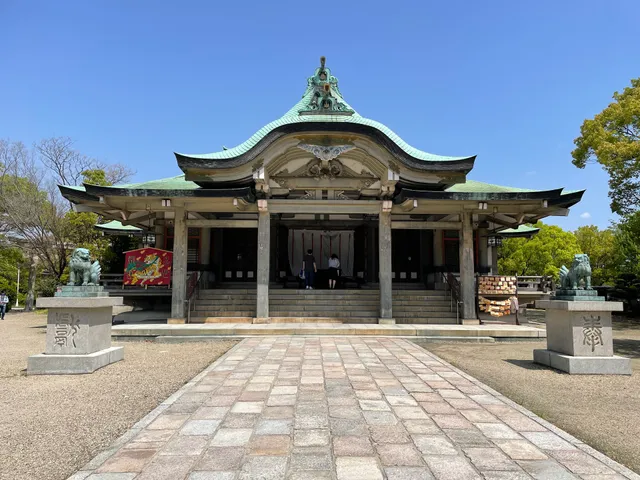
Hokoku Shrine
2-1 Osakajo, Chuo Ward, Osaka, 540-0002, Japan
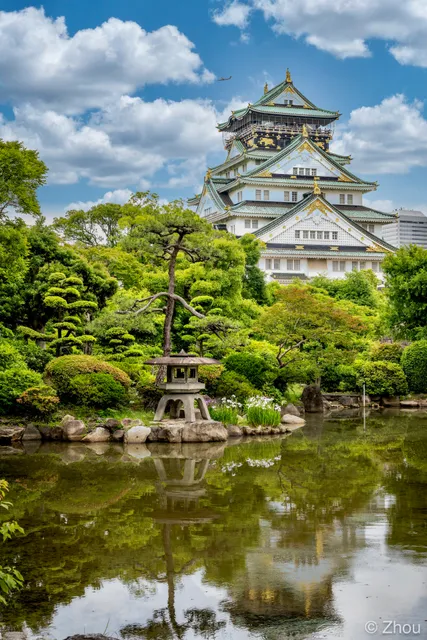
Osaka Castle
1-1 Osakajo, Chuo Ward, Osaka, 540-0002, Japan
Osaka Castle Main Tower (Osaka Castle Museum)
1-1 Osakajo, Chuo Ward, Osaka, 540-0002, Japan
Kaiyodo Figure Museum Miraiza Osaka-Jo
Japan, 〒540-0002 Osaka, Chuo Ward, Osakajo, 1−1 ミライザ大阪城 B1F
Huge Stones at Sakuramon-masugata Square
1-1 Osakajo, Chuo Ward, Osaka, 540-0002, Japan
Sakuramon Gate
1-1 Osakajo, Chuo Ward, Osaka, 540-0002, Japan
South Outer Moat
Osakajo, Chuo Ward, Osaka, 540-0002, Japan
Osaka Castle’s Plum Grove
2 Osakajo, Chuo Ward, Osaka, 540-0002, Japan
Nishinomaru Garden - Osaka Castle
2 Osakajo, Chuo Ward, Osaka, 540-0002, Japan
Nearby restaurants
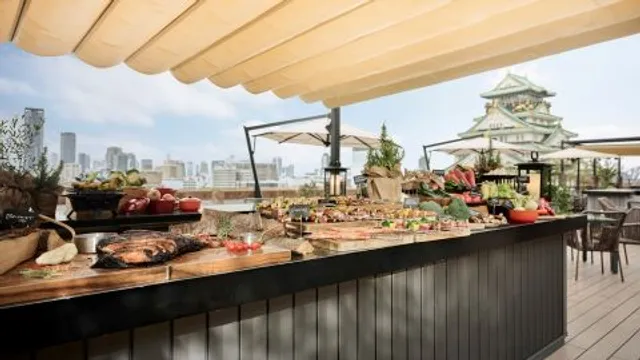
BLUE BIRDS ROOF TOP TERRACE
Japan, 〒540-0002 Osaka, Chuo Ward, Osakajo, 1−1 MIRAIZA OSAKA-JO内 ROOFTOP
The Konamon Bar Rikyu
Japan, 〒540-0002 Osaka, Chuo Ward, Osakajo, 1−1 MIRAIZA OSAKA-JO1階
crossfield with TERRACE LOUNGE
Japan, 〒540-0002 Osaka, Chuo Ward, Osakajo, 1−1 MIRAIZA OSAKA-JO内 2階
Japanese cuisine JURAKUAN ( KKR Hotel Osaka )
2-24 Banbacho, Chuo Ward, Osaka, 540-0007, Japan
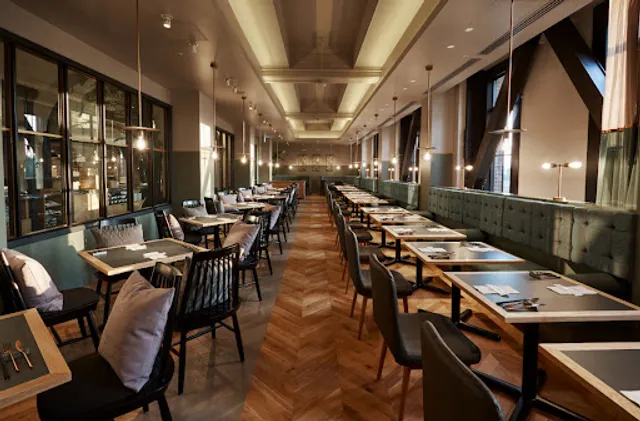
Restaurant RASPBERRY with MOON BAR
Japan, 〒540-0002 Osaka, Chuo Ward, Osakajo, 1−1 MIRAIZA OSAKA-JO内 3階
Parfait de Merrily(パルフェ・ド・メリリー)
3 Banbacho, Chuo Ward, Osaka, 540-0007, Japan
Osaka Geihinkan
2 Osakajo, Chuo Ward, Osaka, 540-0002, Japan
Shokudo Cafe potto x Tanita Cafe — Morinomiya Q's Mall
Japan, 〒540-0003 Osaka, Chuo Ward, Morinomiyachuo, 2 Chome−1−70 もりのみやキューズモール BASE2階
Asushoku
Japan, 〒540-0003 Osaka, Chuo Ward, Morinomiyachuo, 2 Chome−1−70 もりのみやキューズモールBASE 1F
一揚一杯 ICHIAGE IPPAI
1 Chome-16-21 Morinomiyachuo, Chuo Ward, Osaka, 540-0003, Japan
Nearby hotels
KKR Hotel Osaka
2-24 Banbacho, Chuo Ward, Osaka, 540-0007, Japan
Patina Osaka パティーナ大阪
Japan, 〒540-0007 Osaka, Chuo Ward, Banbacho, 3−91 パティーナ大阪
Hotel the Lutheran
3 Chome-1-6 Tanimachi, Chuo Ward, Osaka, 540-0012, Japan
Hotel Primrose Osaka
3 Chome-1-43 Otemae, Chuo Ward, Osaka, 540-0008, Japan
DoubleTree by Hilton Osaka Castle
1 Chome-1-1 Otemae, Chuo Ward, Osaka, 540-0008, Japan
Hotel Keihan Temmabashi
1 Chome-2-10 Tanimachi, Chuo Ward, Osaka, 540-0012, Japan
LUXCARE HOTEL
2 Chome-2-15 Tanimachi, Chuo Ward, Osaka, 540-0012, Japan
APA Hotel Osaka Temmabashi-Ekimae
1 Chome-3番8号 Tanimachi, Chuo Ward, Osaka, 540-0012, Japan
APA Hotel Osaka Tanimachi Yonchome-Ekimae
1 Chome-1-27 Noninbashi, Chuo Ward, Osaka, 540-0011, Japan
Toyoko INN Osaka Taniyon Kosaten
4 Chome-11-1 Tanimachi, Chuo Ward, Osaka, 540-0012, Japan
Related posts
Keywords
Toyotomi Hideyoshi Statue tourism.Toyotomi Hideyoshi Statue hotels.Toyotomi Hideyoshi Statue bed and breakfast. flights to Toyotomi Hideyoshi Statue.Toyotomi Hideyoshi Statue attractions.Toyotomi Hideyoshi Statue restaurants.Toyotomi Hideyoshi Statue travel.Toyotomi Hideyoshi Statue travel guide.Toyotomi Hideyoshi Statue travel blog.Toyotomi Hideyoshi Statue pictures.Toyotomi Hideyoshi Statue photos.Toyotomi Hideyoshi Statue travel tips.Toyotomi Hideyoshi Statue maps.Toyotomi Hideyoshi Statue things to do.
Toyotomi Hideyoshi Statue things to do, attractions, restaurants, events info and trip planning
Toyotomi Hideyoshi Statue
JapanOsaka PrefectureOsakaToyotomi Hideyoshi Statue

Basic Info

Toyotomi Hideyoshi Statue

2-1 Osakajo, Chuo Ward, Osaka, 540-0002, Japan
4.3(88)
Open until 12:00 AM
Save
spot

Ratings & Description

Info

Cultural
Scenic
Family friendly
attractions: Osaka Castle Park, Hokoku Shrine, Osaka Castle, Osaka Castle Main Tower (Osaka Castle Museum), Kaiyodo Figure Museum Miraiza Osaka-Jo, Huge Stones at Sakuramon-masugata Square, Sakuramon Gate, South Outer Moat, Osaka Castle’s Plum Grove, Nishinomaru Garden - Osaka Castle, restaurants: BLUE BIRDS ROOF TOP TERRACE, The Konamon Bar Rikyu, crossfield with TERRACE LOUNGE, Japanese cuisine JURAKUAN ( KKR Hotel Osaka ), Restaurant RASPBERRY with MOON BAR, Parfait de Merrily(パルフェ・ド・メリリー), Osaka Geihinkan, Shokudo Cafe potto x Tanita Cafe — Morinomiya Q's Mall, Asushoku, 一揚一杯 ICHIAGE IPPAI
logoLearn more insights from Wanderboat AI.
Phone
+81 6-6941-0229
Website
osaka-hokokujinja.org
Open hoursSee all hours
MonOpen 24 hoursOpen

Plan your stay

hotel
Pet-friendly Hotels in Osaka
Find a cozy hotel nearby and make it a full experience.

hotel
Affordable Hotels in Osaka
Find a cozy hotel nearby and make it a full experience.

hotel
The Coolest Hotels You Haven't Heard Of (Yet)
Find a cozy hotel nearby and make it a full experience.

hotel
Trending Stays Worth the Hype in Osaka
Find a cozy hotel nearby and make it a full experience.

Reviews

Nearby attractions of Toyotomi Hideyoshi Statue

Osaka Castle Park

Hokoku Shrine

Osaka Castle

Osaka Castle Main Tower (Osaka Castle Museum)

Kaiyodo Figure Museum Miraiza Osaka-Jo

Huge Stones at Sakuramon-masugata Square

Sakuramon Gate

South Outer Moat

Osaka Castle’s Plum Grove

Nishinomaru Garden - Osaka Castle

Osaka Castle Park

Osaka Castle Park

4.4

(17.9K)

Open 24 hours
Click for details
Hokoku Shrine

Hokoku Shrine

4.2

(1.1K)

Open 24 hours
Click for details
Osaka Castle

Osaka Castle

4.4

(30.8K)

Open 24 hours
Click for details
Osaka Castle Main Tower (Osaka Castle Museum)

Osaka Castle Main Tower (Osaka Castle Museum)

4.5

(2.4K)

Open 24 hours
Click for details

Things to do nearby

Osaka Shinsekai/Dotombori Walking Tour
Mon, Dec 8 • 2:30 PM
556-0003, Osaka, Osaka, Japan
View details
Experience making ramen in a private kitchen in Osaka!
Mon, Dec 8 • 9:30 AM
543-0021, Osaka, Osaka, Japan
View details
Make your own ink painting and stone seal
Tue, Dec 9 • 1:30 PM
582-0005, Osaka, Kashiwara, Japan
View details

Nearby restaurants of Toyotomi Hideyoshi Statue

BLUE BIRDS ROOF TOP TERRACE

The Konamon Bar Rikyu

crossfield with TERRACE LOUNGE

Japanese cuisine JURAKUAN ( KKR Hotel Osaka )

Restaurant RASPBERRY with MOON BAR

Parfait de Merrily(パルフェ・ド・メリリー)

Osaka Geihinkan

Shokudo Cafe potto x Tanita Cafe — Morinomiya Q's Mall

Asushoku

一揚一杯 ICHIAGE IPPAI

BLUE BIRDS ROOF TOP TERRACE

BLUE BIRDS ROOF TOP TERRACE

3.2

(257)

$$

Click for details
The Konamon Bar Rikyu

The Konamon Bar Rikyu

3.3

(136)

Click for details
crossfield with TERRACE LOUNGE

crossfield with TERRACE LOUNGE

4.1

(194)

$$

Click for details
Japanese cuisine JURAKUAN ( KKR Hotel Osaka )

Japanese cuisine JURAKUAN ( KKR Hotel Osaka )

4.2

(118)

$$

Click for details
Get the Appoverlay
Get the AppOne tap to find yournext favorite spots!
Wanderboat LogoWanderboat

Your everyday Al companion for getaway ideas

CompanyAbout Us
InformationAI Trip PlannerSitemap
SocialXInstagramTiktokLinkedin
LegalTerms of ServicePrivacy Policy

Get the app

© 2025 Wanderboat. All rights reserved.
logo

Reviews of Toyotomi Hideyoshi Statue

4.3
(88)
avatar
5.0
16w

I came across this statue during my brief visit to Osaka on 11 August 2025.

Statue and Legacy at Osaka Castle Park

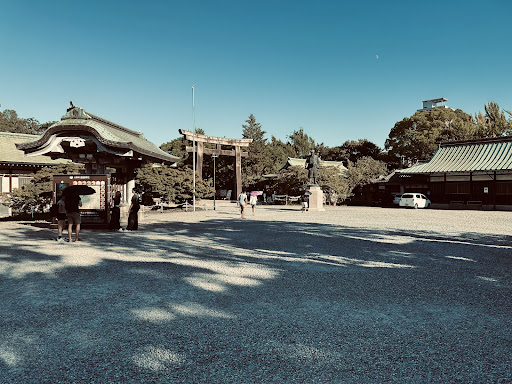
In the heart of Osaka Castle Park, framed by the torii gate and shrine buildings of Toyokuni Jinja, stands the imposing bronze statue of Toyotomi Hideyoshi — the man who rose from humble peasant origins to become the most powerful leader in Japan.

Its placement is deeply symbolic. This very ground was where Hideyoshi built Osaka Castle in 1583, a fortress of extraordinary scale and splendour that served as the political and military heart of a newly unified nation.

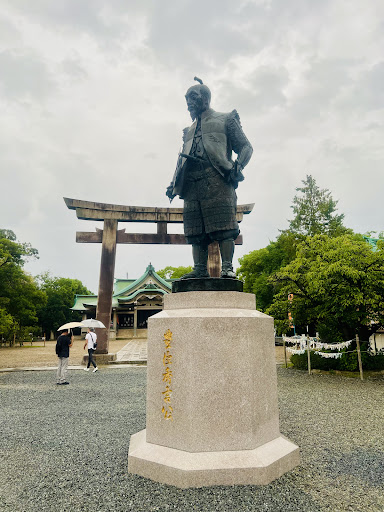
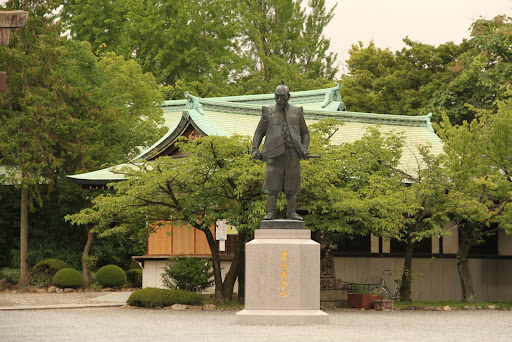
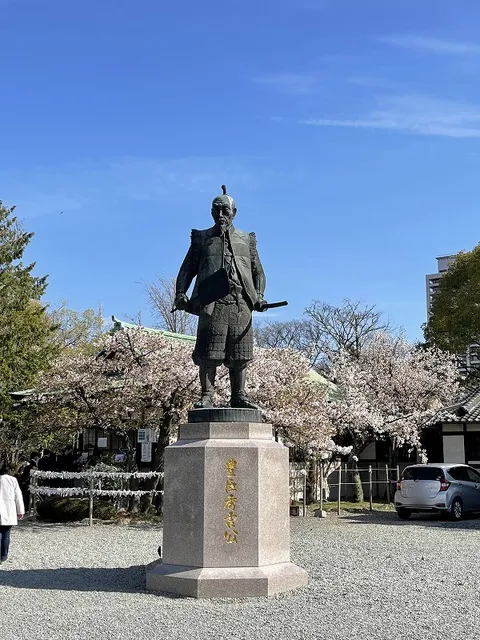
The statue portrays Hideyoshi in full samurai armour, his head protected by a jingasa-style helmet. In his right hand, he holds a gunbai uchiwa, the war fan of a commander; in his left, a scroll or baton — symbols of governance, reform, and strategic vision. His expression is calm but resolute, and his elevated stance on a polished granite pedestal gives the impression that he is still surveying the castle grounds he once commanded. The pedestal bears four vertical gold characters — 豊臣秀吉公 — which read “Lord Toyotomi Hideyoshi.” 豊臣 is the clan name granted to him by the Imperial Court, 秀吉 is his personal name, and 公 is an honorific meaning “Lord” or “Revered Person.” The inscription honours him not only as a historical figure but also as a deified spirit enshrined at Toyokuni Shrine directly behind the statue.

Hideyoshi’s life story is among the most extraordinary in Japanese history. Born in 1537 in Nakamura, Owari Province, as Hiyoshi-maru, the son of a poor farmer and foot soldier, he began life with no sword, no crest, and no noble lineage. Through ambition, adaptability, and sheer determination, he entered the service of Oda Nobunaga — first as a sandal-bearer, later as a trusted general. His ingenuity was evident in feats such as the rapid construction of Sunomata Castle, and his skill in diplomacy and warfare earned him Nobunaga’s confidence.

In 1582, tragedy struck when Nobunaga was betrayed and killed in the Honnō-ji Incident. Hideyoshi moved swiftly, defeating the traitor Akechi Mitsuhide at the Battle of Yamazaki and avenging his lord. Over the next eight years, he subdued rival warlords, brought distant provinces under his control, and completed the unification of Japan in 1590 after the siege of Odawara against the Hōjō clan. As Kampaku (Imperial Regent) and later Taikō (Retired Regent), he reshaped Japan with sweeping reforms: the Sword Hunt Edict disarmed peasants to maintain order, the Taikō Kenchi land survey standardized taxation and governance, and his patronage elevated the tea ceremony, architecture, and theatre to cultural heights.

In his later years, Hideyoshi turned his ambitions abroad, launching two invasions of Korea between 1592 and 1598 with the aim of expanding into Ming China. These campaigns ultimately failed, and illness overtook him during the second expedition. He died in 1598 at Fushimi Castle, leaving his young son Hideyori as heir. Within a generation, the Toyotomi clan fell to Tokugawa Ieyasu after the Siege of Osaka, but Hideyoshi’s legacy as a unifier, reformer, and builder endured. Standing before this statue today, one sees more than a work of bronze. The armour and fan evoke his brilliance as a strategist, the scroll reflects his reforms, and the shrine behind him speaks of his elevation to divine status in Japanese cultural memory. In this place — the core of his former stronghold — the monument tells the full story of a barefoot boy from Owari who became the master...

   Read more
avatar
5.0
12w

Đây là tượng đồng của Toyotomi Hideyoshi (豊臣秀吉) – vị tướng vĩ đại đã xây dựng Lâu đài Osaka vào cuối thế kỷ 16. • Nằm trong khuôn viên gần lâu đài, tại 2-1 Osakajo, khu vực trung tâm công viên Osaka Castle. • Ngoài tượng chính của Hideyoshi, nơi này còn có các tượng kỷ niệm (“Công Đồng Tượng”) để vinh danh những nhân vật lịch sử gắn liền với thời kỳ này.

⸻

🏯 Ý nghĩa lịch sử • Toyotomi Hideyoshi (1537–1598): • Xuất thân từ nông dân nhưng trở thành một trong ba “đại nhân vật” thống nhất Nhật Bản (cùng Oda Nobunaga & Tokugawa Ieyasu). • Ông xây dựng Osaka Castle như trung tâm quyền lực quốc gia. • Công Đồng Tượng: biểu tượng tôn vinh không chỉ Hideyoshi mà cả di sản quân sự – văn hóa thời kỳ Azuchi–Momoyama. • Đây là điểm nhấn tưởng niệm giúp du khách hiểu rõ hơn về nguồn gốc của lâu đài và vai trò của Hideyoshi.

⸻

🎨 Đặc điểm nghệ thuật • Chất liệu: đồng, tạc với tư thế oai nghiêm của một võ tướng thời chiến. • Chi tiết: Hideyoshi trong bộ giáp truyền thống, tay cầm vũ khí, toát lên khí chất “đại tướng thống nhất thiên hạ”. • Không gian xung quanh: cây xanh, đường đi bộ, là nơi nhiều du khách dừng lại chụp ảnh trước khi vào tháp chính.

⸻

👨‍👩‍👧‍👦 Trải nghiệm tham quan • Người lớn: sẽ thấy ý nghĩa lịch sử, nhất là khi đã tham quan bên trong tháp lâu đài. • Trẻ em: có thể hơi trừu tượng, nhưng nếu cha mẹ kể về “một người từ nông dân trở thành lãnh chúa xây lâu đài” thì rất dễ thu hút các bé. • Check-in: tượng đồng uy nghi giữa bối cảnh Osaka Castle → background ảnh đẹp.

⸻

🕒 Thông tin tham quan • Nằm trong Osaka Castle Park → mở cửa tự do, miễn phí, 24/7. • Không cần vé (chỉ tòa tháp chính mới thu phí ¥600). • Nên ghé kết hợp khi đi tuyến: Sakuramon Gate → Huge Stones → Tượng Hideyoshi → Tenshukaku (tháp lâu đài).

⸻

✅ Đánh giá nhanh • Lịch sử – giá trị: 9/10 – gắn liền với người sáng lập Osaka Castle. • Kiến trúc – nghệ thuật: 8/10 – tượng đồng oai phong, giàu chi tiết. • Trải nghiệm du lịch: 8/10 – điểm dừng ngắn nhưng ý nghĩa. • Phù hợp gia đình: 7.5/10 – hữu ích nếu cha mẹ lồng ghép câu chuyện lịch sử.

⸻

🌟 Kết luận

Phong Thần Tú Cát – Công Đồng Tượng là điểm nhấn nhỏ nhưng giàu ý nghĩa trong công viên Lâu đài Osaka: • Giúp du khách hiểu rõ hơn về Toyotomi Hideyoshi – người đã xây dựng lâu đài. • Là một background đẹp để chụp ảnh lưu niệm. • Nên ghé như một phần của tuyến tham quan Osaka...

   Read more
avatar
3.0
41w

Toyotomi Hideyoshi, a famous general in the Warring States Period, the bronze statue is located in Osaka Castle, and the brilliant deeds of Toyotomi Hideyoshi's life are very attractive! Let's take a look at the first visit, there is also a Toyokuni Shrine dedicated to the Toyotomi family in...

   Read more
Page 1 of 7
Previous
Next

Posts

Azmi MahamadAzmi Mahamad
I came across this statue during my brief visit to Osaka on 11 August 2025. Statue and Legacy at Osaka Castle Park In the heart of Osaka Castle Park, framed by the torii gate and shrine buildings of Toyokuni Jinja, stands the imposing bronze statue of Toyotomi Hideyoshi — the man who rose from humble peasant origins to become the most powerful leader in Japan. Its placement is deeply symbolic. This very ground was where Hideyoshi built Osaka Castle in 1583, a fortress of extraordinary scale and splendour that served as the political and military heart of a newly unified nation. The statue portrays Hideyoshi in full samurai armour, his head protected by a jingasa-style helmet. In his right hand, he holds a gunbai uchiwa, the war fan of a commander; in his left, a scroll or baton — symbols of governance, reform, and strategic vision. His expression is calm but resolute, and his elevated stance on a polished granite pedestal gives the impression that he is still surveying the castle grounds he once commanded. The pedestal bears four vertical gold characters — 豊臣秀吉公 — which read “Lord Toyotomi Hideyoshi.” 豊臣 is the clan name granted to him by the Imperial Court, 秀吉 is his personal name, and 公 is an honorific meaning “Lord” or “Revered Person.” The inscription honours him not only as a historical figure but also as a deified spirit enshrined at Toyokuni Shrine directly behind the statue. Hideyoshi’s life story is among the most extraordinary in Japanese history. Born in 1537 in Nakamura, Owari Province, as Hiyoshi-maru, the son of a poor farmer and foot soldier, he began life with no sword, no crest, and no noble lineage. Through ambition, adaptability, and sheer determination, he entered the service of Oda Nobunaga — first as a sandal-bearer, later as a trusted general. His ingenuity was evident in feats such as the rapid construction of Sunomata Castle, and his skill in diplomacy and warfare earned him Nobunaga’s confidence. In 1582, tragedy struck when Nobunaga was betrayed and killed in the Honnō-ji Incident. Hideyoshi moved swiftly, defeating the traitor Akechi Mitsuhide at the Battle of Yamazaki and avenging his lord. Over the next eight years, he subdued rival warlords, brought distant provinces under his control, and completed the unification of Japan in 1590 after the siege of Odawara against the Hōjō clan. As Kampaku (Imperial Regent) and later Taikō (Retired Regent), he reshaped Japan with sweeping reforms: the Sword Hunt Edict disarmed peasants to maintain order, the Taikō Kenchi land survey standardized taxation and governance, and his patronage elevated the tea ceremony, architecture, and theatre to cultural heights. In his later years, Hideyoshi turned his ambitions abroad, launching two invasions of Korea between 1592 and 1598 with the aim of expanding into Ming China. These campaigns ultimately failed, and illness overtook him during the second expedition. He died in 1598 at Fushimi Castle, leaving his young son Hideyori as heir. Within a generation, the Toyotomi clan fell to Tokugawa Ieyasu after the Siege of Osaka, but Hideyoshi’s legacy as a unifier, reformer, and builder endured. Standing before this statue today, one sees more than a work of bronze. The armour and fan evoke his brilliance as a strategist, the scroll reflects his reforms, and the shrine behind him speaks of his elevation to divine status in Japanese cultural memory. In this place — the core of his former stronghold — the monument tells the full story of a barefoot boy from Owari who became the master of all Japan.
LUCAS NGUYENLUCAS NGUYEN
Đây là tượng đồng của Toyotomi Hideyoshi (豊臣秀吉) – vị tướng vĩ đại đã xây dựng Lâu đài Osaka vào cuối thế kỷ 16. • Nằm trong khuôn viên gần lâu đài, tại 2-1 Osakajo, khu vực trung tâm công viên Osaka Castle. • Ngoài tượng chính của Hideyoshi, nơi này còn có các tượng kỷ niệm (“Công Đồng Tượng”) để vinh danh những nhân vật lịch sử gắn liền với thời kỳ này. ⸻ 🏯 Ý nghĩa lịch sử • Toyotomi Hideyoshi (1537–1598): • Xuất thân từ nông dân nhưng trở thành một trong ba “đại nhân vật” thống nhất Nhật Bản (cùng Oda Nobunaga & Tokugawa Ieyasu). • Ông xây dựng Osaka Castle như trung tâm quyền lực quốc gia. • Công Đồng Tượng: biểu tượng tôn vinh không chỉ Hideyoshi mà cả di sản quân sự – văn hóa thời kỳ Azuchi–Momoyama. • Đây là điểm nhấn tưởng niệm giúp du khách hiểu rõ hơn về nguồn gốc của lâu đài và vai trò của Hideyoshi. ⸻ 🎨 Đặc điểm nghệ thuật • Chất liệu: đồng, tạc với tư thế oai nghiêm của một võ tướng thời chiến. • Chi tiết: Hideyoshi trong bộ giáp truyền thống, tay cầm vũ khí, toát lên khí chất “đại tướng thống nhất thiên hạ”. • Không gian xung quanh: cây xanh, đường đi bộ, là nơi nhiều du khách dừng lại chụp ảnh trước khi vào tháp chính. ⸻ 👨‍👩‍👧‍👦 Trải nghiệm tham quan • Người lớn: sẽ thấy ý nghĩa lịch sử, nhất là khi đã tham quan bên trong tháp lâu đài. • Trẻ em: có thể hơi trừu tượng, nhưng nếu cha mẹ kể về “một người từ nông dân trở thành lãnh chúa xây lâu đài” thì rất dễ thu hút các bé. • Check-in: tượng đồng uy nghi giữa bối cảnh Osaka Castle → background ảnh đẹp. ⸻ 🕒 Thông tin tham quan • Nằm trong Osaka Castle Park → mở cửa tự do, miễn phí, 24/7. • Không cần vé (chỉ tòa tháp chính mới thu phí ¥600). • Nên ghé kết hợp khi đi tuyến: Sakuramon Gate → Huge Stones → Tượng Hideyoshi → Tenshukaku (tháp lâu đài). ⸻ ✅ Đánh giá nhanh • Lịch sử – giá trị: 9/10 – gắn liền với người sáng lập Osaka Castle. • Kiến trúc – nghệ thuật: 8/10 – tượng đồng oai phong, giàu chi tiết. • Trải nghiệm du lịch: 8/10 – điểm dừng ngắn nhưng ý nghĩa. • Phù hợp gia đình: 7.5/10 – hữu ích nếu cha mẹ lồng ghép câu chuyện lịch sử. ⸻ 🌟 Kết luận Phong Thần Tú Cát – Công Đồng Tượng là điểm nhấn nhỏ nhưng giàu ý nghĩa trong công viên Lâu đài Osaka: • Giúp du khách hiểu rõ hơn về Toyotomi Hideyoshi – người đã xây dựng lâu đài. • Là một background đẹp để chụp ảnh lưu niệm. • Nên ghé như một phần của tuyến tham quan Osaka Castle Park.
J CJ C
Toyotomi Hideyoshi, a famous general in the Warring States Period, the bronze statue is located in Osaka Castle, and the brilliant deeds of Toyotomi Hideyoshi's life are very attractive! Let's take a look at the first visit, there is also a Toyokuni Shrine dedicated to the Toyotomi family in Osaka Castle
See more posts
See more posts
hotel
Find your stay

Pet-friendly Hotels in Osaka

Find a cozy hotel nearby and make it a full experience.

I came across this statue during my brief visit to Osaka on 11 August 2025. Statue and Legacy at Osaka Castle Park In the heart of Osaka Castle Park, framed by the torii gate and shrine buildings of Toyokuni Jinja, stands the imposing bronze statue of Toyotomi Hideyoshi — the man who rose from humble peasant origins to become the most powerful leader in Japan. Its placement is deeply symbolic. This very ground was where Hideyoshi built Osaka Castle in 1583, a fortress of extraordinary scale and splendour that served as the political and military heart of a newly unified nation. The statue portrays Hideyoshi in full samurai armour, his head protected by a jingasa-style helmet. In his right hand, he holds a gunbai uchiwa, the war fan of a commander; in his left, a scroll or baton — symbols of governance, reform, and strategic vision. His expression is calm but resolute, and his elevated stance on a polished granite pedestal gives the impression that he is still surveying the castle grounds he once commanded. The pedestal bears four vertical gold characters — 豊臣秀吉公 — which read “Lord Toyotomi Hideyoshi.” 豊臣 is the clan name granted to him by the Imperial Court, 秀吉 is his personal name, and 公 is an honorific meaning “Lord” or “Revered Person.” The inscription honours him not only as a historical figure but also as a deified spirit enshrined at Toyokuni Shrine directly behind the statue. Hideyoshi’s life story is among the most extraordinary in Japanese history. Born in 1537 in Nakamura, Owari Province, as Hiyoshi-maru, the son of a poor farmer and foot soldier, he began life with no sword, no crest, and no noble lineage. Through ambition, adaptability, and sheer determination, he entered the service of Oda Nobunaga — first as a sandal-bearer, later as a trusted general. His ingenuity was evident in feats such as the rapid construction of Sunomata Castle, and his skill in diplomacy and warfare earned him Nobunaga’s confidence. In 1582, tragedy struck when Nobunaga was betrayed and killed in the Honnō-ji Incident. Hideyoshi moved swiftly, defeating the traitor Akechi Mitsuhide at the Battle of Yamazaki and avenging his lord. Over the next eight years, he subdued rival warlords, brought distant provinces under his control, and completed the unification of Japan in 1590 after the siege of Odawara against the Hōjō clan. As Kampaku (Imperial Regent) and later Taikō (Retired Regent), he reshaped Japan with sweeping reforms: the Sword Hunt Edict disarmed peasants to maintain order, the Taikō Kenchi land survey standardized taxation and governance, and his patronage elevated the tea ceremony, architecture, and theatre to cultural heights. In his later years, Hideyoshi turned his ambitions abroad, launching two invasions of Korea between 1592 and 1598 with the aim of expanding into Ming China. These campaigns ultimately failed, and illness overtook him during the second expedition. He died in 1598 at Fushimi Castle, leaving his young son Hideyori as heir. Within a generation, the Toyotomi clan fell to Tokugawa Ieyasu after the Siege of Osaka, but Hideyoshi’s legacy as a unifier, reformer, and builder endured. Standing before this statue today, one sees more than a work of bronze. The armour and fan evoke his brilliance as a strategist, the scroll reflects his reforms, and the shrine behind him speaks of his elevation to divine status in Japanese cultural memory. In this place — the core of his former stronghold — the monument tells the full story of a barefoot boy from Owari who became the master of all Japan.
Azmi Mahamad

Azmi Mahamad

hotel
Find your stay

Affordable Hotels in Osaka

Find a cozy hotel nearby and make it a full experience.

Get the Appoverlay
Get the AppOne tap to find yournext favorite spots!
Đây là tượng đồng của Toyotomi Hideyoshi (豊臣秀吉) – vị tướng vĩ đại đã xây dựng Lâu đài Osaka vào cuối thế kỷ 16. • Nằm trong khuôn viên gần lâu đài, tại 2-1 Osakajo, khu vực trung tâm công viên Osaka Castle. • Ngoài tượng chính của Hideyoshi, nơi này còn có các tượng kỷ niệm (“Công Đồng Tượng”) để vinh danh những nhân vật lịch sử gắn liền với thời kỳ này. ⸻ 🏯 Ý nghĩa lịch sử • Toyotomi Hideyoshi (1537–1598): • Xuất thân từ nông dân nhưng trở thành một trong ba “đại nhân vật” thống nhất Nhật Bản (cùng Oda Nobunaga & Tokugawa Ieyasu). • Ông xây dựng Osaka Castle như trung tâm quyền lực quốc gia. • Công Đồng Tượng: biểu tượng tôn vinh không chỉ Hideyoshi mà cả di sản quân sự – văn hóa thời kỳ Azuchi–Momoyama. • Đây là điểm nhấn tưởng niệm giúp du khách hiểu rõ hơn về nguồn gốc của lâu đài và vai trò của Hideyoshi. ⸻ 🎨 Đặc điểm nghệ thuật • Chất liệu: đồng, tạc với tư thế oai nghiêm của một võ tướng thời chiến. • Chi tiết: Hideyoshi trong bộ giáp truyền thống, tay cầm vũ khí, toát lên khí chất “đại tướng thống nhất thiên hạ”. • Không gian xung quanh: cây xanh, đường đi bộ, là nơi nhiều du khách dừng lại chụp ảnh trước khi vào tháp chính. ⸻ 👨‍👩‍👧‍👦 Trải nghiệm tham quan • Người lớn: sẽ thấy ý nghĩa lịch sử, nhất là khi đã tham quan bên trong tháp lâu đài. • Trẻ em: có thể hơi trừu tượng, nhưng nếu cha mẹ kể về “một người từ nông dân trở thành lãnh chúa xây lâu đài” thì rất dễ thu hút các bé. • Check-in: tượng đồng uy nghi giữa bối cảnh Osaka Castle → background ảnh đẹp. ⸻ 🕒 Thông tin tham quan • Nằm trong Osaka Castle Park → mở cửa tự do, miễn phí, 24/7. • Không cần vé (chỉ tòa tháp chính mới thu phí ¥600). • Nên ghé kết hợp khi đi tuyến: Sakuramon Gate → Huge Stones → Tượng Hideyoshi → Tenshukaku (tháp lâu đài). ⸻ ✅ Đánh giá nhanh • Lịch sử – giá trị: 9/10 – gắn liền với người sáng lập Osaka Castle. • Kiến trúc – nghệ thuật: 8/10 – tượng đồng oai phong, giàu chi tiết. • Trải nghiệm du lịch: 8/10 – điểm dừng ngắn nhưng ý nghĩa. • Phù hợp gia đình: 7.5/10 – hữu ích nếu cha mẹ lồng ghép câu chuyện lịch sử. ⸻ 🌟 Kết luận Phong Thần Tú Cát – Công Đồng Tượng là điểm nhấn nhỏ nhưng giàu ý nghĩa trong công viên Lâu đài Osaka: • Giúp du khách hiểu rõ hơn về Toyotomi Hideyoshi – người đã xây dựng lâu đài. • Là một background đẹp để chụp ảnh lưu niệm. • Nên ghé như một phần của tuyến tham quan Osaka Castle Park.
LUCAS NGUYEN

LUCAS NGUYEN

hotel
Find your stay

The Coolest Hotels You Haven't Heard Of (Yet)

Find a cozy hotel nearby and make it a full experience.

hotel
Find your stay

Trending Stays Worth the Hype in Osaka

Find a cozy hotel nearby and make it a full experience.

Toyotomi Hideyoshi, a famous general in the Warring States Period, the bronze statue is located in Osaka Castle, and the brilliant deeds of Toyotomi Hideyoshi's life are very attractive! Let's take a look at the first visit, there is also a Toyokuni Shrine dedicated to the Toyotomi family in Osaka Castle
J C

J C

See more posts
See more posts