Former Japanese National Railways, Temiya line things to do, attractions, restaurants, events info and trip planning

Basic Info
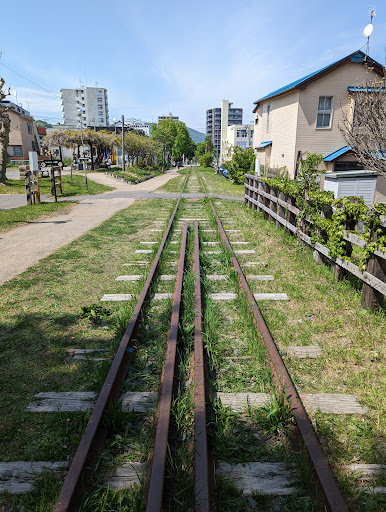
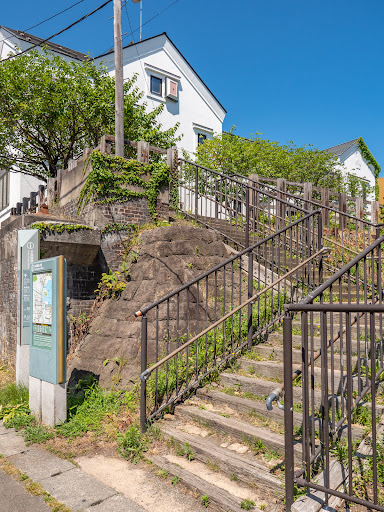
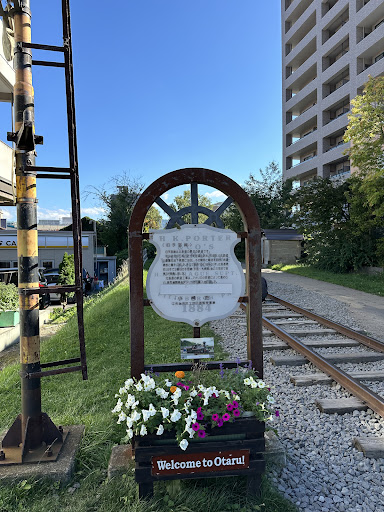
Former Japanese National Railways, Temiya line
1 Chome-7-14 Ironai, Otaru, Hokkaido 047-0031, Japan
4.1(704)
Open until 12:00 AM
Save
spot
spot
Ratings & Description
Info
Cultural
Outdoor
Scenic
Family friendly
Off the beaten path
attractions: Otaru Canal, Otaru Canal Cruise, Otaru Museum of History and Nature, Otaru Art Base, Stained Glass Museum, The Bank of Japan Otaru Museum, Otaru Literary Museum, Osa Winery, Otaru City Museum of Art, Nitori Museum of Art, restaurants: Mahoro, Café Ironai Shokudo, Uomasa, COTARU本店, Naruto Main Shop, すし耕, 石と鉄 STONE and IRON, Hokkaido cuisine & Seafood BBQ "Uoman" Otaru Station, Sushidokoro Kan, LeTao Canal Plaza Store, local businesses: Miyako dori Shopping Street, 小樽運河, OTARU TAISHOU GLASS MUSEUM, Otaru Station, 中央市場, Hokkaido Bank Head Office, Riyopuraju Otaruten, Otaru Romankan, Otaru Tourism Association, Otaru Station
 Learn more insights from Wanderboat AI.
Website
otaru.gr.jp
Open hoursSee all hours
TueOpen 24 hoursOpen
Plan your stay

Pet-friendly Hotels in Otaru
Find a cozy hotel nearby and make it a full experience.

Affordable Hotels in Otaru
Find a cozy hotel nearby and make it a full experience.

The Coolest Hotels You Haven't Heard Of (Yet)
Find a cozy hotel nearby and make it a full experience.

Trending Stays Worth the Hype in Otaru
Find a cozy hotel nearby and make it a full experience.
Reviews
Live events
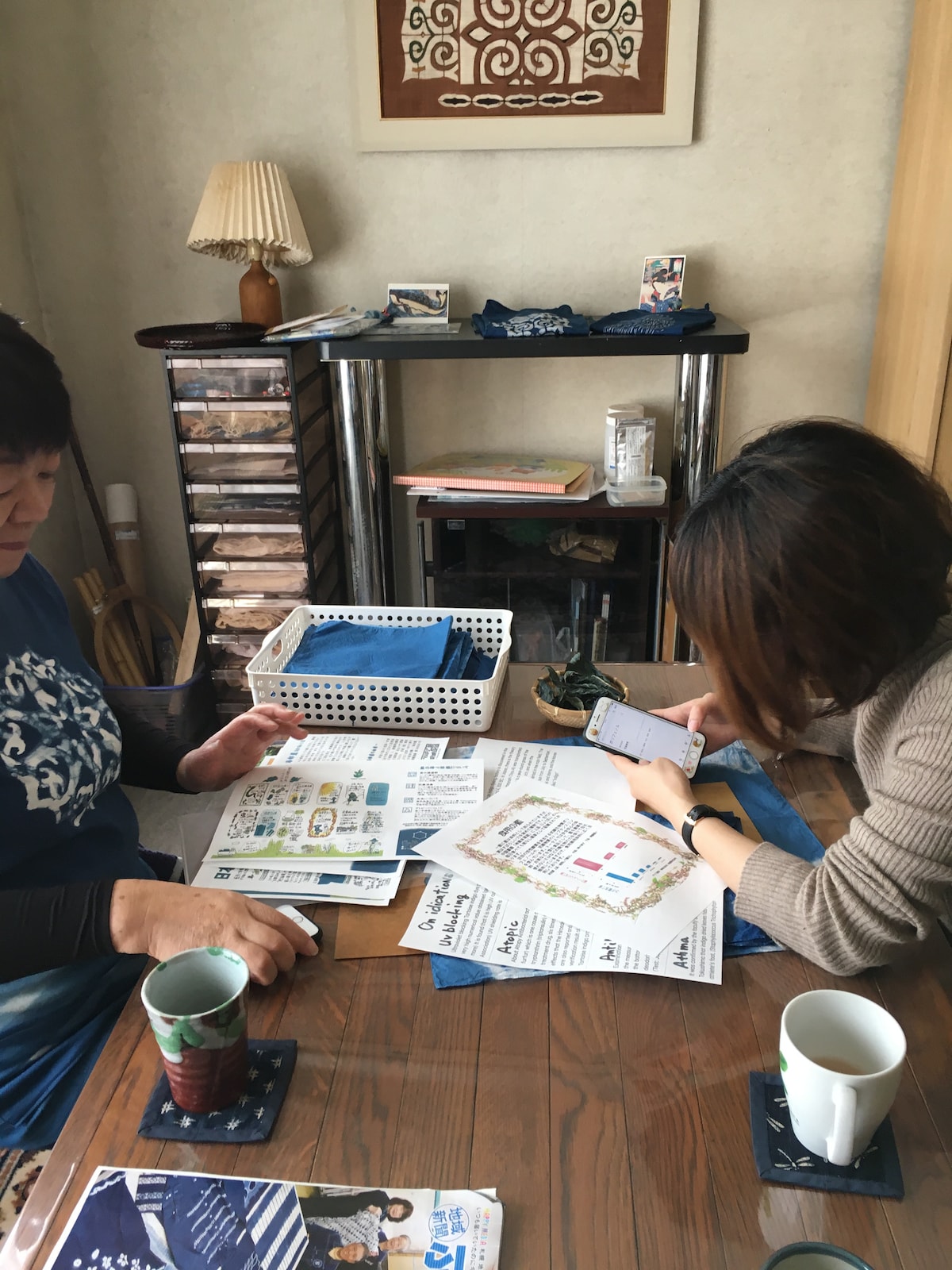
Make your own indigo dyed cloth
Thu, Jan 29 • 10:00 AM
001-0025, Hokkaido, Sapporo, Japan
View details
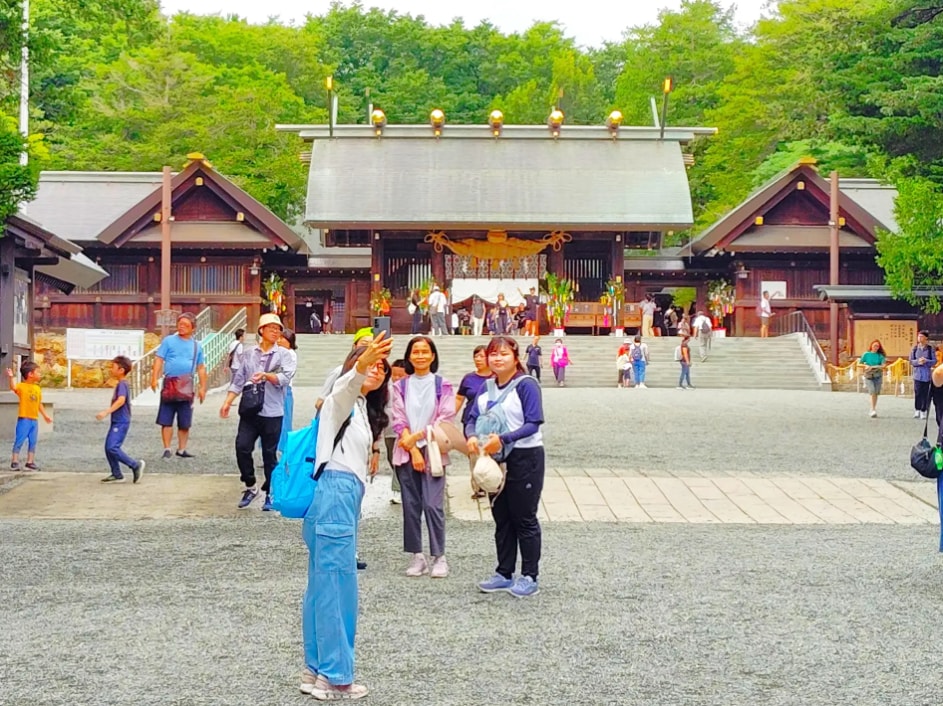
Sapporo Shrine & Ritual Walk with History & Sweets
Wed, Jan 28 • 9:00 AM
064-0959, Hokkaido, Sapporo, Japan
View details
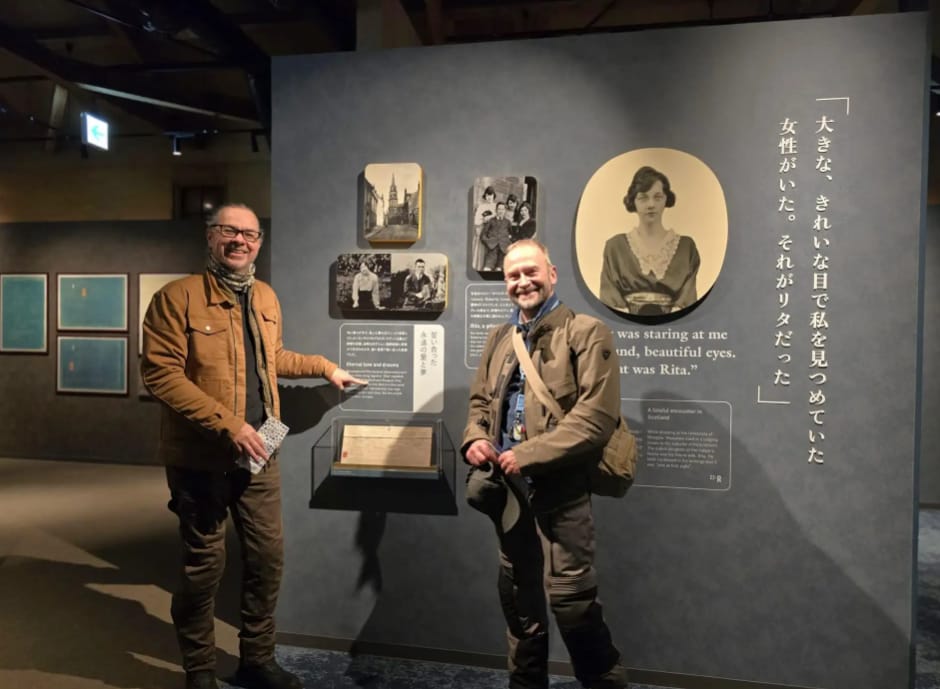
Hokkaido Nikka Yoichi Whiskey Museum Tour & Tasting
Wed, Jan 28 • 9:00 AM
046-0003, Hokkaido, Yoichi, Yoichi District, Japan
View details
Nearby attractions of Former Japanese National Railways, Temiya line
Otaru Canal
Otaru Canal Cruise
Otaru Museum of History and Nature
Otaru Art Base
Stained Glass Museum
The Bank of Japan Otaru Museum
Otaru Literary Museum
Osa Winery
Otaru City Museum of Art
Nitori Museum of Art
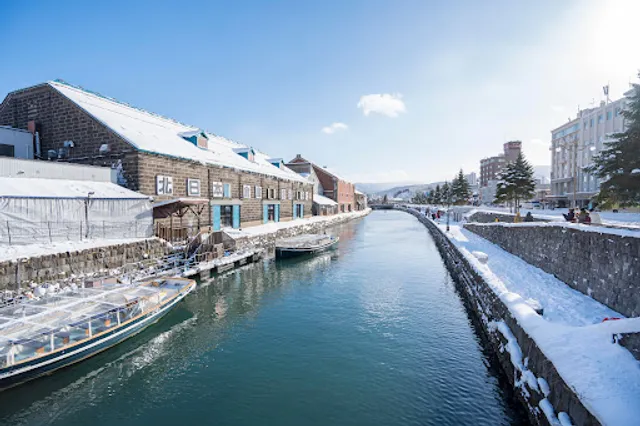
Otaru Canal
4.4
(2.4K)
Open until 12:00 AM
Click for details
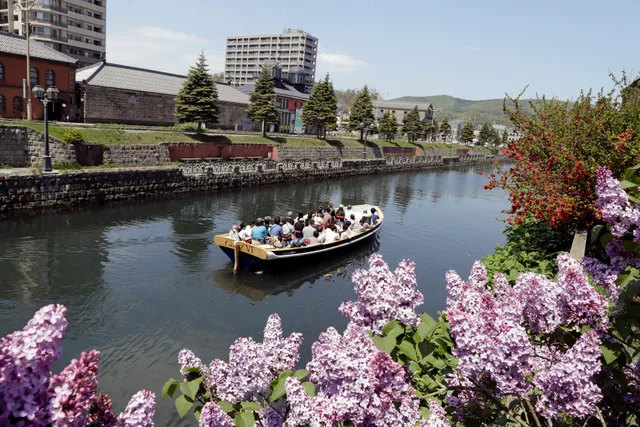
Otaru Canal Cruise
4.2
(1.3K)
Closed
Click for details
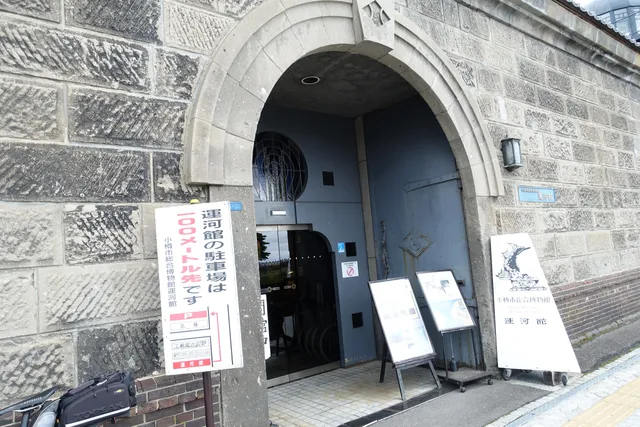
Otaru Museum of History and Nature
4.1
(327)
Closed
Click for details

Otaru Art Base
4.2
(472)
Closed
Click for details
Nearby restaurants of Former Japanese National Railways, Temiya line
Mahoro
Café Ironai Shokudo
Uomasa
COTARU本店
Naruto Main Shop
すし耕
石と鉄 STONE and IRON
Hokkaido cuisine & Seafood BBQ "Uoman" Otaru Station
Sushidokoro Kan
LeTao Canal Plaza Store
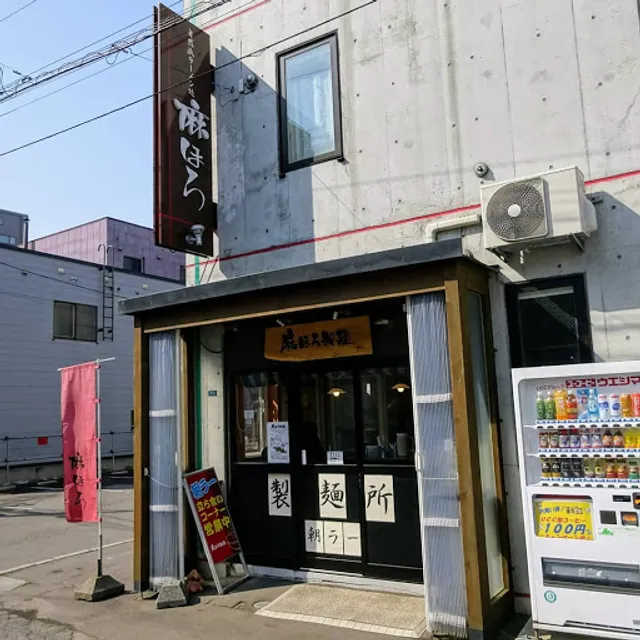
Mahoro
4.3
(354)
Open until 12:00 AM
Click for details
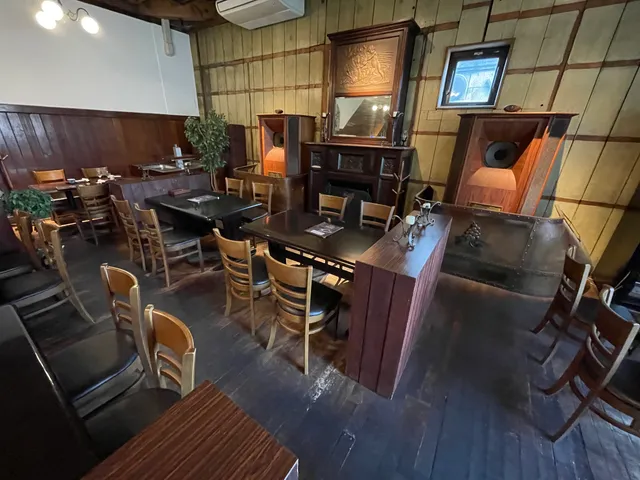
Café Ironai Shokudo
4.1
(422)
$
Closed
Click for details
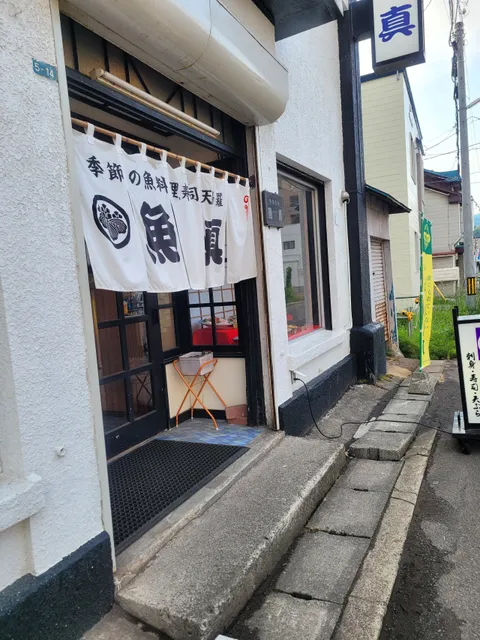
Uomasa
4.1
(777)
Open until 8:15 PM
Click for details
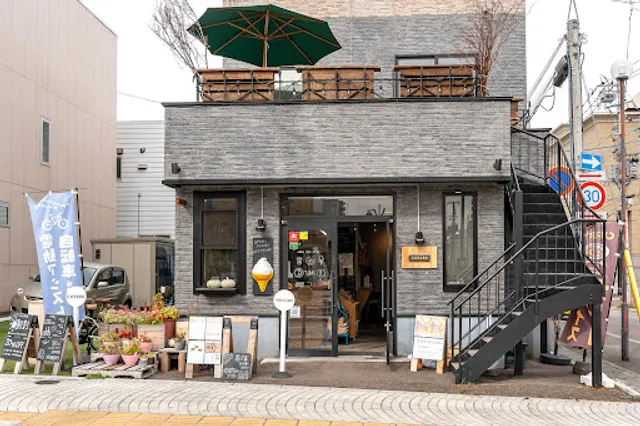
COTARU本店
4.3
(146)
Closed
Click for details
Nearby local services of Former Japanese National Railways, Temiya line
Miyako dori Shopping Street
小樽運河
OTARU TAISHOU GLASS MUSEUM
Otaru Station
中央市場
Hokkaido Bank Head Office
Riyopuraju Otaruten
Otaru Romankan
Otaru Tourism Association
Otaru Station

Miyako dori Shopping Street
3.6
(123)
Click for details
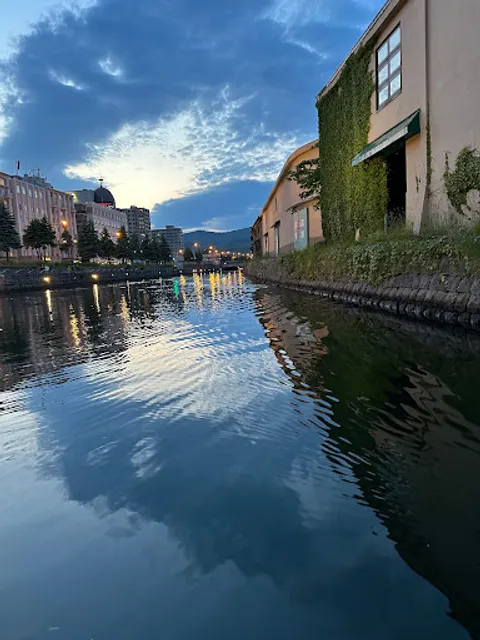
小樽運河
4.4
(531)
Click for details
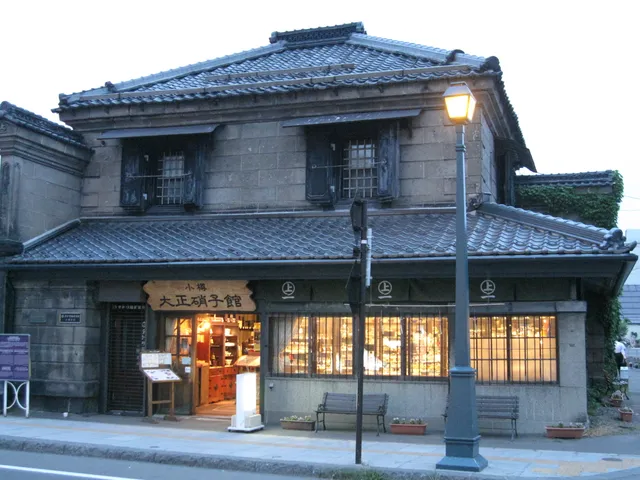
OTARU TAISHOU GLASS MUSEUM
4.1
(743)
Click for details
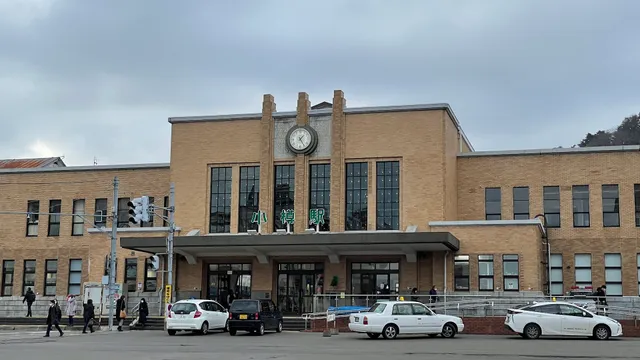
Otaru Station
4.2
(667)
Click for details