Daimyo Clock Museum things to do, attractions, restaurants, events info and trip planning
Basic Info
Daimyo Clock Museum
2 Chome-1-27 Yanaka, Taito City, Tokyo 110-0001, Japan
3.4(98)
Closed
Save
spot
spot
Ratings & Description
Info
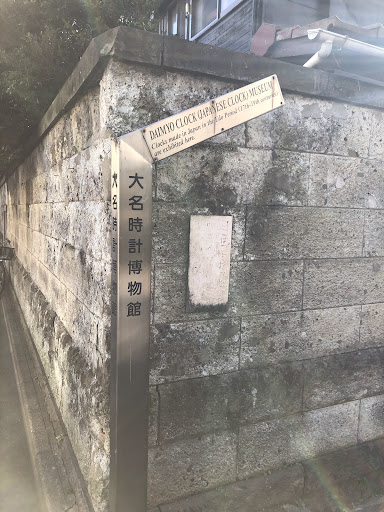
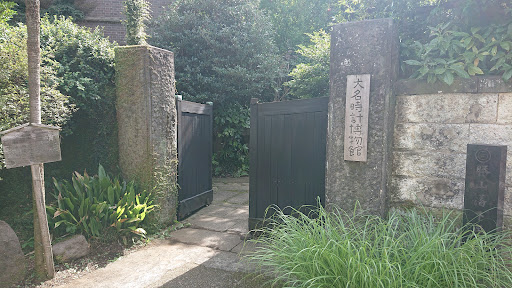
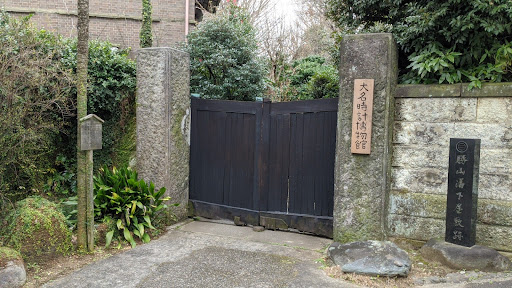
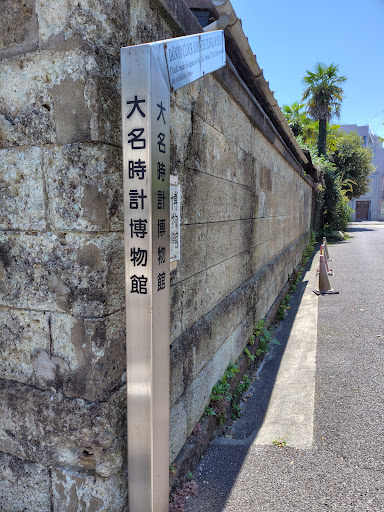
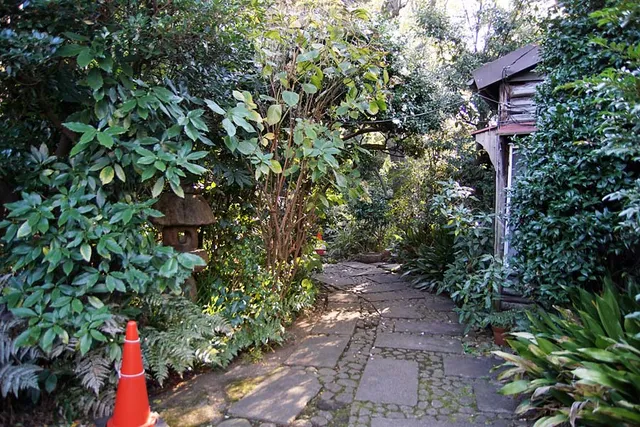
The Daimyo Clock Museum is a small community-run museum in Yanaka 2-chōme, Tokyo. The museum was established in 1972 to display Japanese clocks from the Edo period collected by Sakujiro Kamiguchi.
Cultural
Family friendly
Accessibility
attractions: Gyokurinji, Neko Machi Gallery, Art Sanctuary Allan West (Allan West's studio and gallery), Zenshoan Temple, SCAI The Bathhouse, フリュウ・ギャラリー, Ueno pavilion, the University Art Museum, Tokyo University of the Arts, The University Art Museum (Ueno), Tokyo University of the Arts, Gallery Marusan, Meioin, restaurants: COUZT CAFE + SHOP, Nenneko-ya, Bistro TOM, AOYAMA COFFEE ROASTER, Atariya Shokudō, MATCHA&ESPRESSO MIYANO-YU, Downtown B's Nezu, Chama Chama, Sincerite, Bonjour Mojo², local businesses: Takajō, Nichika Shrine of Enju-ji Temple, Tokyo Bike Yanaka, Rengeji Temple, Myokoji, Hiruneko Books, Honmyoin, Chounji Temple, Kayaba Coffee, Zuirinji Temple
 Learn more insights from Wanderboat AI.
Phone
+81 3-3821-6913
Open hoursSee all hours
Sat10 AM - 4 PMClosed
Plan your stay

Pet-friendly Hotels in Tokyo
Find a cozy hotel nearby and make it a full experience.

Affordable Hotels in Tokyo
Find a cozy hotel nearby and make it a full experience.

The Coolest Hotels You Haven't Heard Of (Yet)
Find a cozy hotel nearby and make it a full experience.

Trending Stays Worth the Hype in Tokyo
Find a cozy hotel nearby and make it a full experience.
Reviews
Live events

ザ・ジュリー・エクスペリエンス:ダイヤモンドと嘘、そして死体編
Fri, Mar 6 • 5:30 PM
東京都文京区後楽1丁目3−61 ジオポリス 内, 112-0004
View details
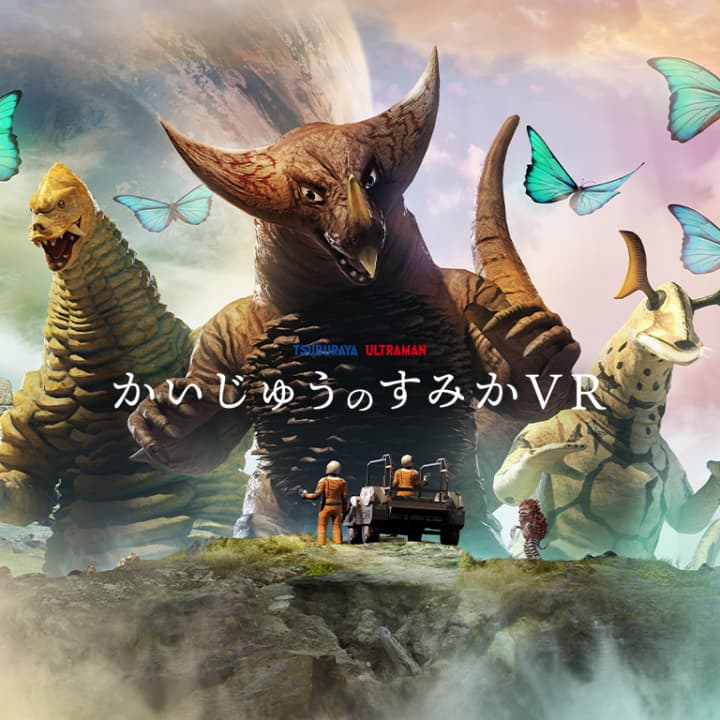
TYFFONIUM 新宿:かいじゅうのすみかVR
Sat, Feb 28 • 4:00 PM
東京都新宿区西新宿2-2-1 京王プラザホテル 南館2F (2-chōme-2-1 Nishishinjuku, Shinjuku City), 160-8330
View details
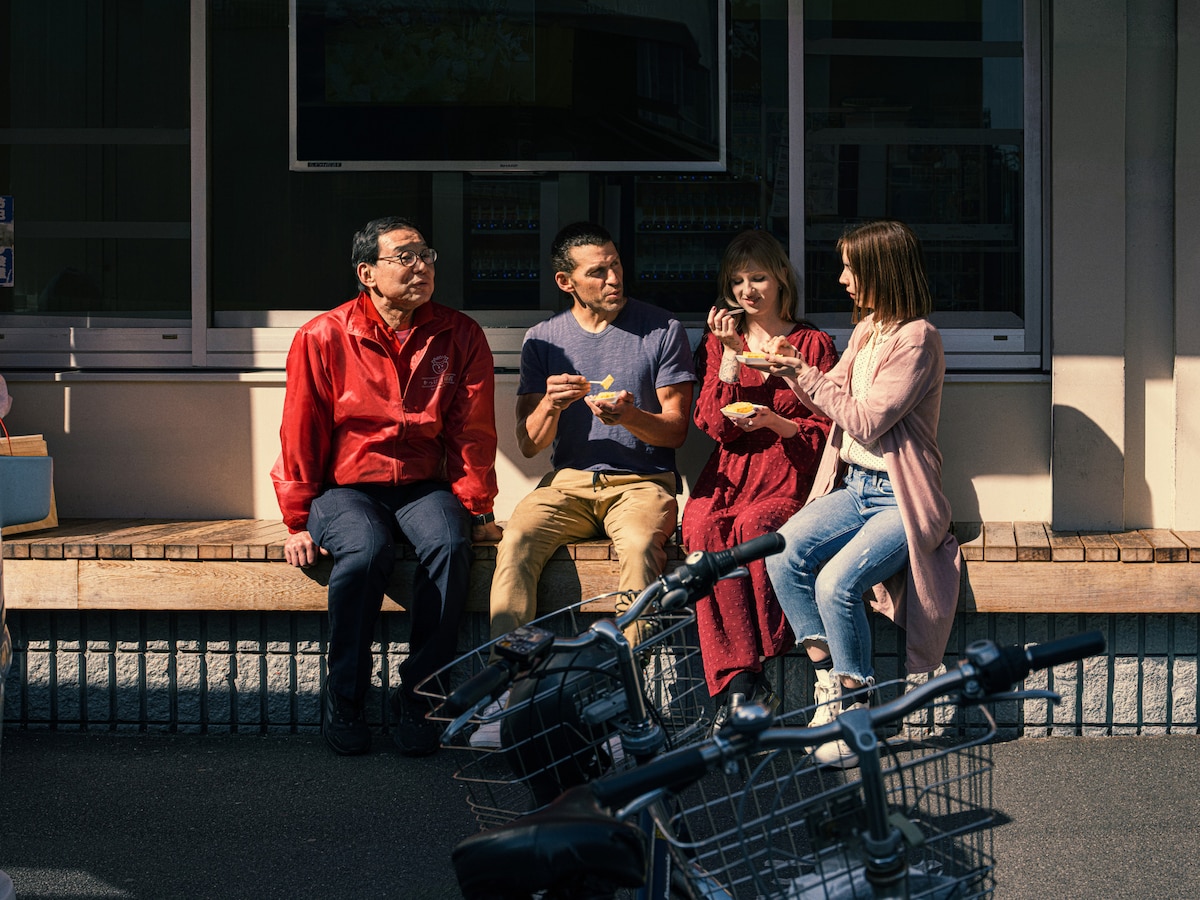
Toshi Experience World’s largest fish market tour
Sat, Feb 28 • 12:00 PM
135-0061, Tokyo Prefecture, Koto City, Japan
View details
Nearby attractions of Daimyo Clock Museum
Gyokurinji
Neko Machi Gallery
Art Sanctuary Allan West (Allan West's studio and gallery)
Zenshoan Temple
SCAI The Bathhouse
フリュウ・ギャラリー
Ueno pavilion, the University Art Museum, Tokyo University of the Arts
The University Art Museum (Ueno), Tokyo University of the Arts
Gallery Marusan
Meioin
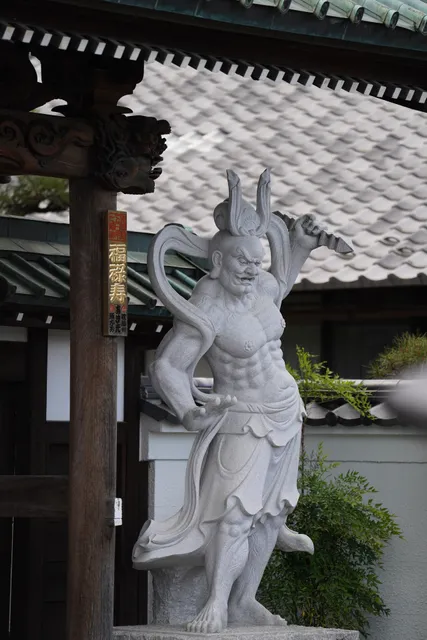
Gyokurinji
3.9
(87)
Open 24 hours
Click for details
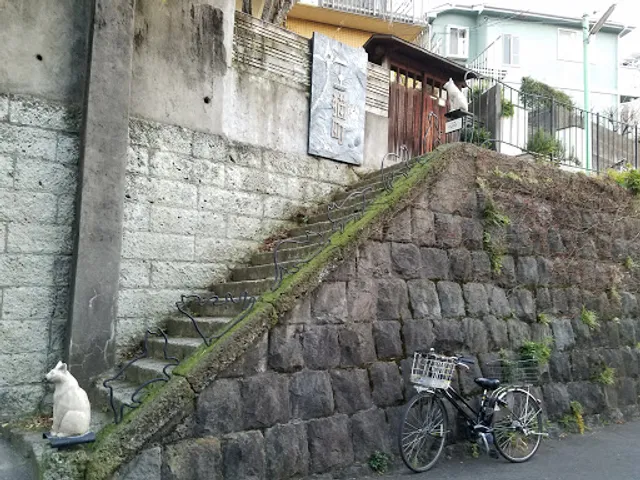
Neko Machi Gallery
4.2
(109)
Open until 6:00 PM
Click for details
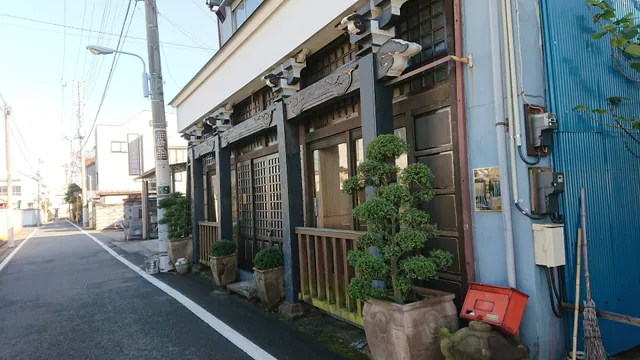
Art Sanctuary Allan West (Allan West's studio and gallery)
4.6
(24)
Closed
Click for details
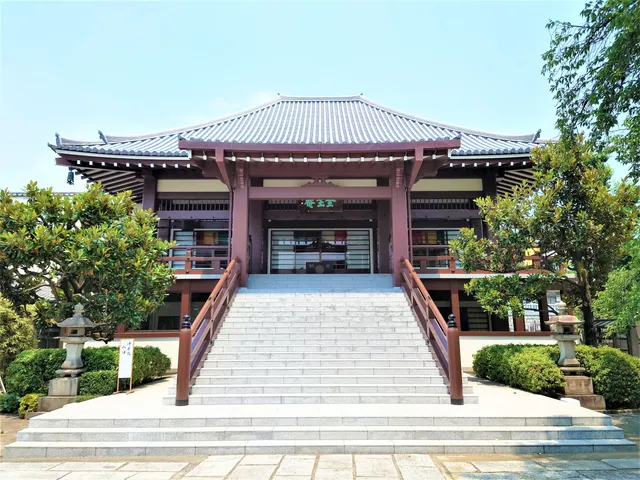
Zenshoan Temple
4.2
(190)
Open until 5:00 PM
Click for details
Nearby restaurants of Daimyo Clock Museum
COUZT CAFE + SHOP
Nenneko-ya
Bistro TOM
AOYAMA COFFEE ROASTER
Atariya Shokudō
MATCHA&ESPRESSO MIYANO-YU
Downtown B's Nezu
Chama Chama
Sincerite
Bonjour Mojo²
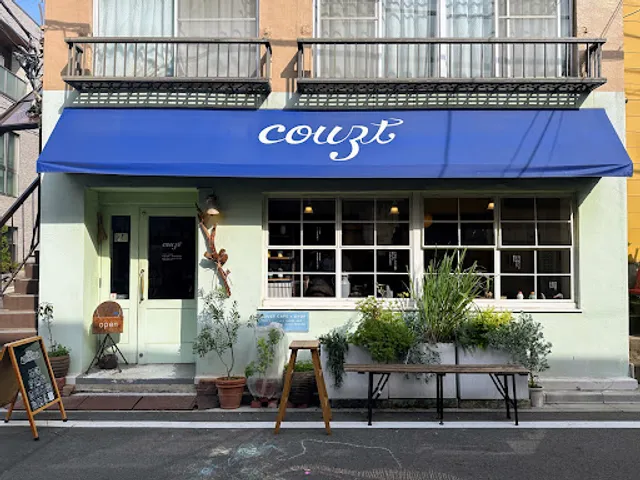
COUZT CAFE + SHOP
4.5
(134)
Open until 7:30 PM
Click for details
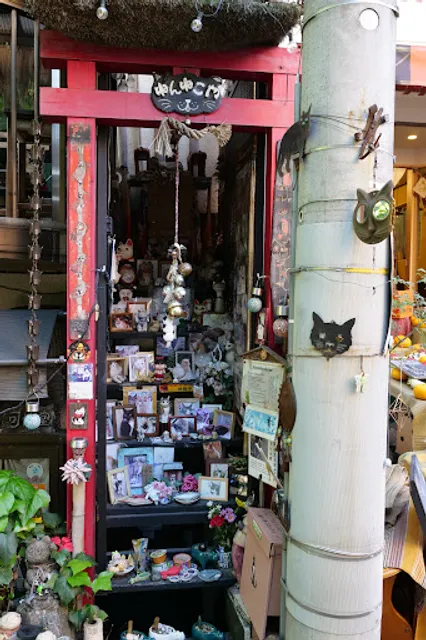
Nenneko-ya
4.0
(70)
Click for details
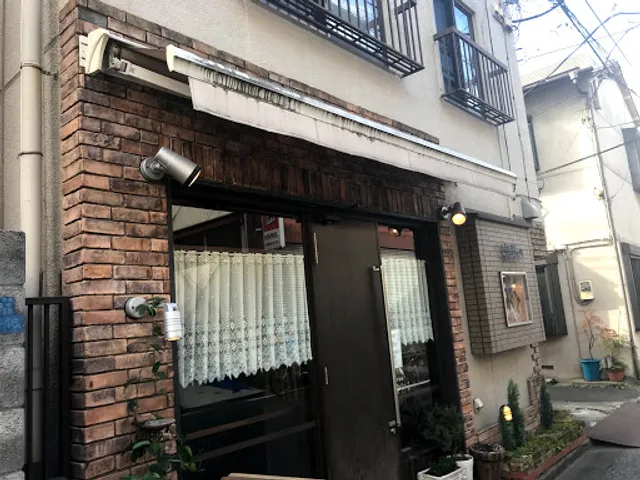
Bistro TOM
4.6
(40)
$
Closed
Click for details
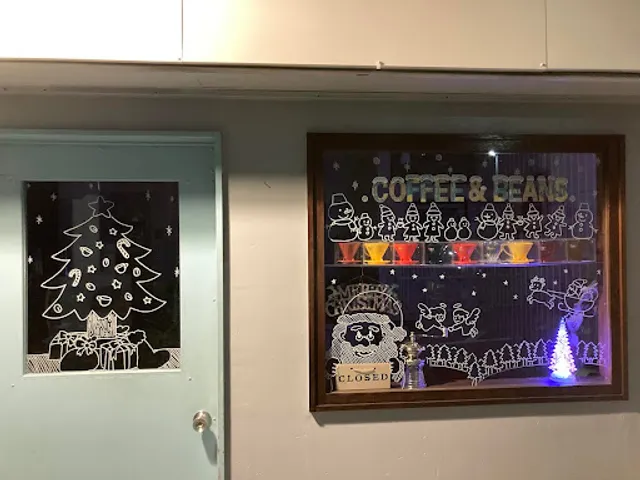
AOYAMA COFFEE ROASTER
4.9
(204)
Open until 6:00 PM
Click for details
Nearby local services of Daimyo Clock Museum
Takajō
Nichika Shrine of Enju-ji Temple
Tokyo Bike Yanaka
Rengeji Temple
Myokoji
Hiruneko Books
Honmyoin
Chounji Temple
Kayaba Coffee
Zuirinji Temple
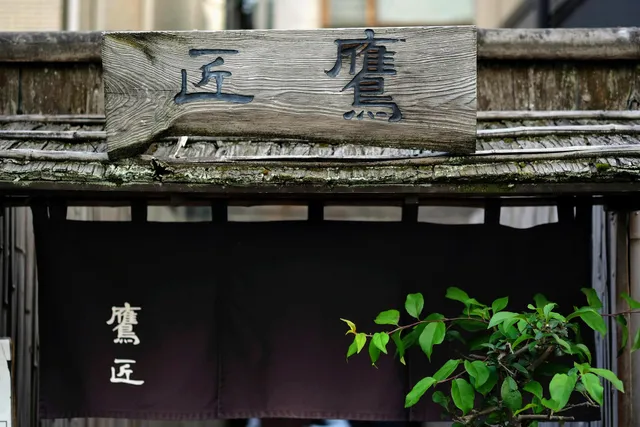
Takajō
4.4
(243)
Click for details
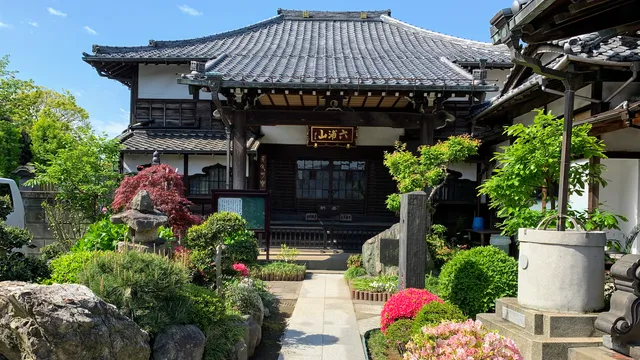
Nichika Shrine of Enju-ji Temple
4.2
(54)
Click for details

Tokyo Bike Yanaka
4.7
(114)
Click for details
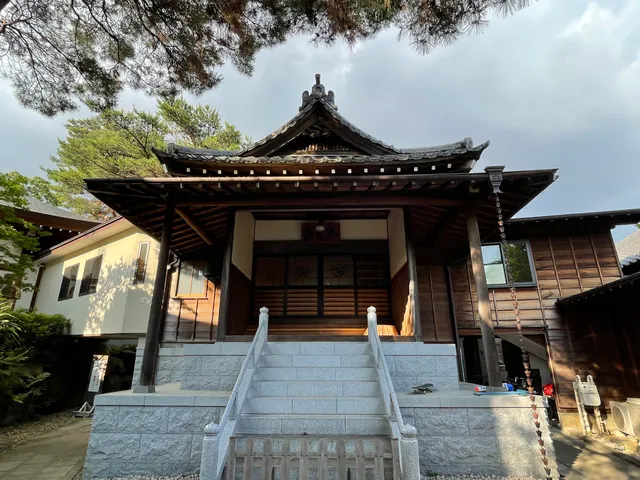
Rengeji Temple
4.0
(32)
Click for details