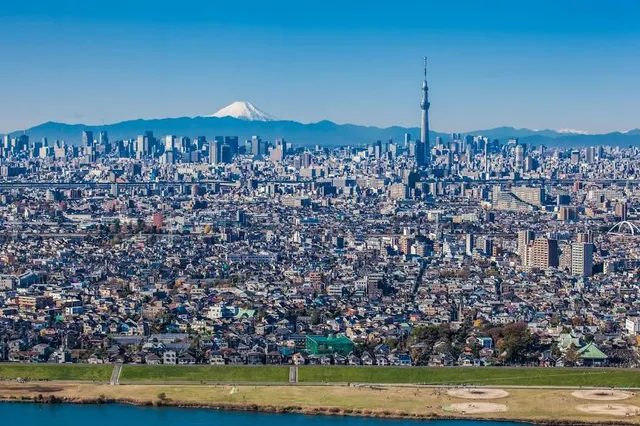
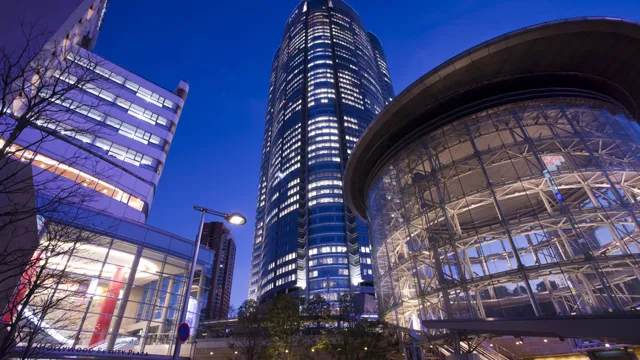
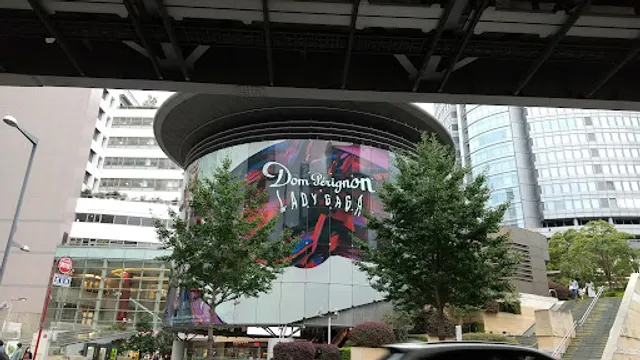
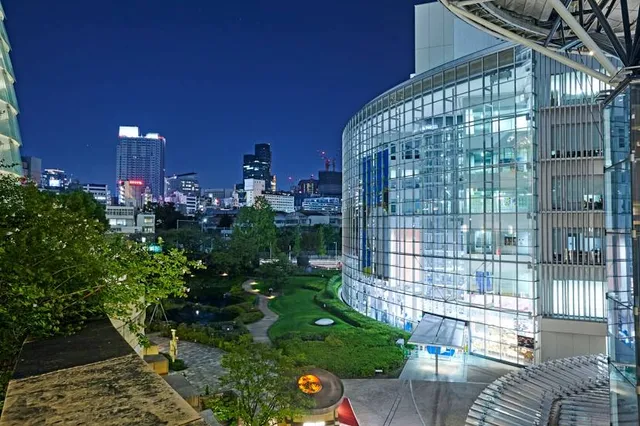
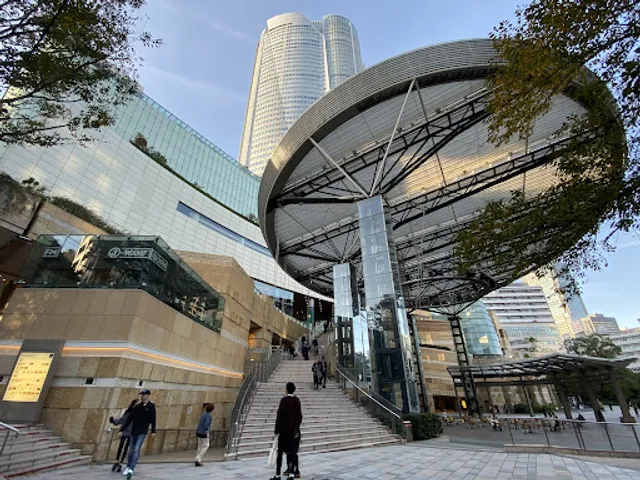
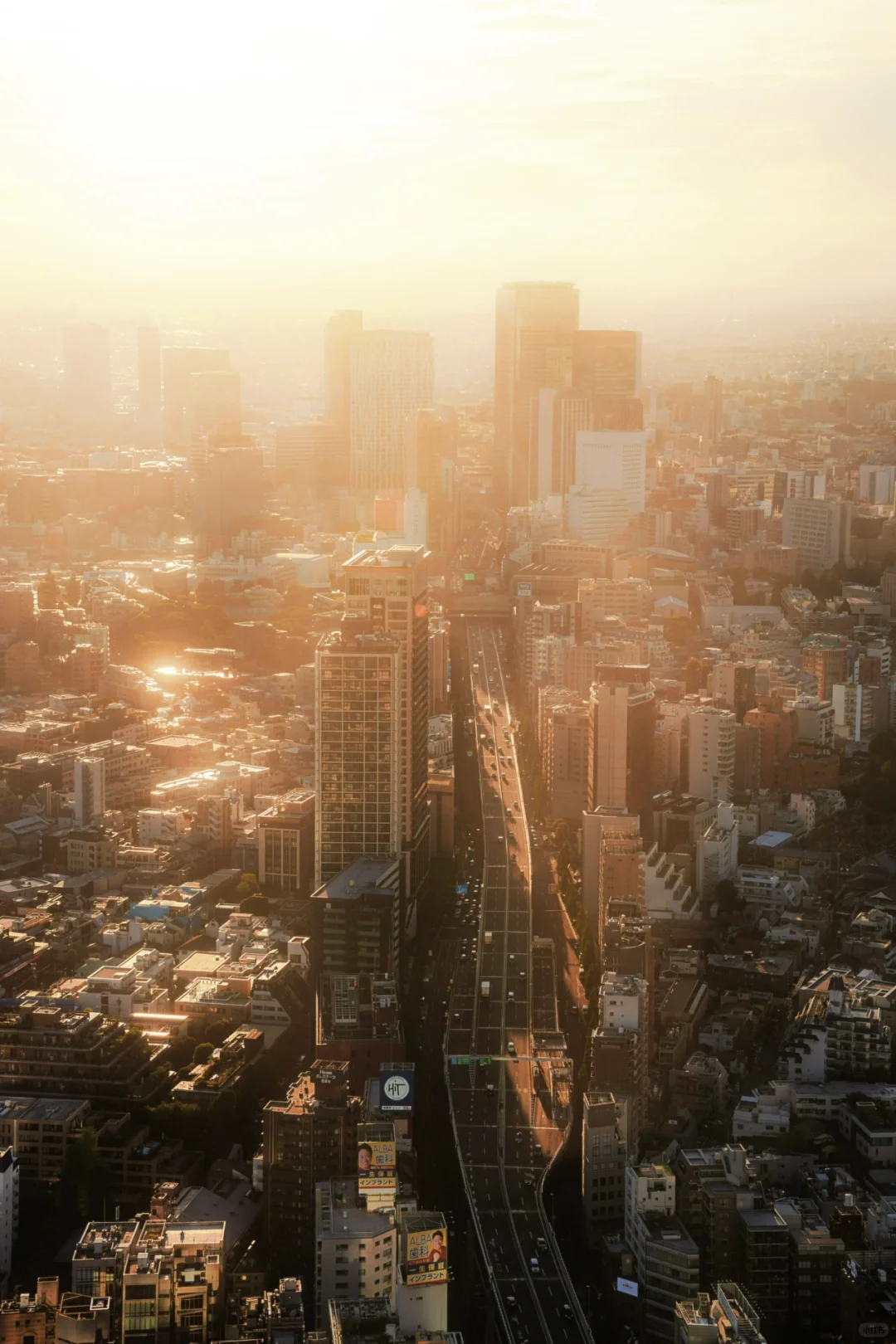
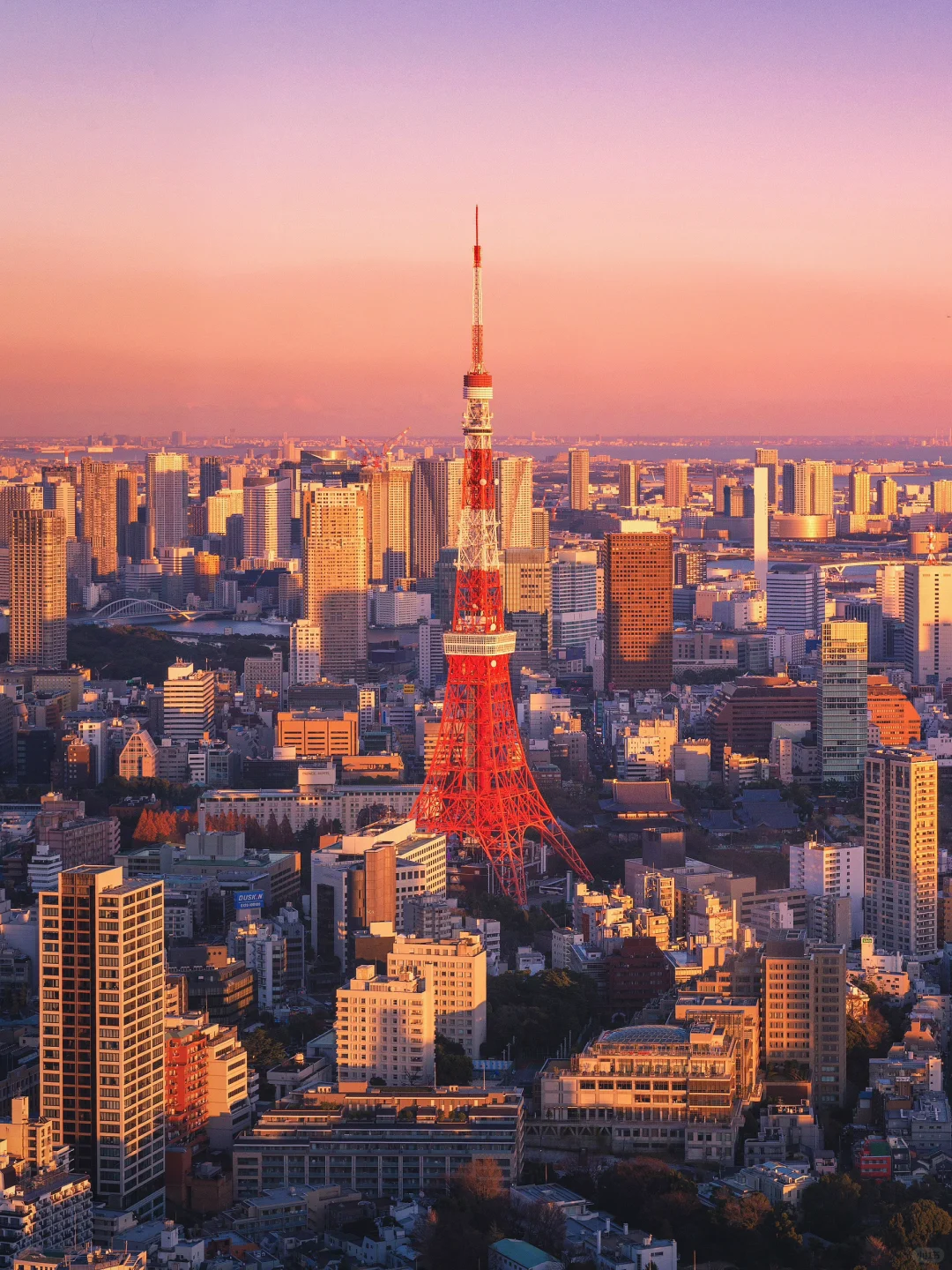
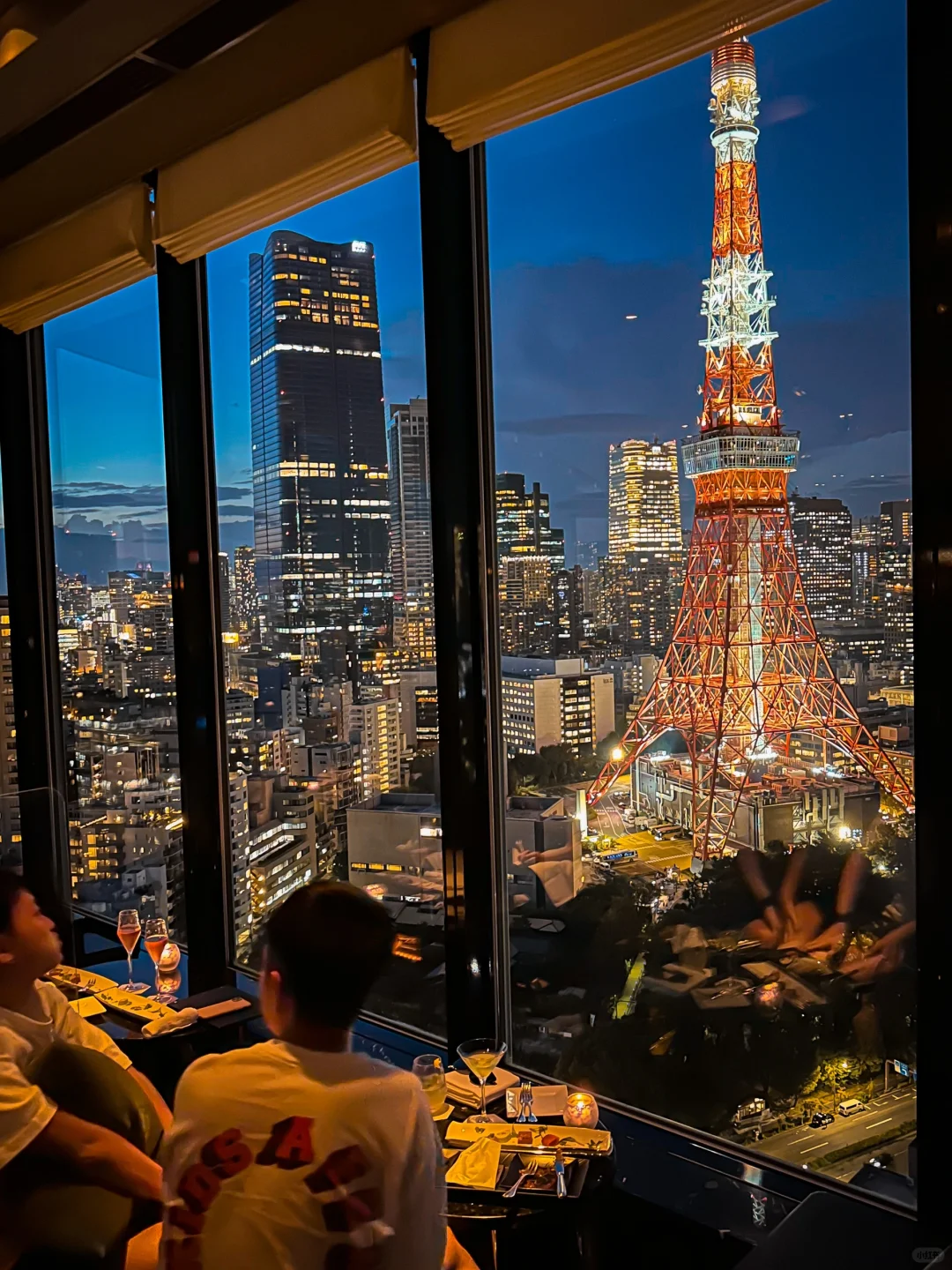
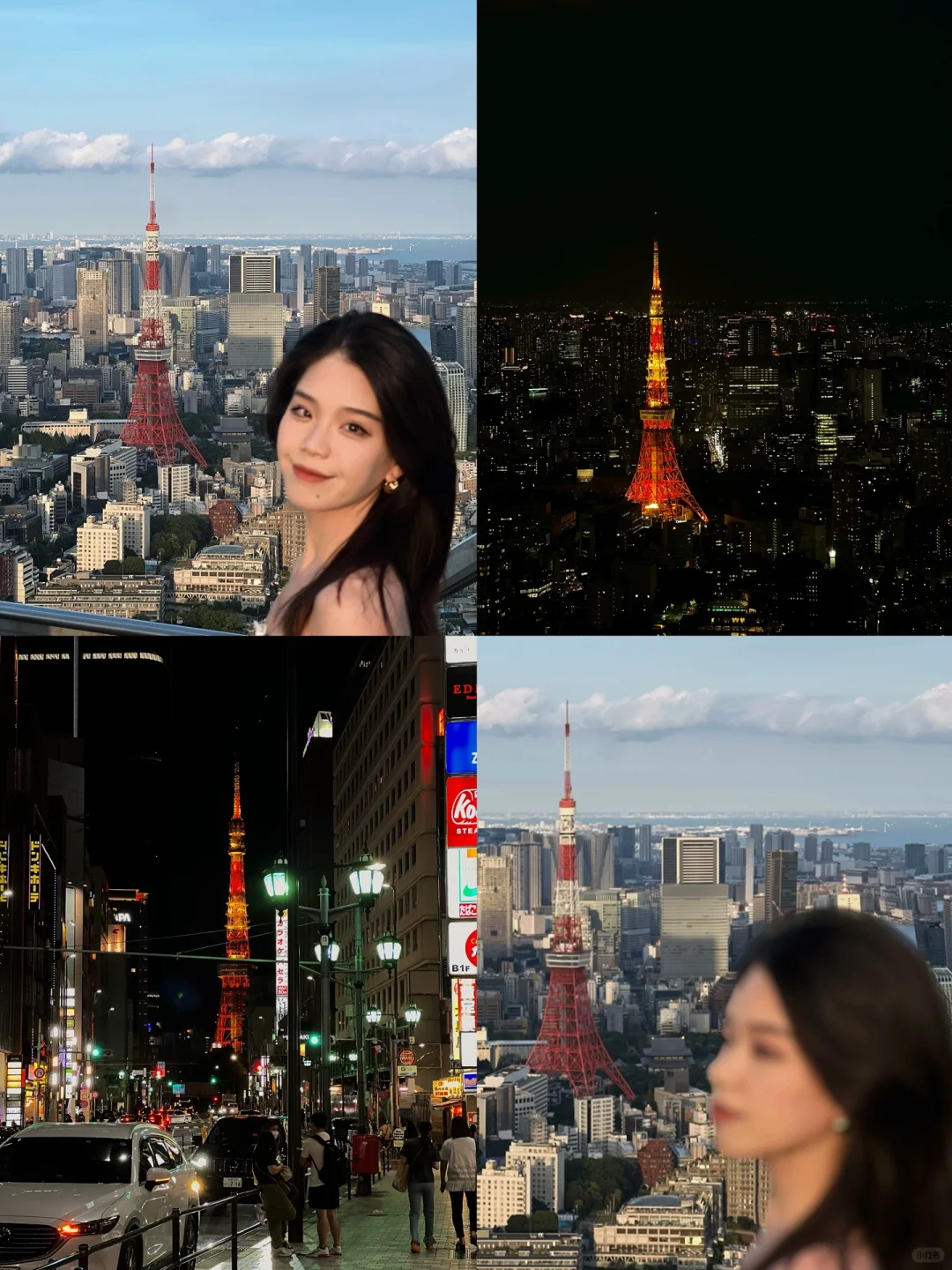
The Tokyo City View on 52nd floor of Roppongi Hills Mori Tower is an observatory deck where you can enjoy awe-inspiring Panaramic views of Tokyo city skylines. People will have a delightful time up on 52 floors especially when they visit the deck on a clear and brilliantly bright 😎 day. They will be dazzled to see all the famous landmarks such as Mount Fuji, Tokyo Skytree, Shinjuku, Tokyo Tower, Odaiba, Shinagawa, the Rainbow Bridge, and many other Tokyo landmarks under the crystal blue sky. Also people can spend a romantic evening with their loved ones watching astonishing sunset as well as sensational night view of Tokyo Tower and the city.
The Tokyo City View has two decks : the indoor deck and the rooftop Sky deck. The admission tickets (1800 yen per person) can be bought at the ground floor ticketing office or by online purchase. However the ticket does not include the admission to the Sky deck. You pay an extra 500 yen to buy the Sky deck ticket once you arrive at 52F indoor observatory deck. Originally we did not plan to visit this observatory deck, somehow we decided to make a quick visit before lunch. I wish I knew the admission ticket to the sky deck could be bought on 52/F because it was such a gorgeous sunny day. I think the sky deck ticket purchase option is a fairer deal for patrons. Why? You don’t have to pay in advance for sky deck ticket, plus you won’t waste your money if the weather is bad.
We bought the Shibuya sky tickets a month in advance and guess what? The day we scheduled to visit Shibuya Sky was a pretty windy and rainy day so the outdoor deck was closed. Really disappointed after a month long wait. At the entrance we were told that we could either get 80% refund or just visit the indoor observatory deck. So we chose to visit the indoor facilities since we were already there. Obviously the rather boring indoor deck was chaotic and packed with people. Everyone was eager to take photos and selfies at the 4 corners. While we were waiting to take a quick photo behind a column to avoid the reflections from the opposite wall slides show, a lady was busy taking numerous (I really mean lots and lots ) selfies for at least 10 mins. This was hilarious that someone could take so many selfies. Finally she realized that a long line of people were waiting and she was unwillingly moved aside to wait for her turn again! After I finished looking around the whole floor, I walked by the same spot: she was still hanging around there taking selfies! 😆
Anyway I wish I had the weather forecast super power then I would not have bought the Shibuya Sky tickets a month in advance. I think the option of buying “on the spot” sky deck admission ticket at the Tokyo City View is reasonable and fair to patrons. At least people have the option to decide to pay extra for the Sky deck or not and won’t waste their money (paid in advance) and be disappointed due to bad weather.
There are a total of 8 observatory decks in Tokyo for people to choose from. Four of them come with a hefty price tag, whilst two of them are free of charge.
Shibuya sky (46F) 2200 yen Tokyo tower 2800 yen Tokyo sky tree 2400 yen Tokyo city view (52/F) 1800 yen Tembo park sunshine 60 observatory 900 yen Fuji TV building Hachitama observations deck (25/F) 550 yen
Free observation decks Tokyo metropolitan government building observatory (south tower) Bunkyo civic center observation lounge (25/F)
Hope you enjoy the photos as much as I enjoy...
Read moreI didn’t find the entrance particularly well signposted but it’s a nice area to wander round with lots of shops and restaurants. Once in the lobby area though things are much more organised! I hadn’t pre-purchased tickets but there were clear queuing lines for those that had, but despite being just before sunset on a Tuesday evening it took no longer than three minutes to queue and buy one there. The staff behind the desk could speak good English and there was loads of information on display regarding prices and what was included in the price.
Once through the reception there’s loads of staff everywhere directing everyone to the right places and offering guidance, again in decent English. There’s plenty of descriptive signs to explain where you are and what can be seen from the various views, which adds to the educational aspect. There’s a strict limit on what can be taken to the top of the tower, so forget tripods or bottles of drink, but fortunately free lockers are provided to temporarily store everything. They aren’t the biggest and need a 100 yen coin to operate but there’s plenty available which is good.
There’s two different floors available for admiring the view, the indoor section as well as the roof. The roof is an additional charge but I’d highly recommend it. Although it’s not a completely unobstructed view (there are dishes and aerials etc in the way) it’s nice to not have the glass windows in the way and it feels a lot different to other observation towers. There was a professional photographer set up in the prime spot but there was no pressure to have your photo taken which was nice. There’s some atmospheric music pipped across the floor which adds a nice atmosphere but it’s great that there’s no time limits on being out there.
The floor below also offers great views across every perspective of the city. It’s a really spacious floor so even during busy times there’s no pushing or shoving to admire the view and the interior lights are dimmed at night to help prevent reflections. There’s lots of members of staff around should you need help and the facilities are plentiful and clean.
I would certainly say this is a must visit place if you haven’t seen the city from above. It’s great value for money and organised well and if you can visit just before sunset it’s a wonderful way to see the city...
Read more1868, the medieval city of Edo, seat of the Tokugawa government, was renamed Tokyo, and the offices of Tokyo Prefecture (-fu) were opened.[1] The extent of Tokyo Prefecture was initially limited to the former Edo city, but rapidly augmented to be comparable with the present Tokyo Metropolis. In 1878, the Meiji government's reorganization of local governments[a] subdivided prefectures into counties or districts (gun, further subdivided into towns and villages, later reorganized similar to Prussian districts) and districts or wards (ku) which were in ordinary prefectures cities as a whole, e.g. today's Hiroshima City (-shi) was then Hiroshima-ku; the three major cities of Tokyo, Osaka and Kyoto were each subdivided into several such wards. In Tokyo Prefecture, this created 15 wards (listed below) and six counties/districts.[2]
In 1888, the central government created the legal framework for the current system of cities (shi)[b] that granted some basic local autonomy rights – with some similarities to Prussia's system of local self-government as Meiji government advisor Albert Mosse heavily influenced the organization of local government.[3] But under a special imperial regulation,[c] Tokyo City, like Kyoto City and Osaka City, initially did not maintain a separate mayor; instead, the (appointed) governor of Tokyo Prefecture served as mayor of Tokyo City. The Tokyo city council/assembly (Tōkyō-shikai) was first elected in May 1889.[2] Each ward also retained its own assembly. City and prefectural government were separated in 1898.,[2] and the government began to appoint a separate mayor of Tokyo City in 1898, but retained ward-level legislation, which continues to this day in the special ward system. From 1926, the mayor was elected by the elected city council/assembly from its own ranks. The city hall of Tokyo was located in the Yūrakuchō district, on a site now occupied by the Tokyo...
Read more