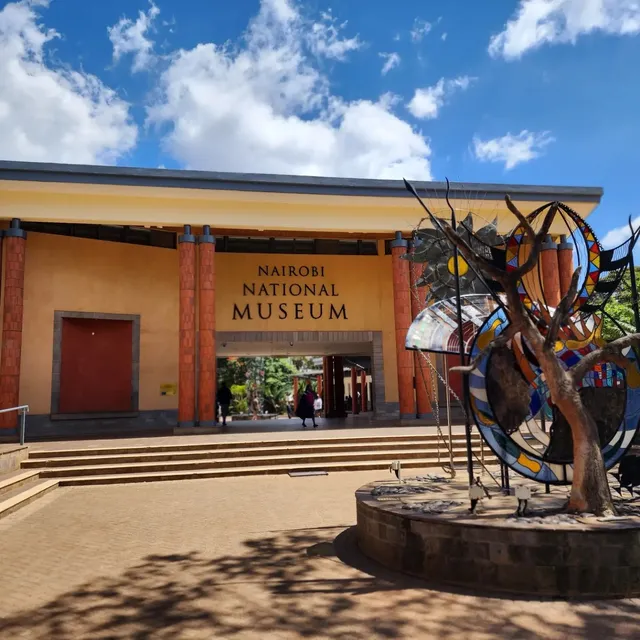
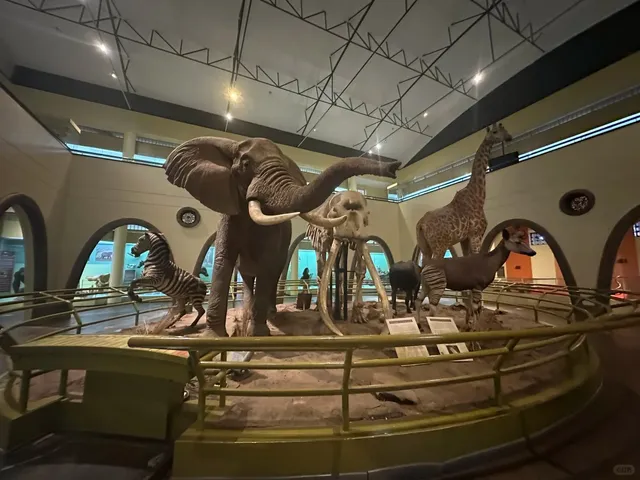
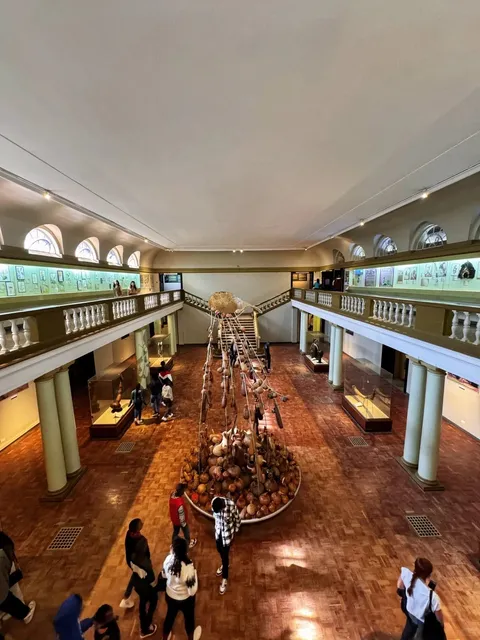
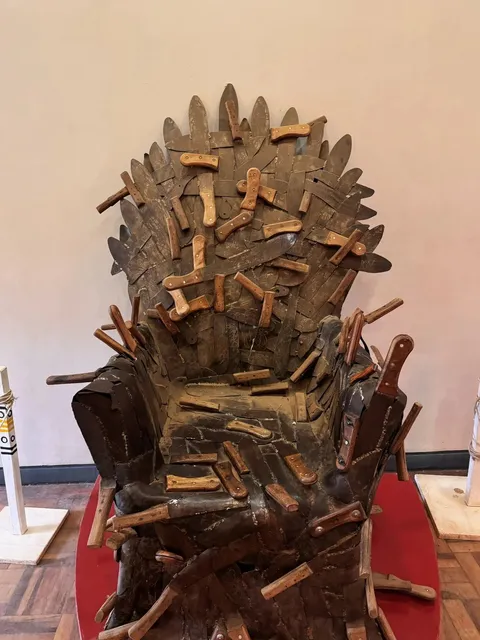
I confess that I had higher expectations of the Nairobi National Museum, especially after it underwent major refurbishment a few years back and being an enthusiast of all things anthropological. I was mostly delighted but slighly underwhlemed. The museum was founded by the East African Natural History Society in 1910. In 2005, it was closed for a major facelift and refurbishment. Funded by the European Union, the refurbishment was undertaken to give the museum a new face while trying to retain its old charm. There are both permanent and temporary galleries. In the Hall of Kenya Gallery, you can view various cultural aspects of the Kenyan people like musical instruments, basketry, ceremonial regalia and a beautiful collage of butterfly species found in the country. Somehow, the gallery doesn’t look or feel quite complete. Its centerpiece is a large mounting of gourds from different tribes of Kenya. The Great Hall of Mammals is a gallery that makes great use of taxidermy to enhance visual learning. You will find stuffings of a large range of mammals. My personal favourite is the Birds of East Africa Gallery. It has a wide and beautiful display of bird species that can be seen in East Africa arranged in 38 displays in order of the most primitive to the most intelligent birds. Kenya has a rich diversity of bird species and the museum even used to organize weekly birdwatching excursions for Ornithology enthusiasts and experts alike. For those who fascinated with anthropology, there is a gallery called Cradle of Humankind which displays fossils of early man from as long ago as six million years. Some of the world’s oldest fossils of humankind have been discovered in East Africa and a trip to the museum wouldn’t be complete without a visit to this gallery. The other permanent galleries are the History of Nairobi Museum gallery and the Cycles of Life gallery. There are also proprietary galleries, like the Rock Art Gallery which is run and administered by the Rock Art Foundation of Africa Occasionally, the museum hosts temporary thematic displays. I found two at the time of my visit; the Nairobi 24 Hours: From Dusk to Dawn and The Worlds of the Indian Ocean festival organized by the Aga Khan University and sponsored by different corporate organizations in Kenya. Outside the main gallery buildings there is a botanical garden and other areas that can be explored. The museum hosts a sculpting gallery and other organizations that have a close association to the work of the East Africa Natural History Society. Nairobi National Museum also hosts a snake park and marine aquarium. It is one of Nairobi's most visited...
Read moreThe Kenya National Museum is a captivating destination that offers a deep dive into Kenya's rich cultural, historical, and natural heritage. Located in Nairobi, the museum is one of the country's premier cultural institutions, showcasing a diverse collection that spans art, paleontology, anthropology, and zoology.
Pros:
Rich Collections: The museum is home to an extensive array of exhibits, including prehistoric fossils, ancient tools, and artifacts that tell the story of Kenya's evolution over millions of years. Highlights include the famous fossilized remains of early humans and various exhibits detailing the flora and fauna of Kenya.
Cultural Exhibitions: The museum celebrates Kenya’s cultural diversity through displays of traditional art, clothing, and crafts from various ethnic communities. It’s an enriching experience for anyone wanting to learn more about the country’s heritage.
Breathtaking Architecture and Grounds: The museum itself is housed in an elegant colonial-era building surrounded by well-maintained gardens. Visitors can stroll through the beautiful botanical gardens, which feature indigenous plant species, and the museum's rooftop offers panoramic views of Nairobi.
Educational Experience: Whether you're a history buff, a nature enthusiast, or someone interested in local art, the Kenya National Museum offers something for everyone. It’s an excellent spot for educational visits, providing insightful information for both adults and children.
Engaging Exhibits: The museum uses a combination of interactive displays and informative signage to make learning engaging and accessible. Its paleontology section, for example, features life-size replicas of prehistoric animals and human ancestors.
Cons:
Limited Modern Art Exhibits: While the museum excels in its historical and natural exhibits, some visitors may find its modern art collection less expansive compared to other international museums. However, there are occasional temporary exhibitions showcasing contemporary Kenyan art.
Occasional Crowds: As a popular tourist destination, the museum can get crowded, especially on weekends or during peak tourist seasons, which may make for a less relaxed experience.
Conclusion: The Kenya National Museum is a must-visit for anyone interested in exploring Kenya's rich history, culture, and natural wonders. Its diverse exhibits, stunning surroundings, and educational value make it an unforgettable stop for both locals and tourists alike. Whether you're a history enthusiast, nature lover, or art admirer, the museum offers a wealth of knowledge and...
Read moreI revisited the place after about 10 years, when I first did, it left no great impression on me, that is the reason I had to give it a second chance. This time, I was pleasantly surprised, from what I remembered, there were only about 3 rooms the first time I was there, this time there were at least 6 rooms with different "themes" each one. The more impressive for me were the Muslim history one, where it is described the way in which the links between Muslim cultures link to Kenya, and how this religion spread by means of commerce and products' exchanges. There is the display of several documents as well as dresses and "artifacts" illustrative to the exhibit. The second room that impressed me was the one with the fossil remains of the first human beings discovered in the Turkana Lake area, in my personal experience even this part of history and anthropology has been whitewashed, so it was a good exercise to relearn and question some of these aspects of evolution. The third one room that has imprinted something in me is the Joy Adamson's illustrations wing, specially the illustrations of the different tribes and groups, the "Peoples of Kenya", where I have to say, it is the first time I see an artist write the name of the individual and not only the "general" information.
Several other items in the collection captured my imagination and made me enjoy the time there. The reasons I am not giving 5 stars to the place are:
I additionally give credit to the didactic materials they have included for children visitors. If you go there early morning it is the more likely you will not find school groups, which could be a plus to take your time strolling the rooms. There is also a snake area in the outside wing, but they are not my favorite, so I skipped it. Take a little time to look at the outside architecture, as it looks as if the building itself has had a couple extensions (one thing I could not find information about). Finally, visit the shop for souvenirs, I found good quality ones that are at a better price than in the Masai markets in town, which is...
Read more