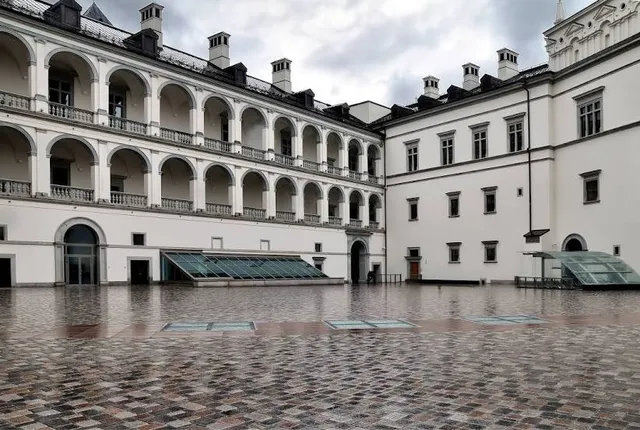
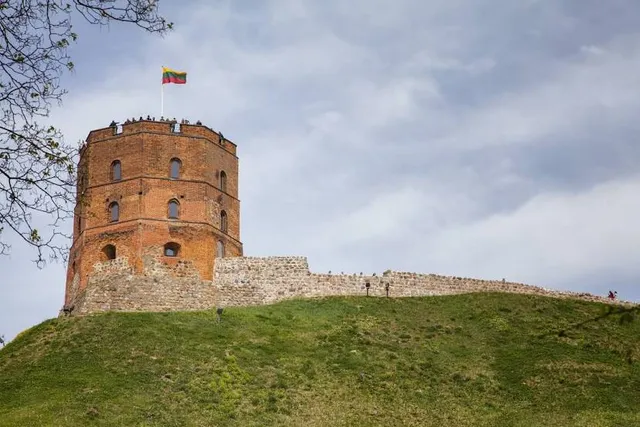
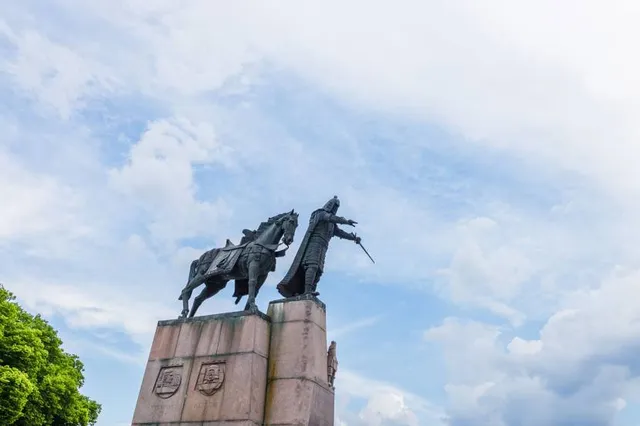
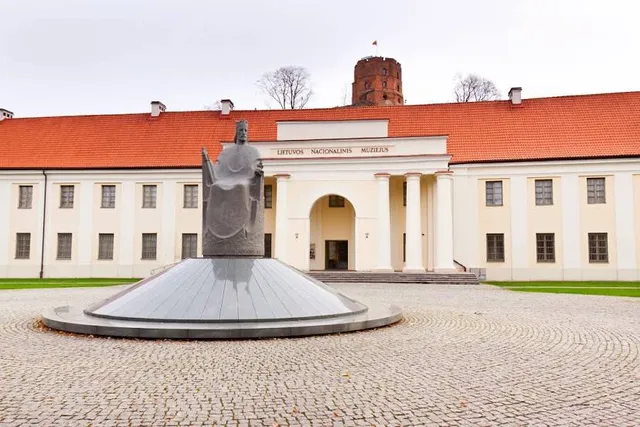
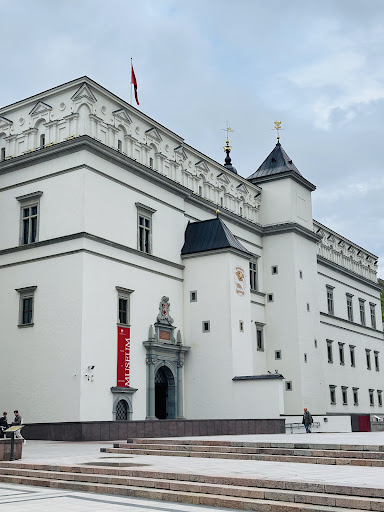
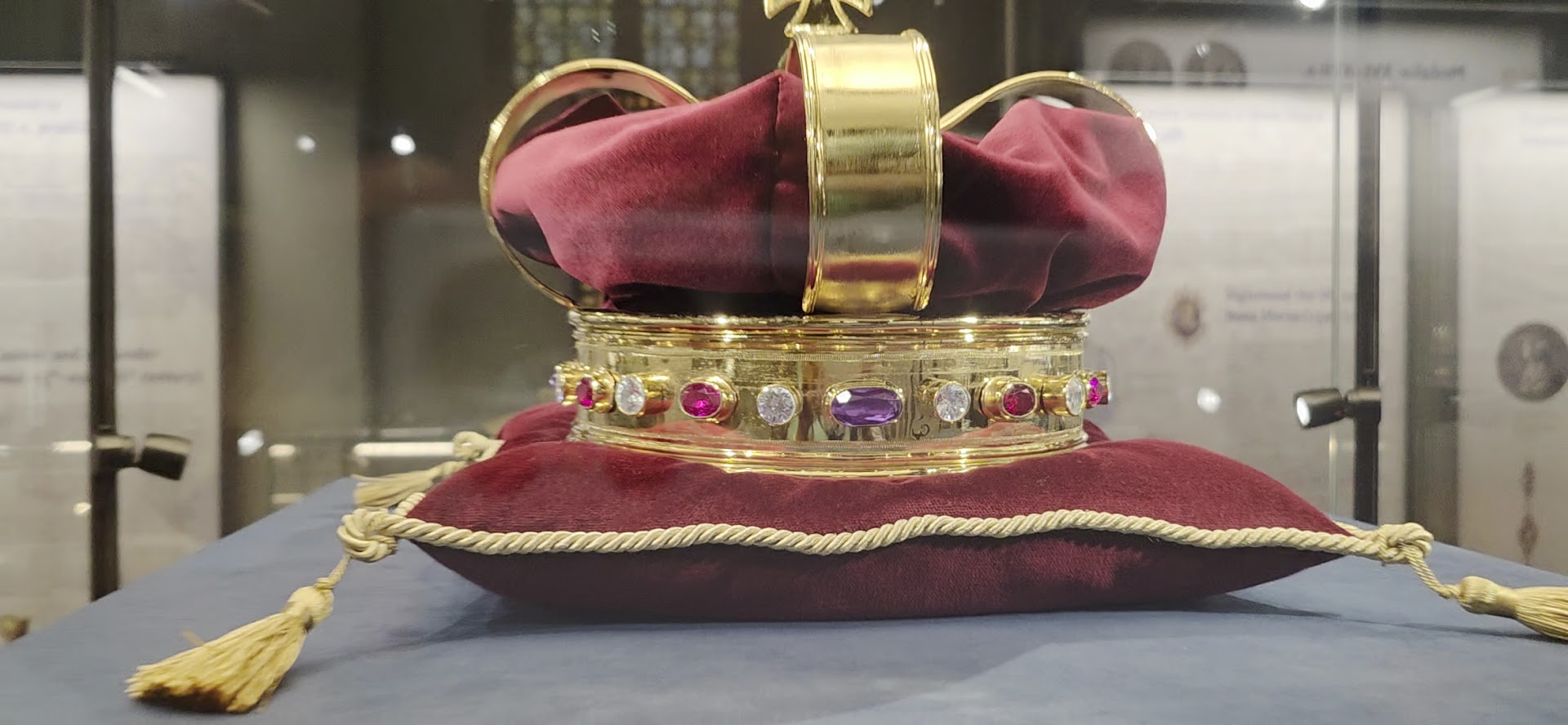
One of the best museums in Lithuania and a must see! 🏰 Newly refurbished with a modern touch through the historical building and telling Lithuania’s history in a global view, not only the the palace itself. Not many know about the Lithuanian/Polish secret love story between the king, Grand Duke of Poland and Lithuania, Zygimantas Augustus and Lithuanian duchess Barbora Radvilaite which is as beautiful as Romeo & Juliet 💗 Back in 16 century it was a first known marriage in the royal family, that it was made not for economical purposes. Zygimantas & Barbora love, especially from the perspective of today, is beyond our understanding. If we were to talk about earlier times, when such romantic love could exist, but now, in the consumer society, such love without limits, giving, seems to have disappeared. You can only imagine what it looked like in the 16th century. It was all a misunderstanding, because love came only after marriage, if it ever did. Marriage used to be an economic transaction. Especially that the Grand duke married for love, we barely know that through the history..But Žygymantas Augustus really married for love and Barbora loved him, such a strong love exceeded the standards of that time, and I dare say, of today. On the other hand, love was great, but it all ended very tragically. The parents of the young prince, King Augustus the Elder and Queen Bona Sforza, and the Polish nobles were the most against the mutual legalization of feelings. In 1547, the couple got married secretly in the Royal Chapel of the Vilnius Archcathedral. Since then, Barbora has become one of the most significant personalities of Vilnius and Krakow in various circles of society. Historical sources say that Žygimantas Augustus, who became the King of Poland and the Grand Duke of Lithuania, publicly announced his marriage to Barbora Radvilaite-Goštautiene, the widow of Stanislaus Goštautas of Trakai Voivodeship. The Lithuanian nobility was shocked, but received this news with restraint. On the contrary, this news was received in Poland - Žygimantas Augustus had to endure heavy battles with the leaders of the kingdom's nobility. An icon of fashion and culture, the Duchess was recognized and crowned Queen of Poland. But her life, like a rock star before she turned thirty, ended tragically. The Queen died five months after her coronation. Although this story took place almost five hundred years ago, its relevance does not fade today: we experience the same quest for personal freedom, the conflict of feelings and pragmatism, the influence of the government, we experience stress and tension. This ,Secret love’ is definitely should be reflected in a movie and I hope to see it one day! ☺️
More about the museum: Reasonably priced.💵There audio guides available in English, Russian, Deutch, French. You can also request a personal guide for an extra cost although it may require in advance booking. If you visit all tours (total 4) it will take you 2-3...
Read moreI recently visited the Palace of the Grand Dukes in Vilnius, and it truly felt like traveling back in time. The museum is very large, made up of four wings, and offers four different visiting routes – each with its own story and atmosphere.
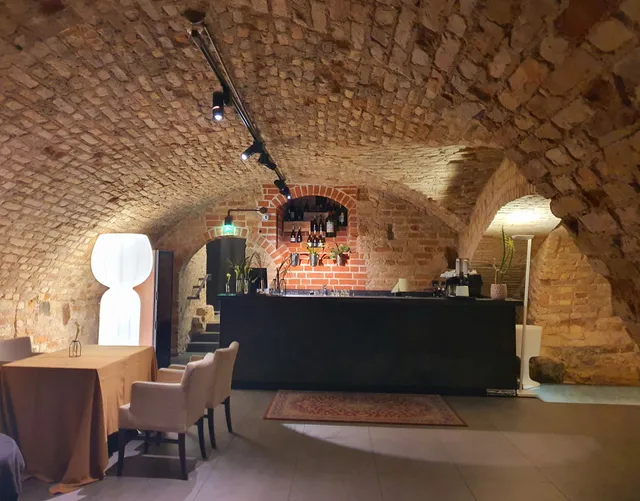
🔹 Route I – archaeology and palace cellars. I really enjoyed this one because you get to see authentic palace foundations, fragments of old walls, and even remnants of medieval heating systems. It feels like walking through a secret history book. 👉 Tip: set aside at least 1–1.5 hours for this route. The underground spaces are pleasantly cool – perfect on a hot summer day.
🔹 Route II – artworks, portraits, and grand halls. This route is all about splendor and representation – filled with portraits, tapestries, Renaissance and Baroque details. I was impressed by how these rooms reflect the rulers’ power and cultural world. 👉 Tip: if you’re visiting with kids, prepare a little game – like finding “the king with a moustache” or “the lady with a fan” in the portraits. It makes the visit much more engaging for them.
🔹 Route III – the rulers’ everyday life. Here you can see reconstructed living spaces, kitchens, furniture, and tableware. I loved imagining how the rulers lived day-to-day – not only during official ceremonies but in their ordinary routines too. 👉 Tip: this route is great for families since kids enjoy exploring “home details” – like beds, huge cooking pots, and furniture.
🔹 Route IV – exhibitions and cultural events. This space is always changing, with temporary exhibitions, concerts, and educational programs. 👉 Tip: check the museum’s website before visiting – you might catch a special event or exhibition.
⸻
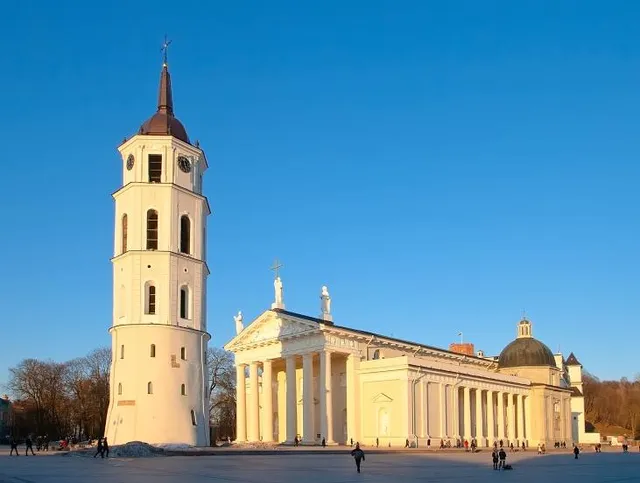
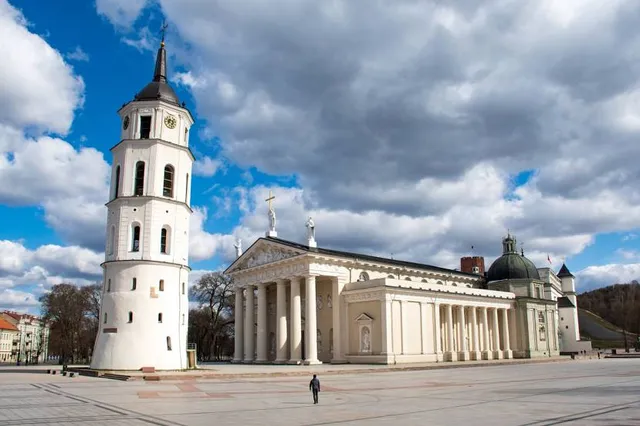
📝 General Tips for Visitors: • Tickets – buy them online in advance to avoid queues. • Time – it’s hard to see the whole museum in one visit. If you only have a few hours, choose 1–2 routes. • Kids – the museum has interactive activities, so it’s not boring for children. • Guides – the guided tours are excellent, but if you prefer independence, the audio guide app on your phone works well too. • Photos – photography is allowed, but the best light is during the day in halls with large windows. • Location – the palace is right in Vilnius Old Town, next to Cathedral Square, so you can easily combine it with a city walk or a coffee break nearby.
⸻
👉 To sum up: The Palace of the Grand Dukes is a place where Lithuanian history, art, and culture come alive. Whether you’re a history lover or traveling with your family, everyone will find something interesting here. I’m definitely planning to return, because seeing everything in one visit is...
Read moreTo be honest I’m a bit surprised by how high the reviews are here.. I would ideally give it 3.5 stars, but to be charitable I will go with 4. Pros and cons are as follows:
Pros Reasonably priced for the combined 4-part tour & free wifi which even works outside nearby Clearly a lot of work went in to the creation of the exhibits They do a good job integrating the archaeological site in and around the path of the exhibits
Cons I have been to a lot of museums, and Part 1 of the tour is probably the most text-dense presentation I have ever seen. 200+ full size panels covering every minutiae of Lithuanian history.. down to the details of the Commonwealth partitions over a 6 year period in the 17th century. It is much better suited for a historical academic textbook than a museum, where the goal should be to tell the story without getting bogged down with details that are irrelevant to 99.9% of visitors. Even for a serious history lover, it is hard to keep track of the important points of the history of the Grand Dukes when you’ve also read tons of panels about things like how the annex attached to the south wall was reconstructed in 1542. For ambitious museum-goers that try to get their money’s worth by exploring every detail, the effect is that getting through this section is rather exhausting Part 2 had some nice historical-period rooms, but I was surprised by how much was a replica. I assumed some of the furniture would be, but nearly all the art is as well. They don’t try to hide this, but it absolutely takes away from the grandeur.. they would have been better off getting less-famous original paintings than a bunch of copies from museums in Poland and Russia. Parts 3&4 have basically zero artifacts, are at best tangentially connected to Lithuania, and can be totally skipped without...
Read more