Leong San Tong Khoo Kongsi things to do, attractions, restaurants, events info and trip planning
Basic Info
Leong San Tong Khoo Kongsi
18, Cannon Square, George Town, 10450 George Town, Pulau Pinang, Malaysia
4.4(967)
Closed


tickets
Save
spot
spot
Ratings & Description
Info
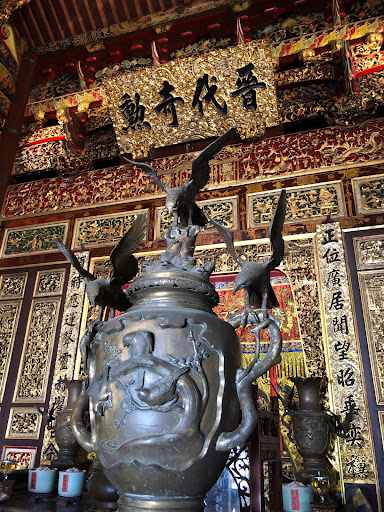
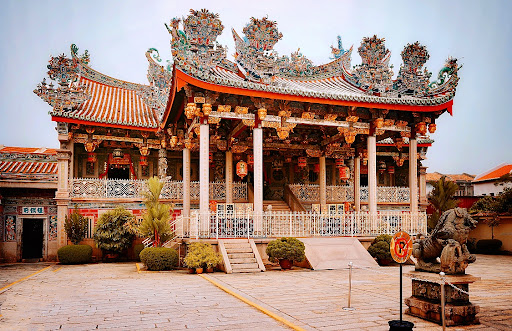
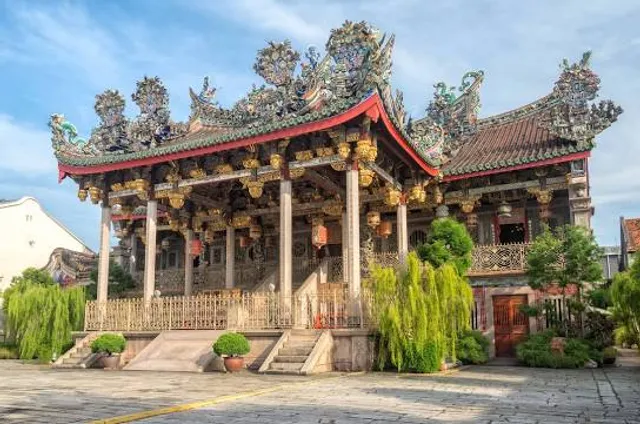
The Leong San Tong Khoo Kongsi or "Khoo Kongsi" for short, is the largest Hokkien clanhouse in Malaysia with elaborate and highly ornamented architecture, a mark of the dominant presence of the Chinese in Penang, Malaysia. The famous Khoo Kongsi is the grandest clan temple in the country.
Cultural
Family friendly
attractions: Penang Street Art, Armenian Street, Asia Camera Museum, Georgetown UNESCO Historic Site, Boy on Chair by Ernest Zacharevic, Penang Street Art - Kids on bicycle by Ernest Zacharevic, Sun Yat Sen Museum Penang, Ghost Museum, Malay Central Mosque Lebuh Acheh, Kapitan Keling Mosque, restaurants: Loong Fong Cafe 龍鳳茶室, DUAN @ George Town, Reggae Cafe Penang, ChinaHouse, Narrow Marrow, Mimiya ( by Fruitmade ), The Maker, Momokaka, My Own Cafe, Jawi House Cafe Gallery, local businesses: Ghost Museum, Durian Valley 榴莲天下, armenian park penang, Hero-Tea 英歌茶 (Armenian Street), Lebuh Acheh, Poh Hock Seah Twa Peh Kong Temple, George Town World Heritage Incorporated (GTWHI), Artlane, Han Jiang Ancestral Temple, Central Fire and Rescue Station
 Learn more insights from Wanderboat AI.
Phone
+60 4-261 4609
Open hoursSee all hours
Fri9 AM - 5 PMClosed
Plan your stay

Pet-friendly Hotels in George Town
Find a cozy hotel nearby and make it a full experience.

Affordable Hotels in George Town
Find a cozy hotel nearby and make it a full experience.

The Coolest Hotels You Haven't Heard Of (Yet)
Find a cozy hotel nearby and make it a full experience.

Trending Stays Worth the Hype in George Town
Find a cozy hotel nearby and make it a full experience.
Reviews
Live events
Biking through Malay countryside
Fri, Feb 27 • 7:00 AM
10200, George Town, Penang, Malaysia
View details
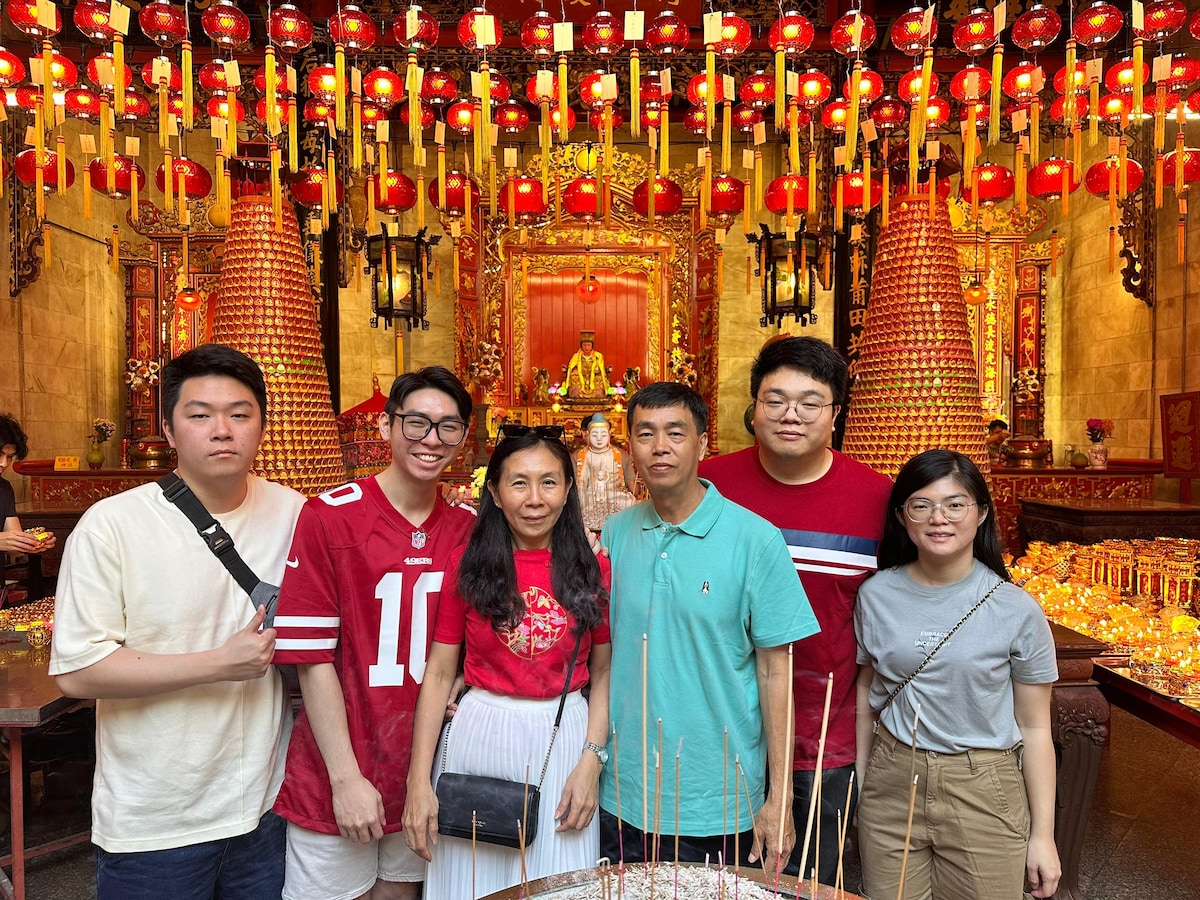
Taste Penangs afternoon street foods
Fri, Feb 27 • 3:30 PM
10450, George Town, Penang, Malaysia
View details
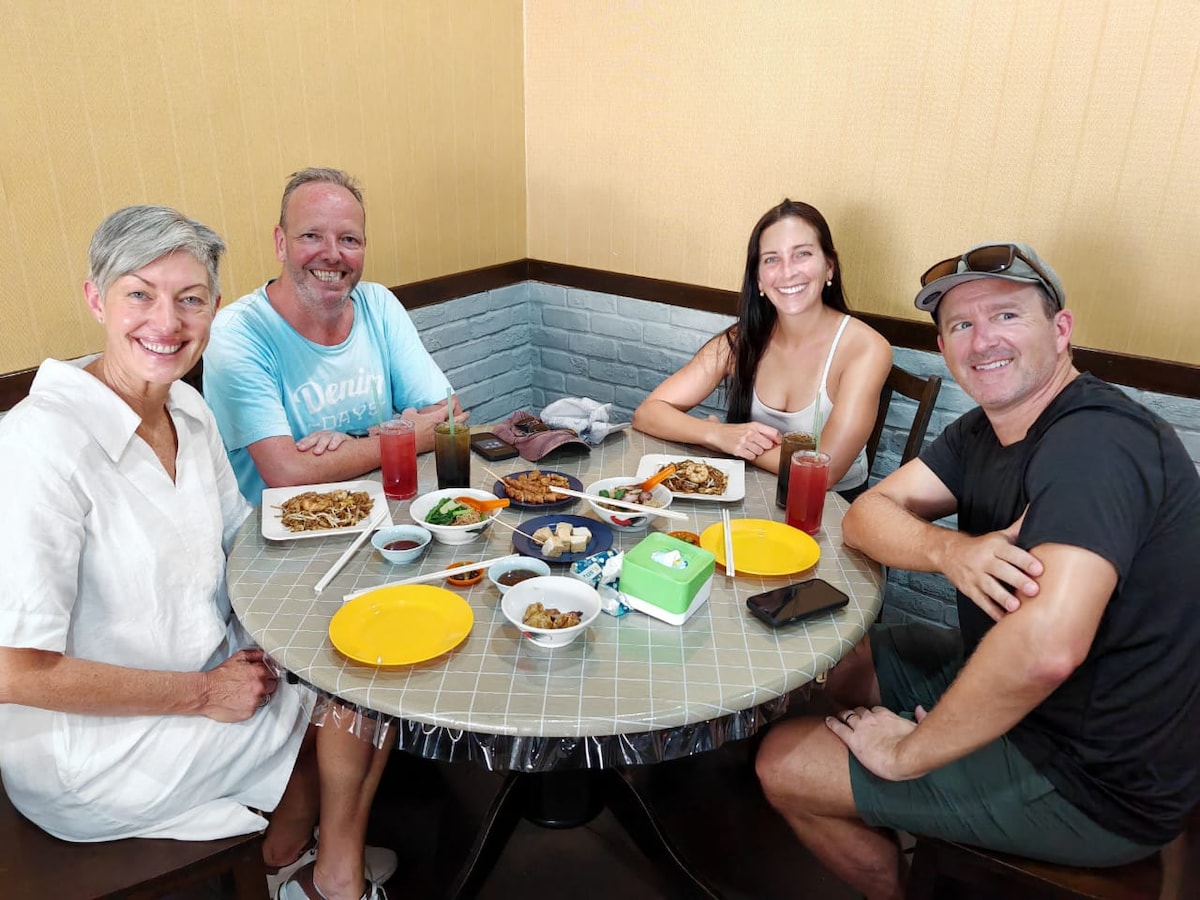
Sample Morning Street Foods and Drinks
Fri, Feb 27 • 9:00 AM
10000, George Town, Penang, Malaysia
View details
Nearby attractions of Leong San Tong Khoo Kongsi
Penang Street Art
Armenian Street
Asia Camera Museum
Georgetown UNESCO Historic Site
Boy on Chair by Ernest Zacharevic
Penang Street Art - Kids on bicycle by Ernest Zacharevic
Sun Yat Sen Museum Penang
Ghost Museum
Malay Central Mosque Lebuh Acheh
Kapitan Keling Mosque
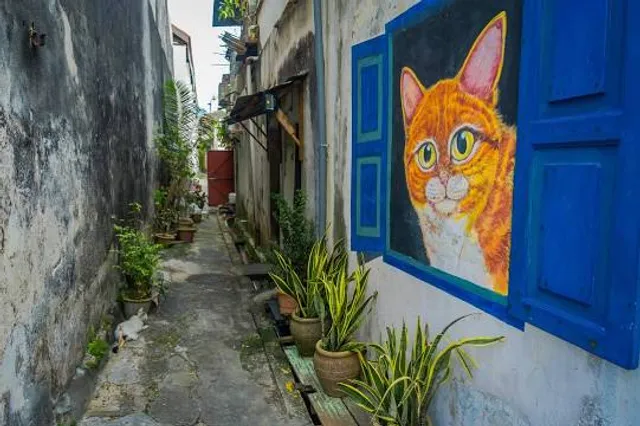
Penang Street Art
4.4
(4.7K)
Open until 12:00 AM
Click for details
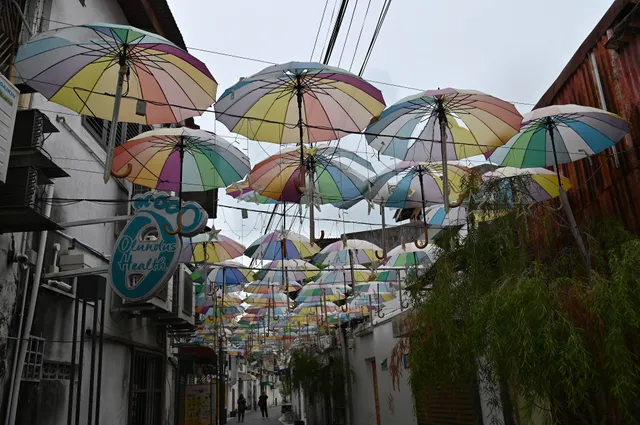
Armenian Street
4.5
(1.1K)
Open until 12:00 AM
Click for details
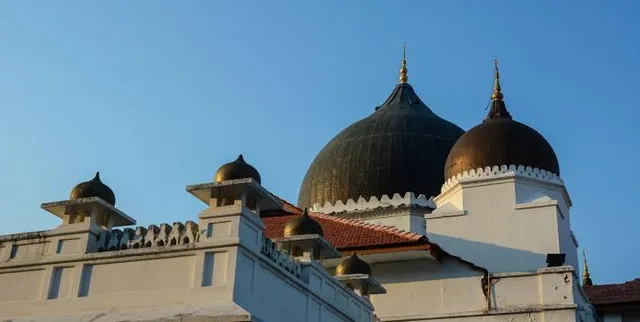
Asia Camera Museum
4.6
(411)
Closed
Click for details
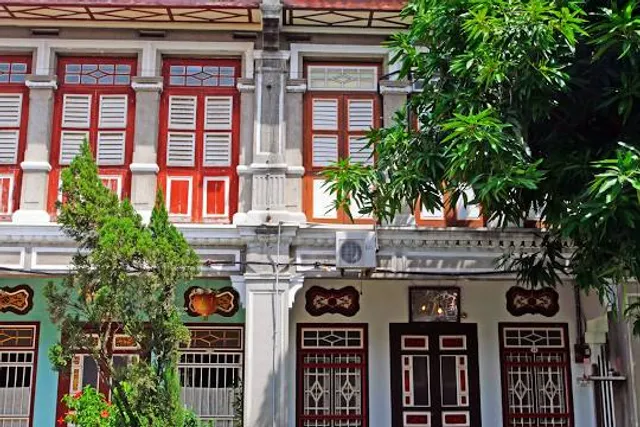
Georgetown UNESCO Historic Site
4.4
(5.7K)
Closed
Click for details
Nearby restaurants of Leong San Tong Khoo Kongsi
Loong Fong Cafe 龍鳳茶室
DUAN @ George Town
Reggae Cafe Penang
ChinaHouse
Narrow Marrow
Mimiya ( by Fruitmade )
The Maker
Momokaka
My Own Cafe
Jawi House Cafe Gallery
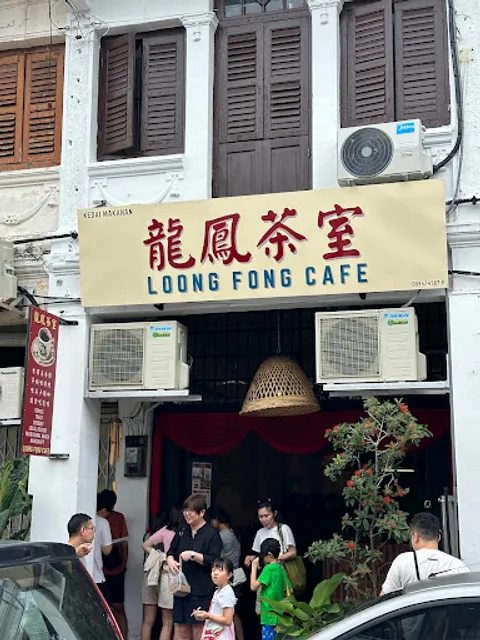
Loong Fong Cafe 龍鳳茶室
4.8
(2.5K)
Open until 12:00 AM
Click for details
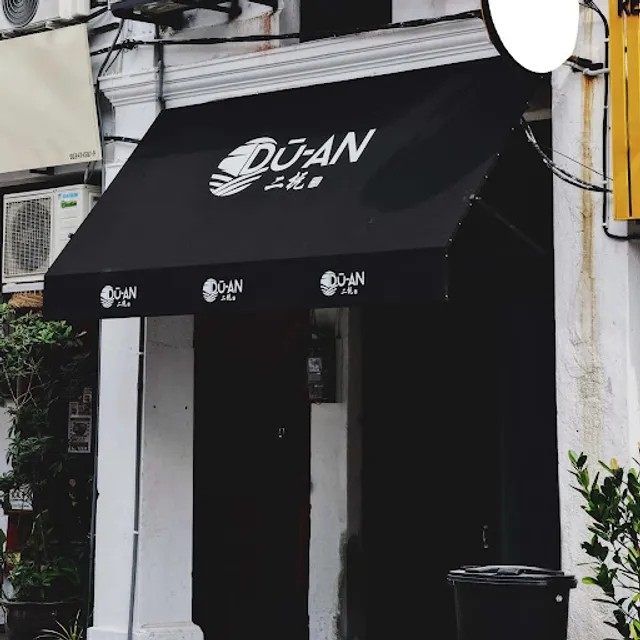
DUAN @ George Town
4.8
(1.9K)
Closed
Click for details
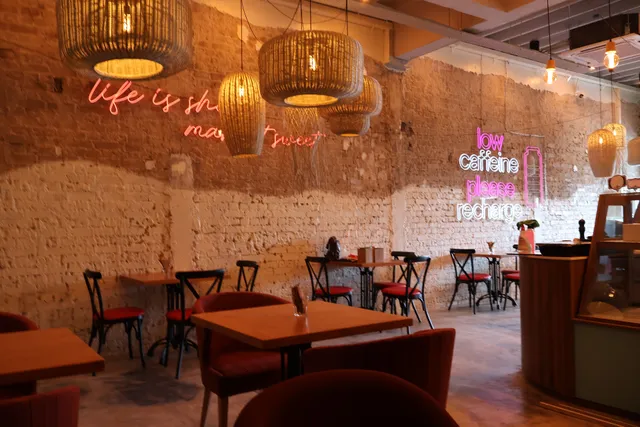
Reggae Cafe Penang
4.8
(2.1K)
Closed
Click for details
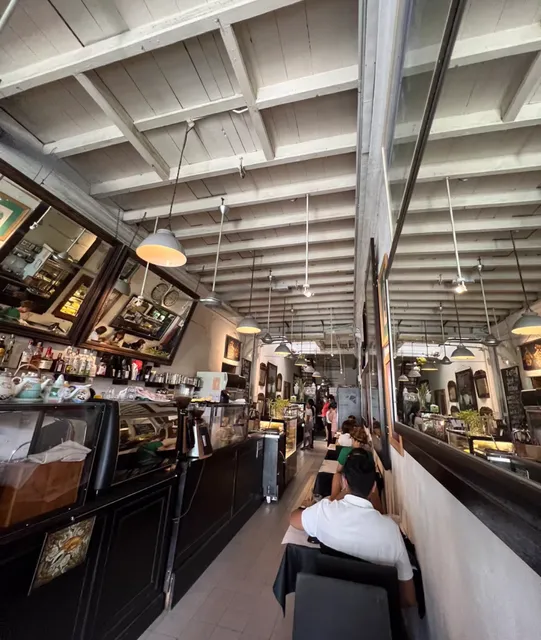
ChinaHouse
3.9
(2.8K)
Closed
Click for details
Nearby local services of Leong San Tong Khoo Kongsi
Ghost Museum
Durian Valley 榴莲天下
armenian park penang
Hero-Tea 英歌茶 (Armenian Street)
Lebuh Acheh
Poh Hock Seah Twa Peh Kong Temple
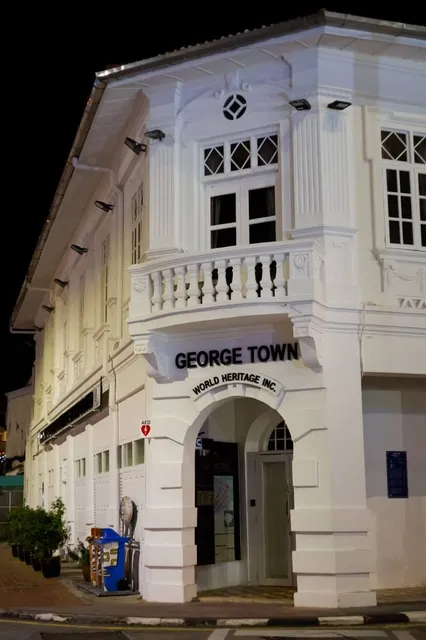
George Town World Heritage Incorporated (GTWHI)
Artlane
Han Jiang Ancestral Temple
Central Fire and Rescue Station

Ghost Museum
4.4
(1.4K)
Click for details
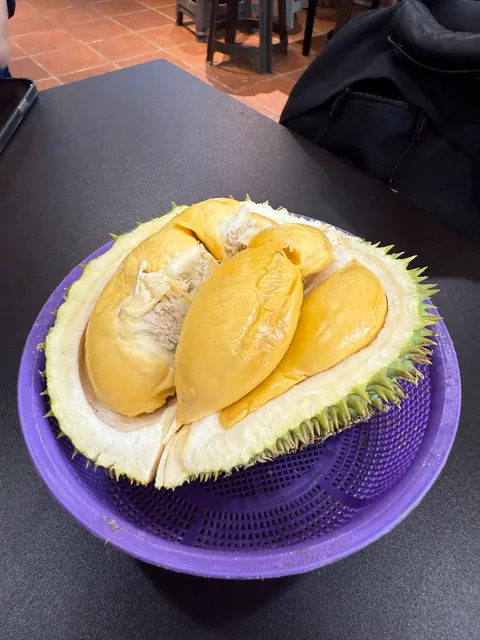
Durian Valley 榴莲天下
4.6
(99)
Click for details
armenian park penang
4.4
(200)
Click for details
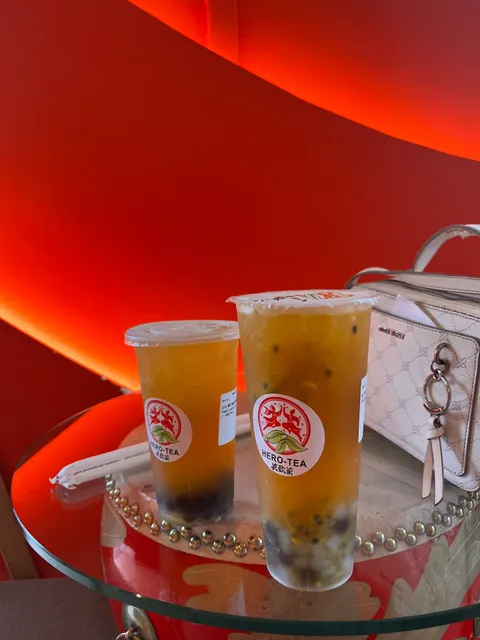
Hero-Tea 英歌茶 (Armenian Street)
4.7
(38)
Click for details