Tuanku Mizan Zainal Abidin Mosque things to do, attractions, restaurants, events info and trip planning
Basic Info
Tuanku Mizan Zainal Abidin Mosque
25, Jalan Tuanku Abdul Rahman, Presint 3, 62100 Putrajaya, Wilayah Persekutuan Putrajaya, Malaysia
4.8(5.2K)
Open until 10:00 PM
Save
spot
spot
Ratings & Description
Info
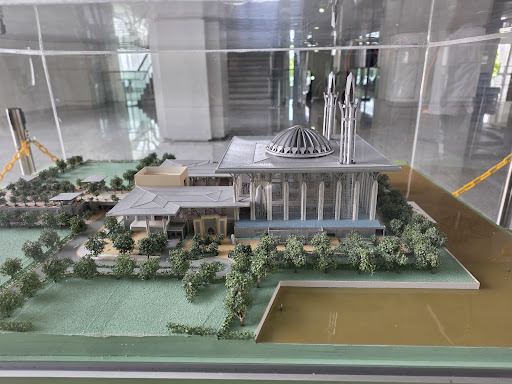
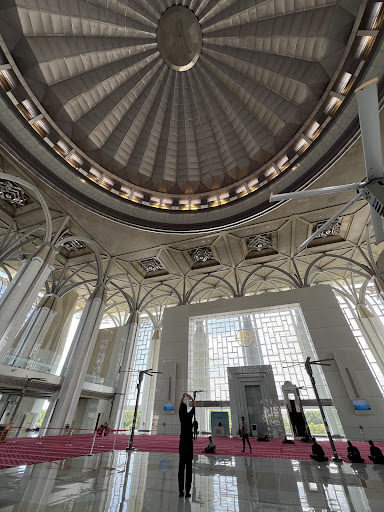
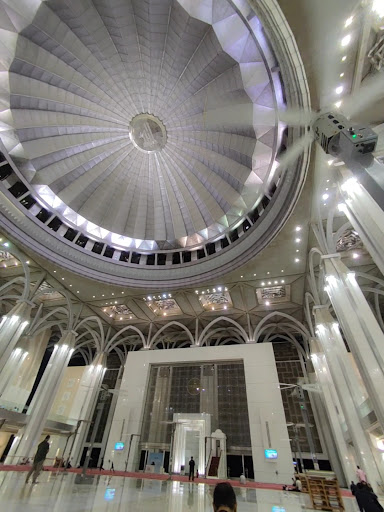
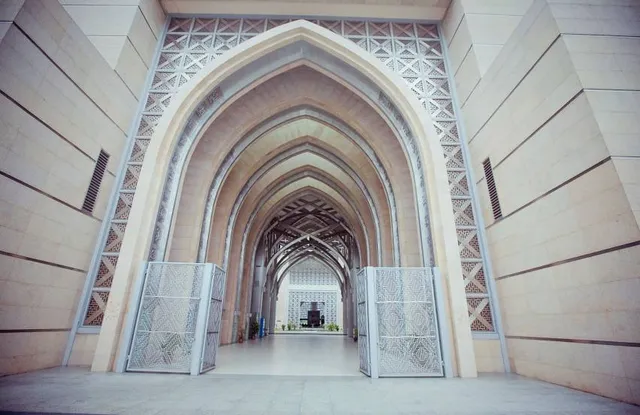
The Tuanku Mizan Zainal Abidin Mosque or the Iron Mosque is the second principal mosque in Putrajaya, Malaysia after Putra Mosque. It is located in Putrajaya's Precinct 3, opposite the Palace of Justice and next to Islamic Complex Putrajaya, a religious authority headquarters.
Cultural
Family friendly
attractions: Putrajaya Square, Millennium Monument, Putrajaya Monorail Bridge, TERRA Trail, Pantai Floria, Anjung Floria, Taman Hobbit Putrajaya, China-Malaysia Friendship Garden, Seri Saujana Bridge, 0 km Putrajaya Cycling Route, restaurants: Putrajaya Food Truck Hotspot@Presint 2, The Coffee Department Presint 3 - Perbadanan Putrajaya, W.P Putrajaya (Best Cafe in Putrajaya), Cafe JAKIM, Smoked Kingdom by Don Daniyal, Shell Out® Putrajaya, d'Tandoor Restaurant Ayer@8 Putrajaya, 10GRAM AYER8 PUTRAJAYA, Nelayan Kitchen, Chak'z 1964 (Ayer8), Nasi Lemak Royale Kedah, local businesses: Marina Putrajaya, Dataran Putrajaya, Lebuh Sentosa
 Learn more insights from Wanderboat AI.
Phone
+60 3-8880 4300
Website
masjidtuankumizan.gov.my
Open hoursSee all hours
Sun5 a.m. - 10 p.m.Open
Plan your stay

Pet-friendly Hotels in Subang Jaya
Find a cozy hotel nearby and make it a full experience.

Affordable Hotels in Subang Jaya
Find a cozy hotel nearby and make it a full experience.

The Coolest Hotels You Haven't Heard Of (Yet)
Find a cozy hotel nearby and make it a full experience.

Trending Stays Worth the Hype in Subang Jaya
Find a cozy hotel nearby and make it a full experience.
Reviews
Live events
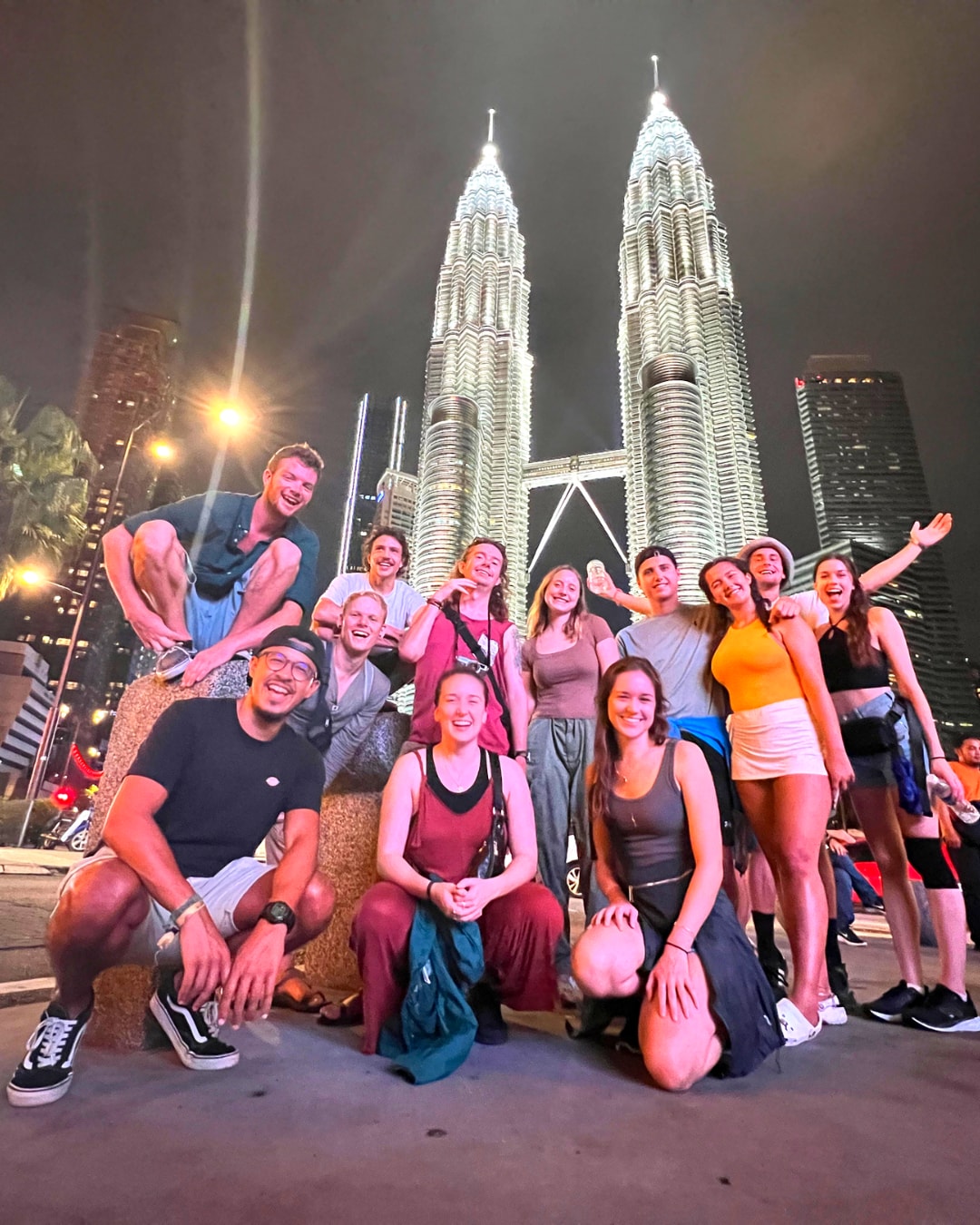
Authentic Malaysian Street Food Tour Kampung Baru
Sun, Feb 15 • 6:00 PM
50300, Kuala Lumpur, Federal Territory of Kuala Lumpur, Malaysia
View details
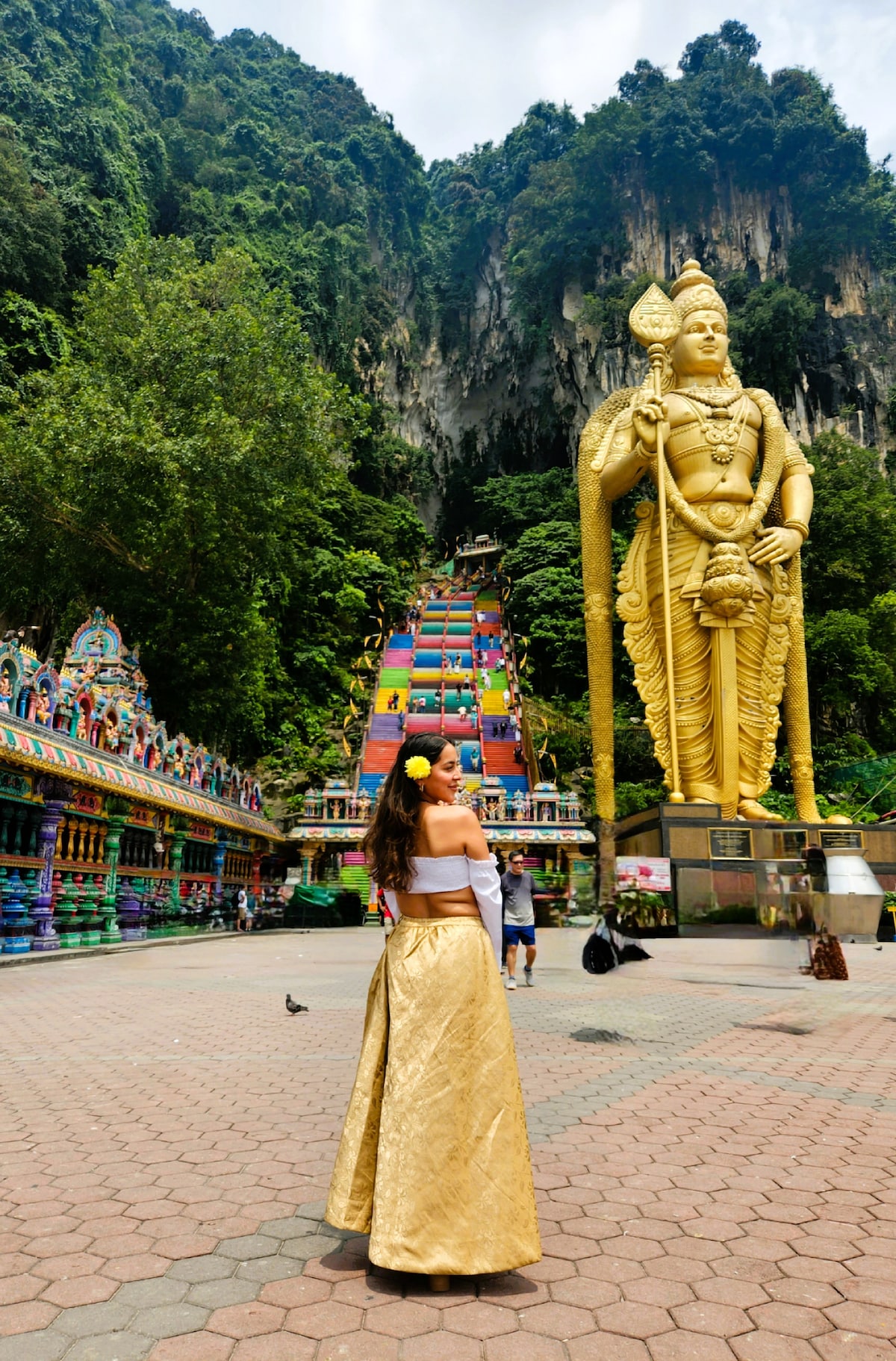
Explore 7 Wonders Of Kuala Lumpur With A Local
Thu, Feb 19 • 9:30 AM
50450, Kuala Lumpur, Federal Territory of Kuala Lumpur, Malaysia
View details

Hidden Bar Hopping With A Local
Wed, Feb 18 • 8:00 PM
50000, Kuala Lumpur, Federal Territory of Kuala Lumpur, Malaysia
View details
Nearby attractions of Tuanku Mizan Zainal Abidin Mosque
Putrajaya Square
Millennium Monument
Putrajaya Monorail Bridge
TERRA Trail
Pantai Floria
Anjung Floria
Taman Hobbit Putrajaya
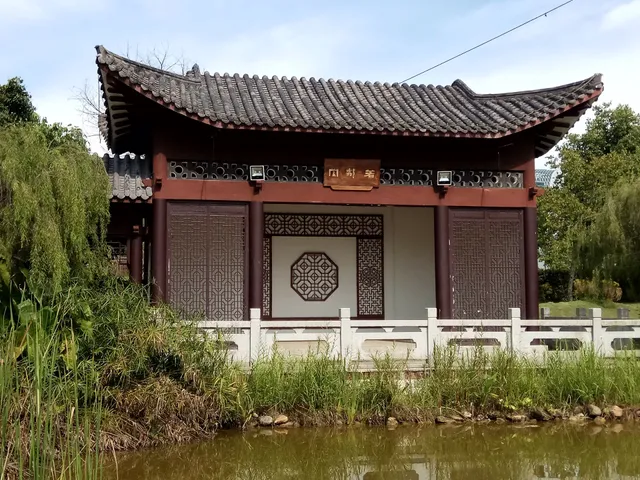
China-Malaysia Friendship Garden
Seri Saujana Bridge
0 km Putrajaya Cycling Route
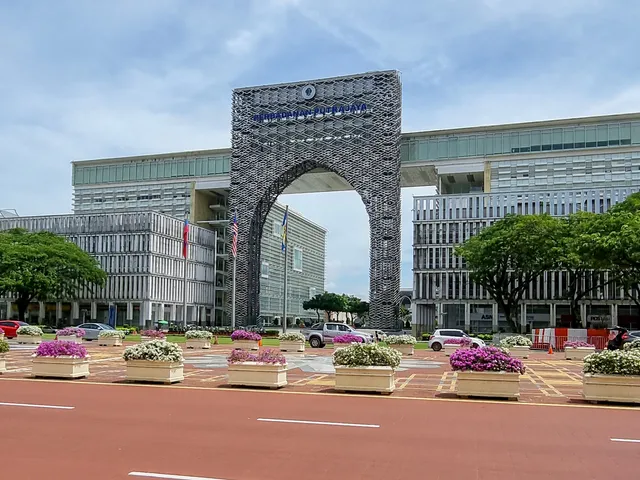
Putrajaya Square
4.5
(3.6K)
Open until 12:00 AM
Click for details
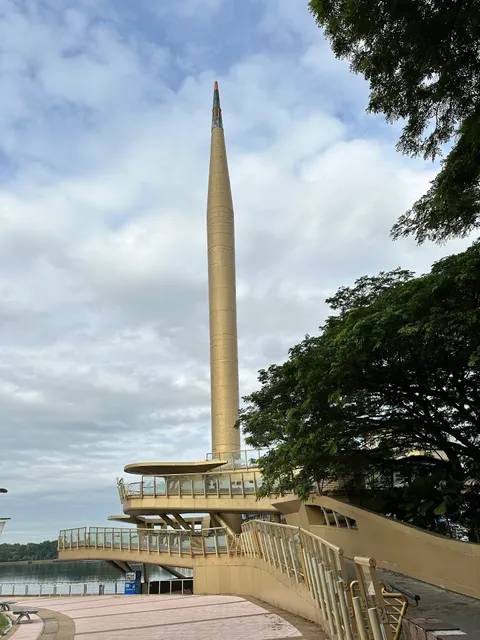
Millennium Monument
4.3
(686)
Open until 12:00 AM
Click for details
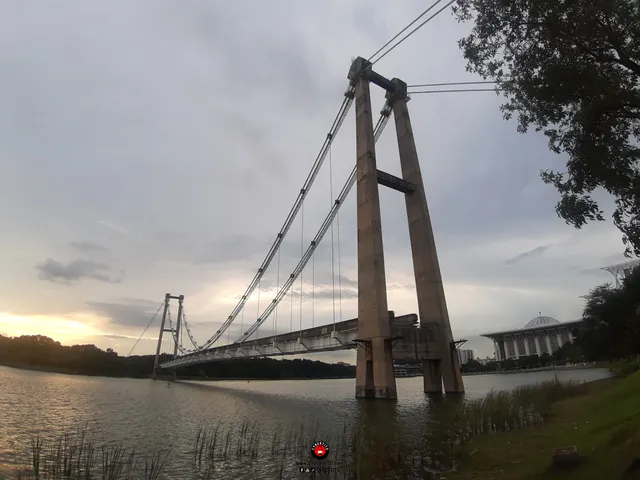
Putrajaya Monorail Bridge
4.3
(30)
Open until 12:00 AM
Click for details
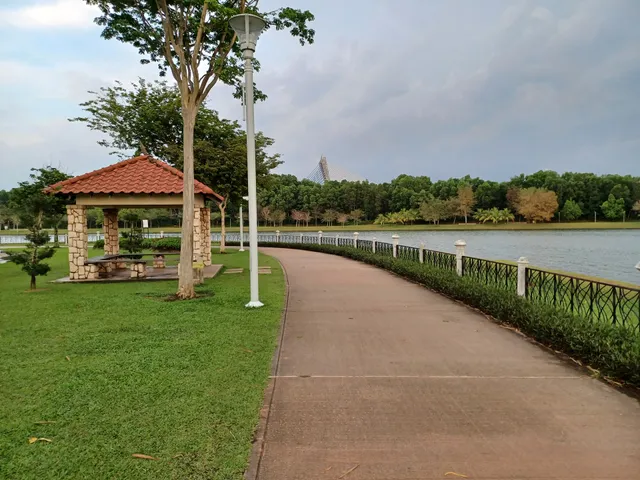
TERRA Trail
3.6
(9)
Open until 12:00 AM
Click for details
Nearby restaurants of Tuanku Mizan Zainal Abidin Mosque
Putrajaya Food Truck Hotspot@Presint 2
The Coffee Department Presint 3 - Perbadanan Putrajaya, W.P Putrajaya (Best Cafe in Putrajaya)
Cafe JAKIM
Smoked Kingdom by Don Daniyal
Shell Out® Putrajaya
d'Tandoor Restaurant Ayer@8 Putrajaya
10GRAM AYER8 PUTRAJAYA
Nelayan Kitchen
Chak'z 1964 (Ayer8)
Nasi Lemak Royale Kedah
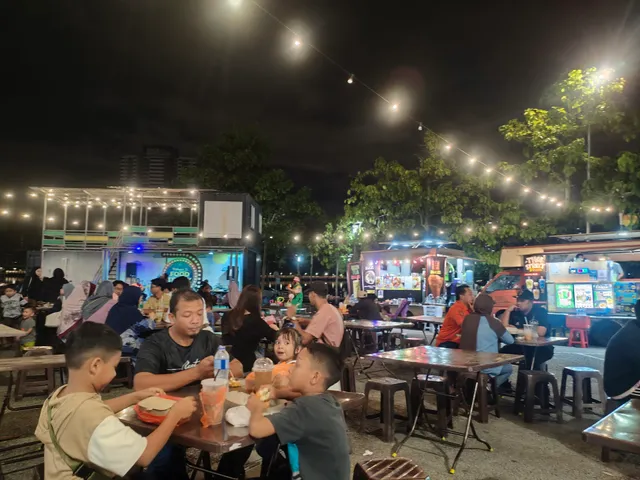
Putrajaya Food Truck Hotspot@Presint 2
4.0
(1.0K)
Closed
Click for details
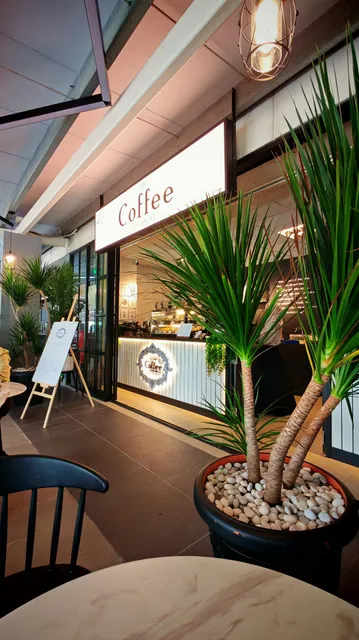
The Coffee Department Presint 3 - Perbadanan Putrajaya, W.P Putrajaya (Best Cafe in Putrajaya)
4.5
(106)
Open until 3:00 PM
Click for details
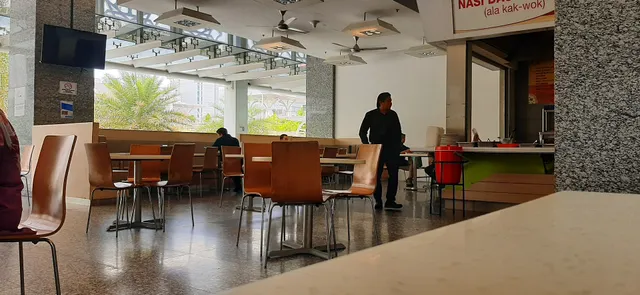
Cafe JAKIM
4.1
(10)
Open until 12:00 AM
Click for details
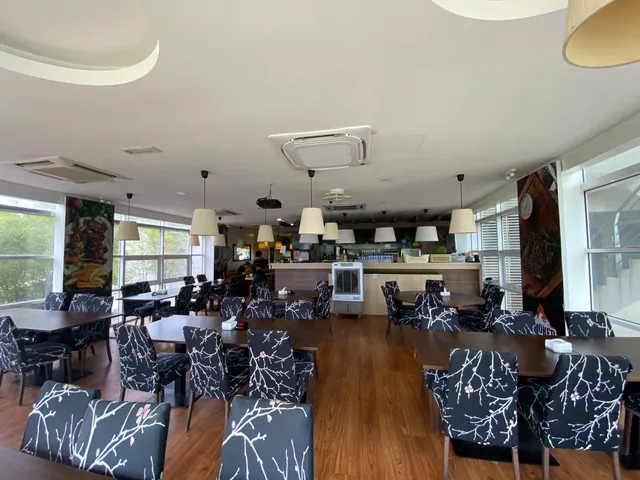
Smoked Kingdom by Don Daniyal
4.5
(1.5K)
Closed
Click for details
Nearby local services of Tuanku Mizan Zainal Abidin Mosque
Marina Putrajaya
Dataran Putrajaya
Lebuh Sentosa
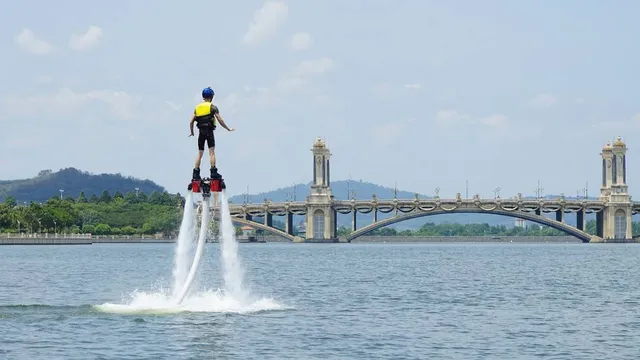
Marina Putrajaya
4.2
(2K)
Click for details
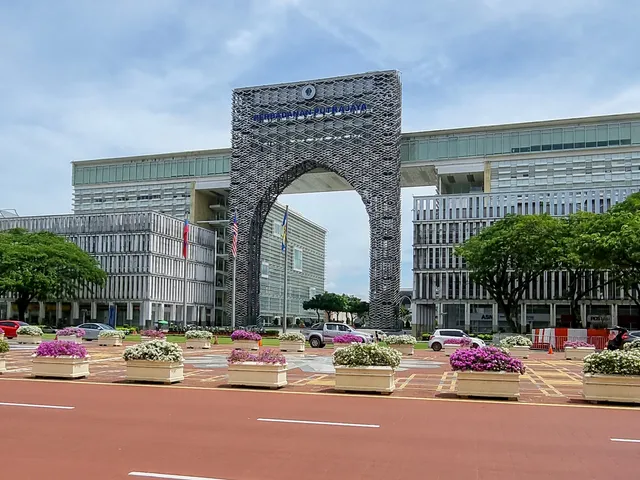
Dataran Putrajaya
4.5
(3.3K)
Click for details
Lebuh Sentosa
4.4
(710)
Click for details