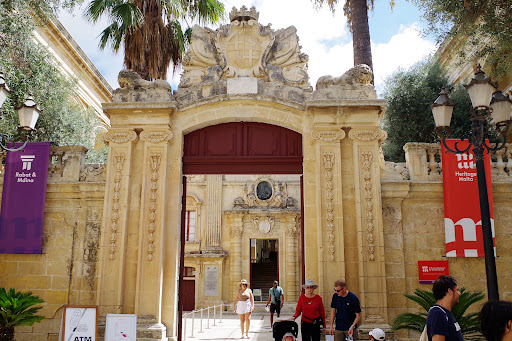
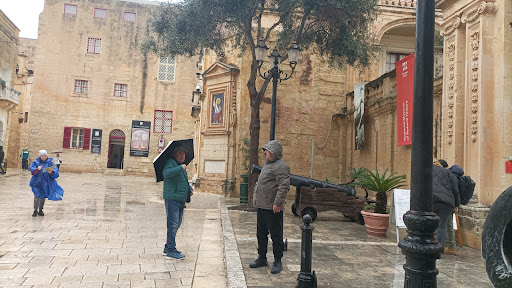
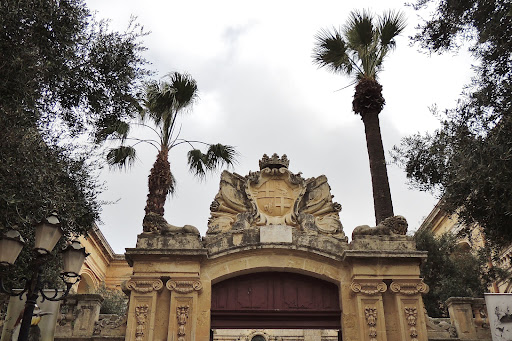
Palazz Vilhena things to do, attractions, restaurants, events info and trip planning
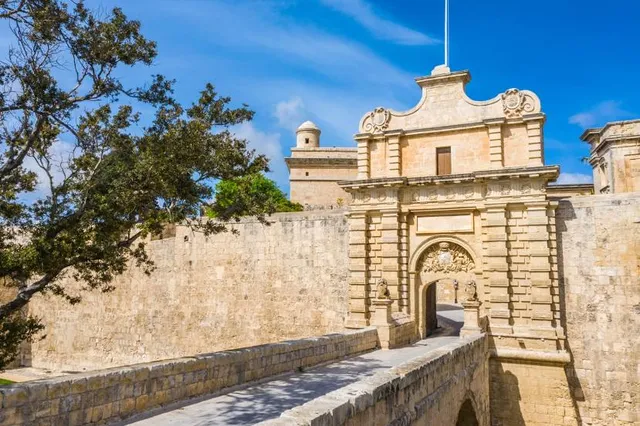
Basic Info
Palazz Vilhena
VCM3+WHC, Mdina Rd, Mdina, Malta
4.6(71)
Open until 12:00 AM
Save
spot
spot
Ratings & Description
Info
Vilhena Palace, also known as the Magisterial Palace and Palazzo Pretorio, is a French Baroque palace in Mdina, Malta. It is named after António Manoel de Vilhena, the Grand Master who commissioned it.
Cultural
Family friendly
Accessibility
attractions: Mdina Gate, The Mdina Dungeons Museum, Mdina Old City Fortress, National Museum Of Natural History, St Paul's Cathedral, Mdina Cathedral Museum, Tales of The Silent City, Pjazza Mesquita, Casa Gourgion - A Nobleman's Home, Palazzo Falson, restaurants: Trattoria AD 1530, The de Mondion Restaurant, Il-Veduta, Bacchus Restaurant, Fontanella Tea Garden, Coogi's Pizzeria & Bistrot @ Palazzo Costanzo, Coogi's Restaurant & Tea Garden, Root 81, The Fork and Cork Restaurant, Don Mesquita Cafe Wine Bar, local businesses: Mdina Fortress, Mdina Glass (Mdina), il-lokal, Valletta Glass - Mdina, Basilica Kolleġġjata u Proto-Parroċċa ta' San Pawl, Abbatija Tad-Dejr
 Learn more insights from Wanderboat AI.
Open hoursSee all hours
TueOpen 24 hoursOpen
Plan your stay

Pet-friendly Hotels in Mdina
Find a cozy hotel nearby and make it a full experience.

Affordable Hotels in Mdina
Find a cozy hotel nearby and make it a full experience.

The Coolest Hotels You Haven't Heard Of (Yet)
Find a cozy hotel nearby and make it a full experience.

Trending Stays Worth the Hype in Mdina
Find a cozy hotel nearby and make it a full experience.
Reviews
Live events

Candlelight: The best of Abba
Sat, Feb 14 • 9:00 PM
The Mall FRN1478, Floriana, FRN1478
View details

Maltese Tile - Souvenir painting workshop by local
Thu, Feb 12 • 4:00 PM
Marsa, MRS 1562, Malta
View details
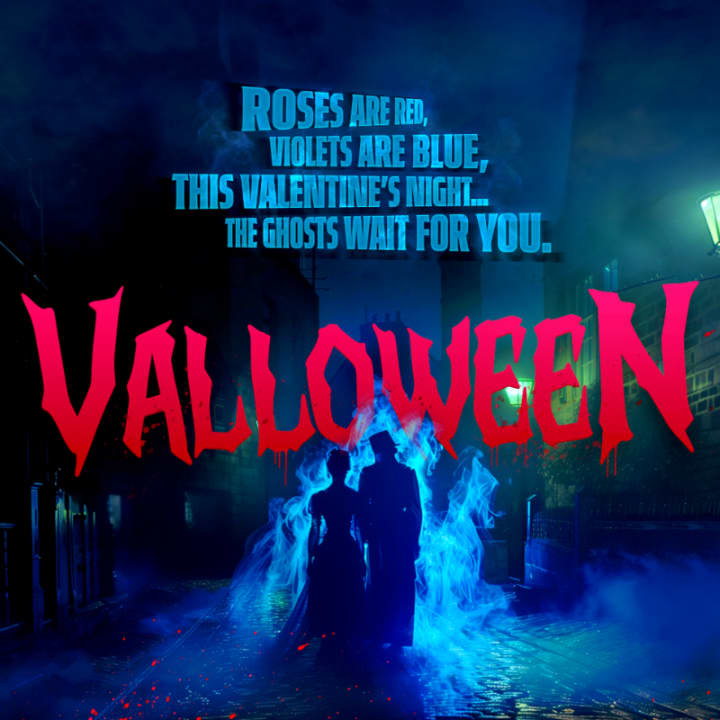
Valloween Scavenger Hunt: A Valletta Exploration
Thu, Feb 12 • 12:00 AM
Cork
View details
Nearby attractions of Palazz Vilhena
Mdina Gate
The Mdina Dungeons Museum
Mdina Old City Fortress
National Museum Of Natural History
St Paul's Cathedral
Mdina Cathedral Museum
Tales of The Silent City
Pjazza Mesquita
Casa Gourgion - A Nobleman's Home
Palazzo Falson
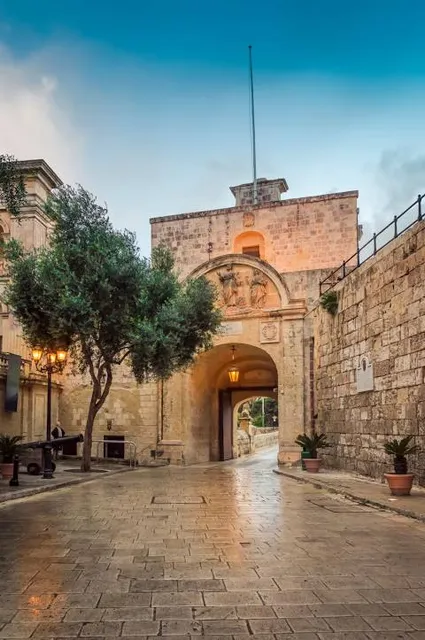
Mdina Gate
4.8
(15.2K)
Open until 12:00 AM
Click for details
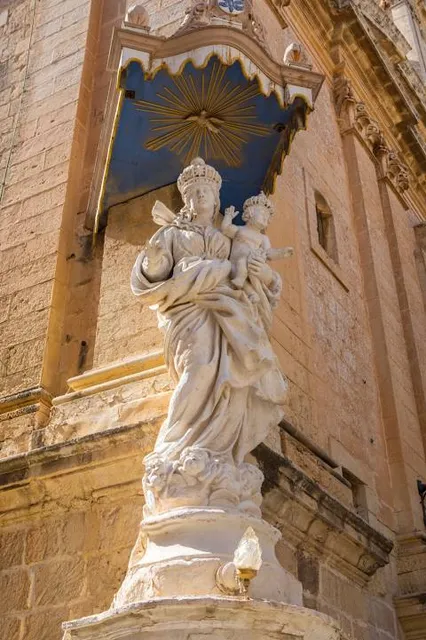
The Mdina Dungeons Museum
4.3
(342)
Closed
Click for details
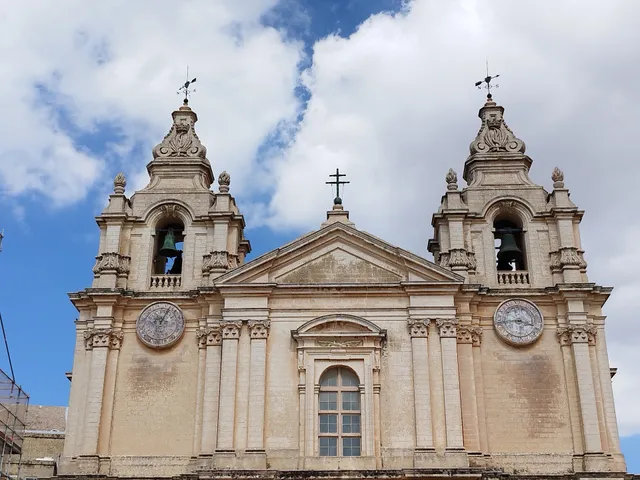
Mdina Old City Fortress
4.9
(558)
Open until 12:00 AM
Click for details
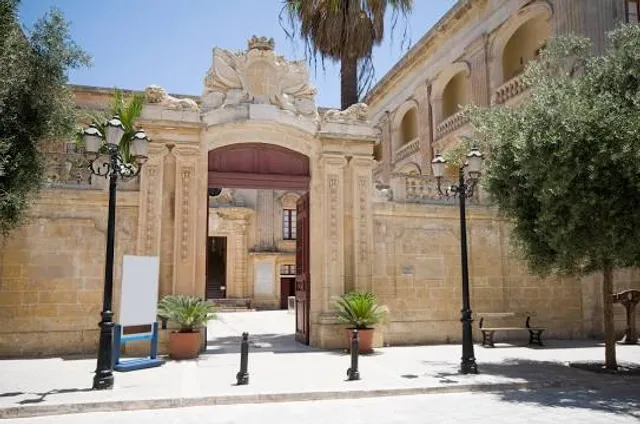
National Museum Of Natural History
3.6
(233)
Open until 12:00 AM
Click for details
Nearby restaurants of Palazz Vilhena
Trattoria AD 1530
The de Mondion Restaurant
Il-Veduta
Bacchus Restaurant
Fontanella Tea Garden
Coogi's Pizzeria & Bistrot @ Palazzo Costanzo
Coogi's Restaurant & Tea Garden
Root 81
The Fork and Cork Restaurant
Don Mesquita Cafe Wine Bar

Trattoria AD 1530
4.2
(602)
$$
Closed
Click for details
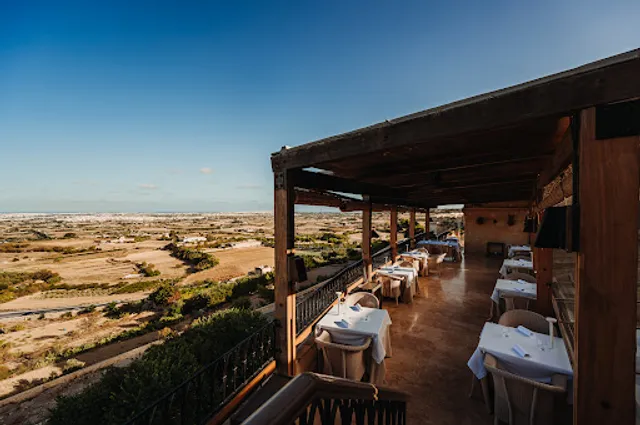
The de Mondion Restaurant
4.8
(181)
Open until 12:00 AM
Click for details
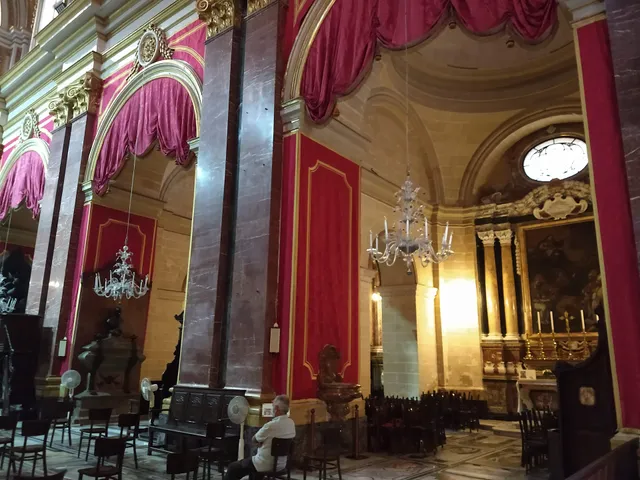
Il-Veduta
4.2
(473)
$$
Closed
Click for details
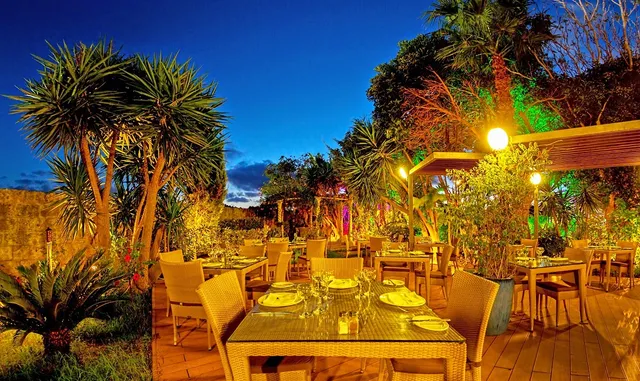
Bacchus Restaurant
4.2
(747)
$$$
Closed
Click for details
Nearby local services of Palazz Vilhena
Mdina Fortress
Mdina Glass (Mdina)
il-lokal
Valletta Glass - Mdina
Basilica Kolleġġjata u Proto-Parroċċa ta' San Pawl
Abbatija Tad-Dejr
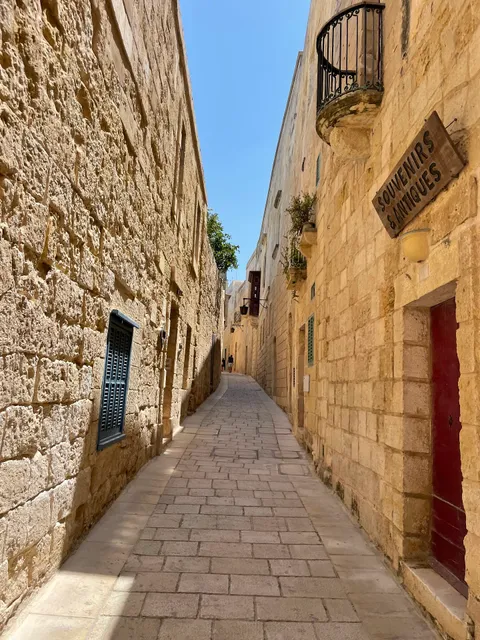
Mdina Fortress
4.8
(813)
Click for details
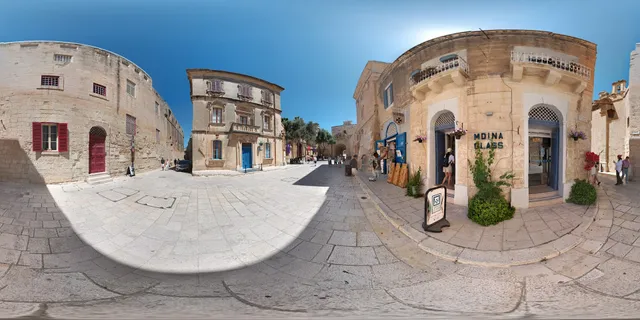
Mdina Glass (Mdina)
4.2
(52)
Click for details
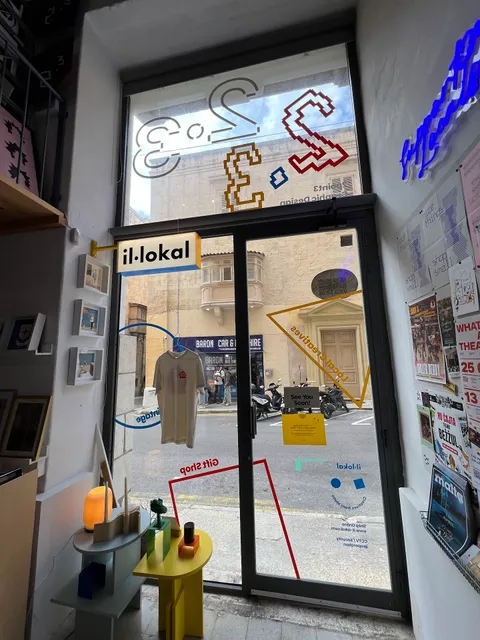
il-lokal
4.9
(91)
Click for details
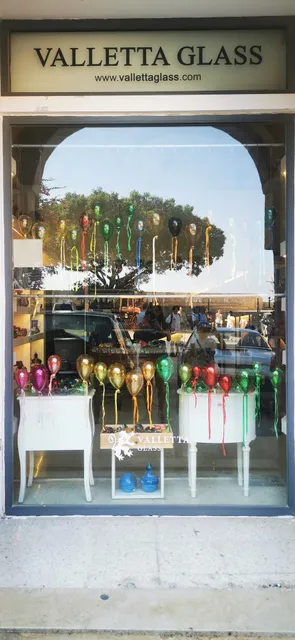
Valletta Glass - Mdina
3.7
(22)
Click for details