HTML SitemapExplore
logo
Find Things to DoFind The Best Restaurants

Buddha Stupa — Attraction in Kathmandu Metropolitan City

Name
Buddha Stupa
Description
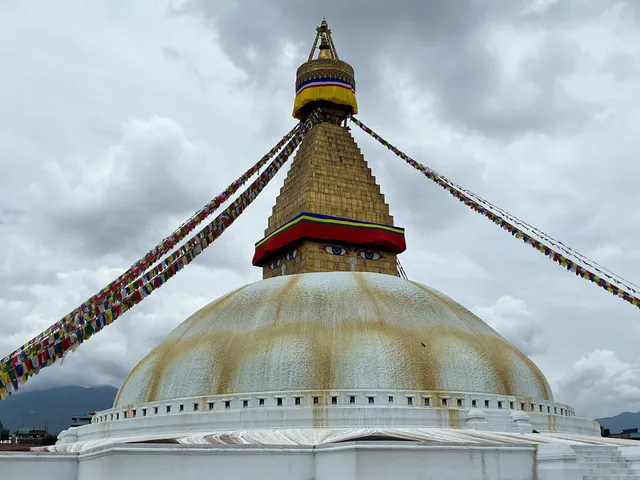
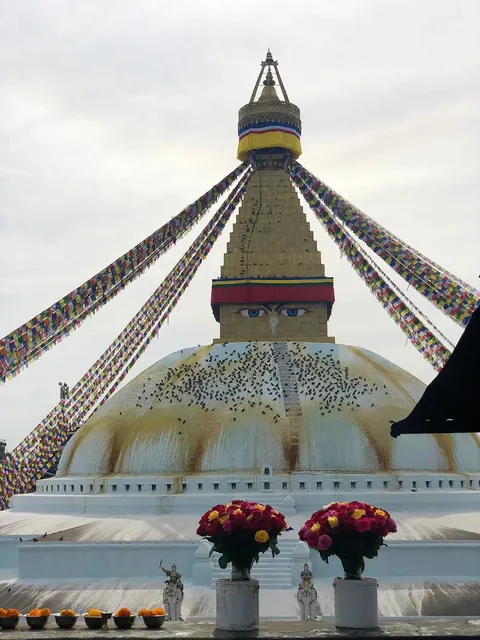
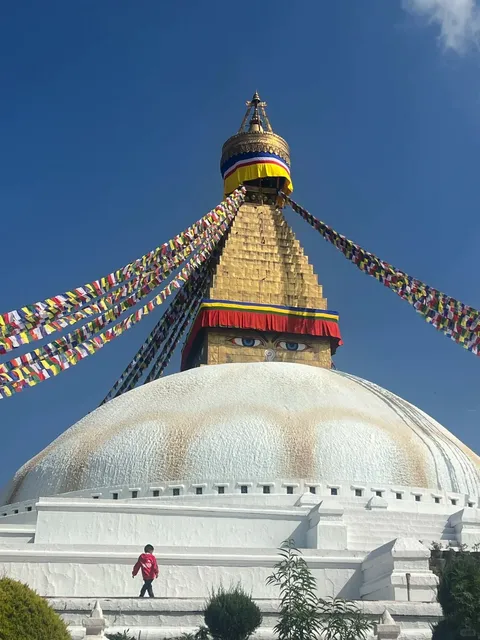
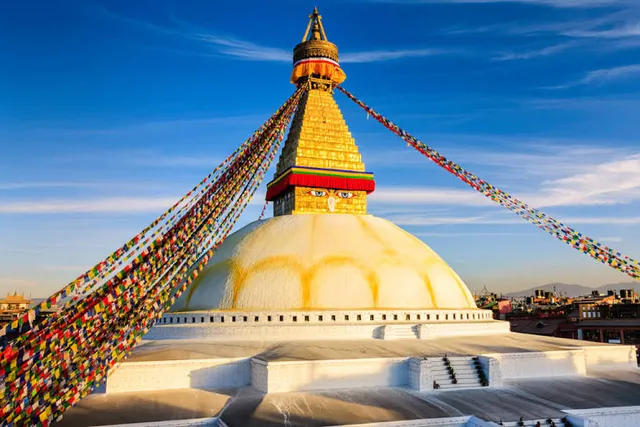
Bouddha, also known as Boudhanath, Khasti Chaitya and Khāsa Chaitya is a stupa in Kathmandu, Nepal. Located about 11 km from the center and northeastern outskirts of Kathmandu, its massive mandala makes it one of the largest spherical stupas in Nepal and the world.
Nearby attractions
BUDDHA PARK Boudhanath
44600, Kathmandu, Nepal
Bouddhanath Stupa
Buddha Stupa, Boudha Sadak, Kathmandu 44600, Nepal
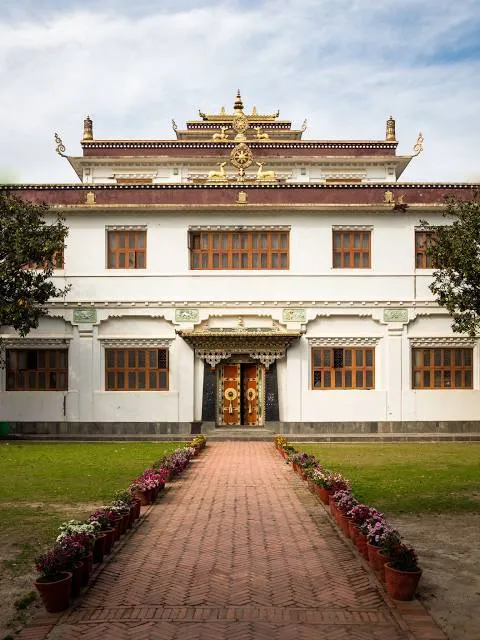
Shechen Monastery
P9F6+F8J, Tushal-Mahankal Rd, Kathmandu 44600, Nepal
Ka-Nying Shedrub Ling Monastery
Seto Gompa, Seto Gompa Marg 1, Boudha - Jorpati Rd, Kathmandu 44600, Nepal
Tharlam Monastery
Kathmandu 44602, Nepal
Taragaon Next
Boudhanath Sadak, Kathmandu 44600, Nepal
Shree Kumari Mandir ( Kumari Temple )
Kumari Temple, Kumarigal Naya Marga, Kathmandu 44600, Nepal
Nearby restaurants
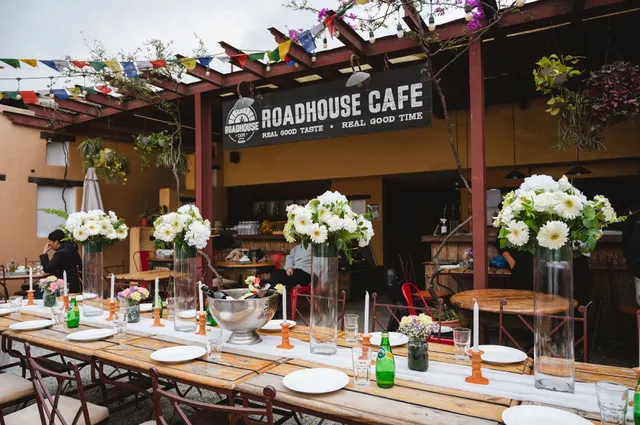
Roadhouse Cafe, Boudha
Stupa, Kathmandu 44600, Nepal
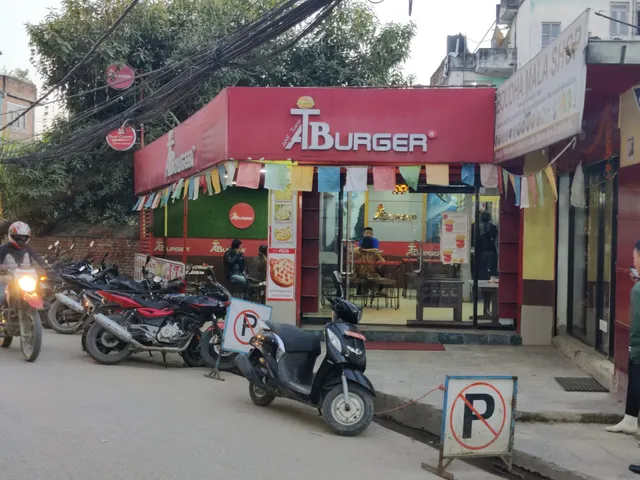
AT Burger Boudha Dharatol
Boudha dharatole, Kathmandu 44600, Nepal
La Casita de Boudhanath - Spanish Tapas Bar & Restaurant
Boudha Rd, Kathmandu 44600, Nepal
Sakura Japanese Restaurant & Cafe
Stupa Circle, Boudha Rd, Kathmandu 44600, Nepal
Pho 99
44602,, Kathmandu 44602, Nepal
Cafe GOTAMA
P9c6+pj2, Kathmandu 44600, Nepal
Thulo Mo:Mo
Boudha Sadak, Kathmandu 44600, Nepal
Kimchee Korean Restaurant/Karaoke
Kathmandu 44600, Nepal
Himalayan Dolpo Thakali Restaurant
Kathmandu 44600, Nepal
Fuchhey Restaurant, Boudha
Boudha Rd, Kathmandu 44600, Nepal
Related posts
Nepal Stupa Day TourNepal | Experience the Ultimate Dream of Hikers in Depth!Three of My Favorite Attractions in KathmanduHow to Enjoy Nepal During the Monsoon SeasonIntroduction to Major Attractions in Kathmandu Nepal travel guide--Kathmandu
Keywords
Buddha Stupa tourism.Buddha Stupa hotels.Buddha Stupa bed and breakfast. flights to Buddha Stupa.Buddha Stupa attractions.Buddha Stupa restaurants.Buddha Stupa travel.Buddha Stupa travel guide.Buddha Stupa travel blog.Buddha Stupa pictures.Buddha Stupa photos.Buddha Stupa travel tips.Buddha Stupa maps.Buddha Stupa things to do.
Buddha Stupa things to do, attractions, restaurants, events info and trip planning
Buddha Stupa
NepalBagmati ProvinceKathmandu Metropolitan CityBuddha Stupa

Basic Info

Buddha Stupa

Kathmandu 44600, Nepal
4.7(8.2K)
Open 24 hours
Save
spot

Ratings & Description

Info

Bouddha, also known as Boudhanath, Khasti Chaitya and Khāsa Chaitya is a stupa in Kathmandu, Nepal. Located about 11 km from the center and northeastern outskirts of Kathmandu, its massive mandala makes it one of the largest spherical stupas in Nepal and the world.

Cultural
Family friendly
attractions: BUDDHA PARK Boudhanath, Bouddhanath Stupa, Shechen Monastery, Ka-Nying Shedrub Ling Monastery, Tharlam Monastery, Taragaon Next, Shree Kumari Mandir ( Kumari Temple ), restaurants: Roadhouse Cafe, Boudha, AT Burger Boudha Dharatol, La Casita de Boudhanath - Spanish Tapas Bar & Restaurant, Sakura Japanese Restaurant & Cafe, Pho 99, Cafe GOTAMA, Thulo Mo:Mo, Kimchee Korean Restaurant/Karaoke, Himalayan Dolpo Thakali Restaurant, Fuchhey Restaurant, Boudha
logoLearn more insights from Wanderboat AI.

Plan your stay

hotel
Pet-friendly Hotels in Kathmandu Metropolitan City
Find a cozy hotel nearby and make it a full experience.

hotel
Affordable Hotels in Kathmandu Metropolitan City
Find a cozy hotel nearby and make it a full experience.

hotel
The Coolest Hotels You Haven't Heard Of (Yet)
Find a cozy hotel nearby and make it a full experience.

hotel
Trending Stays Worth the Hype in Kathmandu Metropolitan City
Find a cozy hotel nearby and make it a full experience.

Reviews

Nearby attractions of Buddha Stupa

BUDDHA PARK Boudhanath

Bouddhanath Stupa

Shechen Monastery

Ka-Nying Shedrub Ling Monastery

Tharlam Monastery

Taragaon Next

Shree Kumari Mandir ( Kumari Temple )

BUDDHA PARK Boudhanath

BUDDHA PARK Boudhanath

4.5

(447)

Open until 7:00 PM
Click for details
Bouddhanath Stupa

Bouddhanath Stupa

4.5

(76)

Open 24 hours
Click for details
Shechen Monastery

Shechen Monastery

4.6

(263)

Open 24 hours
Click for details
Ka-Nying Shedrub Ling Monastery

Ka-Nying Shedrub Ling Monastery

4.5

(58)

Open until 7:00 PM
Click for details

Things to do nearby

Forge a traditional Gurkha khukuri knife by hand
Fri, Dec 5 • 8:30 AM
Kathmandu, Bagmati Province 44600, Nepal
View details
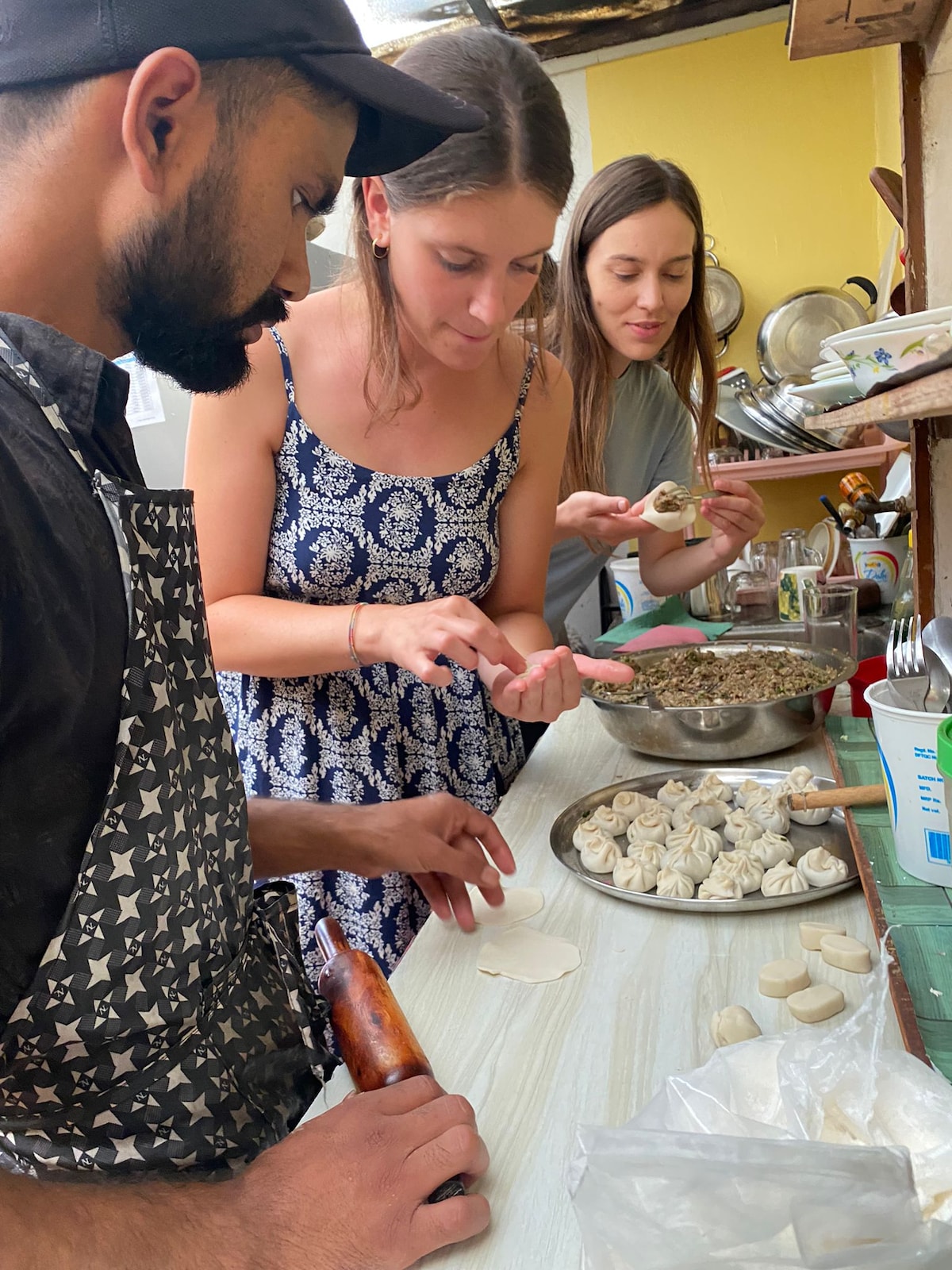
Learn Nepali cooking in Patan
Fri, Dec 5 • 10:00 AM
Lalitpur, Bagmati Province 44600, Nepal
View details

Nearby restaurants of Buddha Stupa

Roadhouse Cafe, Boudha

AT Burger Boudha Dharatol

La Casita de Boudhanath - Spanish Tapas Bar & Restaurant

Sakura Japanese Restaurant & Cafe

Pho 99

Cafe GOTAMA

Thulo Mo:Mo

Kimchee Korean Restaurant/Karaoke

Himalayan Dolpo Thakali Restaurant

Fuchhey Restaurant, Boudha

Roadhouse Cafe, Boudha

Roadhouse Cafe, Boudha

4.4

(1.3K)

$$$

Click for details
AT Burger Boudha Dharatol

AT Burger Boudha Dharatol

4.4

(599)

$$

Click for details
La Casita de Boudhanath - Spanish Tapas Bar & Restaurant

La Casita de Boudhanath - Spanish Tapas Bar & Restaurant

4.1

(171)

Click for details
Sakura Japanese Restaurant & Cafe

Sakura Japanese Restaurant & Cafe

4.0

(104)

Click for details
Get the Appoverlay
Get the AppOne tap to find yournext favorite spots!
Wanderboat LogoWanderboat

Your everyday Al companion for getaway ideas

CompanyAbout Us
InformationAI Trip PlannerSitemap
SocialXInstagramTiktokLinkedin
LegalTerms of ServicePrivacy Policy

Get the app

© 2025 Wanderboat. All rights reserved.
logo

Posts

Nepal  Stupa Day Tour
luna Gellerluna Geller
Nepal Stupa Day Tour
Nepal | Experience the Ultimate Dream of Hikers in Depth!
AliceHamiltonAliceHamilton
Nepal | Experience the Ultimate Dream of Hikers in Depth!
Three of My Favorite Attractions in Kathmandu
lucaslucas
Three of My Favorite Attractions in Kathmandu
See more posts
See more posts
hotel
Find your stay

Pet-friendly Hotels in Kathmandu Metropolitan City

Find a cozy hotel nearby and make it a full experience.

Nepal Stupa Day Tour
luna Geller

luna Geller

hotel
Find your stay

Affordable Hotels in Kathmandu Metropolitan City

Find a cozy hotel nearby and make it a full experience.

Get the Appoverlay
Get the AppOne tap to find yournext favorite spots!
Nepal | Experience the Ultimate Dream of Hikers in Depth!
AliceHamilton

AliceHamilton

hotel
Find your stay

The Coolest Hotels You Haven't Heard Of (Yet)

Find a cozy hotel nearby and make it a full experience.

hotel
Find your stay

Trending Stays Worth the Hype in Kathmandu Metropolitan City

Find a cozy hotel nearby and make it a full experience.

Three of My Favorite Attractions in Kathmandu
lucas

lucas

See more posts
See more posts

Reviews of Buddha Stupa

4.7
(8,243)
avatar
4.0
1y

The birth of Tibetan Buddhism is intrinsically connected to the Boudha Stupa. In a Dharma teaching given by Padmasambhava2] to Yeshe Tsogyal, King Trisong Detsen (r. 755 to 797) and the Twenty-five Heart Students at Samye Monastery, the history of the stupa and its relationship to Tibetan Buddhism is explained, as a section within a complete teaching.

Little Purna, a daughter of Indra's living in the Gods realm broke a law of the realm by stealing a divine flower. She was cast into the human realm, where she was reborn into a family of Kathmandu Valley poultry farmers, and named Samvari.

Samvari also became a poultry farmer and had four sons by different fathers, who she raised to be comfortable householders. She amassed wealth and made an intention: "I will put this wealth to good use. I will build a support for the wisdom-mind of all the buddhas, my own yidam, a place for beings to accumulate immeasurable merit, a great stūpa whose essence is the Tathāgatas’ relics."[2]

Samvari then asked the local king for his permission and for the necessary grant of land. The king thought and was impressed by Samvari, then responded, "Jarung!" ("Let it be done!"). She immediately began building the stupa with bricks loaded by her four sons and a servant, carried by an elephant and a donkey.

Local Newar people became concerned about the size of the stupa, and how it would reflect on members of the king's court who were not building bigger supports for the Dharma and roots of merit. The king refused to change his decision, and explained how "Let it be done" (Jarung) "slipped from his tongue" (Kashor). Thus, the stupa became known as the Jarung Kashor.

Her four sons continued with the stupa's construction after her death, when she passed into buddhahood while in the bardos. The stupa was consecrated then with Buddha Kassapa's relics, and they made the joint aspiration to bring the Buddha Dharma to the frozen borderland of ice - Tibet. The first born son made the aspiration to return as a king, and was reborn in the 8th century as Trisong Detsen. The second born made the aspiration to be the abbott and was reborn as Shantarakshita. The third born son made the aspiration to be born from a lotus and as a powerful mantra master so as to protect the Buddha's teachings, and was reborn as Padmasambhava. The fourth born son made the aspiration to be born as a royal minister so as to help his brothers, and was reborn as the king's minister Bami Trizher of Yarlung. The servant, the elephant, the donkey, and a passing raven were also reborn as humans in Tibet: respectively, as a minister, as U Dum Tsen, as another minister, and as the king's son.[2]

Yeshe Tsogyal recorded Padmasambhava's complete teaching and concealed it as a terma. It was discovered, translated then reconcealed. The translation was rediscovered by Shakya Zangpo along with the complete teaching by Padmasambhava.[2[14]

After rediscovering the translation of the terma, Shakya Zangpo came to Nepal in search of the stupa but found only an abandoned mound. He undertook a restoration during which he is said to have found the remains of Nepali king Amsuverma, the possible father of Songsten Gampo's Nepali queen Bhrikuti. His restoration is likely to have resulted in the stupa being the size we see today. [15] He is believed to have resided at Chabahil during the work, a few kilometers away. Chabahil is known as Sa lhag rdo Lhag, leftover earth, leftover stones, which refers to the belief that the smaller Chabahil stupa was built using the leftover materials from the Boudha Stupa restoration, which could date the Chabahil stupa to the 15th century.

The story of Samvari the poultry woman is also acknowledged by the local Newar people. A painting of Samvari is on the rear of the Pukkasi or Mammo Hariti shrine at Boudha Stupa where a pond with ducks is depicted with a lady taking...

   Read more
avatar
5.0
1y

Buddha stupa (བྱ་རུང་ཁ་ཤོར) / Jarung kashor. The story about the Bouddha Stupa is important, and it is incredibly inspiring. The stupa was built by a mother, Jadzima, who looked after her chickens. They were an extremely poor family. She wanted to build a stupa very, very much, so she asked the king of Nepal for permission to get the land. Normally, the king wouldn’t give such permission, but somehow, maybe due to her karma, the king said, “Okay, it can be done.” This just slipped out of his mouth. This is why the Tibetans call it “Jarung Kashor Chörten.” Jarung is “it can be done,” and kashor is “slipped out of the mouth.” That’s the name of the Bouddhanath Stupa. Chörten means stupa. The mother passed away after she completed up to the vase, the dome-like structure. She had four sons from four different fathers and they completed the rest of the stupa. After they finished it, they all stood up in front of it and made prayers. Everyone generated a wish. When they were praying, all the buddhas and bodhisattvas absorbed into the stupa, which is why the name of the stupa is also “All-Encompassing.” It’s also called wish-fulfilling. Because it is so powerful that the wishes of anybody who makes prayers to the stupa are fulfilled. Especially when you see the stupa for the very first time, whatever you pray for, it will succeed. Even from the airplane; the first time you see it, you must do your best prayer.

When the brothers were standing in front of the stupa, •The oldest brother , the son of the horse keeper, made a prayer, “May I become a Dharma king in Tibet.” •The second son, the son of the swineherd made the prayer, “May I become an abbot to pass on the lineage of ordinations in Tibet.” • The third son, the son of the dog keeper ,made a prayer, “May I become a powerful yogi when there are obstacles to spreading Dharma in Tibet.” • The youngest brother, the son of the poultry keeper, realized that his three older brothers might be born in different locations and therefore made a prayer and said "May I become someone who could connect three of them and allow them to reunite in their future lives” • In the next life, then, the oldest brother became, the son of the horse keeper, the Dharma king Songtsen Gampo [ སྲོང་བཙན་སྒམ་པོ] in Tibet. He was born as King Trisong Detsen, the royal establishment of the dharma. •The second son,the son of the swineherd became an abbot( head of the monestery)[Shantarakshita/ ziwa - tso /་ཞི་བ་འཚོ) he was born as a pure, fully ordained monk who would uphold the holy monastic order in Tibet. He became the great abbot of Shantarakshita, the first abbot of Tibet. •The third son, the son of the dog keeper ,became Padmasambhava( Guru rimpochay) and helped his brothers to protect the dharma in Tibet. •The youngest brother, the son of the poultry keeper. He was born as the royal minister Nanam Dorje Dudjom, the king’s minister responsible for inviting Guru Rinpoche to tibet and reunited three of them in Tibet. They all came to be gathered at this moment in Samye monastery in Tibet, so many lifetimes after their completion of the Boudha Stupa in Nepal.

After hearing all the prayers from all four brothers. There is a one person lang tho ( someone who carries the grass and stone) is jealous of four of them them and he made a wish that if they are protect and established the dhaarma. Then he would become some one ho destroyed the Buddhist / dharma So in the next life he becomes Tibetan king Langdarma ( གླང་དར་མ།) The Tibetan king Lang Darma, who was infamous for his cruelty and was said to have had a black tongue. The king Langdarma almost succeeded in eradicating...

   Read more
avatar
5.0
1y

Visiting the Boudhanath Stupa in Kathmandu is more often part of a pilgrimage more than a selfie center. Yet, if you’re a tourist you can have a profound experience without interrupting the journey for others. Here are some guidelines on how to behave respectfully and what activities you might observe or participate in:

Behavior at the Stupa: Dress Modestly:Wear clothing that covers your shoulders and knees. This is a sign of respect in many religious sites in Nepal. Walk Clockwise:Always walk around the stupa in a clockwise direction. This is in keeping with the tradition of circumambulation, which is done as a gesture of respect. Remove Your Shoes If you enter any temple or shrine around the stupa, it is customary to remove your shoes. Many places that you might think need shoes removals also don’t. So observe and take note of others and don’t be afraid to just ask. Refrain from Public Displays of Affection: As a place of worship, it’s important to maintain decorum and avoid overt displays of affection. Photography: Be mindful when taking photos. Avoid photographing monks, nuns, or pilgrims without their permission. Also, look out for signs that might restrict photography in certain areas. Try to take as few as possible instead of as many as possible. Sit at a restaurant or cafe to capture some with good views vs during someone’s personal and private religious moments. Silence is Golden: Keep your voice low and avoid loud conversations, as this is a place of meditation and reflection. Handling Prayer Flags and Wheels: Touching or spinning prayer wheels is a common practice, done with respect and usually in a clockwise direction. However, do not disturb or damage prayer flags.

Activities of Pilgrims: Circumambulation: Pilgrims perform kora, walking around the stupa while praying, often using prayer beads. Prayer Wheels: Pilgrims spin the prayer wheels that line the base of the stupa. It's believed that spinning these wheels with devotion carries prayers to heaven. Meditation and Prayers: You will see many pilgrims meditating or reciting prayers quietly in different parts of the stupa some will intense religious moments. Sashtanga is the deep prostration on wood beds you see. This is complete surrender and devotion in Buddhism. This act is full humility to purify negative karma and symbolizes a rebirth. Offerings: Pilgrims often bring offerings such as flowers, incense, and food, which they place at various shrines around the stupa. Festivals: Depending on when you visit, you might witness special celebrations or rituals, particularly during Buddhist festivals like Losar (Tibetan New Year) and Buddha Jayanti (the celebration of Buddha's birthday).

Participating respectfully in these activities or observing them can be a meaningful way to enjoy your trip and yet engage with the cultural and religious practices at the Boudhanath Stupa, one of the top Buddhist sites in the world.

You may be so lucky to find a guide to help you or even a monk. Consider how far you have come. In this moment change your walk to move slowly and consider that for a few dollars to a guide you could learn more.

I arrive early in the morning before it is hot. 6am is very enjoyable but not a must by 8am it is warm. The location has this site packed with more pilgrims, which feels lucky. Entrance was 400r...

   Read more
Page 1 of 7
Previous
Next