Museum Kura Hulanda things to do, attractions, restaurants, events info and trip planning
Basic Info
Museum Kura Hulanda
9 Klipstraat, Willemstad, Curaçao
4.5(631)
Closed
Save
spot
spot
Ratings & Description
Info
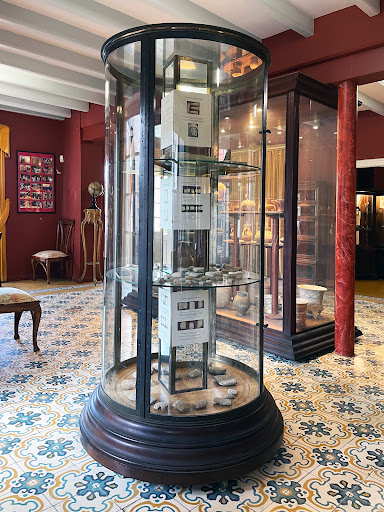
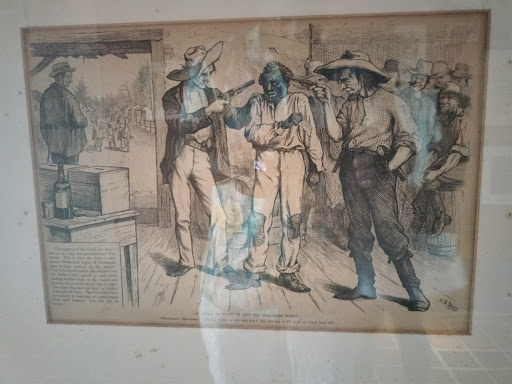
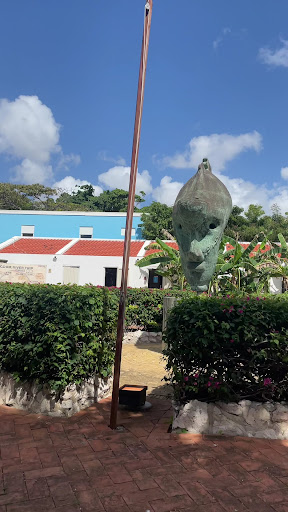
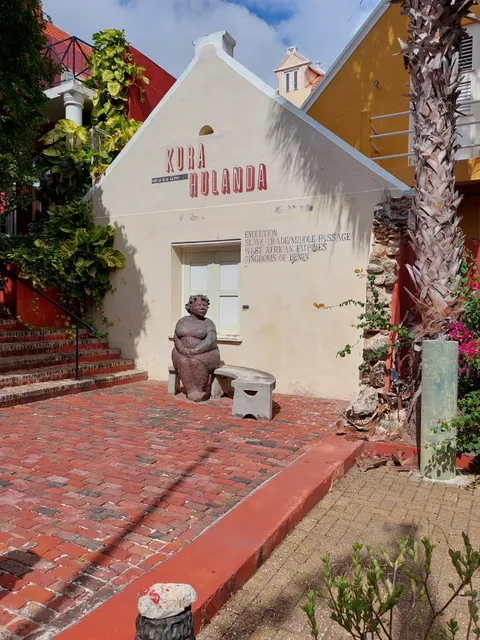
Kurá Hulanda Museum is an anthropological museum in Curaçao. The museum specialises in the Atlantic slave trade, and opened in April 1999.
Cultural
Family friendly
Accessibility
attractions: Queen Emma Bridge, Brión Square, Kura Hulanda Village, BAGIRA ARTIST & THE GALLERY, Dushi Walks (Otrobanda), Curacao Maritime History Museum / A treasure chest full of history, Punda Love Heart, Kaya Kaya street art, Inter-Continental University of the Caribbean, Free Walking Tours Curaçao, restaurants: Grand Café 'Gouverneur De Rouville' Curaçao, RustiQ Curaçao, The Captain, Caleo Crudos y Parrilla, Brgr Haus Kura Hulanda, Viva Pizza e Pasta Bar, Lionfish Caribbean, Florès Stadsterras, Harbor Restaurant Curaçao, Bario Food Yard, local businesses: Swinging Old Lady Brewery, 27 IJzerstraat, Handelskade, Colorful Steps (by Avantia Damberg), BAR•BER, Governor's Palace, New Market, Queen Juliana Bridge, A&J Liquor And Tobacco Store
 Learn more insights from Wanderboat AI.
Phone
+599 9 462 9737
Website
kurahulandavillage.com
Open hoursSee all hours
Tue8 a.m. - 4 p.m.Closed
Plan your stay

Pet-friendly Hotels in Curaçao
Find a cozy hotel nearby and make it a full experience.

Affordable Hotels in Curaçao
Find a cozy hotel nearby and make it a full experience.

The Coolest Hotels You Haven't Heard Of (Yet)
Find a cozy hotel nearby and make it a full experience.

Trending Stays Worth the Hype in Curaçao
Find a cozy hotel nearby and make it a full experience.
Reviews
Live events

Six Curaçao traditions in one morning
Sun, Mar 1 • 10:00 AM
Willemstad, Curaçao , Curaçao
View details

Make Authentic espadrilles in Curaçao
Tue, Feb 24 • 9:00 AM
Willemstad, Curaçao NA, Curaçao
View details
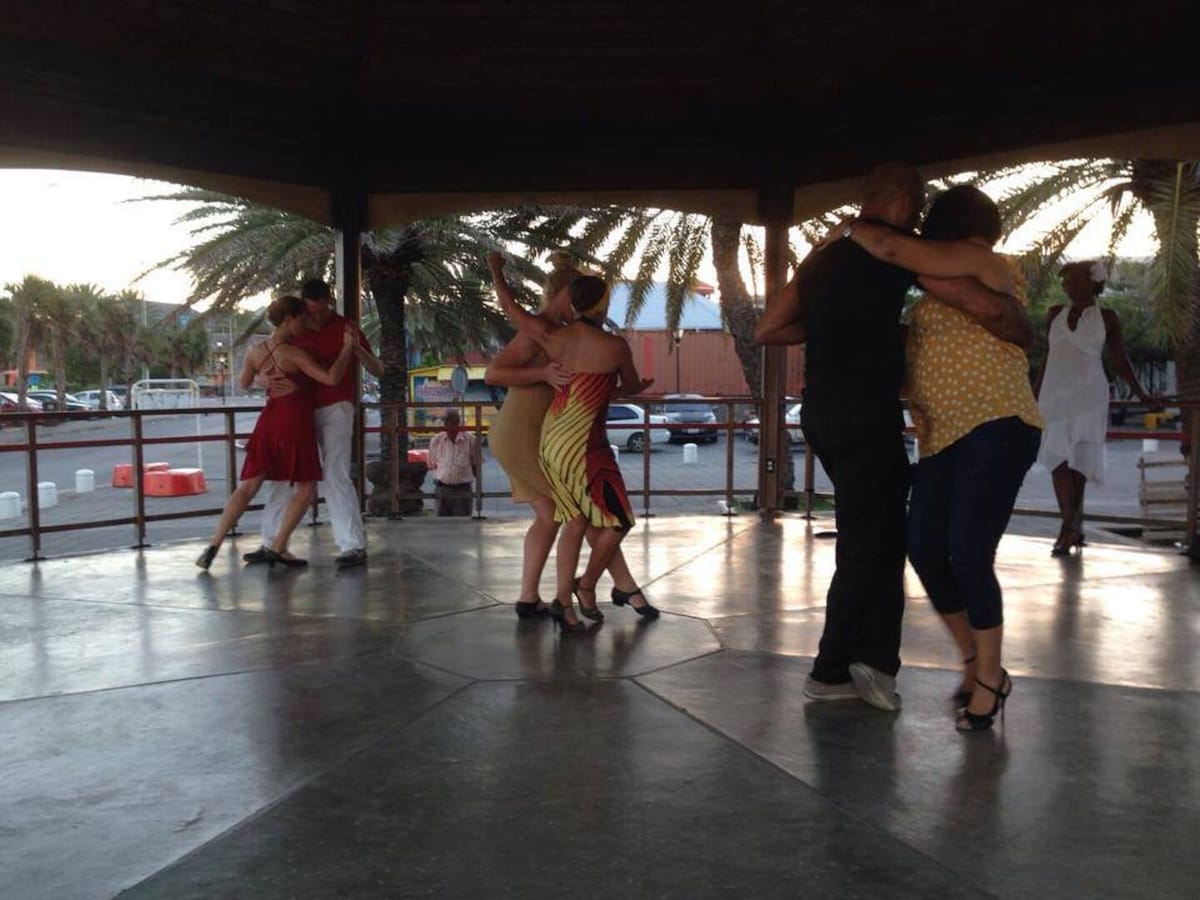
Learn the basics of Argentine Tango in Curacao
Tue, Feb 24 • 9:30 AM
Willemstad, Curaçao, Curaçao
View details
Nearby attractions of Museum Kura Hulanda
Queen Emma Bridge
Brión Square
Kura Hulanda Village
BAGIRA ARTIST & THE GALLERY
Dushi Walks (Otrobanda)
Curacao Maritime History Museum / A treasure chest full of history
Punda Love Heart
Kaya Kaya street art
Inter-Continental University of the Caribbean
Free Walking Tours Curaçao
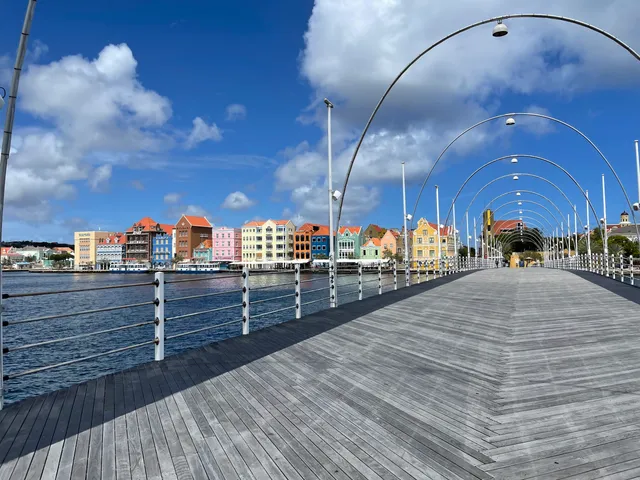
Queen Emma Bridge
4.7
(4.5K)
Open until 12:00 AM
Click for details
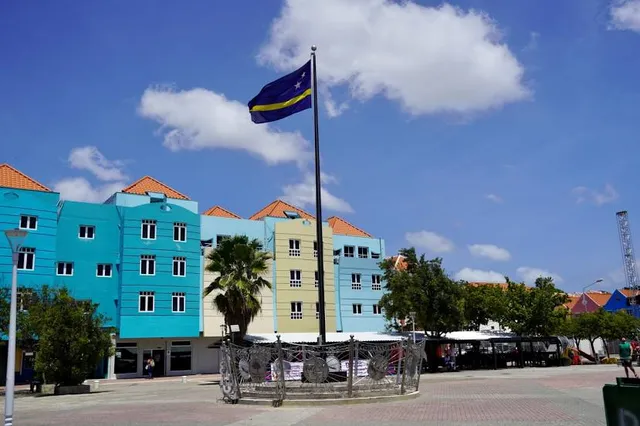
Brión Square
4.5
(788)
Open until 12:00 AM
Click for details
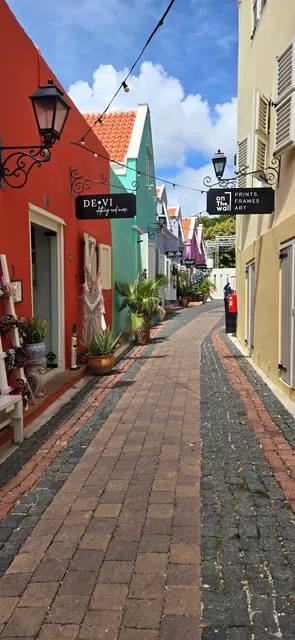
Kura Hulanda Village
4.8
(93)
Open 24 hours
Click for details

BAGIRA ARTIST & THE GALLERY
4.8
(15)
Closed
Click for details
Nearby restaurants of Museum Kura Hulanda
Grand Café 'Gouverneur De Rouville' Curaçao
RustiQ Curaçao
The Captain
Caleo Crudos y Parrilla
Brgr Haus Kura Hulanda
Viva Pizza e Pasta Bar
Lionfish Caribbean
Florès Stadsterras
Harbor Restaurant Curaçao
Bario Food Yard
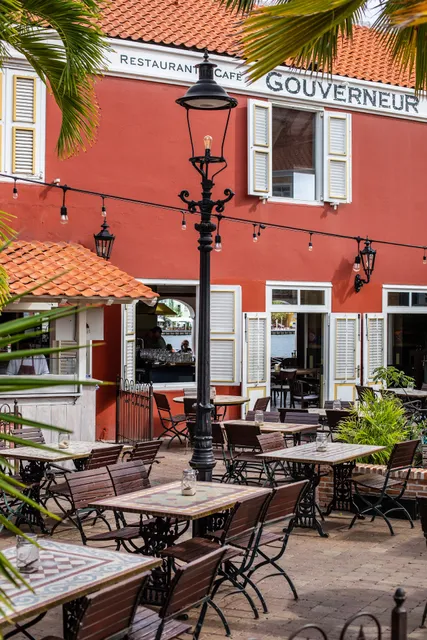
Grand Café 'Gouverneur De Rouville' Curaçao
4.6
(1.2K)
$$
Closed
Click for details
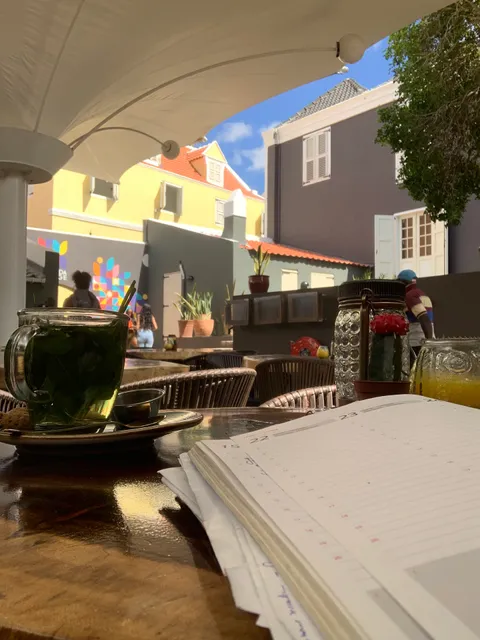
RustiQ Curaçao
4.5
(138)
Closed
Click for details
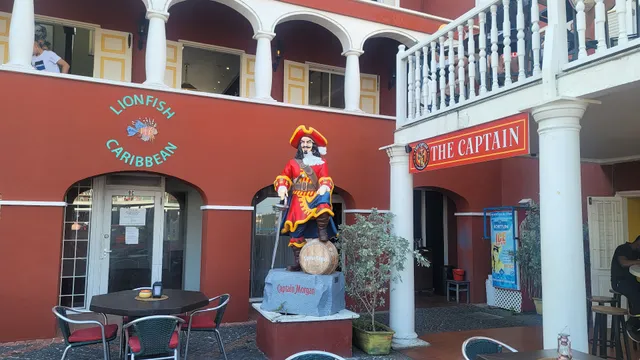
The Captain
4.4
(168)
Open until 12:00 AM
Click for details
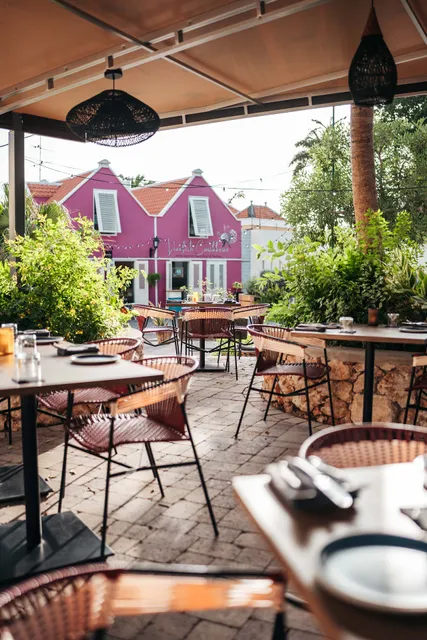
Caleo Crudos y Parrilla
4.7
(155)
Open until 12:00 AM
Click for details
Nearby local services of Museum Kura Hulanda
Swinging Old Lady Brewery
27 IJzerstraat
Handelskade
Colorful Steps (by Avantia Damberg)
BAR•BER
Governor's Palace
New Market
Queen Juliana Bridge
A&J Liquor And Tobacco Store
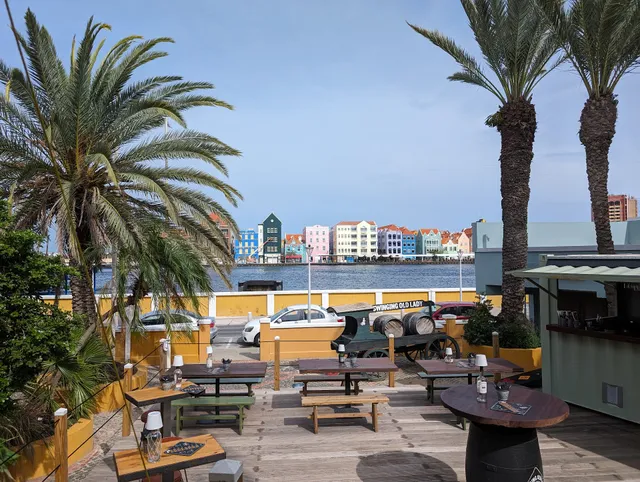
Swinging Old Lady Brewery
4.7
(153)
Click for details
27 IJzerstraat
4.1
(113)
Click for details
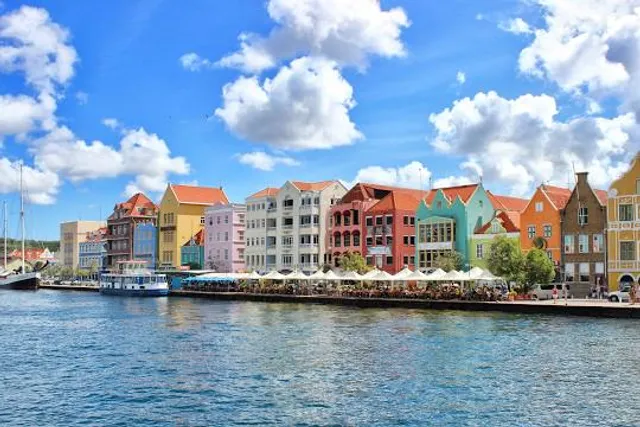
Handelskade
4.8
(40)
Click for details
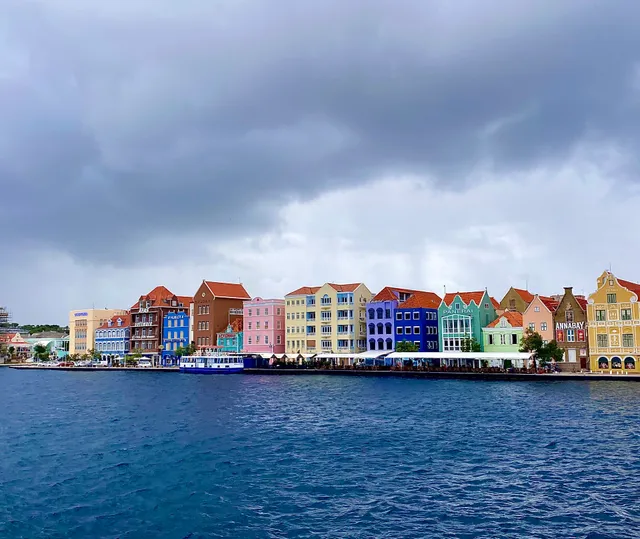
Colorful Steps (by Avantia Damberg)
4.4
(105)
Click for details